

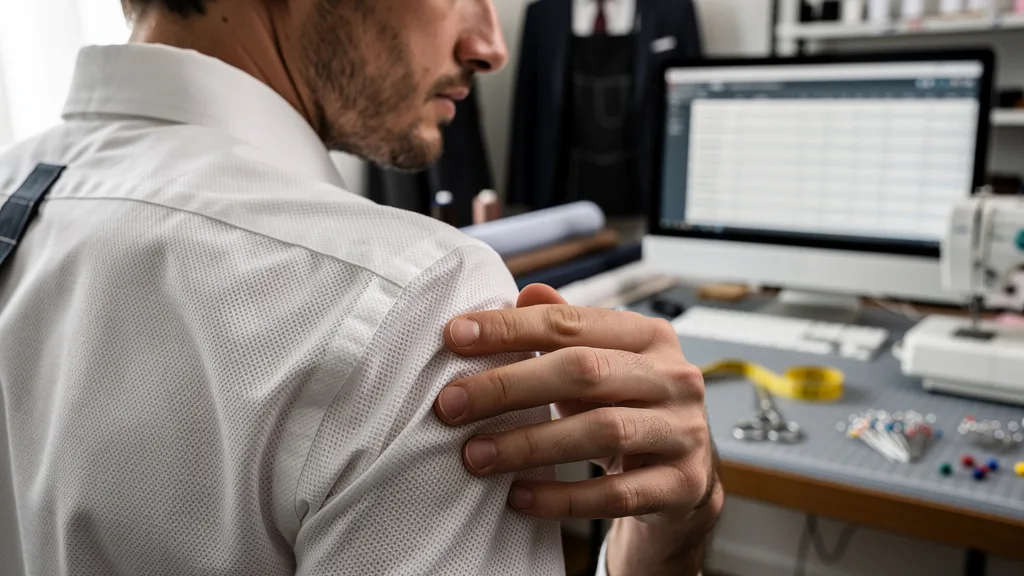
Ever found yourself in an important meeting or at a summer event feeling uncomfortably warm in your dress shirt? Choosing the right fabric is the secret to staying cool, comfortable, and confident, no matter the temperature. The key lies in understanding the science of fabric breathability and how different materials perform in hot weather.
The best breathable fabrics for dress shirts are natural fibers like cotton and linen, prized for their ability to allow air to circulate and moisture to evaporate. Modern innovations like Tencel (Lyocell) and specialized performance blends also offer excellent coolness and comfort. The fabric’s weave, such as poplin or chambray, is just as crucial as the fiber itself in determining how cool the shirt will feel against your skin.
Breathability in a fabric refers to its ability to allow air and moisture vapor to pass through it. This is a critical feature for comfort, especially in warm climates or for individuals who tend to run hot. A truly breathable shirt helps regulate your body temperature by letting heat escape and facilitating the evaporation of sweat, preventing that clammy, sticky feeling. It’s the difference between feeling fresh all day and feeling trapped in your own clothes.

The science behind this involves a combination of material properties. Some fabrics are naturally porous, while others are engineered to pull moisture away from the skin. Understanding these fundamentals is the first step toward building a wardrobe that is both stylish and exceptionally comfortable for any season.
Key Factors: Fiber, Weave, and Weight
Three primary elements determine a fabric’s breathability: the fiber it’s made from, the way it’s woven, and its overall weight. Natural fibers like cotton and linen are inherently more breathable than most synthetics because their structures are not as uniform, allowing more air to pass through. Plant-based fibers are particularly good at absorbing moisture without feeling wet.
The weave is equally important. A looser, more open weave like poplin or broadcloth allows for significantly more airflow than a dense, tight weave like twill. This is why two shirts made from 100% cotton can feel completely different in terms of comfort. Finally, a lighter fabric weight, often measured in grams per square meter (GSM), will naturally feel cooler and less restrictive than a heavier one. For more detail on fabric construction, exploring the differences between poplin vs. twill dress shirts can provide valuable insight.
How Breathability Impacts Comfort in Hot Weather
In hot and humid conditions, your body’s primary cooling mechanism is sweating. For this to be effective, the sweat must be able to evaporate from your skin. Non-breathable fabrics trap this moisture, creating a humid layer between the shirt and your body. This not only feels uncomfortable but also inhibits the natural cooling process, making you feel even hotter.
A breathable dress shirt, on the other hand, acts as a functional ventilation system. It allows air to circulate freely, carrying heat and moisture away from your body. This constant airflow helps sweat evaporate quickly, keeping you dry and maintaining a comfortable microclimate next to your skin. The result is a shirt that works with your body to keep you cool, rather than against it.
The Top Breathable Fabrics for Men’s Dress Shirts
When building a versatile and comfortable wardrobe, knowing the top performers in breathability is essential. From timeless classics to modern innovations, certain materials consistently stand out for their ability to keep you cool. These fabrics form the foundation of high-quality summer clothing and year-round comfort.
Cotton: The Versatile Classic
Cotton is the undisputed king of dress shirt fabrics for a reason. It is soft, durable, hypoallergenic, and, most importantly, highly breathable. The natural fibers of the cotton plant allow air to circulate freely. For maximum breathability, look for shirts made from high-quality, long-staple cotton like Egyptian or Pima and woven in a lightweight style like poplin, broadcloth, or voile. These weaves enhance the fabric’s natural airflow properties.
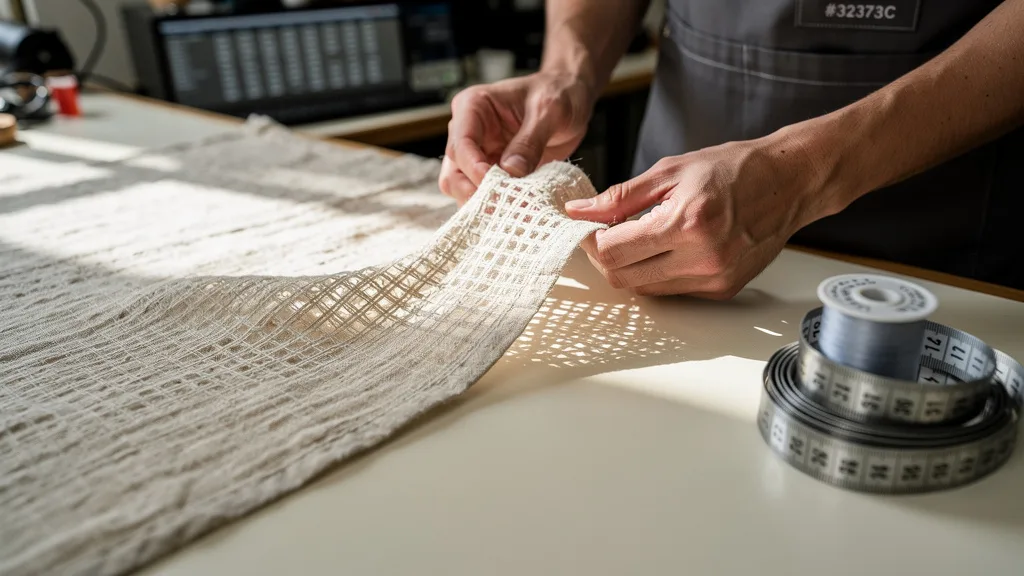
Because of its versatility, cotton is suitable for almost any occasion, from the boardroom to a casual weekend outing. A well-made cotton shirt is a wardrobe staple that offers a perfect balance of structure, softness, and comfort. To learn more about what makes a shirt truly high-end, you can explore our guide to the best premium shirt fabrics.
Linen: The Ultimate Summer Staple
Linen is the quintessential fabric for hot weather. Made from the fibers of the flax plant, it is exceptionally strong, absorbent, and dries faster than cotton. The hollow nature of linen fibers gives it superior breathability and a distinctively cool feel against the skin. It can absorb a significant amount of moisture without feeling damp, making it ideal for humid climates.
While linen is famous for its tendency to wrinkle, this characteristic is often seen as part of its charm, lending a relaxed and effortless elegance. A linen shirt is perfect for summer weddings, beach vacations, or any occasion where staying cool is the top priority. Over time, linen becomes softer and more comfortable with each wash. common mistakes when buying.
Tencel (Lyocell): The Modern, Smooth Performer
Tencel, a brand name for a type of lyocell, is a more modern fabric made from sustainably sourced wood pulp. It has gained popularity for its luxurious softness, smooth drape, and excellent performance properties. Tencel is known for being even more absorbent than cotton, and it has fantastic moisture-wicking capabilities, pulling sweat away from the skin to keep you dry.
Its silky surface feels cool to the touch, and it is less prone to wrinkling than cotton or linen, making it a great travel-friendly option. This eco-friendly fabric combines the comfort of natural fibers with the easy-care benefits of modern textile technology, offering a sleek and comfortable alternative for contemporary dress shirts.
Chambray: A Lightweight Denim Alternative
Often mistaken for denim due to its similar indigo-dyed appearance, chambray is a much lighter and more breathable option. It is constructed with a plain weave, using a colored warp thread and a white weft thread. This construction results in a softer, lighter fabric that is perfect for warmer months.
Chambray provides the rugged, versatile look of denim without the weight and heat. It’s an excellent choice for a smart-casual dress shirt that can be worn to the office on a Friday or for a weekend brunch. The fabric is durable yet soft and becomes more comfortable with wear.
Performance Blends: Synthetics Engineered for Airflow
While 100% synthetic fabrics like polyester are typically not breathable, modern performance blends have changed the game. These textiles are intelligently designed, often mixing natural fibers like cotton with a small percentage of synthetics such as spandex for stretch or a specially engineered polyester for moisture-wicking. The goal is to take the best qualities of each material.
These blends are crafted to offer enhanced functionality, providing stretch for better movement, superior wrinkle resistance, and advanced moisture management. They are a great choice for individuals with an active lifestyle or for those who need a shirt that looks crisp from morning to night without sacrificing comfort.
Fabric Comparison: Which Material Keeps You Coolest?
Choosing the right fabric often comes down to balancing different priorities, from pure cooling power to wrinkle resistance and overall feel. While personal preference plays a role, understanding the objective differences between materials can help you make an informed decision. This table provides a side-by-side look at the top breathable fabrics.
| Fabric | Breathability Rating | Moisture Management | Wrinkle Resistance | Feel Against Skin |
|---|---|---|---|---|
| Cotton (Poplin) | High | Good (Absorbent) | Moderate | Soft and Crisp |
| Linen | Excellent | Excellent (Absorbent & Quick-Drying) | Low | Crisp and Textured |
| Tencel (Lyocell) | High | Excellent (Moisture-Wicking) | High | Silky and Smooth |
| Chambray | High | Good (Absorbent) | Moderate | Soft and Lightweight |
| Performance Blend | Good to High | Excellent (Moisture-Wicking) | Very High | Smooth and Stretchy |
Airflow and Moisture Management
When it comes to pure airflow, linen is the clear winner due to its unique fiber structure and typically open weave. Lightweight cottons like poplin and voile are a close second, offering fantastic ventilation. Moisture management is where the lines blur. Both cotton and linen are highly absorbent, meaning they soak up sweat. However, linen dries much faster.
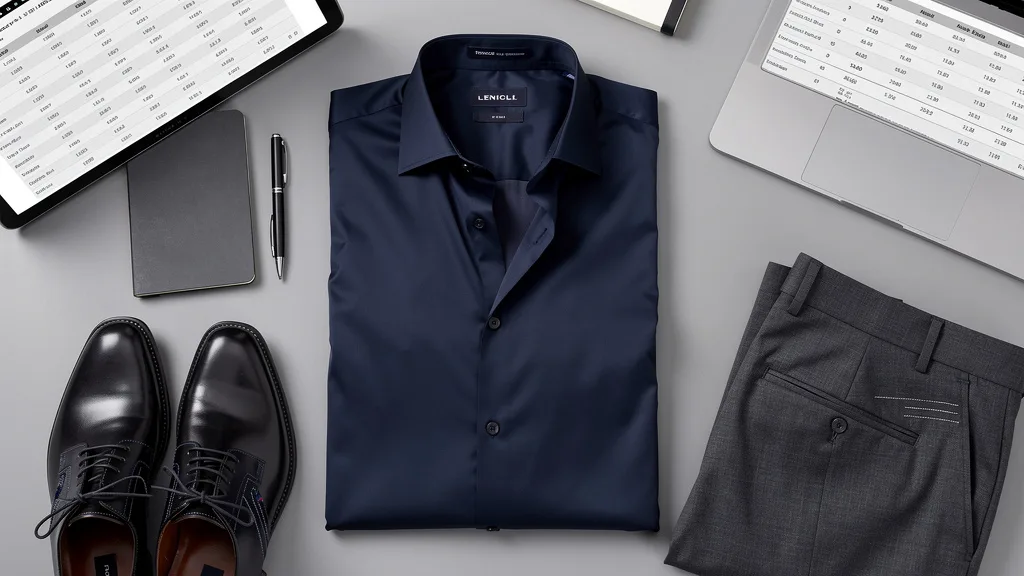
Tencel and performance blends, on the other hand, are moisture-wicking. Instead of just absorbing sweat, they actively pull it from your skin to the fabric’s surface where it can evaporate. This wicking action is often superior for staying dry during active moments. For a deeper dive, learning how to pick the most breathable fabrics can help you tailor your choices to specific activities and environments.
Wrinkle Resistance and Care
Your lifestyle and tolerance for ironing play a big role in fabric selection. Linen is notoriously prone to wrinkling, which requires either embracing the look or dedicating time to steaming or ironing. Cotton wrinkles less than linen but will still require pressing to look its sharpest. This is an area where modern fabrics shine. linen trousers for summer.
Tencel and performance blends offer superior wrinkle resistance, making them ideal for travel or for those with busy schedules. Many of these shirts can be worn straight from the dryer or with minimal touch-ups, providing a crisp appearance with much less effort.
Durability and Feel Against the Skin
All of these fabrics are durable, but their feel is distinct. High-quality cotton offers a familiar softness that is both crisp and comfortable. Linen has a more textured, organic feel that softens beautifully over time. Many people love the unique character that linen develops with each wash and wear.
“The tactile experience of a dress shirt is just as important as its visual appeal. A fabric like Tencel offers a modern, silky smoothness, while a classic linen provides a crisp, natural texture. True breathability in dress shirts comes from a perfect harmony of fiber, weave, and personal comfort.”
Tencel provides a silky, almost fluid drape that feels exceptionally smooth and cool against the skin. Performance blends often have a slick, technical feel with added stretch, prioritizing function and ease of movement.
How to Choose the Right Breathable Shirt for You
With a solid understanding of the different fabrics, the final step is to apply that knowledge to your own needs. The perfect breathable shirt depends on the setting, your personal style, and what you value most in a garment, whether it’s formality, ease of care, or pure cooling power.
Matching the Fabric to the Occasion
The context in which you’ll wear the shirt is paramount. For formal business settings or important events, a crisp, high-quality cotton poplin or broadcloth shirt remains the gold standard. Its smooth finish and structured look convey professionalism. If you’re considering options for formalwear, understanding the nuances between suiting shirts vs. dress shirts can be helpful.

For a destination wedding, a garden party, or a stylish vacation, a linen shirt is an impeccable choice. Its relaxed elegance is perfectly suited for celebratory, warm-weather events. A chambray or Tencel shirt fits well in a smart-casual or creative office environment, offering a stylish look without sacrificing comfort.
Understanding Different Fabric Weaves
As we’ve discussed, the weave can make or break a shirt’s breathability. When shopping, pay close attention to the fabric’s description. Look for terms like ‘poplin,’ ‘broadcloth,’ ‘voile,’ or ‘end-on-end’ for cotton shirts, as these indicate a lighter, more open weave suitable for warm weather. Steer clear of heavier weaves like twill, oxford, or flannel if your primary concern is staying cool.
Even within a fabric type, the weave makes a world of difference. An oxford cloth cotton shirt is a durable classic but is much warmer than a poplin cotton shirt of the same fiber content. Recognizing these distinctions is key to building a truly functional wardrobe. For a direct comparison, you can read more about poplin vs. twill differences.
Tips for Identifying High-Quality Construction
A breathable fabric is only as good as the shirt’s construction. When assessing quality, first feel the material. It should feel smooth and substantial, not thin or coarse. Hold the shirt up to a light source; for a summer shirt, you should be able to see some light pass through the weave, indicating good airflow. Check the seams for tight, clean stitching with a high stitch density, which signals durability.
Examine the buttons, which should be thick and securely attached; mother-of-pearl buttons are a hallmark of a premium shirt. Finally, look at the collar and cuffs. They should have a good structure without being overly stiff. A well-constructed shirt made from a high-quality breathable fabric is an investment that will provide comfort and style for years.
Key Takeaways
- Fiber, Weave, and Weight are Key: These three factors work together to determine a shirt’s breathability. A lightweight, loosely woven natural fiber is the ideal combination for staying cool.
- Natural Fibers Excel: Cotton and linen are the top choices for breathability due to their natural properties that allow for excellent airflow and moisture absorption.
- Modern Fabrics Offer Performance: Tencel (Lyocell) and engineered performance blends provide modern benefits like moisture-wicking, wrinkle resistance, and a silky feel.
- Match Fabric to Occasion: Choose crisp cotton for formal settings, relaxed linen for casual summer events, and versatile chambray or Tencel for smart-casual wear.
- Look Beyond the Label: Don’t just look for ‘100% Cotton.’ Pay attention to the weave (e.g., poplin, broadcloth) to ensure you’re getting a shirt designed for warm weather.
Frequently Asked Questions
What is the most breathable fabric to keep cool?
Linen is widely considered the most breathable fabric for keeping cool. Its hollow fibers and natural weave allow for maximum airflow and moisture absorption, making it feel exceptionally cool and dry against the skin, even in high heat and humidity. Lightweight cotton, particularly in a poplin or voile weave, is a very close second.
Both materials are excellent choices for summer clothing. Linen’s ability to dry quickly gives it a slight edge in very humid climates, while cotton’s softness and more structured appearance make it more versatile for a variety of occasions.
Are 100% cotton dress shirts always breathable?
No, not all 100% cotton dress shirts are equally breathable. The breathability of a cotton shirt is heavily dependent on its weave. A lightweight, plain weave like poplin or broadcloth allows for significant airflow. However, a dense, heavy weave like twill, flannel, or oxford cloth will trap more air and feel much warmer.
When shopping for a breathable cotton shirt, it’s crucial to consider the type of weave. Always look for fabrics described as lightweight or specifically designed for summer wear to ensure you are getting a shirt that will keep you cool.
Is polyester a good material for a breathable shirt?
Generally, 100% polyester is not a breathable material. It is a synthetic, plastic-based fiber that tends to trap heat and moisture against the skin, which can lead to a clammy and uncomfortable feeling. However, modern textile science has led to the creation of performance polyesters that are engineered with specific structures to wick moisture away from the skin.
These are often found in athletic wear or in blends with natural fibers. For a dress shirt, a small amount of performance polyester in a blend can add wrinkle resistance and moisture-wicking properties, but a shirt made entirely of traditional polyester is a poor choice for hot weather. Good Fabric Science shows that material choice is critical for both comfort and durability.
How does fabric color affect how cool a shirt feels?
Fabric color has a significant impact on how cool a shirt feels, especially in direct sunlight. Lighter colors like white, beige, and pastels reflect more light and solar radiation, which helps keep the fabric and your body cooler. Darker colors like black, navy, and charcoal absorb more light and heat, making them feel warmer.
While a dark shirt made of a very breathable fabric like linen will still perform better than a light-colored polyester shirt, choosing a lighter shade will always provide an advantage in staying cool. Even so, a stylish dark green shirt combination can work for evening events or cooler days.
What is the difference between breathable and moisture-wicking fabrics?
Breathability and moisture-wicking are related but distinct properties. Breathability refers to a fabric’s ability to allow air to pass through it, which helps with ventilation and convective cooling. Fabrics like cotton and linen are highly breathable. Moisture-wicking, on the other hand, is the fabric’s ability to pull moisture (sweat) away from the skin and move it to the outer surface of the fabric, where it can evaporate.
Synthetic performance fabrics and modern materials like Tencel are excellent at moisture-wicking. While a breathable fabric lets air in, a moisture-wicking fabric actively works to keep you dry. The best fabrics for hot weather often possess both qualities.
Conclusion
Mastering breathability in dress shirts is the key to unlocking year-round comfort without compromising on style. By focusing on the crucial trio of fiber, weave, and weight, you can confidently select shirts that will keep you cool, dry, and collected. Whether you choose the timeless appeal of cotton and linen or the modern functionality of Tencel, the right fabric transforms your experience of getting dressed, especially in warm weather. Your next step is to assess your wardrobe and identify where a high-performance, breathable shirt can make the biggest impact.
Ready to experience the difference a truly breathable shirt can make? Explore our curated collection of premium dress shirts, crafted from the world’s finest breathable fabrics. Find your perfect fit for any season and enjoy unparalleled comfort and style. SHOP NOW.