

Have you ever stood in a store, comparing a $20 shirt to a $100 one, and wondered if the price difference is truly justified? The reasons Why Premium Shirts Cost More: A Breakdown for Beginners is essential knowledge for building a quality wardrobe. The higher price tag is not just about a brand name but reflects significant investments in superior materials, meticulous craftsmanship, and a more refined fit, all of which contribute to a garment that looks better, feels more comfortable, and lasts significantly longer.
Ultimately, a premium shirt’s cost is a direct reflection of its value. This guide breaks down every element, from fabric quality and construction techniques to the intangible benefits of wearing a well-made garment. By understanding this complete cost breakdown, you can make more informed purchasing decisions, recognizing that a higher initial investment often leads to better long-term value and a more sustainable wardrobe. We will explore the tangible differences that define a high-quality shirt and help you determine when it’s worth paying more.
Understanding the Core Differences: Premium vs. Standard Shirts
At a glance, two shirts might look similar, but the differences between a premium and a standard garment are substantial and directly impact their price, comfort, and lifespan. Standard shirts are typically designed for mass production, prioritizing low cost over quality. This often means using lower-grade fabrics, simpler construction methods, and a generic fit that appeals to the widest possible market. While affordable, these shirts tend to lose their shape, color, and structural integrity after only a few washes.
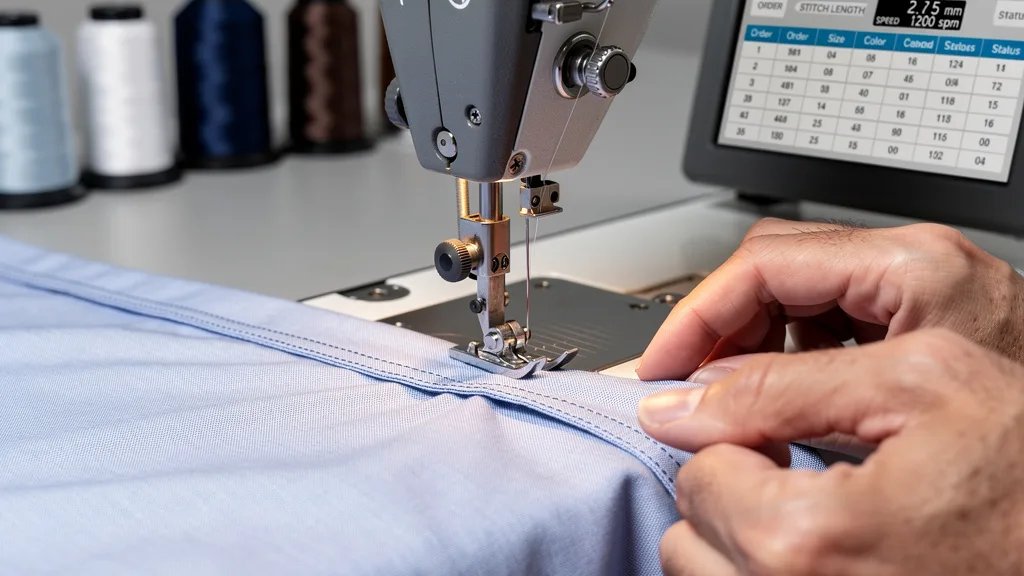
In contrast, premium shirts are built with longevity and superior experience in mind. They utilize high-end materials like long-staple cotton, feature more complex and durable stitching, and are designed with a tailored silhouette that provides a much better fit. These factors require more skilled labor and time, contributing to the higher price but resulting in a product that performs exceptionally well and maintains its quality for years. The table below highlights these key distinctions.
| Feature | Standard Shirt | Premium Shirt |
|---|---|---|
| Fabric | Shorter-staple cotton, polyester blends. Prone to pilling and feeling rough. | Long-staple cotton (Pima, Supima), linen, Tencel. Soft, breathable, and durable. |
| Stitching (SPI) | Low stitches per inch (8-12 SPI). Seams may pucker or break easily. | High stitches per inch (16-22 SPI). Strong, flat, and durable seams. |
| Fit & Cut | Boxy, generic fit. Designed for mass appeal with little shaping. | Tailored silhouette with darts and anatomical seams for a precise fit. |
| Buttons | Thin, brittle plastic buttons that can crack or fall off. | Thick, durable materials like mother-of-pearl or resin. Often cross-stitched for security. |
| Collar & Cuffs | Limp, unlined, or poorly fused interfacing. Loses shape quickly. | Sturdy, high-quality interlining that maintains a crisp shape. |
| Durability | Lasts for a limited number of washes before showing wear. | Designed to last for years, often looking better with age. |
Anatomy of a Premium Shirt: A Complete Cost Breakdown
To truly understand the price of a premium shirt, you must dissect its components. Every step in the shirt manufacturing process, from sourcing raw materials to the final stitch, involves choices that influence the final cost and overall quality. A higher price tag is rarely arbitrary; it is the sum of deliberate decisions to create a superior product. This section delves into the four main pillars that constitute the cost of a high-quality shirt.
Fabric Quality: From Cotton Grades to Specialty Blends
The single biggest factor in a shirt’s cost is the fabric. Premium brands use high-grade, long-staple cottons like Egyptian, Pima, and Supima. These fibers are longer, stronger, and finer than standard cotton, allowing them to be spun into a softer, more durable, and more lustrous yarn. This results in a fabric that feels exceptionally smooth against the skin, resists pilling, and holds color beautifully over time. You can learn more about the best premium shirt fabrics to understand their unique properties.
Beyond cotton, specialty blends incorporating materials like linen, Tencel, or silk also elevate the cost. These materials offer unique benefits such as enhanced breathability, moisture-wicking properties, or a luxurious drape. Furthermore, the weave and yarn count, such as a two-ply 120s fabric, require more raw material and a more complex weaving process than a single-ply 50s fabric, directly contributing to a higher unit cost.
Construction and Durability: Stitching, Seams, and Finishing
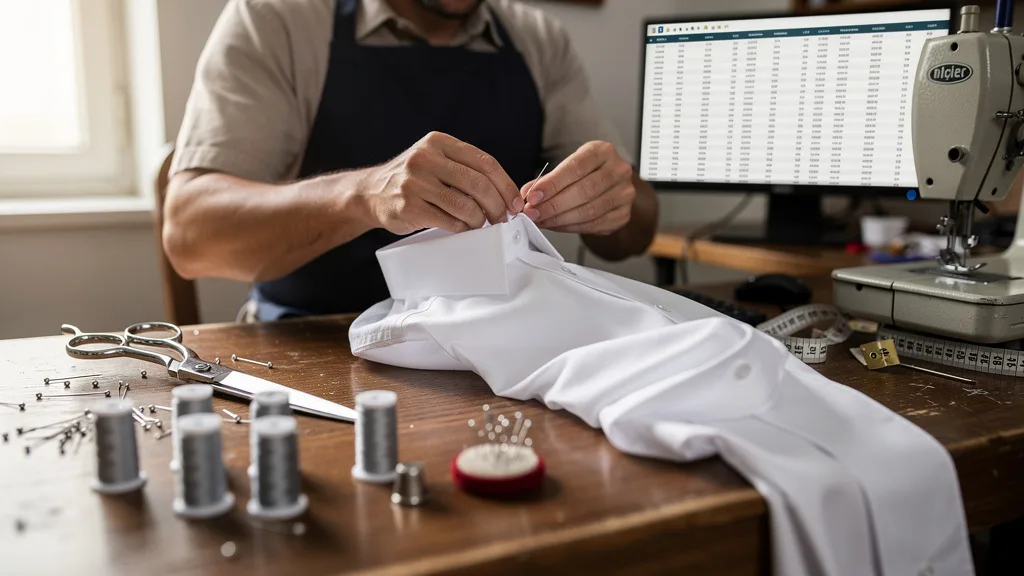
How a shirt is put together is just as important as the material it’s made from. Premium shirts feature a much higher stitch density, typically 16-22 stitches per inch (SPI), compared to the 8-12 SPI found on standard shirts. This creates stronger, more durable seams that are less likely to pucker or come apart. Techniques like single-needle tailoring and flat-felled seams, while more time-consuming, result in a cleaner finish and enhanced strength, particularly at stress points like the armholes and side seams.
Finishing details also add to the cost. High-quality shirts often use mother-of-pearl buttons, which are more beautiful and far more durable than cheap plastic alternatives. Other indicators of quality construction include pattern matching across the placket, pocket, and split yoke, which requires more fabric and precision cutting. These meticulous details signal a commitment to craftsmanship that justifies a higher price point.
Fit and Design: The Cost of a Tailored Silhouette
A great fit is not an accident. It is the result of extensive research, pattern-making, and thoughtful design. While standard shirts use a simple, boxy pattern to fit the widest range of body types, premium brands invest in creating more articulated fits. This includes offering different silhouettes like slim, athletic, or best regular fit shirts for everyday comfort. These patterns often incorporate details like darts in the back to remove excess fabric or a split yoke that allows for greater movement across the shoulders.
The cost of design also includes the time and expertise required to create unique styles, collars, and cuffs. Offering a wide range of sizes, including specialty sizes like stylish XXXXL T-Shirt for daily wear, adds complexity to production and inventory management. This investment in pattern-making and a wider size range ensures the customer receives a garment that looks less like a generic uniform and more like a piece tailored specifically for them.
Brand Reputation and Ethical Manufacturing
A portion of a premium shirt’s cost is tied to the brand itself, but this goes beyond marketing. Reputable brands invest heavily in quality control, ensuring every garment meets strict standards before it reaches the customer. They also provide superior customer service and stand behind their products with fair return policies and warranties. This assurance of quality is a key part of the value proposition. stylish XXXXL T-Shirt for daily wear.
Furthermore, there is a growing demand for transparency and ethical production. Many premium brands partner with factories that provide fair wages, safe working conditions, and environmentally responsible practices. These ethical considerations increase production costs compared to fast-fashion models that often rely on cutting corners. When you purchase from such a brand, part of the price supports a more sustainable and humane apparel industry.
How to Evaluate a Shirt’s Quality and Value
Becoming a savvy shopper means learning to identify the markers of quality for yourself. Instead of relying solely on the price tag or brand name, you can inspect a garment to determine if it’s truly well-made. This hands-on evaluation empowers you to distinguish between genuine quality and clever marketing. The next time you are shopping, use this checklist to assess the shirt’s construction and materials.

By training your eye and hand to notice these details, you can confidently determine whether a shirt’s price is justified. A truly high-quality garment will be evident in its feel, its construction, and the precision of its details. This skill is invaluable for building a wardrobe of pieces that you will love and wear for years to come.
- Feel the Fabric: High-quality fabric will feel smooth, dense, and substantial. It should not feel thin, scratchy, or synthetic unless it is a specific performance blend.
- Inspect the Seams: Look for a high stitch count. The stitching should be straight, even, and tight, with no loose threads or puckering, especially around the collar and cuffs.
- Examine the Buttons: Premium buttons are thick, smooth, and securely attached, often with a cross-stitch. Buttonholes should be neat and densely stitched.
- Check Pattern Matching: If the shirt has a pattern like stripes or checks, see if it aligns seamlessly across the front placket and at the shoulder seams. This is a sign of careful craftsmanship.
- Assess the Collar: The collar should feel structured and stand up crisply without being too stiff. A flimsy or floppy collar is a sign of poor-quality interlining.
Is the Higher Price Justified? The ROI of a Premium Shirt
The initial sticker shock of a premium shirt can be daunting, but its true value is revealed over its lifetime. Unlike cheaper alternatives that need frequent replacement, a well-made shirt is an investment that pays dividends in durability, style, and even savings over time. The concept of return on investment (ROI) applies just as much to your wardrobe as it does to your finances.
“Investing in a premium shirt often means investing in ethical practices and a brand that stands behind its product’s quality and longevity. The value extends far beyond the fabric itself.”
Calculating Cost Per Wear: Why Cheaper Isn’t Always Better
One of the most compelling arguments for investing in quality is the concept of ‘cost per wear’. This simple calculation reveals the true long-term cost of a garment. To find it, you divide the shirt’s total price by the number of times you wear it. A cheap, $20 fast-fashion shirt might seem like a bargain, but if it only survives 10 washes before it shrinks or loses its shape, its cost per wear is $2.00.

In contrast, a durable, $120 premium shirt that you can wear at least 120 times has a cost per wear of just $1.00. Suddenly, the more expensive shirt becomes the more economical choice. This calculation highlights that durability is a key factor in value. As you get more use out of a garment, its cost is amortized, making the initial investment much more reasonable. Understanding Why Are Some T-Shirts priced differently helps frame this value proposition clearly.
The Intangible Benefits of High-Quality Apparel
Beyond the numbers, the benefits of wearing a high-quality shirt extend to how you feel. A garment made from soft, breathable fabric simply feels better against your skin. A superior fit allows for better movement and drapes more flatteringly on your body, eliminating the pulling, bunching, and discomfort common with poorly made clothing. This physical comfort can have a significant impact on your day.
Moreover, there is a psychological boost that comes from wearing something you know is well-made. When your clothes fit properly and look sharp, you project an image of confidence and competence. Whether you are in a business meeting or on a casual outing, that feeling of being well-dressed can positively influence your interactions and your own self-perception. These intangible benefits are a crucial part of the value equation for Premium shirts.
When to Invest in Premium vs. When to Save
Building a smart wardrobe isn’t about buying only expensive items; it’s about investing strategically. Knowing when to spend more on a premium piece and when to opt for a more budget-friendly option is key to maximizing both your style and your finances. The decision should be based on how, where, and how often you plan to wear the garment.
Invest in premium shirts for your core wardrobe staples. These are the classic, versatile pieces you will wear repeatedly, such as a crisp white dress shirt, a timeless blue Oxford, or a perfectly fitting black t-shirt. Because these items form the foundation of countless outfits, their durability and superior fit will provide long-term value. It is also wise to invest for important occasions like job interviews, weddings, or significant presentations where making a polished impression is crucial.
Conversely, it makes sense to save on items that are highly trendy or intended for limited use. A novelty shirt for a specific event or a bold, seasonal color that may not be in style next year does not require a significant investment. For basic layering pieces that are not always visible or items you know will be subjected to heavy wear and tear (like work shirts for messy jobs), a more economical choice is often the more practical one.
Key Takeaways
Understanding the economics behind shirt pricing empowers you to build a better, more sustainable wardrobe. This complete guide shows that the higher cost of premium shirts is a direct result of tangible improvements in quality, durability, and design. By moving beyond the price tag and evaluating the true value of a garment, you can make smarter investments that pay off in the long run.
- Fabric is Paramount: Premium shirts use superior, long-staple cottons and specialty blends that are softer, stronger, and more comfortable. This is the biggest driver of cost and quality.
- Construction Defines Durability: Details like high stitch density, strong seams, and quality buttons ensure a premium shirt lasts for years, not just a season.
- Fit Affects Feel and Appearance: The investment in tailored patterns and better design results in a shirt that looks and feels significantly better to wear.
- Value is Measured in Cost Per Wear: A more expensive shirt often becomes the more economical choice over its lifetime due to its superior longevity.
- Invest Strategically: Spend on timeless wardrobe staples you will wear frequently and save on trendy, single-use, or disposable items. Knowing the difference is key to smart shopping.
Frequently Asked Questions
What are the main differences between a classic and a premium t-shirt?
The primary differences lie in fabric, construction, and fit. A premium t-shirt typically uses superior cotton like Pima or Supima, which is softer and more durable than the standard carded cotton of a classic tee. Premium versions often feature a more tailored fit with side seams for better shaping, whereas classic tees can be tubular and boxy.
Is $25 too much to pay for a shirt?
Whether $25 is too much depends entirely on the shirt’s quality. For a mass-produced, low-grade t-shirt, it may be overpriced. However, for a well-constructed shirt made from better-than-average fabric with some attention to detail, $25 can be a very reasonable price point that offers good value for the quality you receive.
Why do some t-shirts cost so much?
Luxury t-shirts can cost a lot due to several factors. These include the use of exclusive and expensive fabrics like sea island cotton or silk blends, complex manufacturing processes, designer branding and marketing, and production in countries with high labor costs. Often, you are paying for brand prestige as much as for the material quality.
What is the 3-3-3 rule for men’s clothing?
The 3-3-3 rule is a minimalist wardrobe strategy designed to maximize outfit combinations with fewer items. It involves selecting three tops, three bottoms, and three pairs of shoes that can all be mixed and matched. This approach encourages investing in high-quality, versatile pieces that work well together, promoting a more sustainable and efficient wardrobe.
Do premium shirts really last longer than cheaper ones?
Yes, in most cases, they do. The combination of stronger fibers, higher stitch counts, and more robust construction techniques means premium shirts can withstand the stress of regular washing and wearing far better. While a cheap shirt might look worn after 5-10 washes, a premium one can last for years, making it a more durable and sustainable choice.
Conclusion
Ultimately, the reason why premium shirts cost more is a reflection of their inherent value in fabric, craftsmanship, and design. Understanding this breakdown allows you to see beyond the price tag and recognize a high-quality garment as a smart long-term investment. By choosing pieces that offer superior durability, comfort, and style, you build a more sustainable and satisfying wardrobe that serves you well for years to come.
Ready to experience the difference that quality makes? Explore our curated collection of premium apparel, crafted with the finest materials and meticulous attention to detail. Find the perfect pieces to elevate your wardrobe today.
If you want help turning this into a concrete plan for your site or team, take the next step below to apply Why Premium Shirts Cost More: A Breakdown for Beginners with confidence.
Ready to act on Why Premium Shirts Cost More: A Breakdown for Beginners? SHOP NOW — tell us your goal, and we will help you pick the highest-leverage next step so you are not guessing alone.