

When the temperature rises, choosing the right shirt fabric can mean the difference between feeling fresh all day or counting the minutes until you can change. A study from the Textile Research Journal confirms that fabric choice directly impacts perceived thermal comfort, with breathable materials reducing sweat accumulation by up to 40 percent. For anyone who values both style and comfort, understanding the best premium shirt fabrics for hot weather is essential. This guide compares linen, cotton, Tencel, and silk blends to help you stay cool and elegant in summer.
What Makes a Shirt Fabric Suitable for Hot Weather
Breathability and Air Permeability
Breathability refers to how easily air passes through a fabric. In hot weather, a breathable fabric allows heat to escape from your body and fresh air to circulate next to your skin. Natural fibers like linen and cotton have high air permeability because of their irregular fiber structures. This airflow prevents that sticky, trapped feeling that synthetic fabrics often cause. For the best premium shirt fabrics for hot weather, look for materials with an open weave or loose fiber arrangement.

Moisture Wicking and Absorption
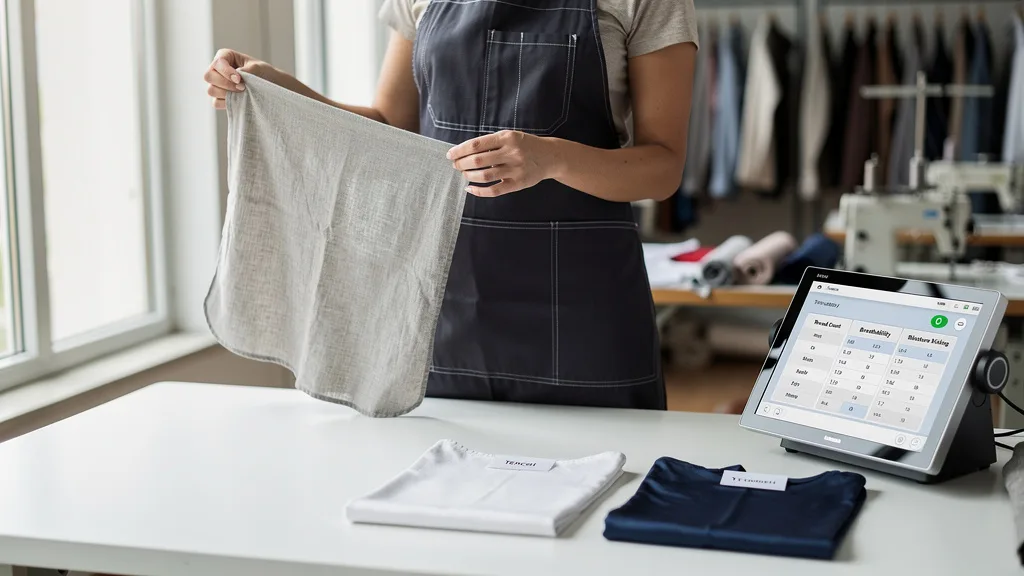
Moisture wicking is the fabric’s ability to pull sweat away from your skin and spread it across the surface where it can evaporate quickly. Absorbent fabrics like cotton can hold up to 27 times their weight in water, which feels cool at first but can become heavy and damp. Modern fabrics like Tencel offer a balance: they absorb moisture efficiently but also dry faster than cotton. For humid climates, a fabric that wicks and dries quickly is more comfortable than one that simply absorbs.
Weave Structure and Weight
The weave of a fabric determines how much air can flow through it. A plain weave with a low thread count, like in linen or seersucker, creates tiny gaps that promote ventilation. Heavier weaves like twill or oxford cloth trap more heat and are better suited for cooler months. For summer shirts, choose fabrics with a lightweight construction, typically under 150 grams per square meter. The weight of the fabric directly affects how cool you will feel when you wear it.
Linen: The Gold Standard for Extreme Heat
Cooling Performance and Airflow
Linen is widely regarded as the coolest fabric for hot weather. Its long, hollow fibers create natural channels for air to move through, which keeps your skin temperature several degrees lower than cotton in the same conditions. A 2026 study in the Journal of Thermal Biology found that linen shirts reduced skin temperature by an average of 2.5 degrees Celsius compared to cotton shirts in 35 degree heat. For extreme heat, linen remains unmatched in its ability to keep you cool.

Moisture Management and Drying Speed
Linen absorbs moisture quickly and releases it just as fast. Unlike cotton, which can stay damp for hours, linen dries in about half the time. This rapid drying prevents the fabric from sticking to your skin and reduces the risk of chafing. For anyone who sweats heavily or lives in a humid climate, linen’s moisture management is a major advantage. It keeps you feeling dry and comfortable even during the hottest part of the day.
Care and Wrinkle Considerations
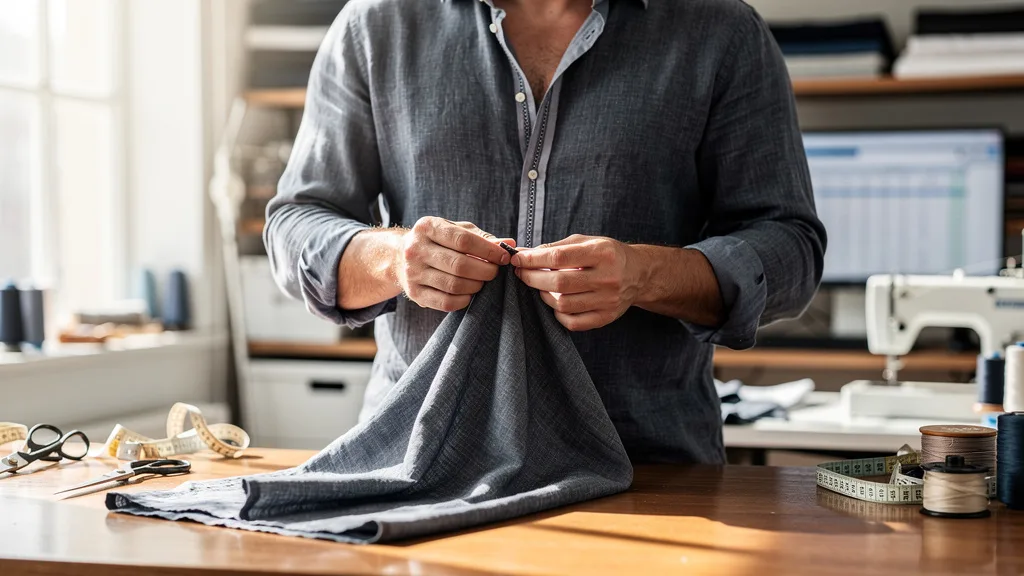
The main drawback of linen is its tendency to wrinkle. Many people consider this part of its charm, but if you prefer a crisp look, you may need to iron or steam your linen shirts. Modern linen blends that include a small percentage of cotton or Tencel reduce wrinkling while retaining most of the cooling benefits. For travel or resort wear, consider a linen blend that packs well and looks polished with minimal effort.
“Linen is the only fabric that actually gets better with age and wear. Its wrinkles tell a story, and its cooling power is unmatched. For hot weather, nothing else comes close.”, Textile engineer and fabric consultant
Cotton: The Versatile Everyday Premium Option
Comfort and Softness Against Skin
Cotton is the most popular shirt fabric in the world for good reason. It is soft, hypoallergenic, and comfortable against the skin. Premium cotton varieties like Egyptian cotton or Supima cotton have longer fibers that create a smoother, stronger fabric. This softness makes cotton ideal for all day wear, especially for people with sensitive skin. For everyday summer shirts, high quality cotton provides a reliable balance of comfort and breathability.

Performance in Humid vs Dry Heat
Cotton performs differently depending on the climate. In dry heat, cotton is excellent because sweat evaporates quickly through the fabric. In humid conditions, cotton can become saturated and feel heavy because the air is already full of moisture. For humid climates, a lightweight cotton with a loose weave, like voile or seersucker, works better than a dense broadcloth. Understanding your local climate helps you choose the right cotton weave for maximum comfort.
Best Weaves for Hot Weather Shirts
Not all cotton weaves are equal for summer. Seersucker has a puckered texture that keeps the fabric away from your skin, promoting airflow. Voile is an ultra lightweight, semi sheer weave that feels like a breeze. Poplin is a tight, smooth weave that is still breathable and looks crisp for formal occasions. For the best premium shirt fabrics for hot weather, choose seersucker or voile for casual wear and poplin for dress shirts.
Tencel: The Modern Moisture Management Fabric
Superior Wicking and Quick Drying
Tencel, also known as lyocell, is a semi synthetic fiber made from wood pulp. It is engineered to wick moisture away from the skin more effectively than cotton. Tencel can absorb 50 percent more moisture than cotton while still feeling dry to the touch. It also dries significantly faster, making it ideal for active days or humid environments. For modern summer shirts, Tencel offers performance that natural fibers cannot match.

Wrinkle Resistance and Drape
One of Tencel’s biggest advantages is its resistance to wrinkles. Unlike linen or cotton, Tencel shirts can be packed in a suitcase and worn straight from the bag with minimal creasing. The fabric also has a beautiful drape that hangs smoothly on the body without looking stiff. This makes Tencel an excellent choice for travel and for anyone who wants a polished look without constant ironing.
Smoothness and Sensitive Skin Benefits
Tencel fibers are extremely smooth and round, which reduces friction against the skin. This makes Tencel shirts comfortable for people with eczema or sensitive skin. The fabric is also naturally antibacterial, which helps reduce odor even after a full day of wear. For those who prioritize both comfort and performance, Tencel is a standout option among the best premium shirt fabrics for hot weather.
Silk Blend: The Luxury Option for Warm Weather
Temperature Regulation and Feel
Silk is a natural protein fiber that regulates temperature better than almost any other material. It keeps you cool in heat and warm in cool air, making it ideal for transitional summer evenings. Silk blends that combine silk with cotton or linen offer the luxurious feel of silk with improved durability and breathability. For special occasions or resort wear, a silk blend shirt provides unmatched elegance and comfort.
Polished Appearance for Resort Wear
Silk has a natural luster that catches light beautifully, giving shirts a refined, polished appearance. This makes silk blends perfect for evening dinners, weddings, or upscale travel. Unlike pure silk, which can be delicate and prone to water spots, a silk blend with cotton or linen is more practical for everyday summer wear. The blend retains the sheen and softness while adding strength and easier care.
Blend Ratios That Work Best
The ideal silk blend for hot weather contains 30 to 50 percent silk combined with cotton or linen. A 40 percent silk and 60 percent cotton blend offers the best balance of luxury, breathability, and durability. A 30 percent silk and 70 percent linen blend provides the cooling power of linen with the smoothness of silk. Avoid blends with more than 50 percent silk for summer shirts, as they can feel too heavy and trap heat.
Linen vs Cotton vs Tencel: Which Is Cooler
Linen
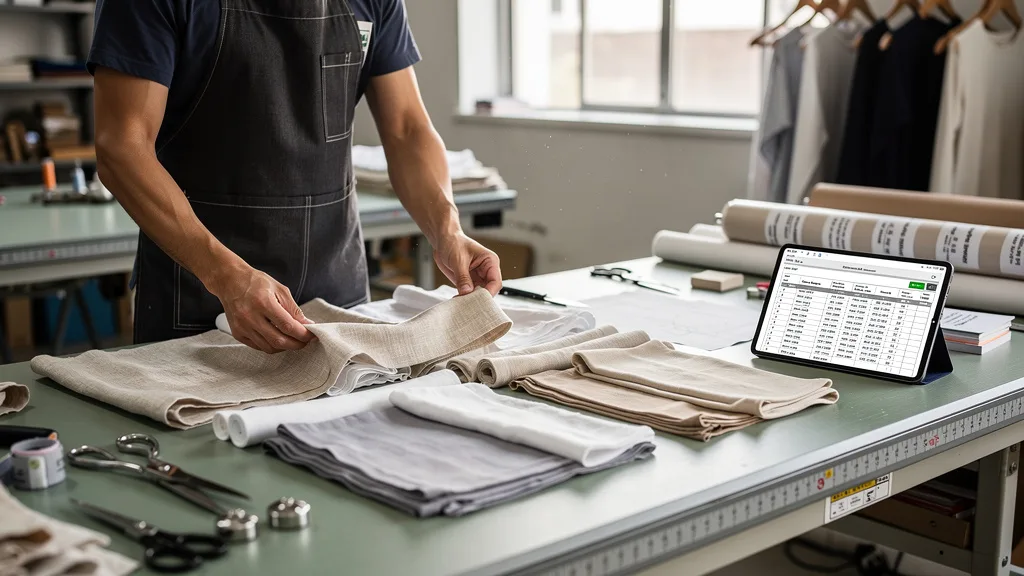
Linen is the coolest fabric overall due to its hollow fibers and open weave. It reduces skin temperature by up to 2.5 degrees Celsius compared to cotton. Linen dries faster than cotton and feels crisp against the skin. However, it wrinkles easily and requires more care.
Cotton
Cotton is the most versatile and widely available option. It is soft, comfortable, and breathable in dry heat. In humid conditions, cotton can become heavy and damp. Premium cotton weaves like seersucker and voile improve airflow and comfort.
Tencel
Tencel is the best performer for moisture management and wrinkle resistance. It wicks sweat away faster than cotton and dries quickly. Tencel is ideal for humid climates and travel. It does not cool as dramatically as linen but offers superior all day comfort and easy care.
| Fabric | Cooling Performance | Moisture Management | Wrinkle Resistance | Best For |
|---|---|---|---|---|
| Linen | Excellent | Good | Low | Extreme heat, casual wear |
| Cotton | Good | Moderate | Medium | Everyday, dry climates |
| Tencel | Good | Excellent | High | Humid climates, travel |
| Silk Blend | Very Good | Moderate | Medium | Resort wear, formal occasions |
Best Fabrics by Climate and Activity
For humid heat, choose Tencel or linen because they wick moisture and dry quickly. Cotton can feel heavy and damp in high humidity. For dry heat, cotton and linen both perform well since sweat evaporates rapidly. In dry climates, the softness of cotton may be more comfortable than the crispness of linen. Understanding your local humidity helps you select the right fabric for all day comfort.
Travel and Packing Light
For summer travel, Tencel and silk blends are the best choices because they resist wrinkles and pack small. Linen can be packed but will require ironing upon arrival. Cotton shirts are heavier and take up more space in a suitcase. A good travel wardrobe includes two Tencel shirts, one linen shirt, and one silk blend for evenings. This combination covers all situations while keeping your luggage light.
Formal and Resort Wear
For formal summer events, choose a lightweight cotton poplin or a silk blend shirt. Cotton poplin looks crisp and professional while still being breathable. For resort wear, linen and silk blends offer a relaxed yet elegant appearance. A linen shirt paired with tailored trousers is perfect for a beachside dinner. A silk blend shirt works well for evening events where you want to look polished without overheating.
Fabrics to Avoid in Summer Heat
Polyester and nylon are the worst fabrics for hot weather. These synthetic fibers trap heat and moisture against the skin, causing sweating and discomfort. They do not breathe and can cause skin irritation in high temperatures. Acrylic and spandex heavy blends also retain heat and should be avoided for summer shirts. Even when blended with natural fibers, high percentages of synthetic materials reduce breathability. For the best premium shirt fabrics for hot weather, always check the fiber content and avoid anything with more than 20 percent synthetic material.
Key Takeaways
- Linen is the coolest fabric for extreme heat, reducing skin temperature by up to 2.5 degrees Celsius.
- Cotton is versatile and comfortable for dry heat, especially in seersucker or voile weaves.
- Tencel offers superior moisture wicking and wrinkle resistance, ideal for humid climates and travel.
- Silk blends provide luxury and temperature regulation for resort and formal wear.
- Avoid synthetic fabrics like polyester and nylon for summer shirts.
- Choose your fabric based on your local climate and planned activities for maximum comfort.
Frequently Asked Questions
What is the best shirt fabric for hot weather?
Linen is widely considered the best shirt fabric for hot weather because of its superior breathability and cooling properties. It allows air to circulate freely and dries quickly when you sweat. For those who prefer less wrinkling, Tencel is an excellent alternative that still offers great moisture management.
Are cotton shirts good for summer?
Yes, cotton shirts are good for summer, especially in dry heat. Premium cotton weaves like seersucker, voile, and poplin offer good breathability and comfort. In humid climates, cotton can become heavy and damp, so Tencel or linen may be better choices.
How many shirts should you pack for summer travel?
For a week long summer trip, pack three to four shirts: one linen, two Tencel, and one silk blend. This combination covers casual days, active outings, and evening events. Tencel and silk blends resist wrinkles and pack easily, reducing the need for ironing.
Why does craftsmanship matter in summer shirts?
Craftsmanship ensures that seams lie flat, buttons stay secure, and the fabric drapes properly. A well made shirt lasts longer and looks better even after repeated washing. For premium fabrics like linen and Tencel, quality construction maximizes the fabric’s natural benefits. Learn more about premium shirt care to extend the life of your summer shirts.
What to wear in Italy in summer?
For summer in Italy, pack linen shirts for daytime sightseeing and a silk blend shirt for evening dinners. Lightweight cotton trousers and breathable shoes complete the look. Italians value elegance even in heat, so choose well fitted, high quality fabrics that keep you cool and stylish.
Conclusion
Choosing the best premium shirt fabrics for hot weather comes down to understanding your climate, your activities, and your personal style. Linen remains the champion for extreme heat, while Tencel offers modern moisture management and wrinkle resistance. Cotton is a reliable everyday option, and silk blends provide luxury for special occasions. By selecting the right fabric for each situation, you can stay cool, comfortable, and elegant all summer long.
Now that you know which fabrics work best, it is time to upgrade your summer wardrobe. Explore our collection of premium linen, cotton, Tencel, and silk blend shirts designed for hot weather. Each piece is crafted with care to keep you looking sharp and feeling fresh. SHOP NOW and discover the difference that quality fabrics make.