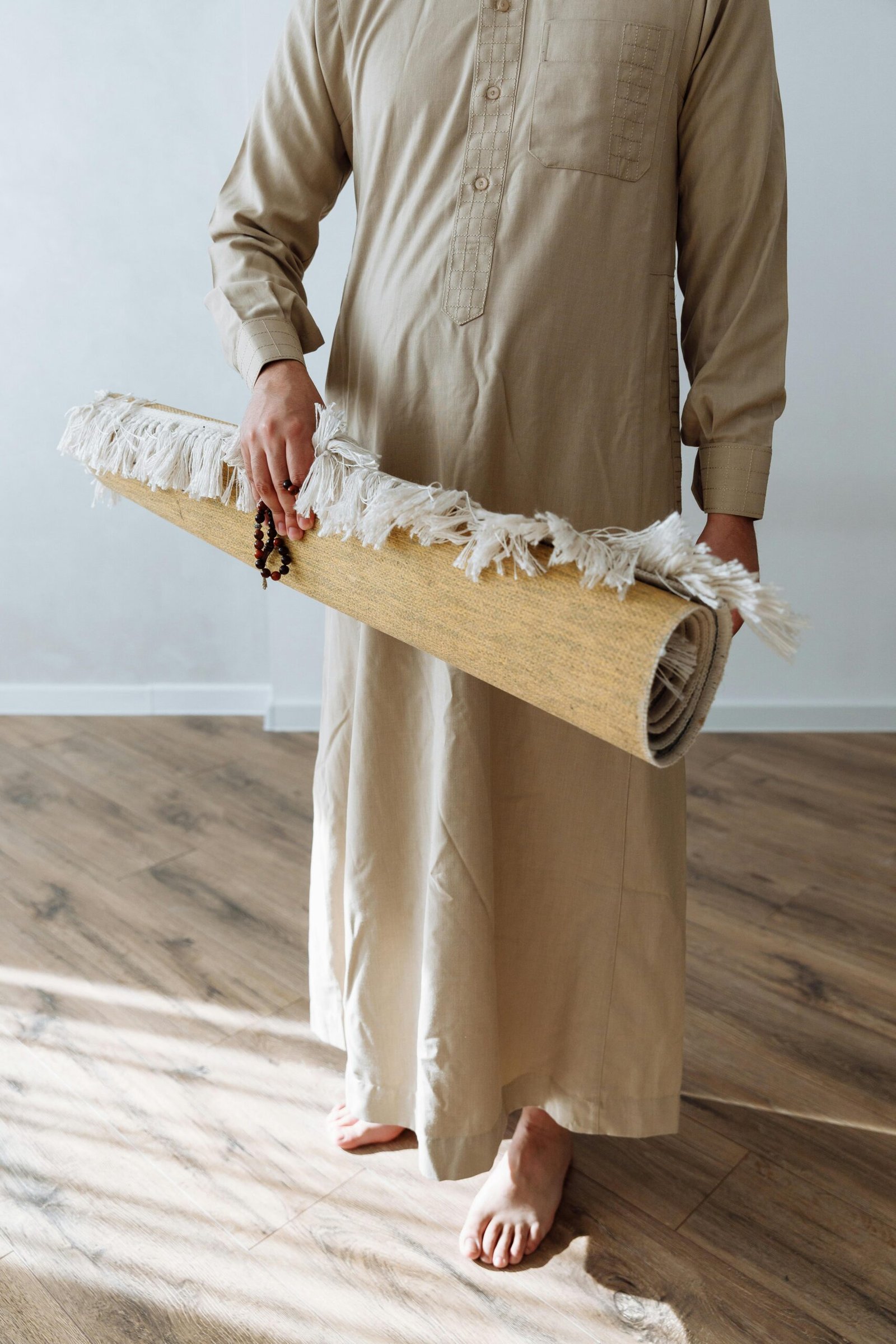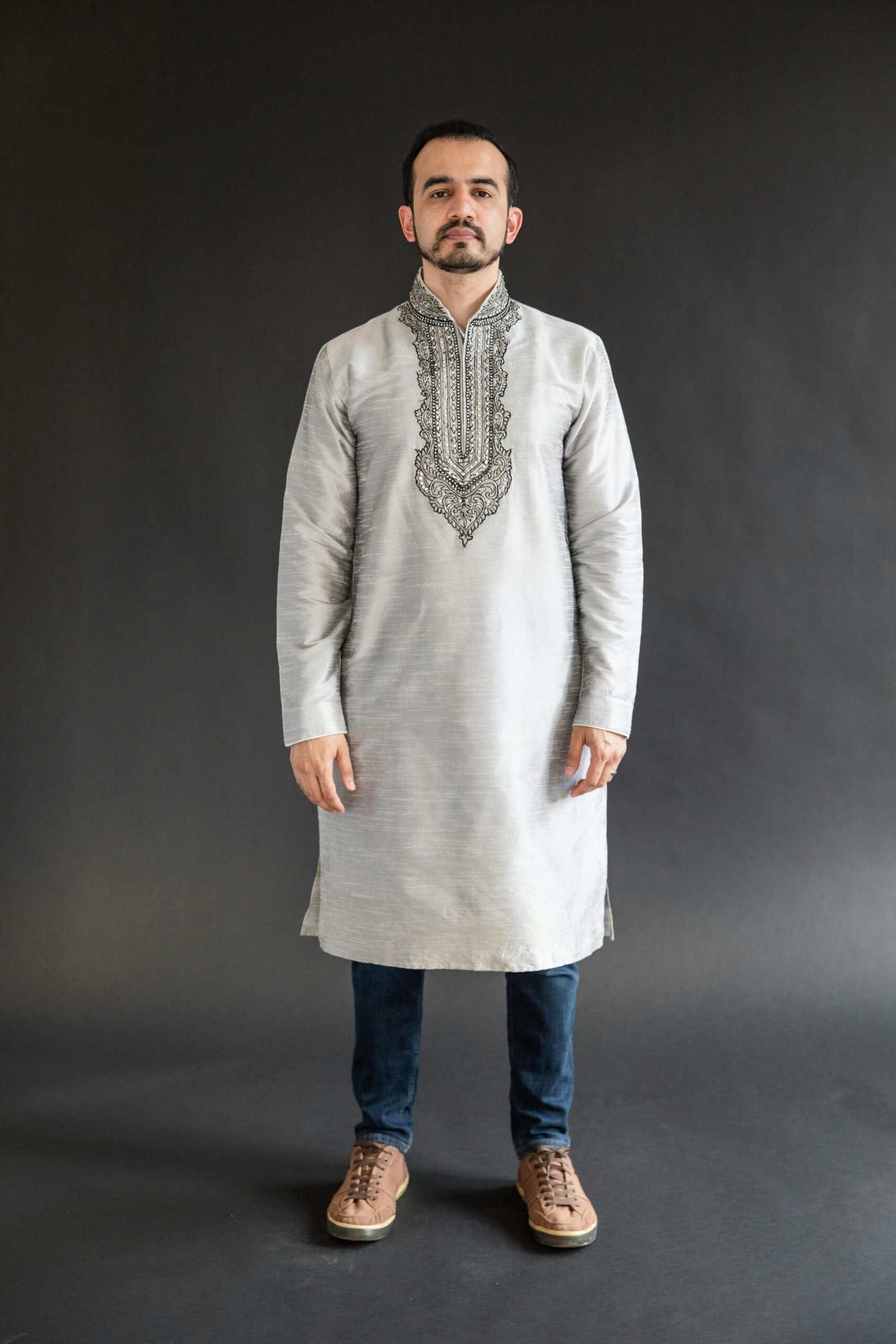


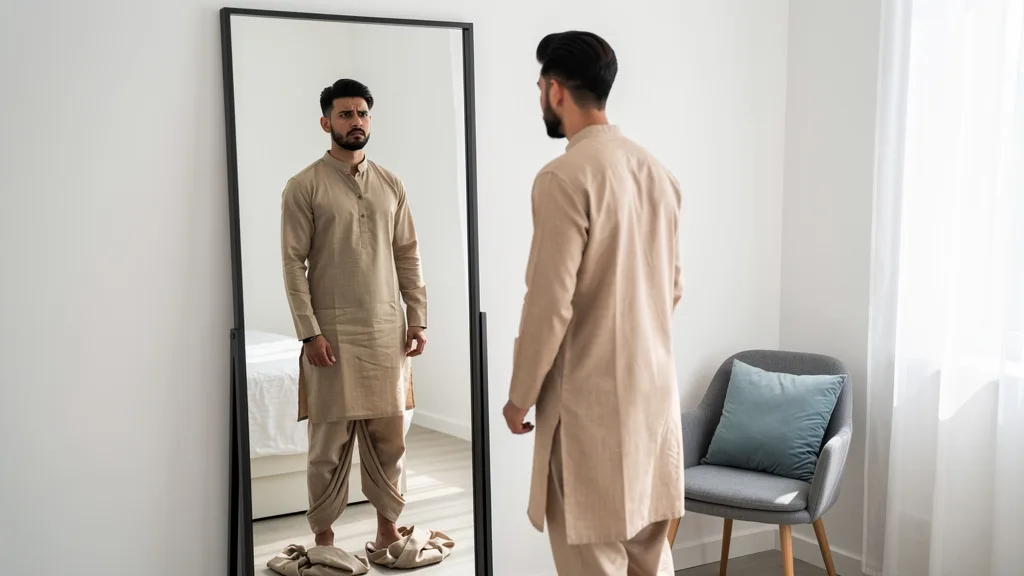
Are you confident your kurta outfit truly reflects your style, or could a few simple mistakes be holding you back? The kurta is a versatile and timeless garment, but mastering its styling requires attention to detail. Many beginners inadvertently make errors that detract from the elegance and sophistication of their look.
The most common beginner kurta styling mistakes include choosing the wrong bottoms, ignoring the importance of a perfect fit, mismatching fabric with the occasion, selecting inappropriate footwear, and getting accessories wrong. By identifying and correcting these five key areas, you can instantly elevate your style, ensuring you look polished and put-together for any event. This guide will walk you through each pitfall and provide simple, actionable solutions.
Mistake 1: Choosing the Wrong Bottoms for Your Kurta
The foundation of a great kurta outfit is the pairing of the top with the right bottoms. Choosing an incompatible style can instantly create a disjointed and unflattering look, undermining the entire ensemble no matter how beautiful the kurta itself is.
A frequent mistake is pairing a traditional kurta with overly formal Western trousers, baggy cargo pants, or ill-fitting jeans. These combinations often clash in terms of silhouette, fabric, and cultural context. For example, the structured tailoring of suit pants fights against the relaxed flow of a kurta, while overly casual denim can make a fine kurta look out of place.
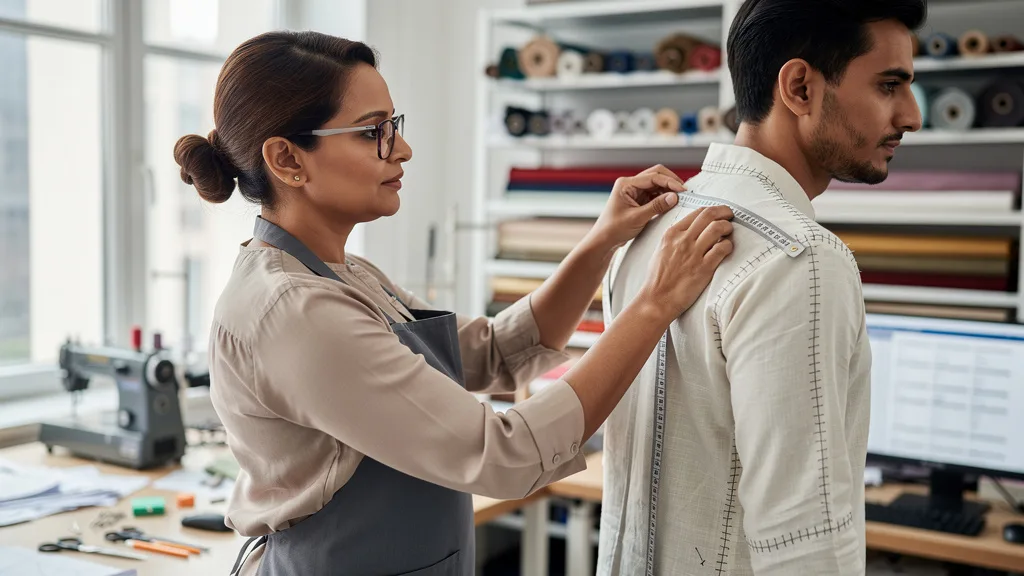
The goal is to create a harmonious look where the top and bottom complement each other. The wrong bottoms can disrupt the intended silhouette, making you appear shorter or your outfit look poorly planned. It’s an error that signals a lack of attention to the finer points of ethnic wear styling.
How to Fix It: Perfect Pairings
The solution is to select bottoms that are designed to be worn with kurtas. For a classic and foolproof traditional look, opt for churidars, which are slim-fitting trousers that gather at the ankle, or a straight-cut pajama. These create a lean and elongated silhouette that works well with most kurta lengths.
For a more relaxed or contemporary feel, consider pairing your kurta with Aligarhi pajamas or even clean, slim-fit denim in a dark wash for a fusion look. The key is to ensure the bottoms are well-fitted and the color either complements or provides a pleasing contrast to the kurta. A well-chosen kurta and pajama set is a cornerstone of ethnic menswear.
Mistake 2: Ignoring the Importance of a Perfect Fit
Perhaps the most critical element of any outfit, the fit of your kurta can make or break your entire look. An ill-fitting garment will look sloppy and unflattering, regardless of its quality or design.
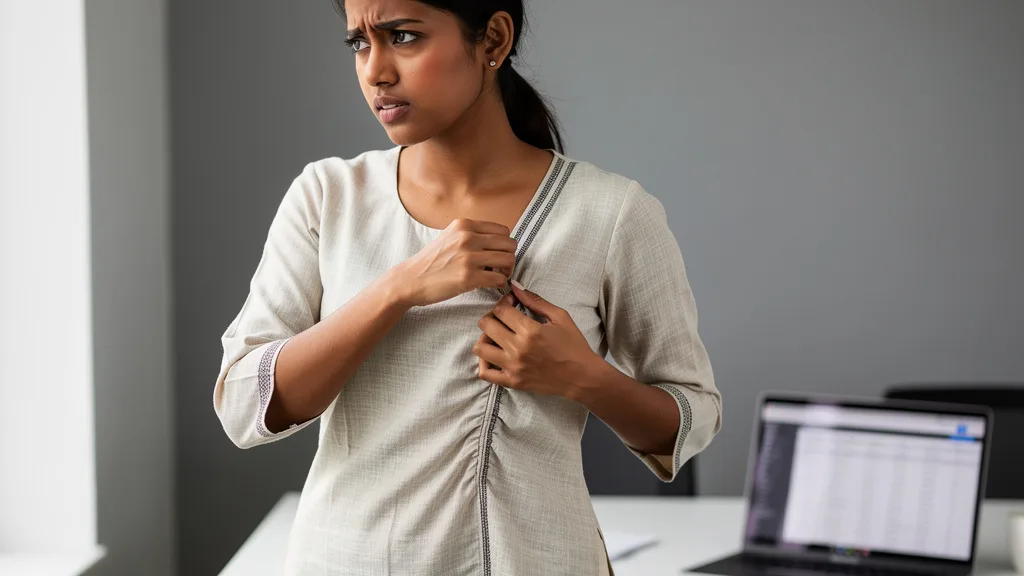
Beginners often make one of two mistakes: choosing a kurta that is too large and baggy or one that is too tight. A baggy kurta hides your body shape and can look like a shapeless sack, making you appear larger than you are. Conversely, a kurta that is too tight restricts movement, pulls awkwardly across the chest and shoulders, and can look uncomfortable and ill-proportioned.
Ignoring the fit is a significant fashion misstep. The proper silhouette is essential for conveying elegance and confidence. Many people buy off-the-rack without considering minor alterations that could transform the garment from mediocre to perfect.
How to Fix It: Nailing the Silhouette
A well-fitting kurta should have seams that sit squarely on your shoulders. It should be comfortable across the chest and back, allowing for easy movement without being billowy. The body of the kurta should have a gentle taper, skimming your frame rather than clinging to it or hanging loosely.
“A well-fitted garment is the foundation of any stylish outfit. With a kurta, the shoulder seam should sit perfectly on your shoulder bone, not droop down your arm. This single detail is the most telling sign of a quality fit.”
Pay close attention to the sleeve length, which should end right at the wrist bone. If you buy off-the-rack, don’t hesitate to visit a tailor. A few simple adjustments in the shoulders, chest, or length can make an inexpensive kurta look like a bespoke piece.
Mistake 3: Mismatching Fabric with the Occasion
The fabric of your kurta dictates its formality, comfort, and suitability for the season. Wearing the wrong material for the event or weather is a common error that can make you look and feel out of place.
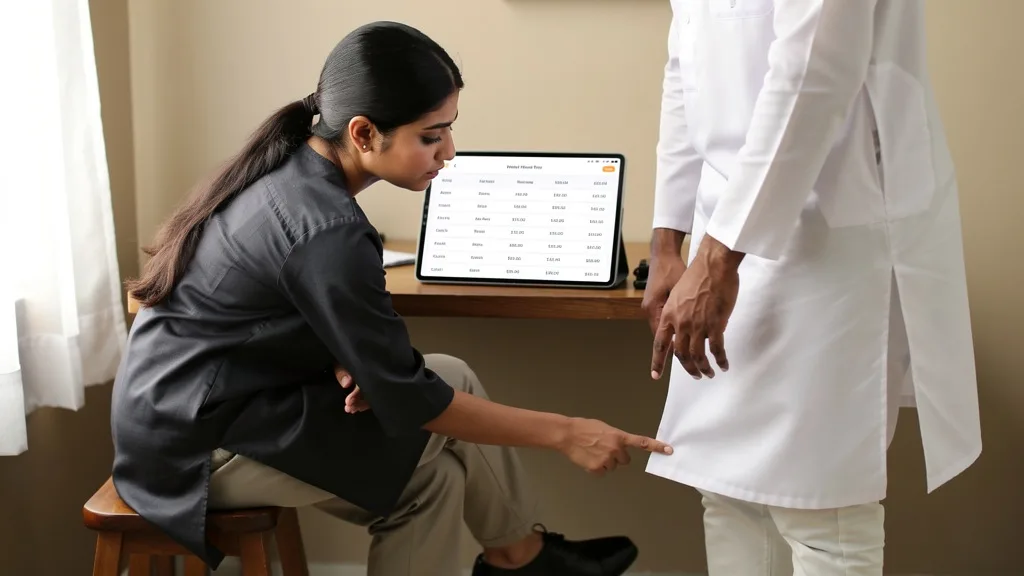
A classic example of this mistake is wearing a heavy, ornate silk or brocade kurta to a casual daytime gathering in the summer. Not only will you be uncomfortably warm, but the formality of the fabric will clash with the relaxed setting. The reverse is also true: wearing a simple, lightweight cotton kurta to a formal evening event like a wedding reception can appear underdressed and disrespectful.
This error shows a lack of understanding of textile properties and social dress codes. The texture, sheen, and weight of the fabric are powerful communicators, and choosing incorrectly sends the wrong message.
How to Fix It: Material and Event Matching
To avoid this, think about the occasion and the climate when selecting your kurta. For casual, daytime, or summer events, opt for breathable and lightweight fabrics like cotton, linen, and khadi. For formal events, festive occasions, or cooler weather, choose richer fabrics such as silk, brocade, velvet, or high-quality jacquard weaves.
Considering different Pakistani kurta set outfit ideas can also provide inspiration for matching fabrics to specific events. Consulting a simple guide can help you make the right choice every time.
| Occasion | Recommended Fabrics | Fabrics to Avoid |
|---|---|---|
| Casual Day Out | Cotton, Linen, Khadi | Brocade, Velvet, Heavy Silk |
| Office/Work Wear | Poplin Cotton, Linen Blends | Shiny Silks, Heavily Embroidered Fabrics |
| Festive Gathering | Raw Silk, Chanderi, Jacquard | Plain Cotton, Jersey |
| Formal Wedding | Brocade, Velvet, Banarasi Silk | Linen, Basic Cotton |
Mistake 4: Selecting Inappropriate Footwear
The shoes you wear can complete or compromise your entire kurta outfit. The wrong choice of footwear can create a jarring disconnect between the traditional nature of the garment and your overall look. perfect fit.
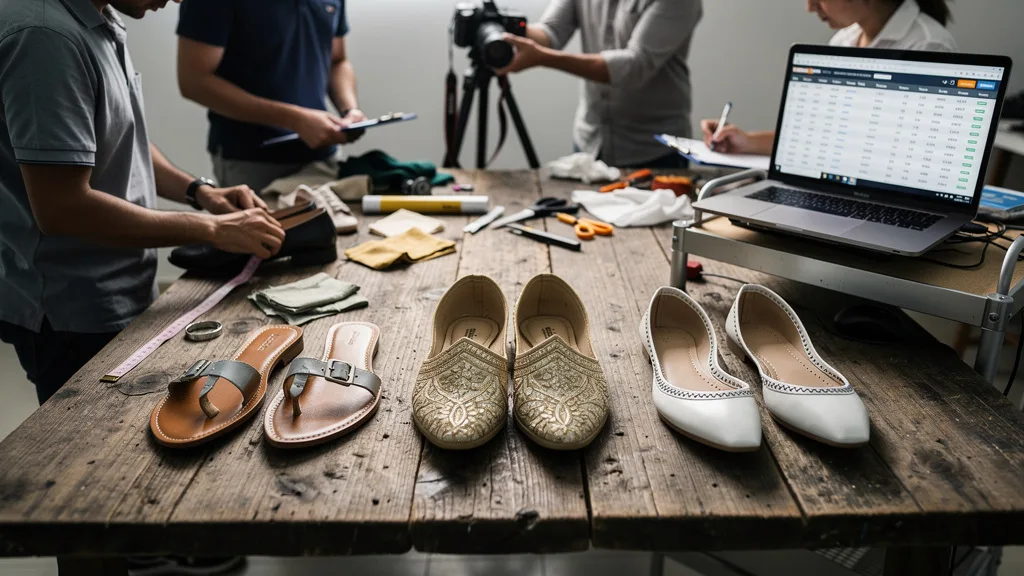
The most common error is pairing a kurta pajama with athletic sneakers, heavy-duty boots, or formal black leather office shoes. These styles are too modern, too rugged, or too corporate to harmonize with the ethnic aesthetic of a kurta. It creates a visual clash that immediately draws negative attention to your feet and makes the outfit feel poorly thought out.
This mistake often happens out of convenience or a lack of awareness about traditional footwear options. However, investing in a proper pair of shoes for your ethnic wear is essential for a polished and authentic look.
How to Fix It: Step Up Your Shoe Game
To fix this, choose footwear that complements the traditional or fusion style of your kurta. Classic choices include leather Mojaris, ornate Juttis, or open-toed Kolhapuri chappals. These are designed to be worn with ethnic attire and will always look appropriate. Brown or tan leather sandals are also a versatile and safe option for most casual to semi-formal occasions.
If you prefer a more modern, fusion look, you can opt for clean, minimalist loafers or espadrilles, especially with a shorter, more contemporary kurta. The key is to choose a shoe that is sleek, low-profile, and made from materials like leather or suede. There are many great guides that highlight the 5 Styling Mistakes to Avoid, with footwear being a critical point.
Mistake 5: Getting Accessories Wrong
Accessories are the finishing touches that can elevate a good outfit to a great one. However, with kurtas, there is a fine line between tastefully embellished and overly decorated.
The Common Pitfall
Beginners often fall into one of two traps: either they over-accessorize, loading up with chunky jewelry, a flashy watch, and a busy pocket square all at once, or they under-accessorize, wearing nothing at all and leaving the outfit looking plain and incomplete. Overdoing it can make you look gaudy, while skipping accessories entirely can make a formal kurta seem too casual.
The mistake lies in not matching the level of accessorizing to the formality of the kurta and the occasion. A heavily embroidered kurta, for instance, requires minimal accessorizing as the garment itself is the statement piece.
How to Fix It: Balancing Your Embellishments
The key to successful accessorizing is balance and context. For a casual cotton kurta, a simple leather-strap watch or a beaded bracelet is sufficient. For a semi-formal or festive look, consider adding a pocket square in a complementary color or pattern to the breast pocket if your kurta has one.
For formal events like weddings, you can elevate the look further with elegant cufflinks, a sophisticated brooch, or by draping a stylish stole or dupatta for women and men over one shoulder. Always let the kurta guide your choices. If the kurta is simple, you can afford to be a bit more expressive with your accessories. If it’s ornate, keep your accessories minimal and classic.
Pro Tips for Elevating Your Kurta Style in 2026
Once you’ve mastered the basics and are consistently avoiding the common mistakes, you can start incorporating more advanced styling techniques to truly personalize your look. These professional tips will help you stand out and showcase your sartorial confidence.
- Layer Smartly: Add a Nehru jacket or a bundi over your kurta for an instant touch of sophistication. This is an excellent way to add structure and formality to a simple kurta, perfect for weddings and festive events.
- Play with Asymmetry: Don’t be afraid to experiment with asymmetrical hemlines or cowl necks. These modern cuts can add a unique, fashion-forward edge to your ethnic wardrobe.
- Embrace Prints and Patterns: Move beyond solid colors and explore the world of prints. Subtle block prints, geometric patterns, or classic florals can add personality and visual interest to your outfit.
- Master the Drape: For formal occasions, learning how to drape a stole or dupatta can add a regal touch. There are numerous ways to style it, from a simple shoulder drape to a more elaborate wrap.
- Understand Kurta Types: Educate yourself on the differences between various styles. Knowing a Pathani kurta vs. a Punjabi kurta will help you choose the right silhouette for your body type and the occasion.
- Pay Attention to Details: Small details like contrasting button plackets, unique collar designs, or rolled-up sleeves can make a big difference. Pay attention to how you can Stop Making This Kurti Styling mistake by focusing on the small things, as noted by many stylists online.
Key Takeaways
Transforming your kurta styling from beginner to expert involves focusing on a few fundamental principles. By avoiding common pitfalls, you can ensure your look is always sharp, appropriate, and stylish. Here are the essential takeaways:
- Fit is Non-Negotiable: The most crucial element is a perfect fit. Avoid kurtas that are too baggy or too tight. A tailor is your best friend for achieving a bespoke silhouette.
- Pair Bottoms Wisely: Always choose bottoms that complement your kurta, such as churidars, pajamas, or slim-fit trousers. Avoid clashing with formal Western pants or overly casual jeans.
- Match Fabric to Function: Select your kurta’s fabric based on the occasion and weather. Use cotton and linen for casual wear and silks or brocades for formal events.
- Choose Appropriate Footwear: Complete your look with traditional footwear like Mojaris or Kolhapuris. Steer clear of sneakers and formal office shoes.
- Accessorize with Intention: Balance your accessories based on the kurta’s design and the event’s formality. Sometimes less is more.
Frequently Asked Questions
How do I choose the right kurta length for my height?
The ideal kurta length generally falls just above, at, or just below the knee. For men of average height, a knee-length kurta is a classic and safe choice that maintains balanced proportions. It is versatile enough for both formal and casual settings.
If you are shorter, you might consider a kurta that ends slightly above the knee to create the illusion of longer legs. Conversely, taller individuals can comfortably wear kurtas that fall at or slightly below the knee without compromising their proportions. Ultimately, try on different lengths to see what feels most comfortable and looks best on your body frame.
Can I wear a kurta with shorts for a casual look?
Yes, you can wear a kurta with shorts, but this is a very specific, contemporary, and highly casual look best reserved for vacations, beach settings, or resort wear. For this style to work, you should opt for a short kurta, often called a ‘kurti’, made from a light, breathable fabric like linen or cotton.
Pair it with tailored shorts, such as chino shorts, that end just above the knee. Avoid athletic or cargo shorts. The key is to keep the entire outfit relaxed and cohesive. While not a traditional pairing, this look can be quite stylish in the right context. The principles are similar to those in guides about short kurta for women styling.
What are the best fabrics for summer kurtas?
For summer, the best fabrics are those that are lightweight, breathable, and absorb moisture well. Cotton is the top choice, available in various weaves like poplin, voile, and cambric, all of which are perfect for hot and humid weather. It is soft, comfortable, and easy to care for.
Linen is another excellent option, prized for its exceptional coolness and breathability. Though it wrinkles easily, this is often considered part of its charm. Khadi, a hand-spun and hand-woven cotton fabric, is also fantastic for summer as it is airy and keeps you cool. These natural fibers will ensure you stay comfortable while looking stylish.
Should my kurta and pajamas be the same color?
Your kurta and pajamas do not necessarily have to be the same color. A monochromatic set, such as a classic white kurta pajama, offers a timeless and elegant look that is always in style. However, wearing contrasting colors can be very fashionable and allows for more personalization.
A popular and versatile choice is to pair colored kurtas with white or off-white pajamas or churidars. This creates a crisp, clean look that allows the kurta to be the star of the outfit. You can also experiment with pairing a light-colored kurta with darker bottoms, or vice versa. The key is to ensure the colors are complementary and appropriate for the occasion.
How do I properly care for and wash my kurtas?
Proper care begins with reading the garment’s care label. Kurtas made from delicate fabrics like silk, brocade, or those with heavy embroidery should almost always be dry-cleaned to preserve their texture, color, and embellishments. Forcing these into a washing machine can cause irreversible damage.
Cotton and linen kurtas are generally more durable. They can often be hand-washed or machine-washed on a gentle cycle with cold water and a mild detergent. To prevent fading, wash them inside out and avoid harsh sunlight when drying. Proper maintenance, similar to the advice in a beginner guide to premium shirt care, will significantly extend the life of your garments.
Conclusion
Mastering the art of wearing a kurta is about understanding the details: fit, fabric, pairings, and accessories. By learning to avoid the 5 beginner kurta styling mistakes and how to fix them, you move beyond simply wearing a garment to creating a thoughtful, polished, and impressive ensemble. With these fixes and pro tips for 2026, you are now equipped to wear your kurtas with confidence and style for any occasion, ensuring you always make the best impression.
Ready to build your perfect kurta wardrobe and put these tips into practice? Explore our curated collection of high-quality kurtas, pajamas, and accessories designed for the modern individual. Find your perfect fit and style today. SHOP NOW.