

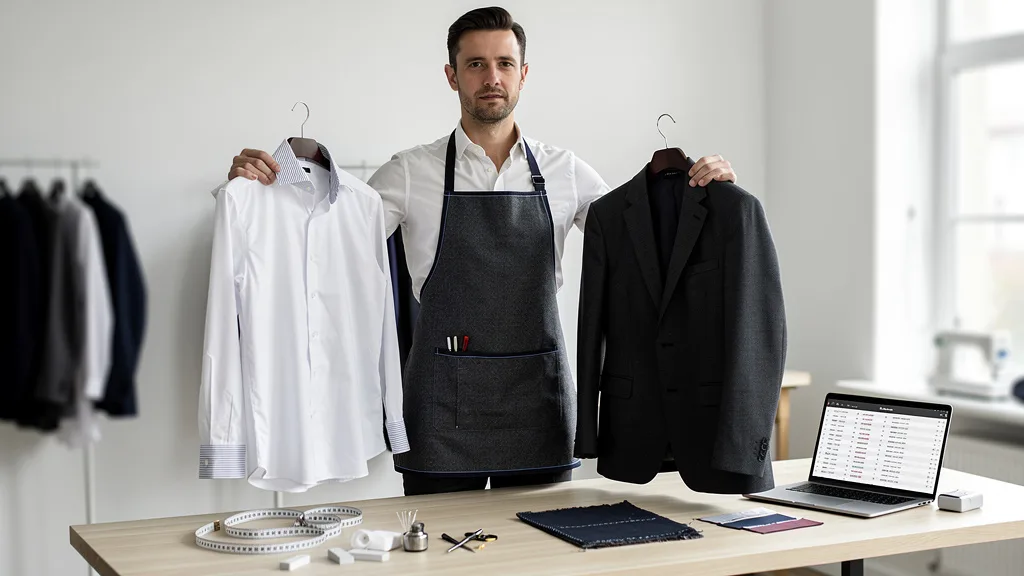
Ever stood before your wardrobe, suit in hand, wondering if just any dress shirt will do? The distinction between different types of shirts can seem subtle, but choosing the right one is crucial for a polished and appropriate look. Understanding the nuances will elevate your style for any occasion in 2026.
The primary difference when considering Suiting Shirts vs Dress: Key Differences and Uses is that a suiting shirt is a specialized type of dress shirt. It is specifically designed to be worn with a suit, featuring a more structured collar to support a tie, more formal cuffs like French cuffs, and a finer fabric weave. A general dress shirt encompasses a broader range of styles, some of which are too casual to be worn with formal tailoring.
Understanding the Modern Dress Shirt
The modern dress shirt is a cornerstone of a man’s wardrobe, defined as a long-sleeved, button-front garment with a collar. Historically, it evolved from a simple undergarment to the versatile and visible staple it is today. Its purpose is to provide a clean, smart base for a wide array of outfits, ranging from business professional to smart casual.
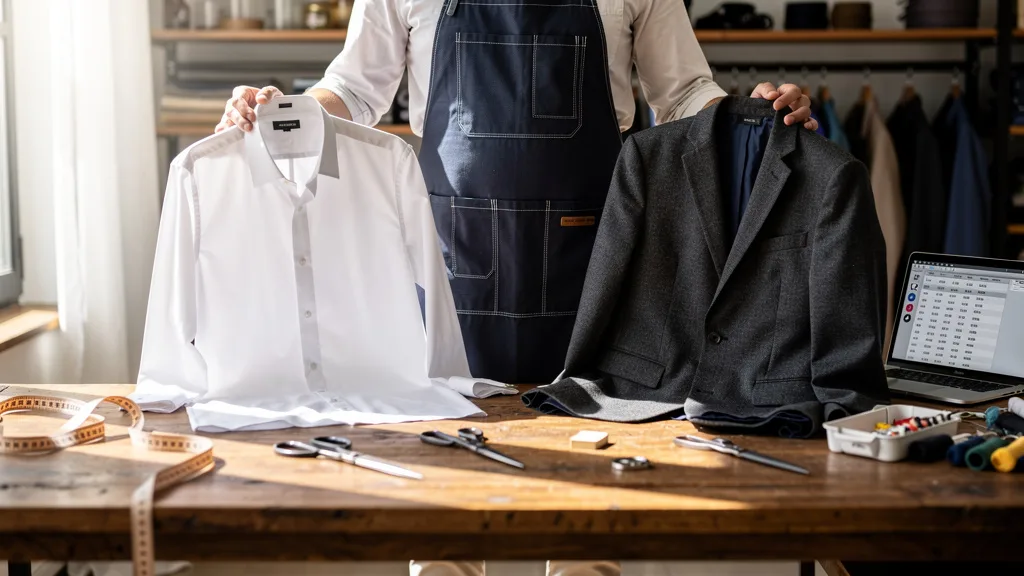
A dress shirt’s versatility is its greatest strength. It can be paired with a suit and tie for the most formal business settings, worn with a blazer and chinos for a business casual look, or even dressed down with dark jeans for a sophisticated weekend outfit. The key to its adaptability lies in the variety of collars, cuffs, fabrics, and fits available, each signaling a different level of formality.
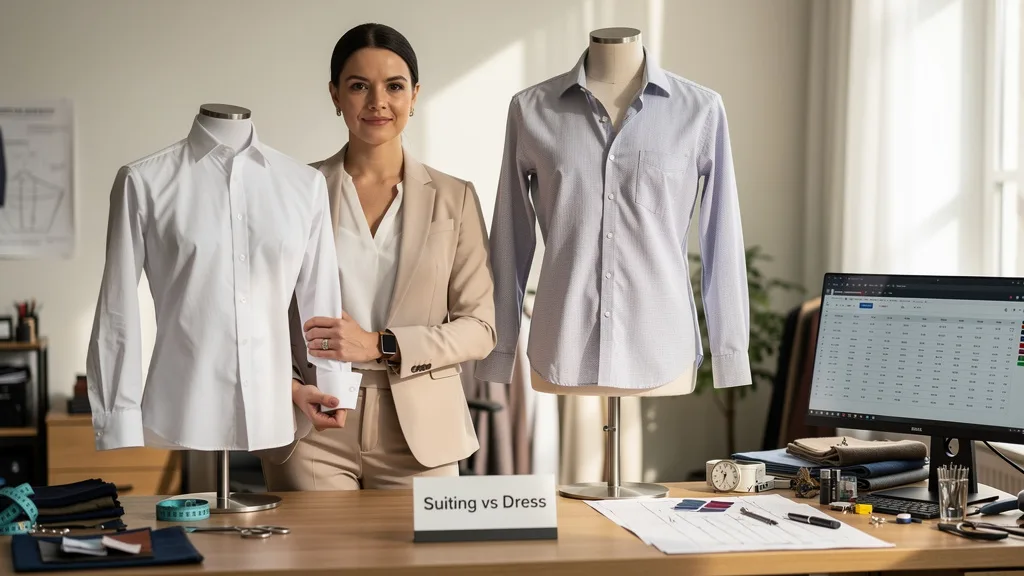
While the term “dress shirt” is broad, it generally refers to shirts intended for smarter occasions, distinguishing them from casual shirts like flannels, polos, or t-shirts. For those looking to build a versatile wardrobe, having a selection of high-quality regular fit shirts provides options for both everyday comfort and more dressed-up events.
What Specifically Defines a Suiting Shirt?
A suiting shirt is not a separate category from a dress shirt, but rather its most formal iteration. It is a dress shirt that has been specifically engineered with features intended to complement a suit jacket and tie. Think of it as a specialist performer, designed to excel in a formal environment, whereas a general dress shirt is more of an all-rounder.

The defining characteristics of a suiting shirt are all about structure and refinement. It will almost always have a stiff, structured collar, such as a spread or cutaway style, that stands up well on its own and perfectly frames a tie knot under a jacket’s lapels. The fabric is typically a high-quality, smooth weave with a subtle sheen, like a fine poplin or twill, which drapes cleanly and resists bunching under tailoring.

“A true suiting shirt is the unsung hero of a formal ensemble; its structure is designed not just for aesthetics, but to complement the architecture of a suit jacket. For anyone exploring the suiting shirts vs dress shirt debate, the suiting shirt is always the more formal choice.”
Furthermore, suiting shirts often feature more formal cuff styles, most notably French cuffs, which require cufflinks. This detail adds a significant touch of elegance and is a clear indicator of a shirt meant for high-stakes business or celebratory occasions. The overall fit is also considered, with a longer hem to ensure it stays securely tucked in throughout the day.
Suiting Shirts vs. Dress Shirts: A Detailed Comparison
To truly understand the differences, it helps to compare the features of a classic suiting shirt against the broader category of dress shirts. While a suiting shirt is technically a dress shirt, not all dress shirts are suitable for wearing with a formal suit. The table below breaks down the key distinctions you should know for 2026.

| Feature | Suiting Shirt | General Dress Shirt |
|---|---|---|
| Collar | Stiff, structured (Spread, Cutaway) to support a tie. | Can be stiff or soft (Button-Down, Point, etc.). |
| Cuffs | Formal styles, often French cuffs requiring cufflinks. | Typically standard barrel cuffs with buttons. |
| Fabric | Fine, smooth weaves (Poplin, Broadcloth, Royal Oxford, Twill). | Wider range, including textured weaves like Oxford cloth. |
| Fit & Length | Tailored fit with a long hem designed to stay tucked in. | Variable fits (slim, classic) with some shorter hems for untucked wear. |
| Placket | Often a standard front placket, but can be a covered placket for formalwear. | Almost always a standard front placket. |
| Primary Occasion | Formal business, weddings, black-tie events (worn with a suit/tuxedo). | Business casual, smart casual, some formal events. |
Collar Structure and Formality
The collar is perhaps the most significant indicator of a shirt’s purpose. A suiting shirt features a collar with a fused, stiff interlining. This structure ensures it stands up crisply around the neck and supports the weight of a tie, preventing it from collapsing under a suit jacket. Spread and cutaway collars are popular choices as they provide ample space for a substantial tie knot.

In contrast, the broader category of dress shirts includes a much wider variety of collar styles. This includes the soft, unlined button-down collar found on Oxford shirts, which is inherently more casual and traditionally worn without a tie. While you can find dress shirts with stiff collars, the presence of a soft collar immediately places a shirt in a less formal category.
Cuff Design: French vs. Barrel Cuffs
After the collar, the cuffs provide the next major clue to a shirt’s formality. Suiting shirts frequently feature French cuffs, which are double-length cuffs folded back and fastened with cufflinks. This style is the most formal option available and is a hallmark of shirts intended for business suits, tuxedos, and special occasions.
The vast majority of other dress shirts come with standard barrel cuffs. These are single-layer cuffs that wrap around the wrist and are fastened with one or two buttons. While perfectly acceptable for most business and social situations, they are considered less formal than French cuffs. Some shirts offer convertible cuffs, which can be fastened with a button or with cufflinks, offering a degree of versatility.
Fabric Weave and Material
The fabric of a suiting shirt is chosen for its smooth, crisp appearance. Fine weaves like poplin and broadcloth are popular because they are lightweight, have a flat surface, and look exceptionally sharp when ironed. Twill is another excellent option, as its diagonal weave gives it a slight sheen and makes it naturally more wrinkle-resistant.
While these fabrics are also used for general dress shirts, the category also includes materials with more texture. The most common example is Oxford cloth, which has a distinct basketweave texture that makes it more durable and casual. For a visual guide on how different shirts can be styled, this video on Dress Shirts vs. Casual Shirts offers excellent insights into fabric and styling choices.
Overall Fit and Tailoring
A suiting shirt is always designed to be worn tucked in. Consequently, it has a longer body and a curved hem to ensure it doesn’t become untucked with movement. The fit is generally more tailored, sitting closer to the body to prevent excess fabric from bunching up under a fitted suit jacket, which would create a sloppy appearance.
General dress shirts, especially those on the more casual end of the spectrum, can have different fits and lengths. Some are designed with a shorter, straight hem, signaling that they can be worn untucked for a relaxed look. The fit can also vary from a very trim ‘slim fit’ to a more generous ‘classic fit’, catering to different body types and style preferences. This variety is also seen in other garments, where understanding the cut is key, such as in the drop shoulder t-shirt vs regular fit debate.
Placket and Buttoning Style
The placket is the strip of fabric where the buttonholes are located. Most suiting shirts and dress shirts feature a standard front placket, where the stitching is visible. However, for the most formal occasions like black-tie events, a suiting shirt might have a covered placket (or fly front). This design hides the buttons completely, creating an exceptionally clean and minimalist look that is ideal for a tuxedo.
This level of detail is rarely found on more casual dress shirts. Their plackets are almost universally the standard front placket, as the focus is less on extreme formality and more on everyday function and style. The simplicity of the standard placket makes it the most versatile and common style across all types of dress shirts.
How to Choose the Right Shirt for the Occasion
Selecting the correct shirt is a simple way to ensure your outfit is appropriate and stylish. The key is to match the formality of the shirt to the formality of the event and the other clothes you are wearing.

When to Wear a Suiting Shirt
A suiting shirt is your go-to choice whenever a suit jacket or formal blazer is required. Its structured nature is essential for creating a cohesive and sharp formal look. Reserve your best suiting shirts for important business meetings, presentations, weddings, formal dinners, and any event with a ‘cocktail’ or ‘formal’ dress code.
The rule of thumb is simple: if you are wearing a tie, a suiting shirt is almost always the best option. Its stiff collar is designed specifically for this purpose. Wearing a soft-collared shirt with a suit and tie can look mismatched and unprofessional.
When a General Dress Shirt Is Appropriate
A general dress shirt, particularly one with a less rigid collar or a more textured fabric like Oxford cloth, excels in business casual and smart casual settings. These are perfect for the modern office where a tie is not required. You can wear them on their own with chinos or dress pants, or layer them under a sweater or a casual sport coat.
These shirts are also ideal for social occasions that aren’t black-tie, such as date nights, weekend brunches, or family gatherings. A well-fitting dress shirt, even without a jacket, presents a polished and put-together image that is a clear step up from a t-shirt or polo.
A Guide to Different Types of Dress Shirts
To make the best choice, it helps to be familiar with the most common types of dress shirt fabrics. Each has a unique character and is suited for different levels of formality and seasons.

The Formal Poplin or Broadcloth Shirt
Poplin, also known as broadcloth, is a plain-weave cotton fabric that is smooth, cool, and lightweight. It has a flat, crisp surface with no discernible texture, making it the quintessential fabric for formal suiting shirts. Its sharp appearance makes it a favorite for business environments and formal events, and it’s a staple in our collection of the best premium shirts for summer.
The Textured Oxford Cloth Shirt
Oxford cloth features a basketweave structure that is thicker and more durable than poplin. It has a noticeable texture and a more casual appearance. While traditional Oxford Cloth Button-Down (OCBD) shirts are considered dress shirts, they are on the most casual end of the spectrum and are generally not worn with formal suits. They are perfect for business casual and preppy, smart-casual looks.
The Durable Twill Shirt
Twill fabric is easily identified by its diagonal weave pattern. This construction makes the fabric soft, durable, and less prone to wrinkling than poplin. Twill shirts have a beautiful drape and a subtle sheen, making them an excellent and versatile choice for both business and formal wear. They are slightly heavier than poplin, making them a great option for year-round wear.
Key Takeaways
- Hierarchy of Formality: A suiting shirt is the most formal type of dress shirt, specifically designed to be worn with a suit and tie.
- Key Differentiators: The primary differences are found in the collar (stiff and structured on suiting shirts), cuffs (French cuffs are more formal), and fabric (smoother weaves for suiting).
- Context is Crucial: Match the shirt to the occasion. Wear a suiting shirt for formal events with a jacket and tie. Opt for a general dress shirt for business casual or smart casual settings.
- Fabric Knowledge is Power: Understanding weaves like Poplin (formal), Oxford (casual), and Twill (versatile) allows you to build a functional and stylish wardrobe.
- Fit Matters Most: Regardless of type, a shirt should fit well. Suiting shirts must be long enough to stay tucked in, while some casual dress shirts can be worn untucked.
Frequently Asked Questions
What is the difference between a suit and dress clothes?
A suit refers to a specific matching set of outerwear garments, consisting of a jacket and trousers made from the same fabric. Dress clothes is a much broader category that encompasses any type of formal or smart attire. This can include suits, but also separates like a blazer and dress pants, a dress shirt worn with trousers, or formal dresses for women.
Can you wear a suiting shirt without a jacket or tie?
Essentially, all suits are considered dress clothes, but not all dress clothes are suits. The term signifies a level of formality rather than a specific outfit. For example, a Sharara dress for women would be considered festive dress clothes, but it is not a suit.
What is the 3-3-3 rule for clothes?
While you can, it’s often not the best look. A suiting shirt’s highly structured collar is designed to hold a tie and can look somewhat out of place and overly rigid without one. Similarly, formal French cuffs can seem ostentatious without a jacket sleeve to frame them. For a ‘no jacket, no tie’ look, a standard dress shirt with a slightly softer collar and barrel cuffs is a more natural and stylish choice.
How should a dress shirt fit correctly?
The 3-3-3 rule is a minimalist wardrobe challenge or strategy. It involves selecting just three tops, three bottoms, and three pairs of shoes from your wardrobe. The goal is to create as many different outfits as possible from these nine items. It’s a useful exercise in assessing the versatility of your clothing and encourages a ‘less is more’ approach to building a functional wardrobe.
Are all dress shirts meant to be tucked in?
A well-fitting dress shirt is key to a sharp appearance. The shoulder seams should sit directly on the edge of your shoulders. You should be able to comfortably fit one or two fingers between the collar and your neck when it’s buttoned. The sleeves should end at the break of your wrist, allowing about half an inch of cuff to show under a jacket. Finally, the body of the shirt should be trim enough that there isn’t excessive fabric billowing around your waist, but not so tight that the buttons pull or strain.
No, not all of them. The length and shape of the hem are the primary indicators. Dress shirts and suiting shirts with a long, curved hem are designed to be tucked into your trousers. This extra length helps them stay secure. However, many modern, more casual dress shirts are designed with a shorter, flatter hem. These are intended to be worn untucked for a more relaxed, contemporary style.
Conclusion
Mastering the distinction between suiting shirts and general dress shirts is a fundamental step in refining your personal style for 2026. While both fall under the same umbrella, their specific purposes are defined by details like the collar’s structure, the cuff’s formality, and the fabric’s texture. A suiting shirt is a precision tool for formal occasions, engineered to enhance a suit, while a general dress shirt offers versatility for a wider range of smart, everyday settings.
The most important takeaways are to always consider the context of your outfit and prioritize fit above all else. A suiting shirt’s stiff collar and formal cuffs belong with a jacket and tie. A soft-collared Oxford shirt shines in a business casual environment. By understanding these key differences, you can confidently build a wardrobe that is both functional and stylish, ensuring you are impeccably dressed for any event.
Building a quality wardrobe starts with foundational pieces. Investing in a few well-made shirts of each type ensures you’re prepared for anything, from a crucial board meeting to a relaxed weekend brunch. This knowledge empowers you to make deliberate choices that reflect your understanding of style and occasion.
Ready to find the perfect shirt for your next occasion? Explore our curated collection of premium suiting and dress shirts, crafted for exceptional style and comfort. Find your fit and elevate your wardrobe today when you SHOP NOW.