



Investing in a premium suit is an investment in your personal style, but is your care routine protecting that investment? Proper maintenance is the key to ensuring your tailored garments last for years, looking as sharp as the day you bought them. Without the right techniques, you risk damaging the fabric, compromising the fit, and shortening the lifespan of your favorite pieces.
Knowing how to care for your suit at home is essential for preserving its structure, fabric, and overall appearance. The process involves simple daily habits like brushing and proper hanging, occasional maintenance like steaming and spot-cleaning, and correct long-term storage. By following these steps, you can significantly reduce your reliance on professional dry cleaners and keep your suit in pristine condition for years to come.
The Foundation of Suit Care: What to Do After Each Wear
The longevity of your suit begins with the small habits you practice each time you take it off. These foundational steps prevent dirt buildup and help the garment retain its intended shape. Giving your suit this regular attention is the most effective way to keep it in top condition and reduce the need for frequent, harsh cleaning.
Brushing Your Suit to Remove Dust and Debris
After a day’s wear, your suit collects dust, hair, and other microscopic particles that can work their way into the fabric over time. If left unattended, these particles can become abrasive and cause the fibers to break down prematurely. Using a dedicated suit brush with natural bristles is the best way to gently dislodge this debris.

To brush your suit correctly, hang it on a proper hanger and start at the shoulders, brushing downwards with gentle, short strokes. Pay special attention to the collar and lapels. This simple act, which takes only a minute, is a cornerstone of effective suit maintenance and helps restore the fabric’s natural texture and sheen.
Using a Proper, Contoured Suit Hanger
Never hang your suit on a thin wire or plastic hanger. These can distort the shoulder padding and create unsightly puckers that are difficult to remove. A proper suit hanger should be made of a sturdy material like wood and have wide, contoured ends that mimic the shape of your shoulders.
This design provides the necessary support to maintain the jacket’s structure, from the shoulders down through the chest and lapels. The horizontal bar is also essential for draping your trousers, preventing sharp creases. Investing in quality hangers is a small price to pay to protect the tailored fit of your suits.
Letting the Fabric Breathe Before Storing
Before you return your suit to the closet, it needs time to air out. Natural fibers like wool absorb moisture from both your body and the environment throughout the day. Storing a suit immediately traps this moisture, which can lead to musty odors and even mildew growth.
Hang your suit on its hanger in a well-ventilated area, away from direct sunlight, for at least a few hours, or preferably overnight. This allows the fabric to dry completely and release any lingering odors. This step is crucial for keeping your suit fresh between wears and is a simple trick to extend its life.
How to Clean and Freshen Your Suit at Home
While professional dry cleaning has its place, many minor issues can be handled effectively at home. Learning how to spot-clean, steam, and freshen your suit will save you time and money, while also being gentler on the delicate fibers of your garment. These at-home methods are perfect for routine upkeep.
Spot-Cleaning Minor Stains and Spills
Accidents happen, but a small spill doesn’t have to mean an immediate trip to the cleaners. For minor water-based stains, gently blot the area with a clean, damp cloth. Never rub, as this can push the stain deeper into the fibers and damage the fabric’s weave. For more complex spills, always check the care label first.
For a slightly more stubborn spot on a wool suit, you can use a small amount of diluted white vinegar or a specialized wool cleaner on a cloth. Always test on an inconspicuous area first, like the inside of a hem. Proper spot-cleaning is a vital skill, especially for maintaining a 3 piece suit for women that might have more exposure to spills during events.
Steaming to Remove Wrinkles and Revitalize Fabric
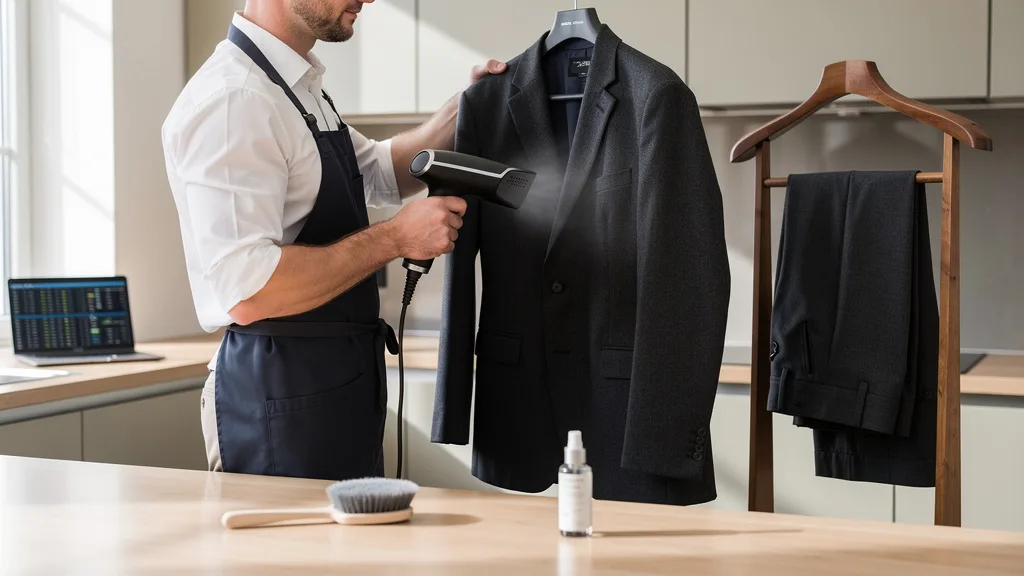
A quality garment steamer is an invaluable tool for any suit owner. Unlike ironing, which uses direct, high heat and pressure that can crush and scorch fine fabric, steaming uses moist heat to relax the fibers. This process effectively removes wrinkles while also helping to neutralize odors and kill bacteria.
Hang your suit and run the steamer over the fabric in vertical motions, keeping the head a few inches away to avoid direct contact. Steaming is particularly effective for wool, cotton, and linen suits. It’s a quick and safe way to ensure your suit looks crisp and ready to wear, whether it’s a formal tuxedo dinner suit or a daily workhorse.
How to Freshen Up a Suit Without Dry Cleaning
If your suit isn’t stained but just feels a bit stale, there are several ways to freshen it up without a full cleaning. One of the oldest tricks is to hang the suit in your bathroom while you take a hot shower. The steam will gently penetrate the fibers, helping to release wrinkles and odors.
Alternatively, you can hang the suit outdoors on a dry, overcast day for a few hours. The fresh air is excellent for airing out the fabric. You can also use a light mist of a high-quality fabric freshener designed for delicate materials, but spray from a distance and avoid saturating the garment.
Long-Term Suit Storage Best Practices
Proper storage is critical for protecting your suits when they are not in use, especially for extended periods. Incorrect storage can lead to damage from pests, moisture, and creasing, undoing all your hard work in daily care. Following these best practices ensures your suit is in perfect condition when you need it.

Selecting the Right Breathable Garment Bag
The plastic bags from the dry cleaner are for transport only, not for storage. Plastic traps moisture and prevents the fabric from breathing, which can lead to discoloration and mildew. For long-term storage, you need a breathable garment bag made from materials like cotton or canvas.
These bags protect your suit from dust and light while allowing air to circulate freely. This is essential for maintaining the integrity of natural fibers like wool and linen. A good quality, breathable bag is a non-negotiable for anyone serious about suit care.
Protecting Against Moths and Other Pests
Moths and other pests are a major threat to suits, particularly those made from natural fibers like wool. These insects are attracted to the proteins in the fibers and can cause irreparable damage. The best defense is a clean environment and the use of natural repellents.
Before storing, ensure your suit is completely clean, as pests are attracted to dirt and food particles. Place natural repellents like cedar blocks, cedar hangers, or lavender sachets in your closet and inside the garment bag. Avoid chemical mothballs, as their harsh odor can be difficult to remove and may damage the fabric over time.
Managing Your Wardrobe With Seasonal Rotation
Most people don’t wear the same suits year-round. Heavy wool suits are stored in the summer, while lightweight linen or casual suit options are put away for winter. Before storing a suit for the season, it’s a good idea to have it professionally cleaned to remove any invisible stains or body oils that could attract pests.
Once clean, store the suit in a breathable garment bag with a natural pest repellent. Keep it in a cool, dark, and dry area of your home. This seasonal rotation not only protects your off-season garments but also helps you maintain a more organized and accessible wardrobe. Properly storing a woolen suit for women during warmer months, for example, ensures it’s pristine for the next cold season.
Essential Tools for At-Home Suit Maintenance
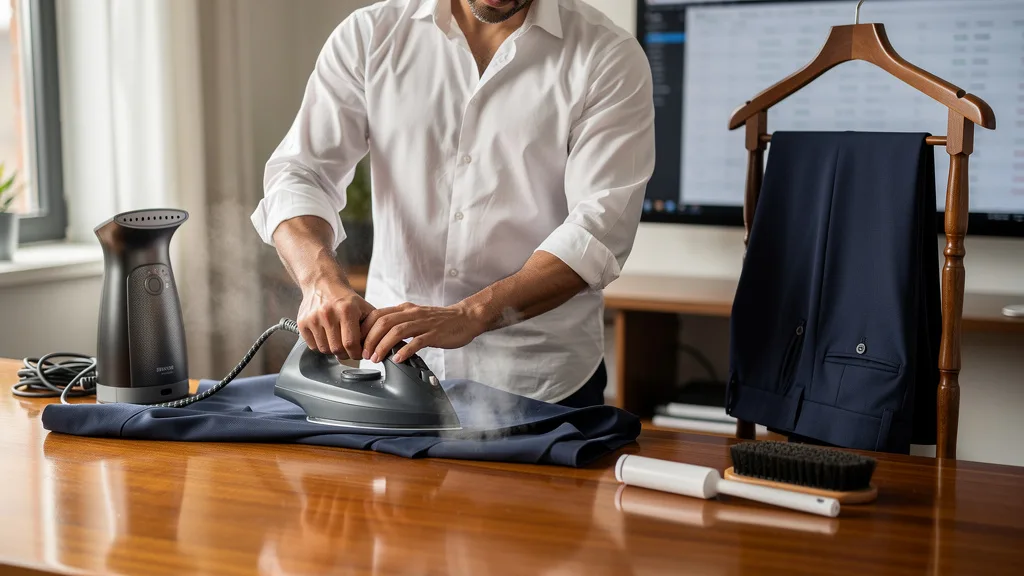
Having the right tools on hand makes at-home suit care simple and effective. While it may sound like a lot, a few key items are all you need to build a comprehensive maintenance kit. Investing in these quality tools will pay for itself many times over by extending the life of your suits.
| Tool | Primary Purpose | Key Feature to Look For |
|---|---|---|
| Natural Bristle Suit Brush | Removing dust, debris, and hair | Soft, natural animal hair (e.g., boar or horse) |
| Wide Wooden Hanger | Maintaining shoulder shape and structure | Contoured, wide shoulder flares (at least 2 inches) |
| Garment Steamer | Removing wrinkles and freshening fabric | Produces continuous steam; safe for delicate fabrics |
| Breathable Garment Bag | Protecting during long-term storage | Made of cotton or canvas (not plastic) |
| Cedar Blocks or Sachets | Repelling moths and absorbing moisture | 100% natural aromatic cedar wood |
The Importance of a Natural Bristle Suit Brush
A high-quality suit brush is perhaps the most important tool in your arsenal. Unlike sticky lint rollers that can leave behind adhesive residue and potentially damage delicate weaves, a brush with natural bristles gently lifts away dirt and revitalizes the nap of the fabric. Horsehair or boar bristles are ideal as they are soft enough not to harm the material but firm enough to be effective.

Regular brushing not only cleans your suit but also redistributes the natural oils in wool fibers, which helps maintain their luster and longevity. It’s a simple, classic method that has been trusted by tailors for centuries for a reason. This is a perfect example of where expert advice emphasizes traditional methods for modern garments.
Investing in a Quality Garment Steamer
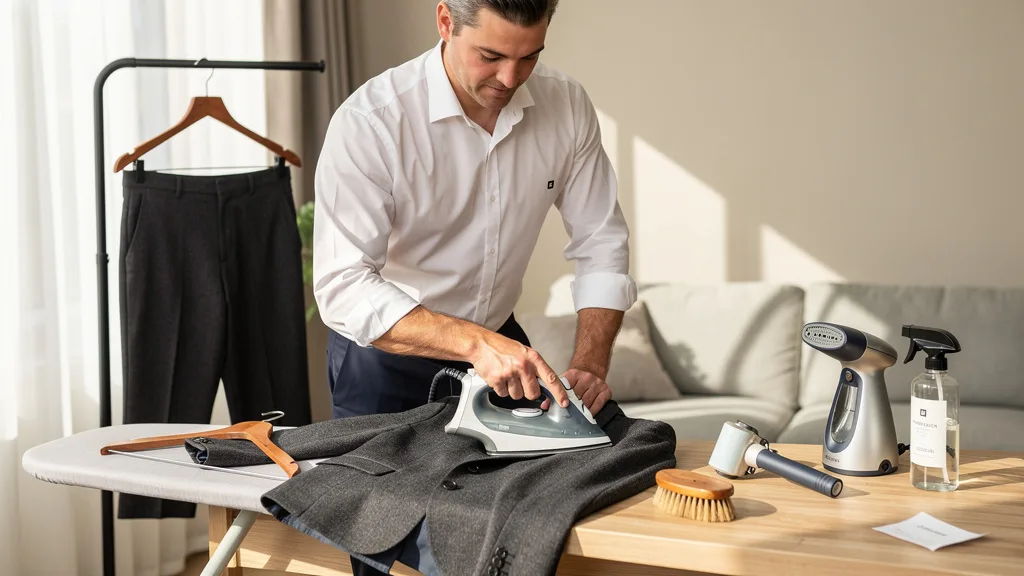
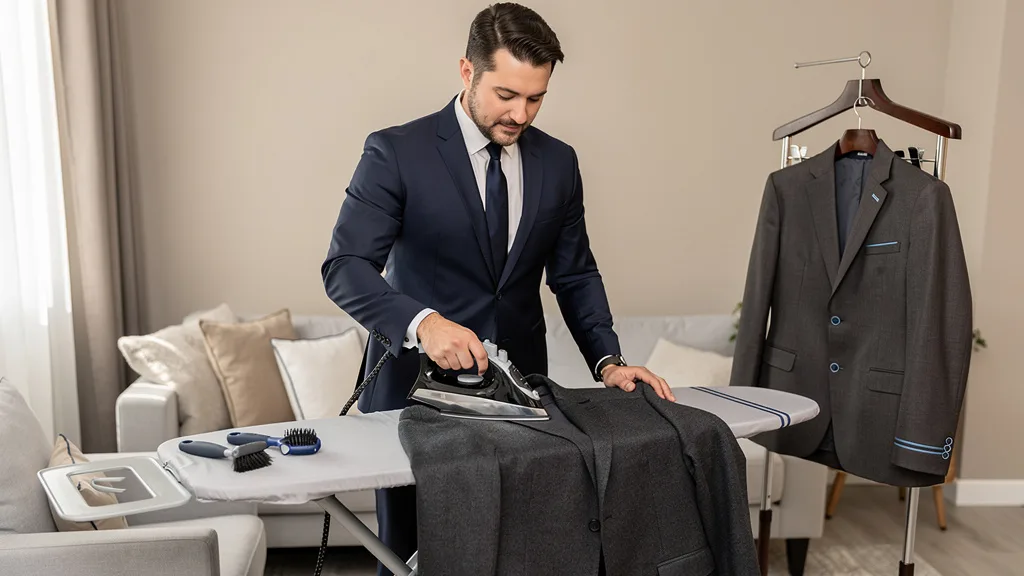
A garment steamer is a modern necessity for anyone who wears suits regularly. It’s far superior to an iron for de-wrinkling tailored clothing. The intense, direct heat of an iron can flatten the natural texture of the fabric and even leave a permanent shine on dark-colored wool. A steamer, by contrast, uses gentle, moist heat to relax fibers without direct contact.
Look for a model that heats up quickly and provides a consistent flow of steam. A good steamer is not just for emergencies; using it after each wear can help release minor wrinkles and refresh the garment, reducing the need for more intensive cleaning.
Why Wide, Wooden Hangers Are Non-Negotiable
We’ve mentioned it before, but it bears repeating: the hanger you use is critically important. A wide, wooden hanger with a curved shape is designed to support your suit jacket as if it were on your shoulders. This prevents the garment from sagging or developing misshapen lumps in the shoulder pads.
Cedar hangers offer the dual benefit of providing excellent structural support while also acting as a natural moth repellent and moisture absorber. While they cost more than plastic hangers, they are an essential investment for protecting the tailored form of a quality suit.
Knowing When to Visit a Professional Dry Cleaner
While at-home care is sufficient for day-to-day maintenance, there are times when a professional’s touch is necessary. Over-cleaning a suit can strip its natural fibers and cause premature wear, so it’s important to know when a trip to the dry cleaner is truly warranted.

“A quality suit should only be dry-cleaned a few times a year, unless it’s visibly soiled. The key is preventative care at home. Brushing, steaming, and proper hanging are your best tools for preserving the life and fit of your tailoring.”
Identifying Stains That Require Expert Attention
While you can handle minor water-based spots at home, certain types of stains require professional treatment. These include oil-based stains (like from salad dressing or grease), ink, red wine, and heavy food spills. Attempting to remove these yourself without the proper solvents and techniques can set the stain permanently or create a discolored ring on the fabric.
If you get a significant stain on your suit, blot it gently to remove any excess, but do not rub it or apply water. Take it to a reputable dry cleaner as soon as possible and be sure to point out the stain and identify what caused it, if you know. This information helps them choose the right treatment.
The Ideal Frequency for Dry Cleaning a Suit
There is no single rule for how often to dry clean a suit, as it depends on how frequently you wear it and in what conditions. As a general guideline, a suit worn once or twice a week might need to be dry-cleaned two to four times a year. A suit worn only for special occasions may only need cleaning once a year or if it gets stained.
The key is to clean it only when necessary. If the suit is not visibly dirty or smelly, at-home freshening techniques like steaming and airing it out are usually sufficient. The harsh chemicals used in dry cleaning can take a toll on natural fibers over time, so less is often more.
Choosing a Reputable Cleaning Service
Not all dry cleaners are created equal. A cheap service might use harsh, generic chemicals that can damage your suit. Look for a cleaner that has experience with high-end garments and can discuss their process with you. Ask if they use gentle solvents and hand-finishing techniques. casual suit.
A good cleaner will inspect your suit for stains, check the care label, and protect or remove buttons before cleaning. Building a relationship with a trusted professional cleaner is an important part of a long-term suit care strategy. They are your partner in preserving your investment.
Key Takeaways
Mastering how to care for your suit at home extends its life and keeps it looking its best. By incorporating a few simple habits and having the right tools, you can maintain the quality and fit of your tailored garments for years. Here are the most critical points to remember:
- Act After Every Wear: Always brush your suit with a natural bristle brush, hang it on a wide wooden hanger, and let it air out for several hours before returning it to your closet.
- Steam, Don’t Iron: Use a garment steamer to remove wrinkles and freshen the fabric. It is much gentler than an iron and won’t damage the suit’s fibers or structure.
- Store with Care: For long-term storage, use a breathable cotton or canvas garment bag and natural moth repellents like cedar. Never store suits in plastic.
- Clean Smart, Not Often: Spot-clean minor stains at home and only take your suit to a professional dry cleaner when it is visibly dirty or has a major stain. Over-cleaning is damaging.
- Invest in Quality Tools: A good suit brush, proper wooden hangers, and a reliable steamer are essential investments that will protect your more significant investment: the suit itself.
Frequently Asked Questions
Even with a detailed guide, specific questions often arise. Here are answers to some of the most common queries about suit care and maintenance.
What is the 5 suit rule?
The 5 suit rule is a guideline for professionals who wear suits daily. It suggests owning at least five suits, one for each day of the work week. This allows you to rotate through them, ensuring that each suit has four full days to rest, breathe, and recover its shape between wears.
This rotation drastically reduces wear and tear on any single garment, extending the life of your entire suit collection. It prevents the fabric from becoming stressed and helps maintain the structure and fit of each piece over the long term.
Is a suit ruined if it gets wet?
No, a suit is generally not ruined if it gets wet from rain, provided you handle it correctly. The key is to allow it to dry naturally and slowly. As soon as you get indoors, empty the pockets, and hang the jacket and trousers on their proper wooden hangers in a well-ventilated area.
Do not use a hairdryer or place it near a radiator, as direct heat can shrink or damage the wool fibers. Once completely dry, you can use a steamer to smooth out any wrinkles that may have formed. The suit should recover perfectly.
How do you keep suits smelling fresh?
The best way to keep a suit smelling fresh is to let it air out properly after each wear. Hang it outside of your closet for several hours to allow any absorbed moisture and odors to dissipate. Regular steaming also helps to neutralize odors by killing odor-causing bacteria.
For long-term freshness in your closet, use natural aromatics like cedar blocks or lavender sachets. These not only repel pests but also impart a subtle, pleasant scent and help absorb excess humidity.
Can you use a regular lint roller on a suit?
It is best to avoid using a standard adhesive lint roller on a quality suit. The sticky sheets can leave behind a residue that can attract more dirt over time. On some delicate fabrics, the adhesive can even pull at the fibers and cause pilling or damage the weave’s texture.
A natural bristle suit brush is a far superior tool. It effectively removes lint, dust, and hair without any risk of damaging the fabric or leaving behind a sticky film. It cleans the suit while also conditioning the fibers.
What is the best way to pack a suit for travel?
The best way to pack a suit is to minimize hard folds. One popular method is to turn the jacket inside out, but with one shoulder pushed through to remain right-side out. Then, fold the jacket lengthwise, place folded trousers in the center, and gently roll or fold the bundle.
Place the packed suit in your luggage last, on top of other items. Upon arrival, unpack it immediately and hang it up. Hanging it in the bathroom during a hot shower will help the steam release any wrinkles from travel.
Conclusion
Learning how to care for your suit at home is a skill that protects your investment and ensures you always look polished and professional. By following the steps outlined in this guide, from daily brushing and proper hanging to smart cleaning and storage, you empower yourself to maintain your garments at a professional standard. This proactive approach saves you money on dry cleaning and, more importantly, preserves the fine fabric and tailored fit of your suits for many years.
The core principles are simple: be gentle, allow the fabric to rest, and address issues promptly. A good suit is designed to last, but it requires a partnership between the wearer and the garment. Regular attention and the right techniques will keep your suits looking sharp, season after season, making you feel confident every time you wear them.
Now that you have the expert advice to care for your collection, you can confidently add new, high-quality pieces to your wardrobe. Explore our curated selection of premium suits crafted from the finest materials, designed for lasting style and comfort.
If you want help turning this into a concrete plan for your site or team, take the next step below — it is the fastest way to move from reading about How to Care for Your Suit at Home: A Step by Guide to applying it with confidence.
Ready to act on How to Care for Your Suit at Home: A Step by Guide? SHOP NOW — tell us your goal, and we will help you pick the highest-leverage next step so you are not guessing alone.