

Are you ready to invest in your first premium suit but unsure where to begin? Knowing what separates a truly exceptional suit from an average one is key to making a worthwhile investment that elevates your style and confidence for years to come. This guide provides the essential checklist for navigating the world of high-quality tailoring.
When searching for a premium suit, the most important factors to consider are the fit, the fabric quality, and the construction method. A perfect fit is non-negotiable, as it dictates the entire silhouette. High-quality fabrics like wool or linen not only look and feel better but also last longer. Finally, understanding the difference between a canvassed and fused construction will help you identify a suit built for longevity and a superior drape.
What Defines a Premium Suit?
A premium suit is an investment in craftsmanship, quality materials, and impeccable fit, setting it apart from mass-produced alternatives. Unlike off-the-rack options that prioritize speed and volume, a premium garment focuses on durability and timeless style. The difference is immediately noticeable in the way the suit drapes on your body, the feel of the fabric, and the subtle details that signify superior construction. It’s a piece designed not just for a season, but for a lifetime of important moments.
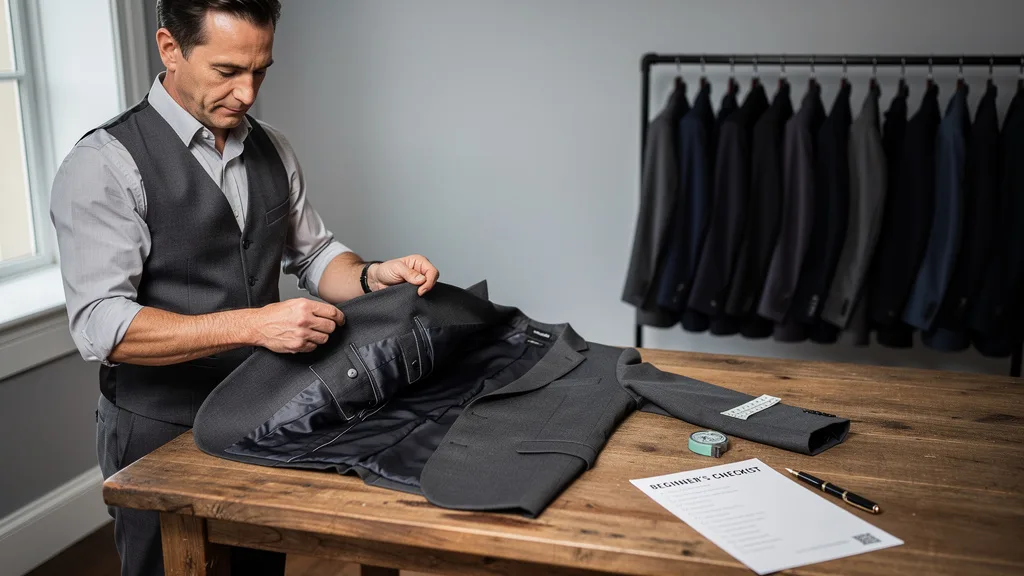
Ultimately, a premium suit is defined by its ability to provide unparalleled comfort and a flawless silhouette. This comes from a combination of expert tailoring, high-grade natural fibers, and a construction that allows the garment to mold to your body over time. When you know what to look for in a premium suit: a beginner checklist can transform your shopping experience from overwhelming to empowering, ensuring you select a piece that truly reflects your personal style and standards.
The Core Checklist for Your First Premium Suit
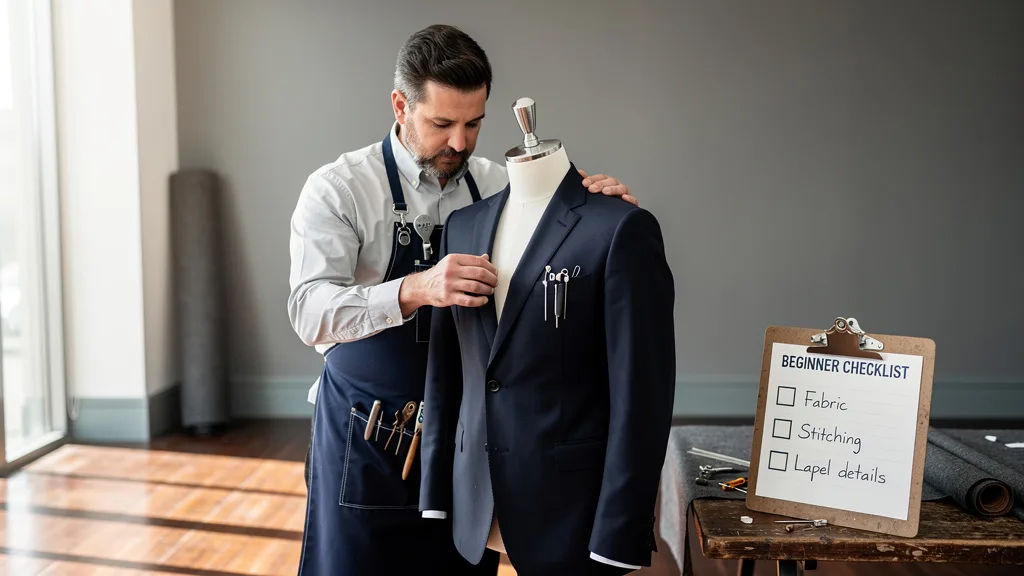
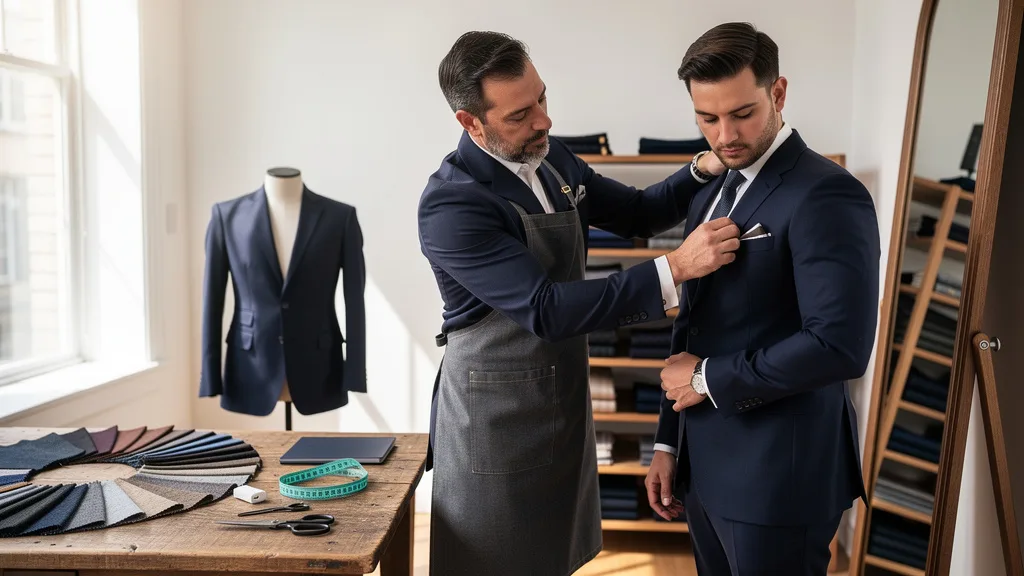
Embarking on your first premium suit purchase requires a clear checklist to guide your decision. Focusing on a few core tenets will ensure you make a wise choice. These pillars of quality are the fit, the construction, the fabric, and the finishing details. Each element plays a crucial role in the final look, feel, and longevity of the garment. Getting these right is the secret to unlocking the confidence that a great suit provides.

The Primacy of a Perfect Fit
No matter how expensive the fabric or how renowned the brand, a suit is only as good as its fit. A perfect fit is the most critical element of a premium suit, as it flatters your body shape and ensures comfort. It should feel like a second skin, allowing for a full range of motion without pulling or bunching. The jacket should lightly hug your torso, and the trousers should drape cleanly without excess fabric.
An ill-fitting suit, regardless of its price tag, will always look cheap. Conversely, a well-fitted suit, even a more accessible one, can look incredibly sharp and sophisticated. This is why many style experts prioritize fit above all else. When you are trying on a suit, pay close attention to how it sits on your shoulders, chest, and waist, as these are the most important areas to get right.
Understanding Suit Construction: Canvassed vs Fused
The construction of a suit jacket determines how it drapes and how it ages. The two primary methods are canvassed and fused. A fused jacket uses a fusible interlining that is glued to the wool shell. This method is quicker and less expensive but can result in a stiffer garment that is less breathable and may bubble over time after dry cleaning.
A canvassed jacket, on the other hand, features a layer of canvas material stitched between the outer fabric and the inner lining. This allows the suit to breathe and mold to your body over time, creating a superior fit and drape. While full-canvas suits are the gold standard, half-canvas options offer a great balance of quality and price, providing structure in the chest and lapels while keeping the cost down. For a true premium experience, a canvassed construction is the superior choice.
| Feature | Canvassed Suit | Fused Suit |
|---|---|---|
| Construction | Canvas interlining is stitched to the fabric. | Interlining is glued to the fabric with heat. |
| Drape & Fit | Excellent drape; molds to your body over time. | Stiffer and less adaptable; can feel rigid. |
| Longevity | Highly durable; can last for decades with care. | Prone to bubbling or delaminating over time. |
| Breathability | Superior breathability due to natural layers. | Less breathable as the glue layer traps heat. |
| Cost | Higher initial investment. | More affordable and widely available. |
Selecting High-Quality Fabric
The fabric is the soul of your suit. High-quality materials not only feel luxurious against the skin but also perform better, resisting wrinkles and holding their shape. Natural fibers are the hallmark of a premium suit. Wool is the most popular and versatile choice, available in various weights for different seasons. Other excellent options include linen for summer, flannel for winter, and luxurious blends like cashmere or silk for a softer feel and subtle sheen. common mistakes when buying.
When inspecting fabric, consider its weight, weave, and finish. A good quality wool will have a smooth hand-feel and a certain resilience, bouncing back when you pinch it. Avoid synthetic materials like polyester whenever possible, as they lack the breathability, comfort, and elegant drape of natural fibers. Investing in a suit made from superior fabric ensures it will look and feel great for years to come.
Examining the Details and Finishing
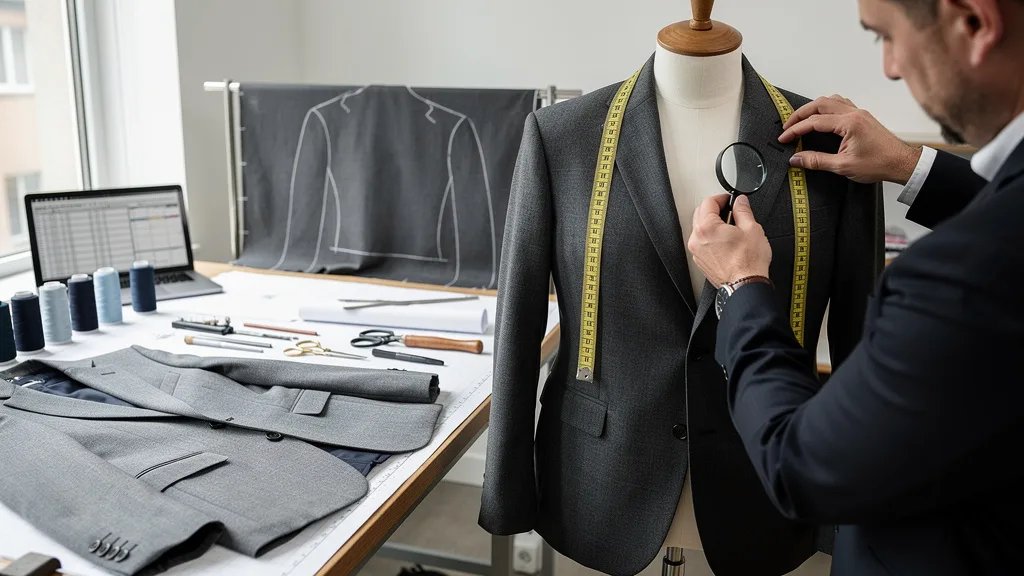
The small details are what elevate a suit from good to great. Look for signs of careful craftsmanship, such as functional sleeve buttons (also known as surgeon’s cuffs), which are a traditional marker of a high-quality or bespoke garment. Other indicators include hand-stitched pick stitching along the lapels, collar, and pockets, which adds a subtle, artisanal touch.
The quality of the buttons and lining also matters. Premium suits often use buttons made from horn, corozo, or mother-of-pearl rather than plastic. The interior lining should be made from a smooth, breathable material like Bemberg or silk, not a cheap synthetic. These finishing touches demonstrate a commitment to quality that permeates the entire garment.
“The true measure of a premium suit isn’t found on the price tag, but in the details you can feel: the balance of the jacket on your shoulders, the smooth roll of the lapel, and the resilience of the cloth. Look for these, and you’ve found true quality.”
A Closer Look at Key Fit Points
While an overall good fit is paramount, understanding the specific fit points will empower you to assess a suit like a professional. When you try on a jacket and trousers, you should check several key areas to ensure the silhouette is clean and flattering. Getting these points right is often the difference between a suit that looks ‘okay’ and one that looks like it was made for you.

Shoulders and Collar Alignment
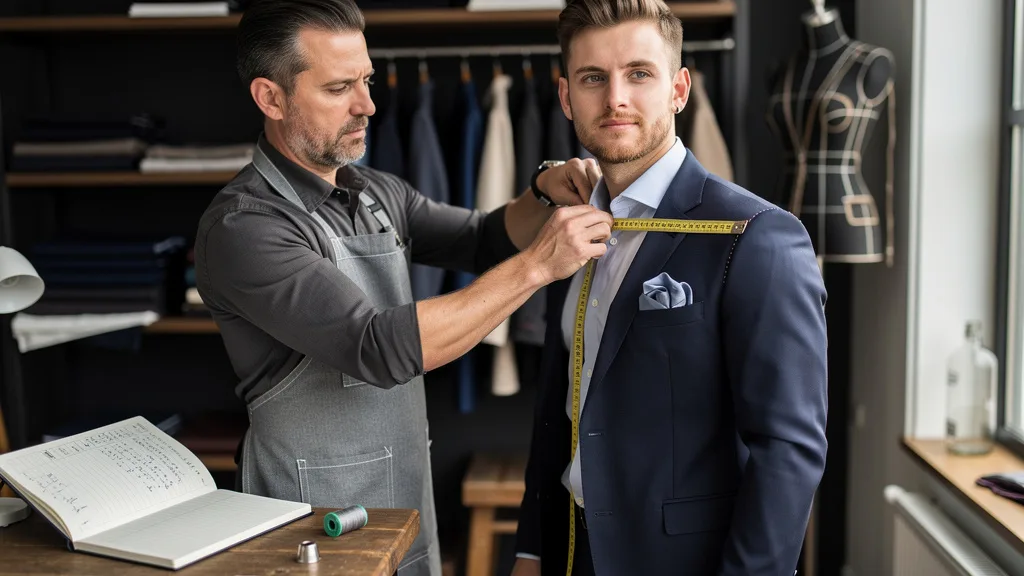
The shoulders are the most crucial fit point because they are the most difficult to alter. The shoulder seam of the jacket should end precisely where your natural shoulder does. If it extends past, the jacket is too big; if it ends before, it’s too small, causing pulling. There should be no rumpling or divots at the shoulder pad. Equally important, the jacket collar should rest cleanly against your shirt collar, with no gap between them. This indicates the jacket is properly balanced for your posture.
A gap at the collar is a common fit issue that suggests the jacket’s balance is off. While a skilled tailor can sometimes correct minor issues, a significant gap is a red flag. When trying on a suit, turn to the side and check your profile in a mirror to ensure the collar is sitting flush against your neck. This small detail makes a massive difference in the overall polished appearance of your suit.
Chest and Torso Tapering
A well-fitting suit jacket should follow the contours of your body. When buttoned, the jacket should lightly hug your chest and taper at the waist, creating a flattering V-shape. There should be no significant pulling or straining at the button, which forms an ‘X’ shape—this means the jacket is too tight. Conversely, there shouldn’t be excessive loose fabric around your midsection, which would hide your shape.
The ideal fit allows you to comfortably slip a hand between your chest and the buttoned jacket. This provides enough room for movement without sacrificing the tailored silhouette. A good taper accentuates the shoulders and slims the waist, which is a foundational element of classic menswear. This is an area where a little tailoring can go a long way in personalizing an off-the-rack suit.
Sleeve and Trouser Length
Correct sleeve and trouser length are essential for a polished look. The jacket sleeves should be short enough to show about a quarter to a half-inch of your shirt cuff. This creates a clean visual break and adds a touch of sophistication. If the jacket sleeve hides your shirt cuff entirely, it is too long and will make the suit appear sloppy.
For trousers, the goal is a clean line with minimal ‘break’—the fold of fabric that occurs where your trousers meet your shoes. A slight or no break is the modern standard, creating a sharp, elongated leg line. Trousers that are too long will pool around your ankles, looking untidy. These are relatively easy and inexpensive adjustments for a tailor to make, but they are crucial for achieving a premium look.
A Guide to Premium Suit Fabrics
Choosing the right fabric is just as important as getting the fit right. The material dictates the suit’s seasonality, durability, and overall character. Premium suits are crafted from natural fibers that offer superior breathability, comfort, and drape. Understanding the most common fabric types will help you build a versatile and functional wardrobe.
Versatile All-Season Wools
Wool is the undisputed king of suiting fabrics for its versatility, resilience, and timeless appeal. It’s a natural fiber that breathes well, making it comfortable in both warm and cool conditions. All-season wools, typically in the 9-11 ounce weight range, are perfect for a foundational suit as they can be worn year-round in most climates. They resist wrinkling and drape beautifully, ensuring you look sharp throughout the day.
Worsted wool is a common type, known for its smooth surface and durability. Other popular wool weaves include flannel for a softer, textured winter suit, and tweed for a rugged, academic look. When building a suit collection, starting with a mid-weight worsted wool in navy or charcoal is always a smart move. For those looking to expand their wardrobe, a high-quality woolen suit for women or men provides both warmth and impeccable style.
Luxurious Blends like Cashmere and Silk
For those seeking an extra touch of luxury, wool blends incorporating cashmere or silk are an excellent choice. Cashmere adds incredible softness and a bit of warmth without adding bulk, making a wool-cashmere blend suit feel exceptionally rich and comfortable. It lends the fabric a subtle, matte-like finish that is deeply elegant.
Silk, when blended with wool, imparts a beautiful, subtle sheen and a lighter, smoother feel. A wool-silk blend is a fantastic option for special occasion suits or for warmer weather, as it enhances the fabric’s luster and drape. While these blends are often more expensive and can be slightly less durable than 100% worsted wool, they provide a level of visual and tactile richness that is unmatched.
Seasonal Choices: Linen and Cotton
When the temperature rises, heavy wools are not practical. This is where seasonal fabrics like linen and cotton shine. Linen is prized for its exceptional breathability and relaxed texture, making it the quintessential summer suiting fabric. While it wrinkles easily, this is considered part of its charm, lending it a nonchalant, sophisticated air perfect for warm-weather events. A casual suit made from linen is a summer style essential.
Cotton is another great summer option, offering a more structured look than linen. A cotton suit, often in khaki, navy, or seersucker, is a staple of preppy, warm-weather style. It’s more resistant to wrinkling than linen and provides a crisp, clean silhouette. Both fabrics are perfect for building out the seasonal section of your suit wardrobe, ensuring you stay cool and stylish no matter the weather.
Deciphering Price: What Should a Premium Suit Cost in 2026?
The price of a premium suit in 2026 can vary dramatically based on construction, fabric, and brand. It is important to understand what you are paying for at different price points. A fused, off-the-rack suit from a fast-fashion brand might cost a few hundred dollars, but it lacks the quality and longevity of a true premium garment. Generally, the entry point for a respectable half-canvassed suit made with decent wool starts around $800 to $1,200.
As you move into the $1,500 to $3,000 range, you can expect full-canvas construction, higher-quality fabrics from renowned mills (like Loro Piana or Zegna), and more refined details. This is the sweet spot for many who want a long-lasting, high-performing suit. Above $4,000, you are typically entering the realm of made-to-measure or fully bespoke suiting, where the garment is crafted specifically for your body and preferences. While a $500 suit is not necessarily ‘cheap,’ it is unlikely to feature the canvassed construction and high-end fabric that define a truly premium, long-term investment.
Building Your Collection: The 5-Suit Rule Explained
The “5-Suit Rule” is a practical guideline for building a versatile and comprehensive suit wardrobe that can cover nearly any occasion. It’s not a strict mandate but a strategic approach to ensure you have the right suit for business, formal events, and seasonal needs. The core idea is to acquire five foundational suits in a specific order to maximize their utility and interchangeability.
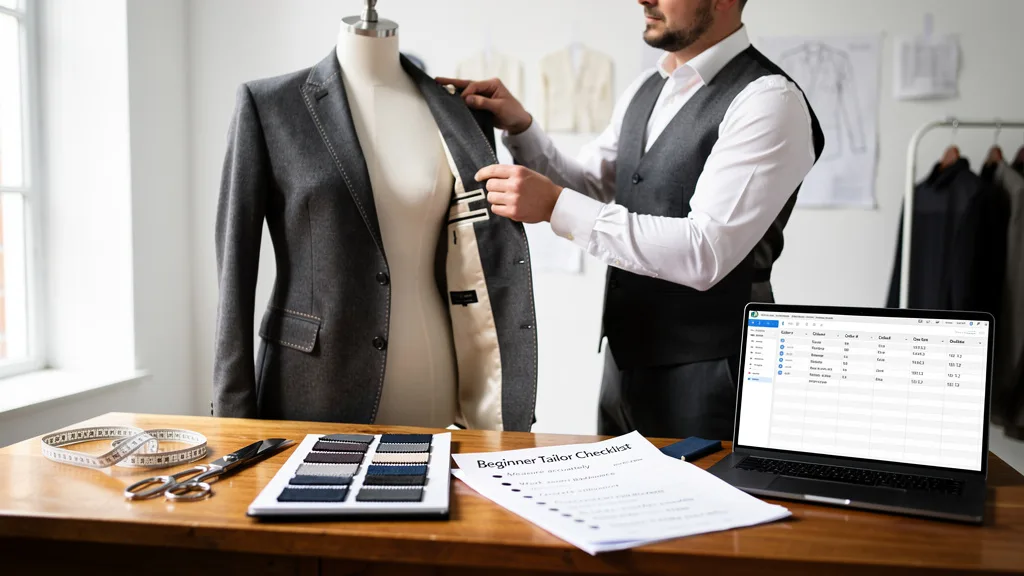
Your collection should start with the two most essential business suits: one in solid charcoal grey and one in solid navy blue. These are the workhorses of any wardrobe. The third suit should be a lighter grey for more social or daytime events. The fourth is often a patterned suit, like a subtle pinstripe or check, to add variety. Finally, the fifth suit is your seasonal or event-specific choice: a linen suit for summer, a flannel suit for winter, or a classic black tuxedo for formal affairs. Following this rule ensures you are impeccably dressed for any situation.
Key Takeaways
Navigating your first premium suit purchase is simple when you focus on the most important elements. This checklist provides a clear path to making a confident and stylish investment. Here are the main points to remember:
- Fit is King: A suit’s most important attribute is how it fits you. Prioritize clean lines at the shoulder, a tapered waist, and correct sleeve and trouser lengths.
- Construction Determines Longevity: Opt for a half-canvas or full-canvas jacket over a fused one. Canvassed construction allows the suit to drape better and last longer.
- Fabric Defines Character: Choose natural fibers like wool for versatility, or seasonal options like linen and cotton. High-quality fabric feels better, looks richer, and performs well over time.
- Details Signal Quality: Look for functional sleeve buttons, high-quality horn or corozo buttons, and fine pick stitching as markers of superior craftsmanship.
- Price Reflects Craftsmanship: In 2026, expect to invest upwards of $800 for a quality, entry-level premium suit, with prices increasing with better fabrics and full-canvas construction.
Frequently Asked Questions
What is the difference between bespoke, made-to-measure, and off-the-rack suits?
Off-the-rack suits are mass-produced in standard sizes and are the most affordable option. Made-to-measure (MTM) suits start with a standard pattern which is then altered based on your measurements. Bespoke is the highest tier, where a unique pattern is created from scratch just for you, involving multiple fittings for a perfect, one-of-a-kind garment.
The choice depends on your budget and desired level of customization. Off-the-rack is accessible, MTM offers a great balance of personalization and cost, and bespoke provides the ultimate in fit and craftsmanship. Understanding these tiers helps you find the best option for your needs.
What color suit should I buy first?
Your first suit should be as versatile as possible. The undisputed best choices for a first suit are either solid navy blue or solid charcoal grey. These colors are appropriate for virtually any occasion, from job interviews and business meetings to weddings and funerals. They are timeless, professional, and easy to pair with a variety of shirts and ties.
A navy suit is often considered slightly more versatile and can be easily dressed down, while a charcoal suit is seen as slightly more formal and conservative. You can’t go wrong with either choice. Once you have these two foundational suits, you can explore other colors and patterns. Knowing the best shirt colour for men to pair with these suits will further enhance your style.
Can a tailor make an inexpensive suit look premium?
Yes, to a certain extent. A skilled tailor is the secret weapon of any well-dressed individual. Tailoring can dramatically improve the fit of an inexpensive suit, which is the most important factor in how it looks. Adjusting sleeve length, tapering the torso, and hemming the trousers can make a $300 suit look like it’s worth much more.
However, tailoring has its limits. A tailor cannot change the low-quality fabric or fused construction of a cheap suit. While they can make it fit you perfectly, they cannot replicate the drape, feel, and longevity of a suit made with premium materials and canvassed construction. It’s a significant improvement, but it won’t transform it into a true premium garment.
How should I care for and maintain a premium suit?
Proper care is essential to protect your investment and extend the life of your suit. Always hang your suit on a proper, wide-shouldered hanger to maintain its shape. Allow it to air out for a day after wearing before putting it back in your closet. Use a suit brush to remove dust and debris. Try to rotate your suits and avoid wearing the same one two days in a row.
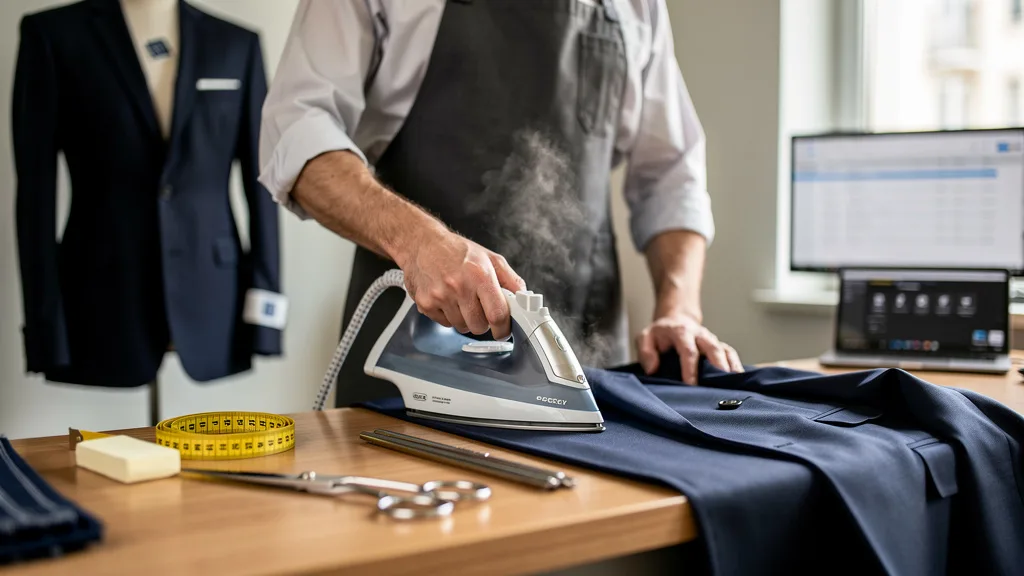
Limit dry cleaning to only when necessary, perhaps once or twice a season, as the chemicals can be harsh on natural fibers. For minor spots, use a spot cleaner. For wrinkles, a steamer is much gentler than a direct iron. Following these steps, similar to following a beginner guide to premium shirt care, will keep your suit looking its best for years.
Conclusion
Investing in a premium suit is a significant step in building a wardrobe that reflects sophistication and an appreciation for quality. By using this beginner’s checklist, you are now equipped to look beyond the price tag and identify the true markers of craftsmanship. Focusing on the core principles of fit, fabric, and construction ensures that your choice is not just a purchase, but a long-term asset that will serve you well across countless important life events.
Remember that a perfect fit is the absolute foundation, something that cannot be compromised. From there, understanding the superiority of a canvassed construction and the character of high-quality natural fibers will guide you to a garment that drapes beautifully and endures. Finally, appreciating the small details, from the type of buttons to the stitching on the lapel, will allow you to recognize true excellence. These elements combined are what create the confidence and timeless style a premium suit provides.
You now have the knowledge to confidently select a suit that will not only make you look your best but also feel your best. This understanding transforms suit shopping from a daunting task into an enjoyable journey of discovering your personal style. Embrace the process, trust your newfound knowledge, and prepare to experience the unparalleled feeling of wearing a suit that is truly exceptional.
Ready to find a suit that embodies these principles of quality and style? Explore our curated collection of premium suits, crafted with meticulous attention to detail and designed for the modern individual. Discover the perfect fit and fabric for your next great moment. SHOP NOW.