

Stepping into the world of suiting and unsure where to begin? Your first suit is a major investment, and choosing the right color sets the foundation for your entire formal wardrobe. The two most recommended starting points are navy and charcoal, but which one is truly the best fit for your lifestyle and needs?
When deciding between a navy and charcoal suit, consider your primary use. A navy suit is often seen as slightly more social and modern, making it perfect for weddings, parties, and creative business settings. A charcoal suit projects a more conservative, formal, and authoritative image, excelling in corporate environments, important meetings, and somber occasions. Both are incredibly versatile, but your choice depends on the impression you want to make most often.
When you purchase your first suit, you are not just buying an outfit; you are investing in a cornerstone of your wardrobe. The color you select will dictate its versatility, the occasions it’s appropriate for, and how easily you can style it. While patterns and cuts are important, color is the most fundamental characteristic. A well-chosen color ensures your suit can be worn for job interviews, weddings, business meetings, and formal dinners, maximizing its value.

The debate of Navy vs Charcoal Black: A Beginner’s Guide to Suit Colors often lands on these two shades for good reason. Unlike black, which can be too stark for many daytime events, or lighter colors, which are less formal and seasonal, navy and charcoal offer the perfect balance. They are dark enough to be formal, yet colored enough to be interesting and easy to pair with a wide range of shirts, ties, and shoes. This inherent flexibility is why they are the top recommendations for any man starting to build his suit collection.

The Case for the Classic Navy Suit
The navy suit is a timeless staple in menswear, celebrated for its rich color and adaptable nature. It is often considered the slightly more approachable and modern choice of the two primary options. A navy suit conveys confidence and trustworthiness without appearing overly rigid or severe. Its deep blue hue is flattering on almost every skin tone, making it a universally safe and stylish bet for a first suit.

In terms of formality, a navy suit sits comfortably in the professional and semi-formal categories. It is a standard in business environments across the globe, from corporate offices to creative agencies. While a charcoal suit might have a slight edge in the most conservative settings like law or finance, a navy suit is never out of place. It projects an image of being dependable and professional, yet also approachable and dynamic.

For young professionals, a navy suit is often the superior choice. It has a youthful energy that charcoal can sometimes lack, helping you appear modern and forward-thinking in interviews and meetings. This blend of professionalism and contemporary style makes it an incredibly powerful tool in your career arsenal.
The navy suit’s versatility shines when considering the range of events it can handle. It is an excellent choice for weddings, whether you are a guest or part of the wedding party. It transitions seamlessly from a daytime ceremony to an evening reception. Beyond weddings, it is perfect for cocktail parties, networking events, date nights, and any occasion where you need to look sharp and put-together.
Its adaptability also extends to business. A navy suit is ideal for client presentations, daily office wear in a business-formal environment, and company events. It’s a true workhorse that ensures you are appropriately dressed for nearly any social or professional situation you might encounter, making it a fantastic investment.
Color psychology suggests that navy blue is associated with trust, stability, and authority. It’s a color that people instinctively find calming and dependable. When you wear a navy suit, you are subconsciously communicating that you are a reliable and knowledgeable individual. This is a significant advantage in both professional and social interactions.
Compared to black, which can sometimes be perceived as somber or intimidating, navy is much more welcoming. It allows you to command respect without creating distance. This psychological impact is a key reason why so many professionals and style experts recommend a navy suit as a foundational piece for any man’s wardrobe.
The Case for the Versatile Charcoal Suit
The charcoal suit is the epitome of classic, understated authority. As a deep shade of grey, it offers a seriousness and formality that is second only to a black tuxedo. It’s a color that speaks of maturity, stability, and unwavering professionalism. For those who work in highly traditional or corporate fields, a charcoal suit is often the most powerful and appropriate choice for a first suit.

Formality and Professionalism
A charcoal suit is a powerhouse in the professional world. It carries a level of formality that is perfect for the most demanding business environments, including finance, law, and executive leadership. When you need to project an image of absolute seriousness and competence, charcoal is your best ally. It’s less common than navy, which can help you stand out in a subtle, sophisticated way.
This color is inherently conservative, which makes it a safe and respectful choice for any business context. It conveys that you understand and respect traditional professional norms. While navy is perfectly acceptable, charcoal often sends a stronger message of authority and experience, which can be beneficial in high-stakes negotiations or boardroom presentations.
Best Occasions and Settings
While the charcoal suit excels in the boardroom, its utility extends to other formal occasions. It is an excellent choice for formal daytime events and is also appropriate for most evening functions. Because it is a neutral color, it serves as a perfect canvas for a variety of shirt and tie combinations, allowing you to dress it up or down with ease.
A charcoal suit is also a highly appropriate choice for somber occasions like funerals, where a black suit might feel too stark and a navy suit too vibrant. Its muted, respectful tone is ideal for such events. This makes it a truly versatile garment that can navigate the full spectrum of life’s most important moments, from professional triumphs to solemn ceremonies.
Color Psychology and Perception
Grey, in general, is a color of balance and neutrality. Charcoal, as a deep and rich shade, adds a layer of strength and sophistication. It is perceived as a color of substance and intellect. Wearing a charcoal suit can make you appear more thoughtful, analytical, and decisive. It doesn’t command attention with bright hues but rather with its quiet, confident presence.
This perception of being grounded and mature makes it a favorite among seasoned professionals. It signals that you are a serious person to be taken seriously. Unlike navy, which has a certain social warmth, charcoal’s power is in its cool, collected, and unflappable demeanor.
Making the final call between navy and charcoal requires a direct comparison of their strengths and weaknesses. Both are fantastic choices, but understanding their subtle differences will help you align your purchase with your personal brand and lifestyle. As of 2026, both colors remain at the pinnacle of men’s suiting, with their classic appeal enduring through fleeting trends.

To simplify the decision, we’ve broken down the comparison into three key categories: overall versatility, formality for specific events, and how they perform across different seasons. Use this table as a quick reference to see how each suit stacks up in the areas that matter most to you. For a deeper dive, many style experts have weighed in on this classic debate, exploring nuances like Which Suit Is Better? Charcoal vs Navy, offering visual examples that can further inform your choice.
| Feature | Navy Suit | Charcoal Suit |
|---|---|---|
| Overall Versatility | Excellent. Works for business, social events, weddings, and parties. Slightly more social feel. | Excellent. Works for business, formal events, and somber occasions. Slightly more corporate feel. |
| Business Formality | Very High. Standard in all business settings, seen as modern and approachable. | Highest. The pinnacle of corporate conservatism, projects authority and experience. |
| Wedding Attire | Perfect. Ideal for guests and wedding parties at almost any time of day or year. | Very Good. Excellent for formal daytime or winter weddings. Can be too somber for festive, casual weddings. |
| Seasonal Wear | Year-round, but especially strong in spring, summer, and fall. The blue hue feels brighter in sunlight. | Year-round, but particularly effective in fall and winter. The deep grey complements cooler seasons. |
| Styling Options | Pairs well with white, light blue, and pink shirts. Complements both black and brown leather shoes. | Pairs well with white and light blue shirts. Best paired with black leather shoes for maximum formality. |
Overall Versatility
When it comes to overall versatility, the race is incredibly close. The navy suit gets a slight edge for its social adaptability. It feels just as at home at a weekend cocktail party as it does in a Monday morning meeting. The ability to pair it with both black and brown shoes also opens up more styling avenues, making it a flexible foundation for a growing wardrobe.
The charcoal suit‘s versatility lies in its gravitas. It can handle the most formal business settings and the most solemn personal events with equal grace. While it might be less suited for a celebratory beach wedding, its power in professional and formal contexts is unmatched. It is the definition of a serious, all-purpose suit.
Formality for Business and Events
For pure business formality, charcoal is the winner. In industries where tradition and authority are paramount, a charcoal suit is the uniform of success. It communicates a message of stability and power that is difficult to replicate. It is the quintessential boardroom suit.
However, a navy suit is by no means informal. It is completely appropriate for over 95% of business situations. Its advantage is in its approachability. In more modern or creative industries, the slight warmth of navy can be more effective for building rapport with clients and colleagues. The choice here depends entirely on your specific professional environment.
Seasonal Appropriateness
Both suits can be worn comfortably year-round, especially in medium-weight wool. However, they do have seasonal affinities. The deep blue of a navy suit truly comes alive in the spring and summer sun, making it a popular choice for warmer months. It feels vibrant and energetic, aligning with the feel of the season.
Conversely, the deep, rich tone of a charcoal suit feels naturally at home in the fall and winter. Its muted color palette complements the softer light and cooler temperatures of these seasons. This doesn’t mean you should pack your charcoal suit away in May; it simply means it has a particular strength during the latter half of the year.
Which Is the Best Color for a First Suit?
So, after weighing all the evidence, which is the best color for a first suit? The answer depends on your immediate needs and personal style. If you anticipate wearing your suit to a mix of professional and social events like weddings and parties, a navy suit is likely your most versatile and valuable first choice. Its ability to be styled up or down and its modern, approachable feel make it a true wardrobe workhorse.
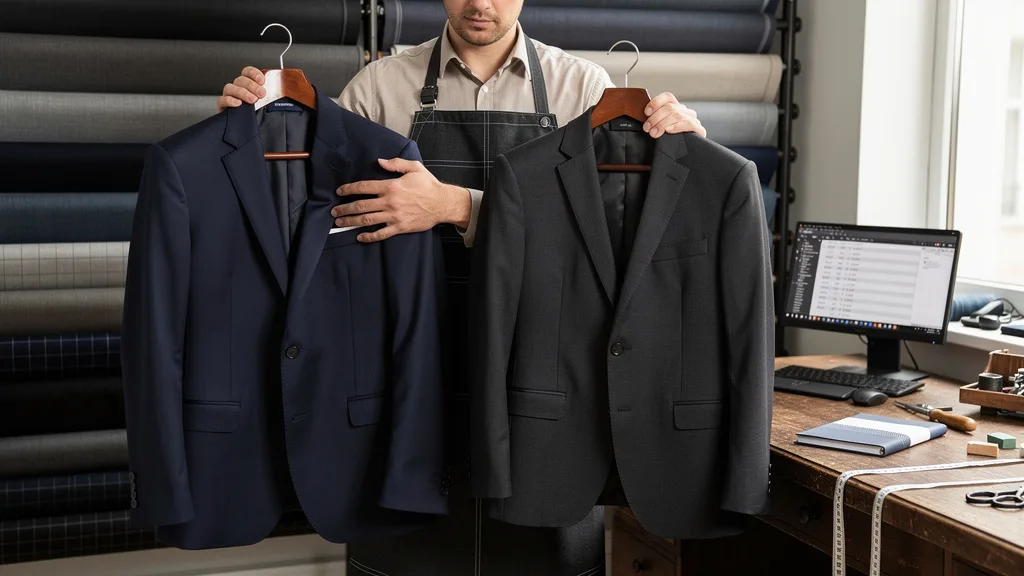
On the other hand, if your primary need is for a suit that commands respect in a highly conservative corporate environment, or if you need a garment that can seamlessly transition to somber formal events, the charcoal suit is the superior option. It offers unmatched authority and a timeless, sophisticated presence. Ultimately, you cannot make a wrong choice between these two, but tailoring the decision to your life is key.
“Your first suit should be a tool, not a costume. Whether you choose navy or charcoal, select the color that makes you feel most confident and prepared for the opportunities you seek. The best suit is the one that empowers you.”
How to Style Navy and Charcoal Suits
Once you’ve chosen your suit, the next step is learning how to style it effectively. The right shirt, tie, and shoes can completely transform the look and feel of your outfit, allowing you to adapt your suit for different levels of formality and various occasions. Both navy and charcoal are excellent foundations that allow for a wide range of creative pairings.

Shirt and Tie Combinations
The easiest and most classic pairing for both suits is a crisp white dress shirt. It’s clean, professional, and foolproof. A light blue shirt is another excellent, can’t-miss option that works beautifully with both navy and charcoal. Taking good care of your garments is essential, and following a beginner guide to premium shirt care will keep them looking their best. For those looking to be more adventurous, here are some combinations:
- For a Navy Suit: Beyond white and light blue, try a light pink or lavender shirt for a modern, stylish look. For ties, patterns in burgundy, forest green, silver, or gold all work well. A simple navy grenadine tie creates a sophisticated tonal look.
- For a Charcoal Suit: Stick with white and light blue shirts for the most formal settings. You can introduce subtle patterns like a fine pinstripe. Tie colors that pop against charcoal include deep reds, purples, and silver. A trendy black shirt combination can also create a sleek, monochromatic evening look, though this is less traditional for business.
Choosing the Right Shoes and Belt
Your choice of leather goods is crucial for completing the look. The number one rule is to always match your belt to your shoes. This creates a polished and cohesive appearance. The color of your shoes will depend on the color of your suit and the formality of the occasion.
Here’s a simple guide to shoe pairings:
- With a Navy Suit: You have the most flexibility here. Dark brown shoes create a rich, stylish look that is popular in modern business and social settings. Black shoes are more formal and traditional, perfect for conservative offices or evening events. Oxblood or burgundy shoes offer a sophisticated, fashion-forward alternative.
- With a Charcoal Suit: The rules are more rigid. Black shoes are the best and safest choice, as they maintain the suit’s high level of formality. Dark brown shoes can work but it’s a more advanced style move that can lower the formality. For any business-critical or highly formal event, always default to black shoes with a charcoal suit.
Key Takeaways
Navigating the choice between a navy and charcoal suit is a rite of passage when building a sophisticated wardrobe. While both are exceptional choices, understanding their core strengths is crucial for making an informed decision that aligns with your personal and professional life. Here are the most important points to remember from this guide.
- Purpose Defines the Choice: A navy suit is the versatile all-star, perfect for a mix of social and professional settings. A charcoal suit is the corporate champion, projecting unmatched authority and formality.
- Formality Levels Differ: Charcoal is considered slightly more formal than navy, making it ideal for conservative industries like law and finance. Navy is seen as more modern and approachable, fitting a wider range of business cultures.
- Styling is Key: Navy offers more styling flexibility, pairing well with both black and brown shoes. Charcoal is most powerful and traditional when paired with black shoes.
- You Can’t Go Wrong: Ultimately, both are foundational colors. Your first suit should be one of these two. The “wrong” choice is simply the one that is slightly less optimized for your most frequent needs. Your second suit should almost always be the other color.
Frequently Asked Questions
Is a navy or charcoal suit better for a wedding?
For a wedding, a navy suit is generally the better and more versatile choice. Its rich blue color feels more celebratory and less somber than charcoal, making it suitable for a wide range of wedding styles, from garden parties to formal evening receptions. Navy is vibrant, stylish, and photographs beautifully in various lighting conditions.
A charcoal suit can certainly be worn to a wedding, especially for a more formal or winter ceremony. However, it can sometimes come across as too corporate or serious for a festive occasion. If the dress code is strictly formal or black-tie optional, charcoal is a perfectly acceptable alternative, but for most weddings, navy strikes the perfect balance of respect and celebration.
Which is more formal, a charcoal or black suit?
A charcoal suit is generally considered more versatile and appropriate for business than a black suit, but slightly less formal than a tuxedo. A solid black suit is often reserved for specific formal evening events or, more commonly, for funerals. In a business context, a black suit can appear harsh or even suggest you are event staff, whereas a charcoal suit projects professional authority.
The peak of formality in menswear is black-tie, which requires a tuxedo. A tuxedo dinner suit is distinct from a black business suit due to its satin lapels and other details. Therefore, for business, charcoal is more formal and appropriate than black. For evening events, a black suit is formal, but a tuxedo is the most formal option of all.
What is the 3-color rule for men’s suits?
The 3-color rule is a classic style guideline designed to create a harmonious and polished look. It suggests that your entire outfit (excluding accessories like a watch or pocket square) should not contain more than three dominant colors. Typically, this would be the color of your suit, your shirt, and your tie.
For example, you might wear a charcoal suit (color 1), a white shirt (color 2), and a burgundy tie (color 3). This principle helps prevent your outfit from looking too busy or uncoordinated. By limiting the color palette, you ensure that each piece complements the others, resulting in a sophisticated and intentional appearance.
Can you wear a navy suit to a funeral?
While you can wear a navy suit to a funeral, a charcoal or black suit is traditionally considered more appropriate. Funerals are somber occasions that call for muted, respectful attire. Dark grey and black are colors of mourning and solemnity, making them the safest and most conventional choices.
If a navy suit is your only option, ensure it is a very dark shade of navy, almost appearing black in low light. Pair it with a simple white shirt and a conservative dark tie (such as black or navy). The goal is to draw as little attention to yourself as possible and show respect for the occasion. If you own a charcoal suit, that would be the better choice.
How do you expand your suit collection after the first one?
Once you have your foundational navy or charcoal suit, the next step is to purchase the other one. Having both navy and charcoal gives you a powerful and versatile rotation for any formal or professional need. After securing these two staples, you can begin to introduce more variety and personality into your collection.
A good third suit could be a mid-grey or light grey suit for warmer weather or more casual settings. From there, you might explore subtle patterns like pinstripes, windowpane, or checks. You could also consider different fabrics like linen or tweed for seasonal wear, or even a casual suit for relaxed yet stylish occasions. The key is to build from a solid foundation.
Conclusion
Choosing your first suit is a significant milestone, and the Navy vs Charcoal Black: A Beginner’s Guide to Suit Colors debate is central to that decision. Both colors offer incredible versatility, timeless style, and a strong foundation for any man’s wardrobe. The best choice ultimately hinges on your personal context: navy for its modern, social flexibility, and charcoal for its traditional, corporate authority. By understanding the distinct personality of each color, you can select the one that will serve you best as you begin to build your collection.
Your key takeaway should be that you cannot make a poor decision between these two classics. A navy suit paired with brown shoes offers a stylish, contemporary look, while a charcoal suit with black shoes is the pinnacle of professional polish. Your goal should be to eventually own both. Starting with the one that best fits your immediate needs in 2026 is the smartest first step on your sartorial journey.
Now that you are equipped with the knowledge to make a confident choice, the next step is to find a suit crafted with exceptional quality and a perfect fit. Our collection of premium suits is designed to provide the style and comfort you need to make a lasting impression.
Explore our curated selection of men’s suits and find the foundational piece for your wardrobe. SHOP NOW