

Have you ever stood in front of your closet, wondering why one dress shirt feels crisp and light while another feels softer and drapes differently? The answer often lies in the fabric’s weave. Understanding the difference between poplin and twill is key to building a versatile and comfortable wardrobe that suits any occasion. Choosing the right shirt isn’t just about color or fit; it’s about selecting a fabric that works for your environment, comfort, and style.
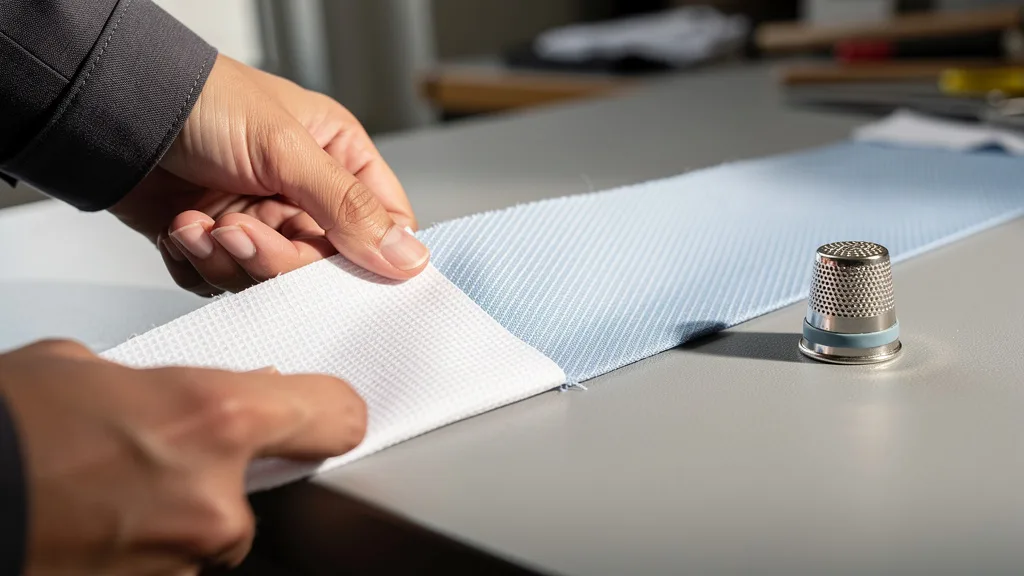
The primary difference between poplin and twill dress shirts is the weave pattern. What Is the Difference Between Poplin and Twill Dress Shirts comes down to construction: poplin uses a simple, tight one-over, one-under grid weave, creating a smooth, lightweight, and crisp fabric. Twill, on the other hand, features a diagonal parallel rib pattern, which results in a slightly heavier, softer, and more drapeable fabric that is also more resistant to wrinkles. This fundamental structural difference impacts everything from the shirt’s appearance and feel to its ideal use.
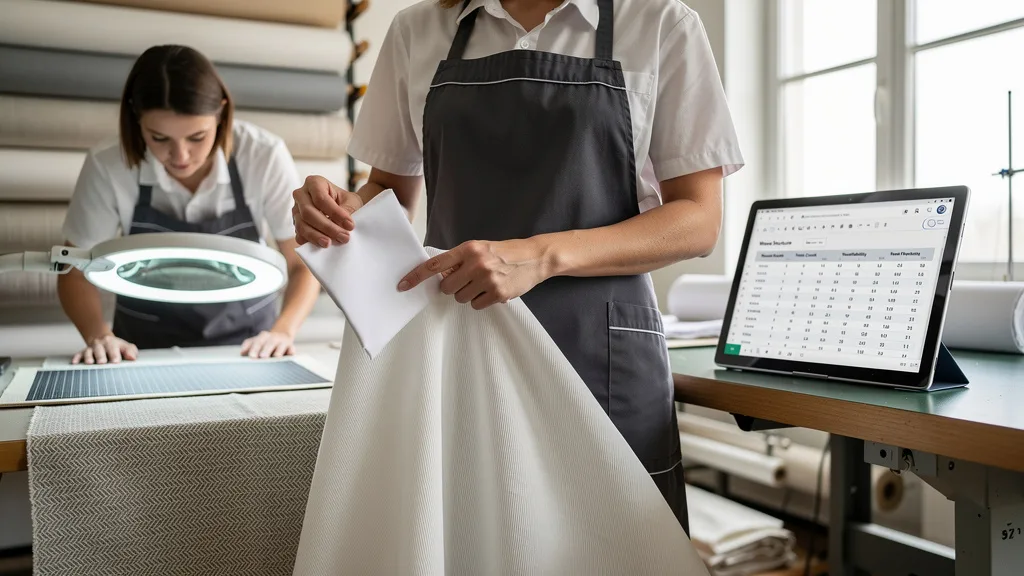
Poplin, sometimes called broadcloth, is known for its smooth surface and sharp finish. This makes it an excellent choice for formal events and warm weather, as the lightweight material is highly breathable. Its flat surface also serves as a great canvas for prints and patterns. However, poplin tends to wrinkle more easily than twill and can be slightly transparent in lighter colors, sometimes requiring an undershirt.
Twill fabric is easily recognizable by its characteristic diagonal lines. This weave makes the fabric more durable, opaque, and less prone to wrinkling. Twill shirts have a subtle sheen and a soft feel, making them a comfortable choice for everyday business wear. While heavier than poplin, high-quality twill, often made from double twisted cotton, still offers good breathability and combines elegance with practicality, making it a favorite for premium European fabrics.
| Feature | Poplin | Twill |
|---|---|---|
| Weave | Simple over-one, under-one grid | Diagonal rib pattern |
| Texture | Smooth, crisp, and flat | Soft, with a slight texture and sheen |
| Weight | Lightweight | Medium to heavyweight |
| Breathability | Excellent | Good |
| Wrinkle Resistance | Low | High |
| Best For | Formal occasions, summer, hot climates | Business wear, all-season use, travel |
Why Choosing the Right Fabric Matters in 2026
In 2026, the lines between work, travel, and leisure are more blurred than ever. Your wardrobe needs to be as adaptable as your schedule. Selecting the right dress shirt fabric is no longer a minor detail; it’s a strategic choice that impacts your comfort, appearance, and confidence throughout the day. Whether you’re in a video conference, a client meeting, or catching a flight, your shirt’s performance is crucial.

A twill shirt’s natural wrinkle resistance makes it an invaluable asset for the modern professional. It can withstand a long commute or being packed in a suitcase and still look presentable with minimal fuss. This durability and ease of care save you time and ensure you project a polished image. In contrast, a poplin shirt offers unparalleled breathability, making it the superior choice for high-stakes presentations in a warm boardroom or for outdoor summer events where staying cool is a priority.

“Choosing between poplin and twill is about matching the fabric’s properties to your lifestyle. For a sharp, formal look, poplin is classic. For daily wear and durability, twill is the workhorse of a modern wardrobe. Knowing the difference between poplin and twill dress shirts is the first step to smart dressing.”
Your choice also sends a subtle message. A crisp, white poplin shirt conveys classic formality and attention to detail. A soft twill shirt in a rich color can suggest a more relaxed yet sophisticated approach. By understanding these nuances, you can curate a collection of dress shirts that not only feel good but also align with your personal brand and the demands of your day-to-day life. For more tips on finding a comfortable fit, explore options for the best regular fit shirts for everyday comfort.
How to Choose Between Poplin and Twill
Getting started with building your ideal shirt collection involves assessing your specific needs. The first step is to consider your primary environment. Do you work in a formal corporate office, a more relaxed business-casual setting, or from home? For traditional offices, having a mix of both poplin and twill is ideal. Poplin works for important meetings and formal events, while twill is perfect for daily wear.
Next, think about the climate you live in and your personal comfort. If you tend to run hot or live in a warm region, lightweight poplin will be your best friend. Its breathability will keep you comfortable throughout the day. If you are in a cooler climate or a heavily air-conditioned office, the slightly heavier weight of a twill shirt can provide a bit of extra comfort and insulation. Twill’s opaque nature also means you can often forgo an undershirt, simplifying your routine.

Finally, consider maintenance and lifestyle. If you dislike ironing or travel frequently, twill’s wrinkle-resistant properties are a significant advantage. A twill shirt will emerge from your luggage looking much better than a poplin one. If you don’t mind spending a few minutes with an iron to achieve a perfectly crisp look, then poplin’s sharp appearance is well worth the effort. Ultimately, the best choice is personal, and many well-dressed individuals maintain a healthy rotation of both fabrics.
Best Practices for Poplin and Twill Shirts
Proper care is essential to extending the life of your dress shirts and keeping them looking their best. While both poplin and twill are typically made from cotton and are quite durable, their unique weaves call for slightly different approaches to laundering and maintenance.

Caring for Poplin Shirts
Poplin’s smooth, flat weave makes it susceptible to wrinkling. To minimize this, wash your poplin shirts in cold or warm water on a gentle cycle. Avoid overloading the washing machine, as this can cause creasing. It is best to hang them to dry or tumble dry on a low heat setting and remove them while still slightly damp. This makes ironing significantly easier.
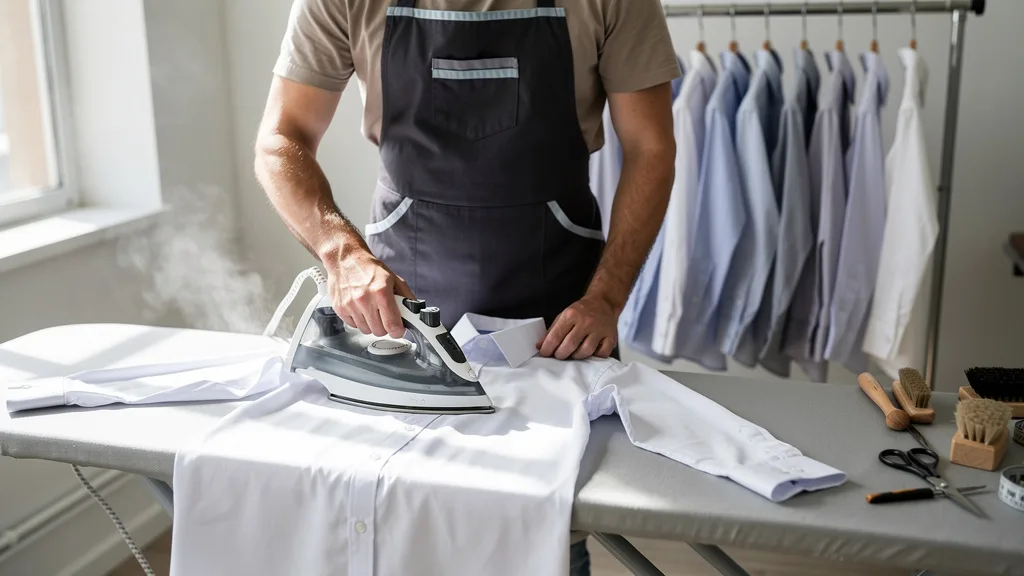
When ironing, use a medium-hot setting with plenty of steam. Ironing while the shirt is still slightly damp will produce the best results, giving you that signature crisp finish. For tough wrinkles, a spray bottle with water can help. Store poplin shirts on hangers in your closet to prevent new creases from forming.
Caring for Twill Shirts
Twill is an ultra durable fabric, and its weave naturally resists wrinkles and hides stains better than poplin. You can wash twill shirts in a similar manner to poplin, using cold or warm water. Due to their sturdier construction, they can handle a slightly more robust wash cycle if needed.
Twill shirts also benefit from being removed from the dryer while slightly damp, but their wrinkle-resistant nature is more forgiving. Ironing is often quicker and easier. The diagonal weave means you can use a hot iron setting, but always check the care label. Because twill is less prone to wrinkling, it’s an excellent choice for those who want a low-maintenance yet polished look.
Common Mistakes to Avoid
Choosing the wrong fabric for the occasion is one of the most common mistakes. Wearing a lightweight, slightly sheer white poplin shirt in the middle of winter can look out of place and may not provide enough warmth. Conversely, wearing a heavy herringbone twill shirt to an outdoor wedding in July will likely lead to discomfort. Always consider the season and the formality of the event when making your selection.
Another frequent error is improper care. Blasting a delicate poplin shirt with high heat in the dryer will set in deep wrinkles and can damage the fibers over time. On the other hand, neglecting to iron a poplin shirt before a formal event undermines its primary benefit: a sharp, clean appearance. For twill, while it is durable, using harsh detergents or excessive heat can cause the fabric’s subtle sheen to fade over time.
Finally, many people overlook the importance of fit in conjunction with fabric. A beautifully woven twill or poplin shirt will lose all its appeal if it doesn’t fit correctly. A shirt that is too tight will strain at the seams and highlight wrinkles, while a shirt that is too loose will billow and look sloppy, regardless of the premium fabric. Ensuring a proper fit is just as important as selecting the right weave. For style inspiration on how to wear different colors, you might find tips for red shirts for men useful.
Key Takeaways
Navigating the world of dress shirt fabrics can be simple when you understand the core differences. To help you make the best choice for your needs, here is a summary of the most important points regarding poplin and twill shirts.
- Weave is Everything: The fundamental difference is the weave. Poplin is a simple, tight grid weave that is smooth and crisp. Twill has a diagonal weave that is softer and more textured.
- Choose Poplin for Formality and Heat: Its lightweight, breathable nature makes it the top choice for formal events, black-tie occasions (as the base for a tuxedo shirt), and hot weather.
- Choose Twill for Durability and Daily Wear: Its wrinkle resistance, opacity, and soft drape make it an ideal workhorse for everyday business attire and travel.
- Consider the Visual Texture: Poplin provides a flat, sharp look, which is excellent for solid colors and fine patterns. Twill offers a subtle sheen and visible texture, adding visual interest.
- Care Varies Slightly: Poplin requires more attention to ironing to look its best, while twill is more low-maintenance. Both benefit from proper laundering to ensure a long lifespan.
Frequently Asked Questions
Which is better, twill or poplin?
Neither fabric is inherently “better”; the best choice depends entirely on the situation. For a formal, crisp look, especially in warm weather, poplin is superior due to its lightweight and smooth finish. For everyday business wear, travel, and durability, twill is often preferred because it resists wrinkles, drapes well, and is less transparent.
Think of it as having different tools for different jobs. A well-rounded wardrobe will include both poplin and twill shirts to cover a range of formalities and seasons. If you could only choose one for a versatile, year-round business wardrobe, twill would be a strong contender due to its practicality.
What are the disadvantages of poplin?
The main disadvantages of poplin are its tendency to wrinkle easily and its relative thinness. The crisp, smooth surface that makes it look so sharp also shows every crease, meaning it almost always requires ironing after washing. This can be a drawback for those with a busy lifestyle or who travel frequently.
Additionally, because poplin is a lightweight fabric, lighter colors can be somewhat transparent. This might necessitate wearing an undershirt, which can detract from its breathability in hot weather. While durable for its weight, it is not as robust as heavier weaves like twill or oxford.
Is a twill shirt better?
A twill shirt is a better choice in circumstances where wrinkle resistance, opacity, and durability are priorities. Its diagonal weave makes it naturally less prone to creasing, so it looks great straight out of a suitcase or after a long day at the office. This makes it a highly practical option for daily workwear.
Twill is also generally thicker and more opaque than poplin, which many people prefer as it eliminates the need for an undershirt. Its soft feel and elegant drape provide a comfortable and sophisticated look. However, it can be warmer than poplin, making it less ideal for very hot climates or high-energy situations.
What are the disadvantages of twill?
The primary disadvantages of twill relate to its weight and texture. Being a heavier fabric than poplin, it can feel too warm for summer or for individuals who naturally run hot. While the diagonal texture adds visual interest and hides stains well, it is also slightly more difficult to clean if a stain does set in compared to poplin’s flat surface.
Furthermore, the subtle sheen of twill, while often seen as a positive, can make it appear slightly less formal than the matte, crisp finish of a high-quality poplin shirt. For the most formal dress codes, such as black tie, the classic choice is almost always a fabric with a flat weave like poplin or broadcloth.
Conclusion
Choosing the right dress shirt is a crucial detail that defines your personal style and ensures your comfort. As we’ve explored, the debate between poplin and twill isn’t about which is superior overall, but which is right for the specific moment. The key is understanding that the fabric’s weave dictates its performance. Poplin offers a lightweight, crisp, and formal finish perfect for warm weather and special occasions, while twill provides a durable, wrinkle-resistant, and soft option ideal for the demands of daily business and travel.
Your main takeaway should be to build a shirt collection that serves your life. Start by assessing your most common needs: Is your priority staying cool and looking sharp for a big meeting, or having a reliable, low-maintenance shirt for a week of business travel? Answering this will guide you to the right fabric. A strategic wardrobe includes both, allowing you to present your best self no matter the setting.
By mastering the differences between these essential fabrics, you empower yourself to make smarter purchasing decisions. You can move beyond simply choosing a color or pattern and start selecting garments based on performance, comfort, and occasion. This knowledge elevates your style from accidental to intentional, ensuring you are always appropriately and comfortably dressed.
Ready to find the perfect shirt that combines elegance and comfort for your wardrobe? Explore our curated collection of premium dress shirts designed for every occasion. Discover the difference a high-quality fabric can make. SHOP NOW.