

Ever stood in a store or browsed online, wondering if that 4XL shirt will fit the same as the XXXXL one you already own? You’re not alone. Navigating the world of big and tall clothing can be confusing, but understanding the nuances between size tags is the first step toward building a wardrobe that looks and feels great.
In short, XXXXL vs 4XL: What Big Guys Need to Know is that the two sizes are generally intended to be identical. Both represent ‘quadruple extra large’. However, the actual fit can vary significantly from one brand to another due to different cut patterns and target customer profiles. The most reliable way to ensure a good fit is to ignore the label shorthand and rely on your own measurements compared against each brand’s specific size chart.
The Real Difference Between XXXXL and 4XL
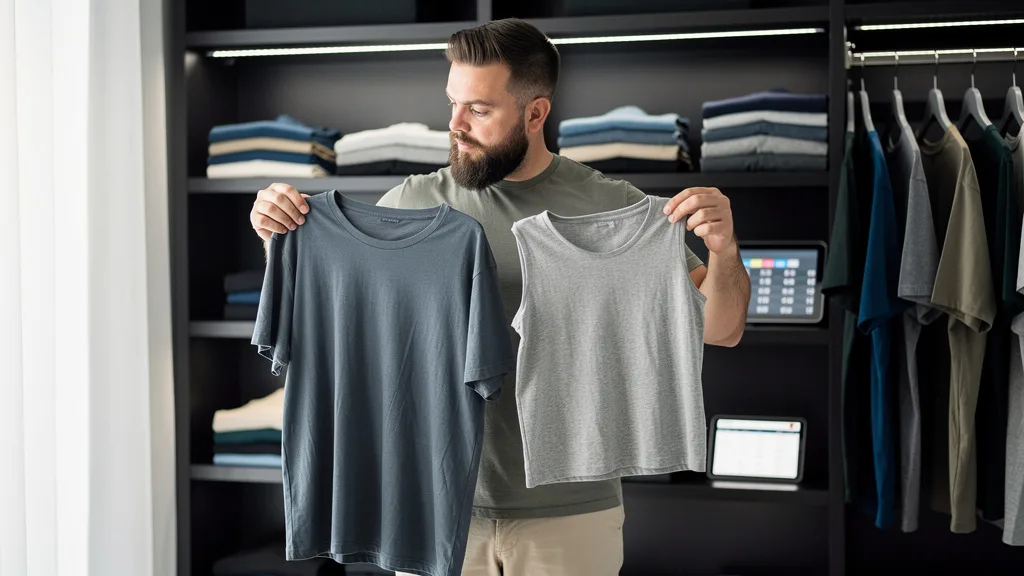
At its core, the distinction between XXXXL and 4XL is a matter of notation, not measurement. One uses letters (X’s) and the other uses a number (4) to signify the same ‘quadruple extra large’ size. Think of it like writing out ‘four’ versus using the numeral ‘4’. They both mean the same thing, but the presentation is slightly different. For most clothing manufacturers, these two labels are completely interchangeable.
The confusion arises because there is no legally enforced standard for clothing sizes. A 4XL from a European brand might be designed with a slimmer ‘fashion fit’ compared to a more generous ‘classic fit’ XXXXL from an American workwear company. This inconsistency is the primary reason why focusing on the label alone can lead to frustrating online returns and poorly fitting clothes.
Why Brands Use Different Labels for the Same Size
Brands choose between ‘XXXXL‘ and ‘4XL‘ for several reasons, most of which are tied to marketing and brand identity. The ‘4XL’ notation is often seen as more modern, streamlined, and easier to read on digital platforms and small tags. It aligns with a numerical progression (2XL, 3XL, 4XL) that is simple and intuitive for shoppers. Using numerals can make a size range appear cleaner and more organized, especially online.
Conversely, the traditional ‘XXXXL‘ label might be used by heritage brands or companies that want to maintain a classic image. Some brands may also use it to create a perceived distinction, even if none exists in the garment’s actual dimensions. Ultimately, the choice is a branding decision, not a signal of a different measurement standard within that same brand.
When XXXXL and 4XL Might Not Be Identical
Despite being theoretically the same, there are practical scenarios where an XXXXL and a 4XL from different companies will not fit identically. The primary cause is the brand’s ‘fit model’ or ‘block pattern’. This is the base template from which all sizes are graded up or down. A brand targeting a younger audience might use a slimmer, more athletic block, while a big and tall specialist will use a block designed for a larger frame with more room in the chest and stomach.
Therefore, a 4XL from Brand A could have a 56-inch chest and a 32-inch length, while an XXXXL from Brand B might have a 58-inch chest and a 31-inch length. Neither is wrong; they are just cut for different body shapes. This is also where international sizing comes into play. A garment from a UK or Asian brand may run significantly smaller than its US counterpart, even with the same 4XL label. The key is to never assume consistency across brands.
Why Your Measurements Matter More Than the Tag
Given the inconsistencies across the clothing industry, relying on a tag like ‘4XL‘ is a gamble. Your personal measurements are the only constant you can depend on. Taking a few minutes to measure your body correctly provides you with a set of data points that you can use to shop with confidence anywhere. This data empowers you to cut through marketing jargon and find clothes that are truly designed to fit your frame.
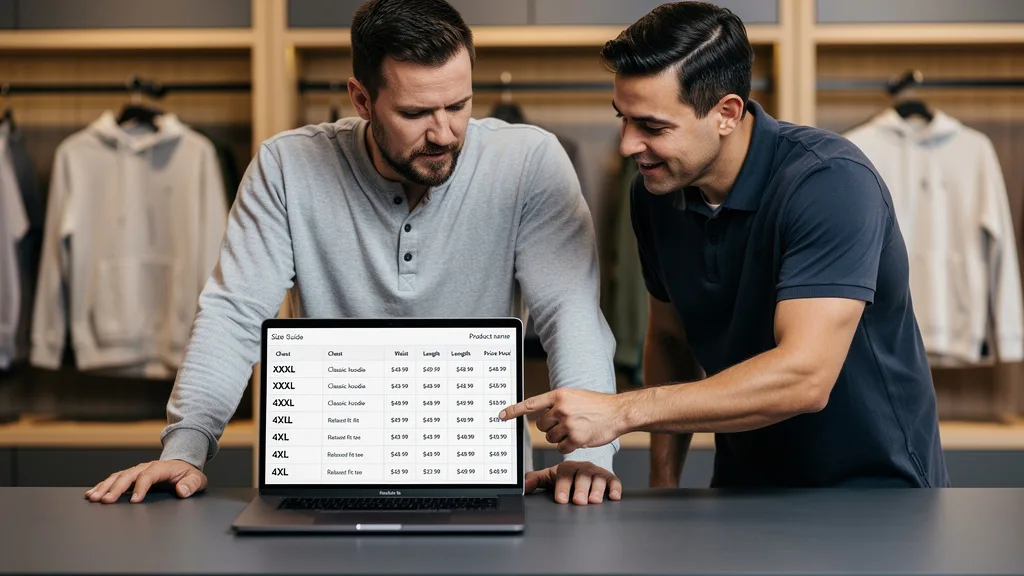
When you shop with your measurements, you are no longer guessing if a brand ‘runs small’ or ‘runs large’. Instead, you are making an informed decision by comparing your numbers directly to the brand’s provided size chart. This is the single most effective strategy for reducing returns and building a wardrobe of clothes you love to wear because they fit perfectly.
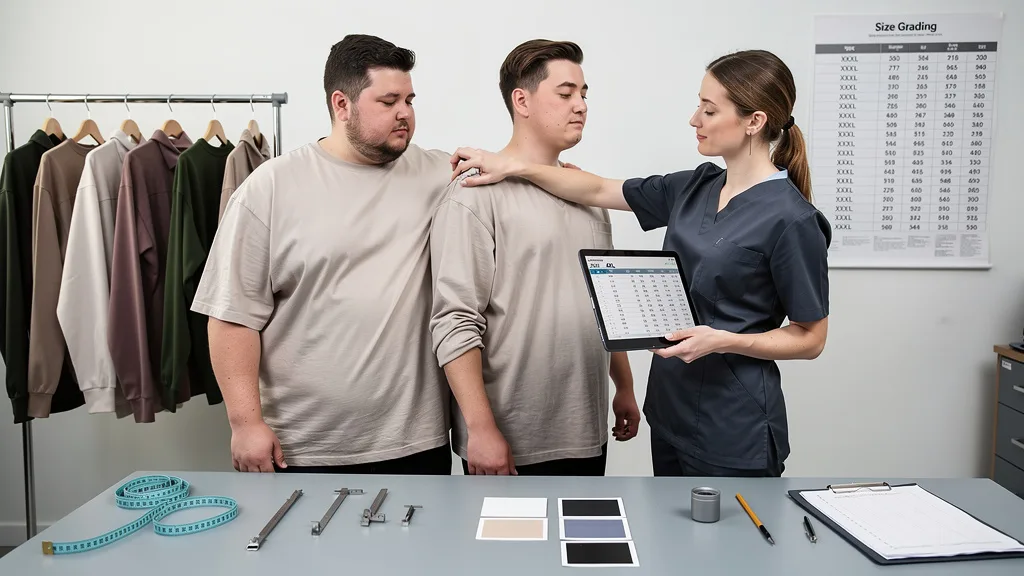
How to Measure Your Chest and Waist for Shirts
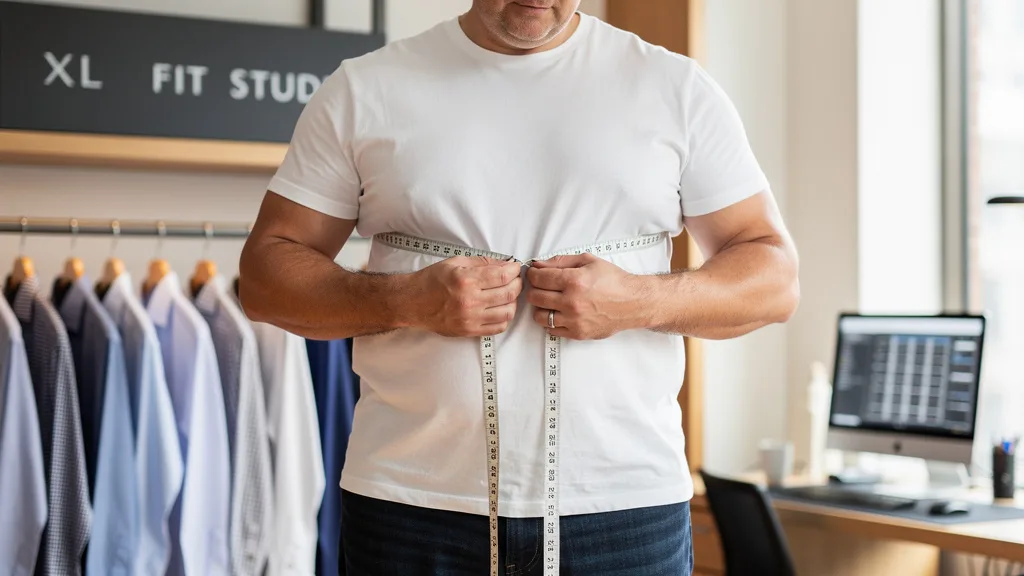
Getting accurate measurements is simple and only requires a soft, flexible tape measure. For the best results, wear a thin t-shirt or measure against your bare skin. Stand in a relaxed, natural posture and don’t pull the tape too tight.
Follow these steps for an accurate shirt measurement:
- Chest: Wrap the tape measure around the fullest part of your chest. This is typically just under your armpits and across your shoulder blades. Keep the tape parallel to the floor and make sure it is snug but not constricting.
- Waist: Find your natural waistline, which is the narrowest part of your torso, usually just above your belly button. Wrap the tape measure around this point. If you prefer a looser fit around the stomach, you can also measure at the widest part of your belly.
- Length: While not a body measurement, it’s helpful to measure a shirt you already own that has the perfect length. Lay it flat and measure from the highest point of the shoulder down to the bottom hem. Use this as your ideal length when checking size charts.
Using a Brand’s Specific Size Chart Correctly
Once you have your measurements, the brand’s size chart becomes your most powerful tool. You can usually find it on the product page, often labeled as ‘Size Guide’ or ‘Size Chart’. Ignore any generic sizing charts provided by marketplaces like Amazon and always seek out the one from the specific brand you are buying. These charts translate the brand’s internal sizing into concrete numbers. XXXXL t-shirt.
To use it, find the row corresponding to the 4XL or XXXXL size and compare the chest and waist measurements to your own. A good rule of thumb is to look for a chest measurement on the chart that is 1-2 inches larger than your own for a standard fit, or 3-4 inches larger for a more relaxed fit. Pay attention to other details like sleeve length and overall garment length, especially if you are taller. Understanding how to use a brand’s sizing information is a key part of shopping for finding your perfect fit.
How Top Clothing Brands Handle 4XL Sizing
The approach to 4XL sizing differs dramatically between specialist retailers, workwear companies, and mainstream department store brands. Big and tall specialists live and breathe extended sizing, offering more consistent and accurately detailed fits. In contrast, mainstream brands may treat 4XL as an afterthought, often resulting in poor proportions where the garment is wider but not properly scaled for a larger frame.

Understanding these tendencies can help you set expectations and know where to look for specific types of clothing. For example, you might trust a workwear brand for a durable, roomy jacket but turn to a specialist for a more tailored, stylish button-down shirt. As of 2026, many direct-to-consumer brands are also entering the space, offering modern fits in extended sizes that challenge the traditional players.
Specialty retailers like DXL (Destination XL) and KingSize are experts in the big and tall market. Their entire business model is built around fitting larger men, so their sizing is generally more reliable and extensive. They often carry multiple fits (e.g., ‘roomy’, ‘traditional’) even within the same size, and their size charts are incredibly detailed, often including neck, sleeve, and length measurements.
DXL tends to curate a collection of well-known brands (like Polo Ralph Lauren, Lacoste) made to their specific big and tall specifications, ensuring consistency. KingSize, on the other hand, focuses more on its own house brands and offers a very broad range of sizes, often going up to 9XL or higher. Both are excellent resources, with their 4XL sizes typically designed with generous proportions for comfort.
Sizing at Workwear Brands like Carhartt
Workwear brands such as Carhartt and Dickies are known for their ‘Original Fit’ or ‘Relaxed Fit’ garments, which are intentionally oversized to allow for layering and freedom of movement on a job site. A 4XL from Carhartt will almost certainly feel larger and boxier than a 4XL from a fashion-focused brand. This is a functional design choice.
When shopping from these brands, it’s crucial to read the fit description. Many now offer ‘Relaxed Fit’ and ‘Loose Fit’ options. If you prefer a less voluminous garment, you might even consider sizing down, but always check the size chart first. Their 4XL is built for durability and utility, prioritizing roominess over a tailored silhouette.
Sizing at Mainstream Department Stores
Sizing at mainstream department stores or from popular fashion brands can be the most unpredictable. A brand like Gap, Old Navy, or J.Crew might offer a 4XL online, but it’s often just a scaled-up version of their standard ‘Large’ size pattern. This can result in a shirt that is wide enough but has sleeves that are too short, shoulders that are too narrow, or a body length that is inadequate. XXXXL shirts.
Furthermore, these brands often introduce various fits like ‘Slim’, ‘Athletic’, or ‘Classic’, each with a different profile. A ‘Slim Fit’ 4XL will be much tighter than a ‘Classic Fit’ 4XL from the same brand. It is absolutely essential to read the product description and check the size chart for every single item, as there is little consistency even within the store itself.
Decoding Size Tag Variations: Big vs Tall
Beyond the standard 4XL, you will often encounter tags with additional letters like ‘T’ or ‘B’. These are not interchangeable and signify crucial differences in a garment’s proportions. Understanding what ‘Tall’ and ‘Big’ mean is essential for dialing in the perfect fit, as they solve two very different fit problems for larger men. One adds length, while the other adds room in the torso.
Choosing the wrong one can be just as frustrating as picking the wrong numerical size. A ‘Tall’ size on a man who doesn’t need the extra length will look like a dress, while a ‘Big’ size on a tall man might leave his midriff exposed. Paying attention to these modifiers is a pro-level move for any big and tall shopper.
The 4XLT Difference: What ‘T’ Means for Fit
The ‘T’ in ‘4XLT’ stands for ‘Tall’. This size is designed for men who are typically over 6’2″ and need extra length in their clothing. A 4XLT shirt will have the same chest and waist width as a standard 4XL shirt from the same brand. The key difference is the added length in two critical areas:
- Body Length: A 4XLT shirt is usually about 2-3 inches longer in the torso than a regular 4XL. This ensures the shirt stays tucked in and provides adequate coverage when stretching or raising your arms.
- Sleeve Length: The sleeves are also cut longer, typically by 1-2 inches, to ensure the cuffs reach the wrist and don’t ride up the forearm.
If you are tall and find that regular 4XL shirts fit your chest but are too short, the 4XLT is the size you should be looking for. It solves the length problem without making the shirt baggier.
Understanding ‘B’ for Big Sizing
Less common but still important is the ‘B’ modifier, as in ‘4XLB’. The ‘B’ stands for ‘Big’. This sizing is designed to provide extra room in the torso compared to a standard size, but with a regular length. It’s for the man who needs more circumference around the chest, stomach, and waist but does not need the extra body and sleeve length of a ‘Tall’ size.
A 4XLB shirt will have a more generous cut through the midsection than a standard 4XL. This can be beneficial for men with a rounder physique. In essence, while 4XL is already a ‘big’ size, 4XLB provides even more accommodation in width, making it a specialized fit for maximum comfort around the torso without adding unnecessary length.
How to Find Stylish Clothes in Extended Sizes
Finding stylish clothing in sizes like 4XL is easier in 2026 than ever before, thanks to a growing number of inclusive brands and online retailers. The secret is to shift your focus from simply finding something that ‘fits’ to finding pieces that flatter your frame and express your personal style. This means paying attention to the details of construction, fabric, and pattern.
Building a stylish wardrobe starts with a foundation of high-quality basics. Don’t be afraid to invest in pieces that fit you perfectly off the rack or to spend a little extra on tailoring. A well-fitting garment in a simple, classic style will always look better than an ill-fitting piece in the latest trend.
Focusing on Fit, Fabric, and Pattern
The three pillars of looking great in any size are fit, fabric, and pattern. For fit, aim for clothes that skim your body rather than cling to it or hang off it like a tent. Look for shirts with a good shoulder fit, where the seam sits right at the edge of your shoulder. When considering different shirt styles, understanding the nuances of a drop shoulder t-shirt vs regular cut can make a huge difference in comfort and silhouette.
For fabric, choose materials with some structure and weight, like high-quality cotton, denim, or thicker jersey knits. These fabrics drape well over the body, whereas thin, flimsy materials can cling and highlight areas you might prefer to downplay. When it comes to patterns, don’t shy away from them! While dark, solid colors are always a safe bet, well-proportioned patterns like vertical stripes, micro-prints, or plaids can add personality and visual interest to your look.
Key Pieces to Build a Versatile Wardrobe
A versatile wardrobe is built on a few key, high-quality pieces that can be mixed and matched. Start with these essentials in your size:
- Great-Fitting T-Shirts: Invest in several high-quality crewneck or V-neck t-shirts in neutral colors like black, navy, grey, and white. A classic fit men’s 4XL cotton t-shirt is the ultimate foundation piece.
- A Quality Hoodie: A well-made hoodie without loud logos is perfect for layering and casual weekends. Look for one that is long enough in the torso and has a good structure, like a reliable XXXXL hoodie for men you’ll live in.
- Dark Wash Jeans: A pair of dark, straight-leg or athletic-fit jeans is incredibly versatile. They can be dressed up with a button-down or down with a t-shirt.
- Versatile Button-Down Shirts: Own at least one solid light blue or white button-down shirt and one casual plaid or patterned one. These can be worn for countless occasions. Finding XXXXL shirts that look good and fit right will elevate your entire wardrobe.
Best Online Stores for 4XL Clothing in 2026
The internet has revolutionized shopping for big and tall men. No longer limited to a small, dusty corner of a department store, you now have access to a global marketplace of retailers specializing in extended sizes. From massive platforms like Amazon to niche, direct-to-consumer brands, there are plenty of options for finding stylish 4XL clothing.
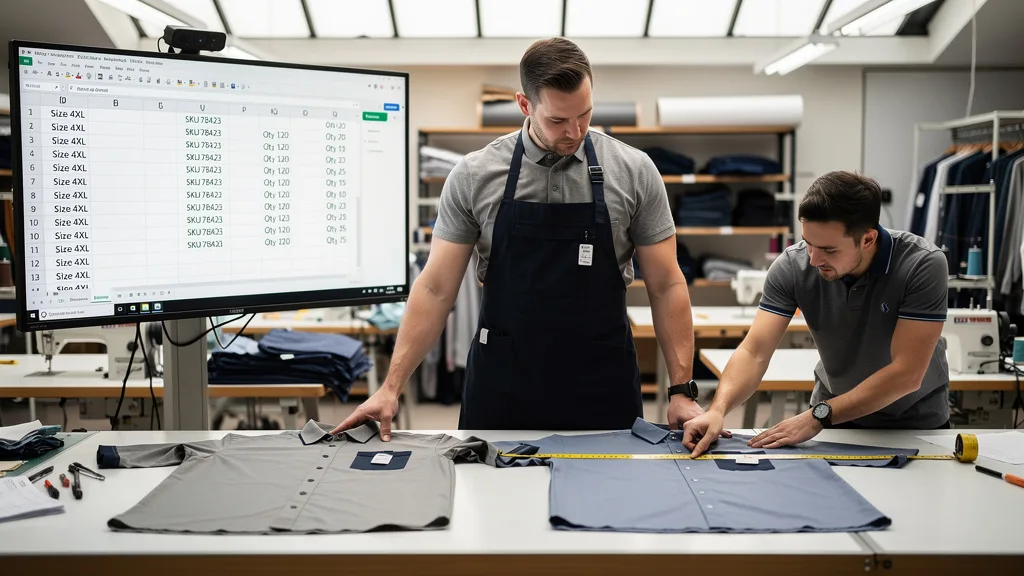
The key to successful online shopping is to be a savvy consumer. This means reading reviews, knowing your measurements, and understanding the return policy before you buy. The best stores are those that provide detailed size charts, multiple photos, and customer feedback to help you make an informed choice.
Tips for Shopping for 4XL Clothes on Amazon
Amazon can be a treasure trove for 4XL clothing, but its vastness can also be overwhelming. To shop successfully, use the filters to narrow your search to ‘4XL’ and your favorite brands. However, the most important tip is to ignore Amazon’s generic ‘Size Chart’ link and find the specific chart provided by the seller or brand, which is often included as one of the product images.
Secondly, read customer reviews with a focus on comments about fit. Search reviews for terms like ‘runs small’, ‘true to size’, or ‘long enough’. This user-generated feedback is often more reliable than the product description. Finally, prioritize items that are ‘Shipped by Amazon’ and have a free return policy, which minimizes the risk if an item doesn’t fit as expected.
Niche Retailers for the Big and Tall Man
While large retailers offer variety, niche stores that focus exclusively on big and tall men often provide superior quality and fit. These brands design their clothes from the ground up for a larger frame, rather than simply scaling up a smaller size. This results in better proportions, more comfortable garments, and more thoughtful design details.
Exploring these specialized retailers is a great way to discover new favorites. Many of the best XXXXL clothing brands for big guys operate as direct-to-consumer online stores. This allows them to offer higher quality materials and construction at a better price point. They understand their customer’s needs and create products, from stylish t-shirts to perfectly cut jeans, that solve common fit problems for big and tall men.
Key Takeaways
Navigating the world of 4XL sizing can be simple if you remember a few core principles. Here are the most important takeaways to help you shop smarter and build a better wardrobe in 2026:
- XXXXL and 4XL Are the Same: In principle, these labels mean the same thing. The difference in fit comes from the brand, not the label itself.
- Your Measurements Are Your Guide: Don’t trust the tag. Trust your tape measure. Your chest, waist, and ideal length measurements are the key to a great fit.
- Always Use the Brand’s Size Chart: Ignore generic size guides. The brand’s specific chart is the only reliable source for understanding how their 4XL will fit you.
- Understand the Modifiers: ‘T’ means Tall (extra length in the body and sleeves), while ‘B’ means Big (extra room in the torso). Choose the one that matches your body type.
- Focus on Fit and Fabric: Great style comes from a great fit. Choose quality fabrics that drape well and invest in pieces that flatter your frame.
Frequently Asked Questions
Is 4XL actually the same as XXXXL?
Yes, for the vast majority of brands, 4XL and XXXXL are used interchangeably to refer to the same size: quadruple extra large. The choice between the numeric ‘4’ and the Roman ‘XXXX’ is typically a branding or style preference. However, because sizing is not standardized, a 4XL from one brand may fit differently than an XXXXL from another, so always check the specific measurements.
What clothing size typically comes after 4XL?
The size that typically comes after 4XL is 5XL, also written as XXXXXL. The progression continues numerically from there: 6XL, 7XL, and so on. Many big and tall specialty retailers offer sizes well beyond 5XL to accommodate a wide range of body types, sometimes going as high as 10XL or more.
How much bigger is a 4XLT shirt than a 4XL?
A 4XLT shirt is not bigger in width; it is bigger in length. The ‘T’ stands for ‘Tall’. Compared to a standard 4XL from the same brand, a 4XLT will typically have the same chest and waist measurements but will be about 2-3 inches longer in the torso and 1-2 inches longer in the sleeves. It is designed for men over 6’2″ who need the extra length to prevent the shirt from being too short.
How reliable is 4XL sizing on Amazon?
The reliability of 4XL sizing on Amazon varies dramatically because it is a marketplace with thousands of different sellers. Sizing from established brands sold on Amazon is generally consistent with their own websites. For lesser-known brands, sizing can be very unpredictable. The best practice is to always find the brand-specific size chart in the product images and read recent customer reviews that comment on fit.
Does 4XL clothing cost significantly more than standard sizes?
Sometimes, but not always. Clothing in extended sizes like 4XL requires more fabric and specialized patterns, which can increase the production cost. This often results in a slightly higher retail price compared to standard S-XL sizes. However, as the market for big and tall clothing grows, many dedicated retailers are working to minimize this price difference, offering competitive pricing across their entire size range.
Conclusion
Ultimately, the debate over XXXXL vs 4XL: What Big Guys Need to Know is less about the labels and more about a strategy for finding clothes that fit your body and your style. The key is to move beyond the tag and become an educated shopper. By taking your own measurements and diligently checking the size charts for each specific brand, you take control of your shopping experience and eliminate the guesswork.
The most important takeaways are to prioritize fit over a size label and to understand how different types of brands approach sizing. A workwear brand’s 4XL is built for room and function, while a specialist big and tall retailer’s 4XL is engineered for a flattering and comfortable fit. Knowing these tendencies helps you shop in the right places for the right items, saving you time and money.
Finding a brand that consistently fits your body shape well is the ultimate goal. Once you find that brand, you can buy with confidence, knowing that their 4XL is your 4XL. This is the key to building a wardrobe that not only fits but also gives you the confidence to tackle your day in style.
Ready to stop guessing and start wearing clothes designed for you? Explore our collection of thoughtfully designed and perfectly proportioned pieces for the bigger man. Find your new favorite shirt today.
SHOP NOW