


Ever bought an XXXL shirt that looked fantastic on the hanger, only to have it shrink, stretch out, or feel uncomfortably warm after just one wear? Finding clothing that fits a larger frame is only half the battle; the material it’s made from plays a huge role in how it looks, feels, and lasts. The right fabric can provide breathability, durability, and a flattering drape, while the wrong one can lead to discomfort and a poor fit.
The best fabrics for XXXL shirts: cotton vs blends for big builds often come down to a choice between 100% cotton, polyester, or a strategic blend of materials. For all-day comfort and breathability, a high-quality cotton or a cotton-rich blend is often the top choice. For durability, wrinkle resistance, and moisture-wicking properties needed for an active day, a cotton-polyester blend typically performs best. Premium tri-blends offer a superior combination of softness, drape, and stretch for a more luxurious feel.
Why Fabric Choice Is Critical for Big and Tall Men
For men with larger builds, fabric selection is not just a matter of preference, it’s a matter of performance and comfort. The right material directly impacts how a shirt fits, feels throughout the day, and holds up over time. A fabric with poor breathability can trap heat and moisture, leading to discomfort, especially in warmer weather or during physical activity. This can be a significant issue for bigger guys who may already run warmer.
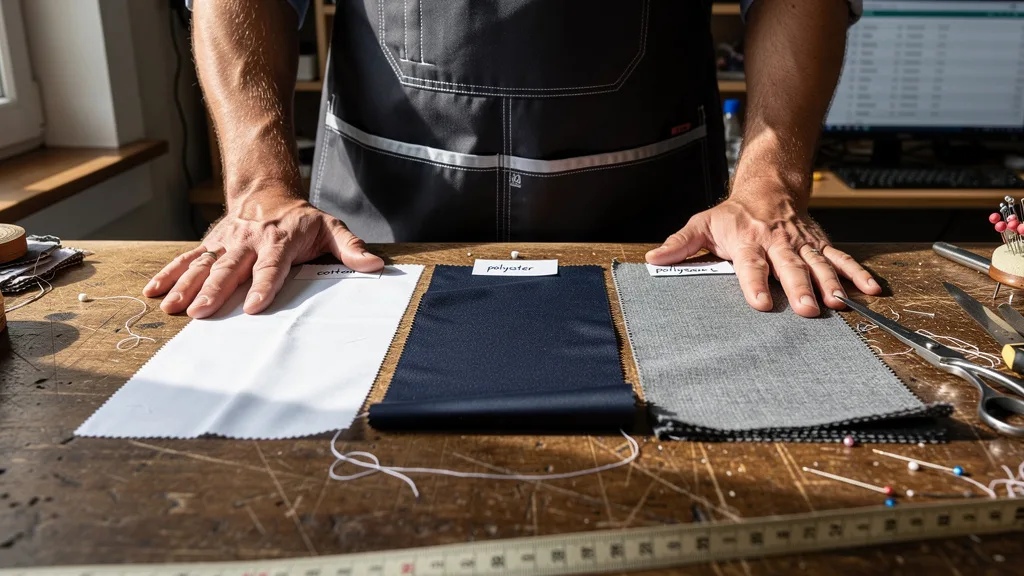
Beyond comfort, the fabric’s structure affects the shirt’s drape and silhouette. Some materials cling in unflattering ways, while others skim the body, providing a more structured and slimming appearance. Durability is another key factor. Fabrics that are prone to stretching, pilling, or losing their shape after a few washes will quickly look worn out and ill-fitting. Investing in quality fabrics ensures your shirts maintain their integrity, providing a better fit and a more polished look for longer.
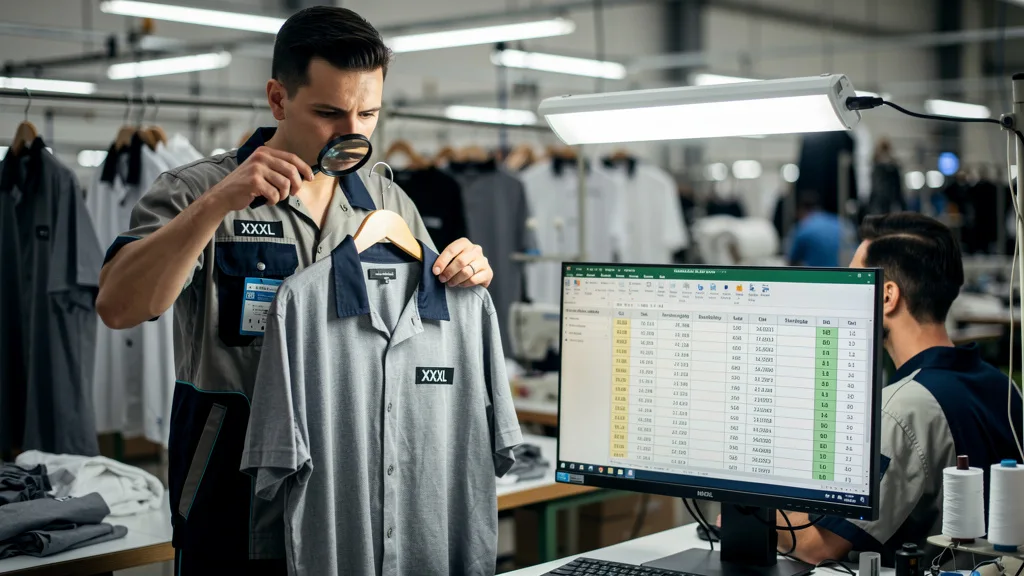
Comparing the Top Shirt Fabrics for Big Builds in 2026
When you’re shopping for plus-size shirts, the tag can tell you a lot about how the garment will perform. As of 2026, the main contenders remain cotton, polyester, and their various blends. Each has a distinct set of characteristics that make it suitable for different needs and occasions. Understanding these differences is the first step toward building a wardrobe that truly works for you.
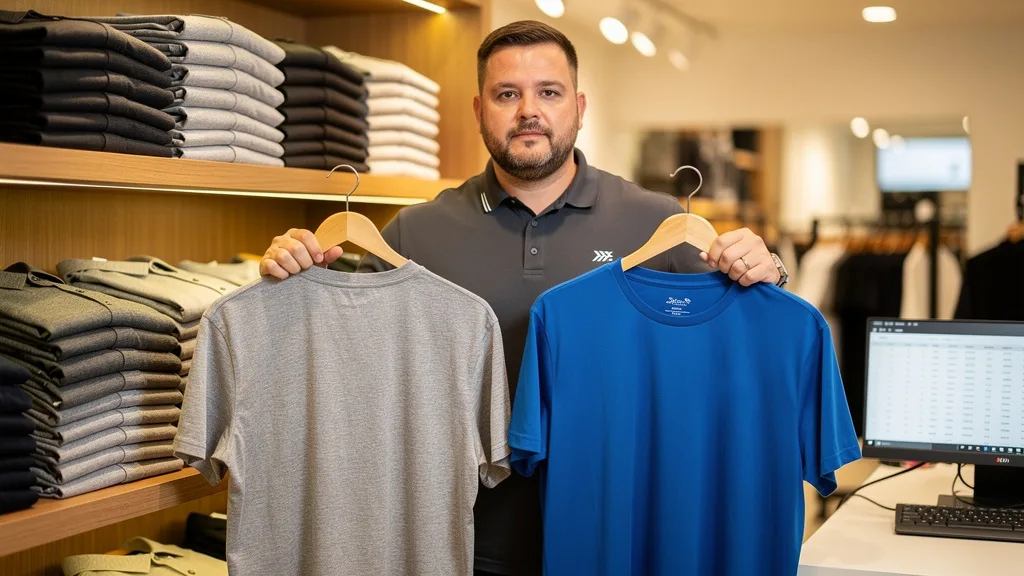
From the classic softness of pure cotton to the high-tech performance of modern synthetics, your choice will influence everything from breathability to how often you need to break out the iron. Let’s explore the most common options you’ll encounter and break down their respective strengths and weaknesses for big and tall builds.
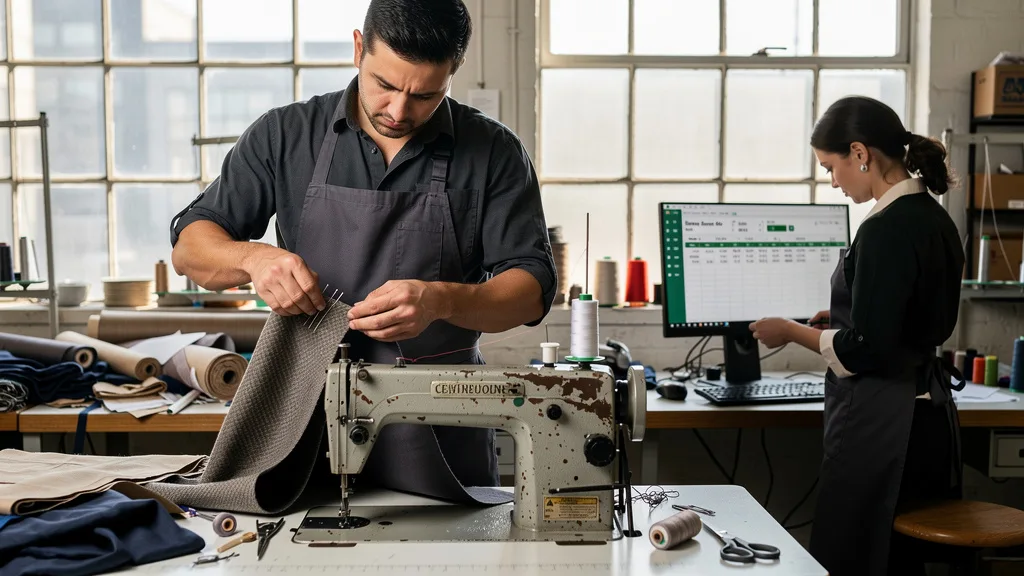
100% Cotton: The Classic Breathable Choice
There’s a reason 100% cotton is a timeless classic. This natural fiber is renowned for its softness, breathability, and hypoallergenic properties, making it incredibly comfortable against the skin. For everyday wear, a classic fit men’s 4XL cotton t-shirt allows air to circulate freely, helping to keep you cool and reducing the likelihood of skin irritation. It’s an excellent choice for casual shirts, especially in hot and humid climates.
However, pure cotton is not without its drawbacks. It tends to absorb moisture rather than wick it away, which means it can become heavy and saturated with sweat, taking a long time to dry. Cotton is also prone to shrinking if not washed carefully and can wrinkle easily, requiring more maintenance to keep it looking crisp and neat.
100% Polyester: The Durable Performance Option
Polyester is a synthetic powerhouse known for its exceptional durability, wrinkle resistance, and shape retention. Shirts made from 100% polyester can withstand significant wear and tear without stretching or fading, making them a long-lasting addition to any wardrobe. Its hydrophobic nature means it repels water and dries very quickly, wicking moisture away from the skin to keep you dry during workouts or on hot days.
The primary downside of polyester is its lack of breathability compared to natural fibers. It can sometimes feel less soft and more ‘plastic-like’ against the skin, and it has a tendency to trap odors, which can be an issue for some. While it excels in performance scenarios, it may not be the most comfortable choice for leisurely, all-day wear, especially in stagnant heat.
Cotton-Polyester Blends: A Versatile Mix
Cotton-polyester blends, often found in ratios like 50/50 or 60/40, aim to offer the best of both worlds. These hybrid fabrics combine the softness and breathability of cotton with the strength, durability, and wrinkle resistance of polyester. The result is a versatile and low-maintenance shirt that is comfortable enough for daily wear but resilient enough to handle more activity.
A blended fabric is less prone to shrinking and wrinkling than pure cotton, making it an easy-care option. It also offers better moisture-wicking capabilities than 100% cotton while still feeling much softer and more breathable than 100% polyester. This balance makes cotton-poly blends a popular and practical choice for a wide range of plus-size shirts, from casual tees to work polos.
Tri-Blends: Premium Comfort and Stretch
Tri-blend fabrics take the hybrid concept a step further by combining three materials: cotton, polyester, and rayon. The cotton provides breathability, the polyester adds durability and shape retention, and the rayon contributes a uniquely soft texture and a fluid drape. This combination results in a shirt that is exceptionally comfortable, lightweight, and stretchy.
The addition of rayon gives tri-blend shirts a slightly heathered, vintage look and a superior drape that hangs beautifully on the body, which can be very flattering for larger builds. While they are often more expensive, their premium feel and excellent fit make them a favorite for those seeking maximum comfort without sacrificing style. They offer a great range of motion and a soft hand-feel that is hard to beat.
Cotton vs. Blends: Head-to-Head Fabric Comparison
When you’re standing in a store or browsing online, the choice between 100% cotton and a blend can be confusing. To simplify your decision, it helps to compare them directly across the factors that matter most for a big and tall fit: comfort, durability, fit, and ease of care. Each fabric type has clear advantages in certain areas.
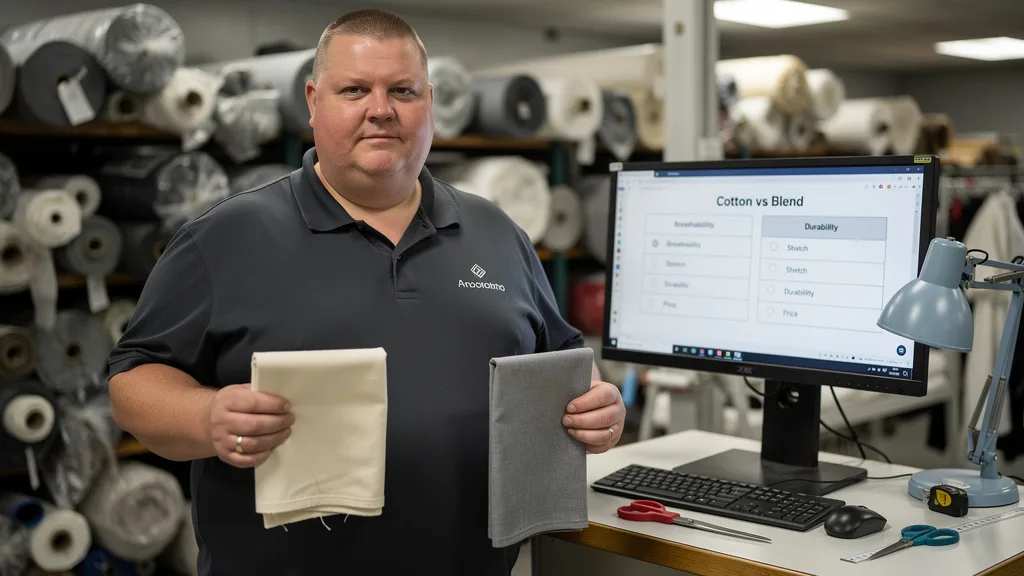
This head-to-head comparison will break down how these materials perform in real-world conditions. Understanding these nuances will empower you to select the perfect shirt for any situation, whether you need something breathable for a summer barbecue or something durable that holds its shape all day at work.
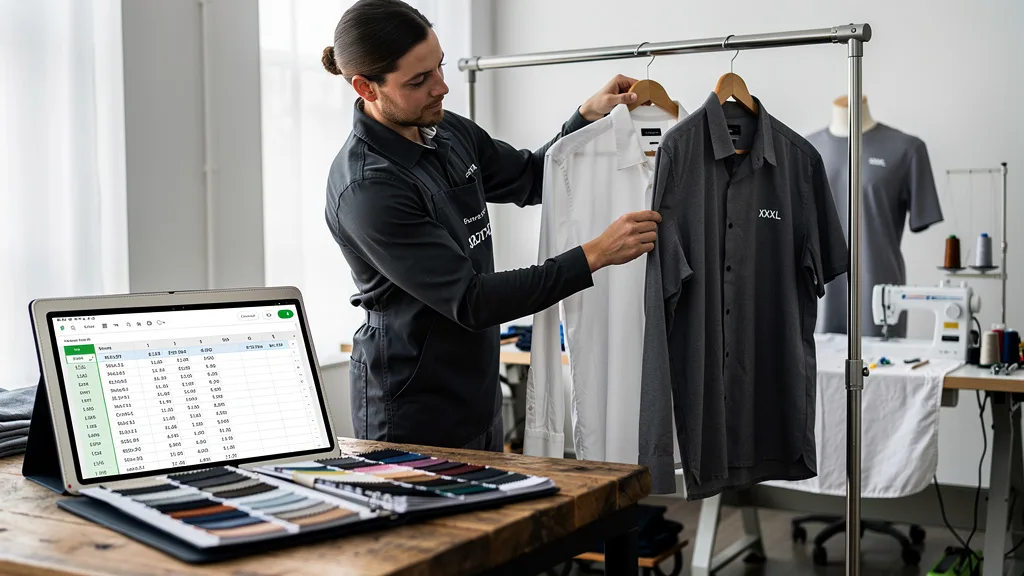
| Feature | 100% Cotton | Cotton/Polyester Blend | Tri-Blend (Cotton/Poly/Rayon) |
|---|---|---|---|
| Breathability | Excellent | Good | Very Good |
| Softness | Very Good (improves with washing) | Good | Excellent (silky feel) |
| Durability | Fair | Excellent | Good |
| Shape Retention | Poor (can stretch out) | Excellent | Very Good |
| Wrinkle Resistance | Poor | Very Good | Good |
| Shrinkage Risk | High | Low | Low to Medium |
| Moisture Management | Absorbs moisture | Wicks moisture | Wicks moisture |
| Best For | Casual wear, sensitive skin | Everyday use, activewear | Premium comfort, flattering drape |
Breathability and Comfort
When it comes to pure breathability, 100% cotton is the undisputed champion. As a natural fiber, its structure allows air to pass through freely, which helps regulate body temperature and keep you cool. However, its tendency to absorb and hold sweat can lead to a damp, heavy feeling during intense activity or in high humidity, which can be uncomfortable.
Blends, particularly those with polyester, offer a different kind of comfort. While slightly less breathable than pure cotton, they excel at wicking moisture away from the skin, promoting evaporation and keeping you feeling drier. Tri-blends often strike the best balance, as the rayon content enhances softness and airflow while the polyester handles moisture, creating a very comfortable experience across various conditions. You can learn more about the difference between fibers from textile experts, such as this overview from North Carolina State University.
Durability and Shape Retention
One of the biggest frustrations with plus-size clothing can be a loss of shape. A 100% cotton shirt, while soft, is susceptible to stretching out, especially around the collar and hem. It is also more prone to showing wear and tear, such as pilling or thinning, over time. This can result in a shirt that looks sloppy and ill-fitting after only a few months.
This is where blends truly shine. The inclusion of polyester fibers adds significant strength and resilience to the fabric. A cotton-poly blend will resist stretching and maintain its original shape far better than pure cotton, even after repeated washing and wearing. This means the shirt will continue to fit well and look structured for much longer, offering better value and a more consistent appearance.
Fit, Drape, and Stretch
How a fabric falls or ‘drapes’ on the body is crucial for a flattering fit, especially for big builds. Standard cotton T-shirts can sometimes be stiff and boxy, which may not complement a larger physique. While they soften over time, their initial structure can be less than ideal. A proper fit is essential, which is why consulting an XXXL size chart is always a good first step.
Blends, especially tri-blends containing rayon, offer a vastly superior drape. The fabric is more fluid and tends to skim the body rather than cling to it, creating a smoother and more streamlined silhouette. The inherent stretch in these blends also provides greater freedom of movement and a more forgiving fit, adapting to your shape without feeling restrictive. This combination of drape and stretch often results in a more comfortable and visually appealing shirt.
Shrinkage and Wrinkle Resistance
Nothing is more disappointing than buying a perfectly fitting shirt, only to have it shrink to an unwearable size in the wash. This is a common risk with 100% cotton garments. While pre-shrunk cotton helps, the risk is never zero. Cotton also wrinkles very easily, demanding ironing or steaming to look presentable.
Adding polyester to the mix dramatically improves both of these issues. Cotton-polyester blends are far more stable and resistant to shrinking and warping in the laundry. They also resist wrinkling, meaning you can often pull a blended shirt straight from the dryer and wear it without any touch-ups. This makes blends a practical, low-maintenance choice for anyone with a busy lifestyle.
The Verdict: Which Fabric Is Best for Plus-Size Shirts?
Ultimately, the best fabric depends on your personal priorities: comfort, activity level, and desired look. There is no single winner, but rather a best choice for a specific situation. For pure, soft comfort and maximum breathability for casual, low-key days, a high-quality 100% cotton shirt is an excellent option.
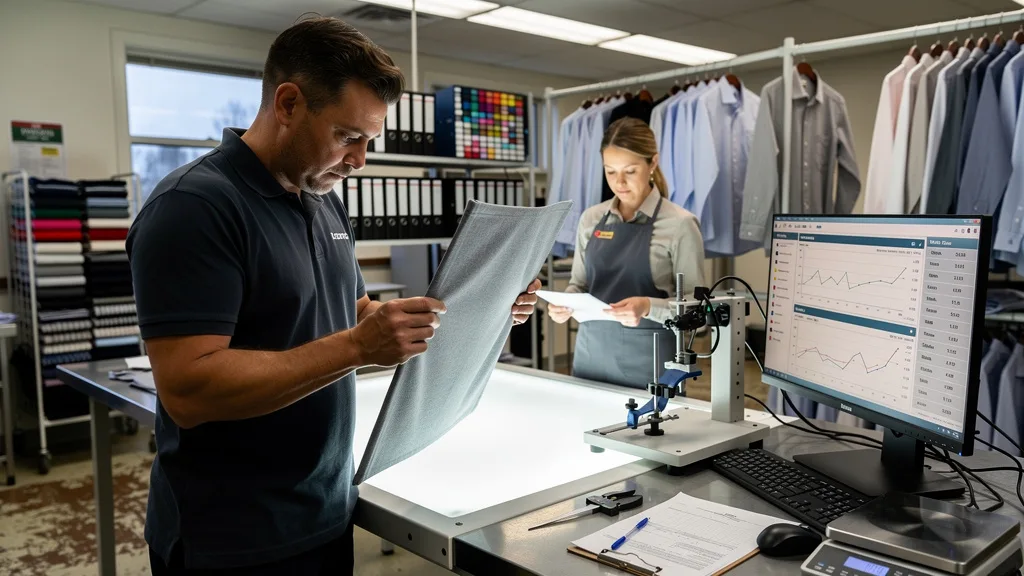
For an all-around workhorse that balances comfort with durability, moisture management, and easy care, a cotton-polyester blend is the most practical and versatile choice. If you’re seeking the ultimate in comfort, a flattering drape, and a premium feel, a tri-blend fabric is well worth the investment. It combines the best attributes of all materials into one superior garment.
“For big and tall men, the right fabric blend isn’t just about comfort; it’s about confidence. A shirt that drapes well, holds its shape, and manages moisture effectively can completely change your silhouette and how you feel throughout the day. This is why understanding the best fabrics for XXXL shirts is so important.”
How to Choose the Right Shirt Material for Your Needs
Choosing the right material becomes simple when you consider three key factors: your environment, your activity level, and the occasion. If you live in a hot, humid climate or tend to sweat, a fabric with moisture-wicking properties like a cotton-poly blend will serve you better than 100% cotton, which can become damp and heavy. For lounging or casual wear in mild weather, the softness of cotton might be your top priority.

Think about your daily routine. If you’re constantly on the move, you’ll appreciate the durability and wrinkle-resistance of a blend. If your day is more sedentary, the supreme softness of a tri-blend or high-quality cotton might be more appealing. For a polished look, a fabric with a good drape that resists wrinkling is ideal. Always check the fabric composition on the label to make an informed choice for stylish XXXXL t-shirts for daily wear.
Key Takeaways
Navigating the world of fabrics can be complex, but keeping a few key points in mind will help you make the best choice for your needs. Here is a summary of the most important considerations when selecting shirts for a larger build:
- 100% Cotton: Choose for superior breathability and softness in casual, low-activity settings. Be prepared for potential shrinking and wrinkling. Educational resources like those from Cotton Incorporated can provide more detail on its properties.
- Cotton-Polyester Blends: Opt for these for a durable, versatile, and low-maintenance shirt. They offer a great balance of comfort, wrinkle resistance, and moisture management, making them ideal for everyday wear.
- Tri-Blends: Select these for a premium experience. They provide the best combination of softness, stretch, and a flattering drape, making them perfect for those who prioritize comfort and a modern fit.
- Fit is Paramount: A fabric’s properties directly affect fit. Stretchy blends offer more flexibility, while durable blends maintain their shape over time, ensuring a consistent fit.
- Consider the Occasion: Match the fabric to your activity. Choose moisture-wicking blends for active days and soft, breathable cotton or tri-blends for relaxed situations.
Frequently Asked Questions
Is 100% cotton or a cotton blend better for big guys?
Neither is definitively better; it depends on your priorities. 100% cotton is superior for breathability and is often softer, making it ideal for sensitive skin and casual wear in dry heat. However, it can stretch out and lose its shape, which can be unflattering on a larger frame.
A cotton blend, especially with polyester, offers better durability, wrinkle resistance, and shape retention. This means the shirt will maintain a structured fit for longer. Blends also handle moisture better, making them a more practical choice for active days or for those who tend to sweat.
How much fabric is typically required for an XXXL shirt?
The amount of fabric needed for an XXXL shirt can vary based on the shirt’s style, cut, and the width of the fabric roll. Generally, for a standard T-shirt style, you would need approximately 2.5 to 3 yards (about 2.3 to 2.7 meters) of fabric that is 60 inches wide.
For more complex garments like button-down shirts with collars, cuffs, and plackets, the requirement can be slightly higher. The pattern layout and the need to match any prints or textures also play a role in the total yardage required by the manufacturer.
Is a 60% cotton 40% polyester blend a good choice?
Yes, a 60% cotton and 40% polyester blend (often called a CVC, or Chief Value Cotton, blend) is an excellent choice for many people. This specific ratio provides a garment that feels predominantly soft like cotton while benefiting significantly from polyester’s strengths.
This blend offers good breathability, solid durability, and great resistance to shrinking and wrinkling. It strikes a fantastic balance between comfort and easy care, making it one of the most popular and reliable fabric choices for everyday T-shirts and polo shirts.
What is a tri-blend fabric made of?
A tri-blend fabric is made from three different types of fibers: cotton, polyester, and rayon. Each component contributes a specific quality to the final material, creating a synergistic effect that results in a uniquely comfortable and high-performing fabric.
The cotton provides natural softness and breathability. The polyester adds durability, shape retention, and moisture-wicking properties. The rayon, a semi-synthetic fiber made from wood pulp, contributes a luxurious silky softness and a fluid drape that helps the shirt hang elegantly.
How should I wash blended fabrics to prevent shrinking?
The best way to wash blended fabrics like cotton-poly or tri-blends is to use a gentle cycle with cold water. Cold water is effective at cleaning while being much less likely to cause fibers to shrink or colors to fade compared to hot water.
For drying, tumble drying on a low heat setting is generally safe for blends. However, for maximum longevity and to completely eliminate any risk of shrinking, hanging the garment to air dry is the best method. Always check the care label on the shirt for specific manufacturer recommendations.
Conclusion
Choosing the best fabric for an XXXL shirt is a crucial step in building a comfortable and confident wardrobe. While 100% cotton offers unmatched breathability for casual days, its tendency to shrink and lose shape can be a drawback. Blended fabrics provide a modern solution, engineered to address these weaknesses and deliver superior performance for big and tall builds.
By understanding the trade-offs between cotton, cotton-polyester blends, and premium tri-blends, you can make informed decisions. A cotton-poly blend offers a fantastic balance of comfort and durability for everyday life, while a tri-blend provides a luxurious feel and a flattering drape for when you want to look and feel your best. This knowledge empowers you to select garments that not only fit your frame but also suit your lifestyle. Exploring different XXXXL clothing brands that specialize in these fabrics can make all the difference.
Ultimately, investing in shirts made from the right material ensures they will hold their shape, feel great, and look sharp wash after wash. You no longer have to settle for shirts that quickly become misshapen or uncomfortable. Armed with this information, you can confidently select the perfect fabric for any occasion.
Ready to find shirts made from fabrics designed to fit and flatter your build? Explore our curated collection of high-quality shirts for big and tall men, available in fabrics that prioritize comfort, durability, and style. Find your perfect fit today.
If you want help turning this into a concrete plan for your site or team, take the next step below — it is the fastest way to move from reading about Best Fabrics for XXXL Shirts: Cotton vs Blends for Big Builds to applying it with confidence.
Ready to act on Best Fabrics for XXXL Shirts: Cotton vs Blends for Big Builds? SHOP NOW — tell us your goal, and we will help you pick the highest-leverage next step so you are not guessing alone.