Have you ever stood in a store, holding two seemingly identical polo shirts with vastly different price tags, and wondered if the more expensive one is truly worth it? The distinction between a premium and a regular polo goes far beyond the brand name or cost. Understanding these differences is key to building a wardrobe that not only looks great but also stands the test of time.
The core difference when comparing premium vs regular polo shirts: what’s the difference? lies in the quality of materials, the precision of construction, and the sophistication of the fit and design. A premium polo uses superior long-staple cotton, features denser stitching and reinforced seams, and is cut for a more flattering drape. In contrast, a regular polo often uses lower-grade cotton and simpler manufacturing techniques, which can affect its longevity and appearance over time.
At first glance, most polo shirts share a common design: a soft collar, a three-button placket, and short sleeves. However, the gap between a standard, mass-market polo and a premium one is significant. These differences are not merely superficial; they are woven into the very fabric and construction of the garment, impacting everything from comfort and appearance to how long the shirt will last in your wardrobe.
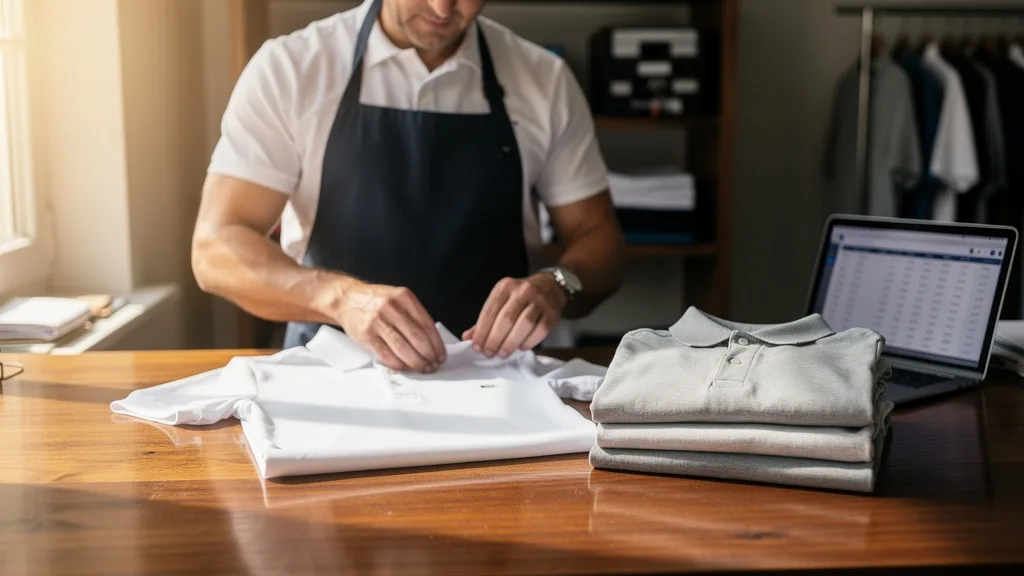
Proper care combined with superior materials ensures a premium polo’s durability for years.
The primary differentiators are materials, manufacturing, finishing, and fit. A regular polo is designed for volume and affordability, often using standard cotton and automated construction processes that prioritize speed. A premium polo, on the other hand, is a product of thoughtful design and superior craftsmanship. From the yarn selection to the final stitch on the hem, every detail is considered to create a garment that offers a superior experience for the wearer.
Premium vs. Regular Polos: A Detailed Comparison
To truly understand the value proposition of a premium polo, it’s helpful to break down the specific attributes that set it apart from its regular counterpart. The variation in quality is evident across several key areas, each contributing to the final look, feel, and performance of the shirt. Below is a detailed comparison to guide your purchasing decisions.
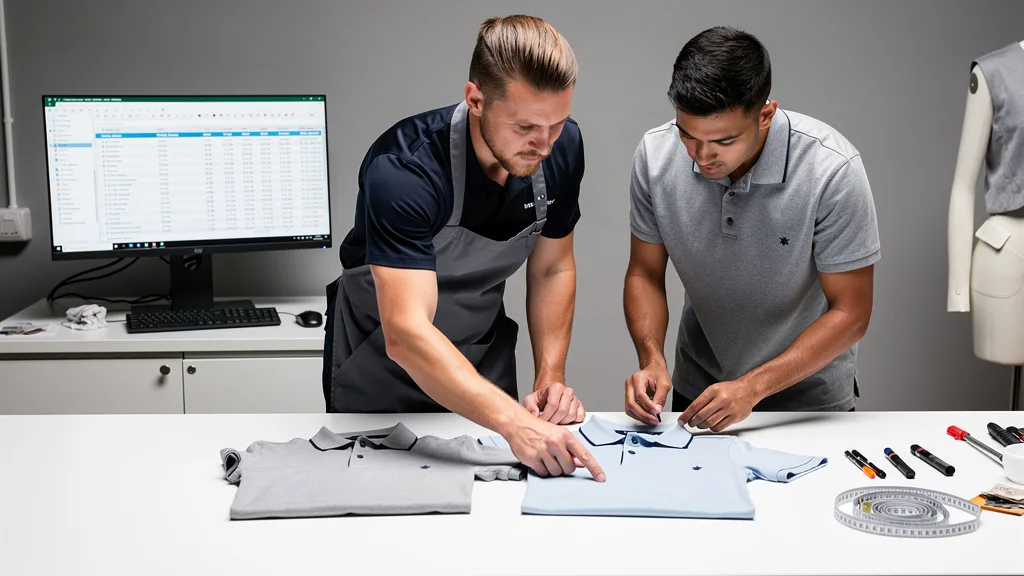
A premium polo’s superior fit and drape are immediately noticeable in any setting.
This table provides a high-level overview of the distinctions you can expect to find. Each of these points contributes to the overall quality and explains the price differential you often see in the market.
Premium vs. Regular Polo Shirt Comparison 2026
Feature
Regular Polo Shirt
Premium Polo Shirt
Fabric
Standard or carded cotton; prone to shrinking and fading.
Long-staple cottons (Pima, Supima), mercerized cotton; soft, durable, and colorfast.
Construction
Lower stitch density; basic seams that may pucker or fray.
High stitch density; reinforced seams, taped shoulders for structure.
Fit
Often boxy or inconsistent; generic sizing.
Tailored, anatomical cut for a better drape; precise and consistent sizing.
Mother-of-pearl buttons, reinforced placket, structured collar that resists curling.
Durability
Loses shape and color after a few washes.
Maintains shape, color, and softness for years with proper care.
Fabric Quality and Composition
The most significant difference lives in the fabric. Regular polo shirts are typically made from standard Upland cotton, which has shorter fibers. This results in a fabric that can feel rougher and is more susceptible to pilling, fading, and losing its shape. While functional, it lacks the luxurious feel and resilience of higher-grade materials.
Premium polos, conversely, utilize long-staple cotton varieties like Pima, Supima, or Egyptian cotton. These fibers are longer, stronger, and finer, creating a yarn that is incredibly soft, durable, and absorbent. This results in a pique weave or jersey knit that feels smoother against the skin, holds dye better for lasting color, and resists pilling. Investing in one of the best premium shirts for summer ensures you get a breathable, high-quality fabric that performs well in the heat.
Construction and Stitching Details
Craftsmanship is a clear dividing line. If you inspect a regular polo, you might find a lower stitch density (fewer stitches per inch), which can lead to weaker seams that pucker or even unravel over time. The shoulder seams are often basic, offering little in the way of structure or durability.
A premium garment showcases meticulous construction. Look for a high stitch density, which creates strong, flat seams that lie comfortably against the body. Many premium polos feature taped shoulder seams, where a strip of fabric is sewn over the seam to provide reinforcement and help the shirt maintain its shape. This attention to the final stitch ensures the garment is built to last, not just to sell.
Fit, Cut, and Sizing Precision
Fit is where a premium polo truly shines. Regular polos are often produced with a generic, boxy cut to accommodate a wide range of body types with minimal pattern adjustments. This can result in a fit that is baggy in the chest, tight in the arms, or simply unflattering. Sizing can also be inconsistent from one batch to the next.
Premium brands invest heavily in pattern making and fit testing. They create a more anatomical cut that drapes cleanly across the shoulders and torso, providing a silhouette that is both comfortable and sophisticated. The sizing is precise and reliable, so you can be confident that a medium will fit the same way every time. For those seeking comfort without sacrificing style, finding comfortable regular fit shirts with premium construction offers the best of both worlds.
Durability and Longevity Over Time
While a regular polo might look fine on the hanger, its true character is revealed after a few cycles through the laundry. Lower-quality materials and construction mean it’s more likely to shrink, twist at the side seams, or have the collar curl into a bacon-like mess. The colors may also fade quickly, leaving the shirt looking old before its time.
A premium polo is an investment in longevity. The stable, high-quality fabric resists shrinking and warping, and the superior colorfast dyes keep it looking vibrant for years. A well-made collar will lie flat wash after wash. With proper garment care, a premium polo will look nearly new long after a regular polo has been relegated to yard work duty.
Design Elements and Finishing Touches
Finally, the small details, or finishing touches, elevate a polo from regular to premium. On a standard shirt, you will almost always find cheap, brittle plastic buttons. The placket—the strip of fabric where the buttons are located—is often a simple, unreinforced fold.
Premium polos feature elevated details. Buttons are often made from durable, lustrous materials like mother-of-pearl or horn. The placket is typically a separate, constructed piece that is fused with interfacing to keep it crisp and flat. Even the hem and side vents might feature extra stitching for a cleaner finish. These subtle refinements contribute to a polished and distinguished appearance.
Is a Premium Polo Shirt Worth the Investment?
Considering the higher price point, it’s fair to ask if a premium polo is truly worth the investment. The answer often comes down to a cost-per-wear calculation. A regular polo might cost $25, but if it only looks good for ten wears before it starts to degrade, its cost is $2.50 per wear. A premium polo might cost $90, but if it maintains its quality for 90 wears or more, its cost is only $1.00 per wear.
“In 2026, value is not just about the initial price tag; it’s about longevity and satisfaction. When you analyze the premium vs regular polo shirts debate, the superior materials and construction of a premium garment deliver a lower cost-per-wear and a more confident look every time you wear it.”
Beyond pure economics, there’s the value of confidence and style. A well-fitting, high-quality polo looks sharper, feels better, and presents a more put-together image. For important occasions, from a business-casual meeting to a nice dinner out, that elevated presentation is invaluable. Understanding the true cost of a premium shirt involves factoring in both its durability and its impact on your personal style.
How to Identify a High-Quality Polo in 2026
As you shop, you can become your own quality control expert. Armed with a bit of knowledge, you can easily distinguish a well-made garment from a subpar one. Pay attention to these three key areas to ensure you’re getting the quality you’re paying for.
Check the Collar and Placket
The collar is a major tell. A high-quality polo will have a collar with some structure, often made from the same fabric as the body but with a ribbed knit that helps it stand up slightly and resist curling at the points. It should feel substantial, not flimsy. The placket should be straight, flat, and reinforced, so it doesn’t bunch or wave.
A poor-quality collar will feel thin and floppy right from the start. It lacks the internal structure to hold its shape, and it will be the first part of the shirt to look sloppy after washing. A weak placket is another red flag, indicating shortcuts in the manufacturing process.
Examine the Material and Weave
Trust your sense of touch. A premium fabric will feel smooth, soft, and dense. Whether it’s a pique or jersey knit, it should have a noticeable weight and substance to it. Stretch the fabric slightly; it should snap back into shape immediately without looking distorted. This is a sign of high-quality yarn and a stable knit.
In contrast, a regular polo’s fabric will often feel thin, scratchy, or overly stiff from chemical finishing agents. If you hold it up to the light, you may even see through it easily. This indicates a low-density weave and shorter cotton fibers, which will not hold up well over time.
Inspect Buttons and Stitching
The details don’t lie. Look closely at the buttons; mother-of-pearl buttons have an iridescent, deep luster that cheap plastic can’t replicate. They should be thick and securely attached, often with a cross-stitch for added durability. Avoiding common mistakes when buying premium shirts often comes down to inspecting these small but crucial details.
Examine the stitching along the seams, hem, and cuffs. The stitches should be small, dense, and perfectly straight. Check the side vents at the hem; on a quality polo, this area is often reinforced with a small piece of twill tape or extra stitching to prevent tearing. Messy, loose, or uneven stitching is a clear indicator of a rushed, low-quality production.
Key Takeaways
Navigating the world of polo shirts is simpler when you know what to look for. While a regular polo can serve a purpose, a premium polo offers superior value, style, and longevity. Here are the essential points to remember:
Fabric is Paramount: The biggest difference comes from the material. Premium polos use long-staple cottons (like Pima) for softness and durability, while regular polos use standard cotton that degrades faster.
Construction Defines Durability: Look for high stitch density, taped shoulders, and reinforced plackets. These construction details ensure the shirt maintains its shape and integrity for years, unlike regular polos which can warp and fray.
Fit Affects Appearance: A premium polo’s tailored cut provides a more flattering and sophisticated silhouette compared to the often boxy and inconsistent fit of a regular polo.
Details Signal Quality: High-end finishing touches like mother-of-pearl buttons and structured collars are clear indicators of a premium garment.
Think Cost-Per-Wear: A premium polo is a smart investment. While the initial cost is higher, its extended lifespan results in a lower cost-per-wear and a better overall value.
Frequently Asked Questions
What are the main types of polo shirts?
There are three main types of polo shirts, primarily defined by their fabric. The most classic is the Pique Polo, known for its textured, waffle-like weave that is durable and breathable. The Jersey Polo is made from the same smooth, soft knit as a T-shirt, offering maximum comfort.
The third type is the Performance or Sport Polo, which is made from synthetic blends like polyester or spandex. These are designed to wick moisture, resist wrinkles, and offer stretch, making them ideal for athletic activities like golf or tennis.
Is a brand like Ralph Lauren considered luxury or premium?
A brand like Ralph Lauren is generally considered to be in the premium or ‘accessible luxury’ category, but not true high-fashion luxury. They were pioneers in popularizing the polo shirt as a style icon and use high-quality materials and construction compared to mass-market brands.
However, true luxury brands (e.g., Loro Piana, Brunello Cucinelli) operate at an even higher tier, using exceptionally rare materials and artisanal manufacturing techniques, with prices that reflect that exclusivity. Ralph Lauren offers a reliable, high-quality premium product that is a significant step up from a regular polo.
What is the best quality material for a polo shirt?
The best quality materials for a polo shirt are long-staple cottons. Sea Island cotton is widely regarded as the pinnacle of luxury, known for its incredibly long fibers, silky softness, and strength. Supima cotton, which is an American-grown Pima cotton, is another excellent choice that is more accessible.
These materials create a fabric that is not only exceptionally comfortable but also highly durable, colorfast, and resistant to pilling. Mercerized cotton, which has been treated to improve luster and strength, is also a hallmark of a high-quality polo shirt.
How much more expensive are premium polo shirts?
The price gap can be significant. As of 2026, you can find a regular, fast-fashion polo shirt for $20-$40. A solid, entry-level premium polo from a reputable brand will typically start around $80 and can go up to $150.
Designer and luxury-tier polo shirts can range from $200 to over $500, depending on the brand, material, and country of origin. Generally, you can expect to pay at least two to four times more for a premium polo than a standard one, but this cost is offset by its superior quality and longevity.
Conclusion
Ultimately, the debate over premium vs regular polo shirts: what’s the difference? is a classic case of getting what you pay for. While a regular polo can fill a basic need, it’s a temporary item in a disposable wardrobe. It lacks the refinement, comfort, and durability that define lasting style. The differences in fabric, construction, and fit are not just marketing points; they are tangible qualities that you can see and feel.
Choosing a premium polo is an investment in your personal presentation and a more sustainable approach to building your wardrobe. These garments are designed to endure, maintaining their shape, color, and softness through years of wear. By learning to identify the hallmarks of quality—a soft, dense fabric, precise stitching, and refined details—you empower yourself to make smarter purchasing decisions that prioritize long-term value over short-term cost savings.
By opting for quality over quantity, you build a collection of reliable, stylish staples that make getting dressed easier and more enjoyable. A great polo shirt is a versatile cornerstone of modern style, and choosing a premium one ensures you’ll look and feel your best every time you wear it.
Ready to experience the difference for yourself? Explore our collection of meticulously crafted premium polo shirts, designed with superior materials and a perfect fit to elevate your everyday style. Discover your new favorite wardrobe staple today.
If you want help turning this into a concrete plan for your site or team, take the next step below — it is the fastest way to move from reading about Premium vs Regular Polo Shirts: What’s the Difference? to applying it with confidence.
Ready to act on Premium vs Regular Polo Shirts: What’s the Difference?? SHOP NOW — tell us your goal, and we will help you pick the highest-leverage next step so you are not guessing alone.