

Have you ever found the perfect kurta online, only to have it arrive and fit poorly? Knowing how to measure yourself for a perfect kurta fit online is the key to transforming your shopping experience from a gamble into a guarantee. This ensures that the elegant design and premium fabric you choose translate into a garment that offers both style and comfort, making you feel confident for any occasion.
To get an accurate kurta fit, you must measure key areas of your body: the chest, shoulders, sleeve length, and desired kurta length. Use a soft measuring tape and record these numbers. Then, compare your measurements to the brand’s specific sizing guide, paying close attention to the recommended fit type, whether it’s classic, slim, or loose. This simple process eliminates guesswork and ensures your online purchase fits you perfectly.
Essential Tools for Accurate Kurta Measurements
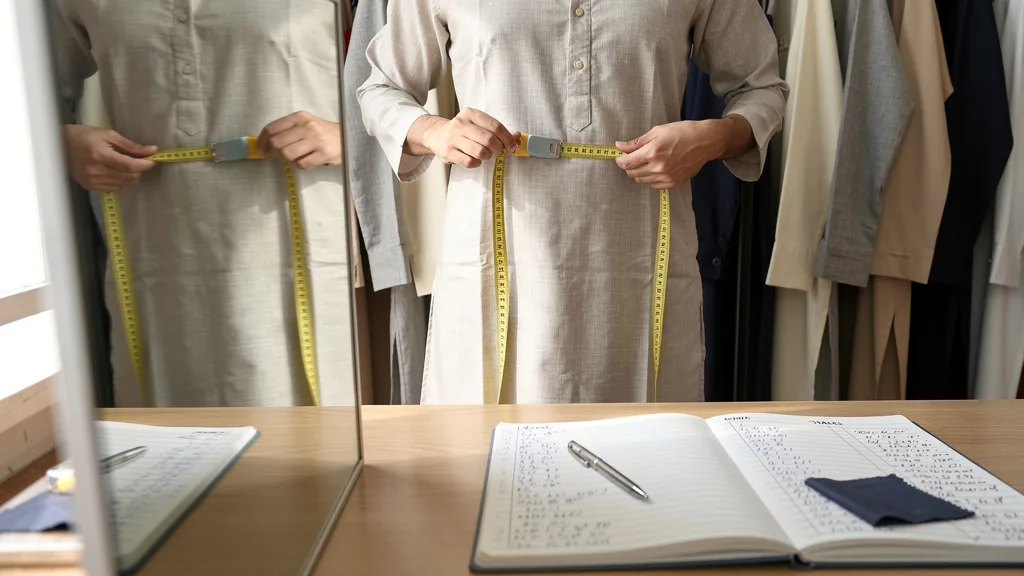
Before you begin, gathering a few simple tools will make the process smooth and your results precise. The most crucial item is a flexible, soft measuring tape, often called a tailor’s tape. Unlike a rigid metal tape measure, this will conform to your body’s curves, providing accurate readings without any gaps or slack. Having a pen and paper, or a notes app on your phone, is also essential for recording each measurement as you take it. This prevents you from having to remeasure later.
It’s also helpful to wear thin, form-fitting clothing while you measure. Bulky sweaters or loose t-shirts can add extra inches to your measurements, leading to a poorly fitting garment. Standing in front of a full-length mirror can help you ensure the tape is level and positioned correctly, especially when measuring your chest and hips. If possible, ask a friend or family member to assist you, as they can often get more accurate readings for areas like the shoulders and back.
How to Measure Yourself: A Step-by-Step Guide for 2026
Taking your own measurements is a straightforward process that empowers you to shop online with confidence. By following these steps, you can provide the exact information needed to select a kurta that feels custom-made for you. Remember to keep the measuring tape snug but not tight, allowing for comfortable movement. For additional visual guidance, some resources can help if you are confused about how to take measurements for the first time.
Chest: The Most Critical Measurement for Fit
The chest measurement is arguably the most important for a well-fitting kurta, as it determines how the garment drapes across your torso. To measure your chest, stand up straight and relax your arms at your sides. Wrap the soft measuring tape around the fullest part of your chest, typically at the nipple line. Make sure the tape is parallel to the floor and runs straight across your back, under your armpits.
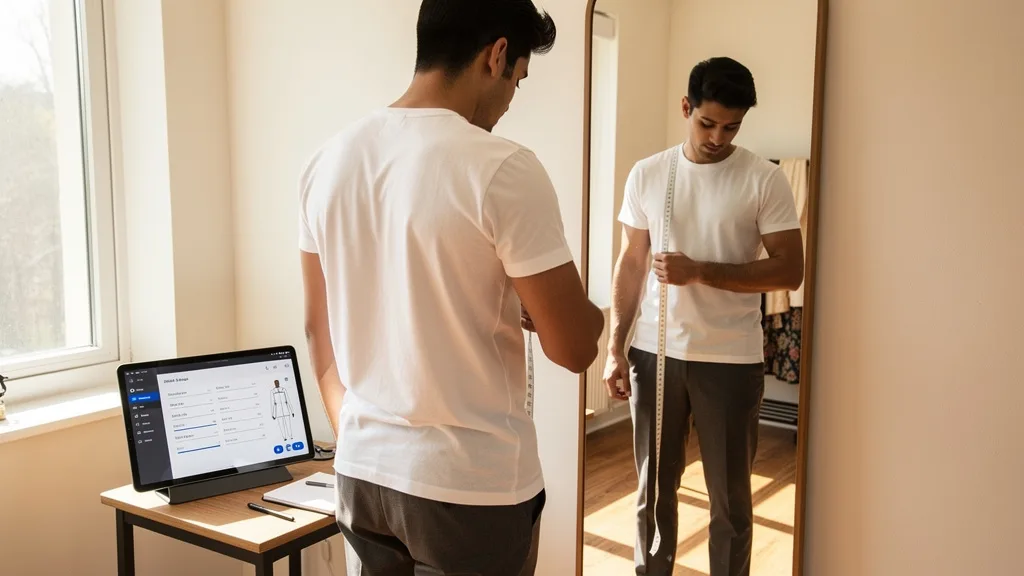
Do not hold your breath or puff out your chest. Breathe normally and ensure the tape is snug, but not so tight that it constricts you. You should be able to fit one finger between the tape and your body. This small amount of ease ensures the kurta won’t be too restrictive, allowing for comfortable movement throughout the day. Record this number as your chest measurement.
Shoulders: Defining the Upper Frame
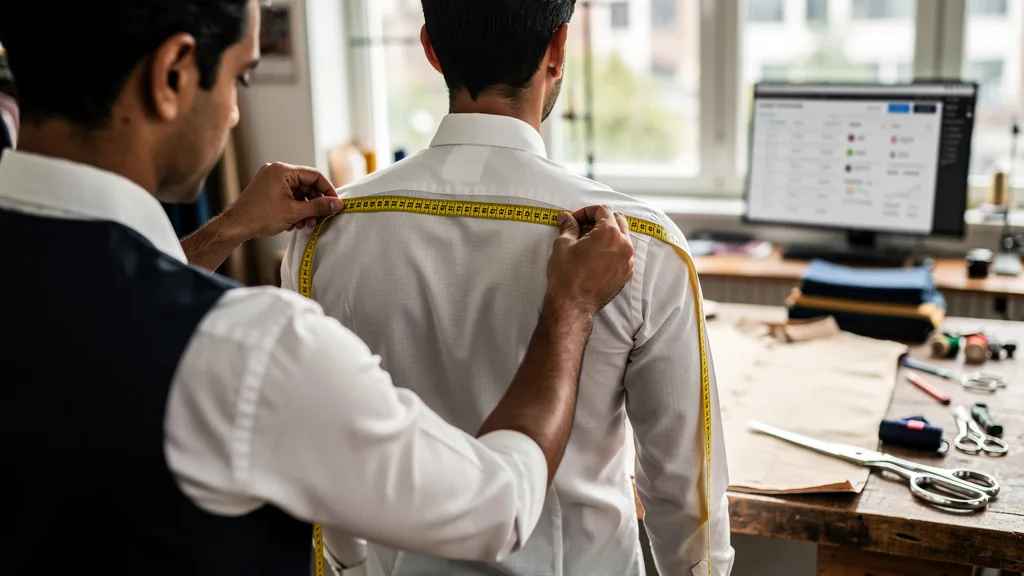
Proper shoulder fit is essential for a structured and polished look. A kurta with shoulders that are too narrow will feel tight and restrict arm movement, while one with shoulders that are too wide will appear sloppy and ill-fitting. To measure your shoulder width, you’ll need to identify the bony points at the top of each shoulder. These are the acromion bones, where your shoulder joint meets your collarbone.
Stand straight with your shoulders relaxed. Place the end of the measuring tape at the tip of one shoulder bone. Extend the tape straight across your back to the tip of the other shoulder bone. It’s important to follow the natural curve of your upper back slightly. This measurement is often easiest to take with assistance, but if you’re alone, you can feel for the bones and carefully measure between them.
Sleeve Length: For Perfect Arm Coverage
The correct sleeve length contributes significantly to the overall elegance of a kurta. Whether you prefer full-length, three-quarter, or shorter sleeves, getting the measurement right is key. To measure your sleeve length, stand with your arm relaxed at your side, with a slight bend at the elbow. This mimics a natural resting position and ensures the sleeve won’t be too short when you move.
Place the end of the measuring tape at the same shoulder point where your shoulder measurement ended. Run the tape down the outside of your arm, over your elbow, and down to your desired length. For a full-length sleeve, this is typically at the wrist bone. For other styles, measure to the point where you want the sleeve to end. Taking this measurement with a slightly bent elbow is crucial for an accurate fit. white kurta pajama guide.
Kurta Length: Choosing Your Ideal Style
The length of a kurta is a matter of personal preference and can dramatically change its style. Some prefer a shorter, hip-length kurta for a casual look, while others opt for a traditional knee-length or longer style for formal occasions. Deciding on the right length before you buy is an important part of the process, especially when you want to choose the perfect kurta for weddings or other events.
To determine your ideal kurta length, stand straight and place the end of the measuring tape at the highest point of your shoulder, near the base of your neck. Let the tape hang down straight along the front of your body. Look in a mirror and decide where you want the hem of the kurta to fall. Note the measurement at that point. Common lengths are just below the hip, mid-thigh, or at the knee.
Waist and Hips: Ensuring Comfort and Drape
While the chest measurement is primary for fit, the waist and hip measurements are crucial for comfort and how the kurta drapes, especially for longer styles or for those with a curvier figure. To measure your waist, find the narrowest part of your torso, which is usually just above your belly button. Wrap the tape around this point, keeping it level with the floor.
For the hip measurement, stand with your feet together and wrap the tape around the fullest part of your hips and buttocks. Again, ensure the tape is parallel to the ground and snug but not tight. These measurements are particularly important for A-line or straight-cut kurtas to ensure they don’t pull or feel restrictive when you sit or walk.
Understanding Different Kurta Fit Types
Once you have your measurements, the next step is to understand the different types of fits available. Kurtas are not a one-size-fits-all garment in terms of style. The fit you choose impacts both your comfort and the overall aesthetic. The three primary fits are classic, slim, and loose, each offering a distinct silhouette and feel.

Knowing which fit you prefer helps you interpret a brand’s sizing chart more effectively. A size ‘Large’ in a slim fit will feel very different from a ‘Large’ in a loose fit. Always check the product description for information on the fit type to make an informed decision that aligns with your personal style and comfort preferences.
Classic or Regular Fit
The classic or regular fit is the most traditional and widely popular option. It is designed to offer a comfortable balance between a tailored look and ease of movement. This fit follows the natural shape of the body without being too tight or too baggy. It typically has a straight cut from the chest down to the hem, providing ample room around the waist and hips.
This is an excellent choice for everyday wear and for those who prioritize comfort without sacrificing a neat appearance. It’s a versatile style that suits most body types and is a safe bet if you are unsure which fit to choose. Many of the best regular fit shirts for everyday comfort share these same design principles, focusing on wearability and timeless style.
Slim Fit
A slim fit kurta is tailored to sit closer to the body, creating a sharp, modern, and more defined silhouette. It is narrower at the chest and waist, tapering down to create a form-flattering look. This style is ideal for those with a leaner build or for anyone who prefers their clothing to be more contoured and less voluminous.
While it offers a sleek appearance, it’s important to ensure your measurements are precise, as there is less room for error. A slim fit kurta should still allow for comfortable movement and not feel restrictive. If your measurements fall between sizes on a slim fit chart, it is often wise to choose the larger size to ensure adequate room in the shoulders and chest.
Loose or Comfort Fit
The loose or comfort fit is designed for maximum breathability and unrestricted movement. This style is significantly more generous in its cut, with extra room in the chest, waist, and sleeves. The silhouette is relaxed and flowing, making it an excellent choice for hot climates or for those who simply prefer a more casual and airy feel.
This fit is often found in casual and everyday kurtas. It’s also a great option for achieving a bohemian or artistic look. When selecting a loose-fit kurta, you can often stick to your true size, as the extra room is already incorporated into the design. Don’t size down unless the brand’s sizing guide specifically recommends it.
How to Use a Kurta Pyjama Sizing Guide Correctly
A brand’s kurta pyjama sizing guide is your most valuable tool for online shopping. Never assume that your size in one brand will be the same in another, as measurements can vary significantly. Once you have your body measurements, navigate to the product page and locate the size chart. Our kurta size guide online is a great example of what to look for.
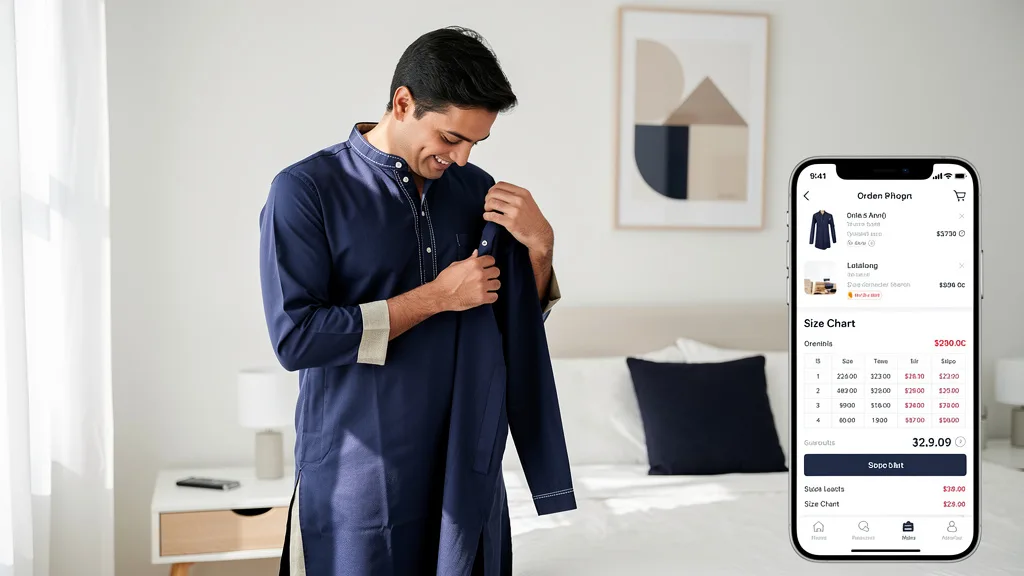
Compare your chest, shoulder, and length measurements to the values listed in the chart. Pay close attention to whether the chart shows body measurements or garment measurements. Garment measurements will be larger than your body measurements to account for ease. For example, if your chest is 40 inches, the garment’s chest measurement for a classic fit might be 42-44 inches. Understanding this distinction is key to selecting the right size.
“Your personal measurements are the foundation, but the brand’s sizing guide is the blueprint. Taking a moment to compare the two is the single most effective step in achieving a perfect fit when buying a kurta online.”
The table below illustrates how different fit types can affect garment measurements for someone with a 40-inch chest measurement. Notice how the garment’s chest size changes to create the desired silhouette.
| Fit Type | Garment Chest Measurement | Description |
|---|---|---|
| Slim Fit | 42 inches | Sits close to the body for a tailored look. |
| Classic Fit | 44 inches | Offers a balanced, comfortable silhouette. |
| Loose Fit | 46-48 inches | Provides a relaxed, airy, and generous fit. |
Common Sizing Mistakes and How to Avoid Them
Even with the best intentions, small mistakes during the measuring process can lead to sizing issues. One of the most common errors is measuring over bulky clothing. Always measure while wearing thin, close-fitting garments to get your true body dimensions. Another frequent mistake is pulling the tape measure too tightly, which can result in a garment that’s uncomfortably snug.
To ensure you get it right, it helps to be aware of the pitfalls. By avoiding these common errors, you drastically increase your chances of being satisfied with your online purchase. For more tips, you can explore guides on how to pick the right size when shopping for ethnic wear.
- Guessing Instead of Measuring: Never rely on your usual size from another brand or your t-shirt size. Always take fresh measurements.
- Not Holding the Tape Level: Ensure the measuring tape is parallel to the floor when measuring your chest, waist, and hips. A tilted tape can add inches.
- Ignoring the Fit Type: Failing to account for whether a kurta is slim, classic, or loose fit is a common reason for disappointment.
- Forgetting to Check the Sizing Guide: Every brand is different. The five minutes you spend checking the specific product’s sizing guide is time well spent.
- Measuring Alone When Unsure: If you’re struggling to measure your back or shoulders, ask for help to ensure accuracy.
Key Takeaways
Mastering how to measure yourself for a perfect kurta fit online is a skill that pays dividends, saving you time, money, and the frustration of returns. By focusing on a few key principles, you can shop with the confidence of an in-store experience from the comfort of your home. The process is simple when broken down into manageable steps.
Here are the most important points to remember:
- Use the Right Tools: A soft, flexible measuring tape is non-negotiable for accurate body measurements.
- Measure the Core Areas: Focus on getting precise measurements for your chest, shoulders, and desired sleeve and kurta length.
- Understand Fit Types: Know the difference between classic, slim, and loose fits to choose a silhouette that matches your style.
- Trust the Sizing Guide: Always compare your measurements to the specific brand’s size chart for the item you are purchasing.
- Avoid Common Mistakes: Don’t measure over bulky clothes, pull the tape too tight, or guess your size.
Frequently Asked Questions
Navigating the world of online kurta shopping can bring up a few questions. Here are answers to some of the most common queries we receive about sizing and measurements.
How much fabric is typically needed for a standard kurta?
The amount of fabric required for a kurta depends on the person’s height, size, and the desired length and sleeve style. For an average-sized adult, a standard knee-length kurta typically requires about 2.5 meters (approximately 2.75 yards) of fabric. However, this is just a general guideline.
For taller individuals or those requiring a larger size, such as from an XXXL size chart, you might need 3 meters or more. It’s always best to consult with a tailor or check specific pattern requirements if you are purchasing fabric to have a kurta custom-made.
How do international kurta sizes like XL compare across regions?
International sizes like M, L, and XL can vary significantly between regions and even between brands within the same country. An ‘XL’ in the United States is often larger than an ‘XL’ in many Asian or European countries. Pakistani sizes, for example, may have different base measurements for the same letter size.
This is why relying on your body measurements is far more reliable than relying on a letter size. Always ignore your preconceived notion of being a certain size and refer directly to the centimeter or inch measurements provided in the brand’s sizing guide to find your true fit.
Should my body measurements be exact or include extra room?
Your body measurements should be exact and taken snugly against your body without adding extra room yourself. The clothing brand or tailor will add the necessary ‘ease’ or extra room based on the garment’s intended fit. For example, a slim-fit kurta will have less ease added than a loose-fit one.
When you look at a sizing guide, it’s helpful to see if it lists ‘body measurements’ or ‘garment measurements’. If it lists garment measurements, you’ll see that the numbers are already larger than your body measurements. Trust the brand’s design and simply provide your true, accurate dimensions.
What is the best way to measure for matching pyjama bottoms?
Measuring for pyjama bottoms, or salwar, is just as important for a comfortable kurta pyjama set. The two most important measurements are your waist and the outseam (total length). Measure your natural waist where you comfortably wear your trousers.
For the length, measure from your waist down the outside of your leg to your desired endpoint, which is typically at the ankle. Alternatively, you can take a pair of existing trousers that fit you well, lay them flat, and measure the outseam from the top of the waistband to the bottom of the hem. This provides an excellent reference for the length you need.
Can I use my standard dress shirt size to buy a kurta online?
It is not recommended to use your standard dress shirt size when buying a kurta. While some measurements like the chest and neck might be similar, the overall construction and fit are very different. Kurtas have different shoulder slopes, armhole sizes, and overall silhouettes compared to Western dress shirts.
Using your dress shirt size can lead to a poor fit, especially in the shoulders and length. Your best approach is always to take your specific body measurements as outlined in this guide and compare them directly to the kurta’s unique sizing chart. This ensures a much more accurate and comfortable result.
Conclusion
Taking a few moments to measure yourself accurately is the most reliable way to ensure your next online kurta purchase is a success. By understanding your key dimensions for the chest, shoulders, and length, and by paying close attention to the brand’s specific sizing guide and fit type, you eliminate the guesswork. This empowers you to shop with confidence, knowing the premium garment you receive will look and feel like it was tailored just for you.
Now that you’re equipped with the knowledge to find your perfect fit, you can explore our collections with certainty. Browse our premium kurtas for men, women, and kids, crafted for exceptional style and comfort. Find your ideal design today. SHOP NOW.