

Did you know that nearly 40% of online clothing returns are due to sizing issues? For kurta shoppers, the frustration of receiving a garment that doesn’t fit can be a major deterrent. This Kurta Size Guide for Online Shopping Success is your key to ordering with confidence. By understanding how to read a size chart and take your own measurements, you can ensure every kurta you buy online fits perfectly, saving you time, money, and hassle.
Here is the quick answer: To find your perfect kurta size, measure your chest, arm hole, front length, and sleeve length. Then compare these numbers to the brand’s specific size chart. Always account for fabric stretch and your preferred fit (slim, regular, or relaxed). This simple process eliminates guesswork and guarantees a kurta that looks and feels great.
Why a Kurta Size Guide Matters for Online Shopping
When you shop for a kurta online, you cannot try it on before buying. This makes a reliable size guide your most important tool. Without it, you are guessing, and guessing often leads to disappointment. A well-made kurta size chart bridges the gap between the virtual shelf and your wardrobe, giving you the data you need to make a confident choice.
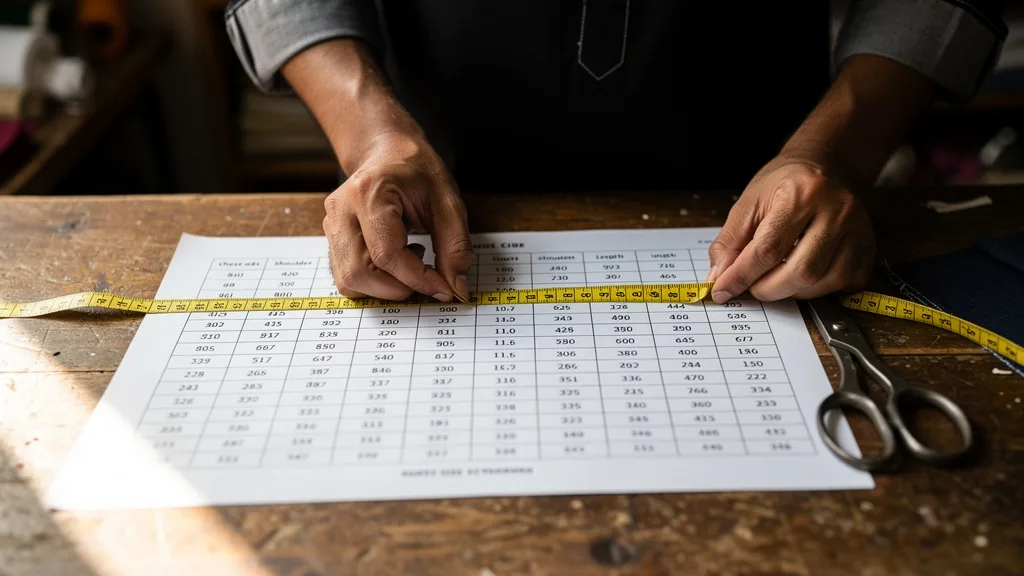
Using a kurta size chart is not just about avoiding returns. It is about finding a garment that complements your body shape and makes you feel your best. A kurta that fits well enhances your posture, allows easy movement, and looks polished. Whether you are dressing for a wedding, a casual day out, or a formal event, the right fit is the foundation of a great outfit.
The High Cost of Wrong Sizing
Ordering the wrong size costs more than just the return shipping fee. It costs you time spent repackaging, waiting for refunds, and searching for a replacement. More importantly, it can damage your trust in online shopping. Many shoppers give up on a brand after one bad sizing experience, missing out on beautiful designs and quality fabrics.
There is also an environmental cost. Returned clothing often ends up in landfills, contributing to fashion waste. By getting your size right the first time, you are making a more sustainable choice. A proper size guide helps you avoid these pitfalls, making your online shopping experience efficient, economical, and eco-friendly.
How a Size Chart Prevents Returns
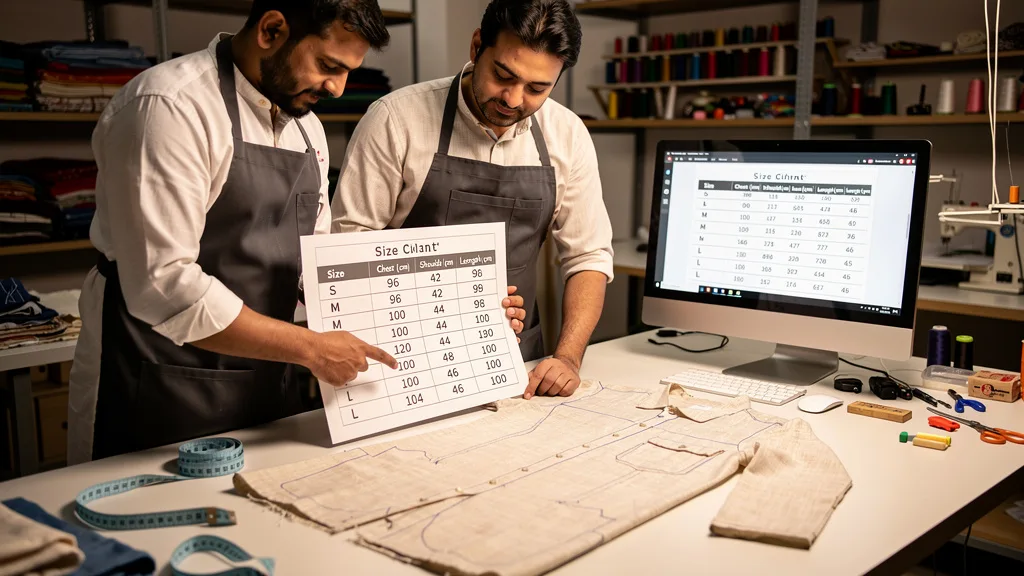
A size chart provides a standardized set of measurements that correspond to each size label (S, M, L, XL, etc.). When you compare your own body measurements to the chart, you can identify the exact size that will fit you. This eliminates the guesswork and dramatically reduces the chance of ordering a kurta that is too tight or too loose.
Think of a size chart as a map. It shows you the destination (your perfect fit) and the route (your measurements). Without it, you are driving blind. Brands that provide detailed, accurate size charts, including points of measurement like arm hole and front length, empower you to shop with confidence. This transparency builds trust and keeps customers coming back.
Understanding Kurta Size Charts and Points of Measurement
A typical kurta size chart includes several key measurements: chest, arm hole, front length, sleeve length, and sometimes shoulder width and collar size. Each of these points of measurement corresponds to a specific part of the garment. Understanding what each number means is essential for selecting the right size.
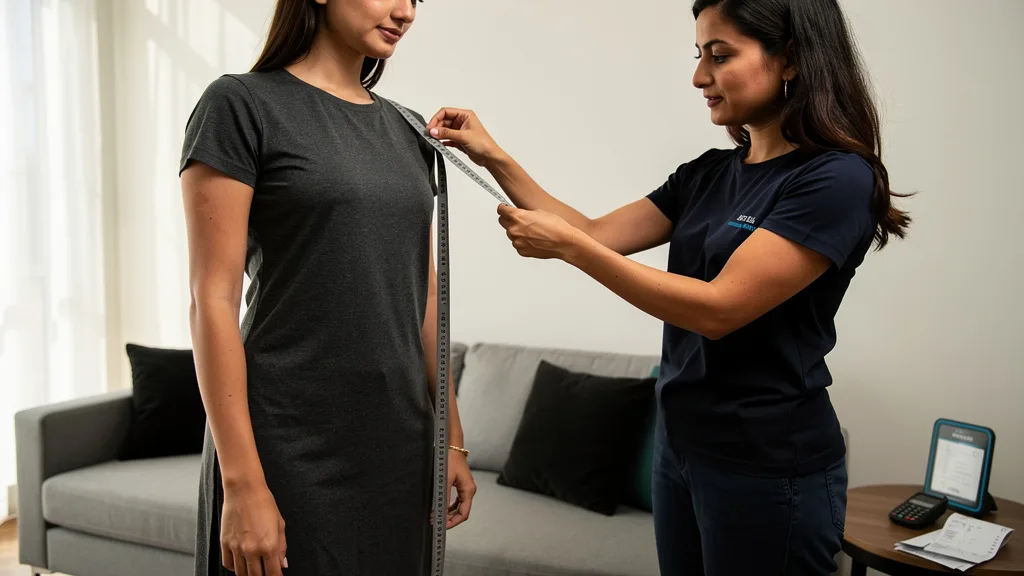
Most charts list measurements in inches or centimeters. They also show a range of sizes from XSmall to XL and beyond. The chart acts as a translation tool, converting your body measurements into a size label. By learning to read this chart, you can shop across different brands with greater accuracy.
Key Measurements: Chest, Arm Hole, and Front Length
The chest measurement is the most critical. It is taken around the fullest part of your chest, usually just under the armpits. This number determines the overall width of the kurta. The arm hole measurement is the circumference of the opening where the sleeve attaches to the body. A too-small arm hole restricts movement, while a too-large one looks sloppy.
Front length is the distance from the top of the shoulder (near the neck) to the bottom hem of the kurta. This measurement affects the overall proportion of the garment. A kurta that is too short may ride up, while one that is too long can look oversized. Together, these three measurements form the core of any reliable kurta size chart.
Reading the Chart: From XSmall to XL Collar
Size charts typically start at XSmall (XS) and go up to XL or beyond. Each size has a corresponding range of measurements. For example, a size M might fit a chest of 38-40 inches, while a size L fits 40-42 inches. The collar size, often listed separately, is the measurement around the neck. This is especially important for kurtas with a closed neckline.
When reading the chart, find the row that matches your chest measurement. Then check the arm hole and front length for that same size. If your measurements fall between two sizes, consider your fit preference. Do you like a slim fit or a relaxed fit? The chart gives you the data; your personal style makes the final decision.
How to Measure Yourself for a Perfect Kurta Fit
Measuring yourself correctly is the most important step in using a kurta size guide for online shopping success. Even the best size chart is useless if your measurements are wrong. Follow these steps to get accurate numbers that you can trust.

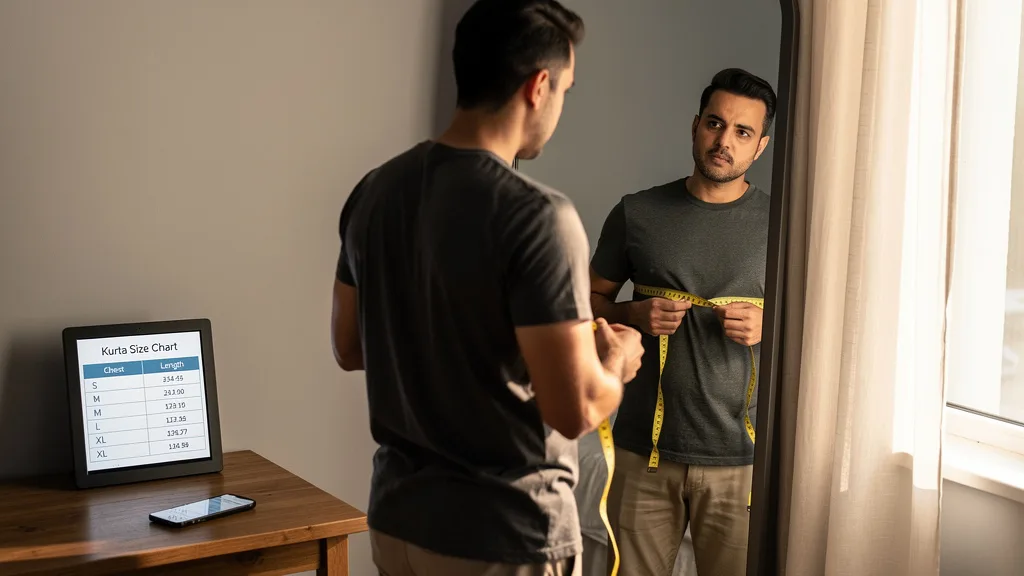
Always measure over thin clothing or directly on your skin. Wear a fitted t-shirt or no shirt at all. This ensures the tape sits close to your body and gives a true reading. Write down each measurement as you go, and double-check for accuracy.
Tools You Need and How to Stand
You will need a flexible measuring tape, a pen, and a piece of paper. A mirror can help you see the tape placement. If possible, ask a friend to help you, especially for back measurements like shoulder width. Stand up straight with your feet shoulder-width apart. Relax your shoulders and breathe normally.
Do not suck in your stomach or puff out your chest. The goal is to get your natural, relaxed measurements. Hold the tape snugly but not tight. It should touch your skin without digging in. A loose tape will give a larger number, leading to a kurta that is too big.
Step by Step: Chest, Arm, Sleeve, and Length
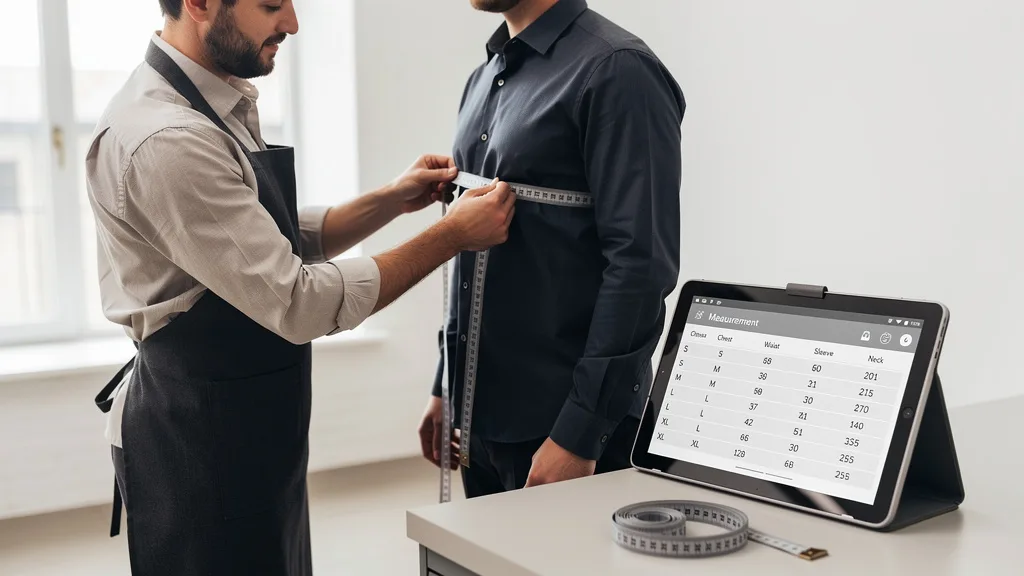
For the chest, wrap the tape around the fullest part of your chest, just under your armpits. Make sure the tape is level all the way around. For the arm hole, measure around the top of your shoulder joint, where the sleeve would attach. This is a tricky measurement; a friend can help get it right.
For sleeve length, start at the top of your shoulder and measure down to your wrist bone. Keep your arm slightly bent. For front length, measure from the base of your neck (where a collarbone meets) down to where you want the kurta to end. Typically, this is just below the hip or mid-thigh. Write down all numbers in inches or centimeters, matching the unit used in the size chart.
Quick Steps to Find Your Size Using a Kurta Size Chart
Once you have your measurements, finding your size is straightforward. Open the brand’s size chart and locate the row that matches your chest measurement. Then check the corresponding arm hole, front length, and sleeve length. If all numbers fall within the same size column, that is your size.
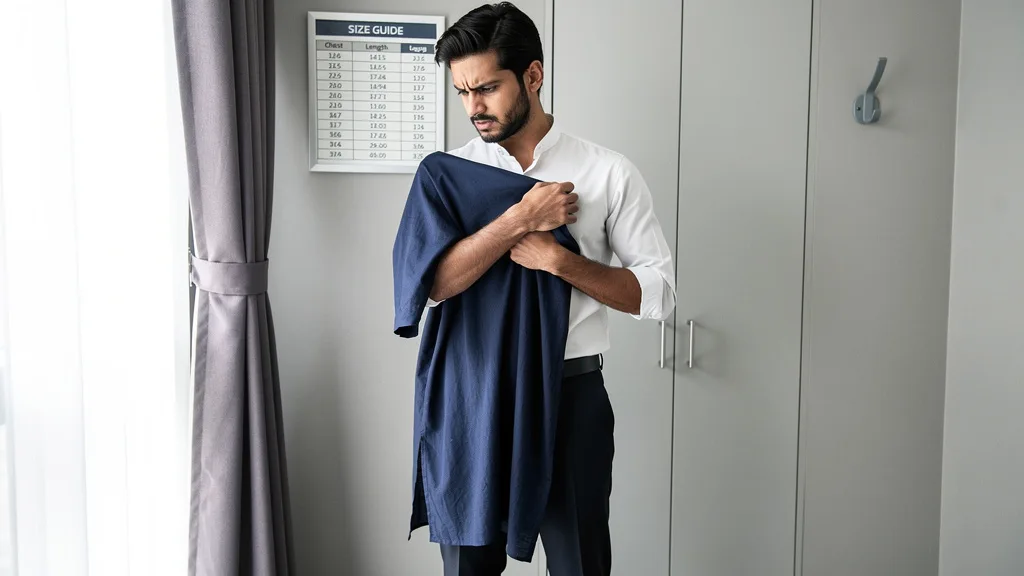
If your chest measurement fits one size but your front length fits another, prioritize the chest. You can always hem the length, but you cannot easily alter the chest width. This rule of thumb ensures the kurta fits your torso properly.
Compare Your Measurements to the Chart
Lay your measurements next to the chart. For example, if your chest is 40 inches and the chart shows size L fits 40-42 inches, start with size L. Then check the arm hole for size L. If it is 20 inches and your arm hole measurement is 19 inches, this size should work. Repeat for front length and sleeve length.
If your measurement is at the very top or bottom of a range, consider the next size up or down. For instance, if your chest is exactly 40 inches and the chart says L fits 40-42, you might prefer a slim fit (stick with L) or a relaxed fit (go up to XL). Your personal preference for how the kurta should hang matters.
Account for Fabric and Fit Preferences
Fabric type affects how a kurta fits. Cotton and linen have little stretch, so stick to your exact measurements. Fabrics with a bit of stretch, like cotton blends, can accommodate a slightly tighter fit. For a slim fit, choose the size that matches your chest measurement exactly. For a regular fit, go one size up. For a relaxed fit, go two sizes up.
Also consider the kurta’s design. A straight-cut kurta fits differently than a tailored one. Read the product description for fit notes. Many brands indicate whether a kurta runs true to size, small, or large. Combine this information with the kurta size chart for the best results.
Common Kurta Sizing Mistakes That Ruin the Fit
Even with a good size chart, shoppers make mistakes. The most common error is focusing only on the chest measurement and ignoring the arm hole and shoulder width. This can result in a kurta that fits your chest but restricts your arms or hangs awkwardly at the shoulders.

Another frequent mistake is assuming that S, M, L sizes are universal. They are not. A size M from one brand may fit like a size L from another. Always check the brand’s specific chart, even if you know your usual size. Relying on labels alone is a recipe for disappointment.
Ignoring the Arm Hole and Shoulder Width
The arm hole is often the most overlooked measurement. A tight arm hole makes it hard to raise your arms or move comfortably. A loose arm hole can make the kurta look baggy and unstructured. Similarly, shoulder width affects how the kurta drapes across your upper body. If the shoulders are too wide, the kurta will look like it belongs to someone else.
Always check the arm hole measurement on the chart. Compare it to your own measurement. If the chart does not list arm hole, look for a note about fit or contact customer service. A good brand will provide this detail because it is crucial for a comfortable fit.
Relying Only on S, M, L Labels
Size labels are not standardized across brands. A size L in one brand might be a size XL in another. This is especially true for Indian and Pakistani clothing brands, which may use different sizing conventions. Always use the brand’s specific size chart rather than your usual size label.
To illustrate, here is a comparison of how different brands might size a medium kurta:
| Brand | Chest (inches) | Front Length (inches) | Fit Note |
|---|---|---|---|
| Brand A | 38-40 | 42 | True to size |
| Brand B | 40-42 | 44 | Runs large |
| Brand C | 36-38 | 40 | Runs small |
As you can see, a size M varies significantly. This is why checking the chart every time is non-negotiable. Do not assume your size is the same across different brands.
Tips for Consistent Sizing Across Indian Clothing Brands
Indian and Pakistani clothing brands often have unique sizing systems. Some use UK or US sizes, while others have their own standards. To get consistent results, you need to adapt your approach. The key is to treat every brand as a new starting point.
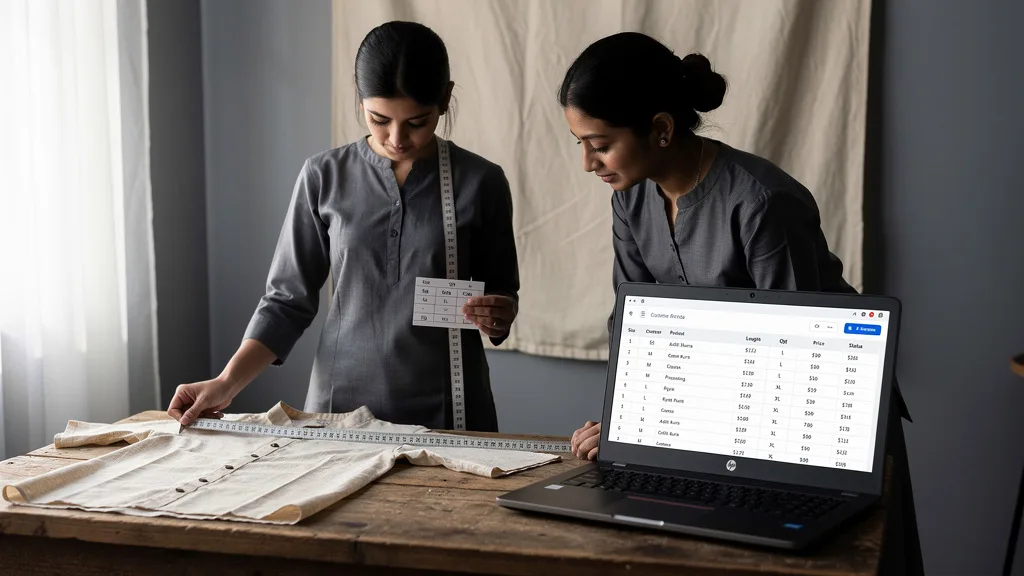
Keep a record of your measurements and the sizes that worked for you from different brands. Over time, you will build a personal reference guide. This makes future shopping faster and more accurate.
Check the Brand’s Specific Size Chart Every Time
Never skip the size chart, even if you have bought from the brand before. Brands update their sizing, and different styles within the same brand may fit differently. A tailored kurta will have different measurements than a loose-fit kurta. Always open the chart and compare your numbers.
Bookmark the brand’s size chart page for easy access. Some brands also provide a size guide for each product. Use that instead of a general chart. The more specific the data, the better your fit will be. For a reliable example, you can refer to this Kurta Size Chart for Men guide.
Use Customer Reviews and Fit Comments
Customer reviews are a goldmine of sizing information. Look for comments that mention fit, such as “runs small” or “true to size.” Pay attention to reviews from customers with similar body measurements to yours. They can tell you exactly how the kurta fits in real life.
Some brands also have a fit community or Q&A section where customers share their sizing experiences. Use these resources to validate your choice. For a broader perspective, check a Clothing Size Chart for Men, which covers multiple brands and styles.
Key Takeaways
- Measure yourself accurately using a flexible tape. Focus on chest, arm hole, front length, and sleeve length. Write down your numbers and keep them handy.
- Always use the brand’s specific size chart. Do not rely on S, M, L labels alone. Compare your measurements to the chart for each product you buy.
- Account for fabric and fit preference. Stretchy fabrics allow a tighter fit. Choose slim, regular, or relaxed based on your style and the occasion.
- Read customer reviews for real-world fit feedback. They often reveal whether a kurta runs true to size, small, or large.
- Check multiple points of measurement, especially the arm hole and shoulder width. Ignoring these can ruin an otherwise good fit.
Frequently Asked Questions
What is the standard kurta size chart for men?
There is no single standard chart because sizing varies by brand. However, most charts include chest, front length, sleeve length, and arm hole measurements. For example, a size M typically fits a chest of 38-40 inches, but always check the specific brand’s chart. Use your own measurements to find the right size.
How do I measure my chest for a kurta?
Brands like ours provide detailed charts for each product. This ensures you get the most accurate fit possible. Always refer to the chart on the product page rather than a generic one.
What does point of measurement mean in a size chart?
Wrap a flexible measuring tape around the fullest part of your chest, just under your armpits. Make sure the tape is level and snug but not tight. Breathe normally and stand straight. Write down the number in inches or centimeters.
Can I alter a kurta if the size is slightly off?
This measurement is the most important for determining your kurta size. It directly corresponds to the chest measurement on the size chart. Double-check your measurement to ensure accuracy.
Why do kurta sizes vary between brands?
A point of measurement is a specific location on the garment where the measurement is taken. Common points include the chest (at the armhole), the front length (from shoulder to hem), and the sleeve length (from shoulder to cuff). Each point gives a precise dimension for that part of the kurta.
Understanding these points helps you compare your body measurements to the garment’s dimensions. This ensures you choose a size that fits your body shape, not just your chest size.
Yes, minor alterations are possible. A tailor can shorten the length, take in the sides, or adjust the sleeves. However, altering the chest or shoulder width is more difficult and may not look as good. It is always better to order the correct size from the start.
If you are between sizes, choose the larger size and have it tailored down. This gives you more room for adjustment. Always check the brand’s return policy before altering a garment.
Brands use different sizing standards based on their target market, manufacturing processes, and design preferences. Some brands follow US or UK sizing, while others use Indian or Pakistani standards. Additionally, the fit of a kurta (slim, regular, relaxed) affects the measurements.
This is why you cannot rely on a single size label. Always check the brand’s specific size chart for each product. Customer reviews can also help you understand how a brand’s sizing compares to others.
Conclusion
Mastering the Kurta Size Guide for Online Shopping Success is your ticket to a wardrobe that fits perfectly every time. By taking accurate measurements, understanding size charts, and avoiding common mistakes, you can shop with confidence. No more guessing, no more returns, just great-fitting kurtas that make you look and feel amazing.
Remember the three pillars of success: measure yourself correctly, use the brand’s specific chart, and read customer reviews. These simple steps will save you time, money, and frustration. Whether you are buying for a wedding, a casual outing, or a formal event, the right fit is always within reach.
Ready to find your perfect kurta? Explore our collection of premium kurtas for men, women, and kids. Each product includes a detailed size chart to help you choose the right size. Start shopping today and experience the joy of a perfect fit. SHOP NOW.