

Have you ever invested in a high-quality dress shirt only to watch it fade, shrink, or lose its shape after a few washes? You are not alone. The difference between a shirt that lasts for years and one that looks tired after a season often comes down to how you care for it. This guide covers care tips for premium shirts to last longer, from washing and drying to ironing and storage.
Proper care is the secret to preserving the fabric, fit, and finish of your best formal shirts. Whether you own a collection of formal shirts from brands like Harvie Hudson or prefer classic cotton weaves, the right routine keeps them looking sharp. Follow these expert washing, drying, ironing, and storage tips to protect your investment.

Why Premium Shirt Care Matters for Longevity
A premium shirt is an investment in your wardrobe and your confidence. Unlike fast-fashion alternatives, high-quality shirts use finer fabrics, stronger stitching, and better construction. Without proper care, even the best formal shirts can lose their shape, develop yellowing under the arms, or show fraying at the collar and cuffs.
When you follow care tips for premium shirts to last longer, you protect the fabric fibers from unnecessary stress. Cotton, linen, and blended weaves each have unique needs. Ignoring these can lead to shrinkage, color fading, and pilling. The goal is to maintain the shirt’s original elegance and fit for as many wears as possible.
How Proper Care Preserves Fabric and Fit
Fabric preservation starts with understanding the material. A high-thread-count cotton shirt requires gentler handling than a poly-cotton blend. Proper washing and drying techniques prevent the fibers from breaking down, which keeps the fabric smooth and the collar crisp. The fit also stays true because the shirt does not shrink unevenly.
Fit is one of the first things to suffer when care is neglected. A shirt that once fit perfectly can become too tight in the shoulders or too short in the sleeves after repeated hot washes. By using cold water and gentle cycles, you help the shirt retain its original measurements. This is especially important for shirts for men who rely on a tailored look for professional settings.
Common Mistakes That Shorten a Shirt’s Life
Many people unknowingly damage their shirts through everyday habits. Using hot water for every wash, overloading the machine, and drying on high heat are common errors. These practices cause fabric to weaken, colors to bleed, and seams to pull apart. Another frequent mistake is leaving shirts in the dryer for too long, which leads to deep wrinkles that are hard to remove.
Ignoring stain treatment is another pitfall. Spills left to set can permanently discolor the fabric. Using bleach on white shirts may seem like a quick fix, but it can yellow the material over time. Instead, treat stains promptly with a gentle stain remover. Avoiding these mistakes is a core part of care tips for premium shirts to last longer.
Washing Your Premium Shirts the Right Way
Washing is the most critical step in shirt care. The right approach can add years to a shirt’s life. Start by reading the care label on every garment. Manufacturers provide specific instructions for a reason. Following them is the foundation of all care tips for premium shirts to last longer.
Use a front-loading washing machine if possible, as it is gentler on fabrics than top-loaders with agitators. Turn each shirt inside out before washing. This protects the outer surface from friction and reduces fading. Button all buttons and remove any collar stays to prevent them from bending or scratching the fabric during the cycle.
Sorting by Color and Fabric Type
Always separate whites, lights, and darks. Washing a bright red shirt with white dress shirts can result in pink stains that are nearly impossible to reverse. Similarly, separate heavy fabrics like denim from delicate cotton shirts. The friction between different fabric weights can cause pilling and wear.
Fabric type also matters. Linen shirts need a more delicate cycle than cotton twill. Silk or blended formal shirts should be washed on the gentlest setting or hand-washed. Sorting by both color and fabric ensures each shirt receives the appropriate treatment. This simple habit is one of the most effective care tips for premium shirts to last longer.
Choosing the Right Water Temperature and Cycle
Cold water is the safest choice for most premium shirts. It prevents shrinkage, protects colors, and is gentler on fibers. Warm water can be used for heavily soiled white shirts, but avoid hot water unless the care label specifically recommends it. Hot water weakens cotton fibers and can cause permanent shrinkage.
Select a delicate or gentle cycle on your machine. This reduces the agitation and spin speed, which minimizes stress on the fabric. If your machine has a hand-wash or wool cycle, use that for your finest shirts. The shorter cycle time also means less exposure to water and detergent, which helps preserve the shirt’s finish.
Selecting a Gentle Detergent for Delicate Fibers
Not all detergents are created equal. Harsh chemicals and enzymes in standard laundry detergents can break down natural fibers over time. Choose a mild, liquid detergent that is free from bleach and optical brighteners. These are especially important for dark or colored shirts, as brighteners can cause uneven fading.
Consider using a detergent specifically formulated for delicates or wool. These products are pH-neutral and contain fewer additives. Avoid fabric softeners, as they coat the fibers and reduce breathability. A gentle detergent keeps your shirts feeling soft and looking vibrant. This is a cornerstone of care tips for premium shirts to last longer.
Drying Techniques to Prevent Shrinkage and Damage
Drying is where many shirts meet their end. High heat from a tumble dryer can shrink cotton shirts by a full size and weaken the fabric. The best approach is to minimize heat exposure. Air drying is the gold standard for preserving shirt longevity.

If you must use a dryer, select the lowest heat setting or an air-fluff cycle. Remove the shirts while they are still slightly damp. This reduces wrinkles and makes ironing easier. Never overdry a shirt, as the heat will set wrinkles and damage the fibers.
Air Drying vs Tumble Drying: What Works Best
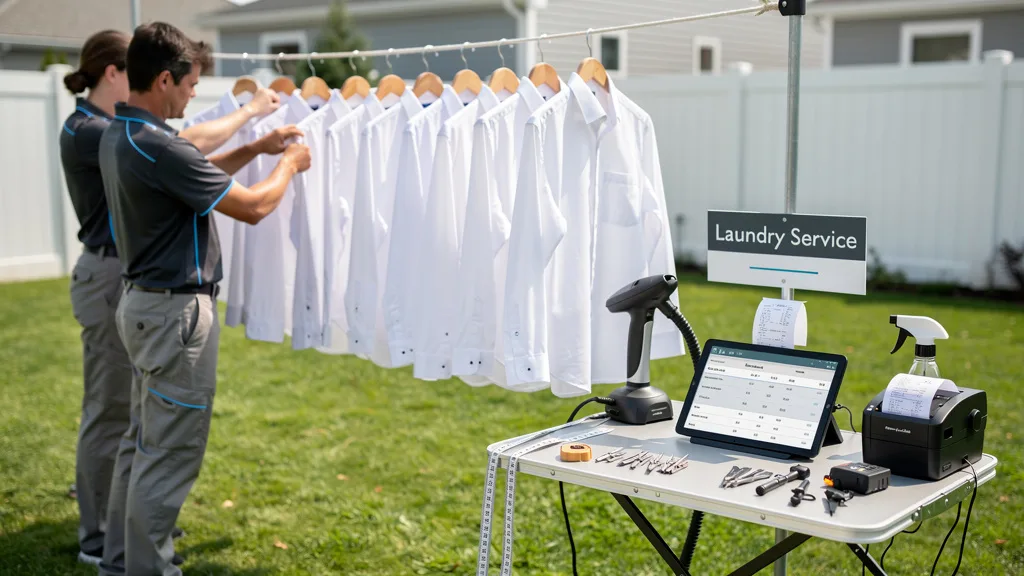
Air drying is the clear winner for longevity. It eliminates the risk of heat damage and shrinkage. Hang your shirts on a sturdy clothesline or a drying rack in a well-ventilated area. Avoid direct sunlight for dark colors, as UV rays can cause fading. For white shirts, sunlight can actually help brighten them naturally.
Tumble drying is faster but riskier. If you choose this method, use a low heat setting and add a few clean, dry towels to absorb moisture and reduce drying time. Remove the shirts as soon as they are dry to the touch. Never leave them in the dryer after the cycle ends, as the residual heat can set wrinkles. These drying tips are essential care tips for premium shirts to last longer.
How to Hang Dry Without Stretching the Collar
Hanging a wet shirt improperly can stretch the collar and shoulders. Always use a wide, padded hanger that supports the full weight of the shirt. Avoid wire hangers, as they create pressure points and leave rust marks. Button the top button to help the collar maintain its shape as it dries.
For best results, hang the shirt by the bottom hem or use a clip hanger on the side seams. This distributes the weight evenly and prevents the collar from sagging. If you must hang by the shoulders, use a hanger that matches the shirt’s shoulder width. This simple technique is one of the most overlooked care tips for premium shirts to last longer.
Ironing and Steaming for a Crisp Finish
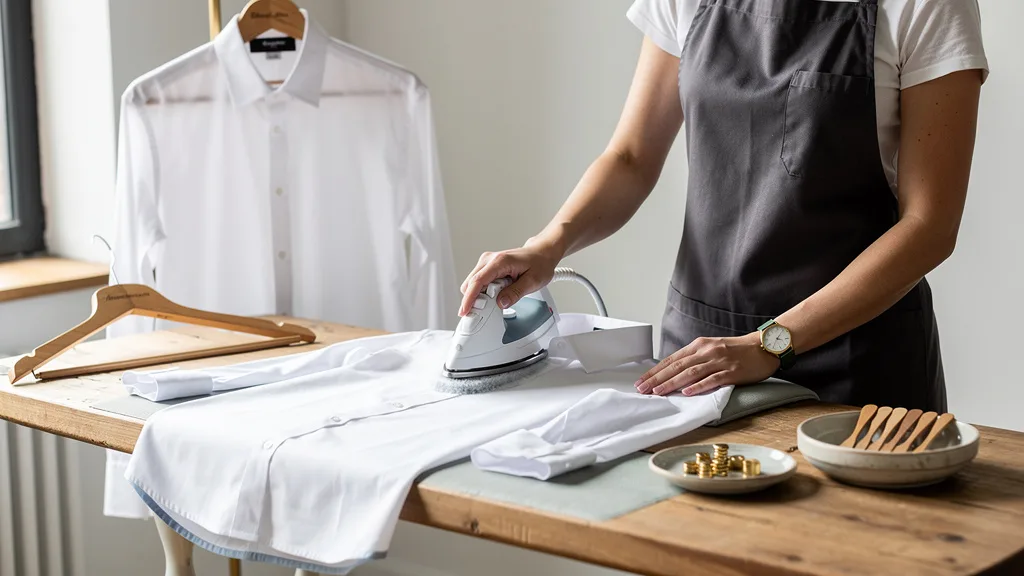
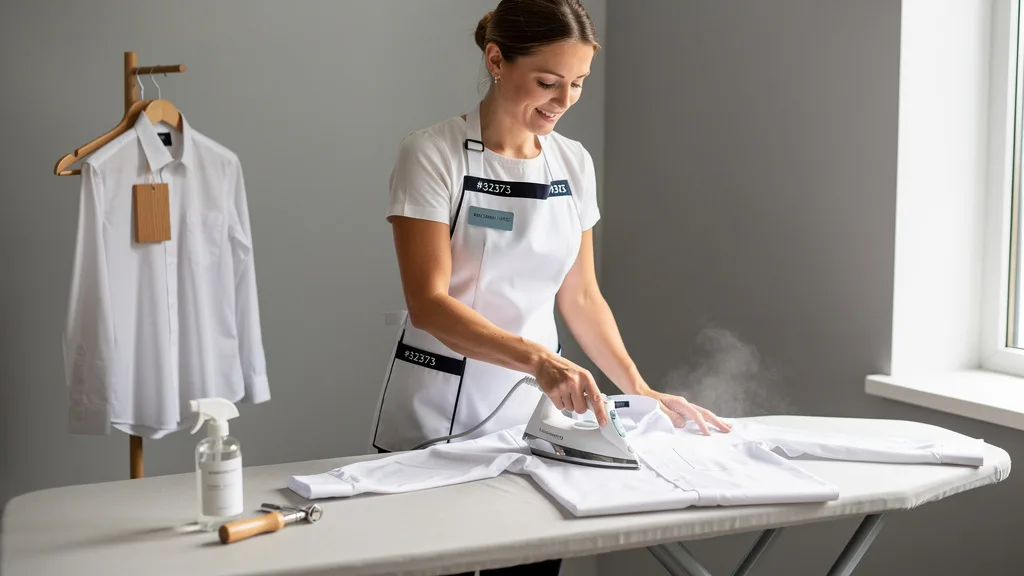
A well-ironed shirt exudes professionalism and care. Ironing not only removes wrinkles but also helps set the fabric’s shape. However, using the wrong heat setting can scorch or melt the fibers. Always check the care label for the recommended iron temperature.
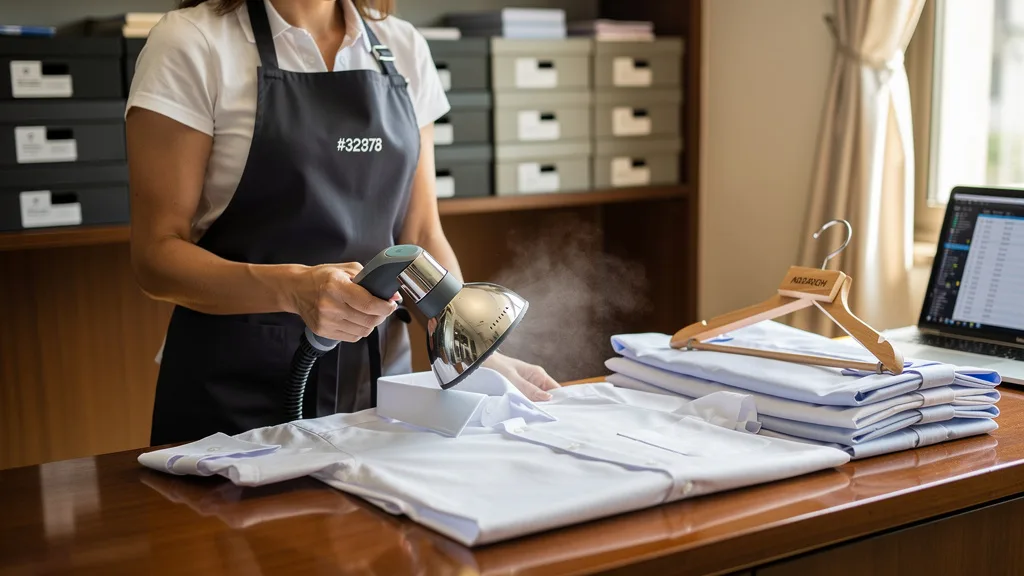
Iron your shirts while they are still slightly damp for the best results. This makes wrinkles easier to remove and reduces the need for high heat. Use a spray bottle to mist the fabric if it has dried completely. Iron in sections, starting with the collar and cuffs, then the sleeves, and finally the body.
Iron Temperature Settings by Fabric
Cotton shirts can handle medium to high heat, but always test a small area first. Linen requires high heat and plenty of steam to smooth out its natural wrinkles. Silk and synthetic blends need low heat to avoid melting or shining. Use a pressing cloth between the iron and the fabric for delicate materials.
If you are unsure about the temperature, start low and increase gradually. A steam iron is ideal for most fabrics, as the moisture helps relax the fibers. For stubborn wrinkles, use the steam burst feature. Matching the iron temperature to the fabric is a key part of care tips for premium shirts to last longer.
Steaming as a Gentle Alternative to Ironing
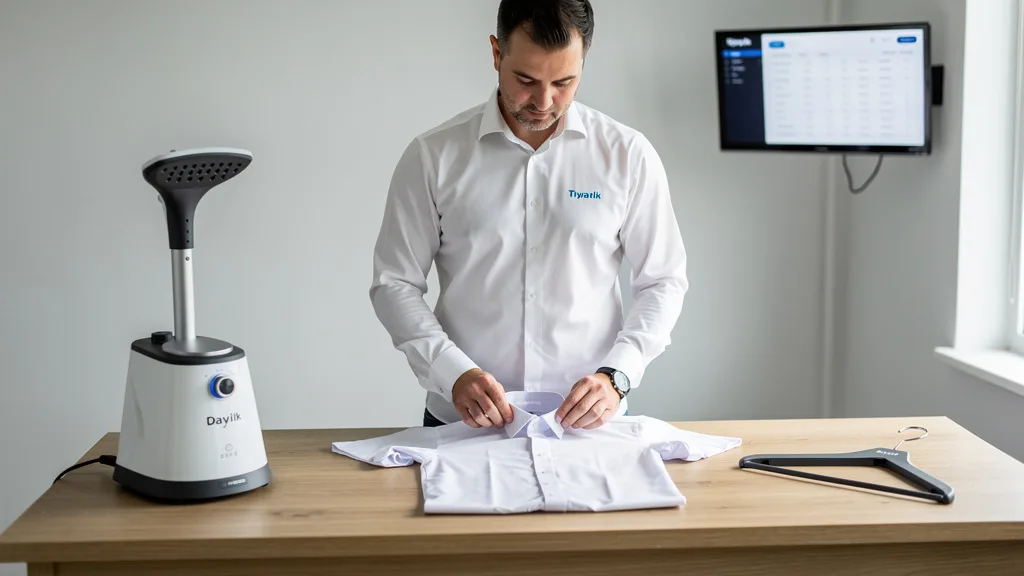
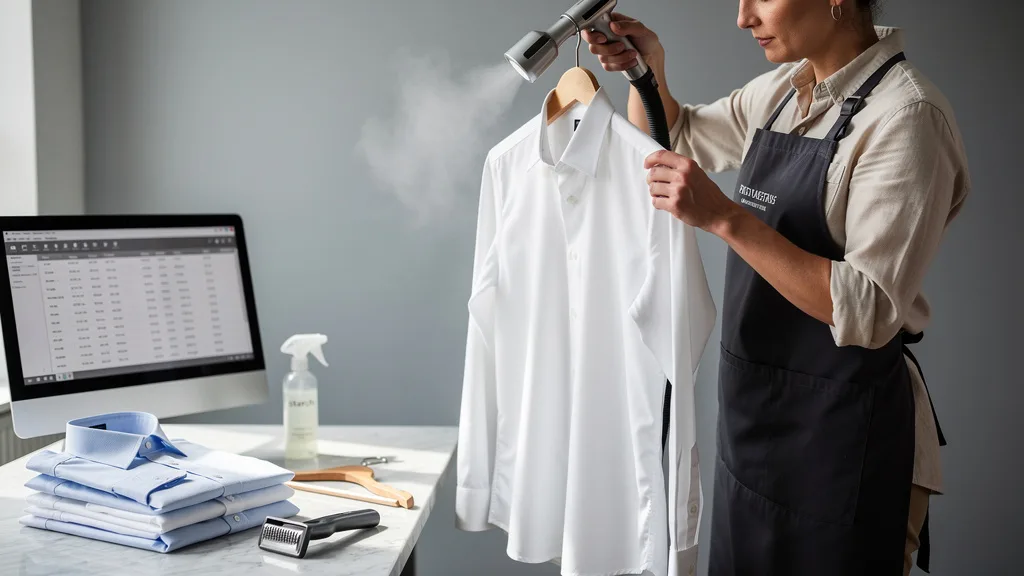
Steaming is a gentler option that does not press the fibers flat. It is ideal for removing wrinkles from delicate fabrics like silk, linen, and blends. A handheld steamer is quick and convenient for refreshing a shirt between wears. It also helps kill bacteria and remove odors without washing.
Hang the shirt on a sturdy hanger and steam from top to bottom. Keep the steamer head a few inches away from the fabric to avoid water spots. Steaming is especially useful for shirts with pleats or embellishments that could be damaged by an iron. Incorporating steaming into your routine is one of the smartest care tips for premium shirts to last longer.
Storage Tips to Maintain Elegance and Longevity
How you store your shirts between wears is just as important as how you wash them. Improper storage can lead to wrinkles, yellowing, and fabric distortion. A little attention to your closet setup goes a long way in preserving your shirts.
Always store clean, completely dry shirts. Moisture can cause mildew and yellowing. Keep your closet well-ventilated and avoid overcrowding. Give each shirt enough space to breathe. This prevents wrinkles and makes it easier to select your outfit each morning.
Using Quality Hangers to Preserve Shoulder Shape
The right hanger is essential for maintaining a shirt’s structure. Choose wide, contoured wooden or padded hangers that support the shoulders. Avoid thin wire hangers, which can create bumps and distort the shoulder pads. A good hanger distributes the weight evenly and prevents the fabric from stretching.
For heavy shirts or those with structured shoulders, use a hanger with a wider span. Button the top button to keep the collar in place. If you notice the shoulders starting to sag, switch to a hanger that better matches the shirt’s size. This is a simple but effective part of care tips for premium shirts to last longer.
Folding vs Hanging for Different Shirt Types
Not all shirts should be hung. Casual shirts, linen shirts, and knit polo shirts are better folded to prevent stretching. Fold them neatly and store them on a shelf or in a drawer. For dress shirts and formal shirts, hanging is usually the better option to maintain a crisp appearance.
If you fold a shirt, use the flat-fold method to minimize creases. Place tissue paper between layers for added protection. For hanging, ensure the shirt is buttoned and the collar is flat. Rotate your shirts regularly so that no single shirt is worn or stored in the same position for too long. These storage tips are vital care tips for premium shirts to last longer.
Key Takeaways
- Wash with care: Always sort by color and fabric, use cold water, and choose a gentle detergent. Turn shirts inside out and remove collar stays before washing.
- Dry gently: Air drying is best to prevent shrinkage. If using a dryer, select low heat and remove shirts while slightly damp.
- Iron or steam wisely: Match the iron temperature to the fabric. Steaming is a gentle alternative for delicate shirts.
- Store properly: Use quality hangers for dress shirts and fold casual shirts. Keep your closet well-ventilated and avoid overcrowding.
- Treat stains promptly: Address spills immediately with a gentle stain remover to prevent permanent damage.
Frequently Asked Questions
How often should you wash a premium dress shirt?
You do not need to wash a premium dress shirt after every single wear. Unless it is visibly soiled or has absorbed sweat, you can wear it two to three times before washing. Over-washing accelerates fabric wear and fading. Instead, air out the shirt after wearing it by hanging it in a well-ventilated area.
For shirts worn in hot weather or during physical activity, wash after each use to prevent sweat stains from setting. Rotating between several shirts extends the life of each one. This approach is a practical part of care tips for premium shirts to last longer.
Can you machine wash a formal shirt with a collar stay?
No, you should always remove collar stays before machine washing. Collar stays are typically made of metal or plastic and can bend, break, or scratch the fabric during the wash cycle. They can also damage the washing machine drum. Simply slide them out and store them in a safe place.
After washing and drying, reinsert the stays before ironing. This helps the collar maintain its crisp shape. Making this a habit is one of the easiest care tips for premium shirts to last longer.
What is the best way to remove stains from a white shirt?
Treat stains as soon as possible. Blot the stain with a clean cloth to absorb excess liquid, then apply a small amount of gentle liquid detergent directly to the stain. Gently rub the fabric together and let it sit for 10 to 15 minutes before washing in cold water. For stubborn stains, use a stain remover that is safe for the fabric.
Avoid using bleach, as it can yellow white cotton over time. Instead, try a mixture of baking soda and water or a gentle oxygen-based stain remover. For tough stains like wine or ink, consult a professional cleaner. Prompt stain treatment is a key part of care tips for premium shirts to last longer.
Does fabric softener damage premium cotton shirts?
Yes, fabric softener can damage premium cotton shirts over time. It coats the fibers with a waxy layer that reduces breathability and can cause yellowing. It also weakens the fibers, making the shirt more prone to tearing and pilling. For high-quality cotton, skip the fabric softener entirely.
If you want softer shirts, add a half cup of white vinegar to the rinse cycle. Vinegar naturally softens fabric and helps remove detergent residue. This is a safer alternative that aligns with care tips for premium shirts to last longer.
How do you keep a shirt collar from curling over time?
Collar curling is often caused by improper washing and drying. Always unbutton the collar before washing and use a gentle cycle. Avoid wringing or twisting the shirt. When drying, lay the collar flat or hang the shirt by the bottom hem to prevent the collar from stretching.
During ironing, press the collar flat from the tips inward. Use starch sparingly, as too much can stiffen the fabric and cause cracking. Reinsert collar stays after ironing to maintain the shape. These steps are essential care tips for premium shirts to last longer.
Conclusion
Caring for premium shirts does not have to be complicated. By following the care tips for premium shirts to last longer outlined in this guide, you can keep your best formal shirts looking new for years. The key is to be consistent with gentle washing, careful drying, proper ironing, and smart storage. Each step protects your investment and ensures you always look your best.
Whether you are a professional who wears dress shirts daily or someone who values quality in their wardrobe, these habits make a real difference. You will save money by replacing shirts less often and enjoy the confidence that comes with wearing a well-maintained garment. Start with one change, such as switching to cold water washes or air drying, and build from there.
Now that you know how to care for your shirts, it is time to put that knowledge into action. Explore our collection of premium shirts designed for comfort and style. Each piece is made to last when you treat it right.
Ready to upgrade your wardrobe? SHOP NOW and discover shirts that combine quality with timeless elegance.