
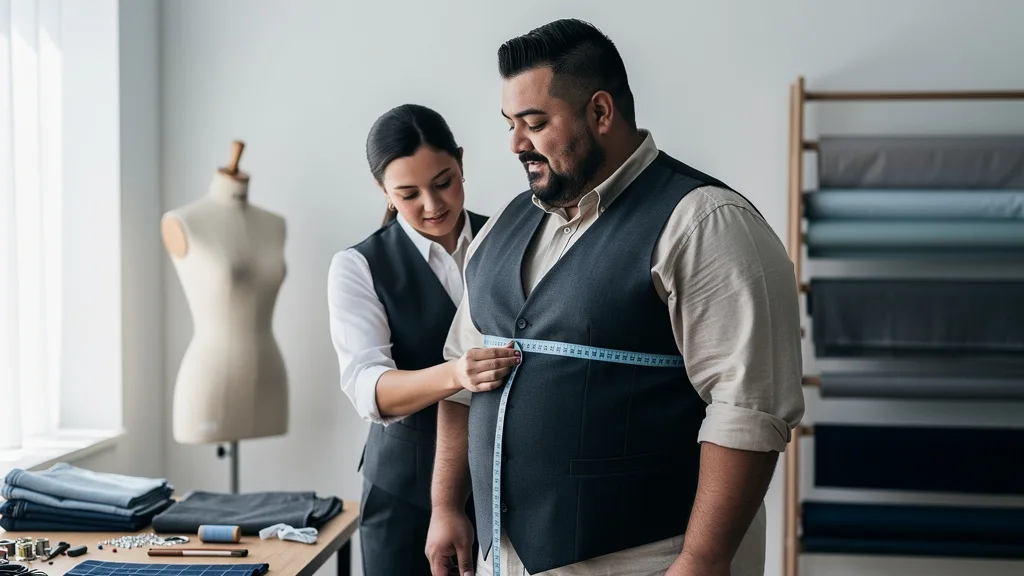
Struggling to find a kurta that fits your frame perfectly without being too tight or too baggy? The key to unlocking a sharp, comfortable, and flattering look lies in accurate measurements. Taking the time to measure correctly ensures your traditional wear drapes properly, enhances your silhouette, and provides all-day comfort, whether for a special occasion or daily wear.
To measure for a kurta, you will need a flexible measuring tape. Key measurements include the chest at its fullest part, the stomach at its widest point, the hips, the shoulders from point to point, the desired sleeve length, and the ideal overall kurta length from shoulder to knee. Always keep the tape snug but not tight and record each measurement carefully for the best results.
Tools You Will Need for Accurate Measurements
Before you begin, gathering a few simple tools will make the process smooth and ensure your numbers are precise. Having the right equipment on hand prevents guesswork and leads to a much better final fit. You don’t need a professional tailor’s kit, just a couple of household items.
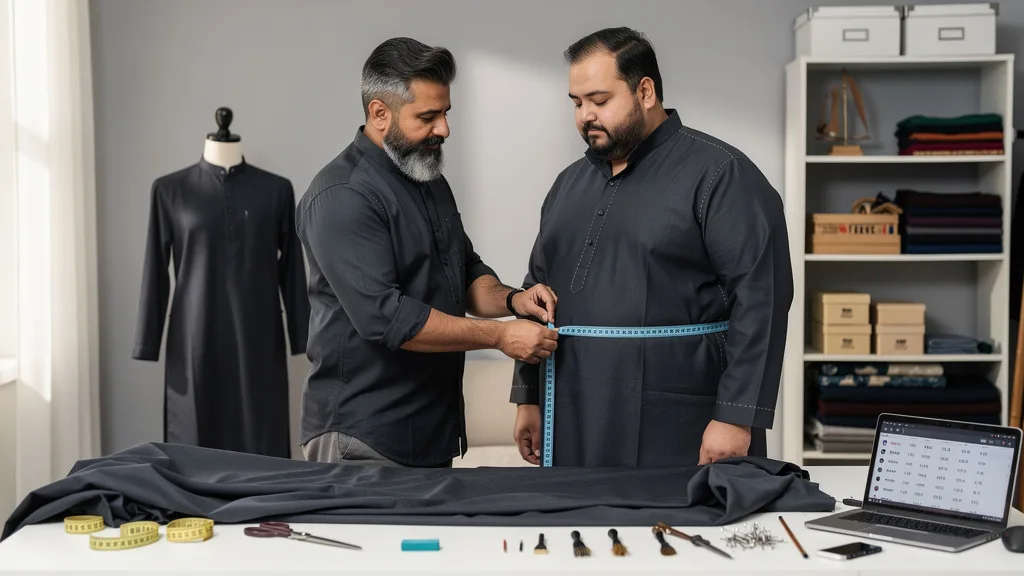
Here is what you will need to get started:
- A Flexible Measuring Tape: A soft, flexible tape (often called a tailor’s tape) is essential. A rigid metal tape measure will not contour to your body and will result in inaccurate measurements.
- A Pen and Paper or a Notes App: You will want to jot down each measurement as you take it. Don’t try to remember them all, as it’s easy to mix them up.
- A Friend or Family Member: While you can take most measurements yourself, having someone assist you, especially for the shoulders and sleeve length, can greatly improve accuracy.
- Well-Fitted Clothing: Wear a thin, well-fitted t-shirt and trousers. Measuring over bulky clothing like sweaters or hoodies will add unnecessary inches to your measurements.
Following a systematic approach is the best way to ensure you capture all the necessary dimensions for a great-fitting garment. This step-by-step guide breaks down the process, focusing on the key areas that define the fit of a kurta, especially for a larger body type. Take your time with each step and measure twice to confirm your numbers.
Step 1: Measure Your Chest
The chest measurement is one of the most critical for a comfortable fit across your upper body. Stand up straight with your arms relaxed at your sides. Have a helper wrap the measuring tape around the fullest part of your chest, typically just under your armpits and across your shoulder blades.
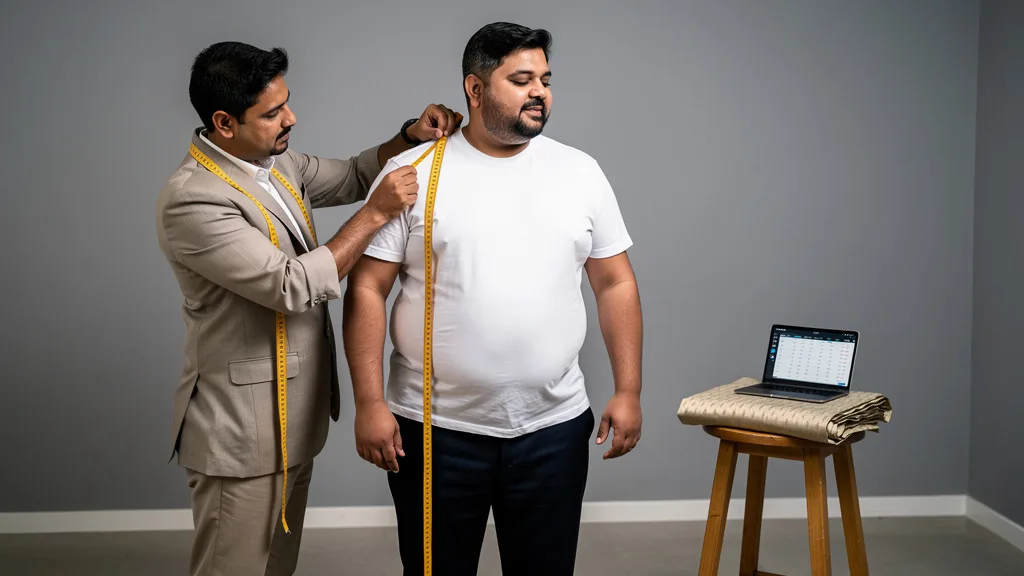
Ensure the tape is level all the way around and is snug against your body but not so tight that it constricts your breathing. You should be able to fit one finger between the tape and your body. This measurement determines the primary size of the kurta’s torso.
Step 2: Measure Your Stomach at the Widest Point
For big and tall men, the stomach measurement is just as important as the chest, if not more so. A kurta that is tight around the midsection will be uncomfortable and unflattering. Locate the widest part of your stomach, which is usually at or just above your navel.
Wrap the measuring tape around this point, keeping it parallel to the floor. Again, the tape should be snug but not digging into your skin. This measurement ensures the kurta has enough room in the midsection for you to move and sit comfortably.
Step 3: Measure Your Hips
The hip measurement ensures the kurta drapes correctly and doesn’t pull or feel tight when you walk or sit. Stand with your feet together and measure around the fullest part of your hips and seat. It’s important to keep your pockets empty to avoid adding extra inches.
Keep the tape measure level and parallel to the floor. This dimension is crucial for the flare and fall of the kurta, ensuring the side slits (chaak) sit properly and allow for easy movement. A proper hip measurement prevents the fabric from bunching up uncomfortably.
Step 4: Measure Your Shoulders (Tira)
The shoulder measurement, also known as ‘Tira’ in traditional tailoring, defines the structure of the upper part of the kurta. An incorrect shoulder measurement can cause the garment to look sloppy or feel restrictive. Stand straight with your shoulders relaxed. perfectly fitting kurta.
Measure from the outer edge of one shoulder (where the shoulder seam of a well-fitting shirt would sit) across your back to the outer edge of the other shoulder. The tape should follow the natural curve of your upper back. This ensures the sleeves will hang correctly from your shoulders.
Step 5: Measure Your Sleeve Length
Sleeve length is a matter of personal preference but traditional kurtas usually end at the wrist. Let your arm hang relaxed at your side with a slight bend at the elbow. Place the end of the measuring tape at the point of your shoulder where you ended the shoulder measurement.
Run the tape down your arm to your wrist bone or to the point where you would like the sleeve to end. Getting this right is key to a polished look. For more detailed instructions on related measurements, you can review a guide on how to measure your neck and sleeve for dress shirts, as the principles are similar.
Step 6: Determine Your Ideal Kurta Length
The length of the kurta impacts the overall style and proportion. A classic kurta length is typically just above or at the knee. Stand straight and place the measuring tape at the highest point of your shoulder, near the base of your neck.
Let the tape hang straight down over the front of your body. Look in a mirror and decide where you want the hem of the kurta to fall. Note this measurement. For a more traditional or formal look, you might opt for a slightly longer length, while a shorter length can feel more casual.
Expert Tips for Measuring a Plus Size Body Type
Measuring a plus-size body requires a few specific considerations to ensure the most comfortable and flattering fit. The goal is to create a silhouette that drapes well and allows for unrestricted movement, rather than simply getting the largest size available. Paying attention to these details can make all the difference.
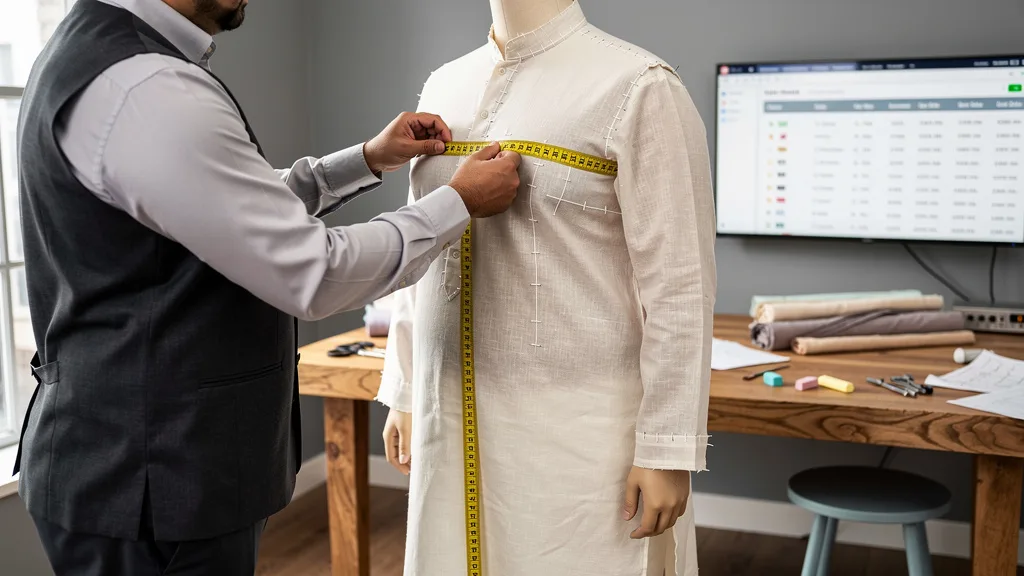
First, always measure at the widest or fullest points of your chest, stomach, and hips. Don’t be tempted to suck in your stomach or hold your breath; measure your body in a relaxed, natural state. Second, never pull the measuring tape too tight. A good rule of thumb is to ensure you can comfortably slide two fingers underneath the tape. This builds ‘ease’ into the measurement, which is the extra room needed for movement. Finally, consider your posture. Stand up straight but comfortably, as you normally would, to get a true-to-life measurement.
Ready-Made vs Custom-Tailored Kurta: Which Is Better?
When shopping for a kurta, especially for a larger build, you’ll face the choice between a ready-made (off-the-rack) garment and a custom-tailored one. While ready-made options offer convenience, they often fail to accommodate the unique proportions of a plus-size body, leading to a poor fit in key areas like the stomach, shoulders, or hips.
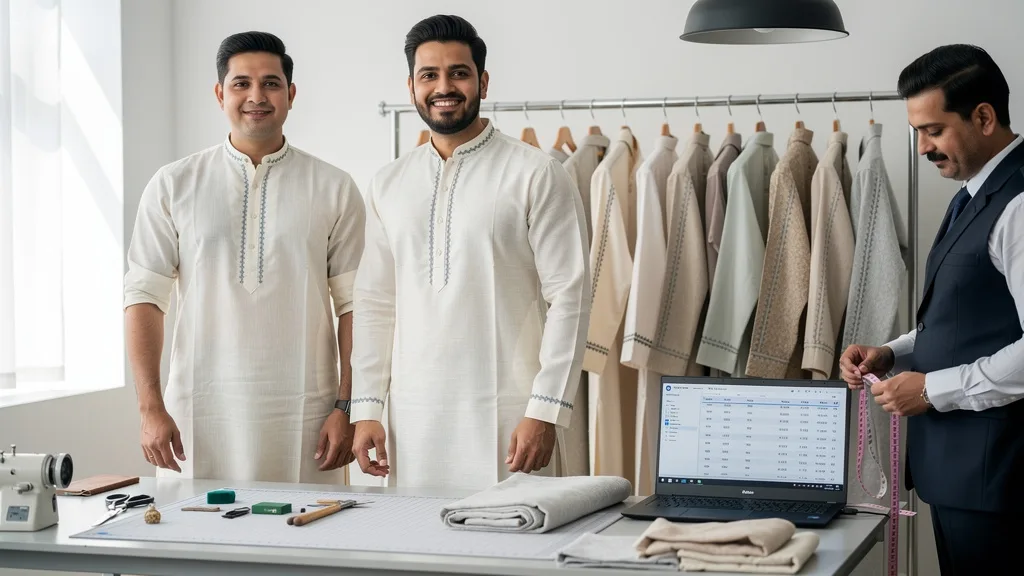
A custom-tailored kurta, on the other hand, is created using your specific measurements. This ensures a perfect fit that is both comfortable and flattering. It addresses common fit issues like a tight midsection or overly broad shoulders. While it may require more time and a larger initial investment, the superior fit, comfort, and confidence it provides make it a worthwhile choice for many. Here’s a quick comparison:
| Feature | Ready-Made Kurta | Custom-Tailored Kurta |
|---|---|---|
| Fit | Standardized sizing, often poor for non-standard body shapes. May be tight in some areas and loose in others. | Made to your exact measurements, providing a perfect, flattering fit for a plus-size frame. |
| Comfort | Can be restrictive, especially around the stomach and shoulders. | Excellent comfort and freedom of movement due to a personalized fit. |
| Fabric & Design | Limited to available stock and choices offered by the brand. | Complete freedom to choose your preferred fabric, color, and design details. |
| Time | Available immediately for purchase. | Requires time for measurements, tailoring, and fittings (typically 1-4 weeks). |
| Cost | Generally more affordable and budget-friendly. | Higher initial cost due to personalized service and craftsmanship. |
Top-Rated Kurta Fabrics for Larger Men
The choice of fabric plays a significant role in how a kurta looks and feels, particularly for big and tall men. The right material can offer a slimming effect, provide breathability, and drape elegantly over your frame without clinging. Heavier, stiffer fabrics can add bulk, while overly thin fabrics might not be flattering. accurate measurements.
Here are some of the best fabric choices that offer both comfort and style:
- Cotton: A timeless choice, cotton is breathable, comfortable, and easy to maintain. Look for high-quality cottons like Egyptian or Pima for a softer feel and better drape.
- Linen: Known for its exceptional breathability, linen is perfect for warmer climates. It has a natural, slightly textured look and gets softer with each wash.
- Silk Blends: For festive occasions, a cotton-silk or raw silk blend offers a luxurious sheen without being overly flashy. These blends drape beautifully and have a structured look.
- Khadi: This hand-spun, hand-woven fabric is lightweight, airy, and offers a unique texture. It provides excellent comfort and a sophisticated, artisanal appeal.
When selecting a fabric, consider its weight and structure. Fabrics with a bit of weight and a smooth drape will generally be more flattering than those that are either too stiff or too flimsy. Exploring different XXXXL clothing brands for big guys can also give you an idea of the types of materials that work well for larger sizes.
Latest Kurta Design Trends for Men in 2026
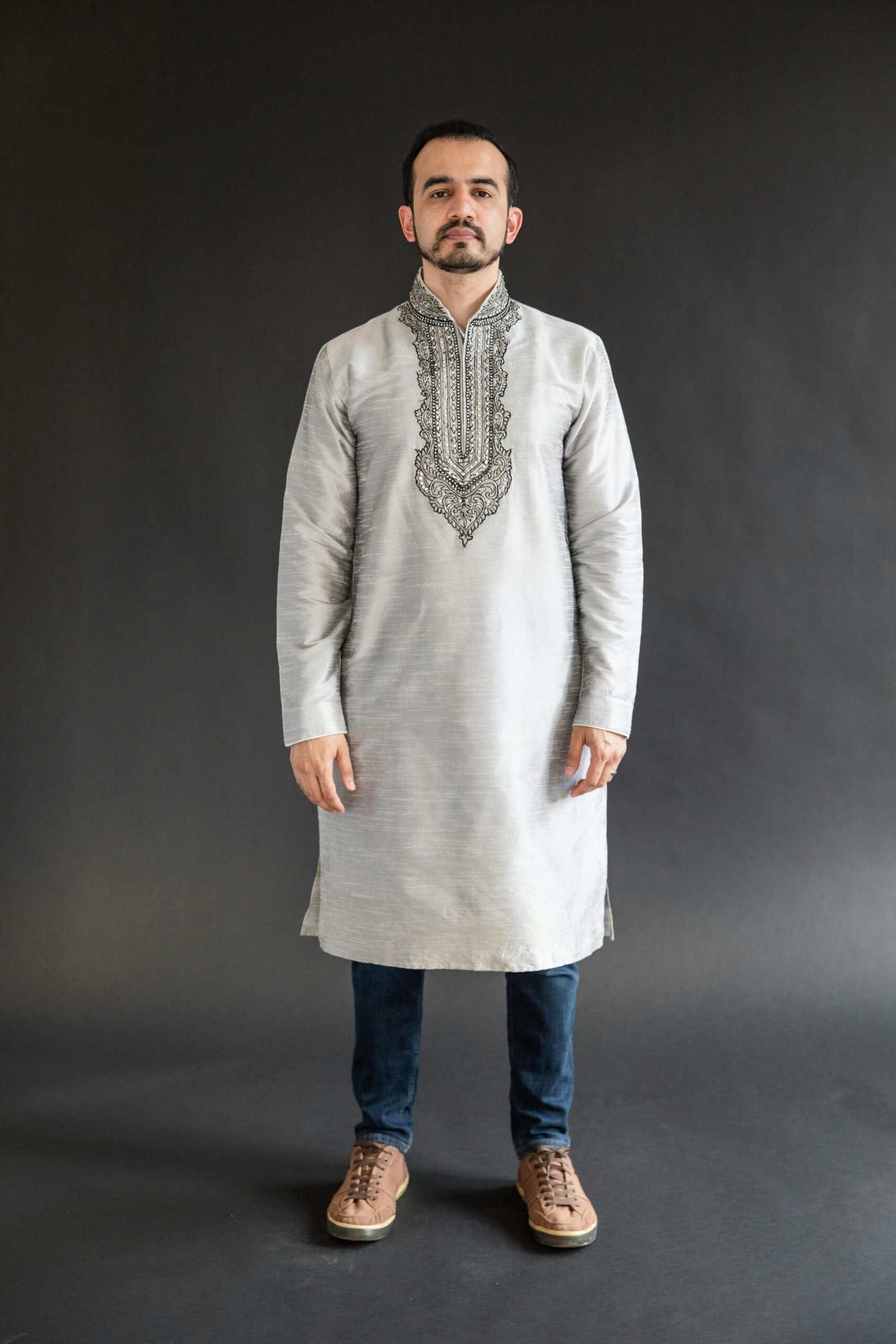
As of 2026, kurta designs for men are blending traditional aesthetics with modern minimalism, offering stylish options for every body type. For men with a heavier build, certain trends are particularly flattering and can enhance your style. The focus is on clean lines, sophisticated details, and colors that create a streamlined silhouette.
One of the top trends is the move towards solid, dark colors like navy, charcoal grey, deep burgundy, and forest green. These shades have a naturally slimming effect. Vertical patterns, such as subtle pinstripes or textured weaves, also help create an illusion of height and length. Embroidery is becoming more minimalistic, with focus on the collar, placket, and cuffs rather than all-over heavy work. Asymmetrical hemlines and modern cuts are also gaining popularity, offering a contemporary twist on the classic garment. These Pakistani kurta set outfit ideas often incorporate these modern trends effectively.
Best Online Stores for Custom-Fit Kurtas for Big Guys
Finding a reliable online store that caters to plus-size men and offers customization can feel challenging. However, many premium brands now recognize the need for inclusive sizing and made-to-measure services. When searching for the best online retailers, there are several key features to look for to ensure a positive experience and a high-quality product. flattering look.
First, look for stores that provide a detailed and clear guide on how to take your measurements. The best brands offer video tutorials or illustrated instructions. Second, check if they have a dedicated plus-size collection or a clear option to enter custom measurements during the checkout process. Customer reviews are also invaluable, particularly those from other big and tall customers. Finally, a transparent and fair return or alteration policy is a must, as it provides a safety net if minor adjustments are needed. At Vastgent, we pride ourselves on offering premium fabrics and a custom-fit option to ensure every customer finds their perfect kurta.
Key Takeaways
Mastering how to measure for a kurta: step by guide for big guys is the first step toward achieving a wardrobe that fits perfectly and makes you feel confident. A few key principles will guide you to success. Remember these essential points before you start shopping or order a custom garment.
- Use the Right Tools: A flexible tailor’s tape is non-negotiable for accurate body measurements.
- Measure Key Points: Focus on getting precise numbers for your chest, stomach (at its widest), hips, shoulders, sleeves, and desired length.
- Prioritize Comfort: Always add a little ‘ease’ to your measurements (e.g., the two-finger rule) to ensure you can move and breathe comfortably.
- Choose Fabric Wisely: Opt for breathable, structured fabrics like high-quality cotton, linen, or silk blends that drape well without clinging.
- Consider Custom Tailoring: For the ultimate fit, a made-to-measure kurta is often the best investment for a plus-size body type, eliminating common fit issues of ready-made garments.
Frequently Asked Questions
How much does a bespoke kurta for a big and tall man typically cost?
The cost of a bespoke or custom-tailored kurta for a big and tall man can vary significantly, typically ranging from $100 to $400 or more. The final price depends on several factors, including the quality and type of fabric chosen, the complexity of the design, the amount of embroidery or embellishment, and the reputation of the tailor or brand.
High-end fabrics like pure silk or fine linen will be at the upper end of the price range, while a custom-fit cotton kurta will be more affordable. While the initial investment is higher than a ready-made garment, the perfect fit and longevity often justify the cost.
Where can I find reviews of Indian ethnic wear brands that specialize in plus sizes?
Finding reliable reviews is crucial for making an informed purchase. Start by looking for dedicated plus-size fashion bloggers or influencers on social media platforms like Instagram and YouTube, as they often provide detailed reviews and try-ons. Online fashion forums and communities, such as those on Reddit, can also be a great source of unbiased opinions from real customers.
Additionally, check independent review platforms like Trustpilot for feedback on specific brands. When on a brand’s website, look for a customer reviews section with photos, which can give you a better idea of how the garments fit on different body types.
How much extra room should I add to my measurements for a comfortable fit?
Adding ‘ease’ is essential for comfort and mobility. As a general rule, you should add about 3-4 inches to your actual chest, stomach, and hip measurements for a comfortable, classic fit. For example, if your chest measures 50 inches, your kurta’s chest measurement should be around 54 inches.
If you prefer a more fitted look, you can add slightly less (2-3 inches), and for a looser, more relaxed fit, you can add more (5-6 inches). If a brand asks for your ‘body measurements’, they will typically add the ease themselves, so be sure to clarify whether you should provide your exact body size or the desired garment size.
Can I take my own measurements for a kurta?
Yes, you can take most of your own measurements for a kurta. Measurements like chest, stomach, hips, and length are relatively straightforward to do on your own while standing in front of a mirror to ensure the tape is level. However, some measurements can be tricky to get right by yourself.
The shoulder width and sleeve length are particularly difficult to measure accurately without assistance. If possible, it is highly recommended to have a friend or family member help you. This will ensure greater precision and ultimately a better-fitting garment.
What is the difference between a kurta and a sherwani?
While both are traditional South Asian garments for men, a kurta and a sherwani serve different purposes and have distinct features. A kurta is typically a more casual, knee-length tunic made from fabrics like cotton or linen, intended for everyday wear or semi-formal events. It is versatile and can be paired with pajamas, salwar, or even jeans. You can learn more about different styles by exploring a Pathani kurta vs Punjabi comparison.
A sherwani, on the other hand, is a formal, coat-like garment that is longer than a kurta, often falling below the knee. It is usually made from heavier, more luxurious fabrics like silk, brocade, or velvet and is heavily embellished. Sherwanis are reserved for formal occasions, most notably as wedding attire for grooms.
Conclusion
Taking accurate measurements is the most important step in finding a kurta that not only fits but also flatters your build. By following this guide, you can confidently measure yourself and understand what to look for in terms of fit, fabric, and style. A well-fitting kurta can significantly boost your confidence and comfort, transforming your traditional wear from a requirement into a style statement. Armed with this knowledge, you are ready to find or create the perfect kurta for any occasion.
Now that you know how to get the perfect measurements, it’s time to explore a collection designed with quality and style in mind. Our premium kurtas are crafted from breathable fabrics and are available with customization options to ensure an impeccable fit for every body type. Find your ideal style today. SHOP NOW.