

Are you choosing the right ethnic wear for your next event, or are you making a common style misstep? Understanding the nuances between traditional garments is key to looking your best. While both are staples of men’s ethnic fashion, the Pathani and Punjabi kurtas have distinct identities, and knowing which is which can significantly impact your overall look.
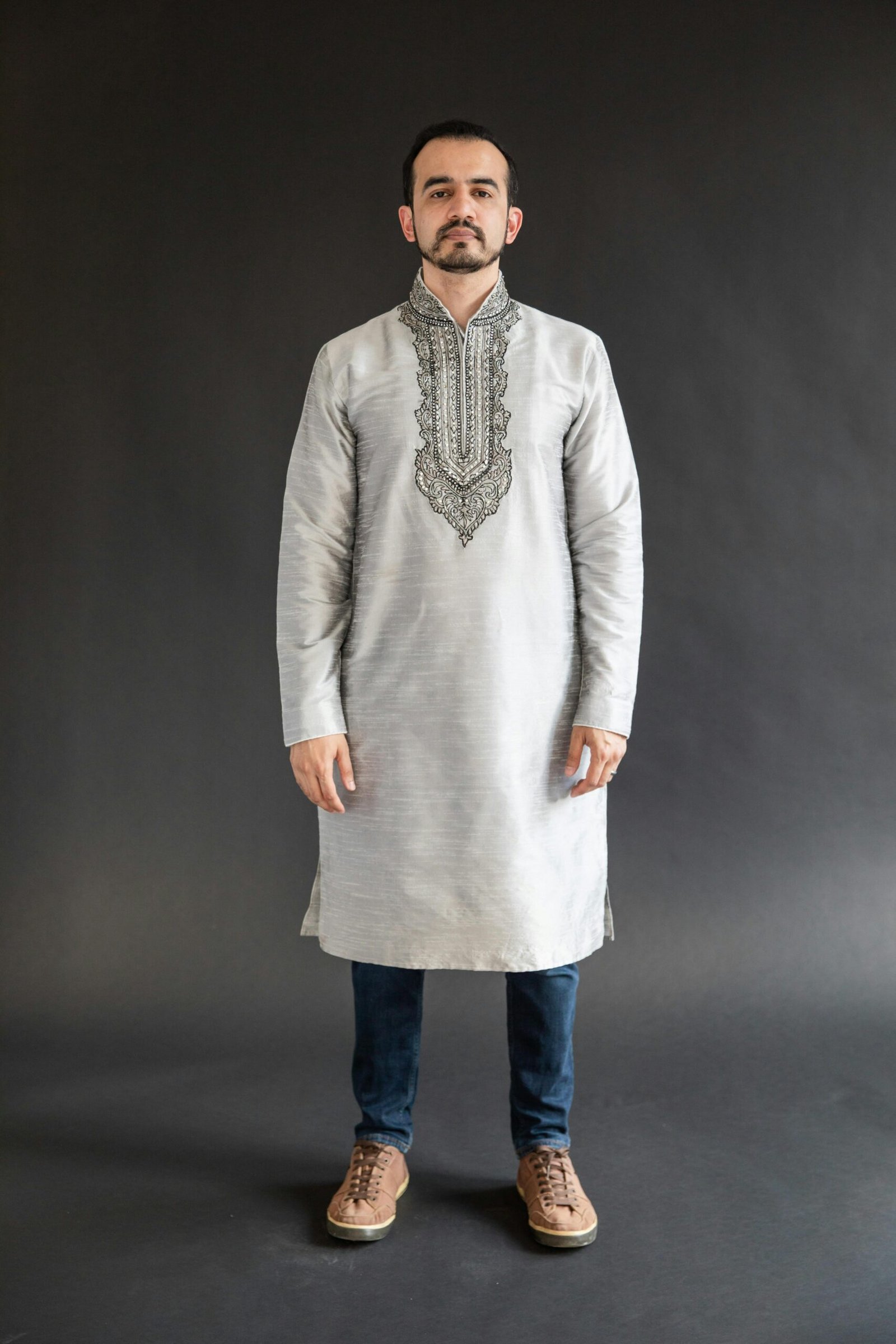
The primary difference in the Pathani kurta vs Punjabi: Key Differences Explained debate lies in their silhouette and design. A Pathani kurta features a straight, loose cut, a distinct shirt-style collar, and is typically knee-length or longer, paired with a loose salwar. In contrast, a Punjabi kurta is often shorter, may have a more tailored fit, and is characterized by a round or bandhgala-style neckline, commonly worn with a churidar or straight pajama.
Grasping these distinctions is crucial for anyone looking to build a versatile and authentic ethnic wardrobe. This choice affects not only your style but also the cultural context and comfort for any given occasion. Understanding these details is as important in ethnic wear as it is in modern casuals, like knowing the difference between a drop shoulder t-shirt vs regular fit.
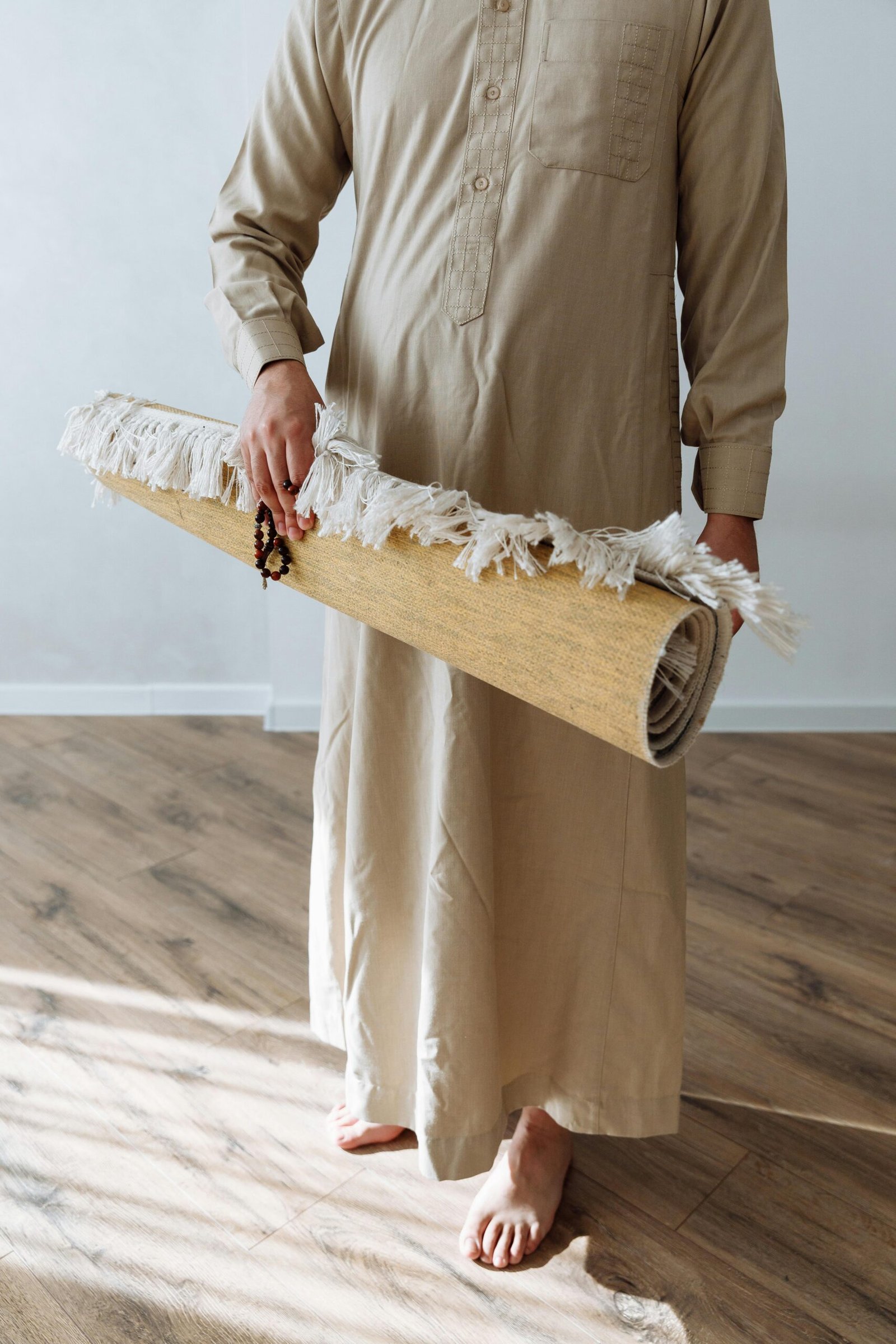
A Pathani kurta, often called a Khan suit or Kabuli suit, is a traditional garment with origins in the Khyber Pakhtunkhwa region, which spans parts of modern-day Pakistan and Afghanistan. It is defined by its strong, masculine silhouette and practical design. The most recognizable features are its crisp, shirt-like collar and a placket that runs partway down the chest, similar to a Western polo or henley shirt.
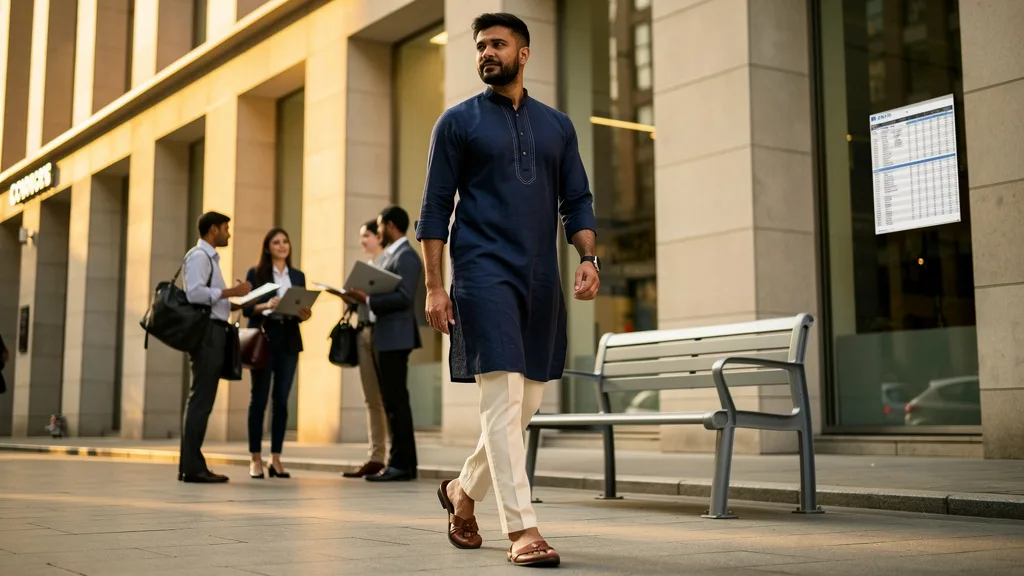
The cut of a Pathani kurta is intentionally straight and loose, designed for comfort and ease of movement. It typically falls to the knees or even lower, creating a commanding and stately presence. Many traditional designs also include shoulder tabs or epaulettes, a nod to its utilitarian roots. This garment is almost always paired with a salwar, a type of loose-fitting trouser that tapers at the ankle, completing the authentic Pathani suit ensemble.
Why Pathani Kurta Matters in 2026
In 2026, the Pathani kurta holds a unique position in men’s fashion, representing a blend of rugged elegance and heritage. Its popularity has surged beyond cultural boundaries, becoming a go-to choice for men seeking an alternative to the more common kurta pajama styles. The garment’s clean lines and understated design make it a powerful statement of sophisticated masculinity that feels both timeless and contemporary.
The versatility of the Pathani kurta is another reason for its enduring appeal. A simple cotton or linen version is perfect for a relaxed family gathering or a casual day out. Meanwhile, one crafted from silk or featuring subtle embroidery can be worn at semi-formal events and festive celebrations like Eid or a Sangeet ceremony. It offers a sense of gravitas without the formality of a sherwani.
“In 2026, the Pathani kurta stands out for its blend of commanding presence and relaxed comfort. It’s a statement of heritage that feels incredibly modern and masculine, offering a refreshing alternative in the world of ethnic fashion.”
How to Get Started with Pathani Kurta
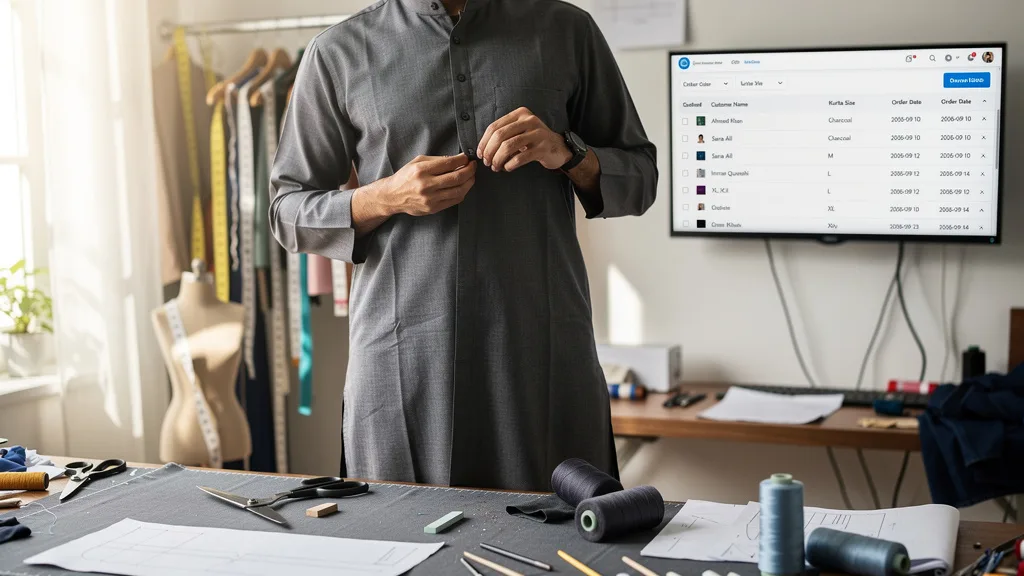
If you are considering adding a Pathani kurta to your wardrobe, the first step is choosing the right fabric. The material will dictate the look, feel, and occasion-appropriateness of the outfit. For everyday wear, especially in warmer climates, breathable fabrics are your best friend. For more formal events, you can opt for richer materials.
- Cotton: The most popular choice for its comfort, breathability, and affordability. Perfect for daily wear and casual events.
- Linen: Offers a crisp, sophisticated look that is highly breathable, making it ideal for daytime summer functions.
- Khadi: This hand-spun, hand-woven fabric provides a unique texture and a connection to artisanal heritage, lending an earthy and intellectual vibe.
- Silk and Silk Blends: Reserved for festive and celebratory occasions, these fabrics have a natural sheen and luxurious drape that elevate the entire look.
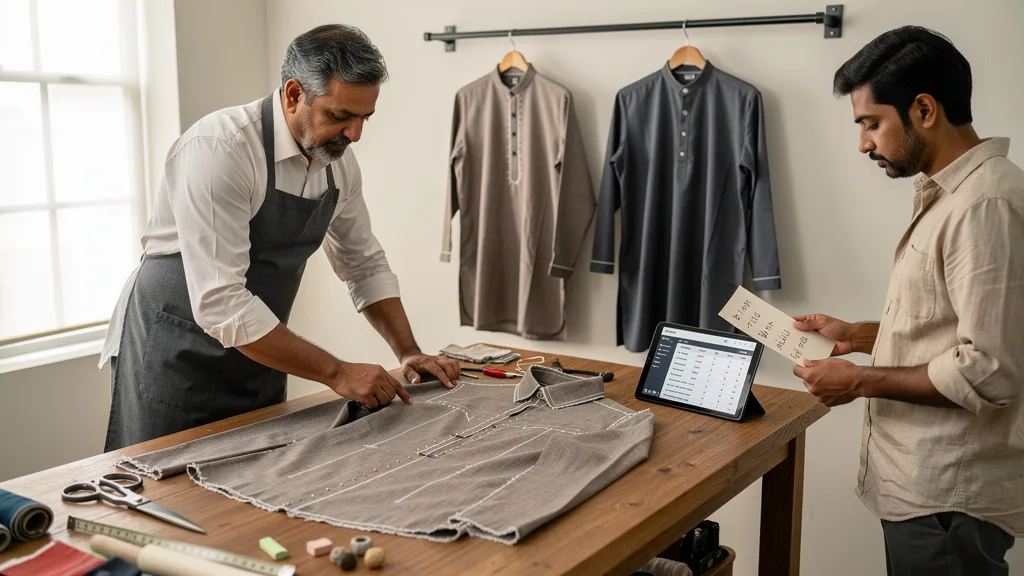
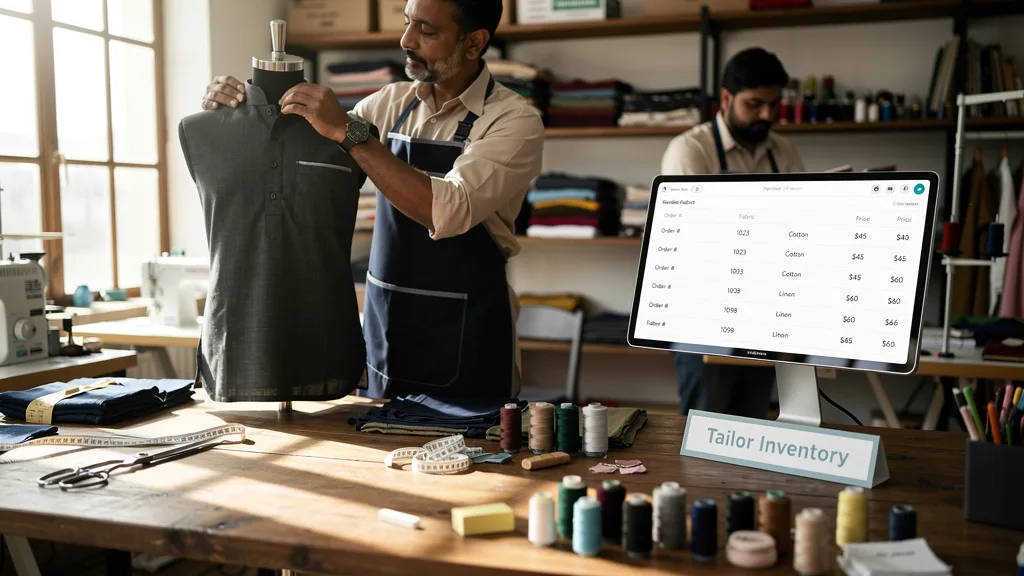
Once you have selected a fabric, consider the fit and color. While the Pathani silhouette is loose, the shoulders should fit perfectly to avoid a sloppy appearance. Start with classic, versatile colors like white, black, navy, or beige before exploring bolder hues. When you’re ready to purchase, you can find the perfect kurta for men that suits your style and ensures a great fit.
Best Practices for Pathani Kurta
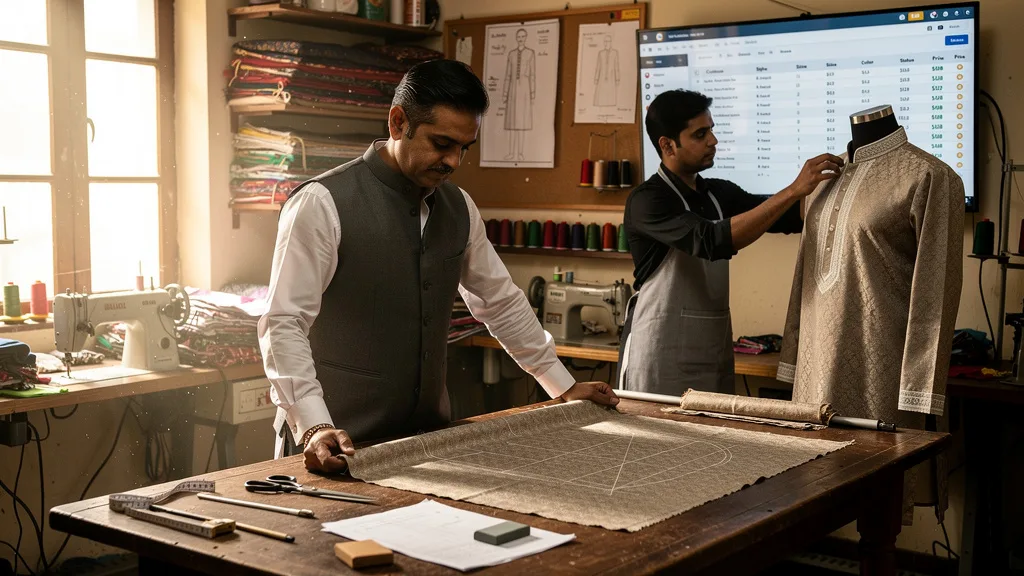
Styling a Pathani kurta correctly is essential to harnessing its full potential. The best practice is to lean into its inherent simplicity and elegance. For footwear, traditional Peshawari chappals are the classic and most authentic choice. Alternatively, leather sandals or simple loafers can also complement the outfit well. Avoid sneakers, as they clash with the traditional aesthetic.
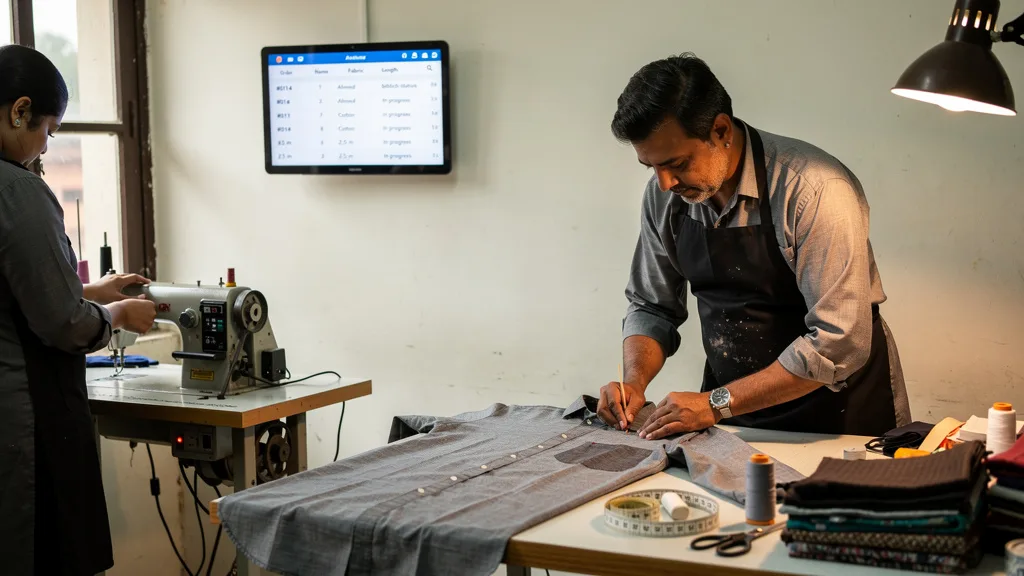
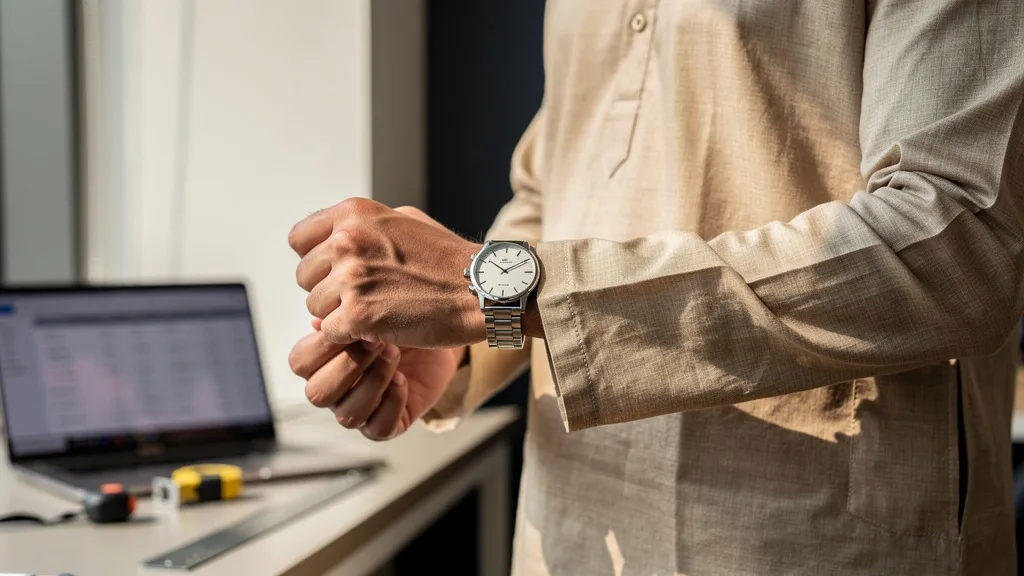
Accessorizing should be minimal. A classic wristwatch is often all that is needed to complete the look. For a more formal event, you can add a waistcoat or Nehru jacket over the kurta for a layered and sophisticated ensemble. While the Pathani suit has its unique charm, it’s also worth exploring other kurta pajama options for various events to build a well-rounded wardrobe. Understanding the core differences is the first step, as detailed in the table below.
| Feature | Pathani Kurta | Punjabi Kurta |
|---|---|---|
| Collar | Shirt-style collar with a placket | Round neck, band collar (Bandhgala), or no collar |
| Cut & Fit | Straight, loose, and flowing | Generally straight but can be slightly fitted |
| Length | Knee-length or longer | Hip-length to mid-thigh |
| Traditional Pairing | Loose Salwar | Pajama, Churidar, or Dhoti |
| Origin | Khyber Pakhtunkhwa (Pakistan/Afghanistan) | Punjab Region (India/Pakistan) |
| Typical Occasion | Casual to semi-formal, festive | Casual to festive, weddings |
Common Mistakes to Avoid
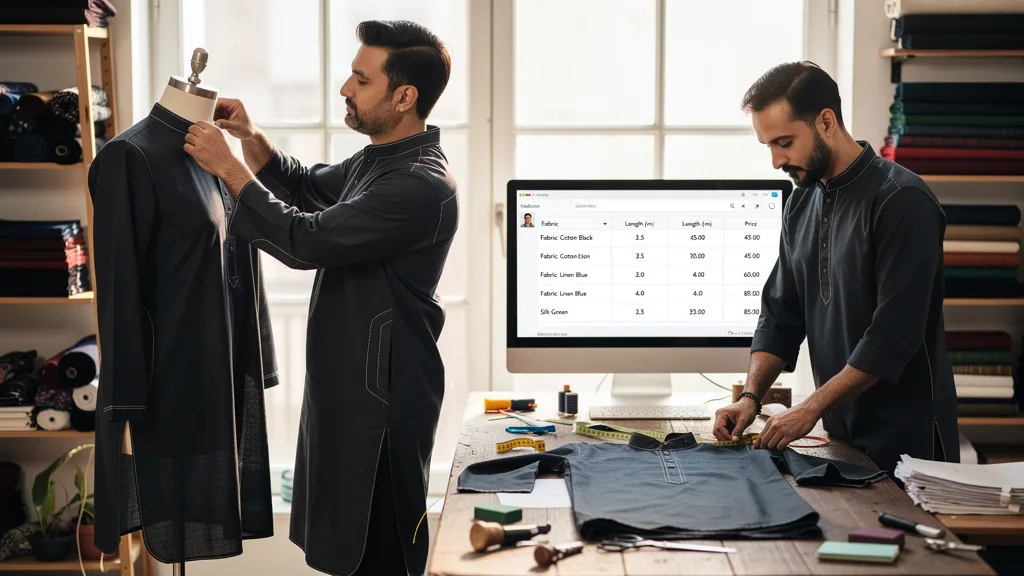
Wearing a Pathani kurta can make a powerful style statement, but a few common mistakes can undermine the look. The most frequent error is getting the fit wrong. A Pathani suit is meant to be loose, but it should not be excessively baggy. If the shoulders are too wide or the body is too billowy, it can look unkempt rather than effortlessly stylish. Conversely, a tight fit defeats the purpose of its comfortable, flowing silhouette.
Another pitfall is incorrect pairing. While fashion is about experimentation, pairing a traditional Pathani kurta with modern bottoms like jeans can be tricky to pull off. It often creates a jarring contrast. For an authentic and foolproof look, stick with the traditional salwar or, for a modern twist, well-tailored straight-cut trousers. The choice of footwear is also critical; athletic shoes are a definite misstep that disrupts the entire aesthetic.
Finally, avoid over-accessorizing. The strength of the Pathani suit lies in its dignified simplicity. Piling on heavy chains, bracelets, or flashy rings can detract from its clean lines. A simple, elegant watch is usually sufficient. Similarly, be mindful of the occasion. Wearing a heavily embroidered silk Pathani suit to a casual brunch is as out of place as wearing a simple cotton one to a formal wedding reception. Context is everything in ethnic fashion.
Key Takeaways
Navigating the world of men’s ethnic wear becomes much simpler when you understand the key distinctions between popular styles. As you decide between a Pathani and Punjabi kurta, keep these essential points in mind.
- Distinct Silhouettes: The most significant difference is the silhouette. A Pathani kurta is long, straight, and features a shirt collar, conveying a sense of rugged formality. A Punjabi kurta is typically shorter, can be more fitted, and has a round or band collar, offering a classic and versatile look.
- Cultural Origins Matter: The Pathani style originates from the Khyber Pakhtunkhwa region, influencing its practical and stately design. The Punjabi kurta comes from the Punjab region, reflected in its widespread use for everything from daily wear to festive celebrations.
- Bottoms Complete the Look: The choice of trousers is not interchangeable. Pathani kurtas are traditionally paired with loose salwars, while Punjabi kurtas are worn with pajamas, churidars, or sometimes dhotis.
- Styling Defines the Outfit: For both styles, the right fit, fabric, and accessories are non-negotiable for an authentic and polished appearance in 2026.
- Different Moods, Different Occasions: While both are versatile, a Pathani kurta often projects a more serious and commanding presence, while a Punjabi kurta can be adapted for a wider range of festive and casual moods.
Frequently Asked Questions
What is the difference between a Punjabi kurta and a kurta?
The term “kurta” is a general name for a tunic-like shirt worn in South Asia. A “Punjabi kurta” is a specific regional variation of this garment. While a generic kurta can come in countless styles, a traditional Punjabi kurta is typically straight-cut, falls to the knees, and is a staple for both casual and formal wear within the Punjab region.
Think of “kurta” as the broad category and “Punjabi kurta” as a specific, well-defined style within it. Other regional styles include the Lucknowi, Hyderabadi, and Bengali kurtas, each with its own unique characteristics in terms of cut, embroidery, and fabric.
What is Pathani kurta called?
A Pathani kurta is also very commonly known as a “Khan suit” or a “Kabuli suit.” These names directly reference its origins and cultural associations. The term “Khan” is a common title in Pashtun communities, while “Kabuli” refers to Kabul, the capital of Afghanistan, a major center for Pashtun culture.
Using these names interchangeably is common, and they all refer to the same garment: a long kurta with a shirt collar, often worn with a matching salwar. The name emphasizes its strong regional identity and distinguishes it from other kurta styles.
Which fabric is best for a Pathani kurta?
The best fabric for a Pathani kurta depends entirely on the occasion and climate. For daily wear or hot weather, cotton and linen are the top choices due to their excellent breathability and comfort. They provide a crisp yet relaxed look that is perfect for casual settings.
For more festive or formal events, you should consider fabrics with more texture and sheen. Silk blends, karandi (a textured cotton), or wash-and-wear fabrics offer a more luxurious drape and appearance suitable for weddings, religious festivals, or family celebrations. These materials hold their structure well, enhancing the garment’s stately silhouette.
What are the key differences between a kurta and a sherwani?
The primary difference between a kurta and a sherwani is their level of formality and how they are worn. A kurta is a versatile tunic that can range from casual to semi-formal. It is a standalone top piece worn with pajamas, salwars, or other trousers.
A sherwani, on the other hand, is a formal, coat-like garment worn exclusively for significant occasions like weddings and formal receptions. It is worn over a kurta (which then acts as an undergarment) and is typically longer, more structured, and made from heavier, more luxurious fabrics like brocade, silk, or velvet. A sherwani is outerwear, while a kurta is a primary garment.
Conclusion
Understanding the Pathani kurta vs Punjabi: Key Differences Explained is fundamental to making an informed and stylish choice in men’s ethnic wear. The Pathani kurta, with its shirt collar, long and straight cut, and salwar pairing, offers a look of distinguished, rugged elegance. In contrast, the Punjabi kurta provides classic versatility with its shorter length, round or band collar, and pairing with a churidar or pajama. Your choice between them defines the tone of your entire ensemble.
The key takeaways are clear: pay attention to the collar, the cut, and the accompanying bottoms. A Pathani suit is ideal for making a strong, understated statement, while a Punjabi kurta is a reliable staple for a wide array of festive and casual events. Mastering these details ensures you not only look authentic but also feel comfortable and confident, no matter the occasion.
Knowing the difference is the first step, but finding a high-quality piece that fits perfectly is what truly brings the look to life. Investing in well-made garments from a trusted source saves you from the risks of poor fabric, bad tailoring, and an unflattering fit. Ready to find the perfect kurta that reflects your personal style?
Browse our curated selection of authentic and modern ethnic wear today and elevate your wardrobe. SHOP NOW