
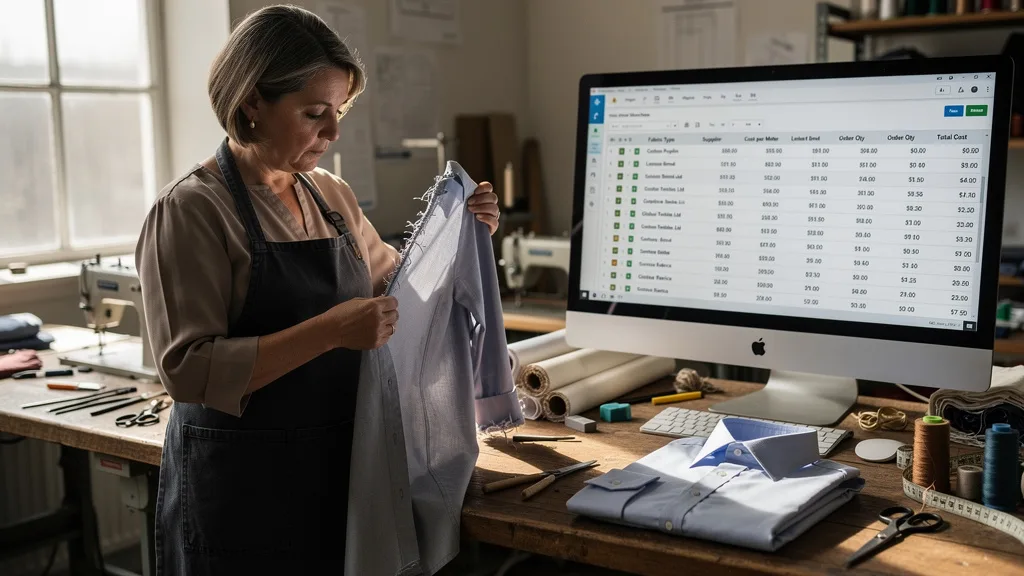
Have you ever wondered what that $10 shirt really costs? While the initial price tag seems like a bargain, the true cost of fast fashion is far higher, impacting your wallet, the environment, and global communities in ways you may not expect. Understanding these factors is key to building a smarter, more sustainable wardrobe.
The primary difference between cheap and premium shirts lies in their hidden long-term costs. The 5 hidden costs of cheap shirts vs premium garments include significant environmental damage from production, unethical labor practices, a surprisingly high cost-per-wear due to poor durability, a rapid decline in appearance after a few washes, and a major contribution to landfill waste. Choosing premium apparel is an investment in quality that pays dividends in longevity, comfort, and sustainability.
Cheap vs. Expensive Clothes: What Are the Key Differences?
The distinction between cheap and expensive clothing goes far beyond the price tag. It’s a matter of tangible quality that affects how a garment looks, feels, and lasts. From the raw materials chosen to the final stitch, every step in the manufacturing process contributes to the final product’s value and lifespan.
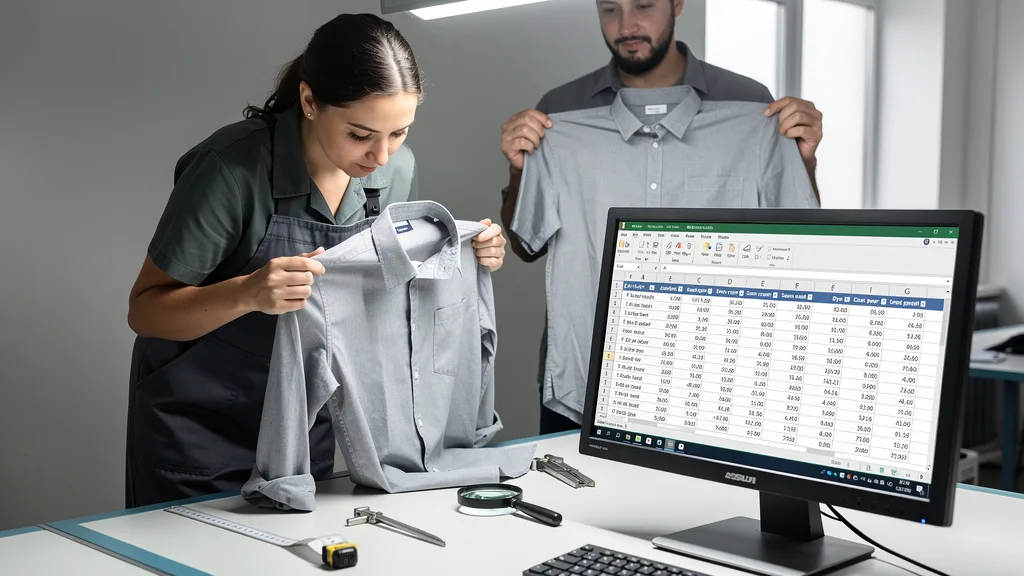
Ultimately, premium apparel is designed with intention and longevity in mind, while fast fashion is created for disposability. Recognizing these differences allows you to make more informed purchasing decisions that align with your values and long-term style goals.
Material Quality and Feel
One of the most immediate differences is the fabric. Cheap shirts often use low-grade polyester, rayon, or conventional cotton that feels rough, pills easily, and doesn’t breathe well. These synthetic materials can trap heat and moisture, leading to discomfort throughout the day. They are chosen for their low cost, not for their performance or feel against the skin.
In contrast, premium shirts are crafted from superior materials like long-staple cotton, linen, Tencel, or fine wool. These fabrics are not only softer and more comfortable but also offer better performance, such as moisture-wicking and temperature regulation. Investing in the best premium shirt fabrics means choosing garments that feel luxurious and maintain their integrity for years, not weeks.
Construction and Durability
How a shirt is made is just as important as what it’s made from. Fast fashion manufacturers cut corners to reduce costs, resulting in single-stitched seams that unravel, cheap plastic buttons that crack, and mismatched patterns. These construction flaws mean the garment will likely lose its shape, develop holes, or fall apart after only a few washes.
Premium brands prioritize meticulous construction. Look for details like high stitch density (more stitches per inch), French seams that encase raw edges to prevent fraying, and securely attached, high-quality buttons. This superior craftsmanship ensures the shirt can withstand regular wear and washing, making it a durable staple in your wardrobe for years to come.
Fit and Overall Design
Fit is where premium apparel truly stands out. Expensive garments are built from more sophisticated patterns developed through extensive research and testing to create a flattering silhouette. The result is a shirt that drapes beautifully, allows for comfortable movement, and looks tailored right off the rack. This attention to design enhances your overall appearance and confidence.
Cheap clothing, on the other hand, is typically made from simple, one-size-fits-all patterns that result in a boxy or awkward fit. Sleeves may be too short, shoulders too tight, or the torso too wide. While the low price is tempting, a poor fit makes even a stylish design look sloppy and unkempt.
Unraveling the 5 Hidden Costs of Fast Fashion Shirts
The allure of a trendy, low-priced shirt is powerful, but the initial savings mask a series of significant hidden costs. These consequences are not listed on the price tag but are paid by the environment, garment workers, and ultimately, by you in the long run. Understanding this hidden price tag is the first step toward a more conscious approach to fashion.
From polluted waterways to cluttered closets, the impact of the fast fashion model is extensive. Each cheap garment contributes to a cycle of overproduction and overconsumption that is unsustainable. By examining these five key areas, the true cost of that bargain shirt becomes clear. A Beginner Guide to Premium Shirt Care.
The Environmental Price Tag
The fast fashion industry has a colossal environmental footprint. The production of cheap synthetic fabrics like polyester releases microplastics into waterways with every wash, contributing to ocean pollution. Furthermore, the dyeing and finishing processes for textiles often involve toxic chemicals that are discharged into rivers, harming ecosystems and poisoning water sources for local communities.
The sheer volume of production also requires immense amounts of water and energy, contributing to resource depletion and carbon emissions. A single cheap cotton shirt can require thousands of liters of water to produce. This relentless cycle of production and disposal makes the fashion industry one of the most polluting in the world, a heavy price for a disposable trend.
The Human Cost in Labor Practices
To keep prices impossibly low, fast fashion brands often rely on factories with exploitative labor practices. Garment workers, predominantly women, are frequently subjected to dangerously low wages, excessive overtime, and unsafe working conditions. The pressure to produce clothing at breakneck speed leads to a system where human rights are often overlooked.
This human cost is one of the most significant hidden aspects of cheap clothing. While you save a few dollars on a shirt, someone on the other side of the world is paying a much higher price. Choosing premium brands that are transparent about their supply chains is a way to support ethical treatment and fair wages for the people who make your clothes.
The Myth of Savings: Poor Cost-Per-Wear
One of the biggest misconceptions about cheap clothing is that it saves you money. The reality is that the poor quality of these items leads to a very high cost-per-wear. A $15 shirt that you only wear three times before it shrinks or fades costs you $5 per wear. In contrast, a $90 premium shirt that you wear 90 times costs just $1 per wear.
Investing in higher-quality pieces that you can wear for years is a more financially savvy strategy. While the upfront cost is higher, the longevity and durability of premium garments provide far greater value over time. Understanding the true cost of a premium shirt reveals that quality is often more economical than quantity. The table below illustrates how quickly the value of a premium shirt surpasses its cheaper counterpart.
| Item | Initial Price | Number of Wears | Cost Per Wear |
|---|---|---|---|
| Fast Fashion Shirt | $15 | 5 | $3.00 |
| Premium Quality Shirt | $90 | 90 | $1.00 |
| Fast Fashion Shirt | $20 | 10 | $2.00 |
| Premium Quality Shirt | $120 | 150 | $0.80 |
Rapid Decline in Quality and Appearance
Cheap shirts are designed to be trendy, not timeless. Their quality reflects this short-term focus. After just one or two washes, you might notice significant fading, pilling on the fabric surface, or seams starting to twist. Collars may lose their shape, and the overall garment can look worn and old very quickly.
This rapid degradation is intentional, creating a cycle where consumers feel the need to constantly buy new items to look fresh. Premium clothing, made with stable fabrics and robust construction, is designed to maintain its color, shape, and texture through countless washes. It continues to look polished and new, ensuring you always present your best self.
Contribution to a Cycle of Waste and Clutter
The disposability of fast fashion directly contributes to a massive global waste problem. Millions of tons of textiles end up in landfills each year, where they can take hundreds of years to decompose, releasing greenhouse gases in the process. Your closet can also become a source of stress, cluttered with low-quality items you rarely wear.
“The cycle of buying, wearing, and discarding cheap clothes at an accelerated pace is a primary driver of textile waste. Shifting our focus from disposable trends to durable, timeless pieces is essential for building a more sustainable future and understanding the true cost of cheap unraveling fashion’s glamour.”
This constant churn of clothing encourages a mindset of disposability rather than stewardship. By investing in fewer, better items, you not only reduce your environmental impact but also create a more organized and functional wardrobe filled with pieces you truly value. You avoid the cycle of temporary satisfaction followed by the clutter of unworn, low-quality clothes.
The Long-Term Value of Investing in Premium Shirts
Choosing to invest in premium shirts is a decision that pays dividends long after the initial purchase. The benefits extend beyond simple durability to encompass enhanced comfort, timeless style, and the satisfaction of making a more responsible choice. It’s a shift from short-term gratification to long-term value.
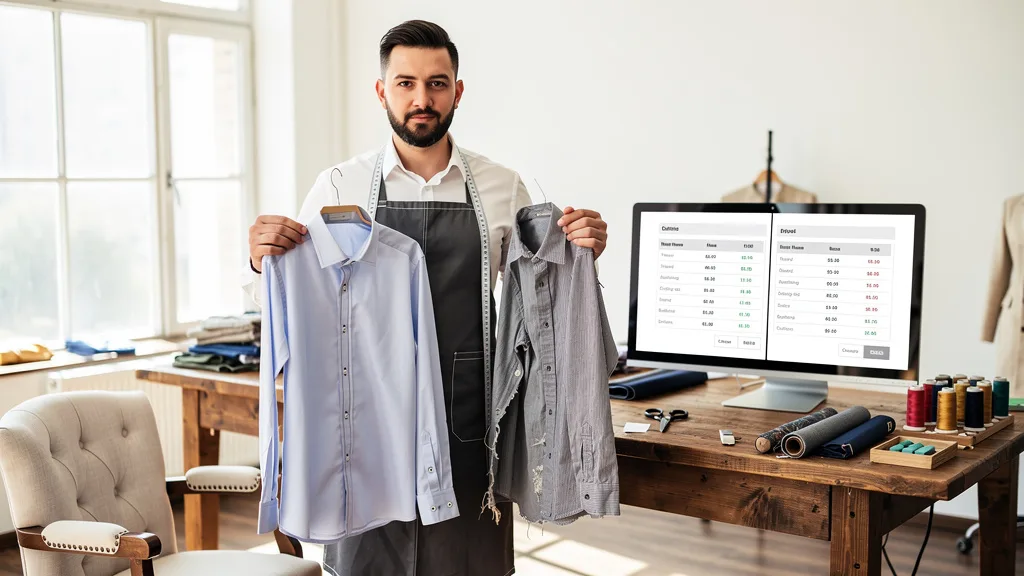
When you buy a premium garment, you’re not just buying a piece of clothing; you’re investing in craftsmanship, superior materials, and a design that will serve you well for years. This approach to building a wardrobe is both economically and environmentally intelligent.
Superior Longevity and Timeless Style
Premium shirts are built to last. Thanks to high-quality materials and expert construction, they can withstand years of wear without losing their shape or appeal. This longevity means you won’t have to constantly replace wardrobe staples, saving you money and hassle over time.
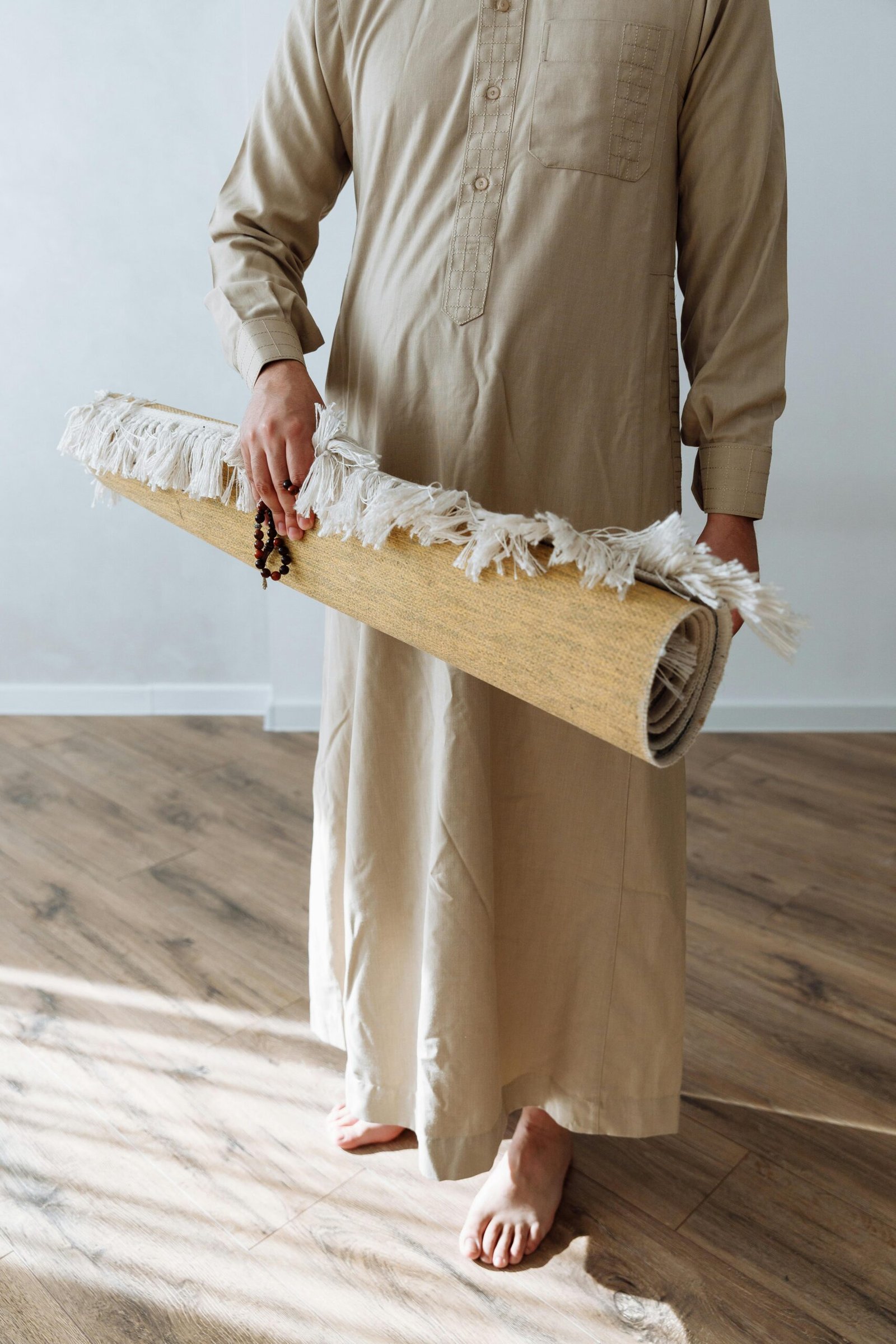
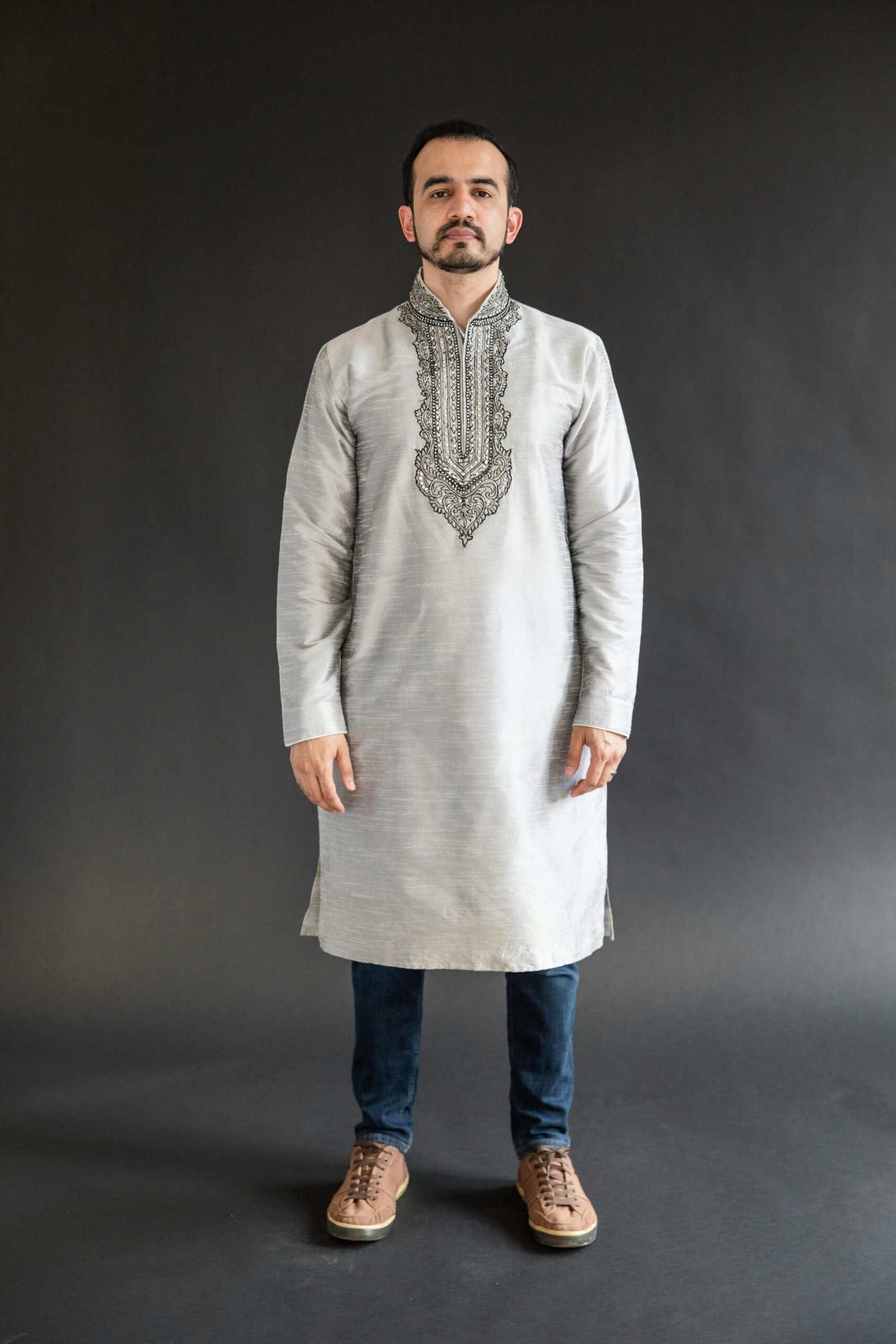
Furthermore, premium brands often focus on timeless designs rather than fleeting trends. A classic white shirt, a well-made polo, or an elegant kurta will remain stylish season after season. This focus on enduring style ensures your wardrobe stays relevant and sophisticated, free from the pressure of chasing the latest fad.
Enhanced Comfort and Better Fabric Performance
Comfort is not a luxury; it’s a necessity for modern life. Premium fabrics like high-grade cotton and linen are naturally breathable, soft, and gentle on the skin. They help regulate body temperature, keeping you cool in the heat and comfortable in cooler weather. For everyday wear, nothing beats the feeling of a well-made garment.
These superior materials also perform better. They resist wrinkles more effectively, wick away moisture, and maintain their vibrant color wash after wash. Whether you’re in a business meeting or enjoying a casual weekend, the enhanced comfort of best regular fit shirts for everyday comfort allows you to focus on your day without distraction.
Making a More Sustainable and Ethical Choice
Every purchase you make is a vote for the kind of world you want to live in. By investing in premium clothing from brands that prioritize ethical production, you support fair wages and safe working conditions for garment workers. You also encourage more sustainable manufacturing practices that protect our planet’s resources.
This conscious consumerism moves you away from the destructive cycle of fast fashion. Choosing quality over quantity is a powerful statement that you value craftsmanship, human dignity, and environmental stewardship. It’s a choice that feels as good as the clothes themselves.
A Smarter Way to Dress: Building a Better Wardrobe
Transitioning from a fast-fashion mindset to one focused on quality and longevity is a journey. It involves learning how to identify well-made clothes, curating your closet with intention, and embracing a new philosophy of personal style. This approach helps you build a perfect wardrobe that is both functional and expressive.
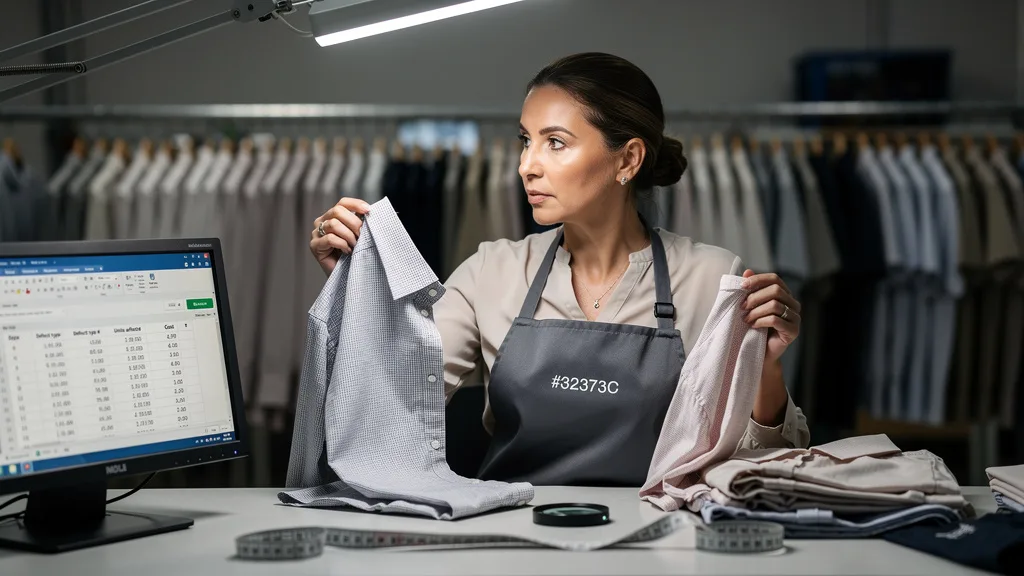
By adopting a few simple strategies, you can create a collection of clothing that you love to wear and that will stand the test of time. This is not about restriction; it’s about empowerment and making choices that truly serve you.
How to Identify High-Quality Garments
Becoming a discerning shopper is easier than you think. When evaluating a garment, use your senses and pay attention to the details. First, feel the fabric. Is it substantial and soft, or thin and scratchy? Check the label for the material composition; natural fibers like cotton, linen, and wool are often indicators of quality.
Next, inspect the construction. Look for dense, even stitching and finished seams. Check the buttons and buttonholes; they should be neat and securely attached. If the garment has a pattern, see if it lines up at the seams, a detail often overlooked in cheap clothing. Avoiding these 5 common mistakes when buying premium shirts will help you invest wisely.
Applying the 3-3-3 Rule for a Curated Closet
If you’re feeling overwhelmed by a cluttered closet, the 3-3-3 rule is a great way to reset. The challenge is simple: choose three tops, three bottoms (like pants or skirts), and three pairs of shoes from your wardrobe. For the next three days, create all your outfits using only these nine items.
This exercise forces you to get creative and highlights the versatility of your most-loved pieces. It quickly reveals which items are true workhorses and which are just taking up space. The 3-3-3 rule is a powerful tool for understanding the value of a curated, high-quality wardrobe over a closet stuffed with disposable fashion.
Shifting Your Mindset from Quantity to Quality
The most important step is to change your perspective on shopping. Instead of seeking the thrill of a bargain, focus on the long-term satisfaction of owning something truly special. Adopt a “buy less, buy better” philosophy. Save up for a premium piece that you’ve carefully considered rather than making multiple impulse buys.
This shift reduces waste, saves you money in the long run, and helps you define your personal style. A wardrobe built on quality is a reflection of self-respect and conscious choice. It’s about owning clothes that make you feel confident and comfortable every time you wear them.
Key Takeaways
Understanding the full picture of cheap vs. premium apparel empowers you to make better choices for your wallet, your style, and the world. The initial appeal of a low price tag fades when you consider the broader implications. Here are the key points to remember from our comparison of the 5 hidden costs of cheap shirts vs premium.
- Hidden Costs Are Real: The true cost of fast fashion includes severe environmental pollution, unethical labor practices, and a cycle of waste that clutters our lives and landfills.
- Quality Pays for Itself: Premium shirts offer a significantly lower cost-per-wear due to their superior durability, making them a smarter financial investment over time.
- Construction is Key: You can identify a high-quality garment by examining its fabric, stitch density, seam finishing, and button quality.
- Comfort and Fit Matter: Premium apparel provides a better fit and enhanced comfort, boosting your confidence and overall appearance.
- Mindset is Everything: Shifting from a quantity-focused to a quality-focused mindset helps you build a more sustainable, stylish, and satisfying wardrobe.
Frequently Asked Questions
What is considered cheap for a shirt?
A shirt is generally considered cheap not just by its price, which in 2026 might be anything under $25-$30, but by its characteristics. These include being made from low-grade synthetic materials like polyester, having poor construction such as single-stitched seams and flimsy buttons, and losing its shape or color after only a few washes.
Ultimately, a “cheap” shirt is one designed for disposability rather than longevity. Its value is temporary, and it often fails to provide lasting comfort or style, making it expensive in the long run through constant replacement.
Are expensive clothes always better quality?
While there is a strong correlation between price and quality, a high price tag is not an absolute guarantee of a better garment. Some designer brands charge a premium for their name alone, while the construction may not be superior. The key is to become an educated consumer.
Instead of relying solely on price, learn to identify the markers of quality yourself. Always check the fabric composition, inspect the seams and stitching, and assess the overall fit and finish. A truly high-quality piece will justify its cost through excellent materials and craftsmanship, not just a brand label.
How can I avoid fast fashion on a budget?
Avoiding fast fashion on a budget is entirely possible with a strategic approach. The most effective method is to adopt a “buy less, but better” philosophy. Instead of buying five cheap shirts, save that money to invest in one or two premium shirts during a sale.
Additionally, explore secondhand and consignment shops where you can find high-quality, pre-owned garments at a fraction of their original price. Focusing on building a small, versatile wardrobe of timeless essentials will also reduce the need for constant shopping and help you stay within your budget while elevating your style.
What are the main hidden costs of fast fashion?
The main hidden costs of fast fashion fall into three categories. First is the environmental cost, which includes water pollution from toxic dyes, microplastic shedding, and massive carbon emissions. What are the hidden costs of this industry are staggering, from water usage to landfill waste.
Second is the human cost, involving exploitative labor practices, low wages, and unsafe working conditions for garment workers. Finally, there is the personal financial cost, as the poor durability of cheap clothes leads to a high cost-per-wear and the need for constant replacement, making it a more expensive choice in the long run.
How does buying premium clothing save money?
Buying premium clothing saves you money primarily through the principle of cost-per-wear. A high-quality shirt, though more expensive upfront, is designed to last for years. When you divide its initial cost by the large number of times you’ll wear it, the cost for each wear is often significantly lower than that of a cheap shirt that needs to be replaced after a few uses.
This approach also reduces the frequency of your shopping trips and impulse buys, leading to more intentional spending. The Hidden Costs of Cheap clothing become apparent when you have to repurchase items season after season, a cycle that investing in quality helps you break.
Conclusion
The choice between a cheap shirt and a premium one is more than a simple transaction; it’s a reflection of your values and priorities. By looking beyond the initial price tag, you uncover the significant environmental, ethical, and long-term financial impacts of fast fashion. Investing in quality apparel from trusted brands is a commitment to superior style, lasting comfort, and a more sustainable future. The next time you shop, remember that the best value lies not in the lowest price, but in the greatest longevity and quality.
Ready to build a wardrobe that reflects both style and substance? Explore our collection of premium shirts, kurtas, and suits designed for lasting quality and timeless appeal. Make a choice that you can feel good about for years to come.
If you want help turning this into a concrete plan for your site or team, take the next step below to apply 5 Hidden Costs of Cheap Shirts vs Premium with confidence.
Ready to act on 5 Hidden Costs of Cheap Shirts vs Premium? SHOP NOW — tell us your goal, and we will help you pick the highest-leverage next step so you are not guessing alone.