

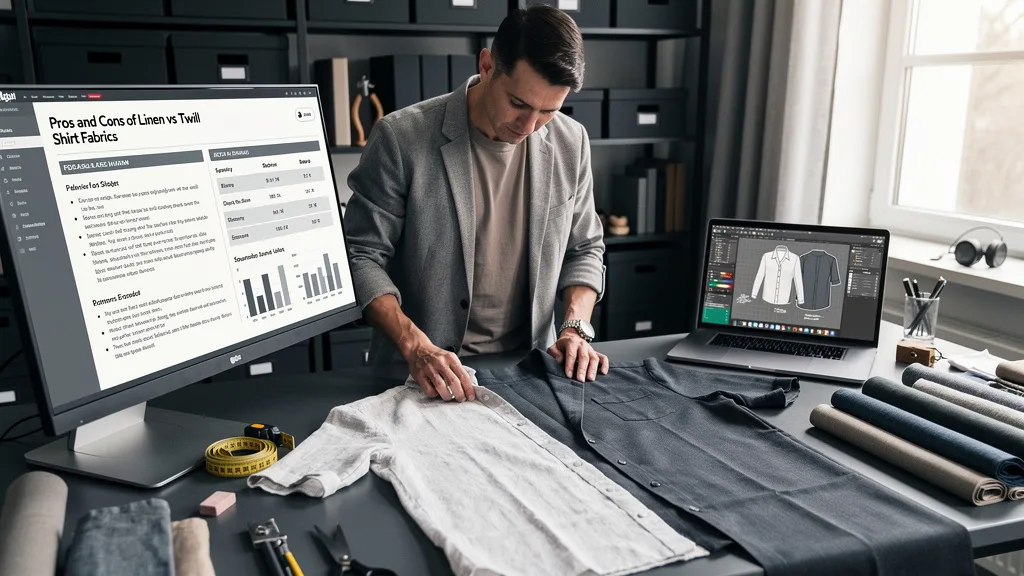
Are you choosing the right shirt fabric for the season and the occasion? The material of your shirt is just as important as its color or fit, dictating your comfort, style, and the impression you make. When building a versatile wardrobe, two popular choices often come up: linen and twill. Each offers a distinct set of characteristics that makes it ideal for different situations.
Choosing between linen and twill depends entirely on your needs. Linen is a lightweight, highly breathable fabric made from the flax plant, making it the superior choice for hot and humid weather. It offers a relaxed, casual aesthetic but wrinkles easily. In contrast, twill is a durable, opaque fabric with a diagonal weave that resists wrinkles and drapes beautifully, making it perfect for formal settings, office wear, and cooler climates. Understanding their core differences is key to dressing appropriately and comfortably.
An Introduction to Linen Fabric
Linen is a natural textile derived from the fibers of the flax plant. It is one of the oldest fabrics in the world, valued for centuries for its exceptional coolness and freshness in hot weather. The structure of linen fibers is hollow, which allows air to circulate freely and moisture to wick away from the body quickly. This property makes it an incredibly comfortable fabric to wear during summer months or in tropical climates.
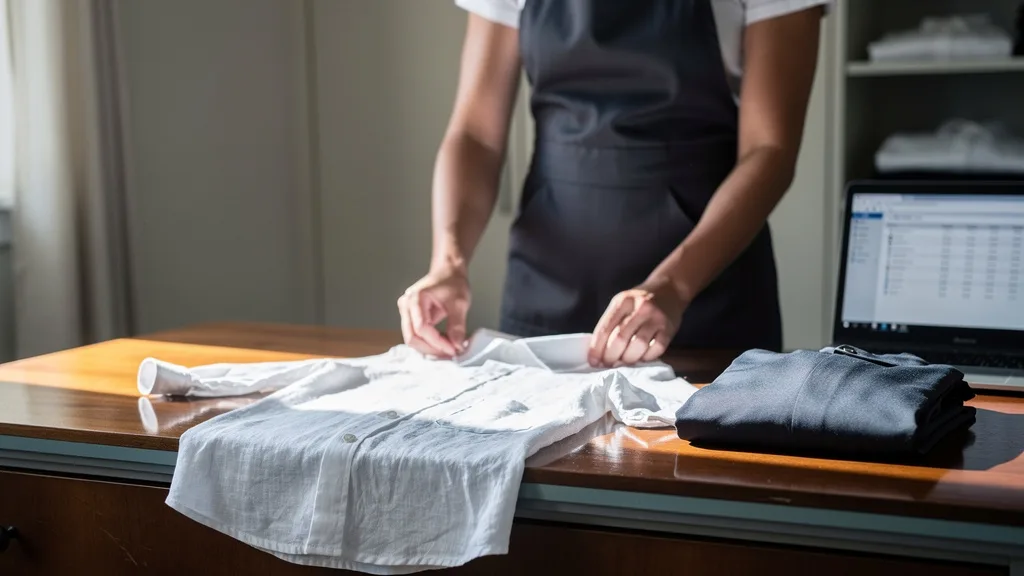
Beyond its breathability, linen is renowned for its strength and durability. In fact, linen is about 30% stronger than cotton and becomes softer and more pliable with each wash. Its characteristic texture is crisp and can have a slightly rumpled appearance, which is often considered part of its charm. This gives linen garments a relaxed, effortless elegance that is difficult to replicate with other materials. For anyone looking to understand premium materials, exploring the qualities of linen is a great place to start with the best premium shirt fabrics.
An Introduction to Twill Fabric
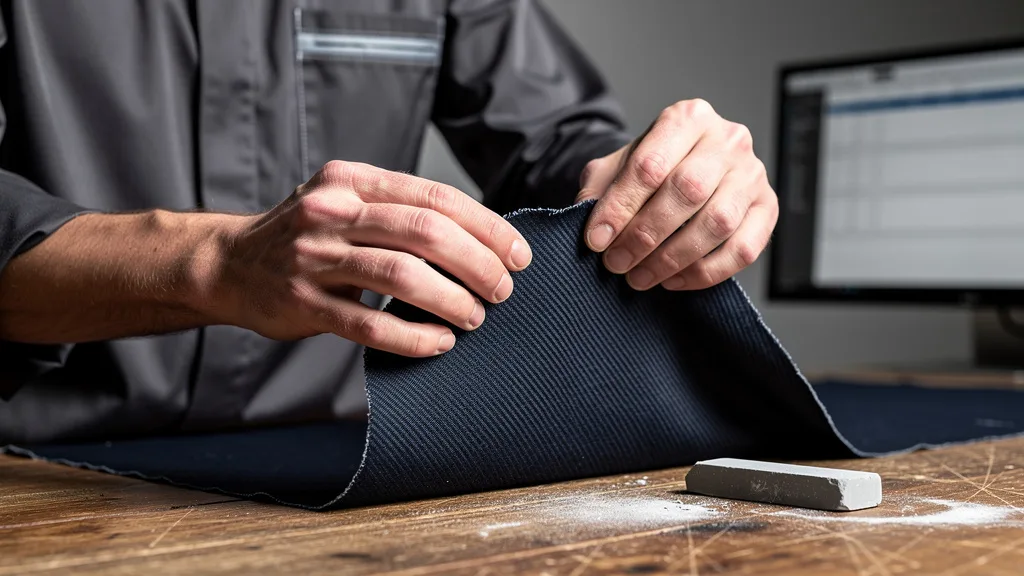
Twill is not a type of fiber but rather a specific type of textile weave characterized by a distinct diagonal rib pattern. This weave is created by passing the weft thread over one or more warp threads and then under two or more warp threads, creating a pattern of diagonal parallel ribs. This construction makes twill fabric very durable, opaque, and gives it a beautiful drape that is ideal for structured garments like suits and dress shirts.
Commonly made from cotton, twill is also produced with silk, polyester, or wool. Its tight weave makes it more resistant to wrinkles, stains, and water compared to plain-weave fabrics. This practical quality, combined with its soft feel and sophisticated appearance, makes twill shirts a staple in both business and smart-casual wardrobes. The diagonal pattern is often subtle but adds a layer of visual texture and depth to the garment. You can learn more about what is twill fabric? All the details of its construction make it unique.
When you place linen and twill side by side, their differences become immediately apparent. While both are excellent choices for premium shirts, they serve very different purposes. Your decision will ultimately hinge on factors like the climate you live in, the occasions you are dressing for, and your personal preference for texture and maintenance. This comparison will break down the key attributes of each fabric to help you make an informed choice.
“Choosing the right shirt fabric is a silent communication of intent. Linen speaks of relaxed confidence and comfort in the heat, while twill conveys structure, readiness, and year-round professionalism. Neither is better, but one is always more appropriate.”
| Feature | Linen | Twill |
|---|---|---|
| Breathability | Excellent, ideal for hot weather | Moderate, better for cooler weather |
| Durability | Very strong fibers, but low elasticity | Extremely durable and tear-resistant |
| Texture | Crisp, textured, softens with age | Soft, smooth, with a subtle diagonal rib |
| Wrinkle Resistance | Low, wrinkles very easily | High, naturally resists wrinkling |
| Appearance & Drape | Relaxed, airy, casual | Smooth, structured, formal |
| Best For | Summer, vacations, casual settings | Office wear, formal events, year-round use |
Breathability and Weather Comfort
When it comes to weather comfort, linen is the undisputed champion for heat. Its loose weave and natural fibers create a highly breathable fabric that allows air to flow freely, keeping you cool and dry even on the most sweltering days. The fabric also has high moisture absorbency, pulling perspiration away from your skin and drying quickly, which prevents that sticky feeling common with less breathable materials.

Twill, due to its tighter, denser diagonal weave, is significantly less breathable than linen. While this makes it a poor choice for peak summer heat, it provides better insulation in cooler temperatures. Twill shirts are perfect for air-conditioned offices, autumn days, or evenings out. They offer a level of protection from a cool breeze that linen simply cannot provide.
Durability and Longevity
Both fabrics are known for their durability, but they achieve it in different ways. Linen fibers are incredibly strong and actually get stronger when wet. A high-quality linen shirt can last for decades, becoming softer and more comfortable with every wash. However, linen has very low elasticity, meaning it does not stretch. This can make it prone to breaking along sharp, repeated creases, such as at the collar or cuffs if not cared for properly.
Twill’s durability comes from its signature weave. The diagonal pattern makes the fabric robust and resistant to tearing. It also allows the fabric to hide soil and stains better than plain weaves, making it a practical choice for everyday wear. This resilience is why twill is used for workwear like chinos and denim, proving its ability to withstand significant wear and tear over time.
Texture and Feel Against the Skin
The tactile experience of linen is unique. When new, it can feel crisp and slightly stiff, but with washing and wear, it transforms, becoming exceptionally soft and supple. Its distinct, slightly irregular texture gives it a natural, organic feel against the skin. For many, this evolving texture is part of the appeal of investing in a quality linen piece.
Twill is typically soft and smooth from the very beginning. The surface of the fabric feels pleasant and glides easily over the skin, and its excellent drape means it hangs from the body comfortably without clinging. The diagonal ribs of the weave are often so fine that they are more visible than they are felt, contributing to a polished and refined tactile experience.
Wrinkle Resistance and Maintenance
Here lies one of the most significant differences between the two fabrics. Linen is notorious for wrinkling. Merely looking at a linen shirt can seem to make it crease. While some embrace this as part of linen’s relaxed charm, it can be a major drawback for those who prefer a consistently neat appearance. Linen shirts almost always require ironing before wear. Following a beginner guide to premium shirt care can help manage its maintenance.
Twill, on the other hand, is highly resistant to wrinkles. Its diagonal weave allows the fabric to recover from creasing much more easily than plain-weave fabrics. This makes twill shirts an excellent choice for travel and for long days at the office, as they maintain a sharp, polished look with minimal effort. They are easy to iron and often look great straight from the closet.
Overall Appearance and Drape
The way a fabric hangs on the body, or its drape, significantly affects the garment’s overall look. Linen has a crisp but fluid drape that creates a relaxed, unstructured silhouette. It moves with you, offering an air of effortless sophistication perfect for casual and smart-casual settings. The fabric has a slight natural luster that adds to its visual appeal.
Twill offers a much more structured and formal appearance. It drapes beautifully, falling smoothly over the body to create clean lines and a tailored look. Because the fabric is opaque, it provides excellent coverage, making it a go-to for professional office wear. The subtle sheen of a quality twill adds a touch of luxury, making it suitable for everything from important business meetings to formal evening events. A classic grey shirt combination in twill is a timeless wardrobe staple.
Linen is a beloved fabric, especially for warm climates, but it’s not without its specific trade-offs. Understanding both sides is crucial before investing in a linen shirt. Here’s a clear breakdown of what makes linen great and what its potential downsides are.

The Advantages of Linen
- Exceptional Breathability: Its loose weave allows for maximum airflow, making it the ultimate fabric for staying cool in hot and humid weather.
- Highly Absorbent: Linen can absorb a significant amount of moisture before feeling damp, wicking sweat away from the skin to keep you comfortable.
- Incredibly Strong: The natural flax fibers are very durable, ensuring a high-quality linen shirt will last for years and soften with age.
- Hypoallergenic: Linen is naturally hypoallergenic and has antibacterial properties, making it a great choice for those with sensitive skin.
- Sustainable: The flax plant requires less water and fewer pesticides to grow than cotton, making linen an environmentally friendlier choice.
- Wrinkles Easily: This is the most significant drawback. Linen creases very easily, which requires frequent ironing or embracing a more relaxed, rumpled look.
- Low Elasticity: The fabric has no natural stretch, which can feel restrictive to some. It can also cause fibers to break along sharp, repeated folds over time.
- Can Be Stiff Initially: Brand new linen can feel crisp and a bit rough. It requires a few washes to achieve its signature softness.
- Potential for Transparency: Lighter-colored linen fabrics can be somewhat sheer, which may require an undershirt.
Pros and Cons of Twill Shirts
Twill is a workhorse in the world of shirting fabrics, prized for its durability and polished appearance. However, its strengths in some areas create weaknesses in others. Here are the main pros and cons to consider when choosing a twill shirt.
The Advantages of Twill
- Highly Durable: The diagonal weave makes twill exceptionally resistant to tearing and wear, ensuring a long lifespan for the garment.
- Wrinkle-Resistant: Twill naturally resists and sheds wrinkles, making it a low-maintenance option that looks sharp throughout the day.
- Excellent Drape: The fabric hangs beautifully, creating a flattering, structured silhouette that is ideal for formal and business attire. A stylish black shirt combination in twill offers a sleek, modern look.
- Opaque: The dense weave provides excellent coverage, so there is no need to worry about transparency, even with lighter colors.
- Hides Stains: The texture and pattern of the weave can help to camouflage minor spills and stains better than smooth, plain-weave fabrics.
- Less Breathable: The tight weave that makes twill durable also traps heat, making it less comfortable in very hot and humid conditions.
- Heavier Weight: Twill is generally a heavier fabric than linen or poplin, which can feel bulky to some, especially in summer.
- Can Be More Expensive: The complex weaving process can make twill more costly to produce than simpler weaves, which may be reflected in the final price. Knowing the true cost of a premium shirt helps put this into perspective.
- Shows Wear Patterns: Over time, heavy-wear areas on some twills, like denim, can develop a shine or fade in a way that may not be desirable for formal shirts.
Making Your Choice: When to Wear Linen vs Twill
The final decision comes down to context. A well-rounded wardrobe likely has room for both fabrics, but knowing when to reach for each will elevate your style and comfort. Here is a simple guide to help you choose.
Choose Linen for Hot Weather and Relaxed Settings
A linen shirt is your best friend during the summer. Wear it for beach weddings, garden parties, weekend brunches, or on a tropical vacation. Its breezy nature and relaxed look pair perfectly with shorts, chinos, or light trousers. While it may not be the first choice for a conservative boardroom, a well-pressed linen shirt can work for creative offices or on casual Fridays. A mustard linen shirt, for example, can be a stylish statement when looking for the best pants to pair with a mustard colour shirt.
Choose Twill for Versatility and Formal Occasions
Twill is the go-to fabric for professional and formal settings. Its crisp, structured appearance and wrinkle resistance make it ideal for business meetings, conferences, and daily office wear. A twill dress shirt pairs seamlessly with a suit and tie. Its versatility also extends to smart-casual events; a twill shirt worn with dark denim or tailored trousers creates a polished yet comfortable look for an evening out. Its durability and year-round comfort make it a reliable foundation for any wardrobe, especially when choosing the best shirt colour for men to look sharp.
Key Takeaways
Navigating the pros and cons of linen vs twill shirt fabrics becomes simple when you focus on your primary needs. Here are the essential points to remember:
- For Hot Weather, Choose Linen: Its superior breathability and moisture-wicking properties make it the unmatched choice for staying cool and comfortable in the heat.
- For a Formal, Polished Look, Choose Twill: Its wrinkle resistance, opaque nature, and structured drape make it ideal for office wear and formal events.
- Consider Maintenance: Be prepared to iron linen or embrace its natural wrinkles. If you prefer a low-maintenance option, twill is the clear winner.
- Build a Versatile Wardrobe: The most effective wardrobe contains both. Use linen for your relaxed, warm-weather needs and twill for your professional and year-round staples.
Frequently Asked Questions
Is twill fabric similar to linen?
No, twill and linen are fundamentally different. Linen is a fabric made from the fibers of the flax plant, characterized by its loose plain weave and exceptional breathability. It feels crisp and is known for wrinkling easily.
Is twill too hot for summer?
Twill refers to a type of weave with a diagonal pattern, commonly made from cotton. This weave makes the fabric more durable, opaque, and wrinkle-resistant than linen. Their textures, appearances, and performance characteristics are distinct.
Which fabric is better for office wear, linen or twill?
For many people, a standard cotton twill shirt can be too warm for the hottest days of summer. Its dense weave restricts airflow compared to linen or even lightweight poplin. However, lighter-weight twills do exist and can be comfortable in milder summer weather or in air-conditioned environments.
Is linen or twill more expensive?
For true high-heat and humid conditions, linen remains the far superior choice for staying cool. Twill is better suited for spring, autumn, and cooler summer evenings.
How does twill compare to oxford or poplin fabric?
For most traditional office environments, twill is the better choice. Its resistance to wrinkling ensures a sharp, professional appearance throughout the day. The fabric’s opacity and structured drape pair perfectly with suits and formal trousers, conveying a sense of authority and polish.
A linen shirt can be appropriate in more creative or casual office settings, especially during summer. However, its tendency to wrinkle may be seen as too informal for corporate or client-facing roles.
The price of both fabrics can vary widely based on the quality of the fiber, the complexity of the weave, and the brand. However, high-quality linen is often more expensive than a comparable quality cotton twill. This is due to the labor-intensive process of growing and harvesting flax and turning it into fiber.
A premium twill can also be costly, especially if made from high-grade cotton like Egyptian or Pima cotton, but on average, expect to invest more in a top-tier linen garment.
These are three of the most popular shirting fabrics, each with a different weave. Twill has a diagonal weave, making it soft, durable, and wrinkle-resistant. As this shirt fabrics explained guide notes, each has a purpose.
Oxford cloth uses a basketweave, where multiple threads cross over each other. This creates a durable, slightly rougher texture that is more casual than twill and is a staple of preppy style. Poplin has a simple, tight plain weave, resulting in a fabric that is very smooth, lightweight, and breathable, but it wrinkles more easily than twill and is less durable.
Conclusion
Your choice between linen and twill ultimately defines your comfort and style for a given day. Linen is your trusted ally for breathable, relaxed elegance in the heat, while twill offers durable, polished sophistication for year-round use and formal wear. Understanding the distinct pros and cons of linen vs twill shirt fabrics empowers you to build a smarter, more functional wardrobe that is prepared for any occasion or climate.
Now that you understand the unique benefits of each fabric, you can confidently select the perfect shirt for any setting. Discover our curated collection of premium linen and twill shirts, crafted for exceptional style and comfort.