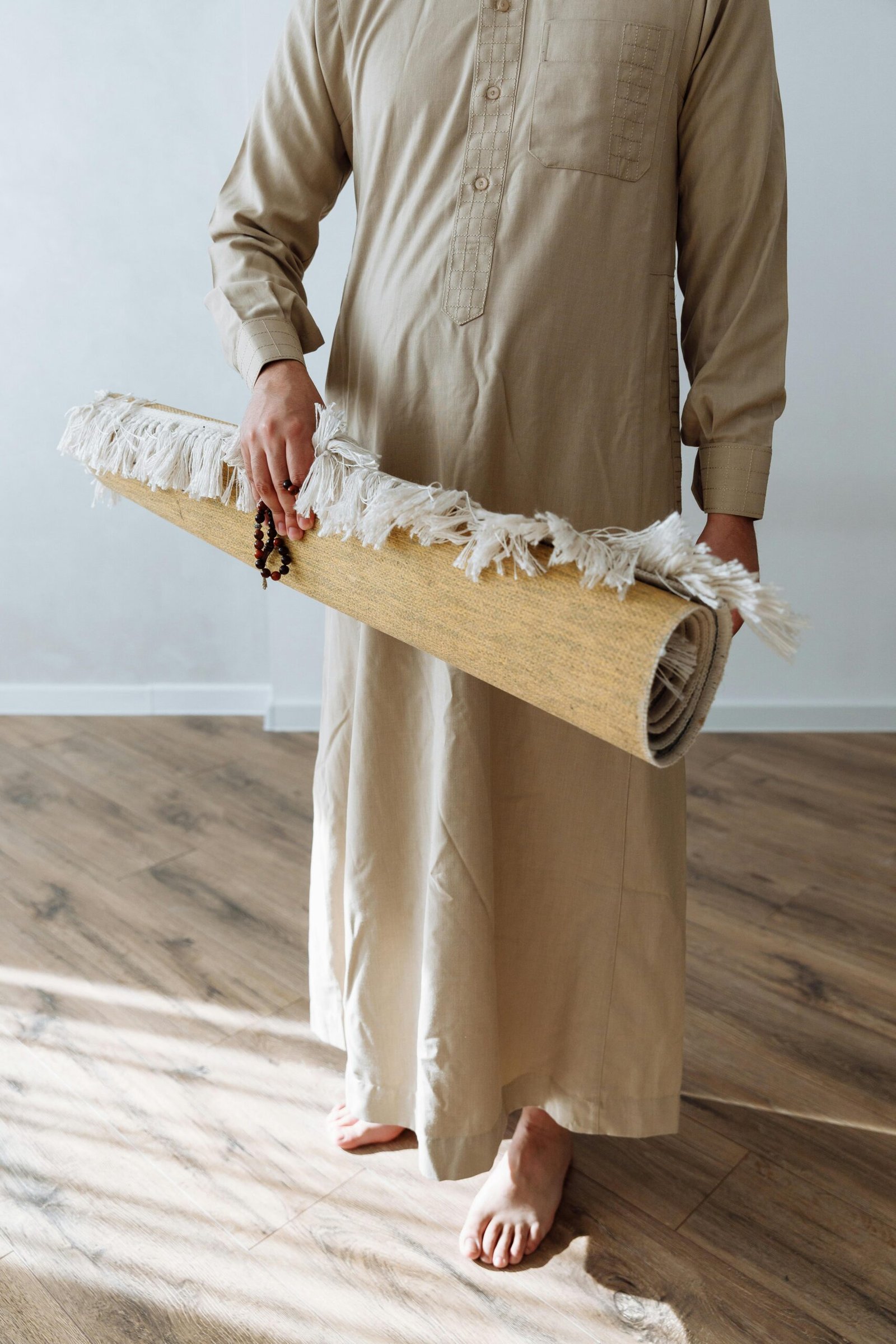


Attending a wedding and wondering what to wear? Selecting the right attire is crucial for celebrating in style and comfort, and a kurta is a timeless, elegant choice for any wedding event. Knowing how to choose a kurta for a wedding involves more than just picking a color; it’s about understanding the event’s formality, the season, and the style that best suits you.
To choose the perfect wedding kurta, first identify the event you’re attending, such as a Mehendi, Sangeet, or the main ceremony, as this dictates the required formality. Next, select a fabric like silk or brocade for formal events and cotton or linen for casual ones, keeping the season in mind. Finally, choose a color and fit that complements the wedding’s theme and your personal style, ensuring you look and feel your best throughout the celebration.
Understanding Different Wedding Kurta Styles
The world of wedding kurtas is rich with variety, offering styles that range from traditionally classic to regally inspired. Before you can choose the perfect one, it’s helpful to understand the primary silhouettes available. Each style carries its own unique history and is suited for different types of wedding festivities, allowing you to express your personal taste while honoring the occasion.
From the simple elegance of a long kurta to the royal flair of an Angrakha or a Sherwani-inspired design, your choice sets the tone for your entire look. Familiarizing yourself with these options will help you navigate our collections and select a piece that feels both appropriate and authentic to you.
The Classic Long Kurta
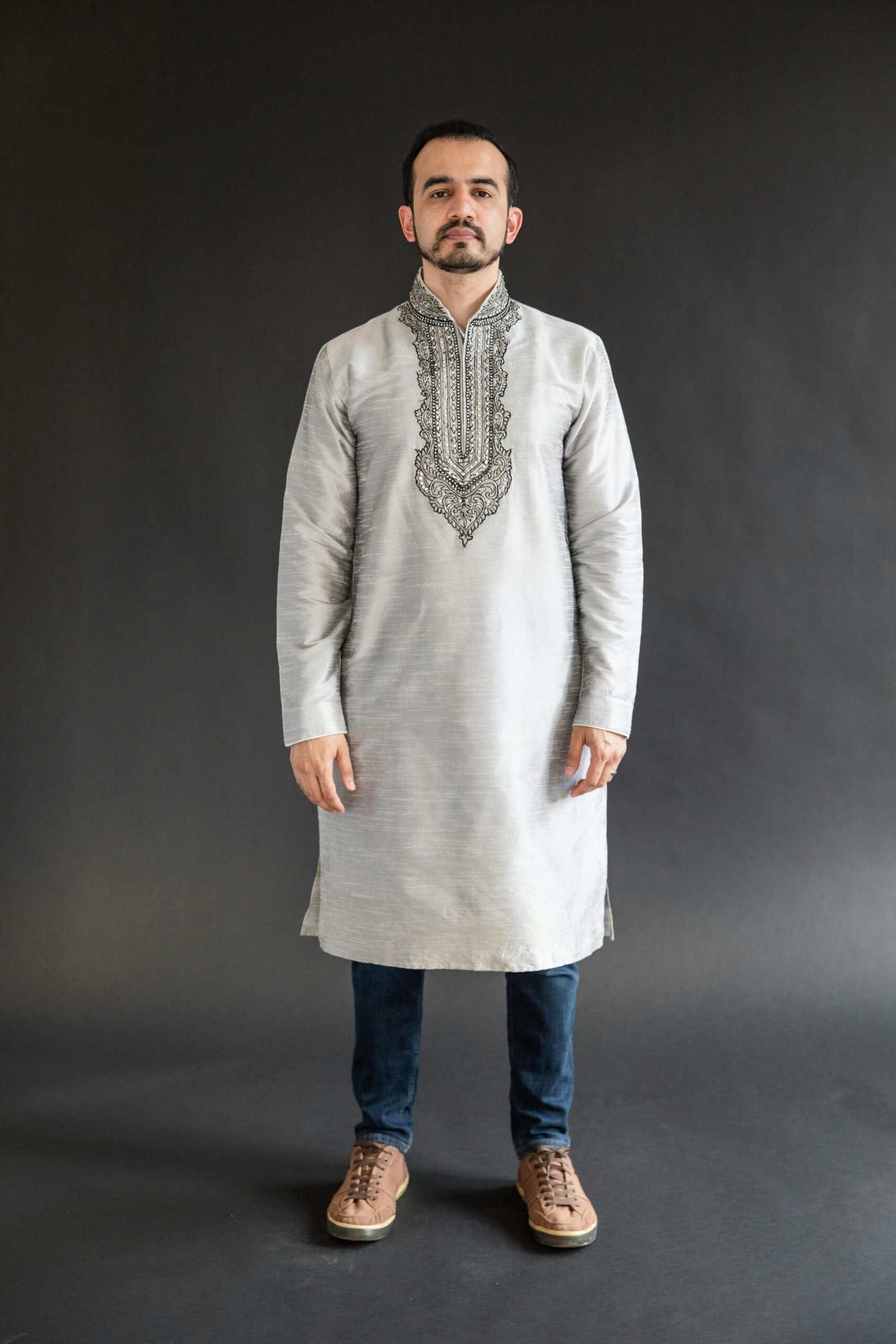
The classic long kurta is a versatile and universally flattering option that serves as a foundation for traditional wedding attire. Typically falling just above or below the knees, this style is celebrated for its clean lines and comfortable fit. It can be crafted from a wide range of fabrics, from breathable cotton for a daytime event to luxurious silk for an evening ceremony. Its simplicity makes it an excellent canvas for intricate embroidery, subtle prints, or bold colors.
This timeless silhouette is a go-to for guests and even grooms for pre-wedding functions like the Haldi or Mehendi. Paired with a simple churidar or straight-cut trousers, the long kurta for men and women offers an effortlessly elegant look. Its adaptability ensures you can dress it up or down with accessories to match the event’s specific dress code, making it an indispensable piece in any wedding wardrobe.
The Regal Angrakha Style
The Angrakha style kurta is distinguished by its overlapping, wrap-style construction, which is tied at the side of the chest. This design originates from the royal courts of ancient India and exudes a sense of regal sophistication and historic charm. The asymmetrical neckline and flared hem create a dynamic and flattering silhouette that stands out in a crowd.
Modern Angrakhas can feature anything from delicate floral prints for a Sangeet to heavy zardozi or mirror work for the main ceremony. The flowing cut is not only stylish but also incredibly comfortable, allowing for ease of movement. For a truly stunning ensemble, consider an Anarkali suit for a wedding, which often incorporates a similar flowing, graceful silhouette perfect for festive occasions.
The Sherwani-Inspired Kurta
For those seeking a more formal and structured look, the Sherwani-inspired kurta is an excellent choice. This style borrows elements from the traditional Sherwani, such as a Mandarin collar (bandhgala), a buttoned placket, and a more tailored fit that closely follows the body’s lines. It strikes a perfect balance between the grandeur of a Sherwani and the comfort of a kurta.
Often crafted from rich fabrics like raw silk, brocade, or velvet, these kurtas are ideal for grooms or close family members for receptions or the wedding ceremony itself. They project an air of authority and elegance without the full weight and layering of a complete Sherwani. This style pairs exceptionally well with fitted trousers or a churidar for a sharp, polished appearance.
How to Choose the Perfect Wedding Kurta
Finding the perfect kurta for a wedding involves a thoughtful process of matching the garment to the occasion, season, and your personal style. A wedding is not a single event but a series of celebrations, each with its own mood and dress code. Your attire should reflect this, ensuring you are appropriately and comfortably dressed for every function, from a vibrant Sangeet to a solemn ceremony.
This section will guide you through the key considerations, from interpreting the event’s theme to selecting the right fabric, color, and fit. By following these steps, you can confidently select a wedding kurta that not only looks incredible but also feels like it was made just for you, allowing you to enjoy the festivities to the fullest.
Match the Kurta to the Wedding Event and Theme
Different wedding events call for different levels of formality. A casual, daytime Mehendi or Haldi ceremony is the perfect setting for a light, airy kurta in a bright, cheerful color. Conversely, an evening Sangeet or reception often requires a more glamorous and ornate outfit. Always consider the invitation’s dress code or the overall theme of the wedding when making your selection.
Here’s a quick guide to help you match your kurta to the event:
- Haldi Ceremony: Opt for a simple cotton or linen kurta in shades of yellow, orange, or white. Avoid heavy embellishments as the event can get messy.
- Mehendi/Sangeet: This is the time for color and fun. Choose a vibrant kurta in silk or georgette with playful prints or light embroidery. An Angrakha or a stylish short kurta works well here.
- Wedding Ceremony: Show respect for the occasion with a more formal and elegant choice. A long kurta in a rich fabric like brocade, raw silk, or tussar silk is ideal. Grooms and close family might opt for a Sherwani-inspired kurta.
- Reception: This is your chance to shine. Go for a sophisticated, heavily embroidered, or uniquely designed kurta in a deep, luxurious color like navy, maroon, or black (if appropriate for the culture).
Select the Right Fabric for Comfort and Season
The fabric of your kurta is just as important as its style, as it directly impacts your comfort throughout the day and night. The season in which the wedding takes place is the biggest factor in this decision. A summer wedding calls for breathable, lightweight fabrics, while a winter celebration is an opportunity to wear richer, heavier materials.
Choosing the right fabric also contributes to the overall look and feel of your outfit. A crisp cotton kurta has a relaxed, understated elegance, whereas a silk or velvet one has an undeniable opulence. Consider how the fabric drapes and how it will hold up after hours of dancing and celebrating. For more insight, you can explore a modern guide for men attending Indian weddings to understand material choices better.
Which Color Kurta Is Best for a Wedding?
The color of your kurta can convey emotion, adhere to tradition, and complement the wedding’s aesthetic. While there are no strict rules, certain colors are generally favored for specific events. Bright and joyful hues like yellow, pink, and turquoise are perfect for daytime functions, while deeper shades like royal blue, emerald green, and burgundy lend themselves to evening elegance.
Pastels such as mint green, blush pink, and powder blue have become increasingly popular for their soft, romantic feel, making them a great choice for both day and night events. For grooms, classic colors like ivory, gold, and beige remain timeless choices for the main ceremony. Ultimately, the best color is one that makes you feel confident and aligns with the event’s atmosphere. Don’t be afraid to choose a shade that reflects your personality.
“When selecting a color for a wedding kurta, think about the time of day and the story you want to tell. Jewel tones and rich silks create a sense of drama and luxury for an evening reception, while a simple white or pastel linen kurta speaks to effortless grace for a morning ceremony.”
Finding the Ideal Fit to Flatter Your Body Type
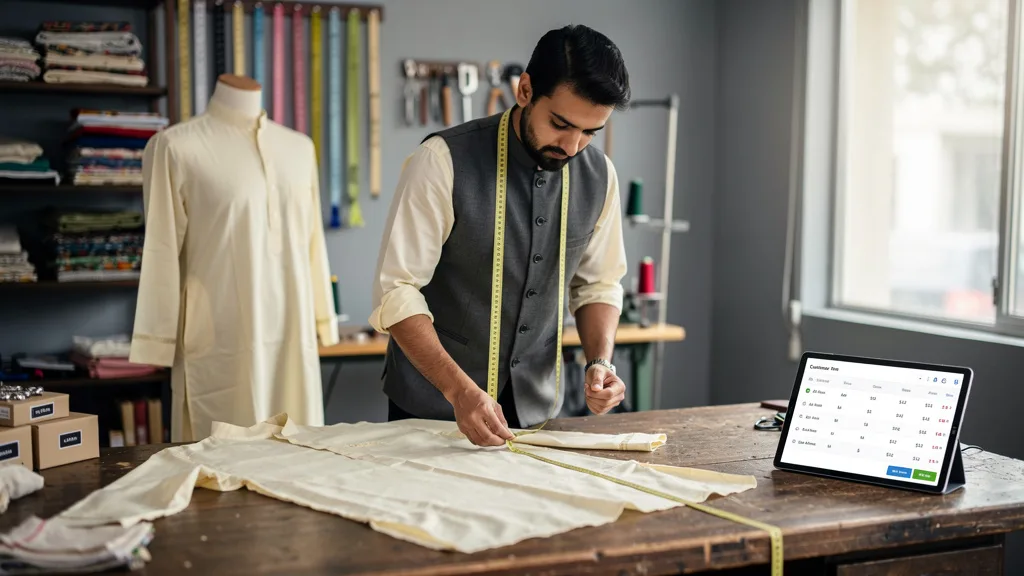
A perfectly fitting kurta can elevate your entire look, while a poorly fitting one can detract from even the most beautiful design. The ideal fit should not be too tight or too loose; it should skim your body comfortably, allowing for easy movement. Pay close attention to the shoulders, which should align with your own, and the sleeve length, which should end at your wrist.
To achieve a flattering silhouette, consider your body type. A-line kurtas are great for creating a balanced look, while straight-cut kurtas offer a sleek, modern aesthetic. If you are shopping online, it is crucial to take your measurements accurately and compare them with the brand’s sizing chart. For detailed instructions, our kurta size guide online provides step-by-step help to ensure you find your perfect fit with us.
How to Style a Complete Kurta Set
Once you have chosen the perfect kurta, the next step is to build a cohesive and stylish outfit around it. A kurta set is more than just the kurta itself; the bottoms, footwear, and accessories all play a crucial role in completing the look. The right styling choices can transform a simple kurta into a statement-making ensemble fit for any wedding celebration.
Styling your kurta is an opportunity to infuse your personal flair into a traditional outfit. Whether you prefer a classic, understated look or a bold, contemporary one, the key is to create harmony between all the elements. This section provides guidance on pairing your kurta with the right components for a polished and memorable appearance.
Pairing with the Right Bottoms: Churidar, Dhoti, or Trousers
The choice of bottoms can dramatically alter the silhouette and formality of your kurta. The most traditional pairing is the churidar, which is fitted from the knee down and gathers at the ankle. This creates a classic, elegant look that works well with long kurtas and Sherwani-inspired styles.
For a more fashion-forward or festive look, consider dhoti pants. Their draped, voluminous style adds a unique and playful element to your outfit, perfect for a Sangeet or Mehendi. Alternatively, straight-cut trousers or even fitted pants offer a modern, sharp aesthetic that pairs well with shorter or more structured kurtas. When choosing, consider both comfort and the overall style you wish to achieve with your kurta pajama ensemble.
Selecting Complementary Footwear for the Occasion
Your choice of footwear is the finishing touch that grounds your entire outfit. For a traditional and authentic look, mojris or juttis are the undisputed champions. These handcrafted leather shoes, often adorned with embroidery or embellishments, perfectly complement any kurta set. Choose a pair in a color that matches or contrasts with your kurta for a cohesive look.
If you’re aiming for a more contemporary or fusion style, you have other options. A clean pair of leather loafers can look incredibly chic with a straight-cut kurta and trousers, especially for a reception. For more casual, pre-wedding events, elegant sandals or kolhapuris can also work well. The key is to ensure your footwear is clean, comfortable, and appropriate for the occasion’s formality.
How to Accessorize Your Kurta for a Polished Look
Accessories are the final, crucial step in personalizing your wedding kurta and elevating it from simply clothing to a complete, thoughtful ensemble. The right accessories add layers of texture, color, and personality, demonstrating an attention to detail that sets you apart. They are the elements that tie everything together for a truly polished finish.
From the elegant drape of a dupatta to the subtle glint of a piece of jewelry, these additions can enhance the best features of your kurta. Mastering the art of accessorizing is about balance; the goal is to complement your outfit, not overwhelm it. Let’s explore how to add these final, impactful touches.
The Role of Dupattas, Stoles, and Shawls
A dupatta, stole, or shawl can add a touch of grace and formality to your kurta set. For men, a contrasting or matching stole draped over one shoulder adds a regal flair, especially with a simple, long kurta. Fabrics like silk or crushed cotton add texture, while a printed or embroidered stole can introduce a pop of color and pattern.
For women, a dupatta is often an integral part of the outfit. You can drape it elegantly over one shoulder, wrap it around your arms, or wear it in a more traditional style depending on your kurta’s design. In colder weather, a pashmina or velvet shawl not only provides warmth but also adds a luxurious layer to your look. Choose a piece that complements the embroidery or color of your kurta.
Adding Final Touches with Jewelry and Pocket Squares
Subtle details can make a significant impact. For men, a pocket square in a contrasting color or print, tucked into the pocket of a Sherwani-inspired kurta or jacket, adds a dash of sartorial sophistication. A simple brooch or a traditional kalgi pinned to the collar can also elevate the look, particularly for grooms or close family.
For both men and women, a simple chain or a traditional pearl necklace can beautifully adorn the neckline of a kurta. Women can further accessorize with statement earrings (jhumkas or chandbalis) and bangles that match the outfit’s embellishments. The key is to choose jewelry that complements the kurta’s neckline and the level of embroidery without appearing cluttered.
Key Takeaways
Mastering the art of selecting and styling a wedding kurta ensures you celebrate every moment in comfort and style. This how to choose a kurta for a wedding: a step by guide has provided the essential knowledge to make an informed decision. Remember these key points as you shop for your perfect wedding attire.
- Match the Style to the Event: Choose a classic long kurta for casual functions, an Angrakha for festive events like the Sangeet, and a Sherwani-inspired kurta for formal ceremonies or receptions.
- Prioritize Fabric and Fit: Select breathable fabrics like cotton for summer weddings and richer materials like silk or velvet for winter. Ensure the fit is comfortable and flattering by consulting a size guide.
- Coordinate Colors and Bottoms: Pick colors that suit the event’s time and theme. Complete your look by pairing your kurta with appropriate bottoms like churidars, dhotis, or trousers.
- Accessorize Thoughtfully: Elevate your outfit with well-chosen accessories. A stole, dupatta, pocket square, or the right piece of jewelry can provide the perfect finishing touch.
Frequently Asked Questions
Navigating the nuances of traditional wedding wear can bring up many questions. Here, we answer some of the most common queries to help you feel completely confident in your choices and ensure your wedding guest experience is seamless and enjoyable.
Which bra should I wear under a kurta?
Choosing the right bra is essential for comfort and achieving a smooth silhouette under your kurta. A seamless T-shirt bra is often the best choice as it provides a clean, invisible look under most fabrics. For kurtas with deeper or wider necklines, consider a plunge or balconette bra to ensure the straps and cup edges remain hidden.
For added support and shaping, especially with more fitted or A-line styles, a well-structured, full-coverage bra is an excellent option. Always try to match the bra color to your skin tone or the kurta’s color to prevent it from showing through lighter fabrics. For more ideas, you can review a helpful Wedding Kurta Set For Women guide.
What is the difference between a kurta and a sherwani?
While both are traditional garments, a kurta and a Sherwani serve different purposes and have distinct characteristics. A kurta is typically a more casual, knee-length tunic made from lighter fabrics like cotton or silk. It is worn for a wide range of occasions, from daily wear to semi-formal events, and is usually paired with pajamas, churidars, or even jeans.
A Sherwani, on the other hand, is a more formal, coat-like garment that is longer than a kurta, often extending below the knee. It is made from heavy, luxurious fabrics like brocade or velvet and is heavily embellished. A Sherwani is exclusively formal wear, traditionally worn by grooms and their closest family members during the wedding ceremony.
Can I wear a short kurta to a wedding?
Yes, you can absolutely wear a short kurta to a wedding, provided it is styled appropriately for the specific event. Short kurtas are an excellent choice for pre-wedding functions like the Haldi, Mehendi, or Sangeet, as they offer a modern, comfortable, and festive look. They pair wonderfully with dhoti pants, Patiala salwars, or even tailored trousers for a chic fusion ensemble.
For the main wedding ceremony or a formal reception, a long kurta or a more traditional outfit is generally more appropriate. However, if the wedding has a casual or contemporary theme, a beautifully embellished short kurta can be a stylish option. You can find more inspiration in our guide on short kurta for women simple styling ideas.
Is it acceptable to wear black to an Indian wedding?
Traditionally, black was often avoided at Indian wedding ceremonies as it was considered inauspicious by some. However, modern attitudes have evolved significantly, and wearing black is now widely accepted, especially for evening events like the Sangeet or reception. A black kurta or suit can look incredibly sophisticated and elegant.
If you choose to wear black, consider opting for a fabric with some sheen or texture, like velvet or silk, and look for designs with colorful or metallic embroidery to add a festive touch. While it might still be best to avoid solid black for the main religious ceremony out of respect for older traditions, it is a perfectly chic choice for other wedding-related parties.
How do I care for an embroidered or silk wedding kurta?
Caring for a delicate wedding kurta, especially one made of silk or featuring heavy embroidery, is crucial to preserving its beauty. It is almost always recommended to dry clean these garments. Washing machines and harsh detergents can damage the delicate fibers of silk and cause the embroidery, beads, or sequins to unravel or break.
When storing your kurta, fold it carefully with acid-free tissue paper between the folds to protect the embroidery. Avoid hanging heavy kurtas for long periods, as this can stretch the fabric, particularly at the shoulders. Store it in a cool, dry place away from direct sunlight to prevent the color from fading over time.
Conclusion
Choosing the right kurta for a wedding is a delightful process that allows you to engage with rich traditions while expressing your personal style. By considering the event, fabric, fit, and accessories, you can confidently assemble an outfit that is not only beautiful but also comfortable, allowing you to fully immerse yourself in the joy of the celebration. The perfect wedding kurta makes you feel like a part of the festivities, honoring the couple while looking and feeling your absolute best.
Now that you are equipped with the knowledge to select your ideal wedding attire, you are ready to explore the possibilities. Browse our curated collections of premium kurtas for men, women, and kids to find the perfect piece for your next event. Discover exceptional craftsmanship and timeless style delivered to your doorstep. SHOP NOW.