

Have you ever ordered a premium shirt online with excitement, only to be disappointed by a fit that’s too tight in the shoulders or too baggy at the waist? Finding a shirt that looks and feels like it was made for you can be a challenge, but it is essential for projecting confidence and style. The right fit elevates your entire appearance, ensuring your investment in premium apparel truly pays off.
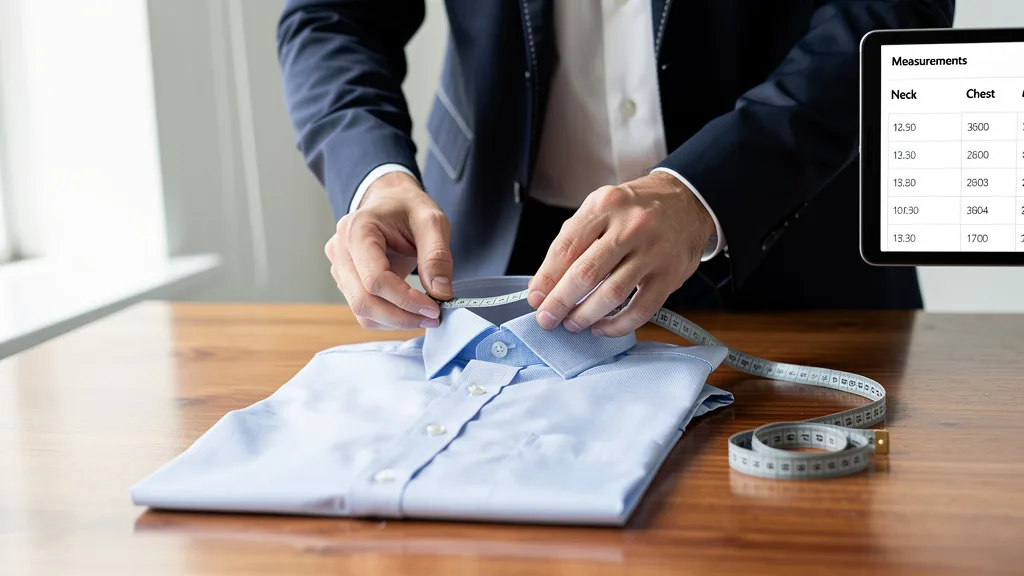
The top tools for finding your perfect premium shirt size include a flexible measuring tape, brand-specific size charts, and online digital size calculators. Combining these tools allows you to gather accurate measurements for your neck, chest, and sleeves. This data-driven approach removes the guesswork from online shopping and is the most reliable way to secure a flawless fit every time you buy a new shirt.
Why a Perfect Shirt Fit Is a Game Changer
A perfect shirt fit does more than just make you look good; it transforms how you feel. When a shirt drapes correctly across your shoulders and tapers appropriately to your waist, it creates a sharp, polished silhouette. This attention to detail communicates professionalism and self-respect, whether you are in a boardroom or at a casual gathering. A well-fitting garment moves with you, providing comfort without excess fabric that can look sloppy.
Conversely, a poor fit can undermine the quality of even the most luxurious shirt. A collar that is too tight feels restrictive and uncomfortable, while one that is too loose looks unkempt. Similarly, a chest that pulls or sleeves that are too short or long detract from your overall presentation. Investing in a perfect shirt fit ensures that the premium fabric and craftsmanship of your garment are showcased to their full potential, making you feel confident and put-together throughout the day.

How to Measure Yourself for a Perfect Shirt Fit
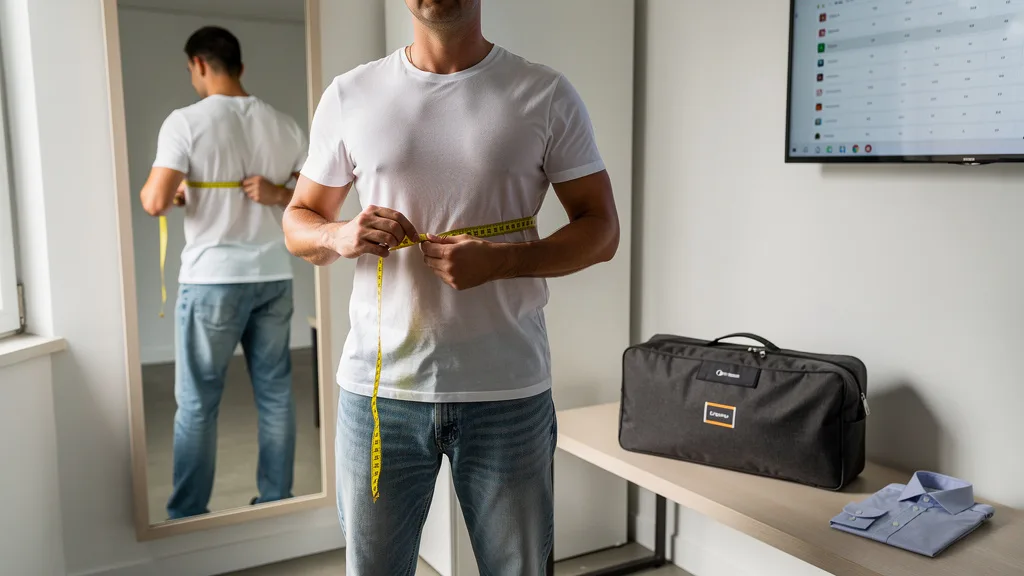
Taking your own measurements is the foundational step toward mastering your shirt size. It is a simple process that requires only a few minutes and a flexible measuring tape. For the most accurate results, stand in a relaxed, natural posture and wear a thin t-shirt or no shirt at all. Record each measurement to easily compare it against brand-specific size charts.

Measuring Your Neck Circumference
Your neck measurement is critical, especially for formal shirts where the top button is often fastened. To measure your neck, wrap the measuring tape around the base of your neck, just above where your shoulders begin. It should rest lightly on your skin without being too snug.

A common rule of thumb is to place one or two fingers between the tape and your neck. This ensures the collar will be comfortable and not constricting when buttoned. For dress shirts, this measurement is often the primary size indicator, so getting it right is essential for both comfort and a polished look.
Measuring Your Chest Width
The chest measurement determines how the shirt will fit across your upper body, preventing pulling at the buttons or excessive bagginess. To find your chest width, wrap the measuring tape around the fullest part of your chest. This is typically just under your armpits and across your shoulder blades.
Ensure the tape is level and parallel to the floor all the way around. It should be snug but not tight enough to compress your chest. Take a normal breath and record the measurement. This number is key to achieving a fit that allows for a full range of motion without appearing bulky. You can find more details in a shirt size chart guide to help with conversions.
Measuring Your Sleeve Length
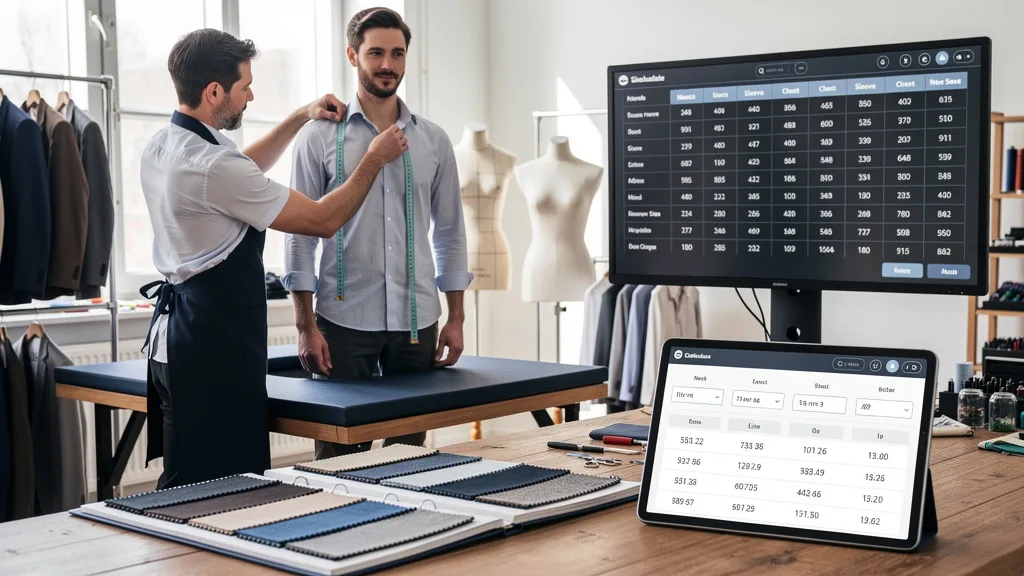
Correct sleeve length is a hallmark of a well-fitting shirt, ending precisely at the wrist bone. Measuring for sleeve length can be tricky to do alone, so ask a friend for help if possible. The standard measurement starts from the center of the back of your neck, runs across the top of your shoulder, and down your arm to your wrist.
To take this measurement, stand with your arm relaxed at your side with a slight bend at the elbow. This two-part measurement ensures the sleeve is long enough to accommodate movement without riding up your forearm. If you are measuring a shirt you already own, lay it flat and measure from the center of the collar to the end of the cuff.
Decoding Common Shirt Fit Types
Once you have your measurements, the next step is to understand the different fit types available. A shirt’s fit describes its overall shape and how it is cut to drape on the body. The same measurements will feel completely different in a slim fit versus a classic fit, so choosing the right one for your body type and style preference is crucial.
To help you decide, we have broken down the three most common shirt fits. Understanding these categories will empower you to select a shirt that not only matches your measurements but also provides the silhouette you desire.
| Fit Type | Best For Body Shape | Key Characteristics |
|---|---|---|
| Slim / Athletic Fit | Lean, athletic, or slender builds | Tapered at the waist, high armholes, narrow through the chest and sleeves. |
| Classic / Regular Fit | Broader or larger builds | Generous cut, straight through the body, ample room in the chest and waist for comfort. |
| Modern / Tailored Fit | Average or athletic builds | A middle ground; slightly tapered at the waist with more room than a slim fit. |
Slim and Athletic Fits
A slim fit shirt is designed to contour closely to the body. It features higher armholes and is significantly tapered from the chest to the waist, eliminating excess fabric for a sharp, modern silhouette. This fit is ideal for those with a lean or athletic build who want to highlight their physique without the fabric bunching or billowing.
Athletic fits are similar but often provide a bit more room in the chest and shoulders while maintaining a strong taper to the waist. If you find classic fits too baggy and want a shirt that looks tailored right off the rack, the slim fit is an excellent choice. It pairs well with modern suiting and slim-cut trousers.
Classic or Regular Fit
The classic fit, also known as a regular fit, is the most traditional and generously cut option. It offers ample room in the chest, waist, and sleeves, prioritizing comfort and freedom of movement. This fit hangs loosely on the body and does not have a significant taper, making it a comfortable choice for all-day wear.
This style is particularly well-suited for individuals with broader or larger body types who may find slimmer fits too restrictive. The classic fit is a timeless staple for formal shirts and business attire, providing a professional look without clinging to the body. It’s a reliable choice for anyone who values comfort above a closely contoured silhouette.
Modern or Tailored Fit
The modern fit, sometimes called a tailored fit, strikes a perfect balance between the slim and classic styles. It is designed to offer a flattering shape without the constriction of a true slim fit. This cut features a slight taper at the waist and is trimmed down through the chest and arms compared to a classic fit, but still offers more room for movement than a slim fit.
This versatile option has become increasingly popular as it provides a clean, updated look that works for a wide range of body types. If you find classic fits too voluminous but slim fits too tight, the modern fit is likely your ideal choice. It offers a polished appearance that is suitable for both office and casual settings, making it a go-to for many men. Understanding these differences is similar to learning about a drop shoulder t shirt vs regular fit; the cut defines the style.
The Best Tools for Finding Your Perfect Shirt Size
Navigating the world of shirt sizes is simple when you are equipped with the right resources. Using a combination of physical and digital tools ensures you can shop with confidence, knowing you are choosing a size that will fit you correctly. These are the essential top tools for finding your perfect premium shirt size in 2026.
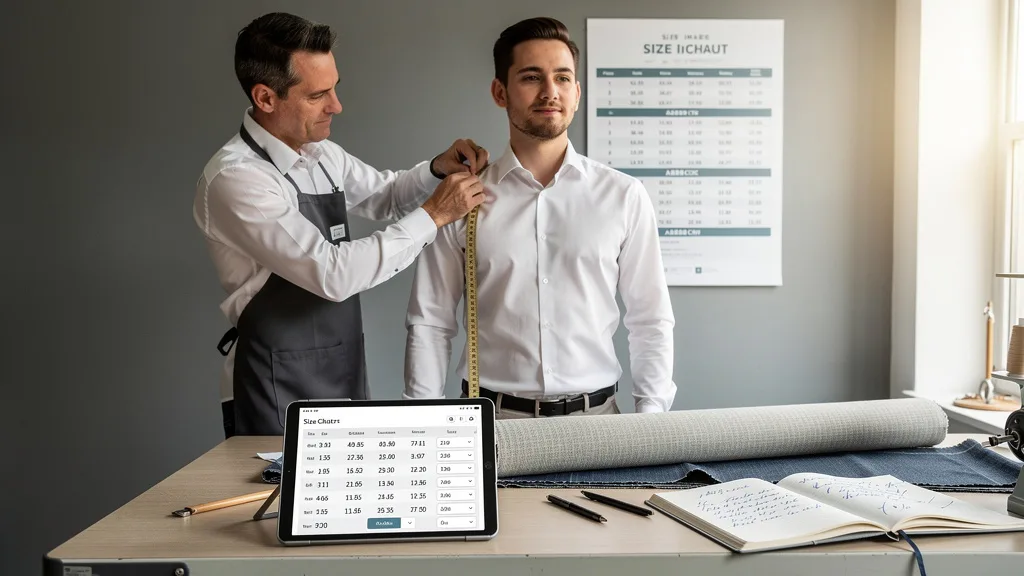
“In 2026, finding your perfect shirt fit is less about guesswork and more about using the right tools. A simple measuring tape combined with a brand’s detailed size chart is the most reliable method to find your perfect shirt size.” – The Vastgent Style Team
The Essential Measuring Tape
The most fundamental and indispensable tool for finding your size is a soft, flexible tailor’s measuring tape. Unlike a rigid metal tape measure, a tailor’s tape can accurately conform to the curves of your body, providing precise measurements for your neck, chest, and arms. This simple device is the gold standard for accuracy.
Investing in a measuring tape is a small but crucial step toward building a wardrobe of perfectly fitting clothes. They are inexpensive and widely available. Having one on hand means you can check your measurements anytime and confidently shop from any brand by comparing your data to their charts.
Using Digital Size Finders and Calculators
In today’s digital age, many online tools can help you determine your size. Digital size finders and calculators often ask for your height, weight, age, and body shape, along with basic measurements, to recommend a size. These can be a convenient starting point and are often found on e-commerce websites.
While helpful, their recommendations can sometimes be generic. For a more robust option, a Free Size Calculator can offer more detailed analysis. The best approach is to use these digital tools as a supplementary guide and always cross-reference their suggestions with your own precise measurements and the brand’s specific fit guide.
Leveraging Brand-Specific Fit Guides
This is the most critical tool in your arsenal. After taking your measurements, you must consult the brand-specific size chart, or fit guide, for the shirt you intend to purchase. Every apparel brand has its own unique sizing standards, meaning a Medium from one company may fit very differently from another’s. This is especially true for plus sizes, where an XXXL size chart can vary significantly between brands.
These charts are usually located on the product page and provide detailed measurements for each size they offer. Compare your neck, chest, and sleeve measurements to the chart to find your best match. Paying close attention to this guide is the single most effective way to ensure the shirt you order online arrives fitting perfectly.
Common Sizing Mistakes and How to Avoid Them
Even with the right tools, it is easy to make simple mistakes that lead to a poor fit. Being aware of these common pitfalls can save you the time and frustration of dealing with returns. By avoiding these errors, you can refine your shopping process and consistently choose the right size.

- Ignoring Fit Type: Focusing only on size (S, M, L) without considering the fit (slim, classic, modern) can lead to a shirt that is too tight or too baggy.
- Measuring Inaccurately: Using the wrong type of tape measure or not holding it correctly can throw off your numbers.
- Forgetting About Your Build: Not considering your own body shape, such as broad shoulders or a narrow waist, when choosing a fit type.
- Not Reading Product Reviews: Other customers often leave valuable feedback on whether a shirt fits true to size, runs small, or runs large.
Assuming All Brands Size the Same
One of the most frequent mistakes shoppers make is assuming that their size is consistent across all brands. A size ‘M’ from one label might correspond to a 38-40 inch chest, while another brand’s ‘M’ might be designed for a 40-42 inch chest. This is why knowing your own measurements is so powerful; it makes you independent of inconsistent brand sizing.
Always, without exception, check the size chart for every single brand and, if possible, for every single product you buy. This five-minute check is the best way to prevent the disappointment of receiving a shirt that does not fit. Understanding that an M size in number can change is key to successful online shopping.
Forgetting to Account for Fabric Shrinkage
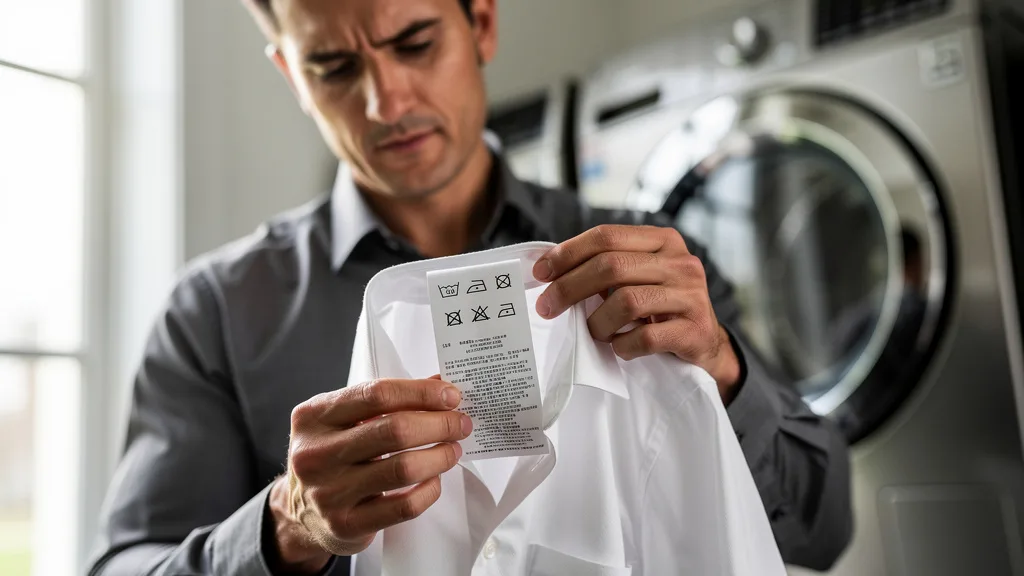
Natural fabrics like cotton and linen have a tendency to shrink when washed and dried, especially with heat. While most high-quality premium shirts are pre-shrunk (or sanforized) to minimize this, a small amount of shrinkage, typically 1-3%, can still occur. Ignoring this can result in a perfect-fitting shirt becoming too snug after the first wash.
To avoid this, always check the product description and care label for information on the fabric and washing instructions. Following a proper beginner guide to premium shirt care, such as washing in cold water and air-drying or tumble drying on low, will help preserve the shirt’s original size and shape. If you are between sizes, you might consider sizing up slightly for 100% cotton shirts to account for potential shrinkage.
Focusing Only on Neck and Chest Size
While neck and chest measurements are vital, they are not the only factors that determine a good fit. Many people make the mistake of ignoring other critical dimensions like sleeve length, shoulder width, and overall shirt length. A shirt can fit perfectly in the collar and chest but look awkward if the sleeves are too short or the body is not long enough to stay tucked in.
A comprehensive size chart will include these additional measurements. Pay attention to the shoulder seam measurement to ensure it sits right at the edge of your shoulder. Check the shirt length to confirm it will suit your height and whether you plan to wear it tucked or untucked. A holistic approach to sizing is the only way to achieve a truly perfect fit.
Key Takeaways
Finding your perfect premium shirt size is an achievable goal when you use the right approach. By moving beyond generic labels and focusing on precise data, you can transform your online shopping experience. Here are the most important points to remember:
- Measure Yourself Accurately: Use a flexible tailor’s tape to measure your neck, chest, and sleeve length. These three core measurements are your foundation for a great fit.
- Understand Fit Types: Learn the difference between slim, classic, and modern fits. Choose the one that best suits your body type and personal style preference.
- Always Use the Brand’s Size Chart: Never assume your size is the same across different brands. The brand-specific fit guide is your most reliable tool for choosing the correct size.
- Avoid Common Mistakes: Account for potential fabric shrinkage, and do not focus solely on chest and neck size. Consider sleeve length, shoulder width, and overall shirt length for a truly perfect fit.
- Combine Your Tools: The best results come from using your measurements, digital calculators, and brand guides together to make an informed decision.
Frequently Asked Questions
What is the difference between formal and casual shirt sizing?
Formal dress shirts are typically sized with two specific numbers: the neck circumference and the sleeve length (e.g., 15.5 / 34). This precise system ensures a sharp fit, especially when worn with a tie and suit jacket. Casual shirts, on the other hand, usually use more general alphanumeric sizing like Small, Medium, and Large, which corresponds to a broader range of body measurements.
How accurate are online shirt size calculators?
Online shirt size calculators can be quite accurate as a starting point, but their reliability varies. They work best when they ask for detailed measurements rather than just height and weight. However, they should not be your only tool. Always treat their recommendation as a guide and cross-reference it with your own measurements and the brand’s specific size chart for the most dependable results.
Can I find my shirt size without a measuring tape?
While a measuring tape is highly recommended for accuracy, you can get a rough estimate without one. One method is to use a piece of non-stretchy string or a phone charging cable to take the measurement, then measure the string against a ruler. Alternatively, you can take a shirt that already fits you well, lay it flat, and measure its key dimensions (chest, neck, sleeve) to compare against a brand’s online size chart.
How much will a premium cotton shirt shrink after washing?
Most premium 100% cotton shirts are pre-shrunk, which means shrinkage should be minimal. You can typically expect about 1-3% shrinkage after the first few washes. To prevent this, always follow the care instructions on the label. Washing in cold water and either air-drying or tumbling on a low-heat setting will help maintain the shirt’s original size and integrity for years to come.
What does ‘taper’ mean in relation to shirt fit?
In shirt terminology, ‘taper’ refers to the gradual narrowing of the garment’s width from the chest down to the waist. A shirt with a significant taper will be wider at the chest and slimmer at the waist, creating a V-shape that follows the natural contour of an athletic build. Slim fit and modern fit shirts are tapered to eliminate excess fabric around the midsection for a cleaner, more tailored look.
Conclusion
Mastering the art of finding your perfect premium shirt size is no longer a matter of luck. By utilizing the right tools and knowledge, you can approach every purchase with confidence. The combination of a simple measuring tape, a clear understanding of fit types, and diligent use of brand-specific size charts empowers you to take control of your style and comfort. This process ensures your investment in high-quality apparel is never wasted on a poor fit.
The key takeaways are simple yet transformative. First, trust your own measurements for the neck, chest, and sleeves above all else. Second, recognize that fit type, whether slim, classic, or modern, is just as important as size. Finally, make it a habit to consult the size chart for every single purchase. By avoiding common mistakes like assuming universal sizing and forgetting about fabric care, you set yourself up for success.
With this guide, you are now fully equipped to navigate the world of online apparel shopping like an expert. You have the tools and the strategy to select shirts that not only fit your body but also elevate your personal style. Ready to find a shirt that feels like it was made just for you? Explore our collection of premium shirts, crafted with precision and style. Use your new sizing knowledge to select the perfect piece from our curated selection.
If you want help turning this into a concrete plan for your site or team, take the next step below — it is the fastest way to move from reading about Top Tools for Finding Your Perfect Premium Shirt Size to applying it with confidence.
Ready to act on Top Tools for Finding Your Perfect Premium Shirt Size? SHOP NOW — tell us your goal, and we will help you pick the highest-leverage next step so you are not guessing alone.