

Are you trying to build a stylish wardrobe but find that plus-size shopping feels like a guessing game? Finding high-quality, well-fitting XXXXL shirts is one challenge, but understanding the pricing is another. In 2026, the cost of these shirts can vary dramatically, leaving many to wonder what a fair price actually is.
In 2026, the cost of XXXXL size shirts ranges from approximately $20 for basic casual t-shirts to over $150 for premium designer dress shirts. The final price you pay is heavily influenced by factors like fabric quality, brand reputation, and the complexity of the shirt’s design and construction. This guide will help you navigate the market and find the perfect shirt for your budget and style.
Navigating the world of plus-size fashion requires a keen eye for both style and value. Knowing what drives the cost helps you invest in pieces that not only look great but also offer lasting comfort and durability. From casual wear to formal attire, we will break down the expected costs and what you get for your money.
Understanding XXXXL Sizing and Measurements
Before diving into costs, it is crucial to understand what XXXXL sizing entails to ensure you get a perfect fit. Sizing can vary significantly between brands, so relying on your own measurements is always more reliable than just picking a size label. A well-fitting shirt provides comfort and confidence, making it a worthwhile investment.
Standard Chest and Body Length Dimensions
Generally, an XXXXL (or 4XL) shirt is designed for individuals with a chest measurement of approximately 54 to 56 inches (137-142 cm). The body length typically ranges from 33 to 34 inches to provide adequate coverage without being overly long. However, these are general guidelines. Always consult a brand’s specific size chart, as fits like “classic,” “slim,” or “athletic” can alter these dimensions even within the same size category.
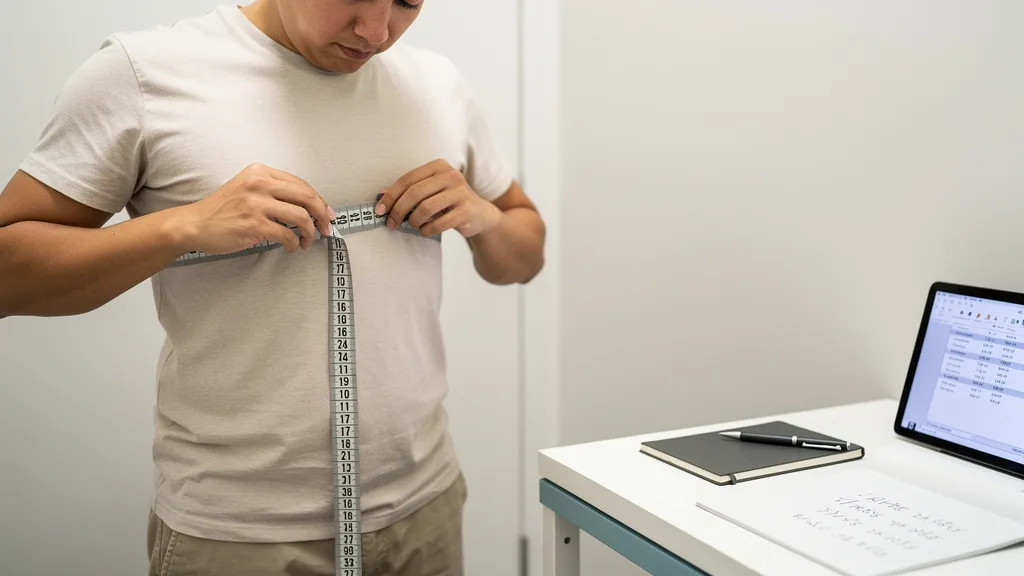
Some brands also offer “tall” versions of their plus sizes, which add extra length to the sleeves and torso without increasing the chest width. This is ideal for taller individuals who need the extra room of an XXXXL but find standard lengths too short. Checking these details ensures you avoid the frustration of a shirt that fits in the chest but is too short elsewhere.
How to Measure Yourself for an Accurate Fit
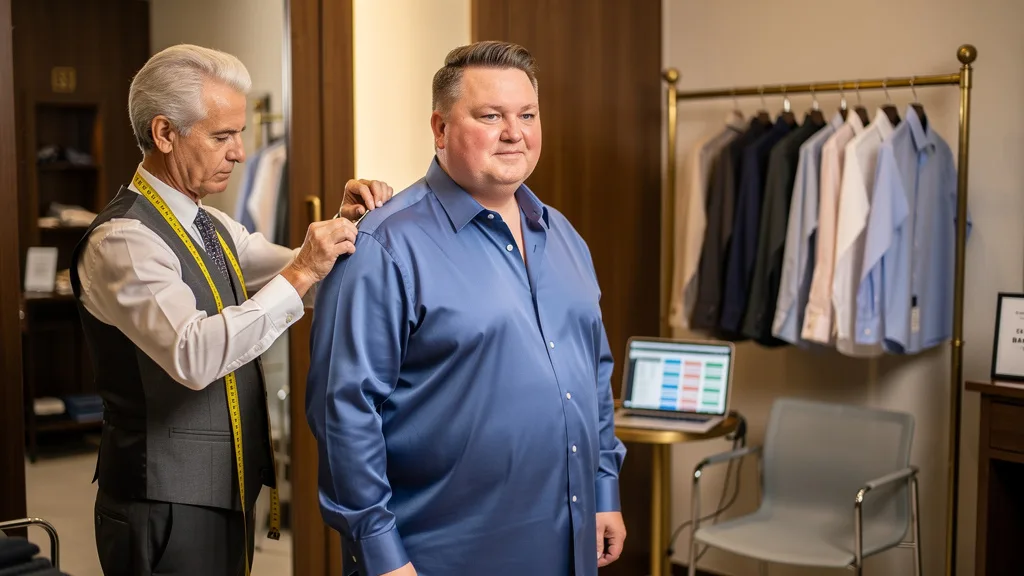
Taking accurate measurements at home is simple and is the best way to ensure a great fit when shopping online. You will need a soft, flexible measuring tape. For the most accurate results, measure over undergarments or a thin t-shirt. Stand in a relaxed, natural posture.
Follow these steps to get your core shirt measurements:
- Chest: Wrap the tape measure around the fullest part of your chest, under your armpits. Keep the tape level and snug, but not tight.
- Waist: Measure around your natural waistline, which is typically the narrowest part of your torso.
- Neck: For dress shirts, measure around the base of your neck where the collar would sit. Place one finger between the tape and your neck to ensure a comfortable fit.
- Sleeve Length: Place one hand on your hip. Start the tape at the center back of your neck, run it over the top of your shoulder, down your elbow, and to your wrist bone.
Once you have these numbers, you can confidently compare them to any brand’s sizing guide. For a more detailed walkthrough, you can consult a comprehensive shirt size chart guide to convert between inches and centimeters or understand different fit types.
Key Factors That Determine XXXXL Shirt Prices
The price tag on an XXXXL shirt is determined by much more than just the amount of fabric used. Several key factors contribute to the final cost, and understanding them can help you identify true quality and value. From the raw materials to the brand’s market position, each element plays a role.
Fabric Quality and Material Type
The single most significant factor in a shirt’s cost is the material. A basic t-shirt made from standard cotton will be far less expensive than a dress shirt crafted from premium Egyptian or Pima cotton. High-quality fabrics like these have longer fibers, resulting in a softer, stronger, and more durable garment that resists pilling and fading. Similarly, specialty fabrics like linen, silk blends, or technical performance materials for athletic wear also command higher prices.
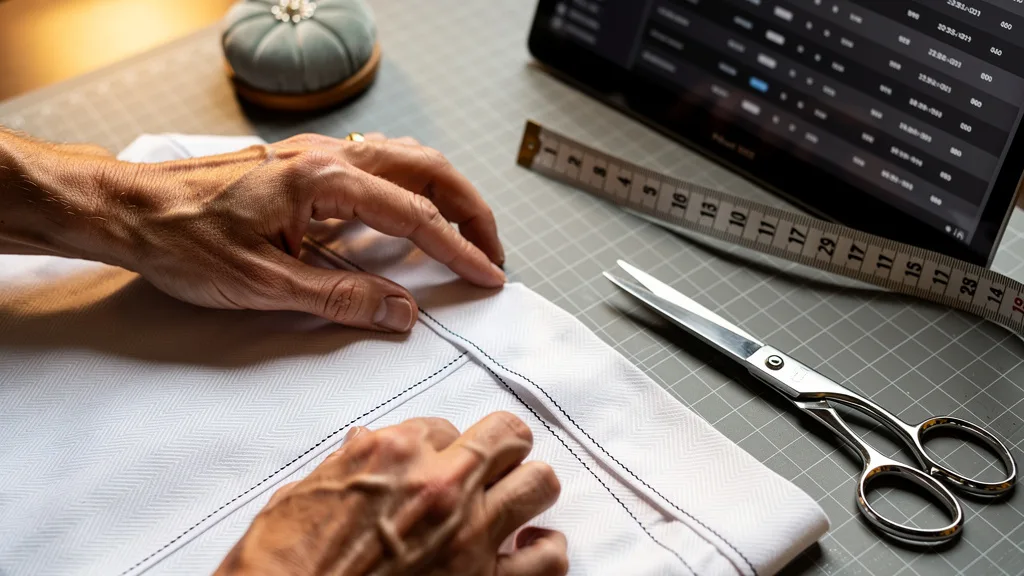
When you’re considering a purchase, pay attention to the fabric composition. A higher price often reflects a superior material that will feel better against your skin and hold its shape for years to come. Learning about the best fabric for XXXL shirts can help you choose garments that offer both comfort and longevity.
Brand Reputation and Designer Labels
Well-known designer labels and premium brands often have higher prices due to their established reputation for quality, style, and exclusivity. You are paying not just for the garment itself, but also for the brand’s design aesthetic, marketing, and the perceived status that comes with it. These brands invest heavily in research and development to create unique fits and styles tailored to their audience.
Conversely, direct-to-consumer brands and lesser-known labels may offer comparable quality at a lower price point because they have lower overhead costs. While a designer logo can be a draw, it’s wise to assess the garment’s actual quality, fabric, and construction to determine if the price is justified beyond the name on the tag.
Shirt Style and Construction Complexity
The complexity of a shirt’s design directly impacts its cost. A simple crewneck t-shirt requires minimal cutting and sewing. In contrast, a formal dress shirt involves much more intricate construction, including a structured collar, cuffs, a button placket, and potentially darts for a more tailored fit. Features like French cuffs, mother-of-pearl buttons, or pattern-matching across seams all require more skilled labor and time, which increases the production cost.
Even within a category like casual shirts, a simple print is cheaper to produce than an intricate embroidered design. When evaluating price, consider the details. A higher price often reflects superior craftsmanship and thoughtful design elements that contribute to a better-looking and longer-lasting shirt.
Average Cost of XXXXL Shirts in 2026 by Type
To help you budget effectively, we have broken down the average prices for different types of XXXXL shirts in 2026. These ranges reflect what you can expect to pay for good-quality garments from a variety of retailers, from mass-market brands to premium labels.
“Investing in one well-made, perfectly fitting shirt is always a better value than buying three cheap ones that lose their shape after a few washes. Quality materials and construction make all the difference in plus-size apparel.”

The following table provides a quick overview of expected costs. Keep in mind that prices can fluctuate based on sales, location, and the specific factors mentioned previously.
| Shirt Type | Low-End Price | Mid-Range Price | High-End/Premium Price |
|---|---|---|---|
| Casual T-Shirts & Henleys | $20 | $35 | $50+ |
| Polo Shirts | $40 | $60 | $85+ |
| Short-Sleeve Button-Ups | $45 | $65 | $90+ |
| Long-Sleeve Casual Shirts (Flannel, Chambray) | $50 | $75 | $110+ |
| Formal Dress Shirts | $70 | $100 | $150+ |
Casual T-Shirts and Henleys
For everyday wear, casual t-shirts and henleys are wardrobe staples. In the XXXXL size range, you can expect to pay between $20 and $50. At the lower end, you will find basic 100% cotton or cotton-blend tees from mass-market retailers. Moving into the $35-$50 range, you will find shirts made from higher-quality materials like Pima or ringspun cotton, which offer superior softness and durability. This is a great place to start building your collection of stylish XXXXL t-shirts for daily wear.
Graphic tees within this category can sometimes cost more due to licensing or intricate designs. Henleys, with their button plackets, also tend to be priced slightly higher than a standard crewneck or V-neck t-shirt due to the extra construction detail.
Polo Shirts and Short-Sleeve Button-Ups
A step up in formality, polo shirts and short-sleeve button-ups are versatile options for smart-casual settings. Prices for these styles typically range from $40 to $85. Polo shirts in this price bracket are often made from pique knit cotton, known for its breathable, textured weave. Button-up shirts will feature fabrics like poplin, chambray, or oxford cloth.
At the higher end of this range, you can expect better construction, premium fabrics that resist wrinkles, and a more refined fit. Brands specializing in performance wear may also offer polos with moisture-wicking and stretch properties, which can place them in the upper end of this price category.
Formal Dress Shirts and Long-Sleeve Styles
When it comes to formal wear, quality is paramount. Formal dress shirts in XXXXL sizes generally cost between $70 and $150, with some luxury brands exceeding that. The price is justified by the use of high-thread-count cottons, non-iron finishes, and meticulous construction details like reinforced collars and cuffs that maintain a crisp appearance throughout the day.
In this category, fit is everything. Many premium brands offer different fits (e.g., classic or traditional) to accommodate various body shapes. Investing in a high-quality dress shirt ensures you look sharp and professional for any important occasion. For more tips on what to look for, exploring a men’s formal shirts guide can be incredibly helpful.
Where to Find the Best Deals on Plus-Size Clothes
Finding stylish and affordable plus-size clothing is easier than ever, thanks to a growing number of retailers catering to this market. Knowing where to look can save you both time and money, ensuring you find pieces you love without overspending.
Specialty Big and Tall Retailers
Retailers that specialize exclusively in big and tall sizes are an excellent resource. These stores understand the unique fit challenges of larger body types and design their garments accordingly. They offer a wide range of sizes, including XXXXL and beyond, and their staff are often knowledgeable about proper fit. While their regular prices might be higher, they frequently have sales and loyalty programs that offer significant savings.
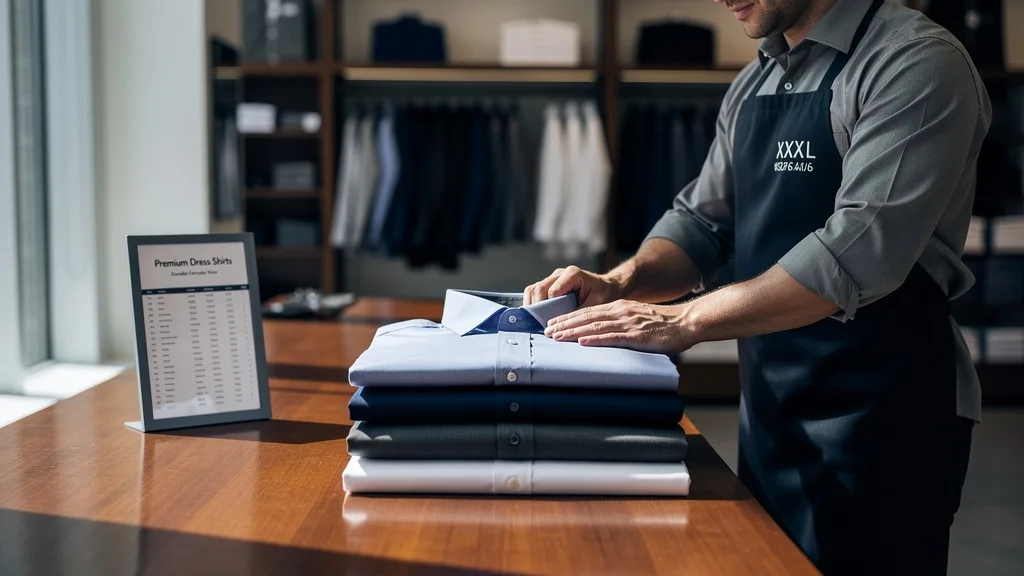
These specialty stores, both online and brick-and-mortar, curate collections from various brands, giving you a one-stop-shop experience. They are particularly good for finding wardrobe staples like suits, outerwear, and formal shirts that can be difficult to find in standard retail stores.
Online Marketplaces and Direct Brands
The internet has revolutionized XXXXXL size shopping. Online marketplaces like Amazon and regional platforms like Daraz PK offer an enormous selection from countless sellers, leading to competitive pricing. However, quality can be inconsistent, so it is vital to read reviews and check seller ratings before purchasing.
Buying directly from brands that offer an extensive size range is often a better strategy. Direct-to-consumer (DTC) brands, like us, control the entire process from design to delivery, often resulting in higher quality and a better customer experience. You get access to the full collection, detailed size charts, and often benefit from promotions and fast delivery.
Seasonal Sales and Off-Price Stores
Patience can lead to big savings. Shopping during end-of-season sales (like in late winter for winter clothes or late summer for summer apparel) is a classic way to get high-quality items at a fraction of their original price. Signing up for brand newsletters will alert you to flash sales and special promotions throughout the year.
Off-price retailers like T.J. Maxx or Marshalls can also be treasure troves for discounted designer and brand-name apparel. Their inventory is constantly changing, so it requires frequent visits and a bit of luck, but you can often find premium-quality XXXXL shirts at a significant discount.
Tips for Saving Money on Your Next Shirt Purchase
Building a quality wardrobe doesn’t have to drain your bank account. With a few smart strategies, you can invest in great-looking XXXXL shirts while keeping your budget in check. These tips focus on maximizing value and making your clothes last longer.
- Invest in Quality Over Quantity: A well-made shirt from a premium fabric will outlast several cheaper alternatives. It may cost more upfront, but it saves you money in the long run by not needing frequent replacement.
- Build a Core Wardrobe with Timeless Pieces: Focus on classic colors and styles like solid white, blue, and black shirts. These versatile pieces can be dressed up or down and will never go out of style, giving you more wear per garment.
- Sign Up for Email Newsletters: Your favorite brands will often send exclusive discount codes, early access to sales, and special offers to their email subscribers. This is an easy way to save 10-20% on your next purchase.
- Shop Off-Season: Buy your winter flannels in the spring and your linen shirts in the fall. Retailers are eager to clear out old inventory and offer deep discounts on seasonal items.
- Proper Garment Care: Extend the life of your shirts by following the care instructions on the label. Washing in cold water, avoiding the high-heat dryer setting, and using a quality detergent can prevent shrinking, fading, and fabric wear.
Key Takeaways
Navigating the market for plus-size apparel can be simple when you know what to look for. Understanding how much do XXXXL size shirts cost in 2026 is about more than just a number; it’s about recognizing the value in fabric, fit, and construction. Here are the most important points to remember:
- Price Range is Wide: Expect to pay anywhere from $20 for a basic tee to over $150 for a premium dress shirt.
- Key Cost Drivers: Fabric quality is the biggest factor, followed by brand reputation and the complexity of the shirt’s design.
- Measure Yourself: Never rely solely on size tags. Use your own chest, neck, and sleeve measurements to compare against brand-specific size charts for an accurate fit.
- Shop Smart: Look for deals by shopping off-season, signing up for newsletters, and buying directly from reputable brands that specialize in inclusive sizing.
- Prioritize Value: Investing in higher-quality shirts means they will last longer, fit better, and provide more comfort, offering better long-term value for your money.
Frequently Asked Questions
What is the price difference for women’s plus-size shirts?
The price for women’s plus-size shirts is generally comparable to men’s for similar quality and style. However, prices can sometimes be slightly higher for women’s garments that feature more intricate details, special prints, or embellishments like embroidery or beading, which require more labor to produce.
Fabric choices can also influence the price. For example, a woman’s blouse made from a silk blend will naturally cost more than a men’s cotton button-down. Ultimately, the core cost factors of fabric, brand, and construction complexity apply equally across genders.
How much does a typical XXL shirt cost?
A typical XXL shirt usually costs slightly less than an XXXXL shirt from the same brand and in the same style. The price difference is often around 5-10%. This is primarily because the smaller size requires less fabric to produce. While the labor and design costs remain the same, the material savings are sometimes passed on to the consumer.
However, this is not a universal rule. Some brands use tiered pricing that groups several plus sizes (e.g., XXL-XXXXL) into a single price point. It’s always best to check the specific product’s pricing rather than assuming a discount for a smaller size.
What are the average prices for plus-size pants in 2026?
In 2026, the average price for plus-size pants varies widely depending on the type and material. You can expect to find casual chinos or denim jeans in the $50 to $90 range. Performance or athletic pants may cost between $60 and $120, depending on the technical features.
For more formal attire, such as tailored dress trousers or suit pants, prices typically start around $100 and can go well over $200 for premium wool or designer brands. Just like with shirts, fabric quality, brand, and construction are the primary drivers of cost.
Is there a significant price increase for sizes above XL?
Yes, many brands do implement a price increase for sizes XXL and above. This is sometimes referred to as a “plus-size tax.” The justification from retailers is that larger garments require more fabric and sometimes necessitate different, more complex pattern grading and manufacturing processes, which increases the cost of production.
While the practice is common, many modern, inclusive brands are moving toward uniform pricing across all sizes to create a more equitable shopping experience. When shopping, it is worth noting which brands absorb these extra costs and which pass them on to the customer.
What does the XXXXL size correspond to in numbers?
An XXXXL (4XL) size typically corresponds to a numbered dress shirt size of 20 to 22 or a chest measurement of 54 to 56 inches. For women’s sizing, it can align with a US size of 26W to 28W. However, these numbers can vary significantly from one brand to another.
It is always essential to ignore the generic size label and instead rely on your specific measurements. Always refer to the brand’s official size chart, which will provide the most accurate information and help you select the size that will fit you best.
Conclusion
Ultimately, understanding the cost of XXXXL shirts in 2026 is about recognizing the value behind the price tag. By focusing on high-quality fabrics, impeccable construction, and a perfect fit, you can build a versatile and long-lasting wardrobe. Armed with the knowledge of what drives prices and how to measure for success, you are now equipped to make smart, confident purchasing decisions that align with both your style and your budget.
Ready to find premium shirts designed for an impeccable fit and lasting style? Explore our curated collection of men’s and women’s apparel crafted with the finest materials and attention to detail. Find your perfect fit today. SHOP NOW.