

Have you ever put on a formal shirt and felt that something was just… off? A poorly fitting shirt can undermine even the most expensive suit, projecting an image of carelessness. The right fit, however, elevates your entire appearance, conveying confidence and sharp attention to detail. This guide will walk you through everything you need to know to find that perfect fit every time.
To choose the right fit for a formal shirt, you must evaluate five key areas: the collar, shoulders, chest, sleeves, and overall length. A well-fitting shirt allows for comfortable movement without excess fabric. Understanding your measurements and the differences between fit types—such as slim, modern, and classic—is essential for selecting a garment that complements your body shape and ensures a polished, professional look for any occasion.
Why the Perfect Shirt Fit Is Non-Negotiable
A perfectly fitting formal shirt is the cornerstone of a sophisticated wardrobe. It does more than just cover you; it structures your silhouette, enhances your posture, and communicates a high level of personal polish. When your shirt fits correctly, it moves with you, providing comfort and preventing distracting pulling or bunching under a jacket. This seamless integration is what separates a good outfit from a great one.

Beyond aesthetics, the right fit impacts your confidence. An ill-fitting shirt, whether too tight or too loose, can be a constant source of discomfort and self-consciousness. In contrast, a shirt that fits impeccably feels like a second skin, allowing you to focus on the tasks at hand, whether you’re in a crucial business meeting or attending a formal event. This is why investing time in understanding how to choose the right fit for formal shirts is not an indulgence but a necessity for the modern gentleman.
Key Areas for a Perfect Formal Shirt Fit
Achieving the ideal fit requires a detailed assessment of how the shirt interacts with different parts of your body. It’s a balance of comfort, function, and style. Paying close attention to these specific areas will ensure your shirt looks custom-made and feels incredible to wear throughout the day. From the collar down to the hem, every detail matters.
The Collar and Neck
The collar is arguably the most visible part of a formal shirt, especially when worn with a tie and jacket. A correctly fitting collar should be snug but not restrictive. The classic rule is that you should be able to comfortably slide one or two fingers between your neck and the fastened collar. Any more space, and the collar will look sloppy and sag; any less, and it will be uncomfortably tight.
When you turn your head, the collar should not turn with it. It should remain stationary against your neck. This ensures a clean, sharp neckline that frames your face properly. Pay attention to the collar points as well; they should lie flat against your collarbone without curling up or creating a gap.
The Shoulders and Seams
The shoulder seams of your dress shirt are a critical indicator of its overall fit. The seam where the sleeve attaches to the body of the shirt should sit precisely at the edge of your shoulder bone (the acromion). If the seam droops down your arm, the shirt is too large, which can create a sloppy, oversized appearance. This excess fabric can also bunch up under a jacket.
Conversely, if the seam rides up onto your shoulder, the shirt is too small. This will restrict your arm movement, cause pulling across the upper back and chest, and create an uncomfortable, pinched feeling. Getting the shoulder fit right provides the necessary structure for the rest of the shirt to drape correctly.
The Chest and Torso
A formal shirt should lie flat across your chest without pulling or gaping at the buttons. When you stand in a natural posture, there should be no visible strain on the button placket. You should have enough room for comfortable movement, but not so much that the fabric billows or looks baggy. A good test is to pinch the fabric at your side; you should be able to gather about 1 to 2 inches of excess material.
The fit around the torso and waist should follow the natural lines of your body. For a more modern look, the shirt can be tapered to reduce excess fabric around the midsection. However, it should never be so tight that it wrinkles when you sit down or restricts your breathing. The goal is a clean silhouette that complements your physique.
The Sleeves: Length and Width
Sleeve length is crucial for a polished appearance, particularly when wearing a suit jacket. The shirt cuff should end exactly at the break of your wrist, where your palm begins. This allows about a half-inch of the shirt cuff to show beyond the end of your jacket sleeve, creating a sophisticated and balanced look. Cuffs that are too long look messy, while cuffs that are too short can make your jacket sleeves appear ill-fitting.
The width of the sleeve, or the armhole, should allow for a full range of motion without being overly baggy. You should be able to bend your arm comfortably without the fabric feeling tight around your bicep or forearm. However, excessive fabric will create a billowing effect that looks untidy and adds unnecessary bulk under a jacket.
The Overall Shirt Length
The length of a formal shirt is designed to be tucked in, so it must be long enough to stay securely in place throughout the day. A properly sized dress shirt should extend several inches below your beltline, typically covering the seat of your trousers completely. This extra length ensures that when you raise your arms or bend over, the shirt tails will not come untucked.
To test the length, tuck the shirt in and raise your arms above your head. If the tails pop out, the shirt is too short. A shirt that is too long, on the other hand, can create uncomfortable bunching in your trousers. The hem should ideally be curved, with longer front and back tails, which helps it stay tucked in more effectively than a straight hem.
How to Measure Yourself for a Dress Shirt
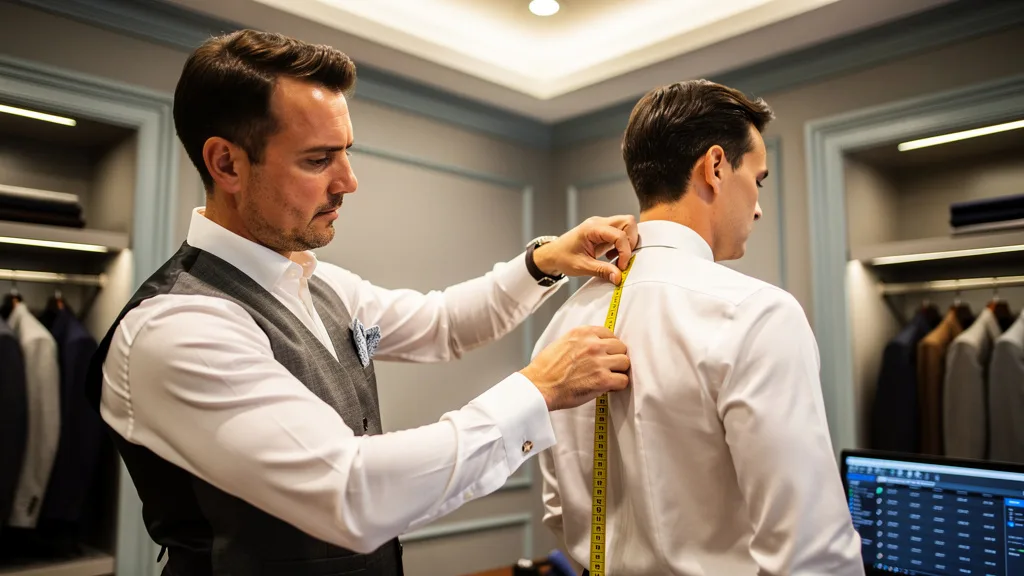
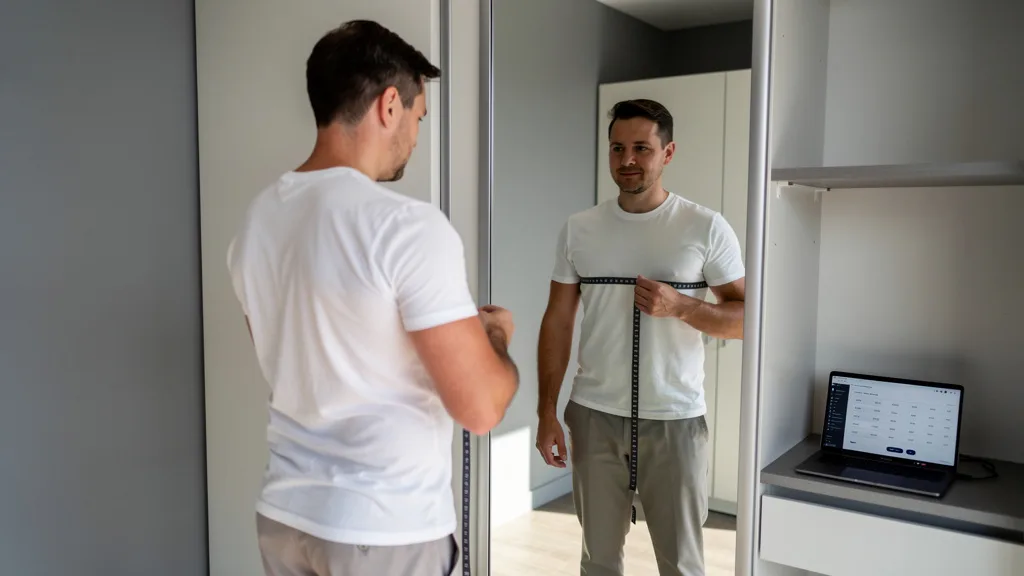
Taking accurate measurements is the most reliable way to find a dress shirt that fits you perfectly, especially when shopping online. All you need is a soft, flexible measuring tape. For best results, stand in a relaxed, natural posture and ask a friend to help, though you can also take these measurements yourself with a little care. These three key measurements will help you navigate size charts with confidence.
Measuring Your Neck Circumference
Your neck measurement determines your collar size, which is a primary sizing metric for formal shirts. Wrap the measuring tape around the base of your neck, just below your Adam’s apple, where the collar would naturally sit. Keep the tape level and not too tight. Place one finger between the tape and your neck to ensure there is enough breathing room. The measurement in inches is your collar size; if you are between sizes, it’s generally better to round up to the next half-inch.
This simple measurement is critical for comfort, as a collar that is too tight can be unbearable for a full day of wear. A correct neck measurement ensures you can button the top button without feeling constricted, which is essential for wearing a tie properly. Many brands, including our own premium collections, use this as a key sizing dimension.
Measuring Your Chest Size
The chest measurement ensures the shirt drapes correctly across your upper body without pulling or billowing. Wrap the measuring tape around the fullest part of your chest, passing it under your armpits and over your shoulder blades. Keep the tape parallel to the ground and pull it snug, but not so tight that it constricts your breathing. Take the measurement and add one to two inches for comfort and movement, depending on how closely you prefer your shirts to fit.
This measurement is vital for avoiding the dreaded button-pull, where the fabric strains across your chest. It also helps determine the overall cut of the shirt. For those with a broader build, ensuring an adequate chest measurement is key to finding a comfortable and flattering fit, which is why exploring options like our XXXXL shirts for 2026 can be beneficial.
Measuring Your Sleeve Length
Sleeve length is often measured from the center back of your neck to your wrist, as this provides a more accurate measurement than starting at the shoulder. Place the end of the measuring tape at the base of your neck, in the center. Run the tape over the top of your shoulder, down your arm, to the point where you want the cuff to end, which should be at the wrist bone. It’s helpful to have a slight bend in your elbow during this measurement.
This method accounts for the full length needed for arm movement. An accurate sleeve measurement prevents the common problem of cuffs riding up your forearm when you extend your arms. It’s a detail that makes a significant difference in the overall polish and comfort of your formal wear.
Understanding Common Dress Shirt Fit Types
Once you know your measurements, the next step is to understand the different fits available. Dress shirts are typically offered in several cuts, each designed to flatter a different body type and suit a different style preference. Choosing the right one is just as important as getting the size right. The three most common fits you will encounter are slim, classic, and modern.
A well-fitted shirt is the foundation of any distinguished look. It communicates attention to detail and self-respect before you even speak a word.
Slim Fit: For a Tapered Silhouette
A slim fit shirt is cut close to the body for a sharp, contemporary silhouette. It features higher armholes and is tapered through the chest and waist, eliminating excess fabric. This fit is ideal for slender or athletic body types who want to highlight their physique without the shirt appearing tight. It provides a clean, modern line that works exceptionally well under a fitted suit jacket.

However, if you have a broader build, a slim fit might feel restrictive across the chest, shoulders, or waist. It is designed to be form-fitting, so if you prioritize comfort and a wider range of motion over a tailored appearance, you might consider a different cut. This style is perfect for making a sleek, fashionable statement.
Classic Fit: Prioritizing Comfort and Movement
The classic fit, also known as a regular or standard fit, is the most traditional and generously cut option. It offers ample room in the chest, torso, and sleeves, prioritizing comfort and freedom of movement. This fit features lower armholes and is not tapered at the waist, resulting in a straight silhouette from the chest down. This style is an excellent choice for men with a larger or broader build, or for those who simply prefer a more relaxed feel in their clothing.
While incredibly comfortable, a classic fit can sometimes have too much excess fabric for a slender frame, potentially looking baggy. However, for many, it remains the go-to choice for everyday business wear due to its timeless comfort. You can explore a variety of best regular fit shirts for everyday comfort to find options that suit this preference.
Modern Fit: The Hybrid Option
The modern fit, sometimes called a contemporary or tailored fit, strikes a balance between the slim and classic styles. It is more tapered than a classic fit but offers more room and comfort than a slim fit. This cut provides a flattering silhouette that narrows slightly at the waist without hugging the body too tightly. It features mid-height armholes and a chest that is trim but not restrictive.
This hybrid option has become increasingly popular as it offers a clean, updated look while still being comfortable for a wide range of body types. It’s an excellent all-around choice if you find slim fits too constricting and classic fits too voluminous. The modern fit provides a sharp, tailored appearance suitable for almost any professional or formal setting.
| Feature | Slim Fit | Modern Fit | Classic Fit (Regular Fit) |
|---|---|---|---|
| Silhouette | Highly tapered, contours to the body | Slightly tapered, follows body shape | Straight cut, generous room |
| Chest & Waist | Narrow, minimal excess fabric | Trim, with some room for movement | Full, with ample fabric |
| Armholes | High and snug | Mid-height | Low and spacious |
| Best For | Slender, athletic body types | Most body types, a balanced option | Broader or larger body types, comfort seekers |
How to Tell if a Shirt Fits Correctly: Common Issues
Even with the right measurements and fit type, it’s important to recognize the tell-tale signs of a poor fit. When you try on a shirt, move around in it—sit down, raise your arms, and turn your torso. A great shirt will feel comfortable in any position. Watch out for these common problems to ensure you’ve found the perfect garment.
The Dreaded Collar Gap
The collar gap is the space that appears at the back of your neck between your shirt collar and your jacket collar. This issue is often caused by a shirt that is too large in the neck or shoulders, or it can be related to posture. A well-fitting shirt and jacket combination should have both collars sitting flush against each other, creating a clean, uninterrupted line. If you notice a significant gap, it’s a sign that the shirt’s proportions are not right for you.
This problem detracts from the sharp silhouette you aim for with formal wear. To fix it, ensure your neck measurement is accurate and that the shirt’s shoulder seams align correctly with your own shoulders. Sometimes, a different brand or fit type can resolve the issue by offering different proportions.
Pulling Buttons at the Chest
One of the most obvious signs of an ill-fitting shirt is when the buttons strain across the chest. This creates horizontal stress lines and a noticeable gap between the buttons, which can be distracting and unflattering. It clearly indicates that the shirt is too small in the chest and torso. Not only does this look bad, but it also puts stress on the buttons and seams, potentially leading to damage.
To avoid this, make sure your chest measurement allows for at least an inch or two of ease. When trying on a shirt, stretch your arms back and expand your chest. If you feel significant tension on the buttons, you need to size up or choose a different fit. For those with a larger build, finding the right shirt can be a challenge, but resources like our XXXL size chart can help guide you to a better fit.
Billowing Fabric at the Waist
Excess fabric bunching around your waistline, often called the “muffin top” effect, occurs when a shirt is too large in the torso. When you tuck the shirt in, this extra material has nowhere to go and creates a billowy, untidy look. This is a common issue with classic fit shirts on a slender frame or when you’ve chosen a size that is too large overall.
To solve this, opt for a more tapered fit like a modern or slim fit shirt that removes this excess material. If you need a larger size for your chest and shoulders but have a narrower waist, a tailor can easily add darts to the back of the shirt to create a more contoured shape. This simple alteration can make an off-the-rack shirt look bespoke.
As mentioned earlier, the shoulder seam is a critical fit point. If the seam droops off your shoulder and onto your upper arm, the shirt is too big. This creates a slumped, unstructured look and often leads to excess fabric in the sleeves and chest. It’s a foundational error that affects how the entire garment hangs on your frame.
Conversely, if the seam sits too high on your shoulder, the shirt is too small. This will cause the fabric to pinch and will restrict your arm movement, making the shirt uncomfortable to wear. The shoulder seam should always align perfectly with the corner of your shoulder bone for a clean look and optimal mobility. For more insights on the history and construction of formal wear, you can explore resources on the evolution of menswear from authoritative sources.
Key Takeaways
Mastering how to choose the right fit for formal shirts is a skill that pays dividends in comfort and confidence. By focusing on key measurements and understanding the nuances of different fit types, you can build a wardrobe of shirts that look and feel custom-made. Remember that a great fit is not about being restrictive; it’s about complementing your body’s natural shape.
Here are the essential points to remember on your next shopping trip:
- Measure First: Always start with accurate measurements for your neck, chest, and sleeves. This is your foundation for finding the right size.
- Check Key Fit Points: A perfect fit means the collar allows for two fingers, shoulder seams hit the edge of your shoulder bone, and buttons don’t pull at the chest.
- Understand Fit Types: Choose the right silhouette for your body and style. Slim fit offers a tapered look, classic fit prioritizes comfort, and modern fit provides a balanced hybrid.
- Avoid Common Pitfalls: Watch out for red flags like a collar gap, billowing waist fabric, or sleeves that are too long or short.
- Don’t Hesitate to Tailor: Minor alterations, like adding darts to the waist, can transform a good fit into a perfect one.
Frequently Asked Questions
Navigating the world of formal wear can bring up a few questions. Here are answers to some of the most common queries about shirt fits and wardrobe rules to help you refine your style further.
What is the 3-3-3 rule for clothes?
The 3-3-3 rule is a minimalist wardrobe challenge or packing method. It involves choosing three tops, three bottoms, and three pairs of shoes to create a versatile capsule wardrobe for a specific period. The idea is to select items that can be easily mixed and matched to create multiple outfits from a limited number of pieces.
While not directly related to shirt fit, this principle emphasizes the importance of choosing high-quality, well-fitting core pieces. A perfectly fitting white formal shirt, for example, would be an excellent choice for a 3-3-3 capsule because of its versatility across different occasions and pairings.
Can a tailor fix a poorly fitting dress shirt?
Yes, a tailor can make significant improvements to a poorly fitting dress shirt, but there are limits. A tailor can easily slim the torso, shorten the sleeves (if it has a standard cuff), or add darts to the back to remove excess fabric. These are relatively simple and cost-effective alterations that can make a huge difference.
However, major structural issues are difficult or impossible to fix. For example, a tailor cannot easily adjust the shoulders if they are too wide or too narrow, nor can they make a collar larger. It’s always best to buy a shirt that fits well in the shoulders and neck and then have other areas tailored as needed.
How much should a dress shirt shrink after washing?
Most high-quality dress shirts, especially those made from 100% cotton, are pre-shrunk (sanforized) to minimize shrinkage. However, you can still expect a small amount of shrinkage, typically around 1-3%, after the first few washes. This might translate to about a quarter-inch in the collar and a half-inch in sleeve length.
To minimize shrinkage, wash your shirts in cold water and hang them to dry or tumble dry on a low heat setting. High heat is the primary cause of cotton shrinkage. Some manufacturers may account for this slight shrinkage in their initial sizing, so it’s always good to check brand-specific guidelines if available. Understanding clothing care labels can also help preserve your garments.
Should I buy a shirt based on neck size or chest size?
For formal dress shirts, you should prioritize the neck size first, especially if you plan to wear the shirt with a tie. The collar fit is non-negotiable for a polished look. Most formal shirt sizing is based on neck circumference and sleeve length (e.g., 15.5 / 34-35). After finding the right neck size, check the chest and waist dimensions for that particular fit (slim, modern, classic).
If you have a body type that doesn’t fit standard proportions (e.g., a thick neck but a slim chest), you may need to compromise. In this case, fit the larger part of your body first and then have the other areas tailored. For example, buy a shirt that fits your chest and have a tailor adjust the collar, though this is a more complex alteration.
What is the difference between a formal and a casual shirt?
The primary differences between a formal and a casual shirt lie in the fabric, collar, cuffs, and length. Formal shirts are typically made from smooth, high-thread-count fabrics like broadcloth, poplin, or twill. They feature structured collars with stays, formal cuffs (like barrel or French cuffs), and a longer, curved hem designed to be tucked in.
Casual shirts, on the other hand, are often made from more textured fabrics like Oxford, chambray, flannel, or linen. They may have softer, button-down collars, simpler cuffs, and a shorter, straighter hem that can be worn tucked or untucked. The overall construction of a casual shirt is less rigid, prioritizing relaxed comfort over sharp formality. Our grey shirt combination guide explores how one color can work in both settings.
Conclusion
Ultimately, knowing how to choose the right fit for formal shirts empowers you to present the best version of yourself. A shirt that fits well is a silent testament to your attention to detail and personal standards. By focusing on the key fit points from collar to hem, understanding your measurements, and selecting the right fit type for your body, you can ensure every formal shirt in your wardrobe enhances your style and confidence. The perfect fit isn’t a luxury; it’s the essential foundation of impeccable style for 2026 and beyond.
Ready to find your perfect fit? Our curated collection of premium formal shirts is crafted with precision and available in a range of sizes and fits to suit every discerning individual. Explore our styles and experience the difference a truly well-made shirt can make. SHOP NOW.