

Attending a wedding and want to ensure your attire is both appropriate and stylish? Selecting the right kurta can feel complex, but it’s the key to achieving a polished and memorable look. From the fabric to the fit, every detail contributes to your overall presence on the special day.
To choose the perfect kurta for weddings, you must first consider the event’s dress code, time, and venue, along with your specific role as a groom, groomsman, or guest. Next, select a fabric like silk for formality or cotton for comfort. Finally, pick a color that complements the wedding’s theme, ensure the style and fit are flattering, and complete the look with appropriate bottoms and accessories. This approach guarantees you look your absolute best.
First Steps: Considering the Wedding and Your Role
Before you even begin browsing for a wedding kurta, it’s essential to understand the context of the event. The wedding’s specific details and your role in it are the most important factors influencing your choice. A clear understanding of these elements will narrow down your options significantly, making the selection process much smoother and ensuring your attire is perfectly suited for the occasion.
Think of it as building a foundation for your outfit. Without knowing the basics like formality, location, and your relationship to the couple, you risk choosing an outfit that is either over or underdressed. Taking a few moments to gather this information will save you time and help you confidently select a kurta that honors the event and your position within it.
Decoding the Dress Code: Formal vs. Semi-Formal
The invitation is your first clue. It will often specify a dress code, typically ranging from formal to semi-formal or casual. For a formal wedding, think luxurious fabrics, intricate embroidery, and a more structured silhouette. This is where fabrics like brocade, velvet, and raw silk shine, often paired with more elaborate bottoms and accessories.
A semi-formal or casual dress code offers more flexibility. You can opt for lighter fabrics like cotton-silk blends or linen and experiment with simpler designs, brighter colors, or contemporary prints. The key is to look put-together and respectful without appearing as opulent as the main wedding party. Understanding this distinction is crucial for showing respect to the hosts and feeling comfortable at the event.
| Feature | Formal Wedding | Semi-Formal Wedding |
|---|---|---|
| Fabric | Silk, Brocade, Velvet, Jamawar | Cotton-Silk, Linen, Chanderi |
| Embellishment | Heavy embroidery, Zari, Sequin work | Light thread work, Prints, Minimal detailing |
| Color Palette | Deep jewel tones, Gold, Ivory, Maroon | Pastels, Earthy tones, Brighter shades |
| Pairing | Churidar, Dhoti, Formal trousers | Pajama, Aligarhi pants, Straight trousers |
Factoring in the Time of Day and Venue
A daytime wedding, especially one held outdoors, calls for different attire than an evening ballroom reception. For daytime events, lighter colors and breathable fabrics like linen or cotton blends are ideal. They keep you cool and align with the brighter, more relaxed atmosphere. Think pastels, whites, and soft, earthy tones.
Evening weddings, conversely, are the perfect setting for richer colors and more luxurious materials. Deep blues, maroons, emerald greens, and classic black or gold create a sophisticated and celebratory feel. The venue also plays a part; a grand hotel ballroom suggests a more opulent kurta than a rustic barn or beachside ceremony would.
Defining Your Position: Groom, Groomsman, or Guest
Your role at the wedding is a primary determinant of your outfit’s style. The groom should stand out with the most elaborate and luxurious attire. This often means a heavily embroidered sherwani or a bespoke kurta set made from premium fabrics like silk or brocade, often in a color that coordinates with the bride’s outfit.
Groomsmen typically wear coordinated outfits that complement the groom’s attire but are slightly less ornate. This creates a cohesive and visually appealing look for the wedding party. As a guest, your goal is to look elegant and festive without upstaging the couple. Choose a stylish and well-fitted kurta that respects the dress code but avoids the opulence reserved for the groom.
Choosing the Right Fabric for the Occasion
The fabric of your kurta is just as important as its color or design. It dictates the garment’s drape, finish, and, most importantly, your comfort level throughout the event. Wedding attire often involves long hours of celebration, so selecting a material that feels as good as it looks is non-negotiable.
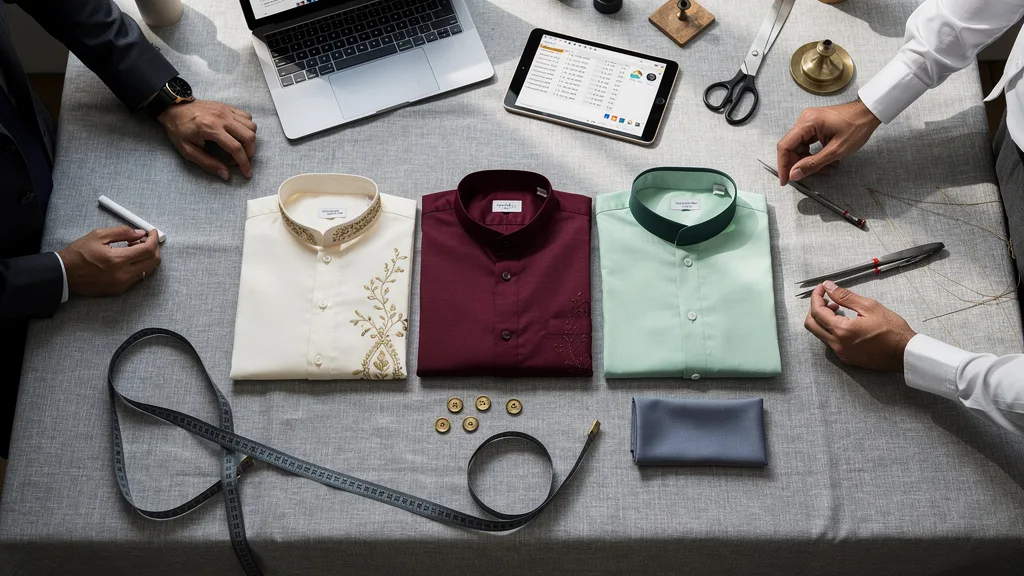
Different fabrics are suited for different seasons, formalities, and times of day. A winter wedding might call for the warmth of velvet, while a summer ceremony demands the breathability of cotton. Making an informed choice ensures you remain comfortable and poised from the first photo to the last dance.
Luxurious Choices: Silk, Brocade, and Velvet
For formal, high-profile wedding events, nothing surpasses the elegance of luxury fabrics. Silk is a timeless choice, prized for its natural sheen and graceful drape. Varieties like Banarasi silk or raw silk add texture and richness, making them perfect for grooms and close family. These fabrics catch the light beautifully in evening settings.
Brocade, with its intricately woven patterns, offers a regal and structured look. It’s an excellent choice for a statement kurta or a waistcoat layered over a simpler piece. Velvet provides warmth and a plush, royal texture, making it ideal for winter weddings. A deep-toned velvet kurta exudes sophistication and opulence.
Comfortable and Breathable: Cotton and Linen Blends
If the wedding is during the day, in a warmer climate, or has a more relaxed dress code, comfort becomes paramount. High-quality cotton and linen are your best allies. A premium cotton kurta is soft, absorbent, and allows your skin to breathe, preventing discomfort during a long day of festivities.
Linen, known for its lightweight and cooling properties, is another fantastic option for summer or destination weddings. While it wrinkles more easily, this is often considered part of its charm, lending a relaxed yet sophisticated air. Blends like cotton-silk offer the best of both worlds: the softness and breathability of cotton with the subtle luster of silk.
Fabric Weaves and Textures to Consider
Beyond the base material, the weave and texture of the fabric add depth and character to your kurta. A jacquard weave, for instance, creates complex, self-designed patterns within the fabric itself, offering a subtle alternative to bold prints. Similarly, a slub fabric, which has slight knots and knobbles, introduces a rustic and organic texture.
Consider fabrics like Jamawar, known for its intricate paisley motifs, or Chanderi, a lightweight blend of silk and cotton with a sheer, glossy texture. These textural details can elevate a simple kurta, making it visually interesting without relying on heavy embellishment. When choosing, feel the fabric to understand its weight, texture, and how it will drape on your body.
Selecting the Perfect Color for a Wedding Kurta
Color is one of the most expressive elements of your wedding attire. The right hue can enhance your complexion, align with the event’s aesthetic, and convey a specific mood. While personal preference plays a role, certain colors are traditionally favored for weddings, while others reflect contemporary fashion trends.
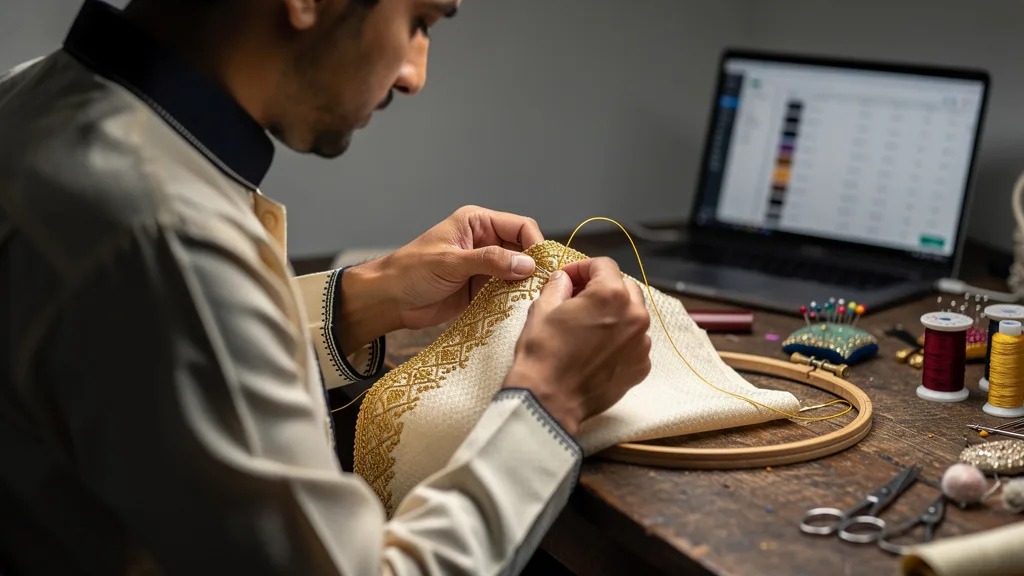
When selecting a color, think about the overall wedding theme, the time of day, and your own personal style. A well-chosen color will make you look and feel confident, ensuring you contribute positively to the visual harmony of the celebration. For more ideas, you can explore some of the Best Kurta Styles for Weddings to see how color impacts the final look.
Timeless and Traditional Color Palettes
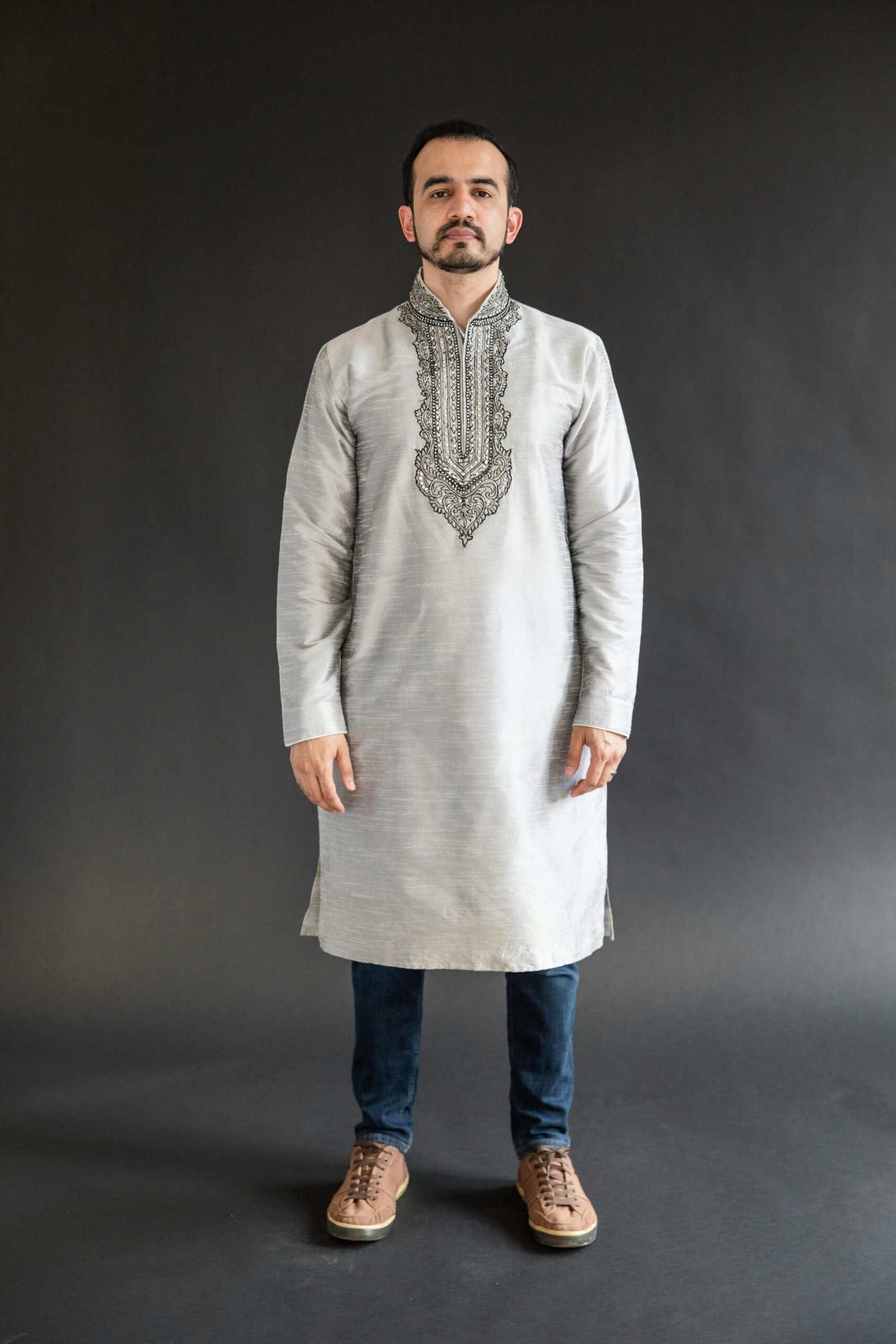
Certain colors have an enduring association with weddings and celebrations. Ivory, cream, and beige are classic, sophisticated choices that are always appropriate for guests and groomsmen. They provide a perfect canvas for intricate embroidery or can be worn plain for an understated, elegant look. A classic white kurta pajama is a versatile and timeless option.
Gold is another quintessential wedding color, symbolizing prosperity and celebration. It can be worn as a solid color or as an accent in embroidery. Deep, rich hues like maroon, royal blue, and emerald green are also traditional favorites, especially for evening events, as they convey a sense of regality and festivity.
Contemporary Hues and Trends for 2026
For 2026, the trend for men’s wedding wear is moving towards a more diverse and personal color palette. Pastel shades like dusty rose, mint green, powder blue, and lavender are incredibly popular, especially for daytime and spring weddings. These softer colors offer a fresh, modern alternative to traditional heavy tones.
Earthy tones are also gaining traction. Shades like terracotta, olive green, and mustard provide a sophisticated yet grounded look that is unique and stylish. Don’t be afraid to consider dual-tone kurtas or those with subtle color-blocking for a contemporary edge that showcases your fashion-forward sensibilities.
Coordinating with the Wedding’s Theme
Many modern weddings are built around a specific color theme, which is often mentioned on the invitation or wedding website. As a guest or groomsman, aligning your outfit with this theme is a thoughtful gesture. You don’t need to match it exactly, but choosing a kurta in a complementary shade shows consideration.
For example, if the wedding theme is blush and gold, a guest could wear a beige or cream kurta with subtle gold detailing. Groomsmen might wear a solid blush-toned kurta to create a unified look. If you’re unsure, it’s always safe to stick with neutral colors like ivory or beige, which complement nearly any color scheme.
Finding Your Ideal Kurta Style and Fit
Once you’ve decided on the fabric and color, the next step is to find a style and fit that flatters your body type and aligns with your personal taste. The silhouette of the kurta, from its cut to its length and neckline, dramatically affects the overall look. A well-fitted kurta makes you look sharper and more put-together.

The world of kurtas is diverse, with options ranging from timeless, traditional cuts to modern, fashion-forward designs. Exploring these different styles will help you find a piece that not only suits the occasion but also makes you feel confident and comfortable. Pay close attention to how the garment sits on your shoulders and chest, as this is the foundation of a great fit.
Classic Straight-Cut vs. Modern Asymmetrical Designs
The straight-cut kurta is the most traditional and widely popular style. It features a straight silhouette from the shoulders down to the hem, typically falling just above or at the knee. This classic design is versatile, flattering for most body types, and suitable for nearly any level of formality, making it a reliable choice.
For those looking to make more of a fashion statement, modern asymmetrical designs are an excellent option. These kurtas feature uneven hemlines, diagonal cuts, or unique draping that adds a contemporary flair. While more fashion-forward, an asymmetrical design can be incredibly stylish for semi-formal events or for a groom looking for a unique reception outfit.
Understanding Embroidery, Prints, and Embellishments
The ornamentation on a kurta determines its level of formality. Heavy, all-over embroidery using techniques like Zari (metallic thread) or Zardozi (gold and silver thread work) is reserved for the most formal occasions and typically worn by the groom. For guests, a kurta with subtle embroidery on the collar, placket, and cuffs is a tasteful choice.
Printed kurtas, featuring block prints, digital prints, or floral motifs, are generally considered more casual but can be appropriate for daytime events or Mehendi ceremonies. Embellishments like sequins, beads, or mirror work add a festive sparkle perfect for Sangeet nights or receptions. The key is balance: let one element, whether it’s the fabric, color, or embellishment, be the star of the outfit.
Neckline and Sleeve Length Variations
While seemingly small details, the neckline and sleeve length contribute significantly to the kurta’s overall style. The most common neckline is the classic Mandarin collar (or Bandhgala), which offers a sharp, formal look. For a slightly more relaxed feel, a simple round neck or a short button placket works well.
Full-length sleeves are standard for wedding kurtas, providing a formal and complete look. Some contemporary styles might feature cuffed sleeves or the option to roll them up for a more casual vibe, which could be suitable for a post-ceremony reception. Ensure the sleeve length is correct, ending just at the wrist bone for a clean silhouette.
How to Find the Perfect Kurta Size
Even the most beautifully designed kurta will fall flat if the fit is wrong. A kurta that is too tight will be restrictive and uncomfortable, while one that is too loose will look sloppy. Taking the time to find your perfect size is a crucial step in looking your best. Our kurta size guide can provide additional detailed instructions.
Shopping for kurtas online is convenient, but it requires you to have a good understanding of your measurements. Don’t assume your size from another brand will translate directly. Always refer to the specific brand’s sizing chart to ensure you make the right choice.
Taking Accurate Body Measurements at Home
To find your perfect kurta size, you need three key measurements: chest, shoulders, and length. Use a flexible measuring tape for the most accurate results. To measure your chest, wrap the tape around the fullest part of your chest, under your armpits. For the shoulders, measure from the tip of one shoulder to the other across your back.
For the length, decide where you want the kurta to end. A traditional kurta typically falls to your knees. Measure from the top of your shoulder down to that point. It’s also helpful to measure the sleeve length from the shoulder tip to your wrist. Having these numbers ready will make online shopping much more efficient.
How to Read and Interpret Sizing Charts
Once you have your measurements, compare them to the brand’s sizing chart. Most charts will list measurements for chest, waist, and hips for each size (S, M, L, etc.). Look for the chest measurement first, as this is the most critical for a good fit in a kurta. Your chest measurement should fall within the range listed for a particular size.
Pay attention to whether the chart lists body measurements or garment measurements. Garment measurements will be a few inches larger than your body measurements to allow for ease of movement. For example, if your chest is 40 inches, the kurta’s chest measurement might be 42-44 inches. For plus sizes, consulting a dedicated XXXL size chart ensures accuracy.
Deciding Between a Regular and a Slim Fit
Many brands now offer kurtas in both regular and slim fits. A regular fit kurta has a straighter, more generous cut through the chest and waist. This classic fit offers maximum comfort and is a great choice for those with a broader build or who simply prefer a more relaxed silhouette.
A slim fit kurta is tailored to be narrower through the chest and waist, creating a more modern, form-fitting look. This style is ideal for those with a slender build who want to achieve a sharp, contemporary silhouette. When choosing, consider both your body type and your personal comfort preference. A slim fit may look stylish, but it shouldn’t feel restrictive.
How to Style Your Kurta Set for a Wedding
Choosing the kurta is only half the battle; how you style it is what truly completes the look. The right bottoms, footwear, and accessories tie everything together, elevating your outfit from simply a garment to a full, cohesive ensemble. Styling is your opportunity to inject personal flair and polish into your wedding attire.
From the traditional to the contemporary, there are numerous ways to style a kurta pajama for a wedding. The key is to ensure each element complements the others and is appropriate for the event’s formality. A well-styled outfit shows attention to detail and a deep appreciation for the occasion.
Pairing with Bottoms: Pajamas, Dhotis, or Trousers
The traditional pairing for a kurta is a matching pajama, usually a straight-cut pant in the same or a contrasting color. A churidar, which is fitted from the knee down and gathers at the ankle, offers a more formal and classic look. For a truly traditional and regal appearance, especially for a groom, a dhoti is an excellent choice.
For a modern, fusion look, you can pair your kurta with well-fitted trousers or even tailored denim for a very casual, pre-wedding event. When pairing with trousers, ensure the kurta is of an appropriate length, usually slightly shorter, to maintain balanced proportions. The choice of bottom wear can completely change the vibe of your outfit.
Choosing Complementary Footwear
Footwear is a critical finishing touch. Traditional Indian footwear is the most authentic choice for a kurta set. Juttis or Mojaris, which are handcrafted leather slip-on shoes, are a popular and stylish option that comes in various colors and embroidery to match your kurta. For a simple yet elegant look, a pair of classic leather sandals or Kolhapuris also works well.
If you opt for a more contemporary look with trousers, polished leather loafers or dress shoes can be a suitable alternative. Avoid wearing sneakers or overly casual footwear, as this can undermine the formality of the kurta and the occasion. The goal is to choose footwear that complements the elegance of your attire.
Accessorizing with Stoles, Pocket Squares, and More
Accessories are what personalize your look. A stole or dupatta, draped elegantly over one shoulder, can add a layer of color, texture, and formality. Choose a stole that complements your kurta, either in a contrasting color or with matching embroidery. For a more subtle touch, a pocket square in a silk or printed fabric adds a dash of personality to a simple kurta, especially one with a chest pocket.
“Your wedding attire is a reflection of your personality and respect for the occasion. Don’t be afraid to use accessories like a contrasting stole or a unique brooch to make a classic kurta set distinctly your own in 2026.”
Other accessories to consider include a classic watch, elegant cufflinks if your kurta has French cuffs, or even a traditional brooch pinned to the chest. The key is to accessorize thoughtfully. One or two well-chosen pieces are far more impactful than an overload of accessories. If you’re still exploring options, looking for the perfect kurta often involves visualizing the entire ensemble, accessories included.
Key Takeaways
Choosing the perfect kurta for a wedding involves a series of thoughtful decisions. By breaking down the process, you can confidently select an outfit that is stylish, appropriate, and comfortable. Here are the most important points to remember:
- Analyze the Event: Always start by considering the dress code, venue, time of day, and your specific role at the wedding (groom, groomsman, or guest). This context is the foundation for all other choices.
- Select the Right Fabric: Choose luxurious fabrics like silk or velvet for formal evening events and breathable options like cotton or linen for daytime or casual weddings to ensure comfort.
- Pick a Purposeful Color: Opt for timeless colors like ivory and gold for a classic look, or embrace modern trends with pastels and earthy tones. Coordinate with the wedding’s theme as a sign of respect.
- Focus on Fit and Style: Whether you choose a classic straight-cut or a modern asymmetrical design, the fit is paramount. Take accurate measurements and consult sizing charts to ensure a sharp silhouette.
- Style with Intention: Complete your look with appropriate bottoms like churidars or pajamas, complementary footwear such as juttis, and tasteful accessories like a stole or pocket square.
Frequently Asked Questions
Can I wear a short kurta to a wedding?
Generally, a traditional, knee-length kurta is more appropriate for a wedding ceremony due to its formal appearance. Short kurtas, which typically end at the hip, are considered more casual and are better suited for pre-wedding events like a Haldi or Mehendi ceremony, or for a very relaxed, informal wedding.
If you choose to wear one, ensure it is made from a rich fabric and paired with formal trousers rather than jeans to elevate the look. For women, styling a short kurta for women can be done elegantly for semi-formal events, but for the main ceremony, a longer silhouette is usually a safer and more respectful choice.
What is the difference between a kurta and a sherwani?
A kurta is a traditional tunic-like garment, typically made of cotton or silk, that falls to the knees and is worn for both casual and formal occasions. It is versatile and can be paired with pajamas, churidars, or even trousers. It’s a staple in men’s ethnic wear.
A sherwani, on the other hand, is a more formal, coat-like garment. It is longer than a kurta, usually knee-length or longer, with a more structured fit and a buttoned front. Sherwanis are made from heavy, luxurious fabrics like brocade or velvet and are often heavily embroidered, making them a popular choice for grooms.
How should I clean and store an embroidered wedding kurta?
A heavily embroidered wedding kurta should always be dry-cleaned. Washing it at home can damage the delicate threadwork, beads, or sequins. Inform the dry cleaner about the specific embellishments to ensure they use the appropriate cleaning method.
For storage, avoid hanging an embroidered kurta for long periods, as the weight of the embroidery can stretch the fabric. Instead, fold it carefully with acid-free tissue paper between the folds to protect the embellishments. Store it in a cool, dry place away from direct sunlight, preferably in a muslin cloth bag to allow the fabric to breathe.
Is it acceptable to wear a black kurta to an Indian wedding?
Traditionally, black was often avoided for Hindu wedding ceremonies as it was sometimes considered inauspicious. However, modern attitudes have changed significantly, and a black kurta is now widely accepted and considered very chic, especially for evening receptions or Sangeet nights.
To ensure it looks celebratory, choose a black kurta in a luxurious fabric like silk or velvet, and consider one with contrasting embroidery in gold, silver, or a vibrant color. For the main ceremony, especially if it’s a daytime event, it might be safer to opt for a different color unless you know the couple’s preference.
What do you wear under a men’s kurta?
For comfort and to protect the kurta fabric from sweat, it’s advisable to wear a thin undershirt or vest underneath. Choose a lightweight, breathable cotton vest. The neckline of the undershirt should be low enough that it is not visible at the kurta’s collar or placket.
Opt for a color that is close to your skin tone or white to ensure it doesn’t show through lighter-colored kurtas. This simple layer can greatly enhance your comfort throughout a long day of wedding celebrations.
Conclusion
Mastering how to choose the perfect kurta for weddings is about balancing tradition, personal style, and respect for the event. By considering the dress code, selecting the right fabric and color, and focusing on a flawless fit, you can create a memorable and sophisticated look. Remember that the details, from the embroidery to the accessories, are what elevate your attire from simply being clothing to a true celebration of style. With these guidelines for 2026, you are now equipped to make a confident and elegant choice for any wedding you attend.
Ready to find the kurta that will make you stand out at your next event? Explore our curated collection of premium kurtas, crafted for style and comfort. Whether you need a statement piece for a groom or an elegant option for a guest, our selection has something for every occasion. SHOP NOW.