

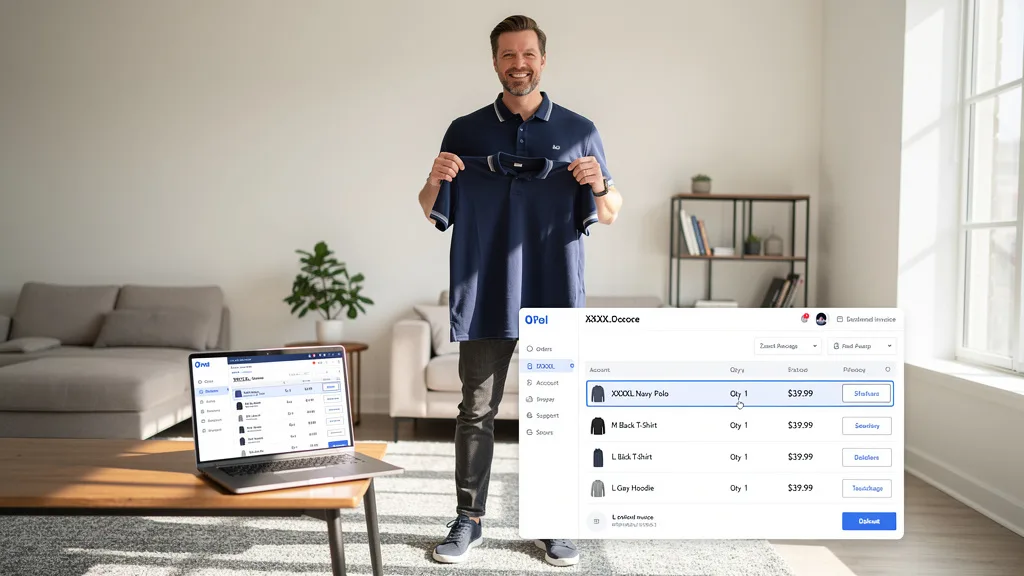
Are you tired of the online shopping guessing game, especially when looking for plus-size apparel that actually fits and feels great? Finding the right XXXXL jersey or polo shouldn’t be a frustrating experience that ends with a return package. With a few strategic steps, you can confidently click “add to cart” knowing you’ve chosen the right size for your body.
To successfully buy XXXXL jerseys and polos online, start by taking accurate body measurements of your chest, waist, and length. Next, carefully compare these numbers to the specific brand’s size chart, not a generic one. Consider the fabric type and the garment’s fit style, such as classic, modern, or relaxed, to understand how it will drape. Finally, read customer reviews for real-world sizing feedback and understand the store’s return policy before completing your purchase.
Understanding XXXXL Sizing Beyond the Label
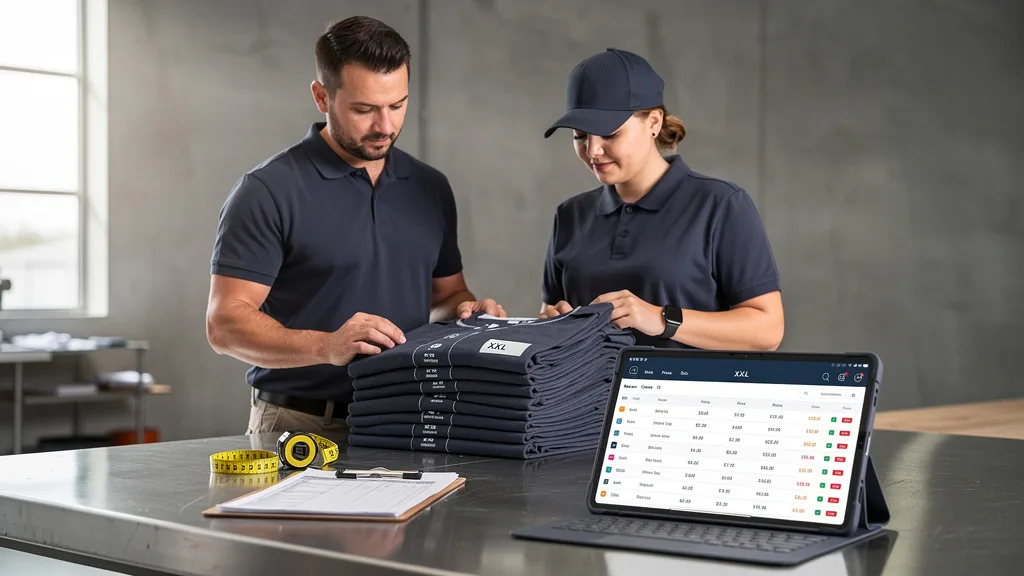
The first step in your journey to a perfect fit is understanding that clothing labels are not universally standardized. A size XXXXL from one brand can feel completely different from another. This discrepancy is why relying solely on the tag can lead to disappointment. Instead of treating “XXXXL” as a fixed size, think of it as a starting point that requires further investigation.
Decoding Size Tags: What XXXXL Really Means
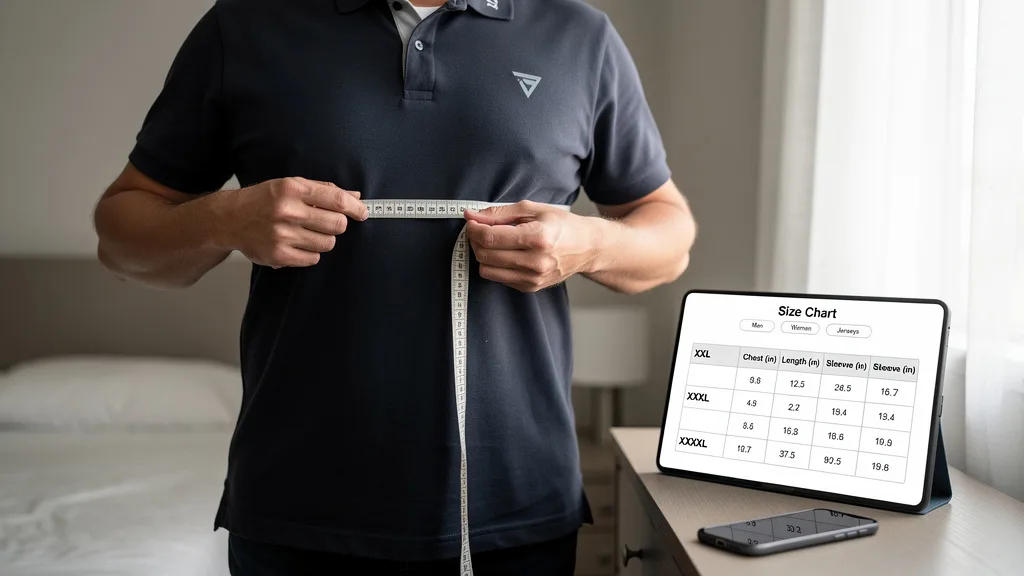
A size tag like XXXXL, or 4XL, is a brand’s shorthand for a specific range of body measurements they’ve designed the garment to fit. Typically, this size is intended for individuals with a larger chest, waist, and overall frame. However, the exact measurements associated with this tag are determined entirely by the manufacturer’s own sizing model, often called a “fit block.”
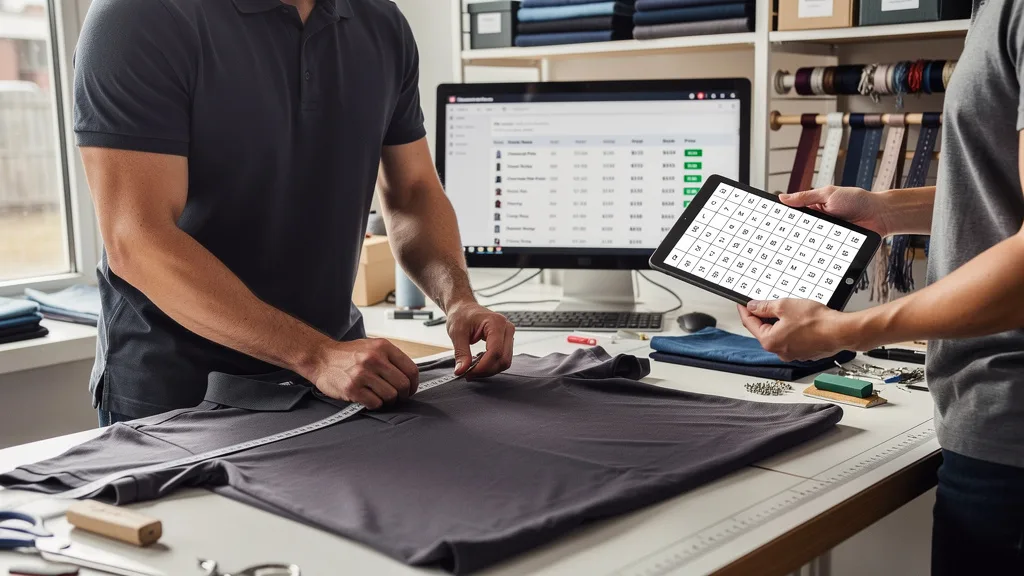
This is why it’s crucial to move beyond the label and look at the concrete numbers behind it. The XXXXL label simply categorizes the garment within a brand’s collection. The real key to a good fit lies in the detailed measurements provided in the product’s size chart, which translates that label into actionable data for you, the shopper.
How Sizing Differs Between Brands and Regions
Sizing variations are a significant challenge in the global apparel market. A US-based brand’s XXXXL might be larger than a European or Asian brand’s equivalent due to different standard body measurement models used in each region. This is further complicated by “vanity sizing,” a practice where brands intentionally label larger garments with smaller size tags to make shoppers feel better.
As a global shopper, you must be vigilant about checking where a brand is based and, most importantly, consulting its specific size guide. Never assume that your size with one company will be the same with another, even if they both cater to plus-size customers. This simple check can prevent the majority of sizing errors when you wear XXXXL clothing from different brands.
Converting Numeric Chest Sizes to Letter Sizes
Many brands, particularly those specializing in formal shirts or tailored wear, use numeric chest measurements (in inches or centimeters) instead of or alongside letter sizes. Knowing your chest measurement is empowering because it allows you to bypass the ambiguity of letter sizes. You can directly compare your body measurement to the brand’s specifications for a much more accurate choice.
Below is a general conversion table to help you understand how numeric chest sizes often correspond to letter sizes. Remember, this is a general guide, and you must always defer to the specific brand’s chart for the final decision. This chart helps demystify the numbers behind the letters.
| Letter Size | Chest Measurement (Inches) | Chest Measurement (CM) |
|---|---|---|
| XL | 45-47″ | 114-119 cm |
| XXL (2XL) | 48-50″ | 122-127 cm |
| XXXL (3XL) | 51-53″ | 130-135 cm |
| XXXXL (4XL) | 54-56″ | 137-142 cm |
| XXXXXL (5XL) | 57-59″ | 145-150 cm |
Step 1: Take Your Accurate Body Measurements
Before you can effectively use a size chart, you need your own accurate measurements. This is the most critical step in your checklist for buying XXXXL jerseys and polos online. Taking five minutes to measure yourself properly will save you the time and hassle of returning items that don’t fit. It transforms shopping from a guessing game into a precise science.
Essential Tools for Measuring at Home
You don’t need a professional tailor’s setup to get accurate measurements. A few simple items are all it takes to get the numbers you need for a confident purchase. Having these ready will make the process quick and easy.
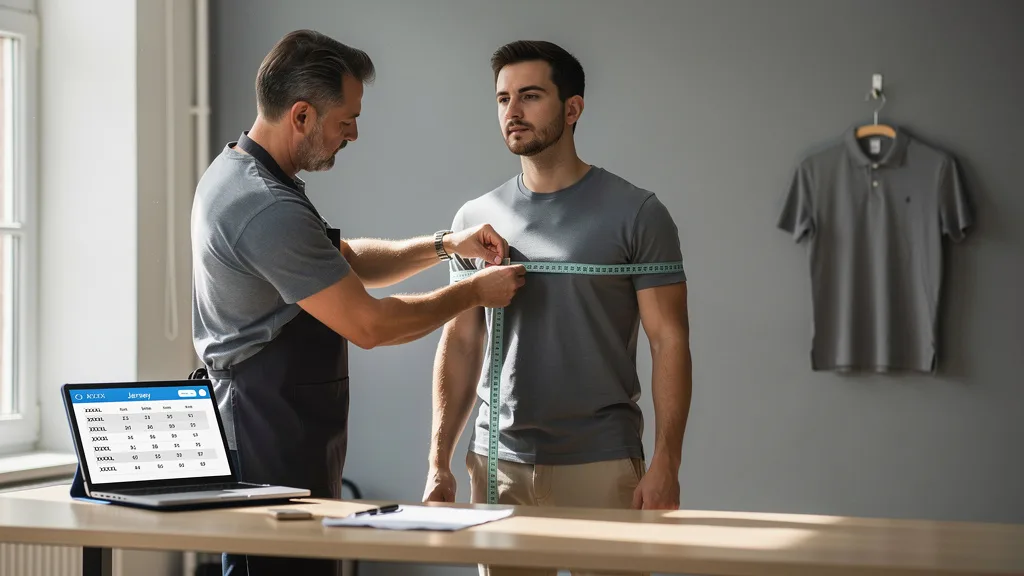
- A Soft Measuring Tape: This is the most important tool. A rigid metal tape measure or a ruler will not provide accurate results as they can’t conform to your body’s curves.
- A Notepad and Pen or a Smartphone: You’ll need somewhere to immediately record the measurements so you don’t forget them.
- A Mirror: A full-length mirror helps ensure the tape is level and not twisted as you measure.
- A Friend (Optional but Recommended): For some measurements, like shoulder width or back length, having someone else to help can lead to more accurate numbers.
How to Properly Measure Your Chest, Waist, and Length
To get the best results, wear a thin t-shirt or be shirtless. Don’t measure over bulky clothing like sweaters or hoodies. Stand in a relaxed, natural posture, and don’t pull the tape so tight that it digs into your skin. It should be snug but not constricting.
First, measure your chest by wrapping the tape around the fullest part of your chest, typically just under your armpits and across your shoulder blades. Keep the tape level all the way around. Next, find your natural waistline, which is usually just above your belly button, and measure its circumference. Finally, for shirt length, place the end of the tape at the top of your shoulder where the seam would sit and measure down to the point where you want the hem of the shirt to fall.
Recording Your Measurements for Future Shopping
Once you have your chest, waist, and desired length measurements, save them in a place you can easily access while shopping. A note on your smartphone or a document on your computer is perfect. This creates a personal sizing profile you can reference anytime you’re considering a purchase from a new brand.
It’s also a good practice to re-measure yourself every six months or so, as body measurements can change over time. Having up-to-date numbers ensures every online shopping experience is as successful as the last. This simple habit is a cornerstone of smart online apparel shopping.
Step 2: Use the Brand’s Shirt Size Chart Correctly
With your measurements in hand, the brand’s size chart becomes your most powerful tool. This chart is the bridge between your body and the garment. Ignoring it or using a generic chart from another site is one of the most common mistakes when buying premium shirts and a primary reason for returns.
Where to Find the Size Chart on Any Product Page
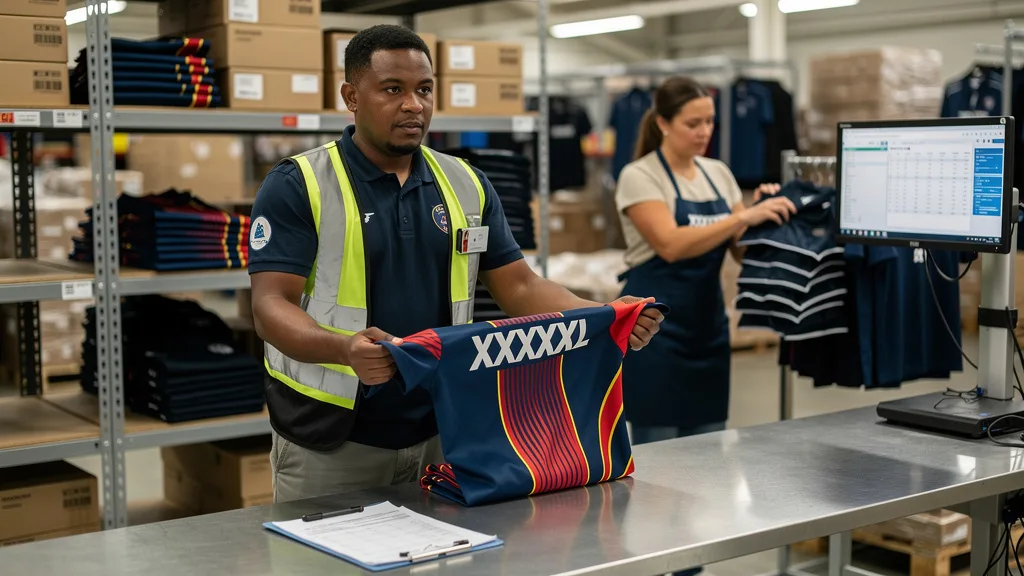
Nearly every reputable online clothing store provides a size chart for its products. Look for a link or button labeled “Size Chart,” “Size Guide,” or sometimes just a small ruler icon. It’s typically located near the size selection options (S, M, L, XL, etc.) on the product detail page.
If you have trouble finding it, check the website’s footer or help/FAQ section, as some brands place a general sizing guide there. However, product-specific charts are always more reliable, as fit can vary even between different styles from the same brand. Taking a moment to locate this chart is a non-negotiable step.
Comparing Your Numbers to the Chart for the Best Fit
Open the size chart and compare your chest and waist measurements to the numbers listed for each size. The chest measurement is the most critical for tops like jerseys and polos. Find the size where your chest measurement falls within the specified range. For instance, if your chest is 55 inches, and the brand’s XXXXL is listed as 54-56 inches, that is your size.
If your measurements fall between two sizes, consider the garment’s fit and fabric. For a classic or relaxed fit, you might be comfortable sizing down. For a modern or slim fit, it’s almost always better to size up to ensure comfort and avoid a tight fit. You can also find great tips in articles that discuss how XXXXL size jerseys that actually fit right should feel.
Why You Should Never Rely on a Generic Size Chart
A generic size chart that you find through a search engine is practically useless for making an actual purchase. These charts provide a rough average of sizing across the industry but fail to account for the unique patterns and fit models of individual brands. Relying on one is a surefire way to end up with a shirt that is too tight, too loose, or improperly proportioned.
“Every brand’s XXXXL is a different world. The only map that matters is the size chart on the product page you are looking at. Trusting anything else is just a guessing game, and for plus-size shoppers, that’s a game we can’t afford to lose.”
Step 3: Consider Fabric, Fit, and Style
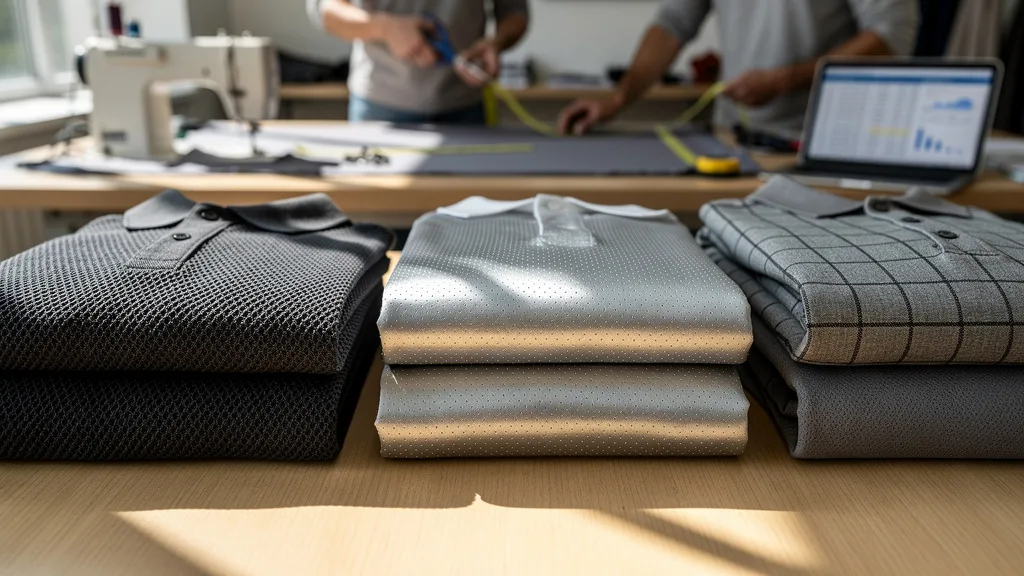
Beyond the numbers, the material and intended style of the shirt play a huge role in how it will fit and feel. A XXXXL jersey made from a stretchy synthetic blend will fit very differently from a XXXXL polo made from 100% heavyweight cotton. Understanding these nuances will help you make an even more informed decision.
How Material and Shrinkage Affect Your Size Choice
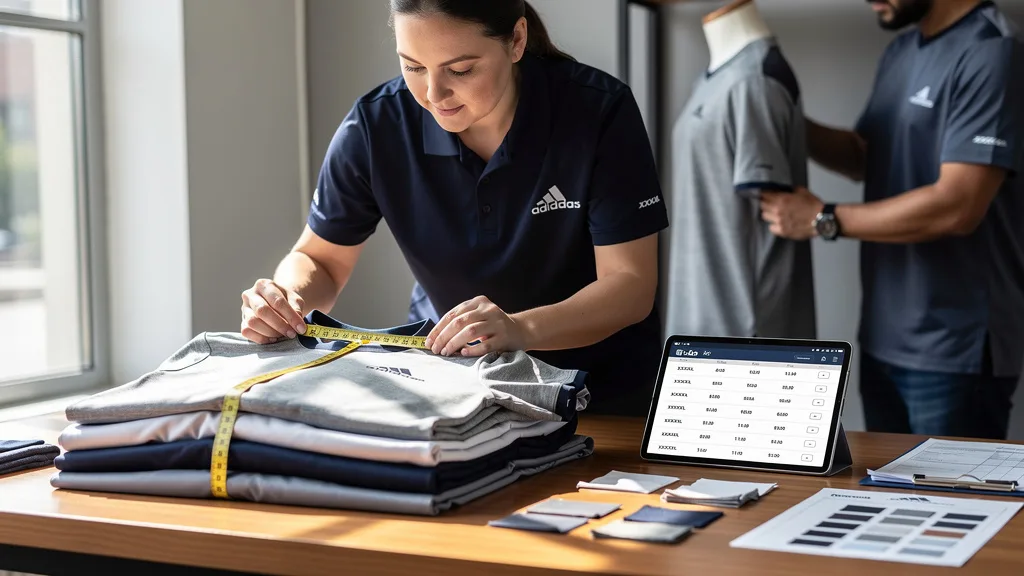
Fabric composition is a key factor. Natural fibers like 100% cotton are highly breathable but can be prone to shrinkage, especially if not washed in cold water. If you’re buying a 100% cotton polo and are between sizes, sizing up might be wise to account for potential shrinkage. In contrast, synthetic fabrics like polyester, common in jerseys, are less likely to shrink and often have more stretch.
Many modern shirts use a cotton/polyester blend to offer the best of both worlds: the softness of cotton and the durability and stretch of polyester. Always check the “Product Details” or “Fabric & Care” section on the page. Look for terms like “pre-shrunk cotton,” which indicates the fabric has been treated to minimize shrinkage after washing.
Choosing Between Classic, Modern, and Relaxed Fits
The fit of a shirt describes its overall cut and silhouette. A Classic Fit is the most traditional, offering generous room in the chest and body for maximum comfort and movement. A Modern or Slim Fit is cut closer to the body with higher armholes and a tapered waist, providing a more tailored look. A Relaxed or Oversized Fit, often seen in streetwear, is even looser than a classic fit.
Your choice depends on your personal style preference and body shape. If you prefer a clean, sharp silhouette, a modern fit might be your choice, but you may need to size up to ensure it’s not too tight. If comfort is your top priority, a classic or relaxed fit is a safe bet. Understanding the difference between a drop shoulder t-shirt vs regular fit can also help you anticipate how a garment will drape.
Special Sizing Considerations for Jerseys vs. Polos
Jerseys, especially those designed to emulate athletic wear, are typically cut with more room in the shoulders and body to allow for a full range of motion. They often feature a looser, more forgiving fit than a standard t-shirt or polo. You may find that you can comfortably wear your true-to-chart size in a jersey.
Polos, on the other hand, can vary widely. A performance polo made from a technical fabric might have a more athletic, tapered cut, while a classic piqué cotton polo will have a straighter, more traditional fit. When buying a polo, paying attention to the fit description (Classic, Modern, etc.) is especially important to ensure it matches your expectations.
Step 4: Smart Online Shopping Strategies for 2026
Having the right measurements and understanding the product is most of the battle. The final step is to use smart shopping strategies to protect your purchase and ensure a smooth experience from checkout to delivery. In 2026, savvy online shoppers use all the information at their disposal.
Reading Customer Reviews for Sizing Feedback
Customer reviews are a goldmine of real-world sizing information. Look for reviews from customers who mention their own height, weight, or body type and what size they purchased. Phrases like “runs large,” “true to size,” or “had to size up” are invaluable. This feedback can be the deciding factor when you’re caught between two sizes.
Pay special attention to reviews that mention the fit in specific areas, such as “tight in the shoulders” or “plenty of room in the waist.” This qualitative data complements the quantitative data from the size chart, giving you a complete picture of how the garment will likely fit you. Reputable sources like the International Organization for Standardization are working on global sizing standards, but until they are universal, customer reviews remain a key resource.
Understanding the Store’s Return and Exchange Policy
Even with the most careful planning, sometimes a garment just doesn’t work out. Before you buy, take a moment to read the store’s return and exchange policy. Look for a clear, customer-friendly policy that offers a reasonable return window (e.g., 30 days) and straightforward instructions.
Ideally, the store should offer free returns or a simple exchange process. A difficult or costly return policy can turn a minor inconvenience into a major headache. A brand that is confident in its product and sizing information will typically have a flexible policy to ensure customer satisfaction.
Checking for Honest Stock Info and Fast Delivery
A great shopping experience goes beyond just the fit. Look for websites that provide honest stock info. Nothing is more frustrating than ordering an item only to receive an email days later saying it’s out of stock. A well-managed online store will show real-time inventory levels on the product page.
Finally, consider the delivery options. After putting in the effort to find the perfect shirt, you want to receive it promptly. Check the estimated delivery times and costs. Many premium stores offer fast delivery options, and some, like Vastgent, provide free shipping on orders over a certain amount, adding significant value to your purchase.
Key Takeaways
Navigating the world of online plus-size fashion doesn’t have to be a challenge. By following a systematic approach, you can dramatically increase your chances of finding XXXXL jerseys and polos that you love. Here are the most important points to remember from this guide:
- Measure Yourself First: Your accurate chest, waist, and length measurements are the foundation of a successful purchase. Never shop without them.
- Trust the Brand’s Size Chart Only: Ignore generic size charts. The only chart that matters is the one provided by the brand on the product page you are viewing.
- Consider the Fit and Fabric: The material (cotton vs. polyester) and the cut (classic vs. modern) will significantly affect how the shirt fits and feels. Read the product details carefully.
- Use Reviews and Policies to Your Advantage: Read customer reviews for real-world sizing advice and always understand the store’s return policy before you click “buy.”
- Don’t Assume Consistency: Your size can vary significantly between different brands and even different items from the same brand. Approach every purchase with a fresh look at the size chart.
Frequently Asked Questions
What do extended sizes like XXXL and XXXXL actually represent?
Extended sizes like XXXL (3XL) and XXXXL (4XL) represent clothing designed for larger body frames, primarily based on chest and waist circumference. XXXXL is a step up from XXXL, offering more room. However, there is no universal standard, so a XXXXL from one brand may fit like a XXXL from another. Always check the specific measurements in the brand’s size guide.
Is a size 44 shirt considered XL or XXL?
A men’s shirt size of 44 inches in the chest most commonly corresponds to a Large (L) or Extra Large (XL) in US sizing. It is rarely considered an XXL. An XXL shirt size typically starts at a chest measurement of around 48 inches. However, this can vary, so confirming with the brand’s specific size chart is the only way to be certain.
How do men’s plus sizes convert to women’s clothing sizes?
There is no direct or reliable conversion chart between men’s plus sizes and women’s clothing sizes. Men’s sizing is based on chest and waist measurements, while women’s sizing is more complex, often using a numeric system (e.g., 16, 18, 20) that accounts for bust, waist, and hip measurements. For women buying men’s clothing, the best approach is to measure their bust and compare it to the men’s chest measurement on the size chart.
What is the typical price for XXXXL shirts in Pakistan for 2026?
In 2026, the price for high-quality XXXXL jerseys and polos in Pakistan can vary based on the brand, fabric quality, and design intricacy. For premium apparel, you can expect prices to range from approximately PKR 4,000 to PKR 9,000 or more. Fast-fashion brands may be cheaper, but premium brands justify their cost with better materials, superior construction, and a more accurate, comfortable fit.
Conclusion
Following this detailed checklist transforms the process of buying plus-size clothing online from a gamble into a confident, informed decision. By prioritizing your own measurements and treating the brand’s size chart as your ultimate guide, you can finally put an end to the cycle of receiving clothes that don’t fit. This guide provides a reliable framework for every purchase you make.
The most crucial takeaways are to always measure yourself, use the specific size chart on the product page, and consider how fabric and fit style will influence the final feel. These steps empower you to look beyond ambiguous labels like “XXXXL” and focus on what truly matters: the actual dimensions of the garment and how they align with your body. This is the definitive way to find a stylish XXXXL t-shirt or polo that you’ll want to wear again and again.
With these strategies, you are now fully equipped to build a wardrobe of high-quality, perfectly fitting apparel. You can explore new styles and brands with the assurance that you know how to select the right size every time. This approach not only saves you time and money but also builds confidence in your personal style.
Ready to put this checklist to the test? Explore our collection of premium jerseys, polos, and shirts, all with detailed size charts to help you find your perfect fit today. We believe everyone deserves to look and feel their best in clothes made for them. SHOP NOW.