

Are you tired of buying XXXXL shirts that are too tight across the stomach but ridiculously baggy in the shoulders? Finding a shirt that fits a larger frame correctly can feel like a frustrating, endless search. Many men settle for clothes that are either uncomfortably restrictive or so oversized they lose all sense of style. The good news is that a great fit is achievable once you know what to look for and what to avoid.
The most common mistakes big guys make when buying XXXXL shirts involve ignoring fabric stretch, trusting inconsistent brand sizing, measuring only the chest, choosing the wrong cut for their body type, and prioritizing a larger size number over a flattering style. Understanding your complete measurements, along with the shirt’s material and specific cut, is the key to finding a comfortable and sharp-looking fit that boosts your confidence.
Mistake 1: Ignoring Fabric Composition and Stretch
One of the most frequent errors is focusing only on the size tag while completely overlooking the material. The fabric composition dictates how a shirt will drape, stretch, and feel throughout the day. A 100% rigid cotton shirt has no give, meaning it must match your measurements almost perfectly. If it’s tight in any area, like the stomach or shoulders, it will pull and restrict movement, creating an unflattering and uncomfortable experience.
For a superior fit, look for fabrics with a small percentage of elastane or spandex (typically 2-5%). This added stretch allows the shirt to move with you, providing crucial flexibility around the midsection and across the back without being baggy. Furthermore, consider the fabric’s weight and breathability. Heavier, non-breathable materials can feel stifling, while premium cottons and thoughtful blends offer comfort that lasts all day, which is a critical factor for any well-made garment.
Mistake 2: Relying on Inconsistent Brand Sizing
Assuming that an XXXXL from one brand will fit the same as an XXXXL from another is a recipe for disappointment. There is no legally mandated universal standard for clothing sizes, which leads to significant variation between companies. This phenomenon, sometimes called vanity sizing, means one brand’s XXXXL could be another’s 3XL or even 5XL in reality. Relying on the tag alone is one of the biggest mistakes when buying premium shirts.
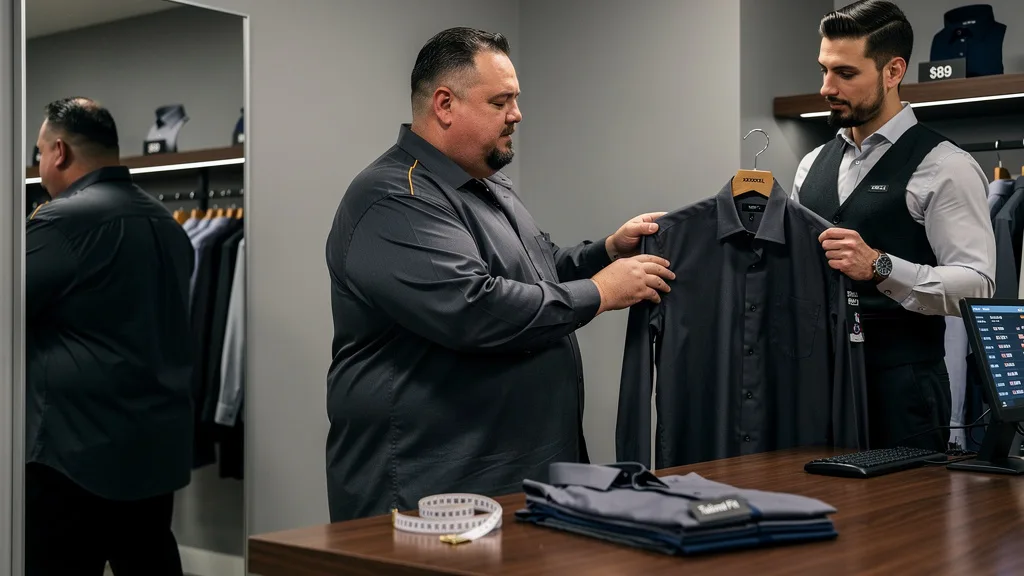
The only way to combat this is to treat each purchase as a unique event. Before you buy, locate the specific product’s size chart and compare its measurements to your own. Do not rely on a brand’s general sizing guide, as fits can even vary between different shirt styles from the same company. Taking a few moments to check the chest, waist, and length measurements on the chart will save you the time and hassle of returns and ensure you get the fit you expect.
“A size tag is a suggestion, not a universal standard. Your measuring tape is your most reliable tool for finding the perfect shirt fit every single time.”
Mistake 3: Neglecting Key Measurements Beyond the Chest
Many men know their chest size and stop there. While the chest measurement is important, it’s only one piece of the puzzle. A shirt that fits your chest perfectly can still be a disaster if it doesn’t accommodate the rest of your torso, leading to a strained and ill-fitting appearance.
Why Shoulder and Stomach Width Matter
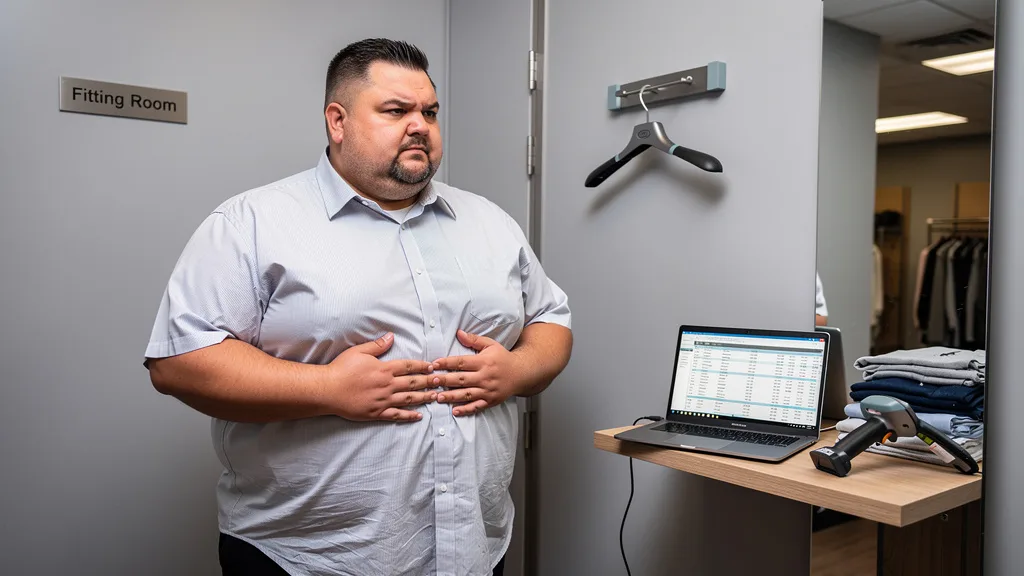
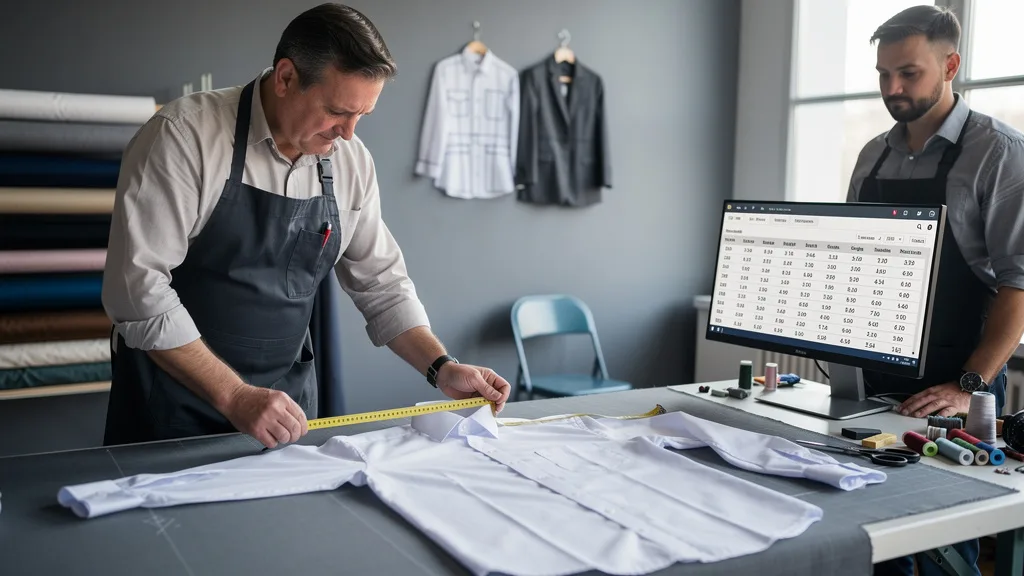
For many big guys, the stomach is the widest part of their torso. If you only buy based on chest size, you’ll likely experience buttons pulling or the fabric stretching tightly across your midsection. A well-fitting shirt should skim your stomach without constricting it. Similarly, shoulder width is critical. If the shoulder seams droop down your arms, the shirt is too big and will look sloppy. If they sit too high on your shoulders, it will feel tight and restrict arm movement.
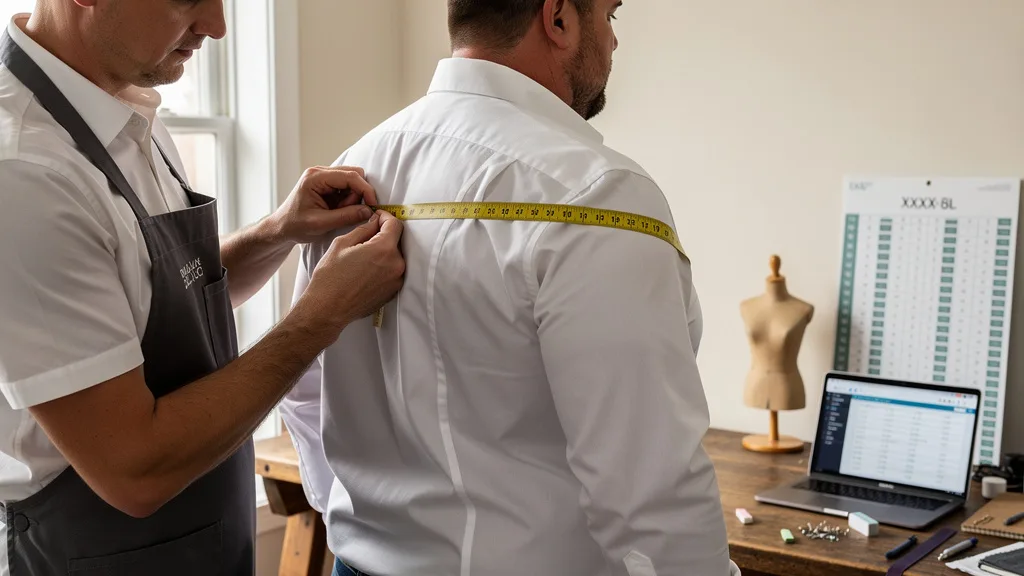
To get it right, measure your stomach at its widest point (usually around the navel) and your shoulders from seam to seam on a shirt that fits you well in that area. Compare these numbers to the product’s size chart. This ensures the garment is proportioned for your entire upper body, not just one part of it.
The Importance of Proper Shirt Length
Shirt length is another frequently overlooked detail that has a major impact on your overall look. A shirt that is too short will constantly ride up, exposing your midriff when you raise your arms or bend over. This creates a sloppy appearance and requires constant readjustment throughout the day. It’s a common issue in shirts that are sized for “big” but not “tall” proportions.
Conversely, a shirt that is excessively long can look like a tunic, overwhelming your frame and disrupting your body’s proportions. The ideal length for an untucked shirt should hit around mid-zipper, fully covering your waistband. For a shirt you plan to tuck in, you need a few extra inches of length to ensure it stays securely in place as you move.
Mistake 4: Choosing the Wrong Shirt Cut for Your Build
Beyond size, the ‘cut’ or ‘fit’ of a shirt determines its overall shape and how it drapes on your body. Many men default to the roomiest option available, thinking it will be the most forgiving. However, the right cut can provide a much more flattering silhouette without sacrificing comfort.
Classic Fit vs. Modern or Tapered Styles
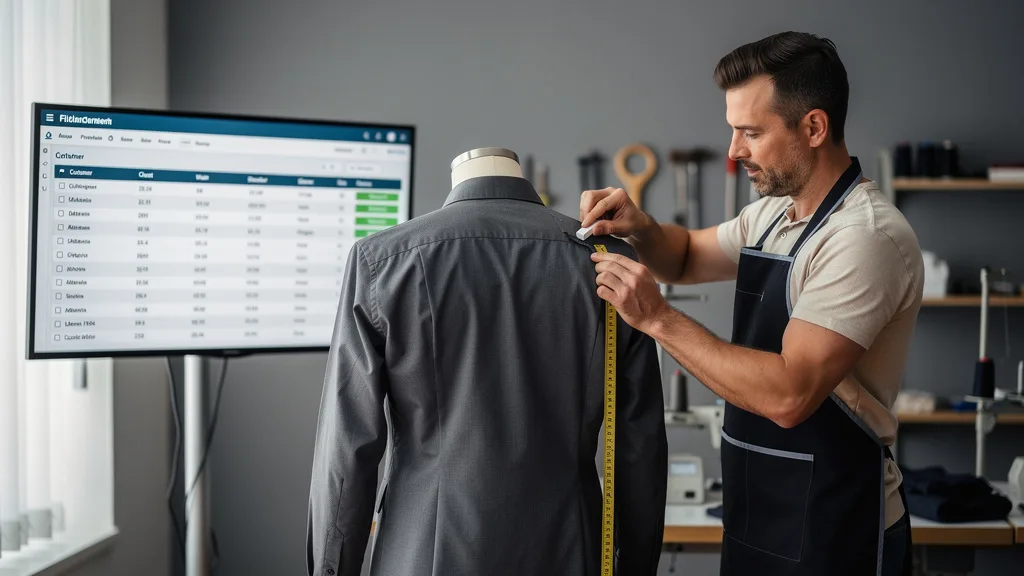
A classic fit (or regular fit) shirt is the most traditional option, offering generous room through the chest, waist, and sleeves. While comfortable, it can sometimes look boxy on certain body types. A modern or tapered fit, on the other hand, is cut slightly narrower through the body and waist. For a big guy who has broader shoulders and a less prominent stomach, a tapered fit can prevent the billowy, parachute effect around the midsection. Choosing the best regular fit shirts often comes down to understanding your own proportions.
Don’t automatically dismiss more contemporary cuts. When combined with a fabric that has some stretch, a modern fit can provide a clean, tailored look that follows your shape without clinging to it. The key is to find the cut that best matches your specific build.
Understanding How Different Cuts Drape
The way a shirt hangs on your body, known as its drape, is a direct result of the interaction between its cut and its fabric. A stiff, heavy cotton in a classic cut will stand away from the body, which can add visual bulk. A softer, lighter fabric like a premium lawn or a viscose blend in the same cut will fall more gently, creating a smoother line.
When shopping, consider how the garment is intended to look. A structured dress shirt is designed to have a crisp silhouette, while a casual button-down or a stylish XXXXL t-shirt might be designed for a more relaxed drape. Paying attention to how the cut and fabric work together will help you select a shirt that flatters your frame rather than hiding it.
Mistake 5: Sacrificing Style for Perceived Size
Perhaps the most significant mistake is falling into the trap of buying clothes that are intentionally oversized and bland. Many big guys attempt to hide their frame under baggy, shapeless garments, believing it makes them less conspicuous. In reality, this strategy often backfires, making you appear larger and less put-together than you are. A tent-like shirt lacks structure and signals a lack of confidence.
Style is not exclusive to smaller sizes. Your clothing is a form of self-expression, and you should feel empowered to choose colors, patterns, and designs that you love. A shirt that fits you correctly will always look better than a baggy one, regardless of the size on the tag. Embracing a well-fitted shirt in a style you enjoy is a powerful step toward building a wardrobe that makes you look and feel your best.
How to Find the Perfect XXXXL Shirt Fit in 2026
Now that you know the mistakes to avoid, you can adopt a smarter strategy for shirt shopping. Finding the perfect fit is a systematic process, not a game of chance. By following a few simple steps, you can confidently purchase XXXXL shirts online or in-store that are built for your body.
| Measurement | What to Look For | Common Fit Problem if Ignored |
|---|---|---|
| Chest | Allows comfortable movement without being baggy. | Too tight (pulling) or too loose (sloppy). |
| Stomach / Waist | Skims the midsection without pulling at the buttons. | Buttons strain or fabric billows out. |
| Shoulders | Seam should sit at the edge of your shoulder bone. | Seams droop down arm or are too high. |
| Shirt Length | Covers the waistband and hits mid-zipper when untucked. | Rides up when moving or looks like a tunic. |
| Sleeve Length | Ends at the base of the thumb or wrist bone. | Sleeves are too short or bunch up at the cuff. |
Take Your Accurate Body Measurements
The first and most crucial step is to know your numbers. Guessing your size is unreliable. Invest in a soft tailor’s measuring tape to get the most accurate readings. It’s a small one-time purchase that will save you countless headaches. For help, you can ask a partner or friend, or even consult an online guide.
Be sure to measure the following key areas and write them down for easy reference when shopping:
- Chest: Measure around the fullest part of your chest, under your armpits.
- Stomach: Measure around the widest part of your stomach, typically at or just above your belly button.
- Shoulders: Measure from the outer edge of one shoulder to the other across your back.
- Sleeve: Measure from the center of the back of your neck, over the shoulder, and down to your wrist.
- Length: Measure from the base of the back of your neck down to where you want the shirt to end.
Read Product Descriptions and Size Charts
With your measurements in hand, you are now equipped to be a discerning shopper. Never click “add to cart” without first thoroughly examining the product page. Look for a link to the specific size chart for that item. Compare your measurements to the chart, paying close attention to the chest and waist/stomach numbers.
Also, read the product description carefully for clues about the fit. Brands often include helpful notes like “modern fit,” “designed for a tapered look,” or “runs large, consider sizing down.” This information is invaluable and helps you make a more informed decision, ensuring the shirt that arrives is the one you expected.
Look for Brands Specializing in Big and Tall Sizes
Finally, seek out brands that genuinely cater to larger body types. Many standard fashion brands create their plus sizes by simply scaling up a smaller pattern, a process known as grading. This often results in poor proportions, like massive neck holes or overly long sleeves on a shirt that barely fits the torso. True big and tall specialists design their patterns from the ground up for larger frames.
These brands understand the nuances of fitting a bigger body and engineer their garments accordingly. They offer better proportions through the shoulders, appropriate room in the midsection, and correct lengths for both big and tall needs. Exploring collections from these XXXXL clothing brands for big guys will dramatically increase your chances of finding a shirt that fits perfectly right off the rack.
Key Takeaways
Finding a great XXXXL shirt doesn’t have to be a struggle. By avoiding a few common missteps and adopting a more methodical approach, you can build a wardrobe of shirts that are both comfortable and stylish. Here are the most important points to remember from this guide:
- Measure More Than Your Chest: Your stomach, shoulder, and length measurements are essential for a truly good fit. Always shop with your current numbers.
- Trust the Chart, Not the Tag: Brand sizing is inconsistent. A XXXXL is not universal. Always compare your measurements to the specific product’s size chart before buying.
- Fabric and Cut Are Key: The material’s stretch and the shirt’s cut (e.g., classic, modern) are just as important as the size. Choose them based on your body shape and comfort needs.
- Fit Over Bagginess: A well-fitting shirt is far more flattering than an oversized one. Don’t hide your frame in baggy clothes; choose a size and cut that skims your body correctly.
- Shop with Specialists: Prioritize brands that specialize in big and tall clothing, as their patterns are designed with your proportions in mind from the start.
Frequently Asked Questions
What is the difference between 4XL and XXXXL?
There is no difference between 4XL and XXXXL. They are simply two different ways of writing the same size. Both notations refer to a size that is one step larger than 3XL (or XXXL). You will see them used interchangeably depending on the brand’s preference.
Are XXXXL shirt sizes the same for every brand?
No, XXXXL shirt sizes are not standardized and can vary dramatically from one brand to another. A shirt labeled XXXXL by one company might fit like a 3XL or 5XL from a different company. It is crucial to ignore the tag and always consult the specific product’s size chart.
What are the best fabrics for big guys’ shirts?
The best fabrics are breathable and offer some flexibility. Look for high-quality cottons for breathability and comfort. Blends that include a small amount of elastane or spandex (2-5%) are excellent, as they provide stretch for a more forgiving and comfortable fit around the stomach and shoulders.
How should an XXXXL shirt fit around the stomach?
An XXXXL shirt should skim the stomach area without being tight. You should be able to sit down comfortably without the buttons straining or pulling apart. There should be enough room for movement, but it should not be so loose that it looks like a tent or adds unnecessary bulk.
Can you tailor an XXXXL shirt to fit better?
Absolutely. A tailor can make significant improvements to an off-the-rack shirt. Common alterations include taking in the sides for a more tapered shape, shortening sleeves, or adding darts to the back to remove excess fabric. Tailoring is a great way to achieve a custom-like fit.
Conclusion
Navigating the world of XXXXL shirts can be challenging, but it is far from impossible. By understanding and avoiding the five common mistakes we’ve discussed, you can transform your shopping experience from one of frustration to one of success. It all comes down to being a more informed and proactive shopper: knowing your measurements, understanding fabrics and cuts, and prioritizing a truly good fit over a generic size label.
A well-fitting shirt does more than just cover your body; it enhances your appearance, boosts your confidence, and allows you to express your personal style without compromise. Ditching baggy, ill-fitting clothes in favor of garments that are thoughtfully designed for your frame is an investment in yourself. The right shirt makes you look sharp and feel comfortable in any setting, from the office to a casual weekend outing.
Now that you’re equipped with the knowledge to find the perfect fit, you’re ready to explore options that are designed with you in mind. Our collections are crafted with premium fabrics and a deep understanding of fit to ensure you never have to settle for less. Discover shirts that offer both style and comfort. SHOP NOW.