

Tired of ordering shirts online only to find they don’t fit? Finding the perfect XXXXL shirt shouldn’t be a guessing game. This guide provides clear, step-by-step instructions to ensure you get the right size every time, saving you the frustration of returns and helping you build a wardrobe you love.
To measure for an XXXXL shirt, you need a flexible measuring tape. First, measure the fullest part of your chest, keeping the tape level. Next, measure your natural waistline, typically just above your belly button. Finally, measure the desired shirt length from the top of your shoulder down. Compare these numbers to the brand’s specific size chart to find your perfect fit, as measurements can vary significantly between retailers.
Understanding XXXXL Sizing: What Do the Numbers Mean?
Navigating plus-size clothing can be confusing, but understanding the terminology is the first step toward a great fit. The label “XXXXL” is a standard size indicator used by many brands to denote a specific range of measurements that fall into the larger end of the sizing spectrum. It’s designed for individuals who need more room in the chest, waist, and shoulders than what is offered by an XXL or XXXL size.

However, it’s crucial to remember that there is no universally enforced standard for what these letters mean. One brand’s XXXXL could be another’s XXXL. This is why relying solely on the tag is often not enough. Understanding your personal measurements is the key to successfully shopping for clothes across different brands and styles, ensuring both comfort and a flattering silhouette.
Is XXXXL the Same as 4XL?
Yes, in most cases, XXXXL and 4XL refer to the same size. The use of “XXXXL” versus “4XL” is typically a matter of brand preference and regional convention. In the United States and many other Western countries, “4XL” is becoming more common as it is simpler and easier to read on tags and online charts. Both labels are intended to represent the fourth size level above a standard Large (L).
Despite this general rule, you should never assume they are identical without checking the numbers. Always refer to the brand’s specific size chart to confirm the chest, waist, and length measurements associated with either 4XL or XXXXL. This small step can prevent a costly and disappointing purchase, especially when buying premium apparel where fit is paramount.
Typical XXXXL Measurements in Inches and Centimeters
While measurements vary, there is a general range you can expect for an XXXXL size. For men’s shirts, an XXXXL typically corresponds to a chest circumference of 54-56 inches (137-142 cm) and a waist measurement of 50-52 inches (127-132 cm). For women’s tops, an XXXXL often aligns with a bust of 52-54 inches (132-137 cm) and a waist of 45-47 inches (114-119 cm).
These figures are a helpful starting point, but they are not absolute. Factors like the shirt’s intended fit (e.g., slim, classic, or relaxed) and the fabric type can alter these dimensions. Always use these as a baseline and prioritize the brand’s provided chart for the most accurate sizing information. Our detailed shirt size chart guide can help you convert between inches and centimeters with ease.
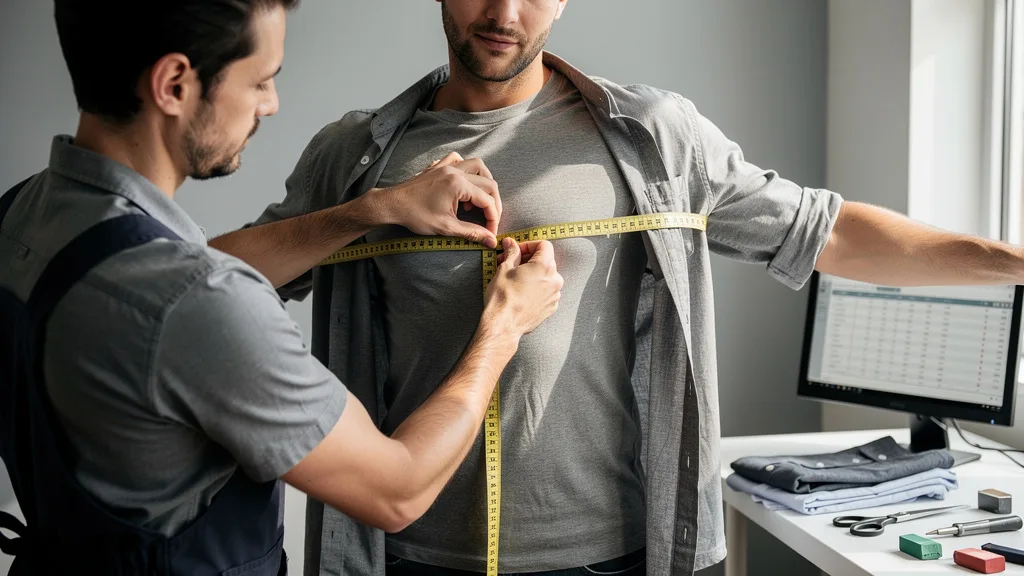
Following a methodical approach is the best way to determine your correct size. This process of learning how to measure for an XXXXL shirt takes only a few minutes and requires a soft, flexible measuring tape. For the most accurate results, wear a thin, non-padded shirt or measure against your bare skin. Stand upright in a relaxed, natural posture.

Step 1: Measure Your Chest Circumference
Your chest measurement is the most critical dimension for a well-fitting shirt. Wrap the measuring tape around the fullest part of your chest, usually just under your armpits and across your shoulder blades. Ensure the tape is snug but not tight, and that it remains parallel to the floor all the way around.

Breathe normally and record the measurement. Don’t puff out your chest or hold your breath, as this can lead to an inaccurate number and a shirt that is too tight. If you are between inches, it’s generally best to round up to the next whole number to ensure you have enough room for movement.
Step 2: Measure Your Waist at the Widest Point
Next, find your natural waistline. For many people, this is the narrowest part of the torso, but for shirt fitting, it’s often better to measure at the widest point around your stomach, typically at or just above the belly button. This ensures the shirt won’t be too tight around your midsection, especially for button-down styles.
Just as with the chest, keep the tape measure level and snug without constricting. This measurement is particularly important for untucked shirts and kurtas, as it determines how the fabric will drape over your body. A proper waist measurement prevents pulling or bunching at the buttons.
Step 3: Determine Your Ideal Shirt Length
Shirt length affects both style and comfort. To measure your ideal length, place the end of the tape measure at the top of your shoulder, where the shoulder seam would typically sit. Let the tape hang down straight over the front of your chest to the point where you want the hem of the shirt to end.
For a standard t-shirt or casual button-down, this is usually mid-crotch. For a formal dress shirt that will be tucked in, you’ll want a longer length to ensure it stays put. For women’s tops or kurtas, the desired length can vary significantly based on style, so consider what you will be pairing the shirt with.
Step 4: Compare with a Well-Fitting Shirt You Own
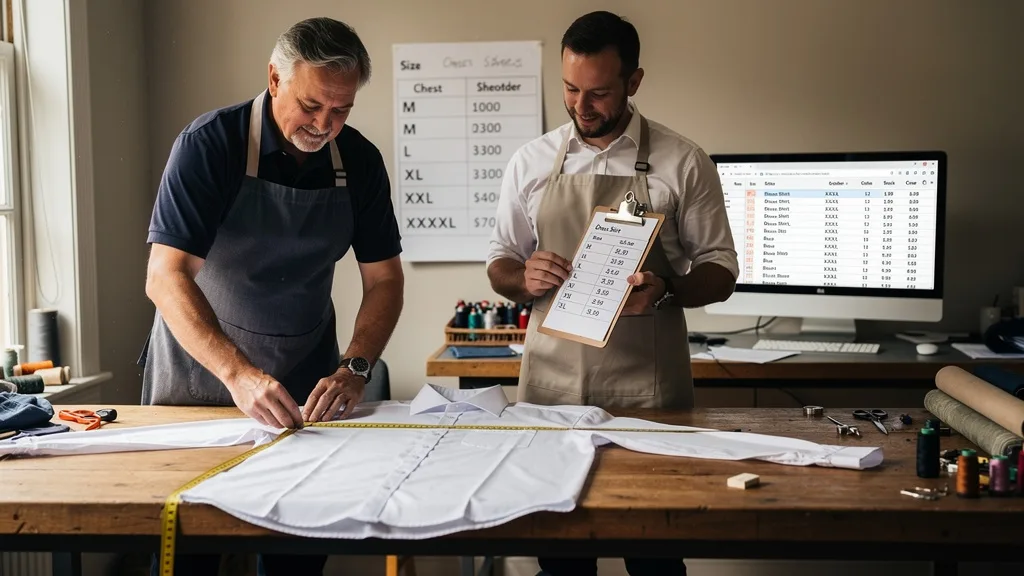
One of the most effective methods for ensuring a great fit is to measure a shirt you already own and love. Lay your best-fitting shirt on a flat surface, like a table or bed, and smooth out any wrinkles. Measure it from armpit to armpit and double that number to get its chest size.
Next, measure the waist across the narrowest point and the length from the top of the shoulder to the bottom hem. These numbers provide a real-world baseline for what fits you comfortably. You can then compare these measurements directly against the online size chart for the new shirt you wish to purchase, like a classic fit men’s 4XL cotton t-shirt.
XXXXL Shirt Size Chart for 2026
To help you find your perfect fit, we’ve compiled typical size charts for 2026. Remember, these are representative guides. Always check the specific chart on the product page before making a purchase, as sizing can differ. These charts provide a solid foundation for understanding XXXXL measurements.

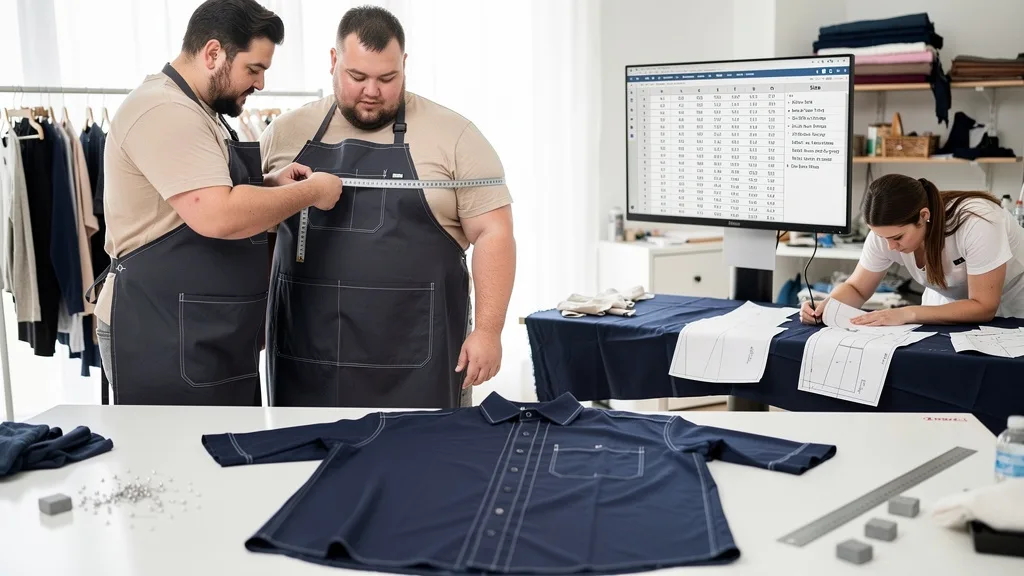
A men’s XXXXL shirt is designed to provide ample room in the chest and waist without being overly baggy. The measurements below are typical for a classic or regular fit. For slim-fit styles, you may need to size up, while relaxed fits might offer more room than indicated.
| Measurement | Inches | Centimeters |
|---|---|---|
| Chest | 54″ – 56″ | 137 – 142 cm |
| Waist | 50″ – 52″ | 127 – 132 cm |
| Shirt Length | 33″ – 34″ | 84 – 86 cm |
| Neck | 19″ – 19.5″ | 48 – 50 cm |
Women’s sizing often includes a bust measurement, which is similar to the chest measurement but focuses on the fullest part of the bust. An XXXXL size in women’s apparel accommodates a fuller bust, waist, and hips, ensuring a comfortable and flattering drape.
| Measurement | Inches | Centimeters |
|---|---|---|
| Bust | 52″ – 54″ | 132 – 137 cm |
| Waist | 45″ – 47″ | 114 – 119 cm |
| Hips | 55″ – 57″ | 140 – 145 cm |
| US Dress Size | 24W – 26W | |
Why Brand Sizing Varies So Much in Plus Sizes
One of the biggest challenges in shopping for plus-size clothing is the lack of standardization across brands. A 4XL from a fast-fashion retailer might fit completely differently than one from a premium brand. This inconsistency stems from several factors, including target demographics, fit models, and manufacturing tolerances.
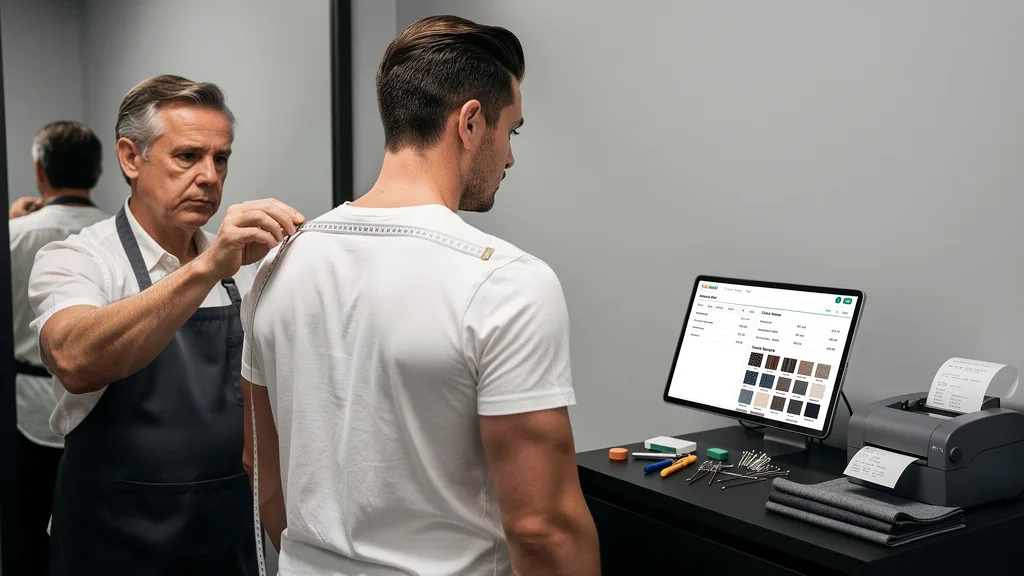
Some brands use “vanity sizing,” where they label larger garments with smaller sizes to appeal to customers psychologically. Others may base their patterns on different body shapes, leading to variations in how a shirt fits in the shoulders, arms, and torso. Understanding these nuances can help you become a more discerning and successful shopper.
Standard Fit vs. Slim Fit Differences
The intended fit of a shirt drastically changes its dimensions. A “Standard” or “Classic” fit shirt is cut generously through the chest and waist, prioritizing comfort and freedom of movement. In contrast, a “Slim Fit” shirt is tapered to sit closer to the body, creating a more modern and tailored silhouette. A slim fit XXXXL will have a smaller chest and waist measurement than a standard fit XXXXL.
Another popular style is the drop shoulder, which offers a more relaxed and casual look. Understanding the drop shoulder t-shirt vs regular key differences can help you choose the right style for your comfort and aesthetic preferences. Always read the product description to see what kind of fit the shirt is designed for, as this will give you crucial context for the size chart.
Material and Fabric Shrinkage Considerations
The fabric content of a shirt plays a significant role in how it fits, both initially and after washing. Natural fibers like 100% cotton are highly breathable but are also prone to shrinking, especially when washed in hot water or dried on high heat. A cotton XXXXL shirt might fit perfectly off the rack but become too snug after its first laundry cycle.
“When buying a 100% cotton shirt, consider sizing up or look for ‘pre-shrunk’ on the label. A cotton-polyester blend often provides the best of both worlds: the softness of cotton with the durability and shrink-resistance of polyester, ensuring a more consistent fit over time.”
Synthetic fabrics like polyester or rayon are less likely to shrink and often have more stretch, which can be more forgiving in terms of fit. Always check the care label for washing and drying instructions to preserve the original size and shape of your garment as long as possible.
Tips for Buying the Perfect-Fit XXXXL Shirt Online
Shopping online for plus-size clothing can feel like a gamble, but with the right strategy, you can significantly increase your chances of success. Armed with your measurements, you can navigate e-commerce stores with confidence. Here are a few essential tips to ensure you get the perfect fit every time.
Always Check the Brand’s Specific Size Chart
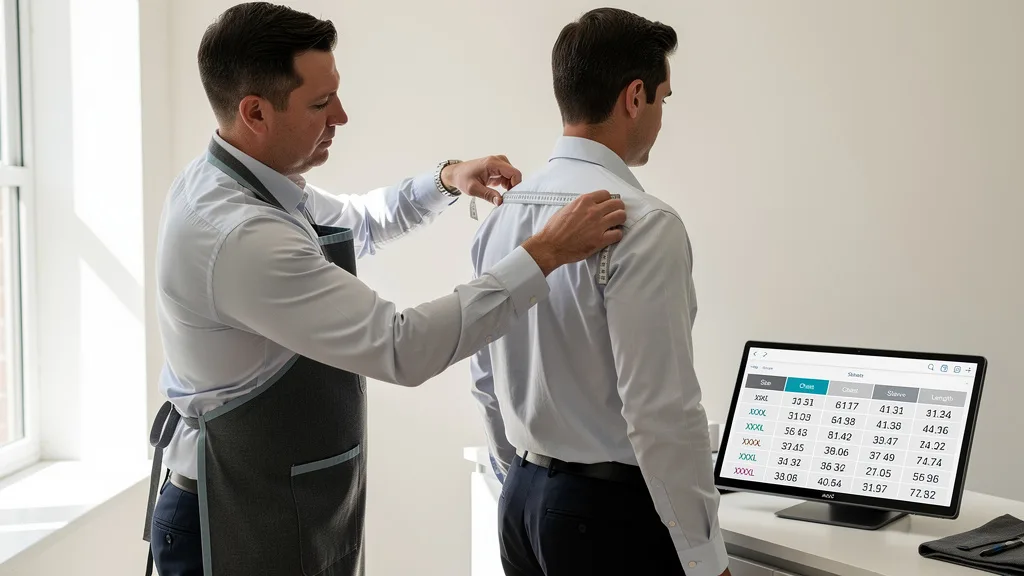
This is the golden rule of online clothes shopping. Never assume your size is the same across different brands. Before you even think about adding an item to your cart, locate the product’s specific size chart. Reputable brands, especially those offering premium apparel, will provide detailed charts for their items.
- Compare your chest, waist, and length measurements to the chart.
- Pay attention to any notes about the fit (e.g., “runs small,” “relaxed fit”).
- If your measurements fall between two sizes, consider the fabric and fit style. For a slim-fit shirt or a non-stretch fabric, sizing up is usually the safer choice.
- Check out our XXXL size chart guide for more detailed comparisons.
Read Customer Reviews for Real-World Fit Feedback
Customer reviews are an invaluable resource for online shoppers. They provide real-world insights into how a garment actually fits on different body types. Look for reviews from customers who mention their own height, weight, and the size they purchased. This feedback can give you a much clearer picture than the product photos alone.
Pay close attention to comments about whether the item “fits true to size,” “runs large,” or “runs small.” Some reviewers might even mention specific fit issues, such as tight arms or a short torso, which can help you make a more informed decision. This is especially helpful for items like XXXXL size jerseys that actually fit right, where shoulder and chest fit are critical.
Understand the Return Policy Before You Buy
Even with careful measuring and research, sometimes a shirt just doesn’t work out. Before completing your purchase, take a moment to review the company’s return and exchange policy. A flexible and hassle-free return policy provides a safety net, allowing you to shop with greater peace of mind.
Check for details such as the return window (e.g., 30 days), whether they offer free return shipping, and if you can get a full refund or only store credit. A company with a customer-friendly return policy shows that they stand behind their product quality and are confident in their sizing accuracy.
Key Takeaways
Finding a well-fitting XXXXL shirt is achievable when you combine accurate measurements with smart shopping strategies. Here are the most important points to remember from this guide:
- Measure Yourself Correctly: Use a soft tape to measure your chest, waist, and desired shirt length. These numbers are your foundation for finding the right fit.
- XXXXL and 4XL are Similar, Not Identical: While often used interchangeably, always verify the specific measurements on the brand’s size chart.
- Fit Style Matters: A slim fit XXXXL will be much tighter than a classic or relaxed fit. Read the product description to understand the intended silhouette.
- Fabric Affects Fit: Be mindful of potential shrinkage with 100% cotton and check care instructions to maintain the garment’s size and shape.
- Use All Available Tools: Always consult the brand’s size chart, read customer reviews for real-world feedback, and understand the return policy before you buy.
Frequently Asked Questions
What is the main difference when measuring for an XXL vs. an XXXXL shirt?
The core measuring process is the same for both XXL and XXXXL sizes: you still measure the chest, waist, and length. The main difference lies in the expected measurement ranges. An XXXXL shirt is typically designed for a chest measurement that is 2-4 inches larger and a waist that is 2-4 inches larger than an XXL. When measuring, you are simply identifying which of these size brackets your body fits into according to the brand’s specific chart.
What size should a graphic design be for a 4XL shirt?
For a 4XL (or XXXXL) shirt, a standard graphic design is typically between 12 to 15 inches wide. The goal is for the design to look proportional to the larger surface area of the shirt. A small 8-inch graphic that looks fine on a Medium shirt might appear tiny and awkward on a 4XL. For full-front designs, you can go even larger, up to 16 inches wide by 20 inches tall, depending on the desired visual impact.
Where can I buy blank XXXXL shirts for printing?
You can purchase blank XXXXL shirts for printing from wholesale apparel distributors and specialized online retailers. Companies like SanMar, S&S Activewear, and AlphaBroder are popular choices for bulk purchases. Additionally, many major apparel brands like Gildan, Hanes, and Bella+Canvas sell their blank shirts through these distributors, offering a wide variety of styles, colors, and fabric blends suitable for custom printing.
Do all clothing brands offer XXXXL sizes?
No, not all clothing brands offer XXXXL sizes. While plus-size availability is improving, many mainstream and high-fashion brands still have a limited size range that may stop at XL or XXL. However, an increasing number of brands, especially direct-to-consumer online stores and those specializing in inclusive sizing, offer a full range of sizes up to 4XL and beyond. It is always best to check a brand’s size offerings before shopping.
How do I select clothes for my body shape in plus sizes?
To select clothes for your body shape, first identify your shape (e.g., apple, pear, hourglass, rectangle). For an apple shape with a fuller midsection, look for A-line tops, empire waists, and V-necks. For a pear shape with wider hips, choose tops that accentuate the shoulders and waist, like boat necks or fitted blouses. The key is to create balance and highlight your favorite features. Most importantly, choose clothes that make you feel comfortable and confident.
Conclusion
Mastering how to measure for an XXXXL shirt transforms online shopping from a risky gamble into a confident and rewarding experience. By taking a few moments to measure your chest, waist, and ideal length, you equip yourself with the data needed to decode any size chart. This simple process eliminates the guesswork and ensures the shirts you buy will fit comfortably and look great from the very first wear.
Remember that the size tag is just a suggestion; your measurements are the truth. Always prioritize the brand’s specific size chart over a generic size label, and consider factors like fit style and fabric type. Using customer reviews and understanding return policies further empowers you to make smart, risk-free purchases that build a wardrobe you truly love.
With these steps, you are now ready to find apparel that is not only stylish but also crafted to fit you perfectly. No more settling for clothes that are too tight or too baggy. It’s time to enjoy the style and comfort you deserve.
Ready to find your perfect fit? Explore our curated collection of premium shirts, kurtas, and suits available in a full range of sizes. We are dedicated to providing stylish, high-quality apparel for every body. SHOP NOW and experience the difference a perfect fit makes.