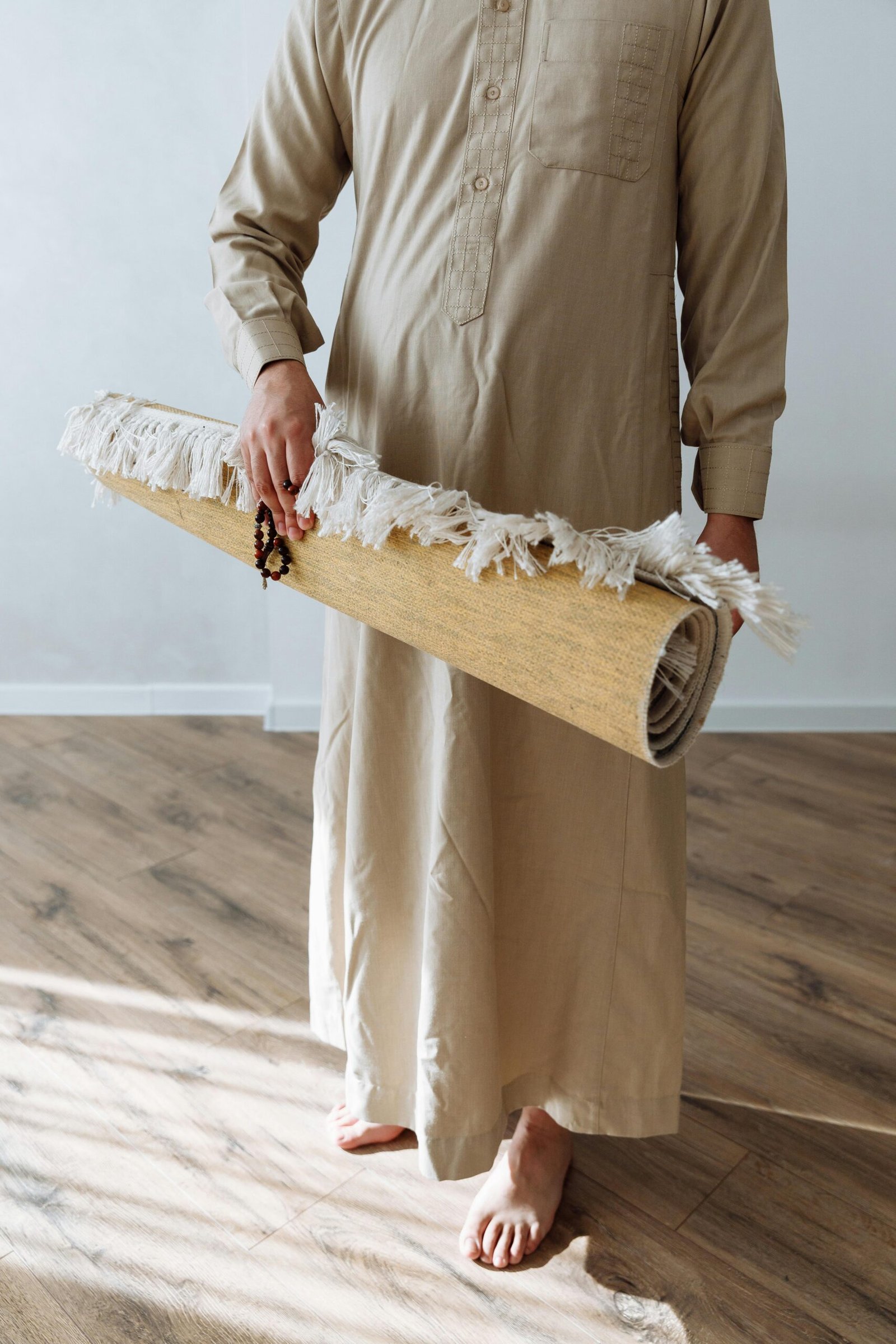


Struggling to choose the right ethnic wear for an upcoming wedding or celebration? Understanding the distinction between a kurta and a sherwani is crucial for dressing appropriately and stylishly. The choice you make can define your look, ensuring you appear elegant and respectful of the event’s tone.
The core difference in the Kurta vs Sherwani: Which One Should You Wear debate is formality. A kurta is a versatile, knee-length tunic suitable for casual to semi-formal events, while a sherwani is a long, structured coat-like garment reserved for formal occasions like weddings, especially for grooms. Their primary distinctions lie in the occasion, fabric, cut, and level of embellishment, which we will explore in detail to help you make the perfect choice for 2026.
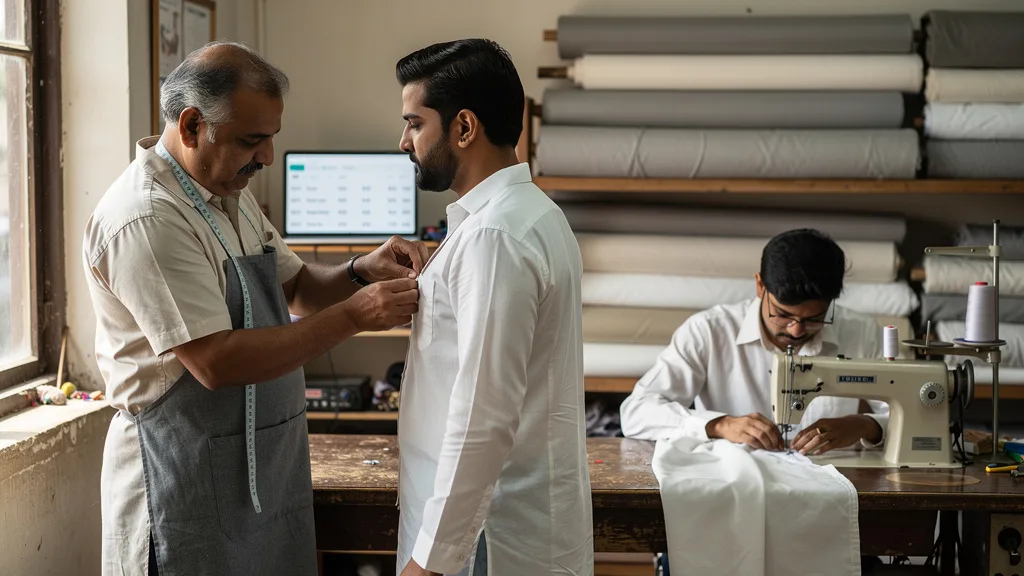
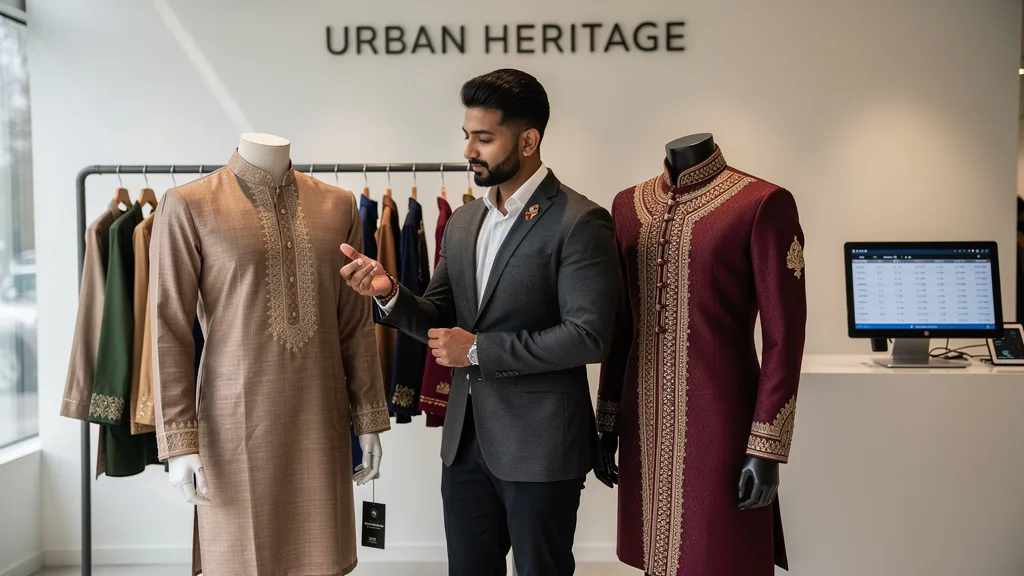
Understanding the Kurta: A Versatile Wardrobe Staple
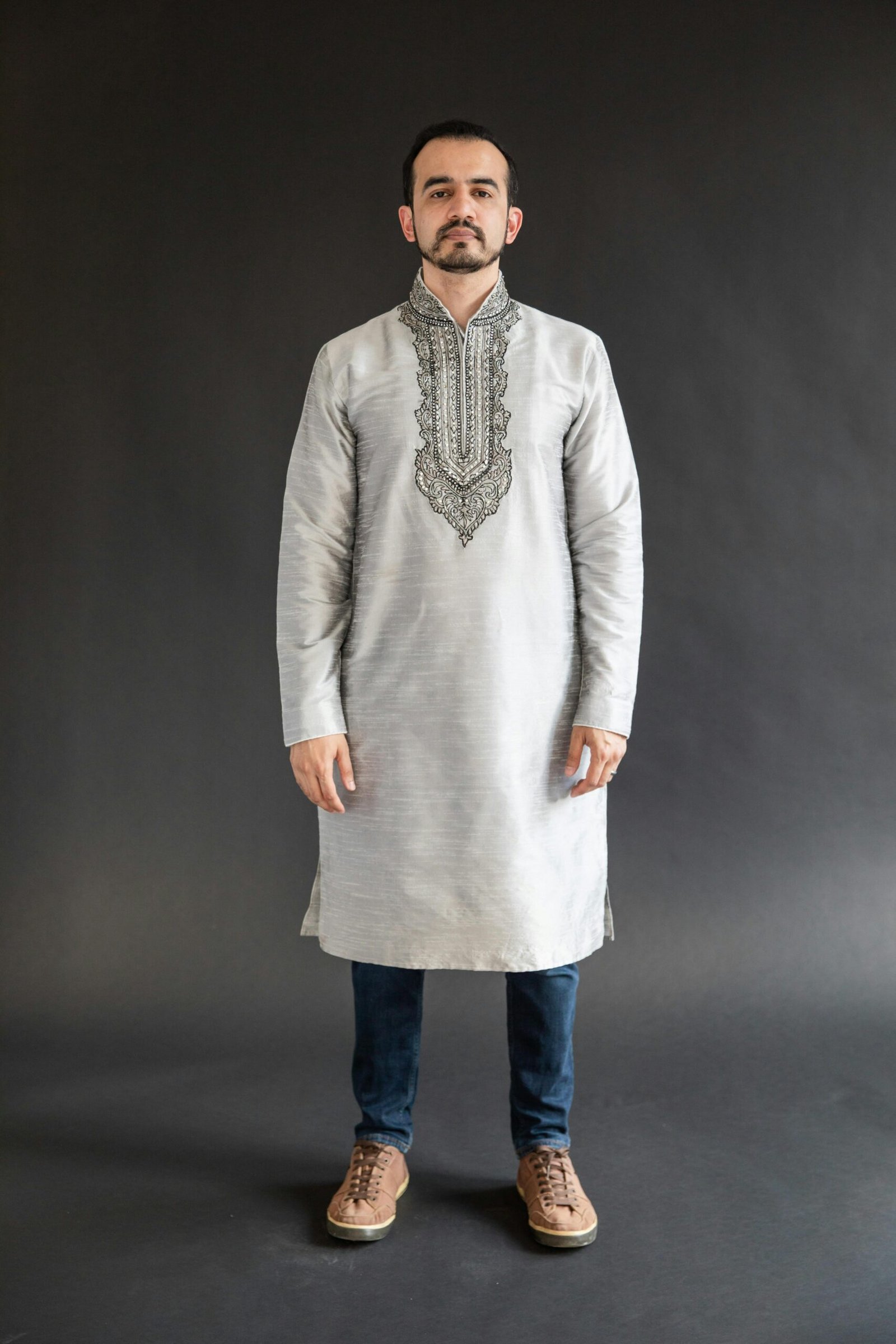
A kurta is a traditional South Asian garment, essentially a long, loose-fitting tunic that typically falls to the knees. Its beauty lies in its simplicity and versatility. Crafted from breathable fabrics like cotton, linen, and silk, the kurta is designed for comfort, making it a go-to choice for a wide range of settings, from daily wear to festive gatherings. The design can range from completely plain to featuring light embroidery around the collar, placket, and cuffs.
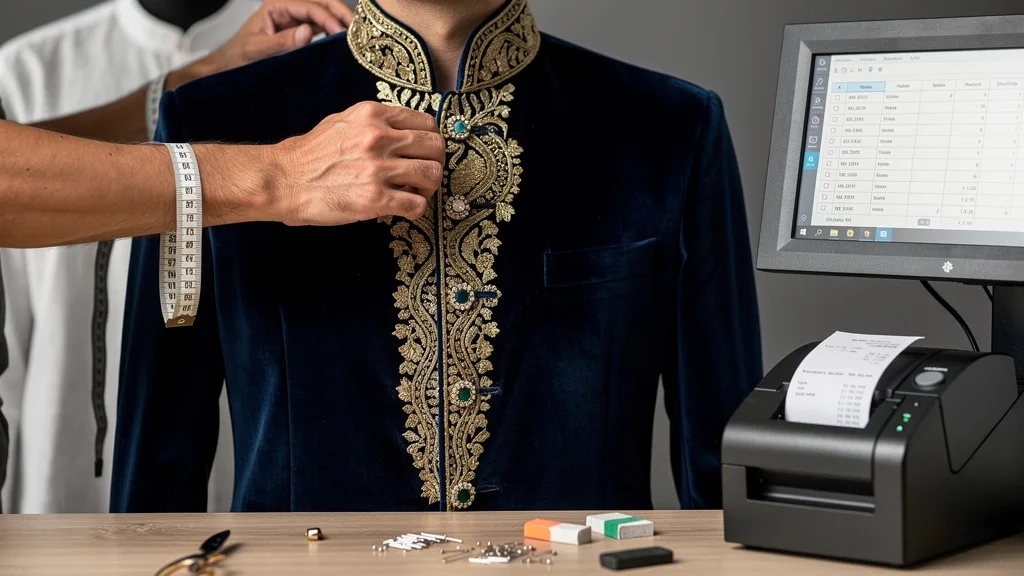
This adaptability makes the kurta for men a fundamental piece in modern ethnic wear. It can be dressed up or down with ease. For a casual look, you can pair a simple cotton kurta with jeans or trousers. For a semi-formal event like a religious ceremony or a small party, a silk or jacquard kurta paired with a traditional pajama or churidar creates a sophisticated and culturally appropriate ensemble. Its relaxed silhouette ensures you stay comfortable while looking effortlessly stylish.
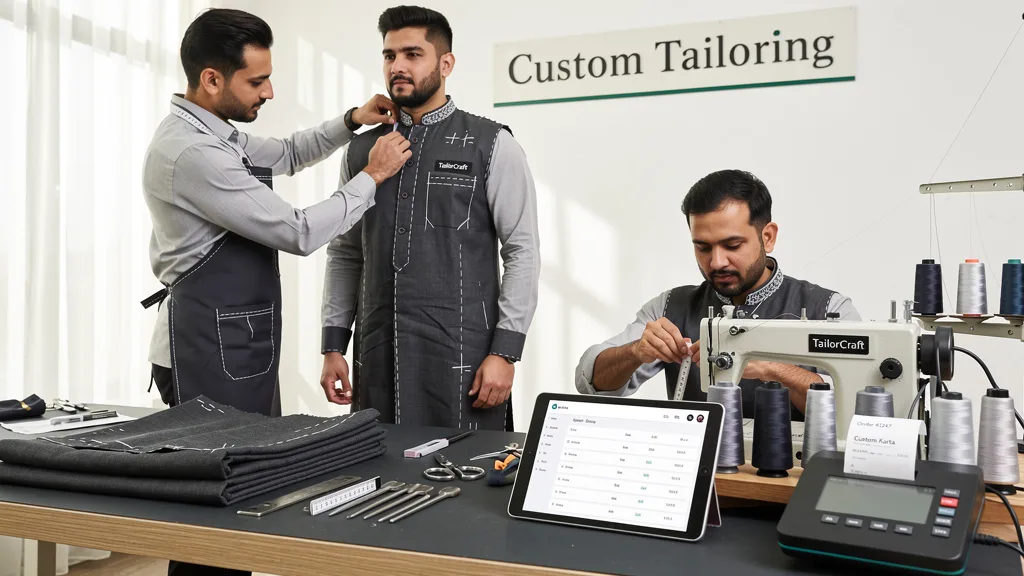
What Are the Top Trending Kurta Styles for Men in 2026?
In 2026, men’s kurta fashion embraces both modern cuts and classic elegance. The trends focus on unique silhouettes, subtle details, and a sophisticated color palette, moving beyond the standard designs. These styles allow for greater personal expression while maintaining the garment’s traditional roots. Keeping up with these trends can elevate your ethnic wear collection significantly.
Here are some of the most popular kurta styles to look for this year:
- Asymmetrical Hemlines: Kurtas with a high-low or diagonal cut offer a contemporary and fashion-forward look that stands out from the crowd.
- Pastel and Earthy Tones: Shades like dusty rose, mint green, beige, and light brown kurta options are in high demand, offering a refined and modern aesthetic.
- Minimalist Embroidery: The focus has shifted from heavy patterns to subtle, intricate threadwork on the collar, cuffs, and placket, emphasizing craftsmanship over opulence.
- Draped Silhouettes: Styles featuring cowl necks or draped panels add a touch of sartorial flair, creating a fluid and dynamic silhouette that is both unique and elegant.
- Bandhgala Kurtas: This fusion style incorporates the high, closed collar of a Bandhgala jacket into the kurta, creating a sharp, semi-formal look that is perfect for parties and receptions.
Defining the Sherwani: The Epitome of Formal Ethnic Wear
A sherwani is a long, coat-like garment that is buttoned up the front and extends to or below the knees. Unlike the relaxed kurta, the sherwani is heavily structured, tailored to fit close to the body, and is considered one of the most formal types of ethnic wear for men. It originated as attire for the nobility in the Mughal Empire and continues to carry an aura of royalty and grandeur. This makes it the premier choice for grooms and those attending black-tie equivalent traditional events.
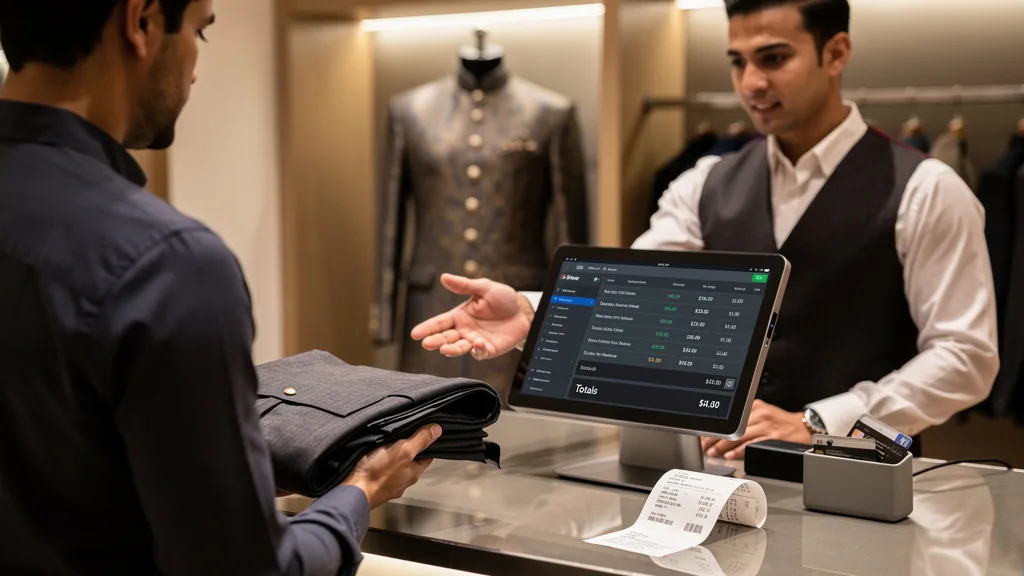
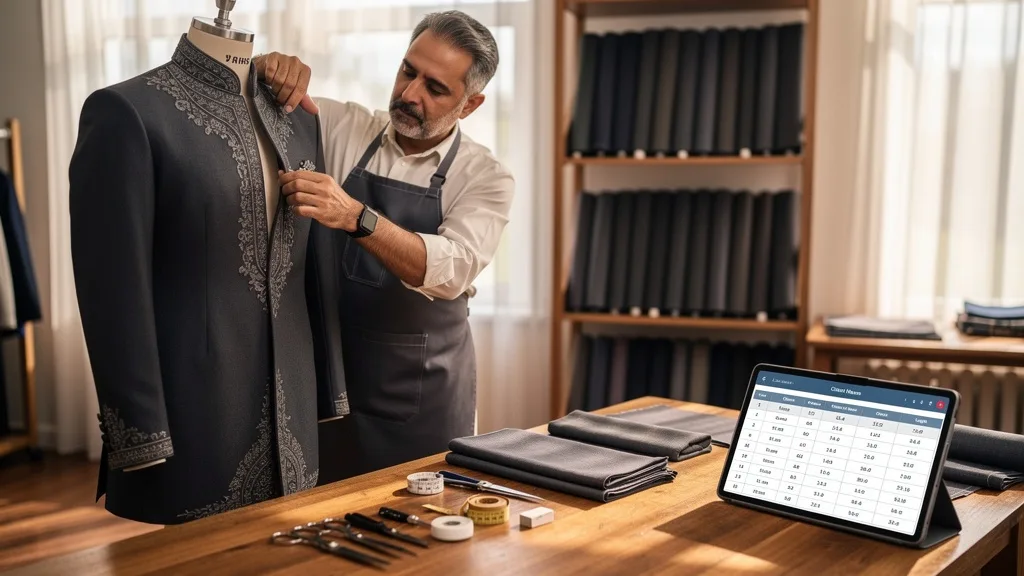
The sherwani is defined by its luxurious fabrics and exquisite craftsmanship. It is typically made from heavy, rich materials like brocade, velvet, raw silk, or jamawar to give it a regal drape and structure. What truly sets it apart is the intricate embellishment. Sherwanis often feature heavy, detailed embroidery known as zardozi, along with stonework, sequins, and other ornate decorations. This level of detail signifies its ceremonial purpose and makes it a statement piece for life’s most important celebrations.
Kurta vs Sherwani: A Detailed Head-to-Head Comparison
When you place a kurta and a sherwani side-by-side, the differences become immediately apparent. While both are pillars of South Asian menswear, they serve entirely different purposes, dictated by their design, material, and cultural context. Understanding these distinctions is key to building a functional and appropriate ethnic wardrobe. This comparison will break down the real difference between the two garments across several key attributes.
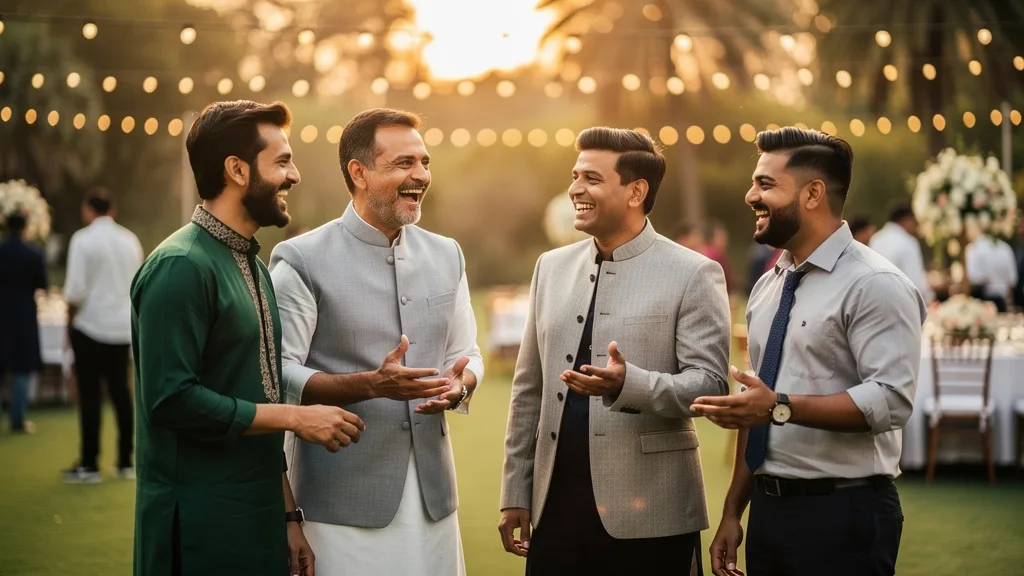
The following table provides a clear, at-a-glance summary of the fundamental differences, helping you quickly decide which garment is suitable for your specific needs.
| Feature | Kurta | Sherwani |
|---|---|---|
| Formality | Casual to Semi-Formal | Formal to Ceremonial |
| Occasion | Daily wear, festivals, pujas, casual parties | Weddings, receptions, grand celebrations |
| Length | Typically knee-length or slightly above | Knee-length to below the knee |
| Fit & Cut | Loose, comfortable fit | Structured, tailored fit, similar to a coat |
| Fabric | Cotton, linen, silk, khadi | Brocade, velvet, raw silk, jamawar |
| Embellishments | Minimal to moderate embroidery | Heavy, intricate embroidery, zardozi, stones |
| Pairings | Pajama, salwar, churidar, jeans | Churidar, dhoti, specialized trousers |
| Layering | Often worn with a Nehru jacket | Worn over a kurta; is the outer layer itself |
Formality Level and Suitable Occasions
The most significant factor in the kurta vs sherwani choice is the formality of the event. A kurta is your versatile companion for a wide array of functions. You can wear a simple cotton one for a casual day out or a more ornate silk kurta for a religious festival, a family dinner, or a friend’s pre-wedding event like a Sangeet or Mehendi. Its understated nature makes it appropriate for occasions where you want to look good without being overly formal.
A sherwani, on the other hand, is reserved for the highest level of formality. It is the traditional attire for grooms in many South Asian cultures. It is also suitable for the groom’s close family members, such as his father or brothers. Wearing a sherwani as a distant relative or a regular guest to a wedding is often considered a faux pas, as it can be seen as an attempt to upstage the groom. Think of it as the equivalent of wearing a white gown to someone else’s wedding; it’s a garment reserved for the main participants.
Common Fabrics, Cuts, and Embellishments
The materials used for kurtas prioritize comfort and breathability. Fabrics like cotton, linen, and khadi are popular for daily and casual wear, while silk, jacquard, and blends are used for more festive versions. The cut is generally straight and loose, allowing for ease of movement. Embellishments on a kurta are typically restrained, often limited to simple threadwork on the collar and placket or a printed pattern across the fabric.
Sherwanis are all about luxury and structure. They are crafted from opulent fabrics like brocade (jamawar), velvet, and heavy raw silk that hold their shape and convey a sense of grandeur. The cut is tailored and structured like a long coat, designed to create a sharp, regal silhouette. The embellishments are the star of the show, with sherwanis often featuring extensive and intricate hand-embroidery, zardozi (metal thread work), and semi-precious stonework that can cover the collar, cuffs, and front panel.
Overall Silhouette and Typical Pairings
The silhouette of a kurta is relaxed and flowing. It is designed for comfort and can be styled in numerous ways. Traditionally, it is paired with a kurta pajama or a churidar. However, for a modern, fusion look, many men now pair shorter kurtas with jeans or even trendy cargo lowers. This flexibility makes the kurta a staple in a versatile wardrobe.
In contrast, the sherwani has a sharp, defined, and majestic silhouette. It is an outer garment, often worn over a simple, thin inner kurta. A sherwani demands traditional pairings to maintain its formal integrity. It is almost exclusively worn with a churidar or a dhoti. Completing the look requires formal ethnic footwear, such as embroidered mojris or juttis, to match the garment’s regal character.
Cost Analysis: Budgeting for a Kurta or Sherwani in 2026
When planning your purchase, the price difference between a kurta and a sherwani is substantial, reflecting the vast gap in materials, craftsmanship, and occasion. A kurta is an accessible piece of clothing, while a sherwani is a significant investment in ceremonial attire. Understanding the cost spectrum for each will help you budget effectively for your next event or wardrobe update.

The price is directly tied to the quality of the fabric and the complexity of the work involved. A simple, machine-made item will always be more affordable than a hand-embroidered, bespoke piece. As of 2026, you can expect a wide range of prices for both garments, catering to different budgets and needs.
What Is the Average Price for a Designer Kurta Set?
The cost of a kurta set can vary widely. A basic, ready-to-wear cotton kurta set for daily use might cost between $50 and $100. For a more formal occasion, a designer kurta set made from premium fabrics like silk or linen with moderate embroidery will typically fall in the $150 to $400 range. These sets often include a matching pajama or churidar.
For those seeking something more exclusive, a bespoke or heavily embellished designer kurta can cost upwards of $500. However, for most semi-formal needs, a high-quality set within the $200-$350 price point offers an excellent balance of style, quality, and value. This makes it a relatively affordable way to look sharp at festive events.
How Much Does a Good Quality Sherwani Cost?
A sherwani is a luxury item, and its price reflects that. A good quality, entry-level sherwani from a reputable brand, often machine-embroidered on good fabric, will generally start around $400 to $700. These are suitable for close family members at a wedding or for grooms on a tighter budget. They provide the formal look without the extreme cost of couture pieces.
For a groom’s main wedding sherwani, especially one with intricate hand-embroidery (zardozi) on premium fabric like pure silk or velvet, the cost escalates significantly. These designer and bespoke pieces can range from $1,000 to $5,000, and sometimes even higher for top-tier couturiers. This price accounts for the dozens or even hundreds of hours of skilled artisanal labor required to create the garment.
“When investing in a sherwani, you’re not just buying a garment; you’re acquiring a piece of art. The cost reflects hours of skilled craftsmanship, premium fabrics, and a timeless design meant for life’s most significant moments.” – Expert Stylist, 2026.
Which Is Better for a Wedding Guest: Kurta or Sherwani?
For a wedding guest, the answer is almost always a kurta. A well-chosen, elegant kurta set strikes the perfect balance of being festive, respectful, and stylish without being inappropriate. You can opt for a kurta made from a luxurious fabric like silk or a brocade vest (Nehru jacket) over a plain kurta to elevate your look. This shows you’ve made an effort to dress for the special occasion while respecting the sartorial hierarchy of a wedding.
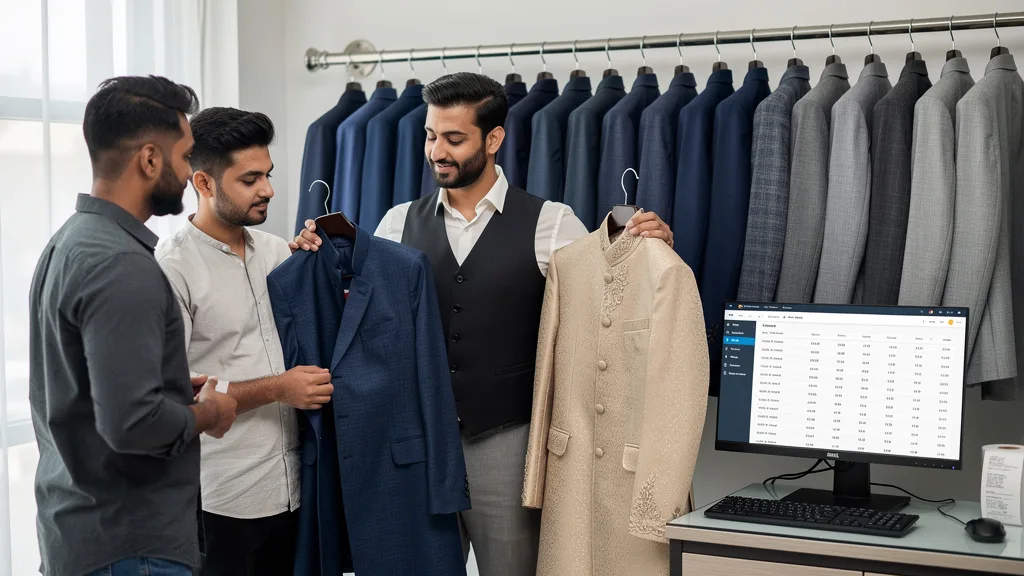
Wearing a sherwani as a regular guest is generally not recommended. The sherwani is the groom’s domain, and wearing one can be perceived as trying to steal the spotlight. The only exception might be if the wedding has an extremely formal, specific dress code that explicitly asks guests to wear one, which is very rare. To be safe and stylish, stick with a dressy kurta. You can explore different styles, like pairing a dark green shirt combination style kurta with cream pajamas for a sophisticated look.
Key Takeaways
Navigating the world of men’s ethnic wear is simple once you understand the core purpose of each garment. This summary captures the most important points to remember when choosing between a kurta and a sherwani.
- Primary Difference: A kurta is a versatile tunic for casual to semi-formal wear, while a sherwani is a formal coat for ceremonial occasions.
- Occasion is Key: Choose a kurta for festivals, parties, and as a wedding guest. Reserve the sherwani for your own wedding or a very close family member’s.
- Budget Accordingly: Sherwanis are a significant investment, often costing 5-10 times more than a high-quality kurta set due to fabric and craftsmanship.
- Styling Matters: Kurtas offer flexible styling with various bottoms, while sherwanis require traditional pairings like churidars and formal ethnic footwear.
- For Wedding Guests: When in doubt, a well-fitted, elegant kurta set is always a safe and stylish bet.
Frequently Asked Questions
Kurta vs Sherwani vs Achkan: What are the key distinctions?
An Achkan is similar to a sherwani in length and formality but is typically made of lighter fabrics and often has a side-opening placket instead of a sherwani’s central button-down front. It’s considered a slightly less formal, though still regal, alternative to the heavier sherwani.
What are some modern alternatives to a traditional sherwani?
Modern alternatives include Bandhgala suits (Jodhpuri suits), long tuxedo jackets with ethnic embroidery, or a designer kurta paired with a heavily embellished waistcoat. A draped stole over a silk kurta set can also create a formal, layered look that feels contemporary and sophisticated.
What are the best brands for a groom’s sherwani in 2026?
For a groom’s sherwani in 2026, top-tier Indian designers like Sabyasachi and Manish Malhotra are renowned for their opulent, couture styles. For premium ready-to-wear and bespoke options that blend quality and design, brands like Manyavar and specialized local ateliers are also excellent choices.
What kind of shoes should you wear with a kurta or sherwani?
With a sherwani, traditional footwear like embroidered mojris or juttis is essential to complete the formal look. A kurta offers more flexibility; you can wear leather sandals, kolhapuris, or juttis for a traditional vibe, or even loafers for a modern, smart-casual fusion style.
Conclusion
Ultimately, the choice in the kurta vs sherwani debate is guided by the occasion. The kurta stands as a testament to versatile, everyday elegance, seamlessly fitting into a variety of cultural and social settings. Its comfort and adaptability make it an indispensable part of a modern man’s wardrobe. The sherwani, in contrast, is reserved for moments of grandeur and ceremony, a statement piece that embodies tradition, luxury, and regal splendor.
By understanding the distinct roles of each garment, from fabric and fit to formality and cost, you can make an informed decision that honors the event’s dress code while reflecting your personal style. For most events, a stylish kurta will serve you well. For that once-in-a-lifetime celebration, the unmatched elegance of a sherwani is the clear choice. This knowledge empowers you to invest wisely and dress with confidence for any occasion.
Now that you know the difference, you can find the perfect outfit for your next event. Explore our curated collection of premium men’s wear to find everything from elegant kurtas for festive gatherings to sophisticated suits for formal functions. Our designs blend timeless tradition with modern style, ensuring you always look your best.
If you want help turning this into a concrete plan for your site or team, take the next step below — it is the fastest way to move from reading about Kurta vs Sherwani: Which One Should You Wear to applying it with confidence.
Ready to act on Kurta vs Sherwani: Which One Should You Wear? SHOP NOW — tell us your goal, and we will help you pick the highest-leverage next step so you are not guessing alone.