
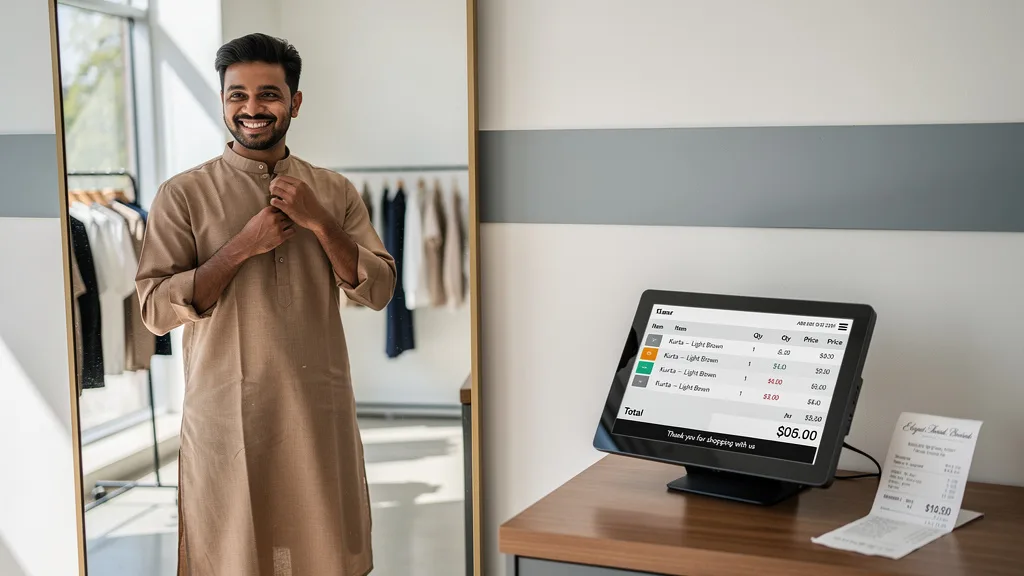
Ever wondered how to choose a kurta that not only looks stunning but feels incredibly comfortable? Selecting the perfect kurta goes beyond just picking a color or design; it involves understanding the nuances of materials and tailoring. This is your essential beginner’s guide to kurta fabrics and fits, designed to help you make informed choices for every season and occasion.
A great kurta experience starts with the right fabric and a flawless fit. For daily wear, breathable materials like cotton and linen offer unmatched comfort, while luxurious fabrics such as silk are reserved for festive events. Understanding your measurements and the differences between classic and slim fits will ensure your kurta drapes perfectly, enhancing your style and confidence. This guide provides all the essential info you need to build your ideal kurta wardrobe in 2026.
Understanding the Best Fabric Choices for a Kurta
The foundation of any great kurta is its fabric. The material dictates not only the look and feel of the garment but also its suitability for different climates and events. From breathable options perfect for summer heat to opulent textiles for celebrations, your fabric choice is the first step toward achieving both comfort and style. Each material has unique characteristics that contribute to the overall aesthetic and function of the kurta.
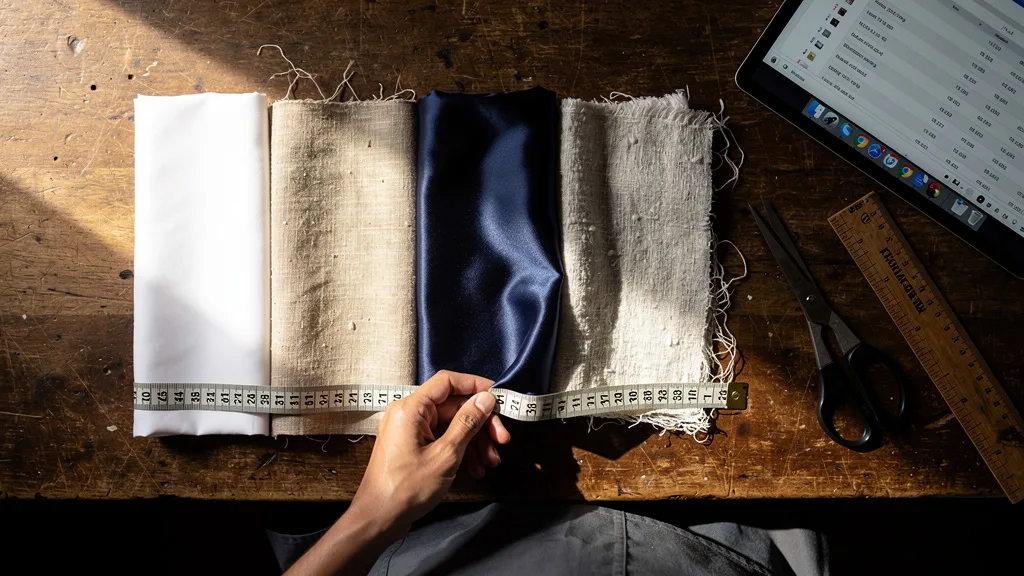
As you explore different fabric choices, consider the occasion, season, and your personal comfort preferences. A well-chosen fabric ensures your kurta is not just an article of clothing but an expression of your taste. Whether you prioritize breathability, a luxurious sheen, or rustic texture, there is a perfect fabric waiting to be discovered for your next traditional wear piece.
Cotton: The All-Season Staple for Comfort
Cotton is arguably the most popular and versatile fabric for kurtas, celebrated for its softness, breathability, and durability. It is an all-season staple that keeps you cool in the summer and provides a comfortable base layer in cooler months. Cotton kurtas are ideal for daily wear, office settings, and casual outings, offering a crisp and clean look that is easy to maintain.
Within the cotton family, you will find various weaves and types, such as lawn, poplin, and cambric. Lawn cotton is exceptionally lightweight and smooth, making it a favorite for summer collections and printed designs. No matter the type, cotton’s ability to absorb moisture and allow air circulation makes it a practical and comfortable choice for anyone seeking everyday elegance.
Linen: For Effortless Summer Style
Linen is synonymous with effortless summer sophistication. Made from the fibers of the flax plant, it is highly breathable and absorbent, wicking moisture away from the body faster than cotton. This makes a linen kurta the ultimate choice for staying cool and comfortable in hot and humid weather. Its natural texture and tendency to wrinkle are considered part of its charm, lending a relaxed yet refined appeal.
While linen provides exceptional comfort, it offers a distinct aesthetic that is both casual and chic. A linen kurta pairs beautifully with simple pajamas or even trousers for a smart-casual look. For more details on this excellent fabric, you can explore A Complete Guide On Linen to understand its properties fully. Its timeless quality ensures it remains a wardrobe essential for years to come.
Silk: The Premier Choice for Festive Occasions
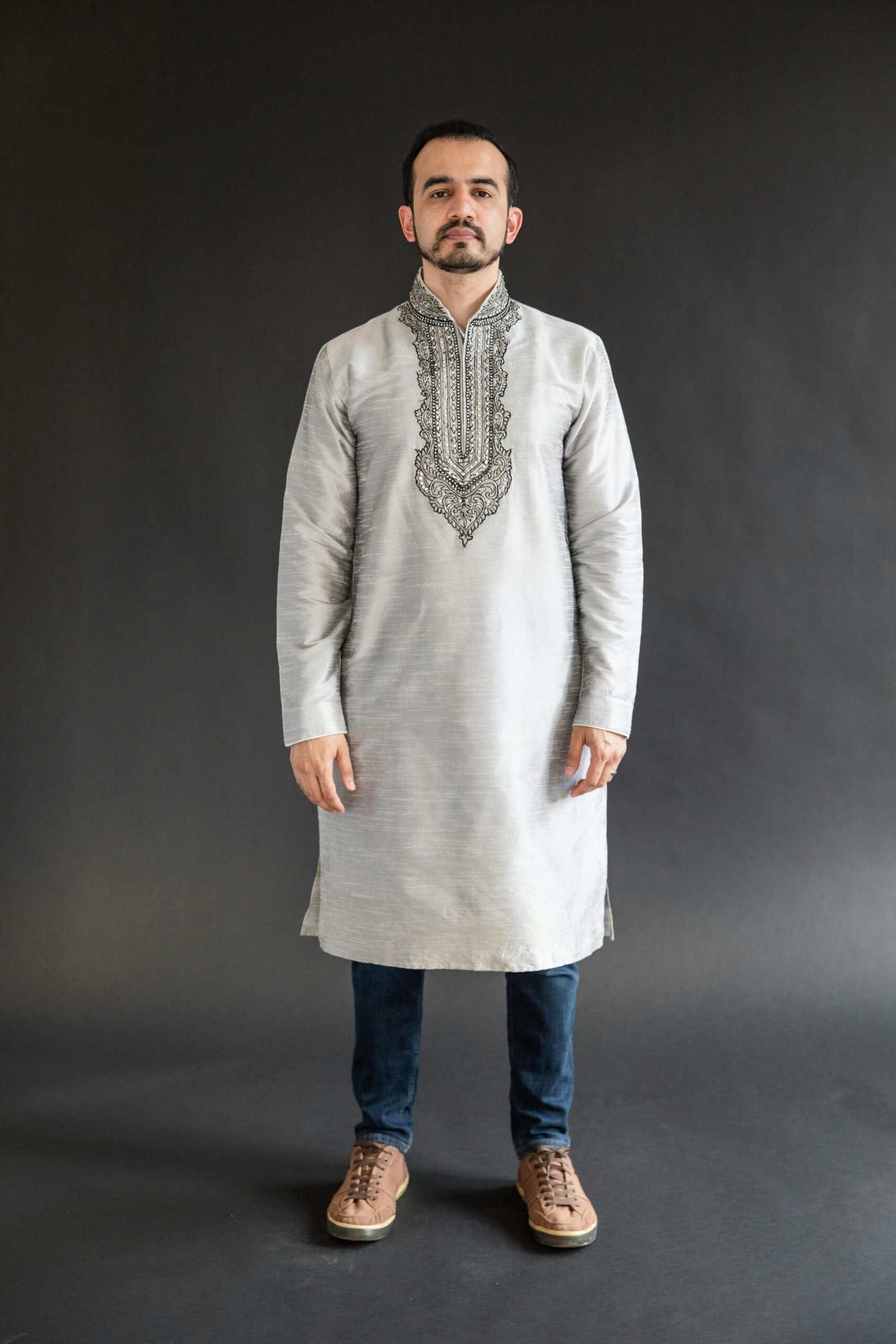
When the occasion calls for opulence and grandeur, silk is the undisputed premier choice. Known for its luxurious sheen, smooth texture, and vibrant color absorption, a silk kurta instantly elevates your look. It is the go-to fabric for weddings, festivals, and formal ceremonies, offering an unmatched sense of regality and elegance. Popular silk varieties include Banarasi, Tussar, Raw Silk, and Dupioni, each with its own unique texture and luster.
While silk kurtas are visually stunning, they require special care to maintain their beauty. Dry cleaning is often recommended to preserve the fabric’s delicate fibers and rich color. A well-maintained silk kurta is a timeless investment piece, perfect for making a memorable impression at any significant event. To discover options for special events, browse our guide on how to choose the perfect kurta for weddings.
Khadi: Rustic, Breathable, and Unique
Khadi is a hand-spun and hand-woven fabric that holds deep cultural significance and offers a unique aesthetic. Its characteristic slubby texture and earthy feel give it a rustic yet sophisticated charm. Because it is hand-crafted, no two pieces of khadi are exactly alike, making each kurta a one-of-a-kind garment. It is also incredibly breathable, keeping you cool in the summer and warm in the winter.
Choosing a khadi kurta is a nod to sustainable fashion and traditional craftsmanship. This versatile fabric can be dressed up or down, making it suitable for both casual gatherings and semi-formal events. Its understated elegance and comfortable feel make it a meaningful and stylish addition to any wardrobe, connecting the wearer to a rich heritage of textile artistry.
How to Find the Perfect Kurta Fit
A perfect fit is just as crucial as the right fabric for a kurta to look its best. An ill-fitting garment can ruin the entire look, regardless of how beautiful the material or design is. Understanding your body measurements and the different types of fits available will empower you to choose a kurta that flatters your physique and provides maximum comfort. From the shoulders to the hemline, every detail matters.
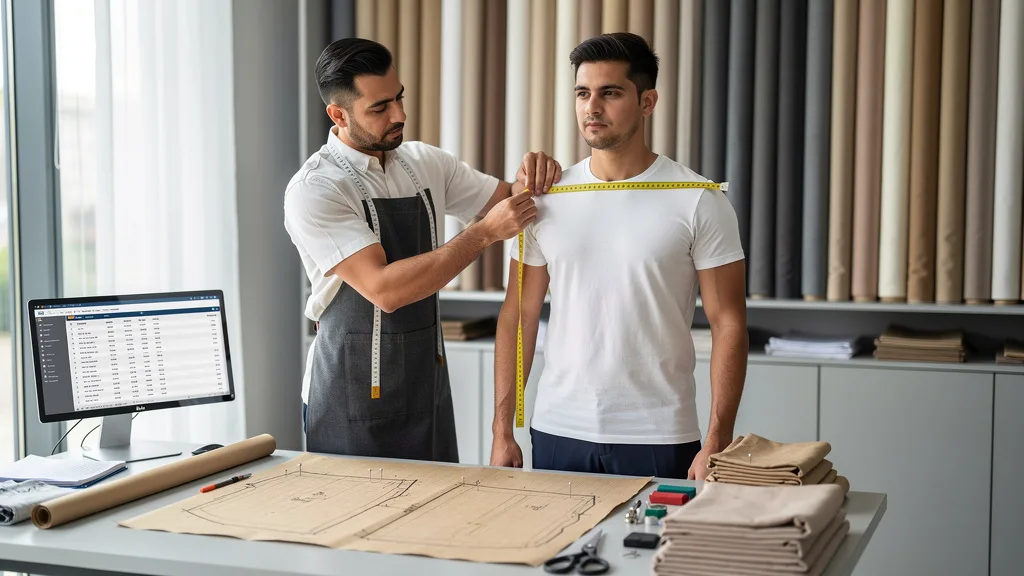
Whether you are shopping online or in-store, knowing your ideal fit helps streamline the selection process. This section will guide you through decoding common kurta fits, taking essential measurements, and choosing the right length and silhouette for your body type. With this knowledge, you can confidently select a perfect kurta every time.
Decoding Kurta Fits: Classic vs. Slim
Kurtas generally come in two primary fits: classic and slim. The classic fit, also known as a regular fit, is more traditional and offers a comfortable, relaxed silhouette. It provides ample room around the chest and waist, allowing for easy movement. This fit is a great choice for those who prioritize comfort or have a larger build, and it is a timeless style suitable for almost any occasion.
The slim fit, on the other hand, is a more modern interpretation. It is tailored to sit closer to the body, creating a sharper and more defined silhouette. This fit accentuates the shoulders and chest while tapering slightly at the waist. A slim-fit kurta offers a contemporary look that pairs well with trousers or fitted churidars, making it popular among younger generations and those with a slender frame.
Essential Measurements for a Flawless Fit
To ensure your kurta fits perfectly, especially when ordering online, you need to know a few key measurements. The most important ones are your chest, waist, hips, shoulder width, and sleeve length. To measure your chest, wrap a measuring tape around the fullest part of your chest. For the waist, measure around your natural waistline, and for the hips, measure around the widest part.
Shoulder width is measured from the end of one shoulder to the other, while sleeve length is measured from the shoulder seam to your wrist. Comparing these measurements to a brand’s size chart is the most reliable way to find your size. For more detailed instructions, our kurta size guide online provides a step-by-step process to help you get the most accurate fit.
Choosing the Right Kurta Length and Silhouette
The length of your kurta significantly impacts its overall look and formality. The most common length is knee-length, which is versatile and appropriate for most occasions. Longer, calf-length kurtas tend to look more formal and traditional, often worn for ceremonies and festive events. Shorter, hip-length kurtas offer a casual, modern vibe and are perfect for pairing with jeans or shorts.
Beyond length, the silhouette also plays a key role. A straight-cut kurta is the most standard and suits all body types. An A-line kurta gradually widens from the waist, offering a flattering shape for those with wider hips. Experimenting with different lengths and silhouettes will help you discover what best complements your personal style and body shape.
How Much Cloth Is Required for a Men’s Kurta?
One of the most common questions for those getting a kurta stitched is, “How much fabric do I need?” Knowing the correct fabric requirement is crucial to avoid purchasing too little or too much material. This not only helps in budgeting but also in minimizing waste. The amount of cloth needed depends on several factors, including your height, build, the chosen kurta style, and the width of the fabric roll.
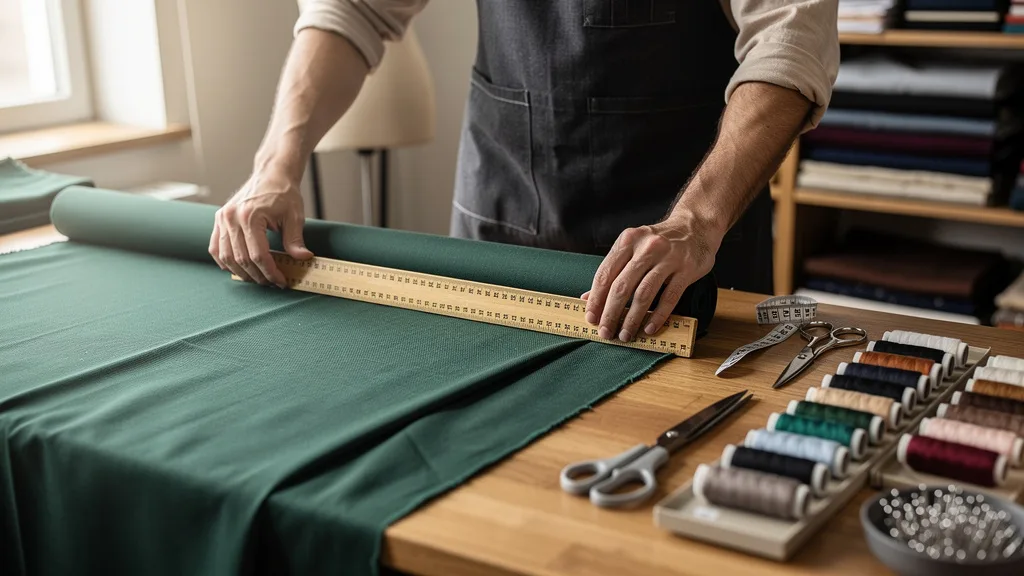
Understanding these variables will help you communicate effectively with your tailor and ensure a smooth stitching process. This section provides a basic guide to calculating fabric needs, explores the factors that influence consumption, and offers tips for getting your measurements right. Having this technical knowledge is as important as choosing the right design.
Standard Fabric Calculation Guide
To get a basic estimate of the fabric needed for a standard knee-length men’s kurta, you can use a simple formula based on your height and the fabric’s width. Fabric rolls typically come in standard widths, such as 44 inches (1.1 meters) or 60 inches (1.5 meters). Wider fabrics generally require less length. The following table provides a general guideline for a straight-cut kurta with full sleeves.
| Your Height | Fabric Needed (44-inch width) | Fabric Needed (60-inch width) |
|---|---|---|
| Up to 5’7″ | 2.5 meters | 2.25 meters |
| 5’8″ to 6’0″ | 2.75 meters | 2.5 meters |
| Above 6’0″ | 3.0 meters | 2.75 meters |
These are approximate figures and serve as a starting point. Always confirm the final amount with your tailor, as they can provide a more precise calculation based on your exact measurements and the specific design you have in mind.
Factors That Influence Fabric Consumption
The standard guide is a helpful start, but several factors can increase the amount of fabric required. Your body build is a major consideration; a broader or heavier person will naturally need more fabric than a slender one. Our guide on XXXXL shirts offers insights that can be applied to plus-size kurta fitting as well. The style of the kurta also matters significantly. A Pathani kurta, with its wider silhouette, or an Anarkali-style kurta will require more material than a simple straight-cut one.
Additionally, design elements like long sleeves, intricate necklines, or the need for pattern matching in printed or woven fabrics can increase consumption. If your chosen fabric has a one-way design or large motifs, your tailor will need extra material to ensure the patterns align correctly across the seams. This is a key detail that contributes to a professionally finished garment, and you can see an example with this Fabric Requirement for Ladies Kurta guide.
Tips to Ensure Accurate Fabric Measurements
To avoid any last-minute issues, it is always wise to take a few precautions when purchasing fabric. First, always buy a little extra, about 0.25 meters more than the estimated amount. This provides a buffer for any minor miscalculations, potential shrinkage, or design adjustments. This is especially important for natural fibers like cotton and linen, which can shrink after the first wash.
Before you buy, have a clear discussion with your tailor about the final design. Show them pictures or sketches of the kurta you want so they can give you the most accurate fabric measurements. Finally, if you are new to this process, do not hesitate to ask the fabric salesperson for their opinion. They often have extensive experience and can provide a reliable estimate based on the fabric type and your general requirements.
Popular Kurta Styles and Design Trends for 2026
The kurta is a timeless garment that continuously evolves with contemporary fashion trends. While classic designs remain eternally popular, 2026 brings fresh interpretations, innovative silhouettes, and modern details. From minimalist aesthetics to bold statements, there is a kurta style to suit every personality and occasion. Staying updated on these trends allows you to refresh your wardrobe with pieces that are both traditional and fashion-forward.
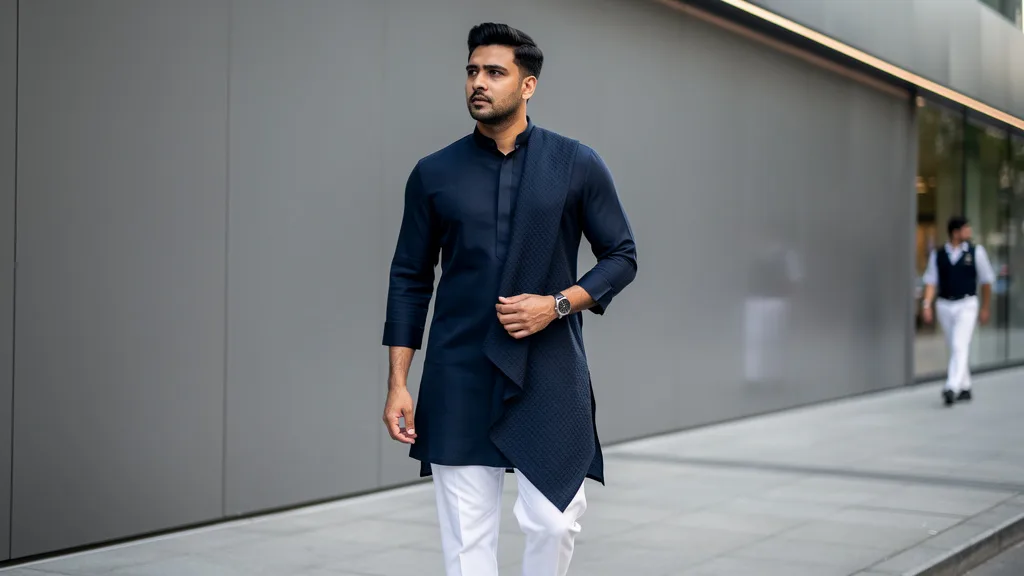
This year, the focus is on a blend of comfort, versatility, and personal expression. Whether you prefer the understated elegance of a straight-cut kurta or the regal presence of a Pathani suit, modern designs offer something for everyone. Let’s explore some of the most popular kurta styles that are defining men’s ethnic wear in 2026.
The Timeless Straight-Cut Kurta
The straight-cut kurta is the quintessential style that forms the backbone of any ethnic wear collection. Its simple, clean lines and comfortable fit make it incredibly versatile and universally flattering. This timeless design falls straight from the shoulder to the hem, offering a balanced silhouette that is neither too loose nor too tight. It is the perfect canvas for a variety of fabrics, colors, and embroideries.
For 2026, the straight-cut kurta for men is being celebrated for its minimalist appeal. Think solid colors in high-quality fabrics like linen or textured cotton, with subtle details like a contrasting button placket or a mandarin collar. This style can be easily dressed up with a Nehru jacket for a formal event or paired with jeans for a casual day out, making it a must-have in every man’s wardrobe.
The Regal Pathani Kurta
The Pathani kurta exudes a sense of rugged elegance and masculine charm. Characterized by its collared neckline, shoulder tabs, and rounded hem, this style has a more structured and commanding presence than a regular kurta. It is traditionally knee-length or slightly longer and is often crafted from stiffer fabrics like cotton or linen to hold its shape.
This style is a popular choice for semi-formal events and festive gatherings where you want to make a confident statement. Paired with a matching salwar, a Pathani suit creates a powerful and cohesive look. In 2026, we are seeing this style updated with modern fabrics and subtle embellishments, solidifying its place as a regal and timeless option.
Modern Asymmetrical and High-Low Designs
For the fashion-forward individual, asymmetrical and high-low kurtas are the go-to trend for 2026. These modern designs break away from traditional symmetry, featuring hemlines that are shorter in the front and longer in the back or cut at a diagonal angle. This innovative approach to silhouette adds a dynamic and contemporary edge to the classic kurta.
These styles are perfect for making a bold fashion statement at parties, art events, or festive celebrations. They pair exceptionally well with fitted trousers or churidars to balance the dramatic cut of the kurta. Crafted from flowing fabrics like silk blends or crepes, these designs showcase movement and architectural flair, reflecting a modern and artistic expression of traditional wear.
Essential Styling and Care Tips
Once you have found your perfect kurta, the next step is to style it effectively and care for it properly. The right pairings and accessories can transform your look, while proper maintenance will ensure your garment lasts for years. A well-styled and well-cared-for kurta is a testament to your attention to detail and personal taste.
This section provides practical advice on everything from choosing the right bottoms to accessorizing your outfit and maintaining the fabric’s quality. These tips will help you get the most out of your kurta collection, allowing you to wear your favorite pieces with confidence and pride, season after season.
Pairing Your Kurta with the Right Bottoms
The choice of bottoms can dramatically alter the look of your kurta. For a classic, traditional ensemble, pair your kurta with a matching or contrasting pajama. Our kurta pajama sets offer timeless combinations. A churidar, which is tightly fitted from the knee down, offers a sleeker and more formal silhouette, perfect for festive occasions.
For a modern, fusion look, pairing a kurta with jeans or tailored trousers is a popular choice. A shorter, straight-cut kurta works best for this style, creating a smart-casual outfit suitable for a variety of settings. The key is to ensure the fit and color of the bottoms complement the kurta, creating a balanced and harmonious look.
Accessorizing Your Kurta Outfit
Accessories are the finishing touches that complete your kurta outfit. For footwear, traditional options like mojaris or leather sandals are always a great choice, adding an authentic touch. A classic wristwatch can add a hint of modern sophistication. For more formal events, consider adding a pocket square to your kurta if it has a pocket, or drape a stole or dupatta for women over your shoulder for a touch of elegance.
The key to accessorizing is balance. The goal is to enhance your outfit, not overwhelm it. If your kurta is heavily embroidered or features a bold print, keep the accessories minimal. Conversely, a simple, solid-colored kurta can be elevated with more prominent accessories. Thoughtful accessorizing allows you to personalize your look and express your unique style.
How to Properly Wash and Store Your Kurtas
Proper care is essential to extend the life of your kurtas and keep them looking their best. Always check the care label for specific instructions, as different fabrics require different handling. Delicate fabrics like silk, brocade, or heavily embroidered kurtas should typically be dry-cleaned to prevent damage to the fibers and embellishments.
For cotton and linen kurtas, a gentle machine wash in cold water or a hand wash is usually safe. Avoid harsh detergents and wringing the fabric, which can cause it to lose its shape. Always air dry your kurtas away from direct sunlight to prevent fading. When storing, hang them on wooden hangers in a cool, dry closet to avoid wrinkles and fabric stress. Following a good care routine, similar to the one in our beginner guide to premium shirt care, will keep your traditional wear in pristine condition.
Key Takeaways
Navigating the world of kurtas is simple when you understand the fundamentals of fabrics, fits, and styling. This A Beginner Guide to Kurta Fabrics and Fits has equipped you with the knowledge to make confident choices. Here are the most important points to remember:
- Fabric is Foundational: Choose cotton or linen for everyday comfort and breathability. Opt for silk or other luxurious fabrics for festive occasions and weddings to make a statement.
- Fit Determines Flattery: Understand the difference between classic (relaxed) and slim (tailored) fits. Always take your key measurements (chest, shoulders, length) to ensure a perfect drape.
- Calculate Fabric Needs: When getting a kurta stitched, consider your height, build, and the kurta’s style to determine the right amount of fabric, and always buy a little extra to be safe.
- Style with Intention: The right bottoms and accessories complete your look. Pair with pajamas for a traditional feel or jeans for a modern fusion style.
- Care Extends Life: Follow the care instructions on the label. Hand wash or dry clean delicate fabrics and store your kurtas properly to maintain their quality for years.
Frequently Asked Questions
What is the difference between a kurta and a kurti?
The primary difference between a kurta and a kurti lies in their length and typical wearer. A kurta is generally longer, reaching the knees or below, and is a traditional garment worn by both men and women. It is often part of a more formal or traditional ensemble, paired with pajamas or churidars.
A kurti, on the other hand, is much shorter, typically ending at the waist or hip. It is almost exclusively worn by women and is considered a more casual, versatile top. Kurtis are popularly paired with a wide range of bottoms, including jeans, leggings, skirts, and trousers, making them a staple of modern fusion wear.
Can you wear a kurta with jeans or trousers?
Absolutely. Wearing a kurta with jeans or trousers is a popular and stylish fusion look that blends traditional and contemporary aesthetics. This combination is perfect for casual outings, college, or even semi-formal workplaces, depending on the kurta’s design and fabric. It offers a comfortable yet put-together appearance.
For the best results, opt for a shorter, straight-cut kurta, as it creates a more balanced silhouette with Western-style bottoms. A solid-colored linen or cotton kurta paired with dark-wash jeans is a timeless combination, while a printed kurta can add a vibrant touch to a simple pair of trousers.
What is the difference between a Pathani and a regular kurta?
A Pathani kurta has a distinct, structured design that sets it apart from a regular kurta. Key features of a Pathani style include a stiff stand-up collar, shoulder tabs, and a straight, often slightly flared, cut with a rounded hem. It projects a more masculine and formal aesthetic and is typically worn with a matching salwar.
A regular kurta, in contrast, encompasses a much wider range of styles. It can have a mandarin collar, a round neck, or a simple V-neck, and its silhouette can be straight, A-line, or asymmetrical. Regular kurtas are generally more versatile and can be found in softer, more fluid fabrics suitable for both casual and formal wear.
How should you wash delicate kurta fabrics like silk?
Delicate kurta fabrics like silk, chiffon, or those with heavy embroidery require special care to prevent damage. The safest method is to dry clean them, as this process is gentle on the fibers and helps preserve the fabric’s luster and color. Always check the care label for the manufacturer’s recommendation.
If you must wash it at home, use a gentle hand wash method. Fill a basin with cold water and a small amount of mild, pH-neutral detergent. Submerge the kurta, gently swish it around, and let it soak for no more than a few minutes. Rinse with cold water, but do not wring or twist the fabric. Instead, gently squeeze out excess water, roll it in a clean towel, and lay it flat or hang it to dry in a shaded area away from direct sunlight.
Are more expensive kurta fabrics always higher quality?
In many cases, a higher price point for a kurta fabric does correlate with higher quality. For example, pure silk will be more expensive than a silk-polyester blend, and hand-woven linen will cost more than machine-made cotton. The price often reflects the purity of the material, the intricacy of the weave, and the craftsmanship involved in its production.
However, price is not the only indicator of quality. Brand reputation, design complexity, and embellishments also contribute to the final cost. It is possible to find high-quality, durable fabrics at a reasonable price. The key is to understand the characteristics of different materials and choose one that suits your needs for durability, comfort, and occasion.
Conclusion
Choosing the right kurta is an art that balances fabric, fit, and personal style. By understanding the unique properties of materials like cotton, linen, and silk, and by knowing your measurements for a flawless fit, you are empowered to build a versatile and elegant wardrobe. This guide has provided the foundational knowledge to help you select pieces that not only look great but also feel comfortable and reflect your personality, ensuring you step out in confidence for any occasion in 2026.
Now that you are equipped with this essential information, you are ready to explore the world of kurtas with a discerning eye. Discover our curated collection of premium kurtas, crafted with the finest fabrics and impeccable tailoring. Find the perfect piece that speaks to your style today.
If you want help turning this into a concrete plan for your site or team, take the next step below to apply A Beginner Guide to Kurta Fabrics and Fits with confidence.
Ready to act on A Beginner Guide to Kurta Fabrics and Fits? SHOP NOW — tell us your goal, and we will help you pick the highest-leverage next step so you are not guessing alone.