
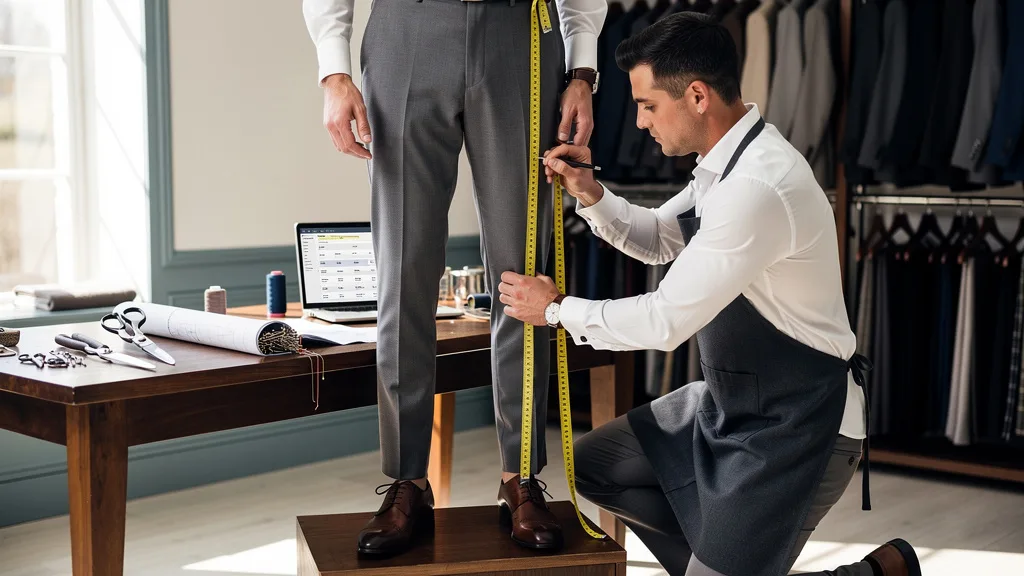
Ever wonder how some individuals effortlessly command attention with their sharp, polished style? The secret often lies not in complex fashion trends, but in mastering the fundamentals, and no garment is more fundamental to a sophisticated wardrobe than a pair of perfectly styled formal trousers.
Styling formal trousers effectively hinges on three core principles: achieving a perfect fit, building a versatile color palette, and pairing them with the right shirts, shoes, and accessories for the occasion. By mastering the details of fit, from the waist to the trouser break, and understanding classic color combinations, you can create sophisticated outfits for business, smart casual, and formal events. This guide covers everything you need to know.
The Foundation of Every Outfit: Nailing the Perfect Trouser Fit
Before diving into outfit combinations, getting the basics right is non-negotiable. The fit of your trousers is the bedrock of your entire look. A pair that fits well provides a clean, uninterrupted line from your waist to your shoes, creating a silhouette that is both flattering and professional. Without a proper fit, even the most expensive fabric or stylish shirt will fail to make an impact.
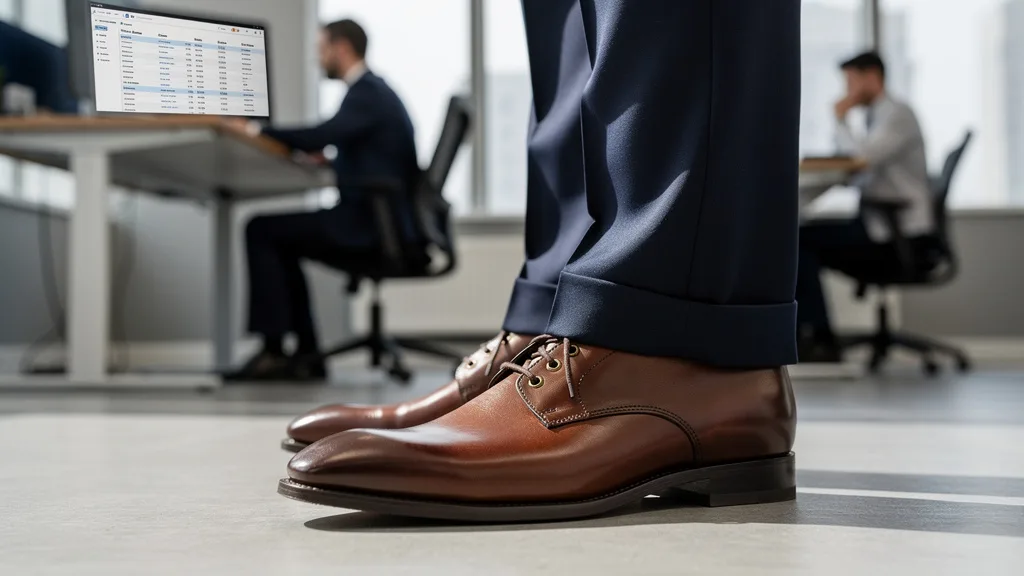
Investing time in finding the right fit, or money in a good tailor, pays dividends. A well-fitted pair of trousers not only looks better but also feels more comfortable, allowing you to move with confidence throughout your day. This attention to detail is what separates a good outfit from a great one.
Understanding the Waist, Seat, and Rise
The perfect fit starts with three key areas. First, the waist should sit comfortably on your natural waistline, snug enough to stay up without a belt but not so tight that it pinches. You should be able to fit one or two fingers comfortably between the waistband and your body. This is a core part of our step by guide to styling formal trousers.
Next, the seat of the trousers should drape smoothly over your glutes without pulling tightly or sagging loosely. There should be no visible ‘X’ shaped creases, which indicate the fit is too tight. Finally, the rise, which is the distance from the crotch seam to the top of the waistband, determines where the trousers sit. A mid-rise is the most common and versatile choice for formal trousers.
Getting the Trouser Length and Break Just Right
The length of your trousers dramatically affects your overall look. The ‘break’ refers to the small fold or crease that forms at the bottom of the trousers where they meet your shoes. For a modern, contemporary feel in 2026, aim for a ‘slight break’ or a ‘no break’ look. This means the hem just grazes the top of your shoes, creating a clean, sharp line.
A ‘full break’, where there is a significant fold of fabric, can look dated and sloppy. To check the length, try on the trousers with the dress shoes you intend to wear most often. The back of the hem should fall to the point where the shoe’s heel meets the upper. For a detailed visual reference, many online resources offer a Formal Pant Fitting Guide Men can use.
Choosing Between Slim, Straight, and Classic Cuts
Formal trousers come in several cuts, each offering a different silhouette. A slim cut tapers from the thigh down to the ankle, offering a modern and tailored appearance that works well for slender body types. It’s a popular choice for a sharp, youthful look without being restrictive like a skinny fit.
A straight cut maintains a consistent width from the thigh to the hem, providing a timeless and versatile option that suits most body types. Finally, a classic or relaxed cut offers more room through the leg, prioritizing comfort. While less common in modern business wear, it can be an excellent choice for those with larger frames or for more traditional style preferences.
Styling by Color: Building a Versatile Wardrobe
Once you have nailed the fit, the next step is building a collection of versatile colors. A well-curated palette allows for maximum outfit combinations with minimal pieces. Start with a foundation of classic, neutral colors that can be easily mixed and matched with a variety of shirts, blazers, and shoes. These core colors will form the backbone of your formal and business smart wardrobe.
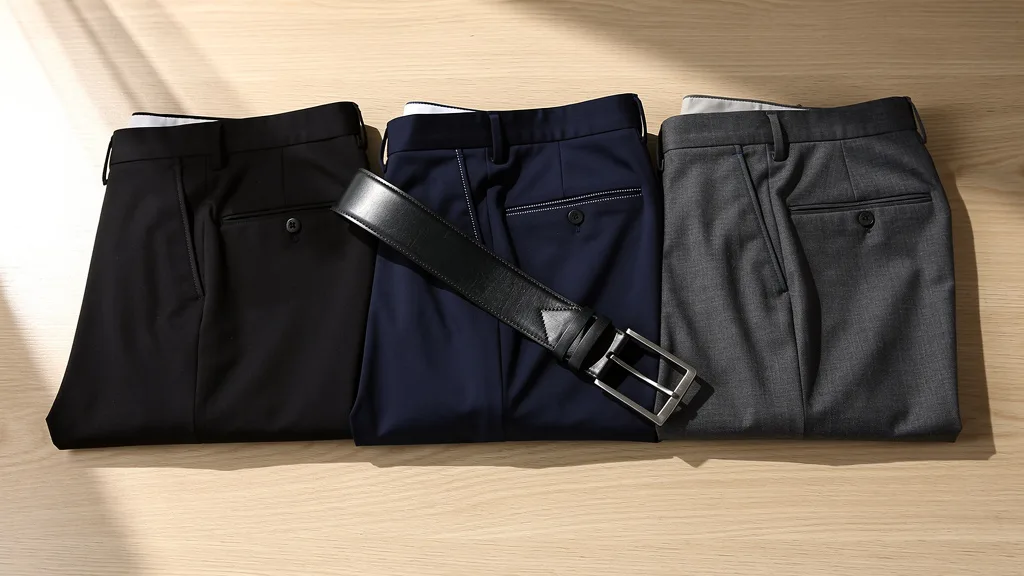
Think of these colors as your sartorial building blocks. Black, navy, and grey are the undisputed champions of versatility. Owning well-fitting trousers in these three shades ensures you are prepared for almost any occasion, from a critical boardroom meeting to an elegant evening event.
Classic Midnight Black Trousers
Midnight black trousers are the most formal option and an essential piece in every man’s wardrobe. They are the go-to choice for black-tie events, formal dinners, and any occasion that demands the highest level of dress. Their inherent formality makes them slightly less versatile for daily office wear compared to navy or grey, but their importance for special events is unmatched. linen trousers.
To style black trousers, stick to classic pairings. A crisp white dress shirt is a timeless and foolproof combination. For footwear, black leather shoes, preferably Oxfords, are the only appropriate choice to maintain the formal aesthetic. Avoid pairing black trousers with brown shoes, as the contrast is too stark for a formal look.
Essential Navy Blue Trousers
If you could only own one pair of formal trousers, navy blue would be the top contender. Incredibly versatile, navy trousers can be dressed up or down with ease. They are appropriate for the office, weddings, and smart casual events. The deep blue hue pairs exceptionally well with a wide range of colors.
For a business look, pair them with a white, light blue, or light pink shirt. Navy trousers work beautifully with both black and brown shoes, giving you more flexibility. A pair of dark brown derbies creates a sophisticated, classic European look, while black Oxfords lend a more conservative, corporate feel.
Modern Slate Grey and Charcoal Options
Grey trousers are another cornerstone of a versatile wardrobe. They come in various shades, with charcoal and slate grey being the most useful. Charcoal grey is a dark, serious shade that is an excellent alternative to black for business settings. It’s formal enough for almost any corporate environment and pairs well with black shoes.
Lighter shades, like slate grey, are perfect for business casual outfits and warmer weather. They offer a modern, fresh look and pair wonderfully with navy blazers and brown shoes. A great way to style them is by consulting a grey shirt combination guide to create a sophisticated monochromatic or tonal outfit.
Proven Outfit Formulas That Always Work
Having a few go-to outfit combinations removes the guesswork from getting dressed. These tried-and-true formulas are designed to look sharp and appropriate for their respective settings. By mastering these three core looks, you’ll be prepared for any event on your calendar, from a high-stakes presentation to a weekend wedding.

The key to making these formulas work is ensuring each component fits well. The principles of fit for your trousers apply to your shirts and jackets as well. A great outfit is a sum of its well-fitting parts. shirt colours.
| Outfit Formula | Trousers | Shirt | Jacket/Outerwear | Shoes |
|---|---|---|---|---|
| Boardroom Professional | Charcoal or Navy | Crisp White or Light Blue Dress Shirt | Matching Suit Jacket or Navy Blazer | Black Oxfords |
| Elevated Smart Casual | Slate Grey or Navy | Premium Polo or V-Neck Shirt | Unstructured Sport Coat | Brown Loafers |
| Weekend Formal/Event | Midnight Black | White Formal Shirt (e.g., French Cuffs) | Dinner Jacket or Velvet Blazer | Patent Leather Shoes |
The Boardroom-Ready Business Professional Look
For the ultimate professional appearance, nothing beats this classic combination. Start with a pair of charcoal or navy blue formal trousers. Pair them with a pristine, well-ironed white or light blue dress shirt. The choice of a subtle pattern, like a fine herringbone or pinstripe, can add a touch of personality.
Layer with a tailored blazer or the matching suit jacket. A classic navy blazer is a great investment piece that pairs with almost any color of trouser. Complete the look with a silk tie in a complementary color and a pair of polished black Oxford shoes. This outfit projects confidence and competence.
The Elevated Smart Casual Ensemble
Smart casual can be a tricky dress code, but this formula makes it simple. Choose a pair of slate grey, navy, or even beige trousers in a lighter fabric like cotton or linen for warmer months. Instead of a formal dress shirt, opt for a high-quality polo, a fine-gauge knit sweater, or a casual button-down shirt.
You can add an unstructured sport coat or a smart bomber jacket for a stylish layer. This is the perfect occasion to wear loafers, either in leather or suede, to strike the right balance between relaxed and refined. This look is ideal for creative workplaces, dinner dates, or weekend gatherings.
The Weekend Formal and Event Attire
For weddings, galas, or formal parties, you have an opportunity to be more expressive. Black formal trousers are your safest and most stylish base. Pair them with a sharp white formal shirt. Consider details like a spread collar or French cuffs to elevate the look further.
The real statement comes from your choice of jacket. A classic black dinner jacket (tuxedo jacket) is timeless. Alternatively, a blazer in a rich fabric like velvet or a bold color like burgundy can create a memorable and sophisticated outfit. Finish with black patent leather shoes for maximum elegance.
Selecting the Right Footwear for Your Trousers
The right pair of shoes can make or break an outfit. Formal trousers demand proper footwear to complete the look. Your choice of shoe not only impacts the formality of your outfit but also communicates attention to detail. Sneakers and other casual shoes should never be paired with true formal trousers, as the clash in style undermines the entire ensemble. classic fit.
“Shoes transform your body language and attitude. They lift you physically and emotionally.” – Christian Louboutin
Investing in a few pairs of high-quality dress shoes is essential. Classic styles in black and brown leather will cover most of your needs and last for years if properly cared for. Ensure they are always clean and polished to maintain a sharp appearance.
Pairing with Classic Oxfords and Derbies
Oxfords and Derbies are the quintessential dress shoes. The key difference is their lacing system: Oxfords have a ‘closed’ lacing system, where the quarters are stitched under the vamp, creating a sleeker, more formal appearance. Black cap-toe Oxfords are the gold standard for business and formal events.
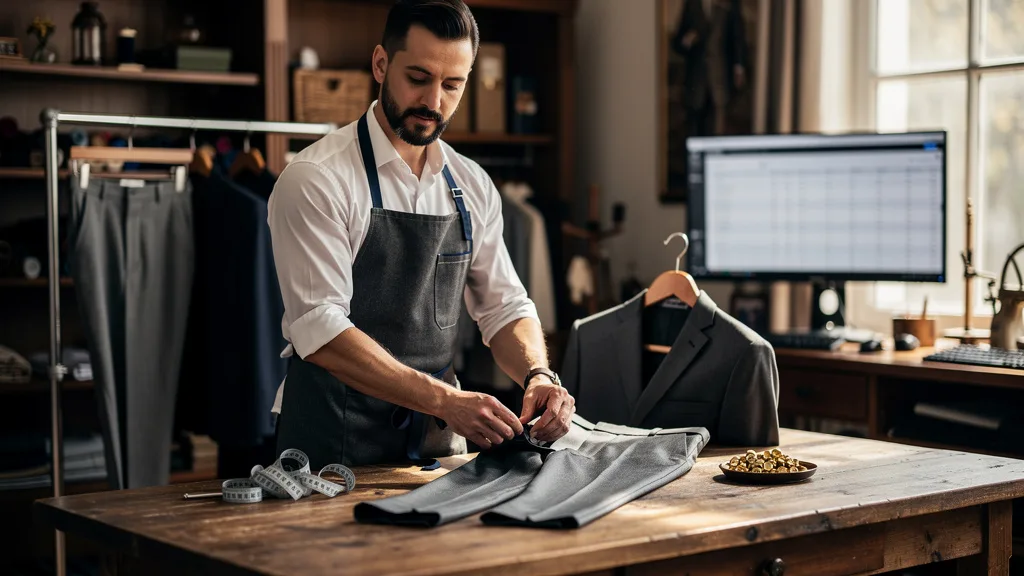
Derbies feature an ‘open’ lacing system, with the quarters stitched on top of the vamp. This makes them slightly less formal and more versatile. A pair of dark brown Derbies is an excellent choice for pairing with navy or grey trousers in a business casual setting. There are many Must Have Types of Pants, and each pairs best with specific footwear.
Styling with Loafers for a Relaxed Feel
Loafers are a stylish slip-on option that bridges the gap between formal and casual. Penny loafers and tassel loafers are classic choices that work well with formal trousers in a smart casual context. They are perfect for warmer weather and add a touch of effortless European flair to your outfit.
When wearing loafers, pay close attention to your trouser length. A ‘no break’ or ‘slight break’ is ideal, as it prevents the fabric from puddling on top of the shoe and maintains a clean line. For a contemporary look, you can also opt for ‘invisible’ no-show socks.
When to Wear Dress Boots
In autumn and winter, dress boots can be a sophisticated and practical alternative to shoes. Sleek leather Chelsea boots or elegant Chukka boots can be worn with formal trousers to create a sharp, modern look. They offer more protection from the elements without sacrificing style.
Stick to dark colors like black, dark brown, or burgundy in leather or suede. Ensure the trouser leg is wide enough to fit comfortably over the top of the boot. This combination works particularly well for smart casual and business casual environments.
Dressing for the Occasion: From Office to Evening
The true art of styling lies in adapting your look to the context. A great outfit for the office might not be suitable for a wedding, and vice versa. Understanding the nuances of different dress codes and social settings is key to always looking appropriate and feeling confident. The versatility of formal trousers allows them to be a part of your wardrobe for nearly any event.
Your choice of shirt, jacket, and accessories will dictate the formality of your outfit. A simple swap of a blazer for a sweater or Oxfords for loafers can completely transform the look and feel of your ensemble, making your trousers work for you around the clock.
Formal Business and Corporate Settings
In a formal business environment, conservatism and professionalism are paramount. Stick to a dark suit with charcoal or navy trousers. Your shirt should be a classic white or light blue, and a tie is almost always required. Your shoes should be black or dark brown leather Oxfords or Derbies, polished to a shine.
The fit here is more critical than ever. Everything should be tailored to perfection, conveying a message of precision and attention to detail. This is not the place for bold colors or trendy accessories; the goal is to look competent, reliable, and sharp.
Weddings, Dinners, and Special Events
Special events offer more room for personal expression. While a dark suit is always a safe and stylish option for a wedding guest, you can also experiment with separates. Consider pairing your formal trousers with a contrasting blazer in a different color or texture, such as a tweed sport coat or a velvet dinner jacket.
For evening events, darker colors are generally more appropriate. This is an opportunity to wear your midnight black trousers. You can add flair with accessories like a pocket square, cufflinks, or a more adventurous tie or bow tie. The key is to look celebratory and elegant without upstaging the hosts.
Adapting Trousers for More Casual Settings
Formal trousers can be dressed down for a polished yet relaxed look. The simplest way to do this is to lose the tie and jacket. Pair your navy or grey trousers with a well-fitted open-collar shirt or a premium knit polo. Swapping your dress shoes for clean leather loafers or even minimalist leather sneakers can also lower the formality.
This approach is perfect for a ‘smart casual’ dress code. For a deeper dive into the distinctions, our formal vs casual trousers guide provides more detailed insights. This versatility ensures you get maximum wear out of your investment pieces.
Common Styling Mistakes to Avoid
Even with the best intentions, a few common mistakes can detract from an otherwise great outfit. Being aware of these pitfalls is the first step to avoiding them and ensuring your look is always polished and put-together. Pay close attention to these details before you head out the door.
- Poor Fit: The most common mistake. Trousers that are too long, too short, too tight, or too baggy will instantly ruin your look. Tailoring is your best friend.
- Wrong Footwear: Pairing formal wool trousers with sneakers, sandals, or chunky boots creates a jarring disconnect. Stick to dress shoes, loafers, or sleek dress boots.
- Clashing Colors: While experimentation is encouraged, avoid clashing your trousers with your shoes or belt. A brown belt with black shoes is a classic faux pas.
- Wrinkles and Creases: A wrinkled pair of trousers looks sloppy. Ensure your trousers are properly pressed, with a sharp crease running down the center of the leg.
- Ignoring the Belt Loops: If your trousers have belt loops, wear a belt. The belt should be of good quality leather and its color should match your shoes.
Key Takeaways
Mastering the art of styling formal trousers is a skill that will serve you well in all aspects of life. By focusing on a few core principles, you can build a versatile and sophisticated wardrobe. Here are the most important points to remember from this guide:
- Fit is Paramount: The waist, seat, rise, and length must all be correct. A good tailor is an invaluable partner in achieving the perfect silhouette.
- Build a Core Color Palette: Start with essential trousers in navy, charcoal or slate grey, and black. These versatile pieces will form the foundation of countless outfits.
- Master Outfit Formulas: Have go-to combinations for business professional, smart casual, and formal events to eliminate guesswork and ensure you are always appropriately dressed.
- Shoes Matter: Your choice of footwear completes the outfit. Invest in quality black and brown leather dress shoes, and always keep them polished.
- Dress for the Occasion: Adapt your look based on the setting. A few simple swaps can take your trousers from the boardroom to a weekend brunch.
Frequently Asked Questions
What is the best way to care for and wash formal trousers?
Always check the care label first. Most wool trousers should be dry-cleaned to maintain their shape and texture. For cotton or blend trousers, you may be able to machine wash on a gentle cycle with cold water. Always hang them to air dry and press with an iron on the appropriate setting to restore the center crease.
Can you wear formal trousers without a blazer or suit jacket?
Yes, absolutely. This is the essence of a smart casual look. Pairing formal trousers with a crisp dress shirt, a fine-gauge sweater, or a premium polo creates a polished yet relaxed outfit. This is perfect for less formal office environments, dinner dates, or sophisticated weekend wear. However, for a formal business setting, a jacket is required.
What kind of belt should be worn with formal trousers?
A simple, high-quality leather belt is the best choice. For a formal look, the belt’s color should closely match the color of your shoes (e.g., black belt with black shoes, brown belt with brown shoes). The buckle should be simple and understated, such as a classic silver frame-style buckle. Avoid large, flashy, or novelty buckles.
Are pleats or a flat front more in style for 2026?
For 2026, the flat-front trouser remains the dominant and most modern style. It offers a clean, streamlined silhouette that is universally flattering. Pleats are a more traditional detail that have seen a niche resurgence in high-fashion circles. A single pleat can offer more comfort and a classic aesthetic, but for a safe and contemporary choice, flat-front is the way to go.
What is the main difference between formal trousers and chinos?
The primary difference lies in the fabric and construction. Formal trousers are typically made from smoother fabrics like wool, polyester, or blends, and they feature more formal details like a sharp center crease. Chinos are made from a lightweight cotton twill, giving them a more casual, rugged texture. Chinos are a staple of smart casual wear, while formal trousers are for business and formal occasions.
Conclusion
This comprehensive step by guide to styling formal trousers shows that elevating your style is an achievable goal built on a foundation of fit, color, and context. By mastering how your trousers should fit, building a versatile wardrobe with key colors like navy and grey, and learning to adapt your outfits for any occasion, you unlock a new level of sartorial confidence. The next step is to apply these principles and start building outfits that truly represent your personal style.
Ready to build your own collection of perfectly tailored trousers and shirts? Explore our premium selection of men’s apparel, crafted from the finest fabrics for unparalleled style and comfort. Find pieces that will become the cornerstones of your wardrobe for years to come. SHOP NOW.