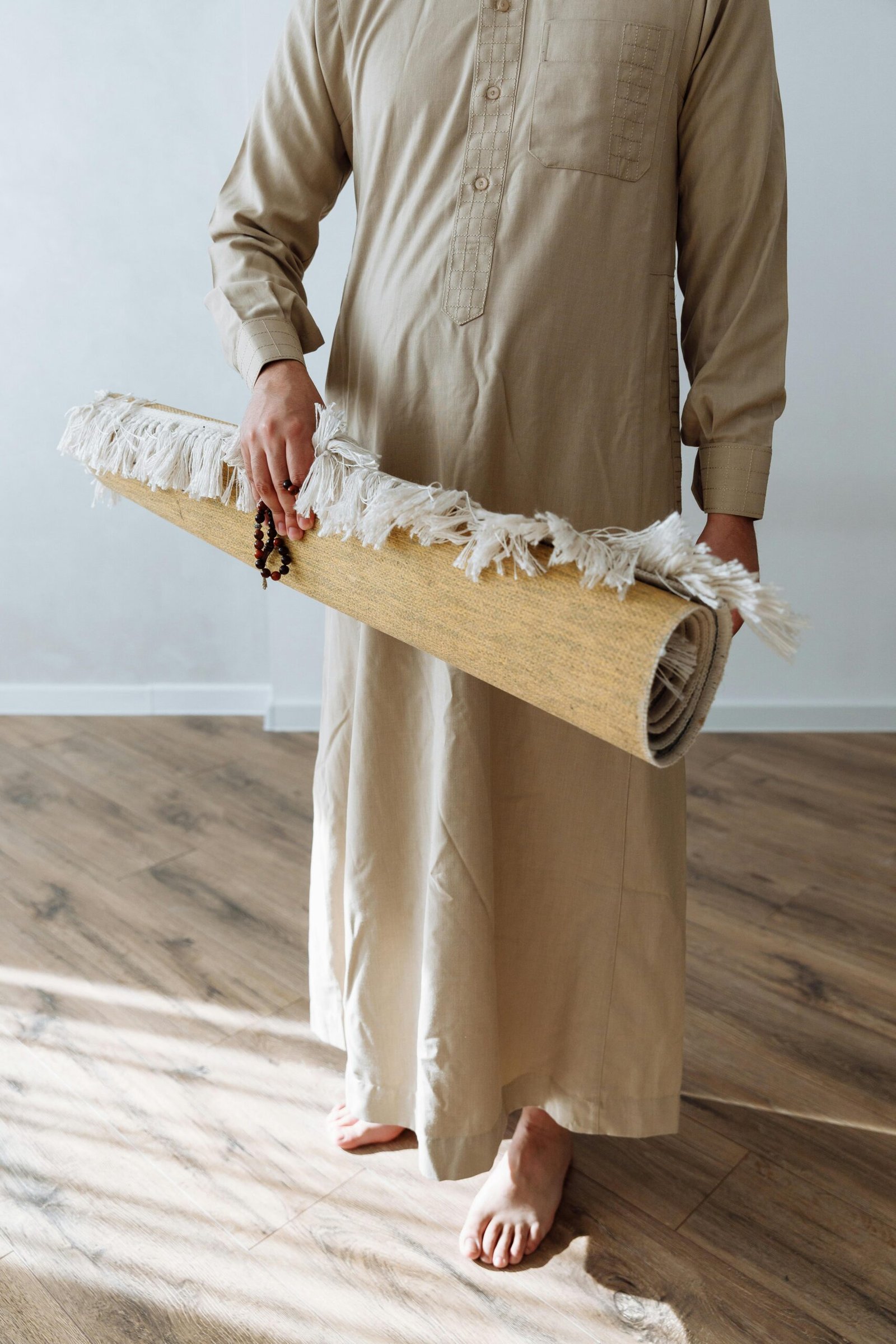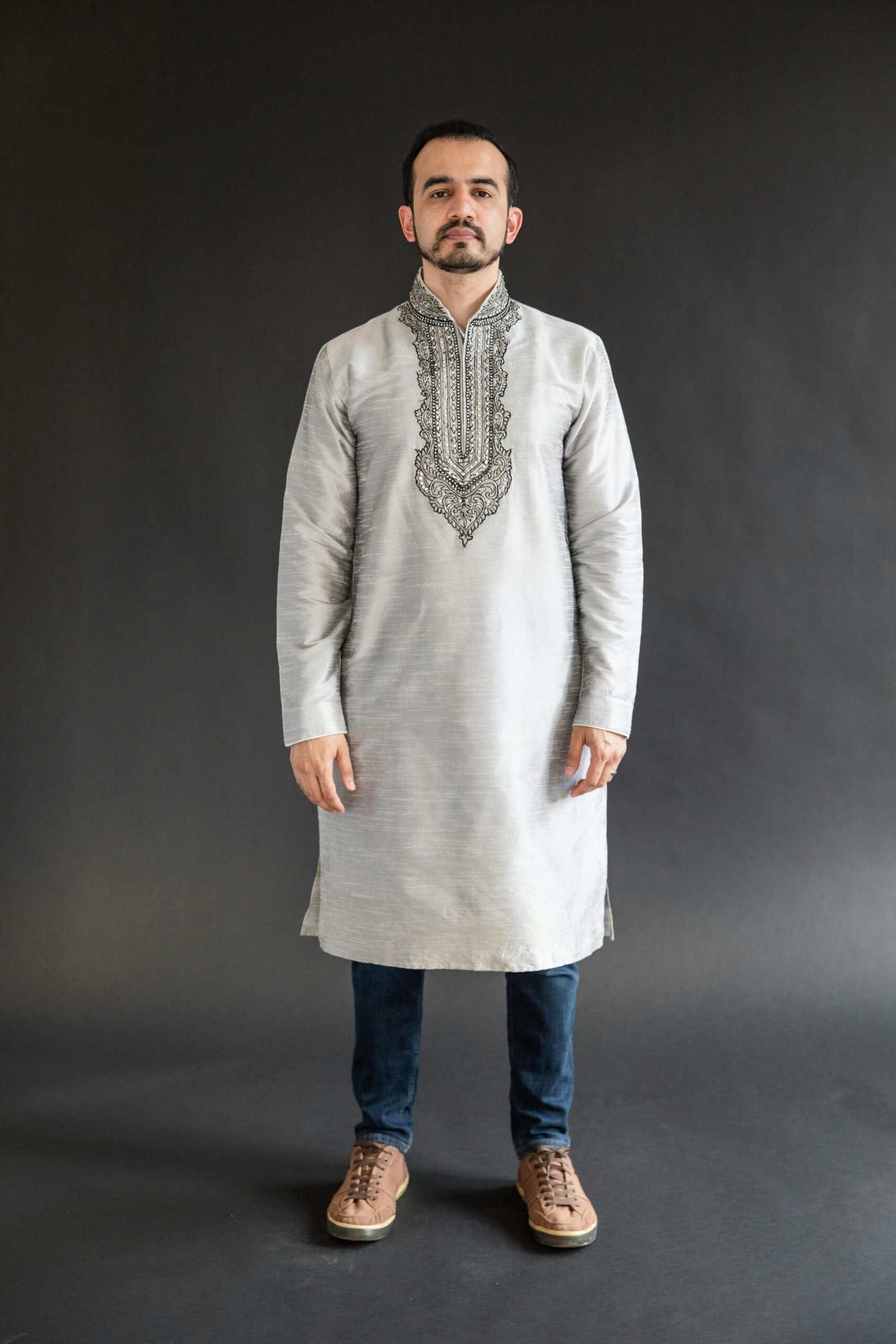


Have you ever wondered how some people effortlessly transform a simple casual shirt into a statement of sophisticated style? The secret isn’t about having an endless wardrobe, but about mastering a few key principles. Knowing how to style casual shirts for a smart look can elevate your appearance for any occasion, from a weekend brunch to a business casual meeting.
To style a casual shirt for a smart look, focus on four key areas: fit, fabric, pairing, and accessories. A perfectly fitted shirt made from quality material like cotton or linen is the foundation. Pair it thoughtfully with chinos or dark-wash jeans, and complete the look with classic accessories like a leather belt and a watch. Mastering techniques like the right tuck and sleeve roll will instantly sharpen your silhouette and project confidence.
The Foundation: Choosing the Right Casual Shirt
The journey to a smarter look begins with the shirt itself. Before you even think about styling, selecting the right garment is paramount. The difference between a sharp, put-together outfit and a sloppy one often comes down to the fundamental choices you make when you buy quality shirts. Paying attention to fit, fabric, and color will build a versatile wardrobe that serves you well.

Think of your casual shirts as the building blocks of your personal style. A well-chosen collection allows for endless combinations, ensuring you look dapper at all times. Investing in high-quality pieces means they will not only look better but also last longer, making them a more sustainable and stylish choice in the long run.
Mastering the Perfect Fit for a Sharper Silhouette
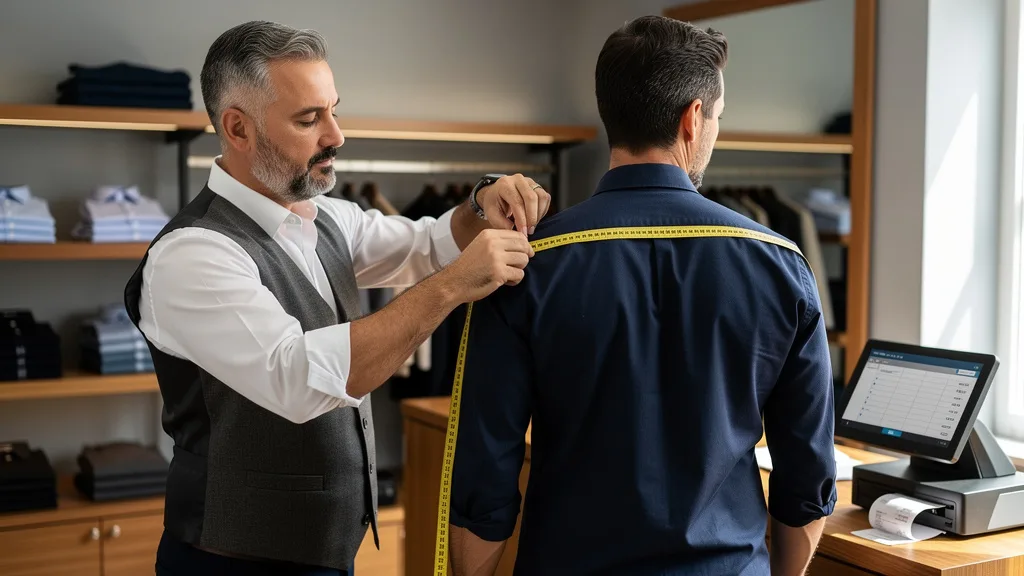
The single most important element for a smart appearance is the fit. A shirt should complement your body, not hide it or constrict it. The shoulder seams should sit precisely where your shoulders end. Through the torso, the shirt should be slim enough to avoid billowing fabric at your waist but offer enough room for comfortable movement. Anything too tight will pull at the buttons, while a baggy fit looks unkempt.
Sleeve length and shirt length are also critical. The cuffs should end just at the base of your wrist, allowing a hint of a watch to show. The hem of a casual shirt should fall somewhere between the middle and bottom of your trouser fly. This length is versatile enough to be worn tucked or untucked, giving you multiple styling options from a single garment. For those needing specific sizing, exploring options like our XXXXL shirts guide can provide valuable insights.
Selecting Smart Fabrics and Materials
The fabric of your shirt dictates its texture, drape, and formality. For a versatile and smart look, natural fibers are superior. Oxford cloth is a durable, textured cotton perfect for a smart casual staple, while poplin is smoother and lighter, lending a crisper finish. Chambray offers a denim-like appearance but is much lighter and softer, making it an excellent choice for a relaxed yet stylish outfit.
During warmer months, linen and linen-cotton blends are your best friends. They are incredibly breathable and have a unique texture that looks effortlessly sophisticated, even with a few natural wrinkles. For cooler weather, flannel provides warmth and a rugged texture that can be dressed up with the right pairings. Choosing the right fabric ensures comfort and communicates a sense of quality and attention to detail.
Choosing Versatile Colors and Patterns
A smart wardrobe is built on a foundation of versatile colors. Start with the essentials: crisp white, light blue, and a subtle grey or navy. These colors are easy to pair with almost any trousers and serve as a clean canvas for layering. Once you have the basics, you can introduce other shades that complement your skin tone. Our guide on the best shirt colour for men can help you make sharp choices every time.
When it comes to patterns, less is often more. Subtle patterns like thin vertical stripes, micro-checks, or a classic gingham can add visual interest without overwhelming your outfit. These patterns are professional enough for a relaxed office environment but stylish enough for a social gathering. For more specific ideas, a grey shirt combination guide can show you how to style neutral tones effectively.
Core Styling Techniques to Elevate Your Look
With the right shirt in hand, the next step is learning how to wear it. Simple styling techniques can dramatically alter your appearance, taking a basic shirt and trouser combination from ordinary to exceptional. These are the small details that signal you’ve put thought into your look, projecting confidence and style.

Mastering a few key methods, like how you tuck your shirt or roll your sleeves, is a game-changer. These aren’t complicated rules but rather tools you can use to adapt your look to different settings and moods. They allow you to control the level of formality and add a personal touch to your ensemble.
The Art of the Shirt Tuck: Full, French, and Untucked
How you tuck your shirt has a significant impact on the overall vibe of your outfit. The full tuck, where the entire hem is tucked neatly into your trousers, is the most formal and classic option. It creates a clean line and is ideal for business casual settings or when wearing a blazer. Ensure the fabric is smooth around your waist to avoid bunching.
The French tuck, or half-tuck, involves tucking in just the front of your shirt while leaving the back out. This creates a deliberately relaxed, effortlessly cool look that defines your waistline without feeling stuffy. Finally, leaving the shirt completely untucked is the most casual option. This works best with shirts that have a shorter, straight hem and are worn in relaxed settings. Grey Shirt Combination Guide.
Strategic Sleeve Rolling for a Polished Vibe
Rolling your sleeves is a simple move that can instantly make you look more relaxed and dynamic. The most common method is a simple, casual roll where you fold the cuff over two or three times until it sits below your elbow. This is quick, easy, and suitable for most situations. It signals that you’re ready to get down to business or simply unwind.
For a more intentional and polished look, try the ‘master roll.’ Start by unbuttoning the cuff and flipping it back to your elbow. Then, fold the lower part of the sleeve up to meet the cuff, leaving the edge of the cuff exposed. This method keeps the roll securely in place and adds a stylish, contrasting detail. It’s a small touch that shows a high level of attention to detail.
Layering Your Shirt with Jackets and Knitwear
Layering is a powerful tool for adding depth, texture, and versatility to your outfit. A casual shirt serves as the perfect base layer. For a smart, elevated look, wear your shirt under a well-fitted blazer or a casual suit jacket. This combination bridges the gap between casual and formal, making it perfect for date nights or creative workplaces.
In cooler weather, knitwear is an excellent layering option. A fine-gauge merino wool or cashmere sweater worn over a collared shirt creates a sophisticated and timeless look. For a more relaxed feel, a V-neck or crewneck sweater works well. A chunky cardigan can also be thrown over a casual shirt for a comfortable yet stylish weekend outfit.
Pairing Your Shirt with the Right Trousers and Shoes
Your shirt is only half the equation. What you pair it with on your lower half completes the story and solidifies the smart look you’re aiming for. The right choice of trousers and shoes can either elevate your casual shirt or drag it down. The goal is to create a cohesive and balanced silhouette from head to toe.
Different trousers create different aesthetics, from business casual to relaxed weekend wear. The key is to ensure the fit and color of your trousers complement your shirt. Similarly, your footwear choice anchors the entire outfit, setting the tone for its overall formality.
With Chinos for a Business Casual Feel
Chinos are perhaps the most versatile trousers a man can own and the perfect partner for a casual shirt. This combination is the epitome of smart casual. Opt for classic colors like khaki, navy, or grey for maximum flexibility. A well-fitted button-down shirt tucked into slim-fit chinos creates a clean, modern, and professional look suitable for many offices and social events.
When it comes to footwear, this pairing works well with a variety of styles. Brown leather loafers or derby shoes will enhance the business casual feel. For a slightly more relaxed take, you can opt for clean, minimalist leather sneakers in white or black. Always ensure your shoes are clean and well-maintained.
With Dark-Wash Jeans for Smart Weekend Wear
Jeans and a casual shirt are a classic combination, but the key to keeping it smart is choosing the right jeans. Opt for a pair of dark-wash denim in a slim or straight fit, with no rips or excessive fading. This creates a much sharper and more put-together look than light-wash or distressed styles. You can explore a variety of casual looks with a jeans shirt for more inspiration.
Tuck in your shirt for a more polished appearance or leave it untucked for a relaxed weekend vibe. This outfit pairs perfectly with leather boots, chukkas, or stylish sneakers. It’s a go-to formula for looking sharp without appearing overdressed during your off-duty hours.
With Tailored Shorts for Elevated Summer Style
Wearing shorts doesn’t have to mean sacrificing style. You can maintain a smart look in warm weather by pairing a short-sleeved or long-sleeved casual shirt with tailored shorts. Choose shorts that are well-fitted (not baggy) and end an inch or two above the knee. Solid, neutral colors like navy, beige, or olive green are the most versatile.
For this look, a lightweight linen or cotton shirt is ideal. You can roll up the sleeves of a long-sleeved shirt for a relaxed feel. Complete the outfit with boat shoes, loafers, or clean leather sneakers (no socks, or no-show socks). This combination is perfect for summer vacations, barbecues, or any casual outdoor event where you want to look polished.
Accessorizing for a Complete and Dapper Look
Accessories are the finishing touches that tie an outfit together and express your personal style. While a great shirt and trousers form the base, the right accessories elevate the look from good to great. The key is to be intentional and subtle, choosing pieces that complement your outfit rather than compete with it.

Think of accessories as the final punctuation mark on your style statement. A well-chosen belt, watch, or piece of jewelry can add a layer of sophistication and demonstrate a keen eye for detail. These small elements make a big difference in achieving a truly dapper appearance.
Choosing the Right Belt and Footwear
A fundamental rule of smart dressing is to coordinate your leathers. Your belt and shoes should be in a similar color family. For example, brown shoes call for a brown belt, and black shoes call for a black belt. This simple act of coordination creates a sense of harmony and intentionality in your outfit. The belt itself should be of good quality leather with a simple, classic buckle.
Your choice of footwear is crucial. As mentioned, loafers, derby shoes, chukkas, boots, and minimalist sneakers are all excellent options for a smart casual look. The specific choice depends on the rest of your outfit and the occasion. The most important thing is that they are clean and in good condition. Scuffed, worn-out shoes can ruin an otherwise perfect outfit.
Adding a Watch or Subtle Jewelry
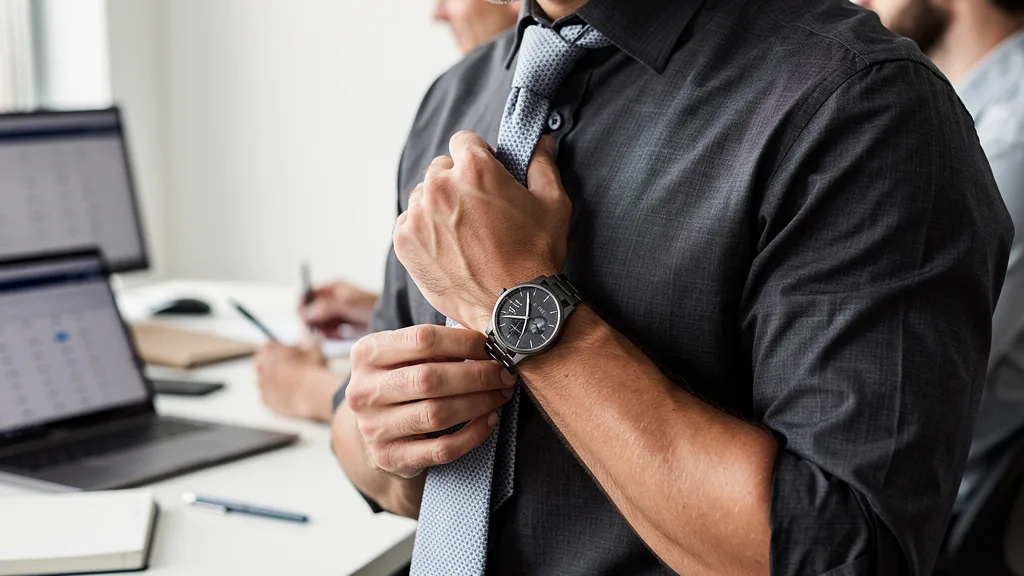
A classic timepiece is more than just a way to tell time; it’s a statement of style and sophistication. A watch with a leather strap or a metal bracelet is a timeless accessory that works with nearly any smart casual outfit. Match the leather of the strap to your belt and shoes, or match the metal of the case to other accessories like your belt buckle.
Other jewelry should be kept minimal and subtle. A simple leather bracelet, a classic signet ring, or a thin chain necklace can add a touch of personality without being distracting. The goal is to enhance your look, not to overwhelm it. Choose one or two key pieces that reflect your style.
When to Add a Tie or Blazer
While casual shirts are typically worn without a tie, there are occasions where adding one can be appropriate. If you’re aiming for the upper end of the smart casual spectrum, you can pair a casual shirt (like an Oxford) with a knit or textured tie. This is a great way to dress up a casual shirt for a special event.
Adding a blazer is the most effective way to instantly smarten up a casual shirt. An unstructured blazer in navy, grey, or beige is a versatile piece that can be thrown over a button-down with either chinos or dark jeans. This creates a look that is sophisticated yet relaxed, perfect for a wide range of social and professional settings.
Modern Styling Rules and Trends for 2026
Style is constantly evolving, and staying current means understanding modern approaches to classic dressing. While timeless principles of fit and quality remain, the way we combine pieces changes. For 2026, the focus is on intentionality, versatility, and a blend of relaxed and structured elements.
“In 2026, the smartest way to style a casual shirt is with an understanding of both classic rules and modern sensibilities. It’s about creating a versatile, personal wardrobe rather than just following fleeting trends. Knowing how to style casual shirts for a smart look means blending comfort with sophistication.”
New concepts and styling tricks emerge that can refresh your look and make it feel more relevant. Incorporating these modern ideas into your wardrobe shows that your style is dynamic and thoughtful, not stuck in the past. Here are a couple of trends to be aware of.
Understanding the 3-3-3 Rule for Outfits
A popular concept for building a minimalist and highly effective wardrobe is the 3-3-3 rule. This method involves selecting three tops (e.g., casual shirts), three bottoms (e.g., chinos, jeans, shorts), and three pairs of shoes (e.g., loafers, sneakers, boots). The challenge is to create as many distinct outfits as possible from these nine items.
This rule forces you to choose versatile, high-quality pieces that work well together. It’s a practical approach to style that reduces decision fatigue and ensures you always have a smart, cohesive outfit ready to go. It emphasizes the importance of a well-curated wardrobe over a large, cluttered one.
A Look at Modern Tucking Styles like the Gen Z Tuck
While the full and French tucks are classic, younger generations have introduced even more relaxed variations. The ‘Gen Z tuck’ often involves tucking just a tiny corner of the shirt into the front of the waistband, off to the side. It’s an even more casual and ‘undone’ version of the French tuck.
This style works best with slightly oversized or more relaxed-fit shirts and creates a very laid-back, contemporary silhouette. While it might not be suitable for a business casual setting, it’s a modern styling trick to have in your arsenal for casual social situations. It demonstrates an awareness of current trends while maintaining a sense of personal style.
Common Mistakes to Avoid When Styling Casual Shirts
Knowing what not to do is just as important as knowing what to do. A few common mistakes can quickly undermine your efforts to create a smart look. By being aware of these pitfalls, you can ensure your style remains sharp and polished. Often, it’s the small, overlooked details that make the biggest negative impact.
Avoiding these errors is simple once you know what to look for. It’s about maintaining your garments, understanding balance in your outfits, and, above all, prioritizing a great fit. A quick check in the mirror before you head out the door can help you catch these common style blunders.
Ignoring Wrinkles and Proper Shirt Maintenance
A wrinkled shirt is the fastest way to look sloppy, no matter how expensive or well-fitted it is. Always take the time to iron or steam your shirts before wearing them. A crisp, wrinkle-free shirt instantly communicates that you care about your appearance. Proper maintenance also includes washing your shirts according to the care label to preserve their color and fabric integrity.
Pay attention to details like stains, loose threads, or missing buttons. Addressing these small issues promptly will keep your garments in top condition and ensure you always look put-together. A well-maintained shirt is a cornerstone of a smart wardrobe.
Over-Accessorizing or Using Clashing Patterns
While accessories can elevate a look, too many can create a cluttered and distracting effect. Stick to a few key pieces, like a watch and one other item. Similarly, be cautious when mixing patterns. If you’re wearing a patterned shirt, it’s generally best to keep your trousers and blazer solid-colored. If you do mix patterns, ensure they are of different scales (e.g., a small-checked shirt with a wide-striped tie).
The goal is to create a focal point, not to have every piece of your outfit competing for attention. A balanced outfit is visually pleasing and sophisticated. The table below provides a quick reference for pairing patterns and accessories.
| Element | Do: Smart Combination | Don’t: Clashing Combination |
|---|---|---|
| Shirt Pattern | Subtle gingham check with solid navy chinos. | Bold plaid shirt with pinstripe trousers. |
| Accessories | Classic watch and a simple leather belt. | Multiple bracelets, rings, and a statement necklace. |
| Color Palette | Light blue shirt with khaki trousers and brown shoes. | Bright green shirt with red trousers and black shoes. |
Choosing a Poor Fit: Too Tight or Too Baggy
We’ve come full circle back to the most critical point: fit. No amount of styling can save a shirt that fits poorly. A shirt that is too tight will be uncomfortable, restrict movement, and strain at the buttons, creating an unflattering look. It can make you appear larger than you are and suggests you’re wearing clothes that are too small.
Conversely, a shirt that is too baggy or oversized will drown your frame, hiding your shape and creating a sloppy, unkempt silhouette. It looks like you’ve borrowed someone else’s clothes. Taking the time to find your perfect fit, or even getting your shirts tailored, is the single best investment you can make in your personal style.
Key Takeaways
Transforming your casual shirt game is achievable by focusing on a few core principles. Here are the most important points to remember as you refine your style:
- Fit is Everything: The foundation of any smart look is a shirt that fits you perfectly in the shoulders, chest, and length.
- Fabric Matters: Choose high-quality, natural fabrics like cotton, linen, and chambray for better comfort, drape, and appearance.
- Master the Tuck and Roll: Simple techniques like a French tuck or a master sleeve roll can instantly elevate your look.
- Pair Intelligently: Combine your shirts with versatile trousers like chinos or dark-wash jeans and appropriate footwear to create a cohesive outfit.
- Accessorize with Purpose: Use accessories like a quality watch and a matching belt to complete your look, but avoid overdoing it.
- Avoid Common Mistakes: Always wear a clean, wrinkle-free shirt, and steer clear of clashing patterns or a poor fit.
Frequently Asked Questions
What is the difference between a casual shirt and a dress shirt?
The main differences lie in the fabric, collar, and hem. Dress shirts are typically made from smooth fabrics like poplin or twill, have stiff collars designed for ties, and feature a long, curved hem meant to be tucked in. Casual shirts often use more textured fabrics like Oxford or flannel, have softer collars, and a shorter, straighter hem that can be worn untucked.
Can you wear a casual shirt with a suit?
Generally, it’s best to wear a formal dress shirt with a traditional suit. However, with more modern, unstructured suits (often called casual suits), you can pair them with a high-quality casual shirt, like an Oxford cloth button-down. For a classic business suit, a dress shirt is the more appropriate and professional choice.
How many casual shirts should a man own?
The ideal number depends on your lifestyle, but a good starting point for a versatile wardrobe is 5-7 casual shirts. This should include a mix of essential solids (white, light blue), a few subtle patterns (stripes, checks), and perhaps a more relaxed option like a chambray or flannel shirt. This provides enough variety for a full week of different looks.
Is it better to iron or steam a casual shirt?
Both methods are effective for removing wrinkles. Ironing provides a crisper, more traditional finish, which is excellent for Oxford or poplin shirts. Steaming is faster, gentler on the fabric, and great for more delicate materials like linen or for a quick touch-up. For a perfectly sharp look, ironing is often superior, but a good steamer is a convenient and effective alternative.
What shirt colors are best for a smart casual look?
The most versatile and timeless colors for a smart casual look are light blue, white, navy, and grey. These neutrals are easy to pair with a wide range of trousers and jackets. Other excellent options include earthy tones like olive green, beige, and burgundy, which can add a touch of sophisticated color to your wardrobe. Our guide on styling red shirts for men can offer more specific color advice.
Conclusion
Mastering how to style casual shirts for a smart look is about understanding the fundamentals of fit, fabric, and thoughtful pairing. By applying these principles and avoiding common mistakes, you can transform a simple garment into a powerful tool for self-expression and confidence. A well-styled casual shirt allows you to navigate almost any social or professional setting with ease and sophistication, proving that great style is accessible to everyone.
Ready to build a wardrobe that makes you look and feel your best? Explore our curated collection of premium casual shirts designed for modern style and timeless quality. Discover the perfect fit and fabric to elevate your look today.
If you want help turning this into a concrete plan for your site or team, take the next step below to apply How to Style Casual Shirts for a Smart Look with confidence.
Ready to act on How to Style Casual Shirts for a Smart Look? SHOP NOW — tell us your goal, and we will help you pick the highest-leverage next step so you are not guessing alone.