

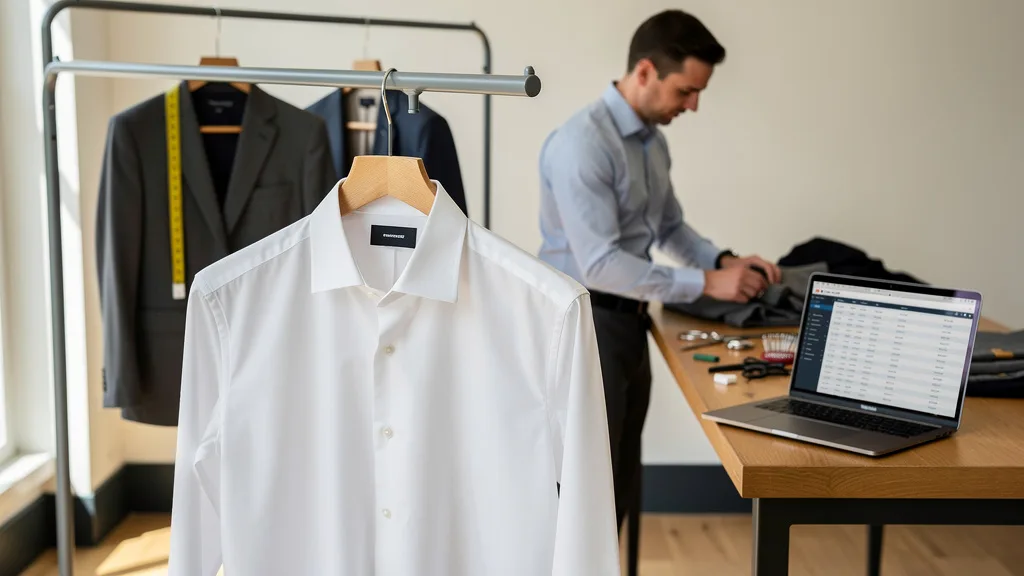
Have you ever wondered what truly separates a good dress shirt from a great one? The secret often lies in the fabric. Choosing from the best fabrics for suiting shirts: poplin, twill, and more can transform your entire look, affecting everything from comfort and breathability to how the shirt drapes and resists wrinkles. Understanding the nuances of each material ensures you select a shirt that not only looks impeccable but also feels perfect for any occasion.
The best fabrics for dress shirts are primarily determined by their weave, with poplin, twill, and oxford cloth being the most popular choices. Poplin is lightweight and smooth, ideal for formal settings. Twill is heavier, drapes well, and has a characteristic diagonal pattern, making it versatile. Oxford cloth is a durable, textured fabric perfect for casual and business-casual wear. Your choice depends on the occasion, desired aesthetic, and climate.
Dress Shirt Material vs Weave: What’s the Difference?
When discussing shirt fabrics, the terms “material” and “weave” are often used, but they refer to different things. The material is the raw fiber used to create the thread, which is most commonly cotton for high-quality dress shirts. Other materials include linen, silk, and synthetic blends, each offering different properties like breathability or stretch. Cotton remains the gold standard due to its softness, durability, and ability to hold dye well.
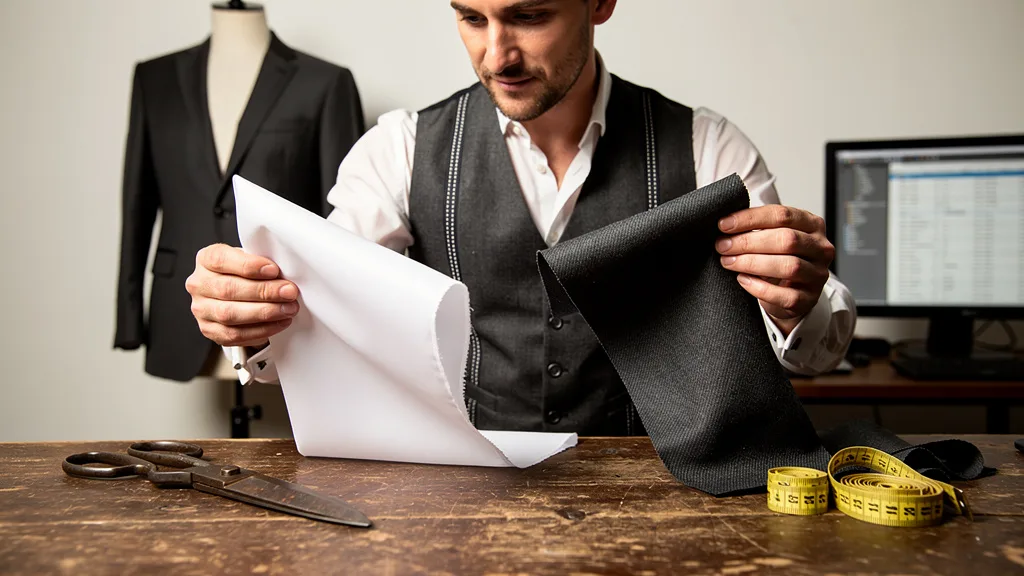
The weave, on the other hand, is how the threads are interlaced to create the fabric itself. This is what gives a fabric its distinct texture, appearance, and characteristics. For example, poplin, twill, and oxford are all different weaves, even if they are all made from 100% cotton. The weave pattern dictates the fabric’s weight, drape, softness, and even its sheen, which is why two cotton shirts can look and feel completely different.
Poplin vs Oxford vs Twill: A Quick Comparison for 2026
Choosing between the three main shirt weaves can be simplified by understanding their core attributes. Poplin is the quintessential formal shirt fabric, known for its crisp, smooth surface. Oxford cloth is its more casual cousin, with a distinct basket-like texture that makes it durable and relaxed. Twill sits comfortably in the middle, offering a balance of formality and durability with a unique diagonal pattern.

To help you decide, consider the context in which you’ll wear the shirt. For a critical business meeting or a formal event, a poplin shirt provides a sharp, polished look. For daily office wear or a smart-casual weekend outing, an oxford cloth button-down is a reliable choice. A twill shirt works well in most business settings and is particularly good for cooler weather due to its slightly heavier weight. Each weave offers a different combination of style, comfort, and performance.
“The weave is the soul of the shirt. Poplin offers crisp formality, Oxford provides rugged versatility, and Twill delivers a perfect, elegant drape. Understanding these differences is the first step to building a truly functional and stylish wardrobe in 2026.”
| Feature | Poplin | Oxford Cloth | Twill |
|---|---|---|---|
| Weave Type | Simple over-under plain weave | Basketweave | Diagonal parallel rib weave |
| Texture | Smooth, crisp, and flat | Textured, substantial, and slightly rough | Soft with a subtle diagonal texture |
| Weight | Lightweight | Medium to heavy weight | Medium to heavy weight |
| Best For | Formal events, business suits, warm weather | Business casual, everyday wear, casual settings | All-season business wear, formal occasions |
| Wrinkle Resistance | Prone to wrinkling | Naturally wrinkle-resistant | Very wrinkle-resistant |
In-Depth Look at the Most Popular Shirt Weaves
Beyond the quick comparison, diving deeper into each fabric’s construction and feel reveals why each one has earned its place in modern wardrobes. The way threads are woven together has a profound impact on the final garment, influencing everything from its luster to its longevity. Let’s explore the characteristics that define poplin, oxford cloth, and twill.
Poplin: Crisp, Smooth, and Professional
Poplin is a lightweight, plain-weave cotton fabric with a very fine, smooth finish. It’s created by weaving fine yarn in one direction with a thicker yarn in the other, resulting in a surface that feels cool and crisp against the skin. This smoothness makes it an excellent choice for formal and business shirts, as it provides a clean, sharp background for a tie and suit jacket. Its light weight also makes it one of the most breathable dress shirt fabrics.
However, the fineness of poplin has a couple of trade-offs. It can be prone to wrinkling and, in lighter colors like white, may be slightly transparent. Despite this, its professional appearance and comfort make it a staple for anyone who frequently wears a suit or needs a classic dress shirt for formal occasions. A well-made poplin shirt is a cornerstone of any polished wardrobe.
Oxford Cloth: Durable, Textured, and Versatile
Oxford cloth is a type of basketweave fabric that is significantly more textured and durable than poplin. It’s made by weaving multiple yarns together, typically with a colored yarn woven through white yarns to create its signature texture and depth. This robust construction makes it less formal than poplin or twill, positioning it as the perfect fabric for business-casual and relaxed settings. best premium shirts for summer.
The fabric’s weight and texture make it naturally resistant to wrinkles, so it looks great throughout the day with minimal fuss. While traditional oxford cloth is a bit heavy for peak summer heat, its durability and classic appeal make it a year-round favorite. It is most famously used for button-down collar shirts, an iconic piece of smart-casual menswear that pairs effortlessly with chinos, jeans, or a sport coat.
Twill: Strong With a Subtle Diagonal Sheen
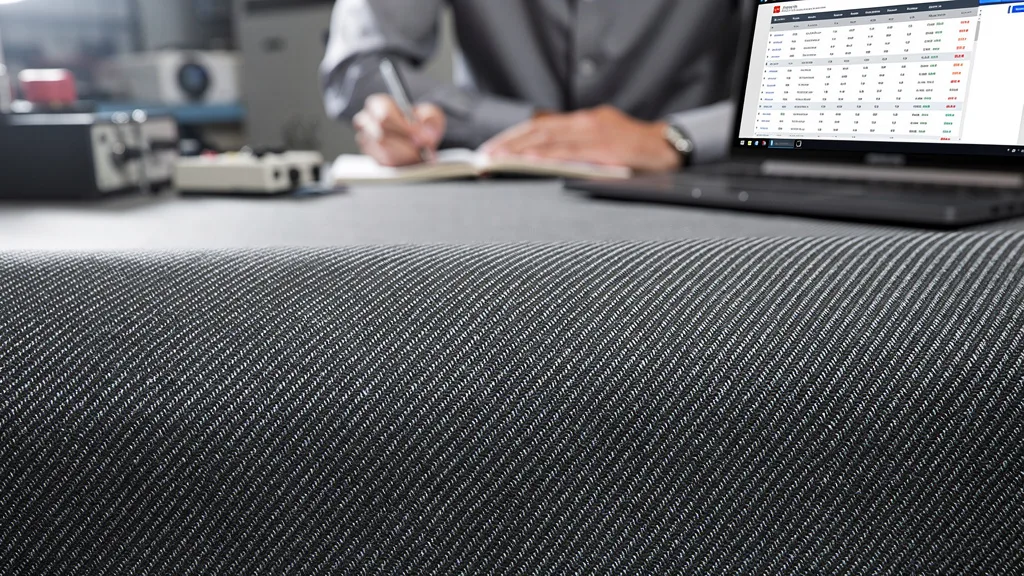
Twill fabric is easily identifiable by its distinct diagonal pattern, known as a wale. This weave is created by passing the weft thread over one or more warp threads and then under two or more warp threads, creating a strong, durable fabric with an elegant drape. Because of its structure, twill is less prone to wrinkling than poplin and has a subtle sheen that adds a touch of sophistication.
Twill shirts are generally a bit heavier than poplin, making them a great choice for the cooler months. The fabric is also relatively opaque, so you don’t have to worry about transparency with lighter colors. Its softness, durability, and refined appearance make it a versatile option that works well for both business and formal settings. For a detailed comparison, you can read more about poplin vs twill dress shirts to see which one fits your needs.
Other Notable Shirt Fabrics to Consider
While poplin, oxford, and twill are the three main pillars of shirting, several other weaves offer unique textures and benefits. Exploring these alternatives can help you fine-tune your wardrobe for specific needs, whether you’re seeking a dressier look or a more distinctive pattern. These fabrics are often variations of the primary weaves but with unique characteristics.
Pinpoint Oxford: The Dressier Alternative
Pinpoint Oxford, often just called pinpoint, strikes a balance between the formality of poplin and the casual nature of oxford cloth. It uses a finer yarn and a tighter weave than traditional oxford, resulting in a fabric that is smoother and lighter but still retains some of the durability and texture of its namesake. This makes it a fantastic all-purpose choice for the office, as it’s formal enough to wear with a suit but relaxed enough for a business-casual dress code.

Because it’s more formal than standard oxford, a pinpoint shirt is a great step up for your daily work wardrobe. It is more breathable and less heavy, making it comfortable to wear year-round. If you find poplin too formal and oxford too casual, pinpoint is likely the perfect middle ground for your needs.
Herringbone: A Refined, Distinctive Weave
Herringbone is a type of twill weave that creates a distinctive V-shaped pattern resembling the skeleton of a herring fish. This intricate pattern adds a subtle visual texture and depth to the shirt without being overly bold. Like other twill fabrics, herringbone is soft, drapes beautifully, and is naturally resistant to wrinkles, making it a practical and stylish choice.
A herringbone shirt is an excellent way to add a touch of sophistication to your outfit. The pattern is most noticeable up close, so from a distance, it appears as a solid color with a rich texture. It’s a great option for business settings and can be easily dressed up with a suit and tie or worn more casually with a blazer.
Broadcloth: The Smooth Poplin Lookalike
Broadcloth is very similar to poplin in that it is a plain-weave fabric with a smooth, flat surface. The main distinction is that broadcloth is typically more densely woven with finer yarns, giving it an even smoother and silkier feel. In the United States, the terms broadcloth and poplin are often used interchangeably for high-quality dress shirt fabrics.
Like poplin, broadcloth is lightweight, breathable, and perfect for formal occasions. It creates an exceptionally sharp and professional look when worn with a suit. Its primary downside is also its tendency to wrinkle, but for those seeking the ultimate in formal shirting, the crisp elegance of broadcloth is hard to beat.
What Makes a High-Quality Dress Shirt Fabric?
A high-quality dress shirt fabric is defined by several key factors beyond just the weave. The quality of the raw material, specifically the cotton, is paramount. Long-staple cotton fibers, such as Egyptian, Sea Island, or Pima, produce a yarn that is smoother, stronger, and more lustrous. This results in a fabric that feels softer, lasts longer, and holds color better over time.
Another critical factor is the thread count and yarn ply. Thread count refers to the number of threads woven into a square inch of fabric. While a higher thread count can indicate a smoother fabric, it’s not the only measure of quality. Yarn ply, which refers to how many yarns are twisted together to make a single thread (e.g., two-ply), is arguably more important. Two-ply fabrics are generally more durable and substantial than single-ply fabrics, leading to a superior shirt that performs better and lasts longer. Exploring the best premium shirt fabrics often means looking for two-ply construction from long-staple cotton.
How Fabric Weight Affects Breathability and Seasonality
The weight of a shirt fabric plays a crucial role in its comfort, breathability, and suitability for different seasons. Lighter fabrics, such as poplin and broadcloth, allow more air to circulate, making them ideal for warm weather or for those who tend to run hot. Their lower density helps wick moisture away from the skin, keeping you cool and comfortable throughout the day.
Conversely, heavier fabrics like oxford cloth and many twills provide more insulation, making them better suited for autumn and winter. Their denser construction traps a layer of air close to the body, providing warmth. A heavier fabric also tends to have a more substantial drape and is often more opaque and wrinkle-resistant, offering a different set of practical benefits. Choosing the right fabric weight for the season is key to staying comfortable and looking your best year-round. buying premium shirts.
How to Choose the Best Fabric for Any Occasion
Selecting the perfect shirt fabric ultimately comes down to the context: where you are going, what you will be doing, and the impression you want to make. A well-rounded wardrobe includes shirts made from different fabrics to suit a variety of occasions, from the most formal events to relaxed weekends.
For Business and Formal Wear
For professional and formal settings, crispness and smoothness are key. Poplin and broadcloth are the top choices for pairing with a suit and tie. Their clean, flat surface creates a sharp silhouette and serves as an elegant canvas for formal accessories. Twill and herringbone are also excellent options, especially for business wear, as their subtle texture and sheen add a touch of sophisticated visual interest. These fabrics communicate professionalism and attention to detail.
When choosing a shirt for a formal event like a wedding or a black-tie gala, a high-quality white broadcloth or poplin shirt is the timeless standard. For daily business, a light blue or white twill shirt offers a great combination of formality and wrinkle resistance, ensuring you look polished from your morning meeting to the end of the day. The difference between suiting shirts vs dress shirts often comes down to these fine fabric details.
For Casual and Everyday Shirts
When the dress code is more relaxed, comfort and durability become the priority. Oxford cloth is the undisputed king of casual shirting. Its soft yet sturdy texture is perfect for a button-down shirt that can be worn on its own or layered under a sweater or sport coat. It strikes the perfect balance between relaxed and put-together, making it a versatile staple for any smart-casual wardrobe.
Other options for casual wear include chambray and flannel, though oxford remains the most versatile for year-round style. These fabrics are designed to be comfortable and low-maintenance, often looking even better with a bit of natural rumpling. They pair perfectly with chinos, jeans, and casual trousers for a look that is effortlessly stylish.
For Warm Weather and Travel
In hot and humid climates or when traveling, breathability and wrinkle resistance are essential. Lightweight poplin is a good choice due to its breathability, though it can wrinkle. For this reason, many travelers prefer a high-quality twill, which resists creasing much better while still being comfortable. Some modern fabrics also incorporate a small amount of stretch for added comfort during long journeys.
Linen and linen-cotton blends are also fantastic for warm weather, offering unparalleled breathability and a relaxed, summery aesthetic. While pure linen wrinkles easily, this is often considered part of its charm. A non-iron or wrinkle-resistant finish, often found on twill or pinpoint shirts, can also be a lifesaver for travelers who need to look sharp straight out of a suitcase.
Key Takeaways
Choosing the right dress shirt fabric can significantly elevate your style and comfort. Understanding the key differences between the most popular weaves is the first step toward building a versatile and functional wardrobe. Here are the main points to remember:
- Material vs. Weave: Material is the fiber (like cotton), while the weave (like poplin, oxford, or twill) is how it’s constructed.
- Poplin for Formality: Its smooth, crisp finish makes it the top choice for business suits and formal events.
- Oxford for Casual Style: The durable, textured basketweave is perfect for business-casual and everyday wear.
- Twill for Versatility: With its diagonal pattern, twill is wrinkle-resistant, drapes well, and works for both business and formal settings.
- Quality Matters: Look for two-ply construction and long-staple cotton for a softer, more durable shirt.
- Consider the Occasion: Match the fabric’s formality, weight, and breathability to the event and season.
Frequently Asked Questions
Which is better for a dress shirt, poplin or twill?
Neither is definitively “better”; it depends on your needs. Poplin is lighter, crisper, and more breathable, making it ideal for formal occasions and warm weather. Twill is generally heavier, softer, drapes better, and is more wrinkle-resistant, making it a versatile and low-maintenance choice for year-round business wear.
For a classic, sharp look with a suit, poplin is an excellent choice. If you prioritize wrinkle resistance and a fabric with a bit more substance and a subtle sheen, twill is the superior option. Many people find it useful to have both in their wardrobe.
Is poplin a good quality fabric for shirts?
Yes, poplin is considered a very high-quality fabric for dress shirts, particularly for formal and business settings. Its quality comes from its smooth, crisp texture and lightweight nature, which provides a clean and polished appearance. The final quality, however, depends on the raw material used.
A poplin shirt made from long-staple, two-ply cotton will be exceptionally soft, durable, and comfortable. While it can be prone to wrinkling, its professional look and feel make it a staple in premium shirting and a sign of a well-made garment.
What is the difference between broadcloth and poplin?
Broadcloth and poplin are very similar plain-weave fabrics, and the terms are often used interchangeably, especially in the United States. Both are smooth, lightweight, and ideal for formal shirts. Historically, the main difference was in the finishing process and loom used.
Today, the most common distinction is that broadcloth is typically woven more densely with finer yarns than poplin, resulting in a slightly smoother, silkier feel. However, for all practical purposes, they serve the same function in a wardrobe, offering a crisp, professional look.
What is the most breathable dress shirt fabric for warm weather?
The most breathable traditional dress shirt fabric is poplin (or broadcloth). Its lightweight, plain-weave construction allows for maximum airflow, helping to keep you cool in hot and humid conditions. High-quality, long-staple cotton poplin is particularly effective at wicking moisture away from the skin.
For even more breathability in a more casual context, linen is an excellent choice. While not a traditional suiting shirt fabric due to its tendency to wrinkle, its open weave offers superior comfort in extreme heat. Many collections now offer linen-cotton blends that balance breathability with a slightly more structured look.
Can you wear an Oxford cloth shirt with a suit?
Traditionally, an Oxford cloth button-down shirt is considered too casual to be worn with a formal business suit. Its textured weave and button-down collar are hallmarks of a more relaxed, collegiate style. It is much better suited for pairing with a sport coat, blazer, or knitwear in a business-casual or smart-casual setting.
However, fashion rules are constantly evolving. In a less conservative or more creative professional environment, a high-quality, solid-colored Oxford shirt might be paired with a more casual suit, such as one made from tweed or cotton. For traditional business and formal events, it’s best to stick with smoother fabrics like poplin or twill.
Conclusion
Understanding the differences between poplin, twill, and oxford cloth empowers you to build a shirt collection that is both stylish and perfectly suited to your lifestyle. From the boardroom to a weekend brunch, the right fabric ensures you look polished and feel comfortable. By paying attention to the weave, material quality, and occasion, you can confidently select the perfect shirt every time, making a subtle yet powerful statement about your attention to detail.
Now that you’re equipped with the knowledge to choose the perfect shirt fabric, it’s time to elevate your wardrobe. Explore our curated collection of premium shirts, crafted from the finest materials to ensure impeccable style and lasting comfort for every occasion. Discover the difference a superior fabric makes. SHOP NOW.