

Have you ever stared at your closet full of premium shirts and still felt like you had nothing to wear? You are not alone. Knowing how to style premium shirts for any occasion can transform your wardrobe from a collection of clothes into a toolkit of outfit possibilities. The secret is not owning more shirts. It is understanding how each shirt can shift its role depending on fit, fabric, and the pieces you pair it with. This guide walks you through the exact rules and easy tips to create versatile outfits with comfort, whether you are heading to a boardroom or a weekend brunch.
What Shirts Are Appropriate for Each Occasion?
Matching the right shirt to the right event is the foundation of looking put together. The occasion dictates everything from fabric weight to collar style. A shirt that works for a Friday night dinner will look out of place in a Monday morning pitch. Understanding these categories helps you make the right choice every time.
Formal Occasions and Business Meetings
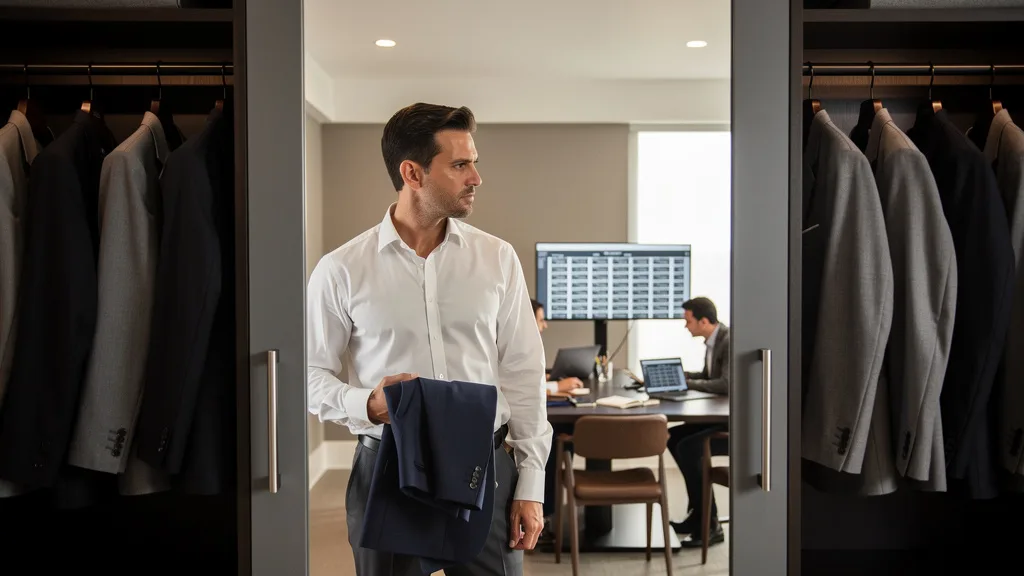
For formal occasions and business meetings, you need a shirt that signals professionalism and attention to detail. A classic white or light blue dress shirt in a pinpoint or poplin weave is the gold standard. These fabrics have a smooth, crisp finish that holds a crease well and looks sharp under a suit. Stick with a spread or point collar that sits neatly under a jacket lapel. Avoid pockets, button-down collars, and bold patterns. The fit should be tailored but not tight, with the shoulder seam resting exactly at the edge of your shoulder bone.
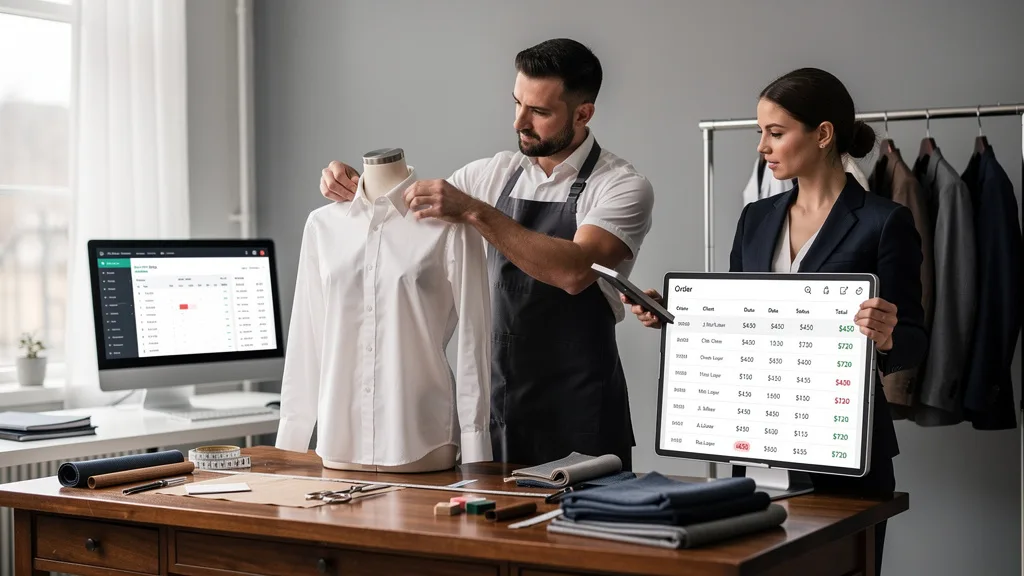
For high-stakes meetings or formal events like weddings and galas, a French cuff shirt adds an extra layer of sophistication. Pair it with cufflinks for a polished finish. If the dress code is business professional, always tuck your shirt in and wear a belt that matches your shoes. A well-fitted formal shirt is an investment in your confidence. It tells people you respect the room and the people in it.
Smart Casual and Date Nights
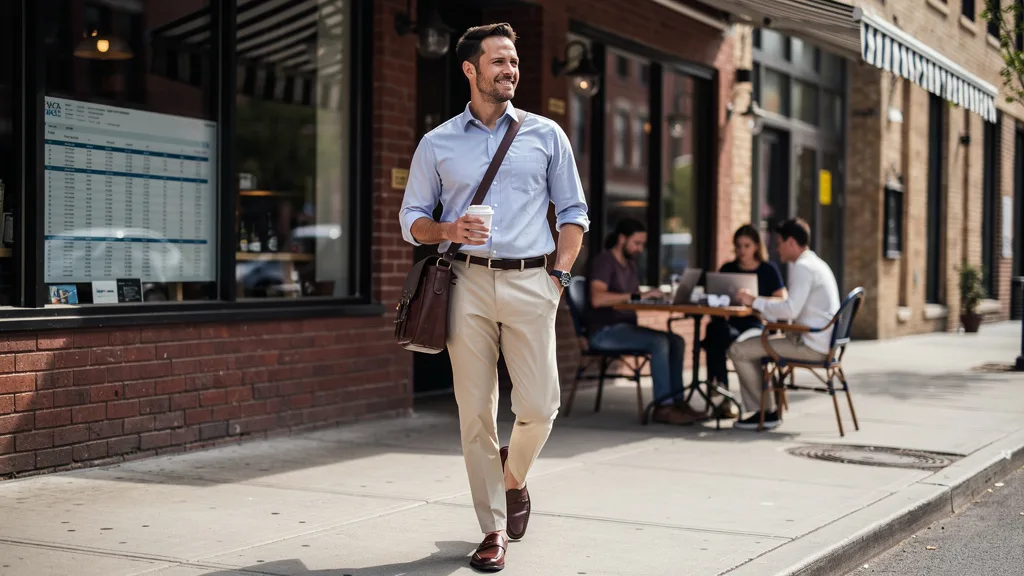
Smart casual is where premium shirts truly shine because you have room to express personality while staying polished. Think of it as the middle ground between a suit and jeans. A linen or oxford cloth shirt in a muted color like navy, olive, or burgundy works beautifully. You can leave the top one or two buttons undone and skip the tie. Roll the sleeves twice to just below the elbow for a relaxed but intentional look. Pair the shirt with chinos or dark wash jeans and loafers or clean white sneakers.
For date nights, texture is your friend. A premium shirt with a subtle herringbone weave or a micro-check pattern adds visual interest without screaming for attention. Choose a shirt that flatters your body type and makes you feel comfortable. When you feel good, it shows. Avoid overly casual fabrics like heavy flannel or jersey knit. You want to look like you made an effort, not like you rolled out of bed.
Casual Outings and Weekend Wear
Casual outings call for comfort without sacrificing style. A premium shirt here can be untucked, made from softer fabrics like chambray, linen, or a high-quality cotton jersey. Look for shirts with a straight hem that falls to mid-fly so they look intentional when worn untucked. Short sleeves are acceptable in warm weather, but a long sleeve rolled up often looks more refined. Pair with shorts, relaxed chinos, or even well-fitted jeans.
For weekend errands or a coffee run, layer a premium shirt over a plain white t-shirt and leave it unbuttoned. This creates a relaxed, layered look that is easy to wear. Choose colors that complement your skin tone and the season. Earth tones like sand, rust, and forest green work well for fall, while pastels and whites are perfect for spring and summer. The goal is to look effortless, not sloppy.
How to Style a Dress Shirt for Any Occasion
Styling a dress shirt is about more than just putting it on. The details of how you wear it determine whether you look sharp or sloppy. Mastering a few key techniques will let you take the same shirt from the office to dinner with just a few adjustments.
Tucking and Untucking Rules
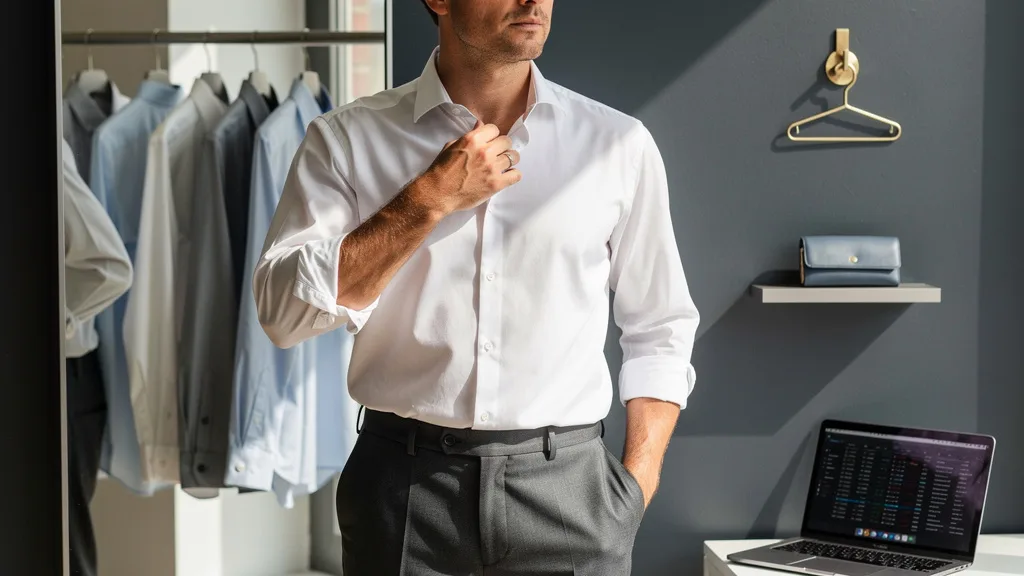
The tuck rule is simple. If the shirt has a curved hem, it is designed to be tucked in. A straight hem is meant to be worn untucked. For formal and business settings, always tuck your shirt in. For smart casual, you can untuck if the shirt length is appropriate. The hem should fall no lower than the middle of your zipper. If it covers your entire crotch, it is too long to wear untucked. A half-tuck, where you tuck in only the front of the shirt, can work for very casual looks, but use it sparingly. It can look intentional or messy depending on the rest of the outfit.
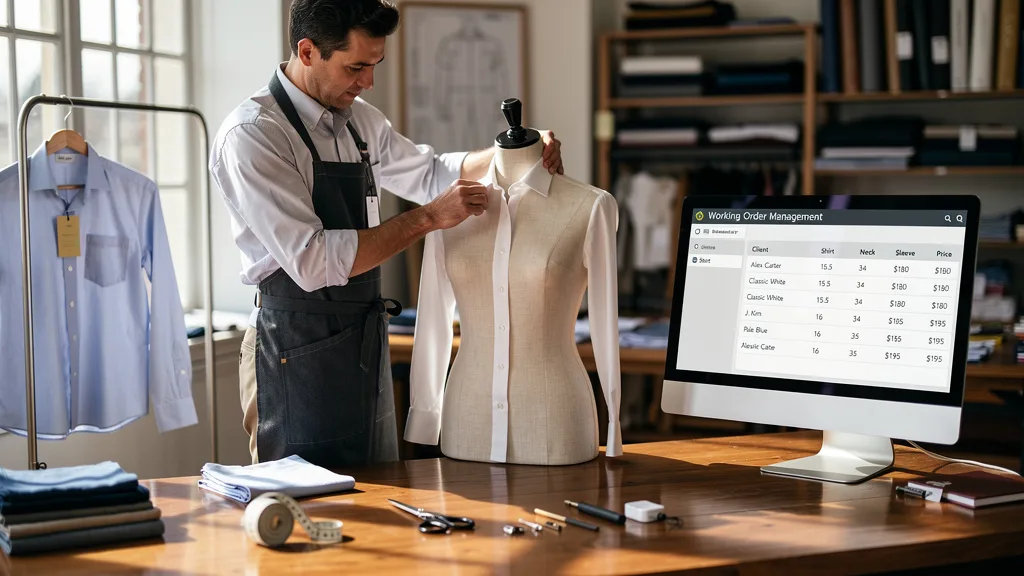
When you tuck, make sure the fabric is smooth and not bunched. A military tuck, where you fold the excess fabric at the sides and tuck it into your pants, creates a clean line. This is especially important if you are wearing a slim fit shirt. A sloppy tuck ruins the silhouette of even the most expensive suit. Take the extra ten seconds to check your shirt before you walk out the door.
Sleeve Adjustments and Collar Choices
Sleeve adjustments can change the entire vibe of an outfit. For a formal look, the sleeve should end at your wrist bone, with about half an inch of shirt cuff visible below your jacket sleeve. For smart casual, roll the sleeves twice to just below the elbow. The roll should be tight and even, not loose and floppy. For a more rugged look, try the master roll. Start with the cuff buttoned, pull the sleeve up to your elbow, then fold the cuff back over itself. This creates a clean, structured roll that stays in place.
Collar choices also matter. A spread collar is the most versatile and works with or without a tie. A button-down collar is more casual and looks great untucked with a blazer. A band collar, also called a Mandarin collar, is a modern choice for smart casual and date nights. It eliminates the need for a tie entirely and creates a clean, minimalist look. Match the collar to the occasion and your face shape for the best effect.
Layering With Blazers and Sweaters
Layering a dress shirt under a blazer or sweater instantly elevates your look. A blazer over a dress shirt is the definition of smart casual. Choose a blazer in a contrasting color to the shirt for visual interest. Navy blazer over a white or light blue shirt is a timeless combination. For a more relaxed feel, try an unstructured blazer in linen or cotton. It has less padding and a softer shoulder, making it perfect for daytime events.
Sweaters over dress shirts create a preppy, polished look. A crew neck or V-neck sweater in merino wool or cashmere works well. Let the collar of the shirt sit neatly over the sweater collar. For a V-neck, the shirt collar should sit inside the sweater. A quarter-zip sweater is another great option for a modern, athletic look. Layer it over a premium shirt for a look that works from the golf course to the dinner table.
Three Things That Make a Perfect Formal Shirt for Men
A perfect formal shirt is not just about the brand. It is about three specific elements that determine how the shirt looks, feels, and lasts. Pay attention to these when you shop, and you will never settle for a mediocre shirt again.
Fabric Quality and Weave
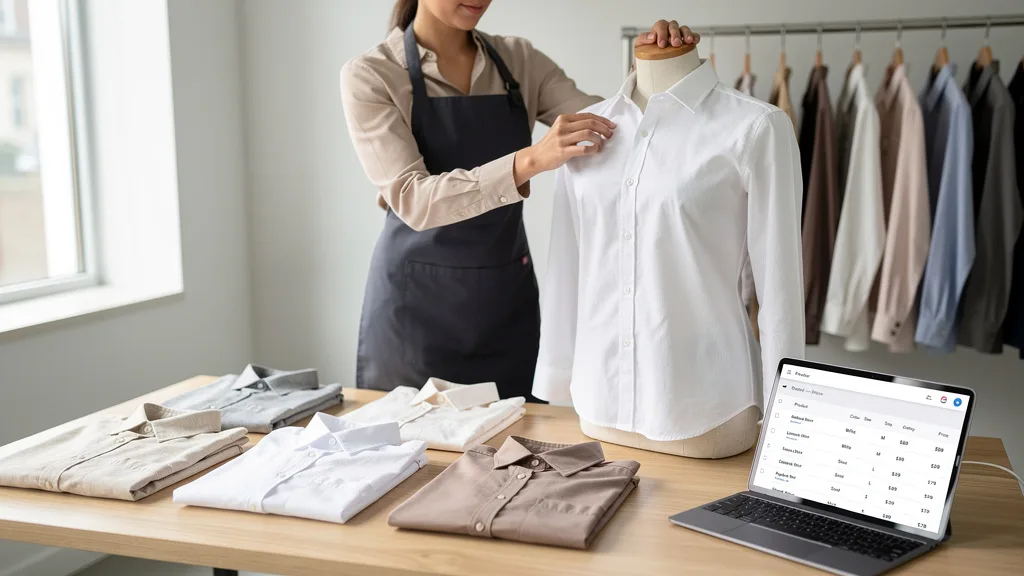
Fabric quality is the single most important factor in a formal shirt. High thread count cotton, especially Egyptian or Supima cotton, feels soft against the skin and drapes well. The weave also matters. Poplin is lightweight and smooth, perfect for hot weather and formal events. Twill has a diagonal weave that is more durable and resists wrinkles. Oxford cloth is thicker and more casual, great for smart casual looks. Avoid polyester blends for formal shirts. They trap heat and do not breathe, leaving you uncomfortable and sweaty.
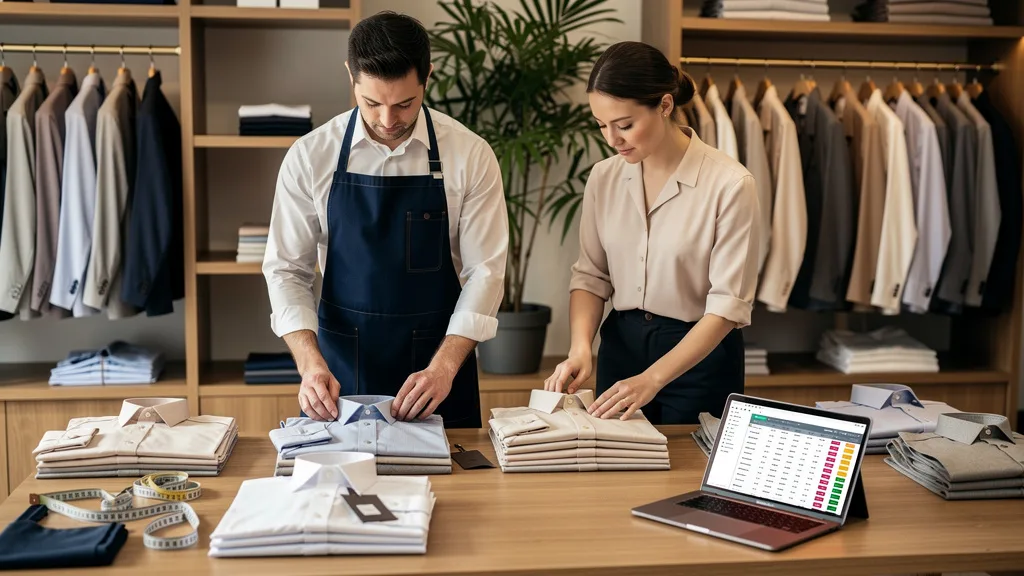
A good test for fabric quality is the feel test. Rub the fabric between your fingers. It should feel smooth and substantial, not flimsy or rough. Hold it up to the light. A high quality weave will be tight and even, with no loose threads or thin spots. Investing in a premium shirt with excellent fabric means it will look good after dozens of washes, not just the first wear.
Fit Across Shoulders and Chest
The fit across the shoulders is the most critical part of a shirt. The shoulder seam should sit exactly at the edge of your shoulder bone. If the seam falls down your arm, the shirt is too big. If it digs into your shoulder, it is too small. The chest should fit snugly but not tightly. You should be able to button the shirt without pulling or gaping between the buttons. A good rule is that you can fit two fingers between your chest and the shirt when it is buttoned.
If you are between sizes, go with the larger size and have it tailored. A tailor can take in the sides and sleeves for a custom fit. This is especially important for men with athletic builds or broader shoulders. A shirt that fits perfectly across the shoulders but is slightly loose in the body is easy to fix. A shirt that is too narrow in the shoulders cannot be fixed. Always prioritize shoulder fit.
Cuff and Collar Construction
Cuff and collar construction determines how the shirt holds its shape. A fused collar has a layer of interfacing fused to the fabric, giving it structure. This is standard for formal shirts. A unfused collar is softer and more casual. For formal shirts, look for a fused collar with removable collar stays. These plastic or metal inserts keep the collar points sharp and prevent them from curling up. Always remove the stays before washing and reinsert them when the shirt is dry.
Cuffs should be snug but not tight. You should be able to slide a finger between the cuff and your wrist. Barrel cuffs are the most common and work with a simple button. French cuffs require cufflinks and are reserved for formal occasions. The stitching on both collar and cuffs should be even and tight. Loose stitching is a sign of poor construction and will lead to fraying. A well constructed collar and cuff will keep its shape for years.
Easy Tips to Create Versatile Outfits With Comfort
Creating versatile outfits is about building a wardrobe where every piece works with every other piece. You do not need a hundred shirts. You need a few high quality ones and the know how to mix them. These easy tips to create versatile outfits with comfort will save you time and money.
Start With Neutral Base Colors
Neutral colors are the foundation of a versatile wardrobe. White, light blue, navy, grey, and black shirts can be paired with almost any bottom and outerwear. A white premium shirt is the most versatile piece you can own. It works with a suit for formal events, with chinos for smart casual, and with jeans for a crisp casual look. Light blue is the second most versatile. It is softer than white and flatters most skin tones.
When you build your shirt collection, start with two to three neutral colors before adding patterns. This ensures you always have a shirt that works for any occasion. Neutrals also make mixing and matching effortless. You can grab any neutral shirt and any pair of pants and know they will look good together. This reduces decision fatigue and makes getting dressed faster.
Mix Textures Without Clashing
Texture adds depth to an outfit without adding pattern. A smooth poplin shirt paired with a chunky knit sweater creates visual interest. A linen shirt with a wool blazer looks sophisticated and relaxed at the same time. The key is to contrast textures. If your shirt is smooth, pair it with a rougher fabric like tweed or corduroy. If your shirt is textured like oxford cloth, pair it with smoother fabrics like cotton chinos or a silk tie.
Avoid pairing two heavy textures together, like a flannel shirt with a tweed jacket. This can look bulky and overwhelming. Instead, let one texture be the star. For example, a smooth white shirt with a textured navy blazer and smooth grey trousers. The blazer provides the texture, while the shirt and trousers keep the look clean. This balance creates a cohesive, polished outfit.
Use Accessories to Shift the Formality
Accessories are the easiest way to change the formality of a shirt. A tie instantly makes any shirt more formal. A knitted tie is less formal than a silk tie and works well for smart casual. A pocket square adds a touch of elegance to a blazer. A leather belt that matches your shoes ties the whole look together. For a casual look, skip the tie and unbutton the top button. Add a leather bracelet or a simple watch to keep the look intentional.
Shoes also affect formality. Loafers or oxfords make a shirt look more formal. Clean white sneakers or boat shoes make it look more casual. The same shirt can go from a business lunch to a weekend barbecue just by changing your shoes and accessories. This is the power of a versatile wardrobe. You get multiple outfits from a single shirt.
How to Elevate Your Look With Dress Shirts
Elevating your look is about moving from good to great. It is the difference between a shirt that fits and a shirt that flatters. These tips will help you make choices that enhance your natural features and create a cohesive, stylish appearance.

Choose the Right Collar for Your Face Shape
The collar of your shirt frames your face. Choosing the right one can balance your features. For round faces, a spread collar with wider points creates the illusion of length. For long faces, a button-down collar or a point collar with narrower points adds width. For oval faces, most collar styles work. For square faces, a soft spread collar or a cutaway collar softens the jawline.
If you have a thick neck, avoid tight collars. Choose a spread collar that sits away from the neck. If you have a thin neck, a point collar or a band collar works well. The collar should never be too tight. You should be able to fit two fingers between your neck and the collar when it is buttoned. A well chosen collar makes your face look balanced and your neck look proportionate.
Match Shirt Patterns to Your Body Type
Patterns can be used to create visual balance. For broader shoulders and a larger chest, vertical stripes elongate the torso and create a slimming effect. For a slimmer build, horizontal stripes or checks add width and create the illusion of a fuller frame. For an athletic build with a V-taper, solid colors or small scale patterns like micro-checks work well. They do not compete with your natural shape.
For larger body types, dark colors and subtle patterns are most flattering. A dark navy or charcoal shirt with a faint stripe is sophisticated and slimming. Avoid large, bold patterns that draw attention to areas you want to minimize. The goal is to create a balanced silhouette. A pattern that repeats too frequently can look busy. Stick with patterns that have a repeat of at least two inches for a clean look.
Coordinate With Trousers and Footwear
The shirt, trousers, and footwear should work as a system. For a formal look, match your shirt to your suit color. A white shirt with a navy suit is classic. A light blue shirt with a grey suit is modern. For smart casual, contrast is key. A navy shirt with beige chinos creates a clean, balanced look. A burgundy shirt with dark jeans is bold but sophisticated.
Footwear should complement the overall tone. Brown shoes pair well with blue, green, and earth tone shirts. Black shoes pair best with white, grey, and black shirts. For a monochromatic look, match your shoes to your belt. This creates a visual line that makes you look taller and more put together. A coordinated outfit shows attention to detail and makes a strong impression.
Key Takeaways
Mastering how to style premium shirts for any occasion is about understanding the rules of fit, fabric, and context. A premium shirt is an investment, and knowing how to wear it maximizes its value. The key is to build a versatile wardrobe with neutral colors and quality fabrics, then use accessories and layering to shift the formality.
Remember the three pillars of a perfect formal shirt: fabric quality, shoulder fit, and collar construction. These elements determine how the shirt looks and lasts. For everyday styling, focus on tucking rules, sleeve adjustments, and layering. These techniques let you wear the same shirt in multiple ways, from the office to a night out.
By applying these easy tips to create versatile outfits with comfort, you will save time, money, and stress. You will always have something to wear that looks intentional and flattering. The goal is not to own more clothes. It is to own better clothes and know how to wear them.
Frequently Asked Questions
What is the difference between a dress shirt and a casual shirt?
A dress shirt is designed to be worn with a suit or tie. It has a stiffer collar, a longer hem with a curved tail for tucking, and is made from finer fabrics like poplin or twill. A casual shirt has a softer collar, a straight hem for wearing untucked, and is made from more relaxed fabrics like linen, chambray, or jersey. The construction and intended use are different, so they are not interchangeable for formal occasions.
Can I wear a premium shirt without tucking it in?
Yes, but only if the shirt has a straight hem and the length is appropriate. The hem should fall to the middle of your zipper. If the shirt has a curved hem, it is designed to be tucked in. Wearing a curved hem shirt untucked looks sloppy. For a premium shirt that you want to wear untucked, look for one specifically cut for that purpose. Many premium brands now offer shirts with a straight hem for a modern, untucked look.
How do I keep a white dress shirt looking crisp all day?
Start with a high quality shirt made from 100% cotton with a tight weave. Use a good quality laundry detergent and avoid bleach, which can yellow the fabric over time. Iron the shirt while it is still slightly damp for the best results. Use collar stays to keep the collar points sharp. For touch ups during the day, a travel steamer is a lifesaver. Avoid touching your collar and cuffs with dirty hands, and consider using a stain stick for quick fixes.
What shirt fabrics work best for hot weather?
Linen is the best fabric for hot weather because it is lightweight, breathable, and wicks moisture away from the skin. It wrinkles easily, but that is part of its casual charm. Cotton poplin is another excellent choice. It is lightweight and smooth, making it perfect for formal events in warm weather. Seersucker is a puckered cotton fabric that sits away from the skin, allowing air to circulate. Avoid polyester blends and heavy oxford cloth in hot weather.
How many premium shirts do I need for a versatile wardrobe?
A versatile wardrobe can be built with five to seven premium shirts. Start with two white shirts, one light blue, one navy, one grey, and one patterned shirt like a stripe or check. This gives you enough variety for formal, smart casual, and casual occasions. Add seasonal shirts like linen for summer or flannel for winter as needed. Quality over quantity is the rule. Five well made shirts will serve you better than twenty cheap ones.
Conclusion
Knowing how to style premium shirts for any occasion is a skill that pays off every time you get dressed. You have learned the rules for formal, smart casual, and casual settings. You understand the importance of fabric, fit, and construction. You have easy tips to create versatile outfits with comfort and elevate your look with dress shirts. This knowledge turns your wardrobe into a tool for confidence and self expression.
For the fashion conscious individual who values quality and style, the next step is to put this knowledge into action. Whether you are building a new wardrobe or refining an existing one, start with the basics and build from there. A premium shirt is more than clothing. It is a statement of who you are and how you show up in the world.
Ready to upgrade your style? Explore our collection of premium shirts designed for every occasion. From crisp formal shirts to relaxed casual styles, we have the quality and fit you need. SHOP NOW and find your perfect shirt today.