


Have you ever stood in front of your closet, holding two shirts and wondering which fabric will keep you comfortable, professional, and stylish all day? The choice between premium shirt fabrics like cotton, linen, and silk can feel overwhelming. But it does not have to be. In 2026, understanding the differences between these materials is the key to building a wardrobe that works for every occasion.
Here is the quick answer: Premium Shirt Fabrics: Cotton vs Linen Silk boils down to your climate, dress code, and personal style. Cotton is the versatile all-rounder for daily wear. Linen is the breathable champion for hot weather. Silk is the luxurious choice for special events. Each fabric has unique strengths, and the best fabric for shirts depends on where you wear them and how you care for them.
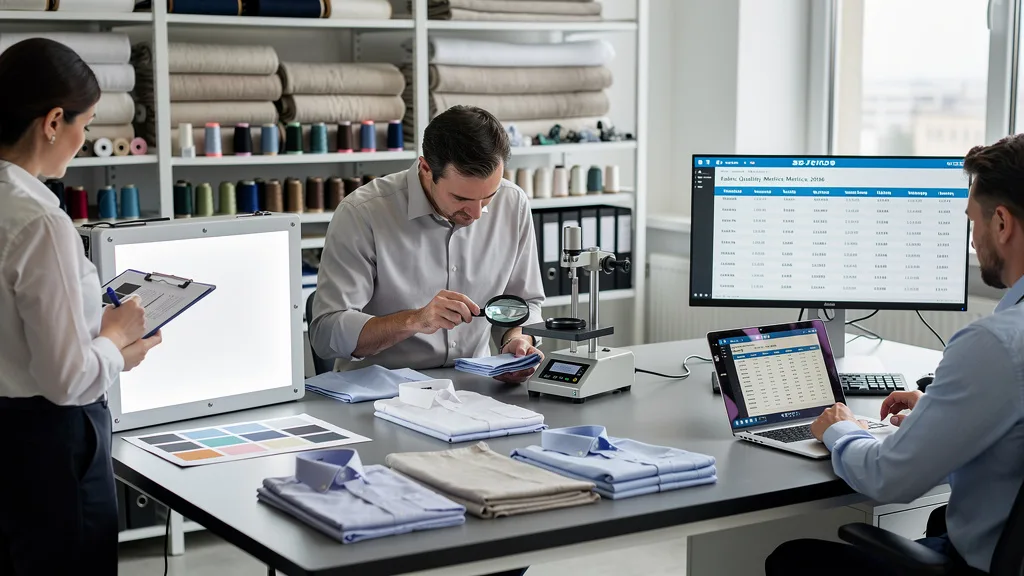
Premium shirt fabrics refer to high-quality materials used to make shirts that offer superior comfort, durability, and appearance. These fabrics go beyond basic cotton blends. They include carefully woven cottons like poplin and twill, natural linens, and luxurious silks. The term “premium” signals that the fabric has been selected for its thread count, fiber length, weave, and finishing process.

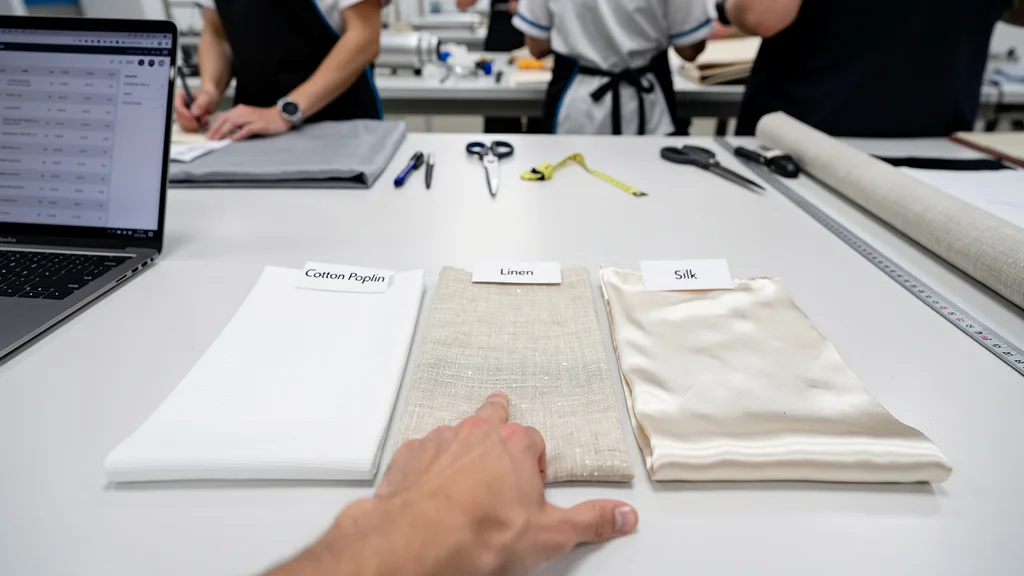
When you choose a premium fabric, you are investing in a shirt that feels better against your skin, holds its shape longer, and looks more polished. The best fabric for shirts in this category is not a single winner. It is a range of options that serve different needs. Cotton poplin is crisp and ideal for business shirts. Linen is relaxed and perfect for vacation. Silk adds a soft sheen for evening wear.
Understanding these fabrics helps you make smarter purchases. Instead of guessing, you can match the fabric to your lifestyle. This knowledge also saves you money because you buy shirts that last and perform well for their intended use.
In 2026, the way we dress has shifted. Remote work, hybrid offices, and more casual dress codes mean that people need shirts that transition easily from video calls to in-person meetings. Premium fabrics offer that flexibility. A well-made cotton shirt can look professional on a Zoom call and still feel comfortable during a long day at home.
Sustainability is another reason premium fabrics matter more now. Consumers are more aware of fast fashion’s environmental impact. Investing in a high-quality shirt that lasts for years reduces waste. Natural fibers like cotton, linen, and silk are biodegradable and renewable. Choosing a premium shirt fabric is a small but meaningful step toward a more sustainable wardrobe.
Comfort and performance have also improved. Modern weaving techniques and finishes make premium fabrics more wrinkle-resistant, breathable, and easy to care for. You no longer have to choose between looking sharp and feeling comfortable. The best fabric for shirts in 2026 combines traditional luxury with modern convenience.
How to Get Started with Premium Shirt Fabrics
Getting started with premium shirt fabrics is easier than you think. Begin by identifying your primary needs. Ask yourself: Where will I wear this shirt most often? Is it for the office, weekend outings, or special occasions? Your answer will guide your fabric choice. For example, if you need a shirt for daily business wear, cotton shirt fabric like poplin or twill is a reliable starting point.
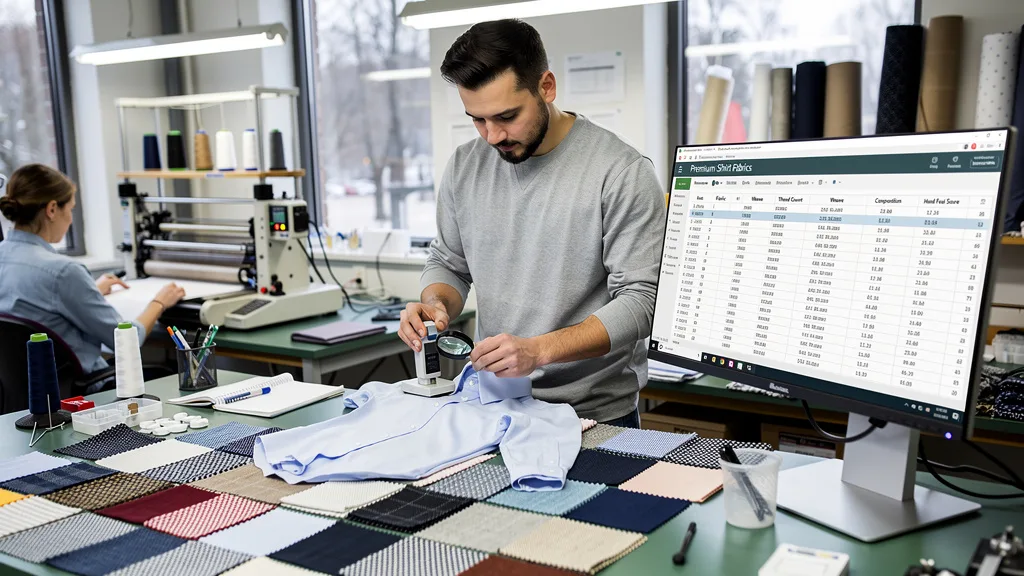
Next, learn to read fabric labels. Look for terms like “100% cotton,” “pure linen,” or “mulberry silk.” These indicate the fiber content. Avoid blends that use low-quality synthetics unless you specifically want a performance fabric. Also check the thread count. For cotton, a thread count of 80 to 120 is standard for dress shirts. Higher counts feel softer but may wrinkle more.
Finally, feel the fabric before you buy. If you shop online, order swatches or read detailed descriptions. Many brands offer fabric samples. Touching the material tells you more than any description. A premium fabric should feel smooth, substantial, and comfortable against your skin. If it feels rough or flimsy, it is not premium.
Best Practices for Premium Shirt Fabrics
To get the most out of your premium shirt fabrics, follow these best practices. First, always wash your shirts according to the care label. Cotton and linen can usually be machine washed on a gentle cycle with cold water. Silk often requires hand washing or dry cleaning. Using a mesh laundry bag for delicate fabrics prevents snags.
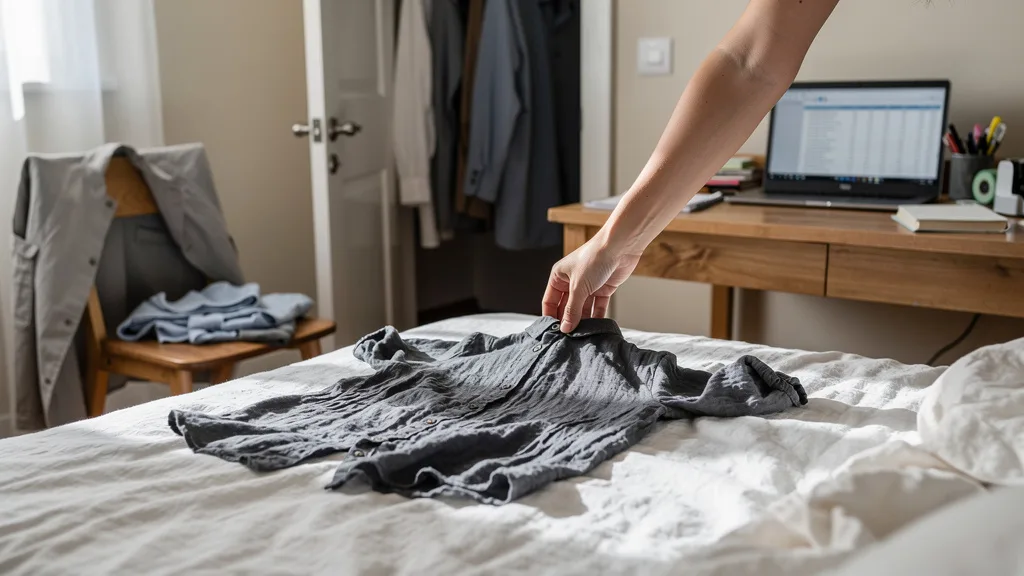
Second, invest in proper storage. Hang cotton and linen shirts on wide, padded hangers to maintain their shape. Fold silk shirts or store them in breathable garment bags. Avoid overcrowding your closet, which causes wrinkles. For travel, roll your shirts instead of folding them to reduce creases.
Third, rotate your shirts. Wearing the same shirt two days in a row stresses the fibers and shortens its life. Let each shirt rest for at least 24 hours between wears. This allows the fabric to recover its shape and moisture balance. Following these practices ensures your shirts look new for years.
Cotton Poplin vs Cotton Twill
Cotton poplin is a plain weave fabric that is lightweight, crisp, and smooth. It is the most common fabric for business shirts because it holds a press well and looks sharp. Cotton twill has a diagonal weave that makes it more durable and slightly heavier. Twill is less prone to wrinkling and has a subtle texture. Choose poplin for formal settings and twill for everyday office wear.
Linen vs Cotton Blends
Pure linen wrinkles easily but is extremely breathable. Cotton blends add structure and reduce wrinkling while keeping some of linen’s coolness. A 55% linen and 45% cotton blend is a popular compromise. It offers the best of both worlds: the airy feel of linen with the wrinkle resistance of cotton. This blend works well for casual button-downs and summer shirts.
Silk vs Satin
Silk is a natural protein fiber that is smooth, lustrous, and temperature regulating. Satin is a weave, not a fiber. It can be made from silk, polyester, or other materials. For a true premium shirt, choose silk satin. It has a soft sheen and drapes beautifully. Silk shirts are best reserved for evening events, weddings, or date nights. They require gentle care but reward you with unmatched elegance.
Common Mistakes to Avoid
One common mistake is choosing a fabric based solely on looks without considering your lifestyle. A silk shirt may look stunning, but if you need a shirt for daily commuting, it will not hold up. Always match the fabric to your actual routine. Another mistake is ignoring the care instructions. Many people ruin premium shirts by washing them in hot water or using harsh detergents.
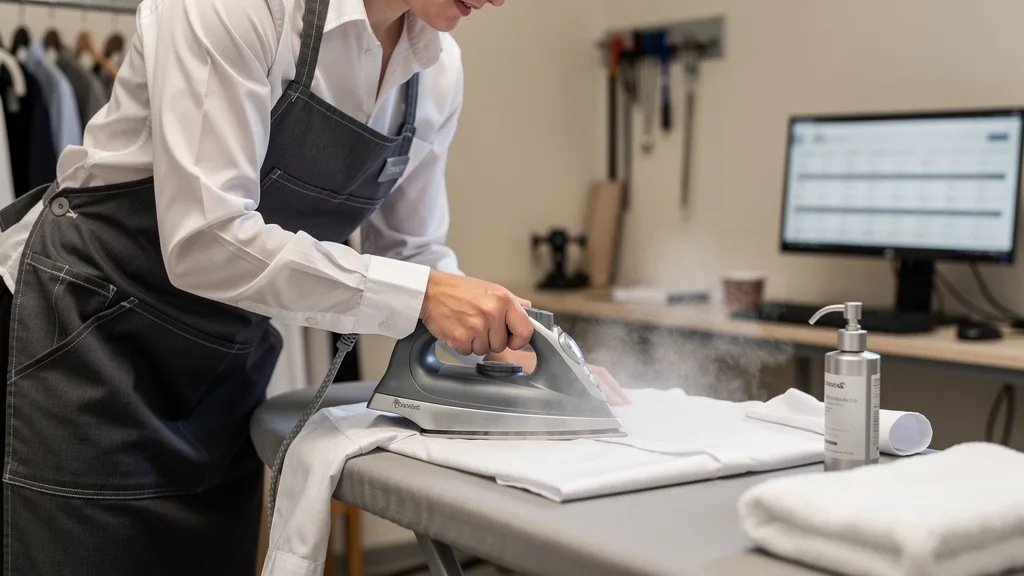
Another frequent error is buying the wrong size. Premium fabrics often have less stretch than cheap blends. A shirt that is too tight will pull at the seams and look unflattering. Always try on shirts or check the size chart carefully. Also, avoid over-ironing. High heat can damage natural fibers, especially silk. Use a low to medium heat setting and steam instead of direct contact when possible.
Finally, do not assume that higher thread count always means better quality. For cotton, a thread count above 120 can sometimes indicate the use of lower quality fibers twisted together. Focus on the fiber quality and weave rather than just the number. A 100-thread-count Egyptian cotton shirt can be far superior to a 200-thread-count shirt made from short-staple cotton.
Frequently Asked Questions
To choose the best fabric for shirts, start by considering the climate where you live. If you experience hot summers, linen or lightweight cotton voile will keep you cool. For cooler climates, cotton twill or flannel provides warmth. Next, think about the dress code. Business settings call for crisp cotton poplin or twill. Casual weekends suit linen or cotton lawn. Special occasions deserve silk or high-thread-count cotton.
Also consider your personal comfort preferences. Some people dislike the feel of linen against their skin. Others find silk too slippery. Try swatches or visit a store to feel the fabrics. Finally, factor in maintenance. If you dislike ironing, choose wrinkle-resistant cotton blends or twill. If you enjoy the ritual of caring for fine fabrics, linen and silk can be rewarding choices.
Which Fabric Is Best for Hot Weather?
Linen is the best fabric for hot weather because of its natural breathability and moisture wicking properties. It allows air to circulate freely and dries quickly. Lightweight cotton voile and cotton lawn are also excellent options. They are soft, airy, and less prone to wrinkling than linen. For a dressier look, consider a linen-cotton blend. It offers the coolness of linen with a bit more structure.
Is Silk Too Delicate for Everyday Wear?
Silk is more delicate than cotton or linen, but it can be worn daily if you choose the right weight and care for it properly. A heavier silk, such as silk charmeuse or silk crepe de chine, is more durable. Avoid wearing silk for activities that cause heavy sweating or friction. With proper care, including hand washing and air drying, a silk shirt can last for years. However, for most people, silk is best reserved for special occasions.
Cotton poplin is a plain weave fabric with a crisp, smooth finish. It is slightly heavier than cotton lawn and has a more formal appearance. Cotton lawn is also a plain weave but is lighter, softer, and has a finer thread count. Lawn is often used for summer shirts and blouses because of its airy feel. Poplin is better for structured dress shirts that need to hold a crease. Both are excellent choices, but poplin suits business wear while lawn suits casual and warm weather.
Key Takeaways
Understanding Premium Shirt Fabrics: Cotton vs Linen Silk helps you build a versatile wardrobe. Cotton is your everyday workhorse. Linen is your summer savior. Silk is your special occasion star. Each fabric has a place, and knowing when to use each one saves you money and frustration.
Here are the key points to remember:
- Match the fabric to your climate and dress code. Cotton for daily wear, linen for heat, silk for elegance.
- Read care labels and follow washing instructions to extend the life of your shirts.
- Feel the fabric before buying. Premium fabrics have a smooth, substantial texture.
- Consider blends like linen-cotton for a balance of breathability and wrinkle resistance.
- Invest in quality over quantity. One premium shirt outlasts several cheap ones.
By applying these principles, you will always choose the best fabric for shirts that fits your life. Your wardrobe will become more functional, sustainable, and stylish.
Conclusion
Choosing between cotton, linen, and silk does not have to be complicated. The right fabric for you depends on where you live, what you do, and how you want to feel. Cotton gives you reliability and versatility. Linen offers breathability and relaxed style. Silk delivers luxury and elegance. By understanding the strengths of each, you can make confident decisions every time you shop.
Now is the time to upgrade your wardrobe with fabrics that work for you. Whether you need a crisp cotton shirt for the office, a breezy linen shirt for summer, or a luxurious silk shirt for a special evening, the choice is clear. Start by identifying your most common needs and invest in one premium shirt from each category. You will notice the difference in comfort, appearance, and longevity.
Ready to find your perfect shirt? Explore our collection of premium fabrics and discover the difference quality makes. SHOP NOW and experience the best fabric for shirts in 2026.