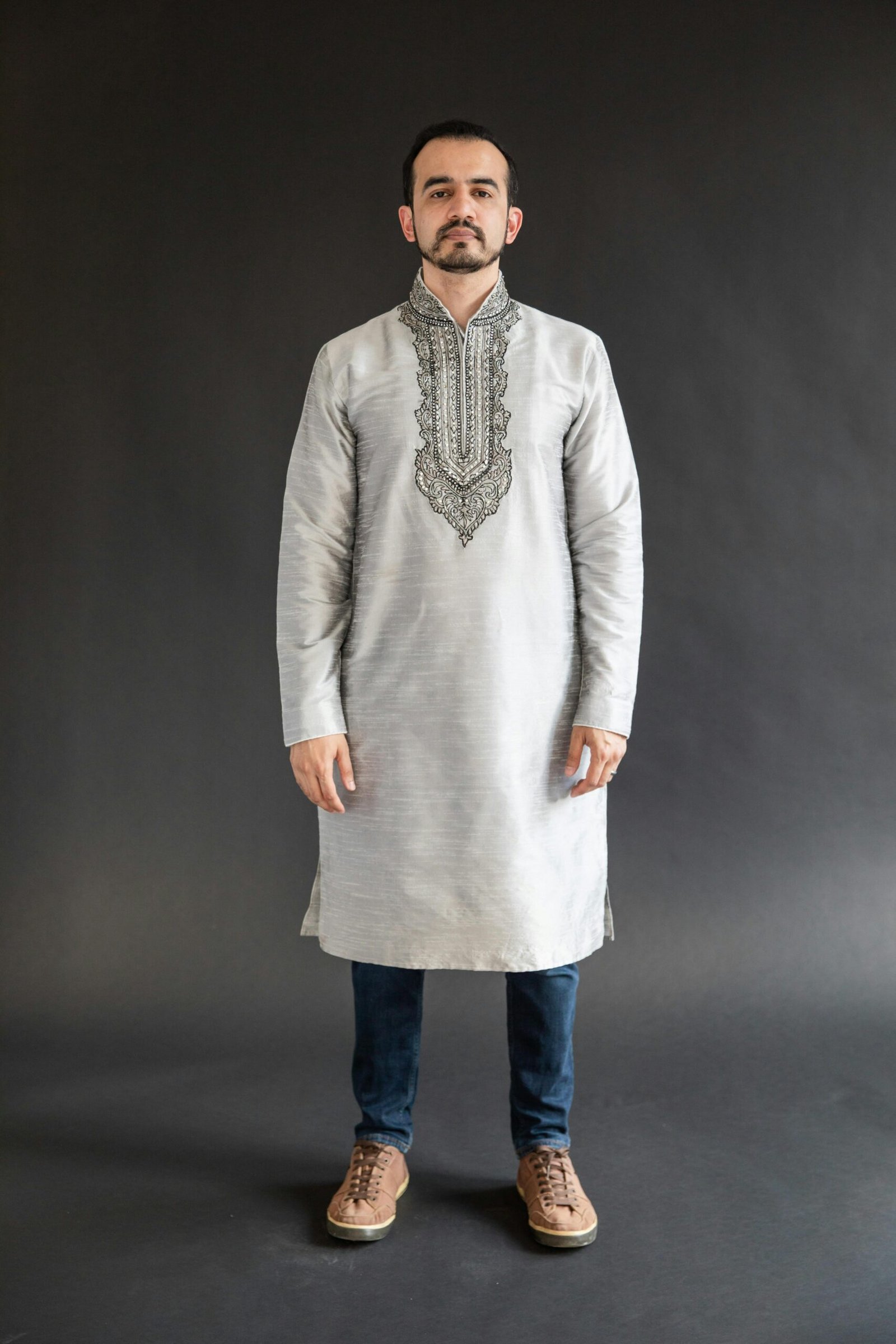


Have you ever pulled your favorite embroidered kurta from the closet only to find loose threads, faded colors, or a shrunken fit? You are not alone. Embroidered kurtas require special attention because the delicate threads and intricate patterns can be ruined by harsh detergents, hot water, or rough handling. This guide will show you exactly how to care for embroidered kurtas at home so they stay vibrant and last for years.
Embroidered kurtas are a staple in many wardrobes, worn for weddings, festivals, and everyday elegance. The embroidery often uses silk, metallic, or cotton threads that are not as durable as the base fabric. Without proper care, these threads can snag, fade, or even break. By following the right washing, drying, and storage techniques, you can keep your kurtas looking like new. This article covers everything from hand washing to stain removal, so you can enjoy your favorite pieces without worry.
Why Embroidered Kurtas Need Special Care at Home
Embroidered kurtas are not like plain cotton shirts. The embroidery threads are often made of rayon, silk, or metallic fibers that are sensitive to friction, heat, and chemicals. When you toss a kurta into a regular machine wash, the agitation can cause threads to pull, unravel, or become fuzzy. The base fabric, usually cotton or lawn, can shrink or lose its shape if exposed to high temperatures.
Another reason for special care is the dye used in embroidery. Many embroidered kurtas use multiple colors that can bleed or fade if washed with harsh detergents or in hot water. The intricate patterns, especially on the neckline, cuffs, and hem, are also prone to snagging on zippers, buttons, or other clothing. By treating your kurta gently, you preserve both the artistry and the fit.
Finally, the cost and sentimental value of embroidered kurtas make them worth the extra effort. A well-maintained kurta can be passed down or worn for many seasons. Investing a few extra minutes in care saves you from expensive repairs or replacements. As the saying goes, “A stitch in time saves nine.”
“Embroidered kurtas are an investment in style and tradition. With the right care, they can remain beautiful for years.”
Hand Washing Embroidered Kurtas Without Damaging Threads
Hand washing is the safest method for embroidered kurtas because it gives you full control over the process. You can avoid the harsh agitation of a machine and target only the areas that need cleaning. This section explains how to hand wash your kurta step by step, from preparation to rinsing.
Preparing the Kurta for a Gentle Wash
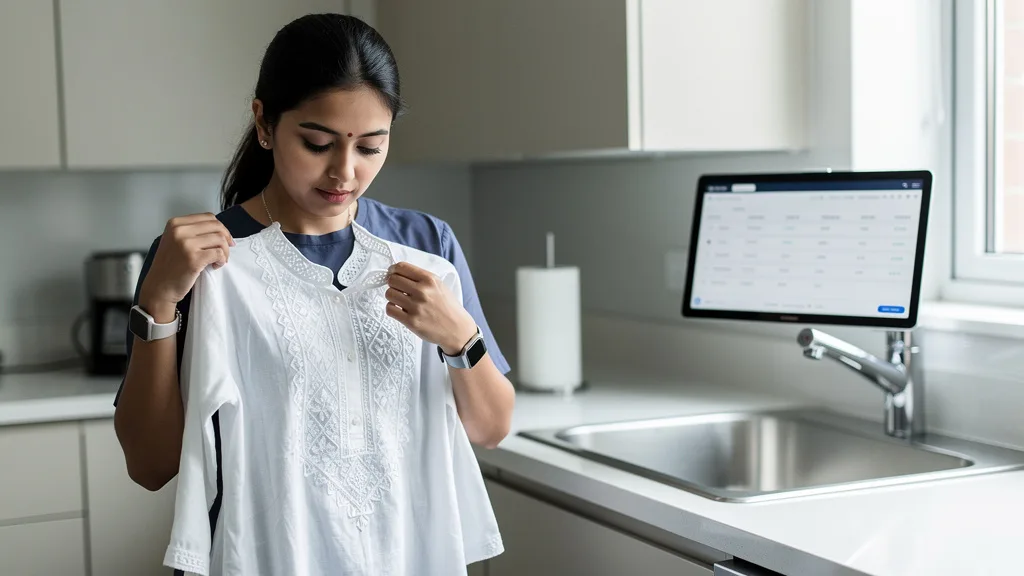
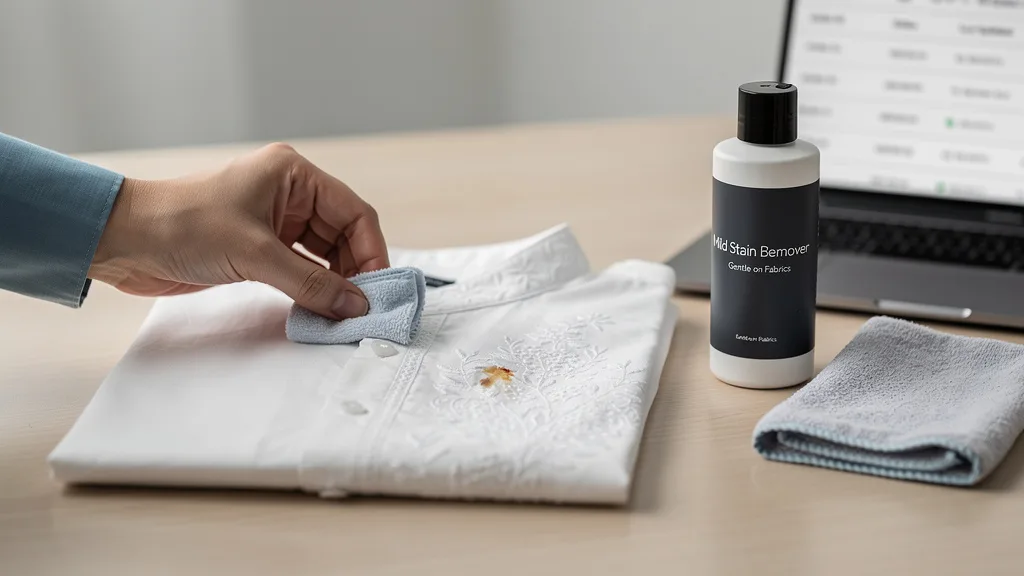
Before you start, check the care label on your kurta. Most embroidered kurtas recommend cold water and mild detergent. Turn the kurta inside out to protect the embroidery from direct friction. This simple step reduces the risk of threads catching on your hands or the sink.
Next, inspect the embroidery for any loose threads. If you find a loose thread, do not pull it. Instead, use a small pair of scissors to trim it close to the fabric. This prevents the thread from unraveling further during washing. Also, remove any pins or brooches that could snag the fabric.
Fill a clean basin or sink with cool or lukewarm water. Avoid hot water because it can cause the dye to bleed and the fabric to shrink. The water should be deep enough to fully submerge the kurta without crowding. Crowding can lead to tangling and uneven cleaning.
Choosing the Right Detergent and Water Temperature
Use a mild, pH-neutral detergent specifically designed for delicate fabrics. Avoid detergents with bleach, enzymes, or optical brighteners, as these can weaken the embroidery threads and fade colors. Liquid detergents are better than powders because they dissolve completely and leave no residue.
Water temperature is critical. Cold water (around 20°C or 68°F) is best for preserving both the fabric and the embroidery. Lukewarm water (up to 30°C or 86°F) is acceptable if the kurta is heavily soiled, but never use hot water. Hot water can cause the base fabric to shrink and the embroidery threads to lose their luster.
If you are unsure about a detergent, test it on a small hidden area of the kurta first. Apply a drop of diluted detergent and blot with a white cloth. If any color transfers to the cloth, choose a gentler detergent. This simple test can save your kurta from accidental damage.
Step by Step Hand Wash Process
Submerge the kurta in the soapy water and gently swish it around. Do not rub, scrub, or wring the fabric. Focus on areas that are soiled, such as the collar and cuffs, by lightly pressing the fabric between your fingers. Let the kurta soak for 10 to 15 minutes, but no longer, to prevent the dirt from settling back into the fibers.
Drain the soapy water and refill the basin with clean cold water. Rinse the kurta by gently moving it through the water. Repeat this step until no soap bubbles remain. Soap residue can attract dirt and cause the fabric to yellow over time.
After rinsing, do not wring the kurta. Instead, lay it flat on a clean, dry towel and roll the towel up to absorb excess water. This method removes moisture without stretching or damaging the embroidery. Then, proceed to drying as described in the next section.
Machine Wash vs Hand Wash for Embroidered Kurtas
While hand washing is the gold standard, some people prefer the convenience of a machine. The key is knowing when machine washing is acceptable and how to do it safely. This section compares both methods and provides guidelines for machine washing.
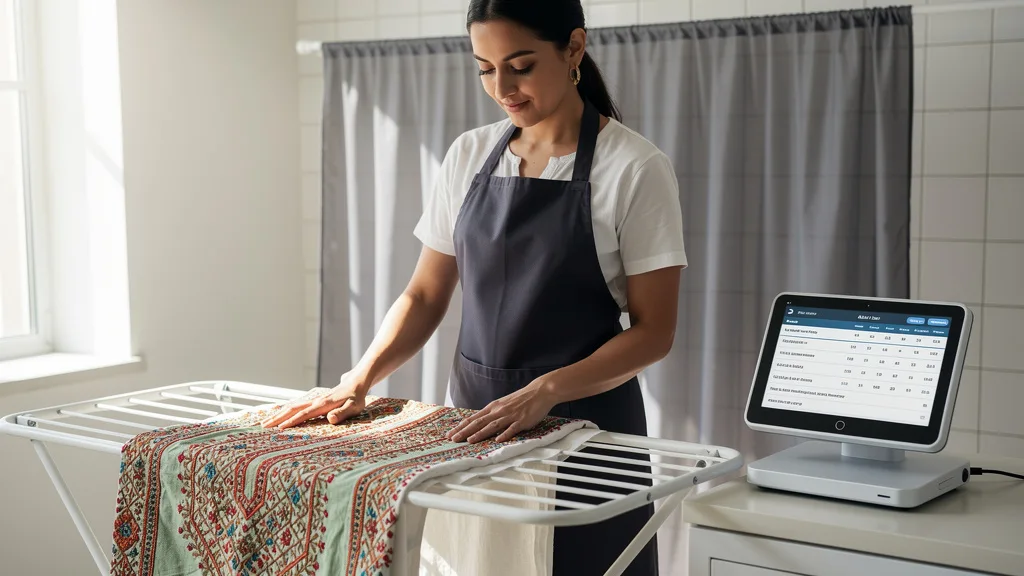
| Method | Best For | Risks | Recommendation |
|---|---|---|---|
| Hand wash | All embroidered kurtas, especially with heavy or delicate threadwork | Time-consuming, requires patience | Always preferred for preserving embroidery |
| Machine wash (gentle cycle) | Lightly embroidered kurtas with sturdy threads (e.g., cotton embroidery) | Thread snagging, fabric shrinkage, color bleeding | Only use with a mesh laundry bag and cold water |
When Machine Washing Is Acceptable
Machine washing is acceptable only for kurtas with minimal embroidery, such as a small motif on the chest or cuffs. If the embroidery covers a large area or uses delicate threads like silk or metallic, stick to hand washing. Also, check the fabric type. Cotton or polyester blends are more machine-friendly than pure lawn or silk.
Another factor is the age of the kurta. Older kurtas with worn threads are more likely to suffer in a machine. If you are unsure, err on the side of caution and hand wash. The extra effort is worth the peace of mind.
How to Machine Wash Safely
If you decide to machine wash, turn the kurta inside out and place it in a mesh laundry bag. This bag protects the embroidery from direct contact with the machine drum. Use the delicate or gentle cycle with cold water and a mild detergent. Do not use fabric softener, as it can coat the threads and reduce their luster.
Set the machine to a low spin speed. High spin speeds can cause the fabric to twist and the embroidery to pucker. After the cycle ends, remove the kurta immediately to prevent wrinkles. Never leave it sitting in the machine, as the damp fabric can develop mildew or odors.
How to Dry Embroidered Kurtas Without Fading or Shrinking
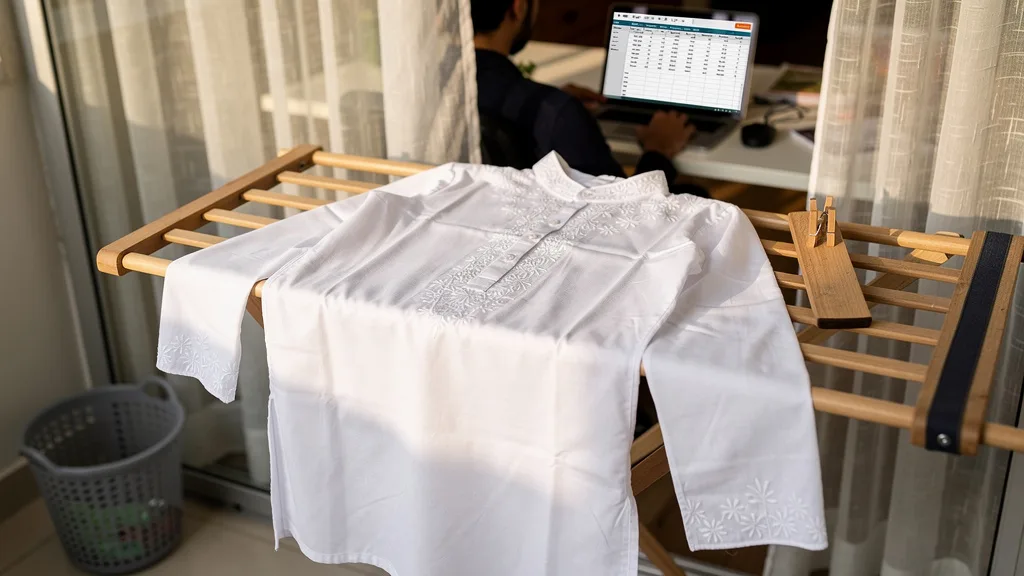
Drying is a critical step that many people get wrong. The heat from a dryer can shrink the fabric and damage the embroidery threads. Instead, air drying is the safest method. Lay the kurta flat on a clean, dry towel or a drying rack. Avoid hanging it on a hanger, as the weight of the wet fabric can stretch the shoulders and distort the embroidery.
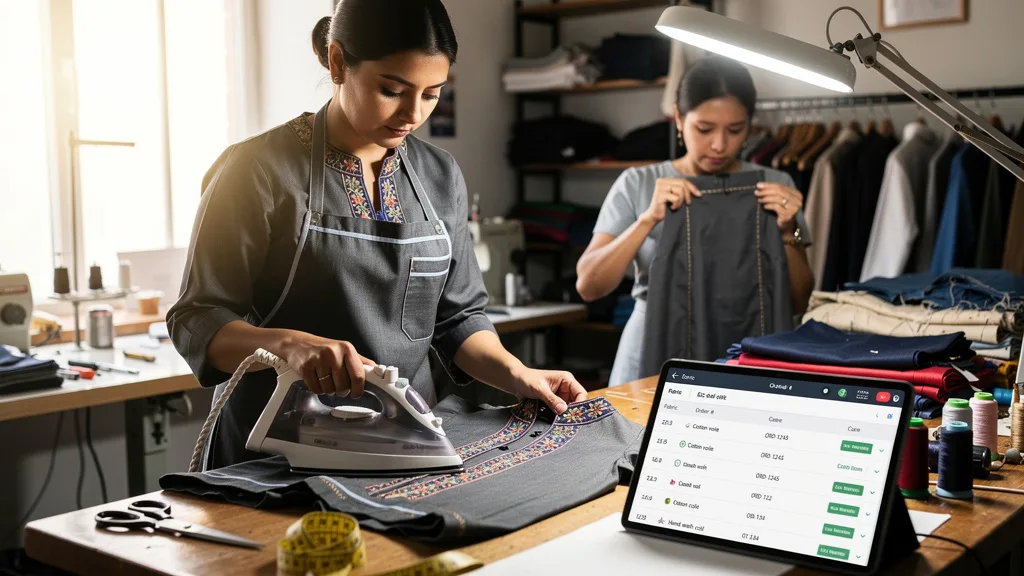
Keep the kurta out of direct sunlight. Sunlight can fade the colors of both the base fabric and the embroidery. Choose a shaded area with good air circulation. If you are drying indoors, place the rack near an open window or use a fan to speed up the process. Turn the kurta over halfway through drying to ensure even moisture evaporation.
Do not use a clothes dryer, even on a low heat setting. The tumbling action can cause threads to snag and the fabric to shrink. If you are in a hurry, you can use a dryer on the no-heat air fluff setting, but only for a few minutes. Always check the kurta before and after to ensure no damage occurred.
Can You Iron Embroidered Kurtas Directly
Ironing embroidered kurtas requires caution because direct heat can melt or flatten the embroidery threads. The answer is yes, but only with the right technique. This section covers safe ironing methods and introduces steaming as a gentler alternative.
Safe Ironing Techniques for Embroidered Fabric
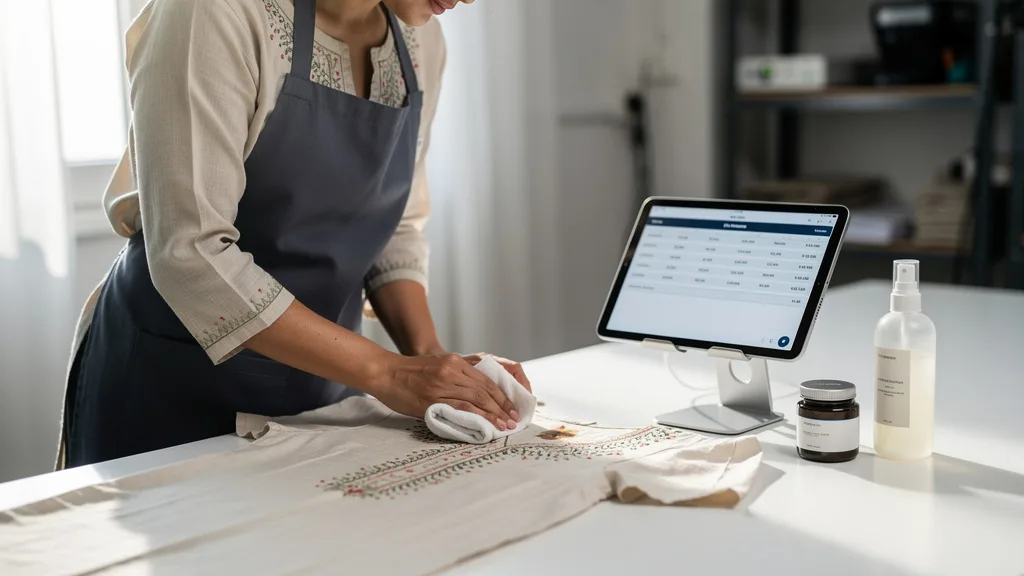
Always iron your kurta inside out. This places the embroidery on the inside, protecting it from direct contact with the iron plate. Use a low to medium heat setting, depending on the fabric. For cotton or lawn kurtas, a medium heat is fine. For silk or synthetic blends, use a low heat setting.
Place a thin cotton cloth or a pressing cloth over the embroidery area before ironing. This adds an extra layer of protection. Iron the kurta while it is still slightly damp, as this makes wrinkles easier to remove without high heat. Move the iron in smooth, straight strokes and avoid pressing down hard on the embroidery.
Never leave the iron sitting on the embroidery, even for a second. The concentrated heat can scorch or flatten the threads. If you need to iron a heavily embroidered area, use the tip of the iron to work around the motifs. Patience is key to preserving the three-dimensional look of the embroidery.
Steaming as a Gentler Alternative
Steaming is an excellent alternative to ironing because it removes wrinkles without direct contact. A handheld steamer or a garment steamer works well. Hang the kurta on a padded hanger and steam it from a distance of 6 to 8 inches. The steam relaxes the fibers and smooths out wrinkles without risking damage to the embroidery.
If you do not have a steamer, you can use the steam from a hot shower. Hang the kurta in the bathroom while you shower, and the steam will help release wrinkles. This method is very gentle and works well for delicate fabrics. Just make sure the kurta does not get wet from direct water spray.
Steaming also helps refresh the kurta between washes. A quick steam can remove odors and restore the fabric’s crispness. This is especially useful for kurtas worn for special occasions that are not heavily soiled.
Best Stain Removers for Delicate Embroidered Kurtas in 2026
Stains on embroidered kurtas can be frustrating, but the right stain remover can save the day. In 2026, the best stain removers for delicate fabrics are those that are enzyme-based and free of bleach. Products like OxiClean Versatile Stain Remover (free of chlorine) or a gentle laundry soap like The Laundress Stain Solution are excellent choices. Always test on a hidden area first.
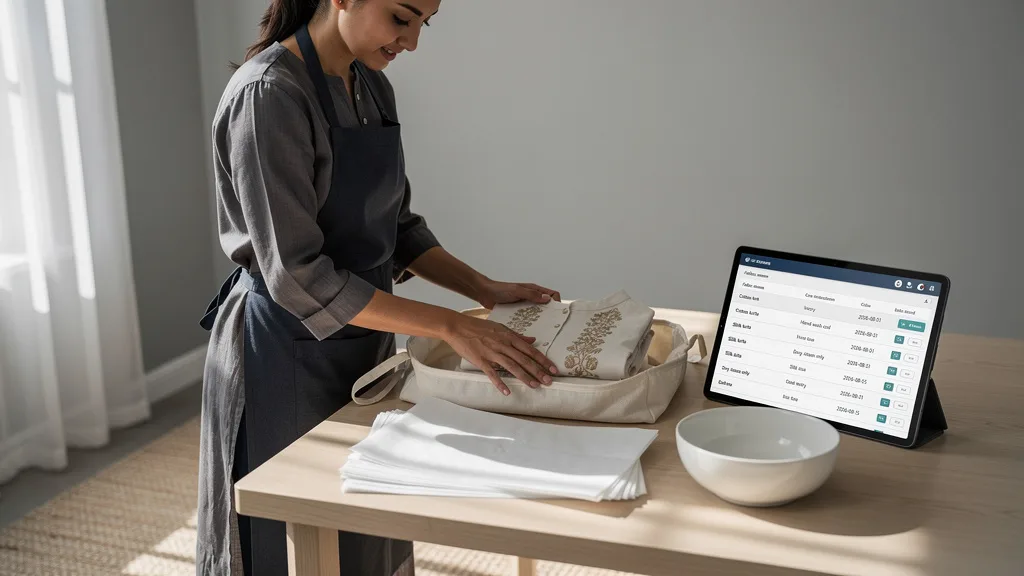
For natural remedies, a mixture of white vinegar and water (1:3 ratio) works well for food stains. Apply the solution to the stain with a soft cloth and blot gently. Do not rub, as rubbing can push the stain deeper into the fibers. For oil-based stains, sprinkle cornstarch or baking soda on the stain to absorb the oil, then brush it off before washing.
Avoid using bleach, even on white kurtas. Bleach can weaken the embroidery threads and cause yellowing over time. Instead, use a color-safe oxygen bleach if you need extra whitening. Always follow the instructions on the product label and rinse thoroughly after treatment.
How to Store Embroidered Kurtas to Prevent Thread Damage
Proper storage is just as important as washing. Embroidered kurtas should be stored in a cool, dry place away from direct sunlight. Sunlight can fade the colors over time, and humidity can promote mold growth. Use a breathable garment bag made of cotton or muslin to protect the kurta from dust and insects.

Fold the kurta carefully rather than hanging it. Hanging can cause the shoulders to stretch and the embroidery to pull out of shape. If you must hang it, use a padded hanger and fold the kurta over the hanger so the weight is distributed evenly. Avoid wire hangers, as they can leave rust marks.
For long-term storage, place acid-free tissue paper between the folds of the kurta. This prevents creases and protects the embroidery from friction. You can also add a sachet of lavender or cedar to repel moths without using harsh chemicals. Check on your stored kurtas every few months to ensure they remain in good condition.
Professional Dry Cleaning vs Home Care for Embroidered Kurtas
Professional dry cleaning is an option for heavily embroidered or very delicate kurtas, but it comes with risks. Dry cleaning uses chemicals that can be harsh on some embroidery threads, especially metallic or silk. Additionally, the process can cause the fabric to lose its natural softness over time. For most kurtas, home care is safer and more cost-effective.
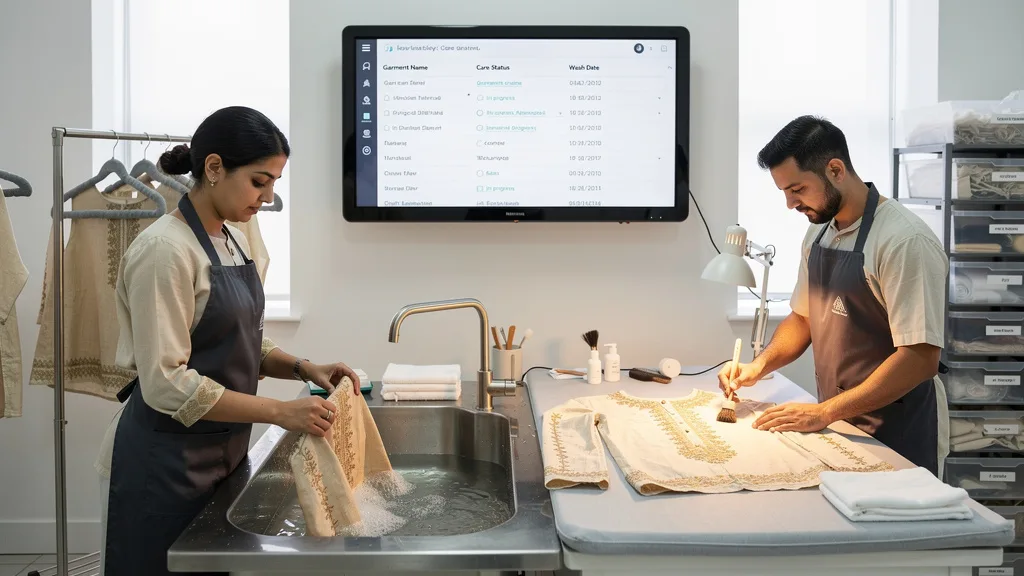
Home care gives you control over every step, from the detergent to the drying method. You can also spot-treat stains immediately, which is not always possible with dry cleaning. However, if your kurta has intricate beadwork or sequins, or if it is made of a fabric that requires special handling (like pure silk), professional cleaning may be the better choice. Always inform the dry cleaner about the embroidery so they can use the gentlest method.
For everyday kurtas with moderate embroidery, home care is perfectly adequate. The techniques described in this article, such as hand washing, air drying, and steaming, will keep your kurtas looking beautiful. If you do choose dry cleaning, limit it to once or twice a year to minimize chemical exposure.
Key Takeaways
- Hand wash is best: Always hand wash embroidered kurtas in cold water with a mild detergent to protect threads and colors.
- Dry flat, not in the sun: Lay the kurta flat on a drying rack in the shade to prevent fading and shrinking.
- Iron inside out or steam: Use a low heat setting with a pressing cloth, or switch to steaming for a gentler approach.
- Store folded, not hung: Fold kurtas with acid-free tissue paper and keep them in a breathable garment bag to avoid stretching and dust.
- Treat stains immediately: Use enzyme-based stain removers or natural remedies like vinegar and water for best results.
Frequently Asked Questions
How to hand wash embroidered kurtas without damaging threads?
Turn the kurta inside out and use cool water with a mild, pH-neutral detergent. Gently swish the fabric without rubbing or wringing. Soak for 10 to 15 minutes, then rinse thoroughly with cold water. Roll the kurta in a towel to remove excess water, then lay it flat to dry.
How to dry embroidered kurtas without fading or shrinking?
Avoid using hot water or harsh detergents, as these can weaken the embroidery threads. Always test a small area first if you are unsure about a detergent. Hand washing is the safest method for preserving the intricate details of your kurta.
Can you iron embroidered kurtas directly?
Lay the kurta flat on a clean towel or drying rack in a shaded area with good air circulation. Avoid direct sunlight, which can fade colors, and never use a clothes dryer. Turn the kurta over halfway through drying to ensure even moisture evaporation.
How to store embroidered kurtas to prevent thread damage?
If you need to speed up drying, use a fan or place the rack near an open window. Do not wring or twist the fabric, as this can distort the shape and damage the embroidery. Patience is key to maintaining the kurta’s original fit and appearance.
What is the best fabric softener for embroidered kurtas in 2026?
Yes, but only with precautions. Always iron the kurta inside out and use a low to medium heat setting. Place a thin cotton cloth over the embroidery to protect it from direct heat. Avoid pressing the iron down on the embroidery for more than a few seconds.
Steaming is a gentler alternative that removes wrinkles without direct contact. A handheld steamer or even a hot shower can refresh the fabric. Steaming is especially recommended for kurtas with heavy or delicate embroidery.
Fold the kurta carefully and place it in a breathable garment bag made of cotton or muslin. Store it in a cool, dry place away from direct sunlight. Use acid-free tissue paper between folds to prevent creases and protect the embroidery.
Avoid hanging kurtas for long periods, as the weight can stretch the fabric and distort the embroidery. If you must hang, use a padded hanger and fold the kurta over it. Add a lavender sachet to repel moths naturally.
In 2026, the best fabric softeners for embroidered kurtas are those that are free of dyes, fragrances, and harsh chemicals. Look for products labeled “gentle” or “for delicate fabrics.” However, many experts recommend skipping fabric softener altogether, as it can coat the embroidery threads and reduce their luster.
Instead, use a small amount of white vinegar in the rinse cycle to naturally soften the fabric. Vinegar also helps remove detergent residue and keeps colors bright. If you prefer a commercial product, choose one that is enzyme-free and pH-neutral.
Conclusion
Caring for embroidered kurtas at home does not have to be complicated. By following the simple steps outlined in this guide, you can preserve the beauty and longevity of your favorite pieces. Remember to hand wash with mild detergent, dry flat in the shade, and iron or steam with care. These small efforts will keep your kurtas looking vibrant and new for years.
Whether you are preparing for a wedding, a festival, or everyday wear, your embroidered kurtas deserve the best care. The techniques here are suitable for all types of embroidery, from delicate threadwork to heavier motifs. With a little patience and the right tools, you can maintain the quality and craftsmanship of your garments.
Now that you know how to care for your embroidered kurtas, it is time to put that knowledge into action. Explore our collection of premium kurtas and other apparel, all designed with the same attention to detail that you value. Your wardrobe deserves the best, and we are here to help you keep it that way.
Ready to refresh your wardrobe? Browse our latest collection of embroidered kurtas and find your next favorite piece. SHOP NOW and enjoy free shipping on orders over $150.