
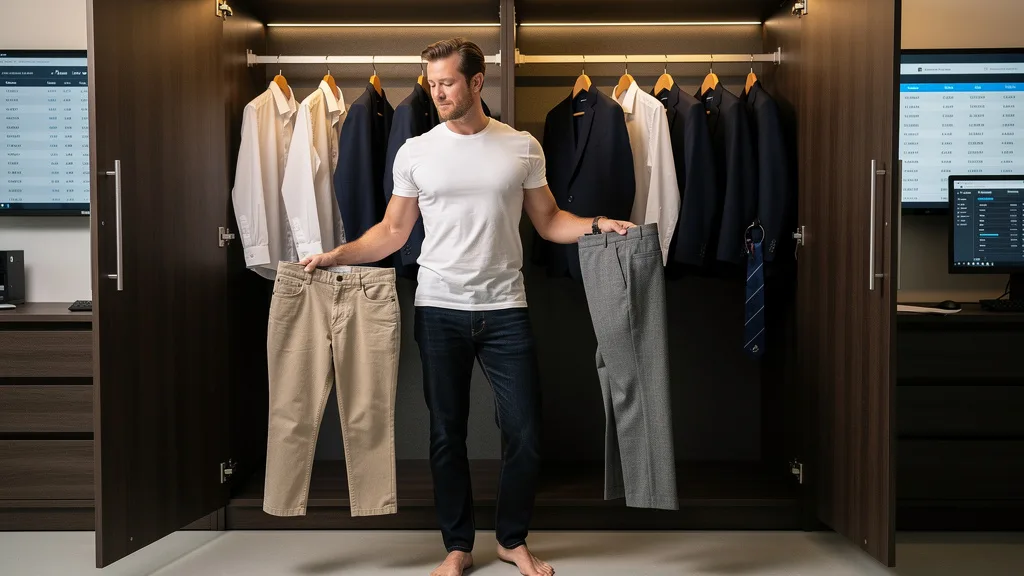
Staring at your closet, wondering if today calls for chinos or trousers? Understanding the distinction between these two men’s fashion staples is key to building a versatile and appropriate wardrobe for any occasion. While both cover your legs, their purpose, material, and construction set them apart entirely.
The main difference in the Chinos Pants vs Trousers: What’s the Difference? debate lies in fabric and formality. Chinos are lightweight, cotton-twill pants with a casual to smart-casual feel, visible stitching, and a slimmer fit. Trousers, often called dress pants, are made from smoother fabrics like wool or polyester, feature a more formal construction with details like pleats and creases, and are designed for business and formal settings. Choosing the right one ensures you always look polished and appropriate.
What Are Chino Pants?
Chino pants are a cornerstone of modern smart-casual style. They are defined by their lightweight, breathable cotton twill fabric, which makes them a comfortable and stylish alternative to jeans. Their versatility allows them to be dressed up with a blazer or down with a simple t-shirt, securing their place as an essential item in any man’s wardrobe.
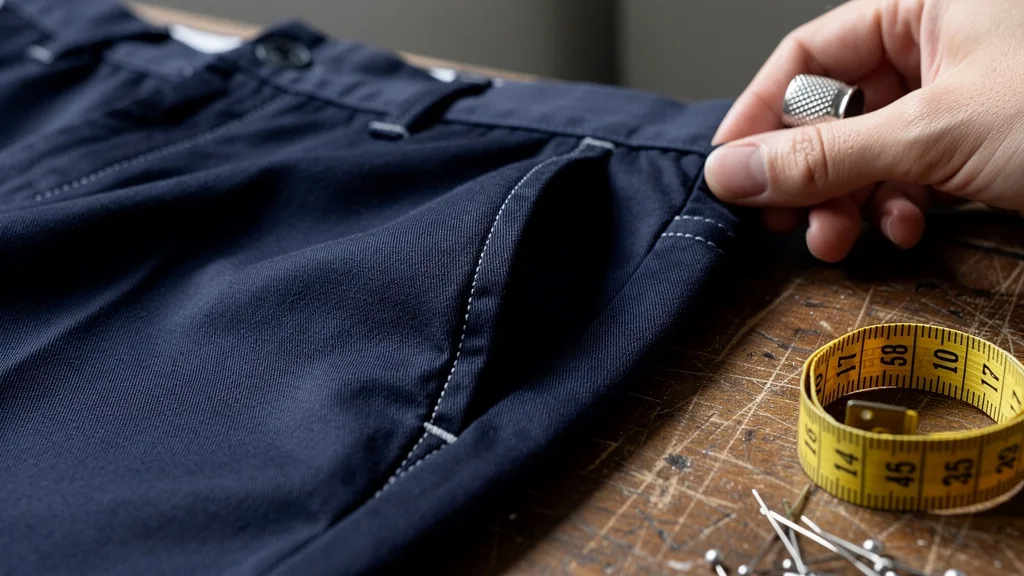
These pants bridge the gap between relaxed and refined. Unlike their heavier khaki cousins, chinos offer a sleeker silhouette and a smoother finish, making them suitable for a wider range of social settings, from a weekend brunch to a casual Friday at the office.
The Origin and Meaning of Chinos
The term ‘chino’ has military roots, dating back to the mid-19th century. British and French soldiers stationed in India wore lightweight trousers made from cotton twill to combat the heat. The style was later adopted by American troops during the Spanish-American War in the Philippines. The fabric was sourced from China, and the Spanish word for “Chinese” is “Chino,” which is how the pants got their name.
After World War II, returning soldiers continued to wear their comfortable and durable chino pants in civilian life, particularly on university campuses. This cemented their status as a preppy, all-American classic. Over the decades, the fit has evolved from a looser, military cut to the more tailored, slim silhouettes popular today.
Key Characteristics of Modern Chinos
Modern chino pants are identified by several distinct features that contribute to their clean and contemporary aesthetic. The most prominent characteristic is the fabric: a lightweight cotton twill that is soft yet durable. This material gives them a more refined appearance than the rugged texture of denim or the heavier weave of khakis.
Structurally, chinos typically feature a flat-front design, which contributes to a streamlined silhouette. The pockets are internal and discreet, with jetted back pockets rather than patch pockets, reducing bulk. Furthermore, the stitching is often visible but fine, adding a subtle detail without appearing overly rugged. This combination of features makes them a perfect choice for smart-casual dress codes.
What Are Trousers?
Trousers, in the context of this comparison, refer to what are more formally known as dress pants. These are the go-to option for business, professional, and formal occasions. Unlike chinos, trousers are typically crafted from smoother, more elegant fabrics and are designed to be worn with blazers, sport coats, or as part of a full suit.
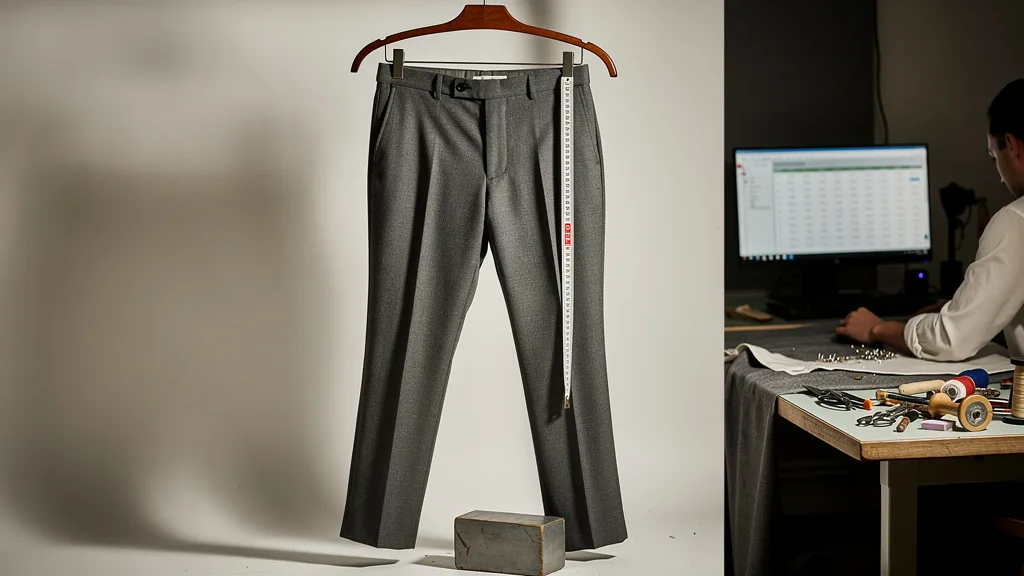
Their construction is more complex, aimed at creating a sharp, sophisticated, and clean line from the waist to the ankle. Whether you’re heading to a corporate meeting, a wedding, or a formal dinner, a well-fitting pair of trousers is non-negotiable for a polished appearance. They represent a higher level of formality and sartorial elegance.
Defining Trousers and Dress Pants
While the word “trousers” is a general term for any style of pants, in men’s fashion it has become synonymous with dress pants. These are pants made from woven material, distinct from the cotton twill of chinos or the denim of jeans. Trousers can be sold as separates, known as “odd trousers,” designed to be paired with a non-matching jacket, or as part of a two-piece or three-piece suit.
The key distinction is their role in a formal or business-casual wardrobe. They are intended to create a sharp, professional look. Understanding the nuances between formal vs casual trousers is crucial for curating a wardrobe that can handle any event with style and confidence.
Hallmarks of a Classic Trouser
Classic trousers are distinguished by their refined materials and structured details. They are commonly made from wool, flannel, linen, polyester, or blends of these fibers, which offer a beautiful drape and a smooth finish. One of the most iconic features is a sharp, pressed crease running down the center of each leg, which visually elongates the leg and adds a touch of formal precision.
Other hallmarks include a more complex closure system, often a hook-and-bar clasp backed by a button for a flat, clean front. They may feature pleats at the waist to allow for more room and comfort, although flat-front styles are also very popular for a more modern look. The pockets are typically internal, with welted or jetted back pockets that maintain a sleek profile. best pants to pair.
When you place chinos and trousers side-by-side, their differences become immediately apparent. From the texture of the fabric to the intricacy of their construction, each is designed for a different purpose and aesthetic. This direct comparison will help you quickly identify which pant is the right choice for your specific needs.
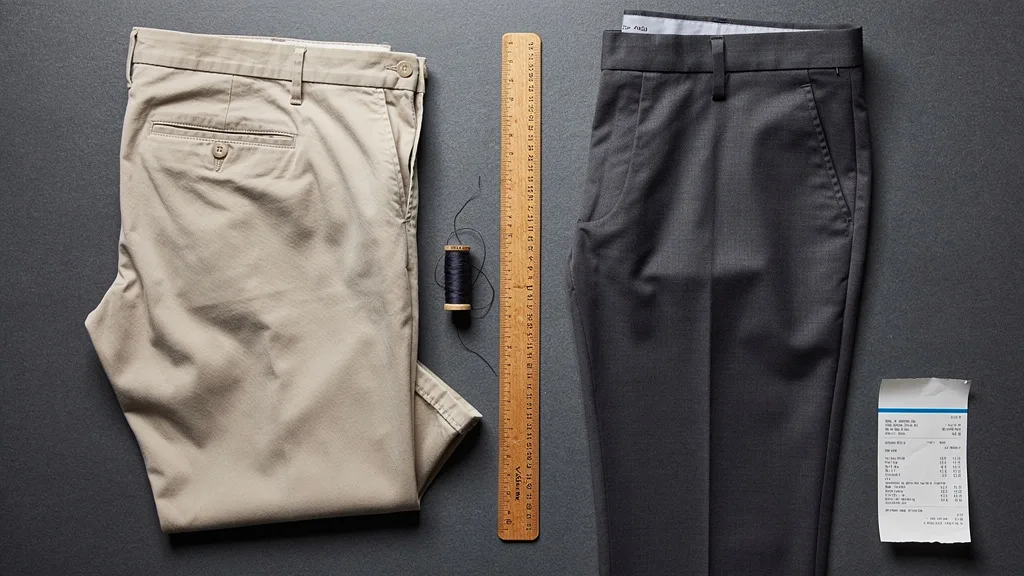
The decision often comes down to the dress code of the event you are attending. Chinos excel in versatility for your daily life, while trousers are reserved for moments that require a higher degree of polish and professionalism. Knowing these distinctions is the first step toward mastering your personal style in 2026.
| Feature | Chino Pants | Trousers (Dress Pants) |
|---|---|---|
| Primary Fabric | Lightweight cotton twill | Wool, linen, polyester, flannel, synthetic blends |
| Formality Level | Casual to Smart-Casual | Business Casual to Formal |
| Key Construction | Flat-front, visible stitching, internal pockets | Pressed crease, pleats (optional), hook-and-bar closure, lining |
| Common Fit | Slim, tapered | Varies from slim to relaxed, with more drape |
| Best For | Weekends, casual office days, social gatherings | Business meetings, weddings, formal events, office wear |
Fabric and Material
The most fundamental difference between chinos and trousers is the fabric. Chinos are almost exclusively made from a lightweight cotton twill. This material is breathable, comfortable, and has a slightly rugged but clean appearance. It’s a durable fabric that holds color well but has a distinctly casual feel.
Trousers, on the other hand, utilize a wide array of more refined materials. Wool is a classic choice, prized for its drape, breathability, and wrinkle resistance. Linen is a popular option for warm weather, like the styles found in collections of linen trousers men love for summer, while flannel provides warmth and texture in colder months. Polyester and other synthetic blends offer durability and affordability, often mimicking the look and feel of natural fibers.
Fit, Cut, and Silhouette
Chinos are known for their modern, tailored fit. They are typically cut slimmer through the hip and thigh with a taper towards the ankle. This creates a clean, contemporary silhouette that works well with a variety of casual footwear, from sneakers to loafers. The goal is a fit that is close to the body but not restrictive.
Trousers offer a wider range of fits, from slim to classic and relaxed. The cut is designed to create an elegant drape, allowing the fabric to fall cleanly from the hip to the shoe. The presence of a front crease helps maintain this sharp line, while options like pleats can provide additional comfort and a more traditional look. The silhouette of a trouser is generally more fluid and formal than that of a chino. casual suit.
Formality and Occasion
Choosing between chinos and trousers ultimately comes down to the formality of the occasion. Chinos are the undisputed champion of smart-casual dressing. They are perfect for dates, weekend gatherings, creative workplaces, and any event where you want to look put-together without being overdressed. They are a step up from jeans but a clear step down from formal trousers.
Trousers are reserved for more formal settings. They are the standard for corporate offices, business meetings, weddings, funerals, and upscale evening events. When a dress code calls for “business casual,” “business formal,” or cocktail attire, a pair of well-tailored trousers is the appropriate choice. Some sources even provide a detailed guide on Dress Pants vs Chinos vs trousers to help navigate these situations.
Construction and Detailing
The construction of each pant reflects its intended purpose. Chinos have a simpler build. Their seams and stitching are often visible, which adds to their casual character. The pockets are functional but minimalistic, and the waistband is usually a straightforward button closure.
Trousers feature much more intricate construction. The waistband is often reinforced and includes a hook-and-bar closure for a flatter front. Seams are hidden, and the pants may be partially or fully lined for comfort and structure. Details like a sharp pressed crease, pleats, and finely welted back pockets all signal a higher level of craftsmanship and formality.
When to Wear Chinos vs When to Wear Trousers
Mastering your wardrobe means not just owning the right pieces, but knowing when to wear them. Both chinos and trousers have their specific place, and pairing them correctly with other garments and for the right occasion is what defines great style. Here’s how to style each for maximum impact.
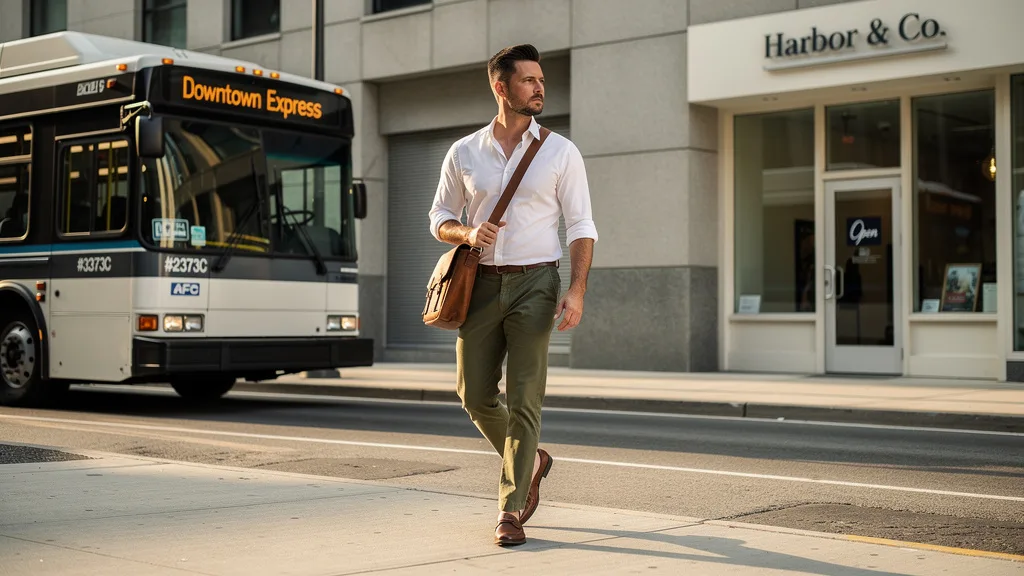
Think of it as a spectrum of formality. On one end, you have your most casual wear like jeans and shorts. Chinos sit comfortably in the middle, covering a vast range of everyday stylish moments. Trousers occupy the more formal end of the spectrum, reserved for when you need to look your absolute best.
Styling Chinos for Casual and Smart-Casual Looks
Chinos are incredibly versatile for casual and smart-casual outfits. For a relaxed weekend look, pair them with a quality t-shirt or a polo shirt and clean white sneakers. As the weather cools, a crewneck sweater or a casual jacket like a bomber or denim jacket works perfectly. This simple combination is effortlessly stylish and comfortable.
To elevate chinos for a smart-casual setting, such as a date night or a business-casual office, swap the t-shirt for a button-down shirt. You can wear it tucked or untucked depending on the specific environment. Consider pairing them with a bold shirt, as a great pair of neutral chinos can be the perfect canvas. Finish the look with leather loafers or desert boots and a matching leather belt for a polished, yet approachable, ensemble. You can even explore unique shirt styles, understanding the drop shoulder t shirt vs regular key differences to add a modern twist.
Styling Trousers for Business and Formal Events
Trousers are the foundation of any business or formal look. For a standard day at the office, pair wool or cotton-blend trousers with a crisp dress shirt. You can add a tie and a sport coat or blazer for a complete business professional outfit. The key is to ensure your shoes match the formality; opt for leather dress shoes like Oxfords or Derbies.
For more formal events like a wedding or an important business presentation, trousers should be paired with a matching suit jacket or a sharp, contrasting blazer. A high-quality wool trouser in a classic color like charcoal, navy, or black is essential. Ensure they are properly tailored with a clean break over your dress shoes for the most sophisticated and commanding presence.
Expanding the Wardrobe: Other Pant Comparisons
Once you’ve mastered the difference between chinos and trousers, you can further refine your wardrobe by understanding how they compare to other popular pant styles. Knowing the subtle distinctions between chinos and khakis, or the functional differences between chinos and jeans, gives you even more control over your personal style.
“A well-rounded wardrobe is built on understanding the nuances. Knowing when a chino is better than a jean, or a trouser is required over a chino, is the mark of a well-dressed individual. It’s about choosing the right tool for the job.”
Chinos vs Khakis: Understanding the Subtle Differences
Chinos and khakis are often confused, as they share a common military heritage and are both made of cotton. However, there are key differences. Khakis are typically made from a heavier-weight cotton twill, making them more rugged and durable. Historically, they also feature a looser, more relaxed fit and more prominent, visible stitching.
Chinos, by contrast, are made from a lighter-weight twill, giving them a smoother finish and a dressier feel. The modern chino fit is also significantly slimmer and more tapered than the traditional khaki. While both are casual, chinos are generally considered the more modern and refined option of the two.
Chinos vs Jeans: Which Should You Choose?
The choice between chinos vs jeans is a daily style decision for many. Jeans are the pinnacle of casual wear, made from rugged, durable denim. They are built for comfort and hard wear, making them ideal for purely casual, relaxed settings. Their rugged texture and construction place them firmly at the casual end of the spectrum.
Chinos offer a step up in formality. Their lightweight cotton fabric is more breathable and comfortable in warmer weather, and their clean construction provides a more polished look. Choose jeans for manual work, concerts, or very casual hangouts. Opt for chinos when you want to look a bit more put-together, such as for a first date, a family gathering, or a workplace with a smart-casual dress code. The debate also expands to other modern options; some guides even compare Chinos vs Tech Pants vs Jeans for a full spectrum of choices.
Key Takeaways
Navigating the world of men’s pants is simple once you understand the core differences. Here are the essential points to remember from the chinos vs. trousers debate:
- Fabric is Key: Chinos are made from lightweight cotton twill, making them casual and breathable. Trousers are crafted from more formal fabrics like wool, linen, or polyester, giving them a smoother drape and finish.
- Formality Dictates Choice: Chinos are the go-to for smart-casual occasions. Trousers are required for business, professional, and formal events where a polished look is essential.
- Construction Details Matter: Trousers have refined details like pressed creases, hidden closures, and lining. Chinos have a simpler construction with visible stitching, reflecting their casual nature.
- Fit Creates the Silhouette: Chinos typically offer a slim, modern fit. Trousers provide a range of fits designed to create a clean, elegant line from the waist to the shoe.
Frequently Asked Questions
Are dress pants and trousers the same thing?
Yes, for the most part, the terms “dress pants” and “trousers” are used interchangeably in modern menswear. Both refer to formal or semi-formal pants that are not chinos or jeans. They are typically made of materials like wool or polyester and are intended for business or formal occasions.
Can you wear chinos as formal wear?
The term “trousers” can sometimes be used more broadly to encompass any type of pants, but in a fashion context, it almost always implies a dressier style. When you see a dress code that requires trousers, it means you should be reaching for your dress pants.
How should chino pants fit?
No, chinos are not appropriate for formal wear. Their cotton fabric, visible stitching, and casual origins place them firmly in the casual and smart-casual categories. While you can dress them up with a blazer for a sharp look, they do not meet the standards of a formal dress code.
What color chinos are the most versatile?
For any event labeled as formal, black-tie, or even most business-professional settings, you should always opt for a pair of classic trousers, preferably as part of a suit. Wearing chinos to a truly formal event would be a significant style misstep.
Do you need to iron chinos?
A good chino fit should be slim but not skinny or restrictive. You should have enough room in the seat and thighs to move comfortably without the fabric pulling. The leg should taper gently from the knee down to the ankle, creating a clean line that rests neatly on top of your shoes.
The length is also crucial. The hem of your chinos should either have no break (ending right at the top of your shoe) or a very slight break. Avoid excessive bunching of fabric at the ankle, as this looks sloppy and disrupts the clean silhouette.
The most versatile chino colors are neutral shades that can be easily paired with a wide variety of shirts and jackets. Navy blue, beige (often called stone or khaki), and grey are the top three. These colors form a solid foundation for any smart-casual wardrobe.
A pair of navy chinos can be dressed up or down with ease, while beige is a classic choice for warmer weather and daytime events. Grey offers a sophisticated alternative that works well year-round. Once you have these basics covered, you can experiment with other colors like olive green or burgundy.
While many modern chinos are made with wrinkle-resistant fabrics, ironing them is highly recommended for a sharper appearance. A quick press with an iron or a pass with a steamer will remove any creases from wear or washing, giving you a much more polished and intentional look.
For purely casual wear with a t-shirt and sneakers, you might get away with a more relaxed, un-ironed look. However, for any smart-casual occasion where you’re pairing them with a button-down shirt or blazer, taking a few minutes to iron your chinos makes a significant difference.
Conclusion
Ultimately, the choice between chinos and trousers is a matter of context. By understanding that the core differences lie in fabric, construction, and formality, you can confidently build outfits for any occasion. Chinos offer unparalleled versatility for your everyday smart-casual style, while trousers provide the necessary polish and sophistication for your most important professional and formal moments. Mastering both is a true sign of a well-dressed man in 2026.
Now that you know the difference, it’s time to build a wardrobe that works for you. Explore our curated collections of premium pants, designed with quality fabrics and modern fits to ensure you look your best, no matter the dress code. Find your perfect pair today.
If you want help turning this into a concrete plan for your site or team, take the next step below to apply Chinos Pants vs Trousers: What’s the Difference? with confidence.
Ready to act on Chinos Pants vs Trousers: What’s the Difference?? SHOP NOW — tell us your goal, and we will help you pick the highest-leverage next step so you are not guessing alone.