
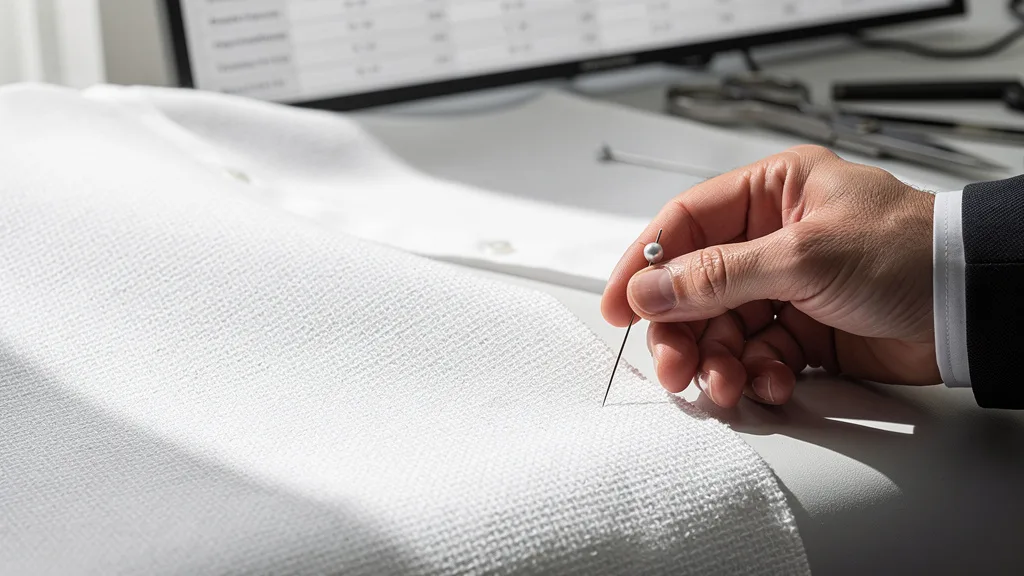
Have you ever wondered what truly separates an exceptional shirt from an average one? The difference often lies in subtle details that contribute to a garment’s longevity, comfort, and overall appearance. Understanding these markers is the key to building a wardrobe that not only looks great but also stands the test of time.
A premium shirt is defined by a combination of superior fabric, meticulous construction, an impeccable fit, and refined design details. These elements work together to create a garment that feels luxurious against the skin, drapes beautifully, and maintains its structure wash after wash. It’s an investment in quality that pays dividends in both style and durability.
The Foundation of Quality: Premium Shirt Fabrics
The journey to a premium shirt begins with the raw material. The fabric dictates the shirt’s feel, breathability, and durability. While many materials are used for shirting, high-quality cotton remains the undisputed king, prized for its softness, strength, and ability to hold color. Not all cotton is created equal, however, and the finest shirts use specific long-staple varieties.
Staple length refers to the length of the individual cotton fibers. Longer fibers can be spun into finer, stronger, and smoother yarns, which results in a more luxurious and resilient fabric. This is why understanding the type of cotton is the first step in identifying a truly premium garment. Exploring the best dress shirt fabrics reveals how each choice impacts the final product.
Egyptian vs Supima vs Sea Island Cotton Explained
The world’s most coveted shirts are crafted from Extra-Long Staple (ELS) cottons, with three names standing above the rest: Egyptian, Supima, and Sea Island. Egyptian cotton, grown in the fertile Nile River Valley, is renowned for its soft, silky feel and exceptional durability. Its long fibers create a fabric that is both lightweight and strong.
Supima is a brand name for American-grown Pima cotton that meets strict ELS standards. It is known for its incredible strength, which makes it resistant to pilling and tearing, and its superior color retention. Sea Island cotton is the rarest and most luxurious of all. Grown in the Caribbean, its exceptionally long fibers produce a fabric with an unmatched silky luster and a buttery-soft feel against the skin. For more information, you can explore the history of Sea Island cotton and its unique properties.
| Feature | Egyptian Cotton | Supima Cotton | Sea Island Cotton |
|---|---|---|---|
| Origin | Nile River Valley, Egypt | American Southwest, USA | Caribbean Islands |
| Key Trait | Softness and Durability | Strength and Color Retention | Extreme Softness and Luster |
| Rarity | Widely Available | Readily Available (Certified) | Extremely Rare |
| Best For | Luxury dress shirts, bedding | Durable everyday shirts, towels | The most luxurious, high-end garments |
What a High Thread Count Really Means for Quality
Thread count is often touted as a key indicator of quality, but the number can be misleading. It refers to the total number of threads woven into one square inch of fabric, counting both warp (vertical) and weft (horizontal) threads. While a higher thread count generally results in a smoother and denser fabric, it is not the only factor to consider.
The quality of the yarn itself is more important. A shirt made from high-quality two-ply yarn with a 120 thread count will be far superior to one made from a low-quality single-ply yarn with a 200 thread count. Two-ply means two yarns are twisted together to create a single, stronger thread. This results in a more substantial, durable, and wrinkle-resistant fabric. For most premium dress shirts, a two-ply fabric with a thread count between 100 and 140 offers an excellent balance of softness and performance.
Understanding Common Weaves: Poplin, Twill, and Oxford
The weave is how the warp and weft threads are interlaced, and it dramatically affects the shirt’s texture, appearance, and function. Poplin, also known as broadcloth, has a simple, tight over-under weave that creates a crisp, smooth, and lightweight fabric. It’s a popular choice for formal and business dress shirts due to its sharp appearance.
Twill fabrics are easily identified by their diagonal pattern, such as in herringbone or houndstooth. This structure makes the fabric softer, more pliable, and more wrinkle-resistant than poplin. Oxford cloth uses a basket weave, which gives it a slightly rougher, more substantial texture. It’s a durable and breathable option, making it a staple for more casual button-down shirts.
Superior Construction: Telltale Signs of Craftsmanship
Beyond the fabric, the way a shirt is assembled is a critical part of what makes a shirt premium. Meticulous construction techniques ensure the garment not only looks better but also lasts longer. These details are often subtle, but they represent the difference between mass-produced clothing and true sartorial quality.
From the density of the stitching to the quality of the buttons, every component plays a role. A well-made shirt is a sum of its parts, and a discerning eye can quickly spot the signs of superior craftsmanship. These markers indicate that a manufacturer has invested time and resources into creating a product built for longevity.
Stitching Density and Single-Needle Tailoring
Look closely at the seams of a shirt. A premium shirt will feature a high stitch density, typically between 18 and 22 stitches per inch (SPI). This dense stitching creates strong, flat, and neat seams that are less likely to pucker or pull apart over time. In contrast, lower-quality shirts often have a lower SPI (around 8-12), resulting in weaker and less refined seams.
Single-needle tailoring is another hallmark of a high-quality shirt. In this process, each seam is sewn with a single row of stitches, then folded over and sewn again. This creates a clean, elegant appearance from the outside and a durable, comfortable seam on the inside. It’s a more time-consuming method than the double-needle stitching found on most mass-market shirts, which is faster but produces a bulkier, less refined seam.
The Importance of High-Quality Buttons
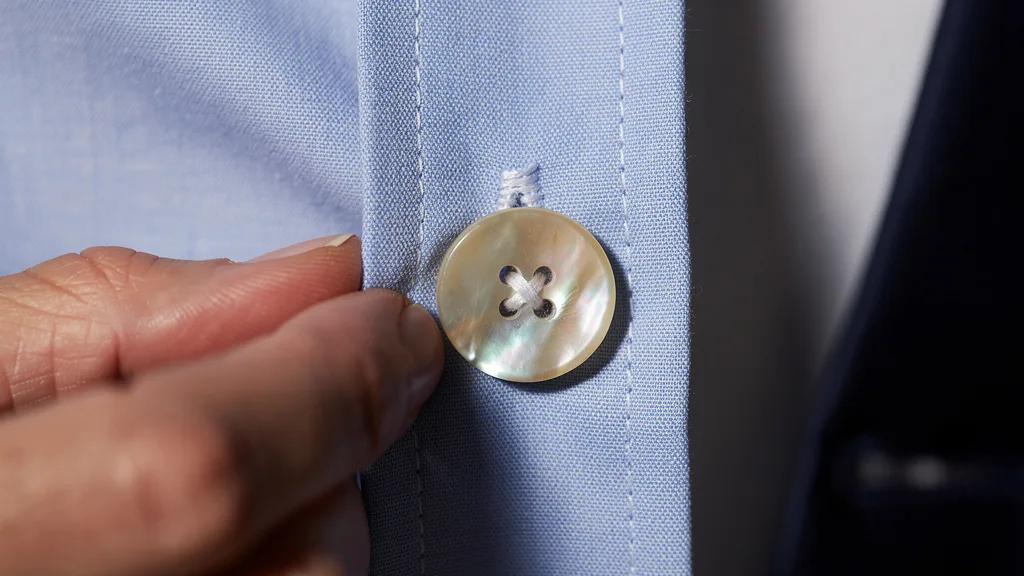
Buttons may seem like a minor detail, but they are a significant quality marker. The finest shirts use buttons made from mother-of-pearl (MOP), which are carved from the inner lining of shells. They are distinguished by their natural iridescence, depth of color, and cool, substantial feel. Because they are a natural material, each button is unique. You can learn more about this beautiful material, also known as nacre, to understand its value.
In contrast, most shirts use plastic buttons, which are prone to cracking and have a flat, cheap appearance. A premium shirt will also have its buttons attached with a shank, a small stem of thread that allows the button to stand slightly away from the fabric. This creates space for the fabric to sit smoothly when buttoned and reduces stress on the buttonhole.
Pattern Matching Across Seams and Plackets
On a patterned shirt, such as one with stripes or checks, pattern matching is a non-negotiable sign of quality. On a premium garment, the pattern will align seamlessly across different pieces of fabric. Check the front placket, the shoulder seams (where the sleeve meets the body), and across any pockets.
Achieving perfect pattern matching requires a great deal of skill from the cutter and sewer, as well as more fabric, as pieces must be cut from specific parts of the cloth. This attention to detail ensures a clean, uninterrupted visual flow across the entire shirt. It’s a costly and time-consuming process that is often skipped on lower-priced garments.
Finding the Perfect Fit: Bespoke vs Made-to-Measure Shirts
Even a shirt made from the world’s finest fabric with impeccable construction will fall flat if it doesn’t fit properly. The fit is what makes a shirt feel like it was made for you, enhancing comfort and creating a flattering silhouette. There are three main avenues to achieving a great fit: bespoke, made-to-measure, and high-quality off-the-rack.
Each option offers a different level of customization and cost, catering to different needs and budgets. Understanding the distinctions between them will help you decide which path is right for you. Whether you opt for full customization or find the perfect ready-to-wear piece, a great fit is paramount. Understanding Common Weaves: Poplin, Twill.
What to Expect from a Bespoke Shirt
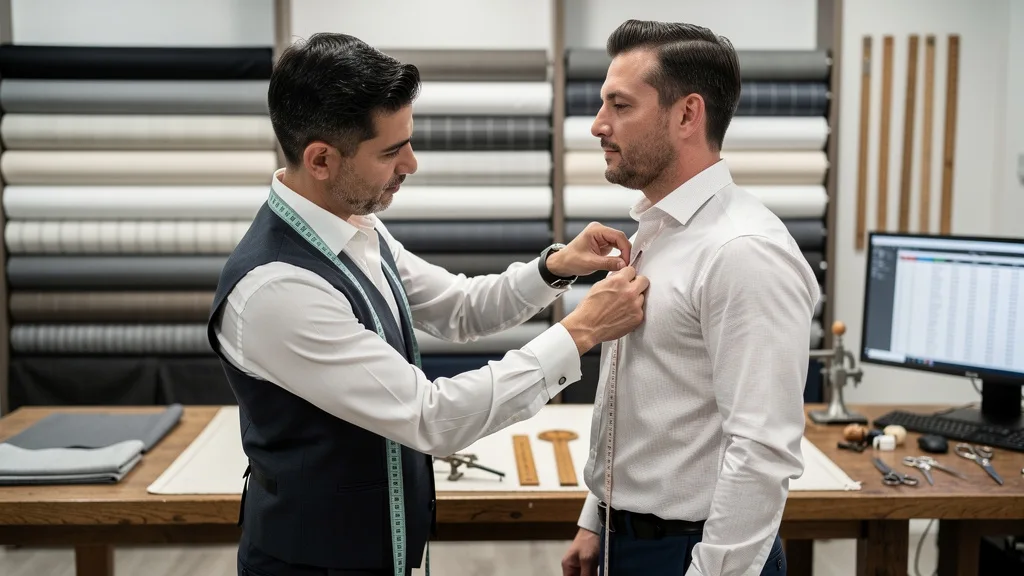
Bespoke is the pinnacle of shirtmaking. The process begins with a detailed consultation where a tailor takes dozens of measurements. A unique pattern is then drafted from scratch exclusively for you, accounting for every nuance of your posture and body shape. Several fittings are required to refine the fit before the final shirt is constructed.
With bespoke, you have complete control over every detail, from the fabric and collar style to the cuff shape and button choice. This highly personalized service results in a shirt that fits perfectly and is truly one-of-a-kind. It is the most expensive and time-consuming option, reserved for those who demand the absolute best in fit and customization.
The Advantages of Made-to-Measure
Made-to-measure (MTM) offers a great balance between customization and cost. The process starts with a pre-existing standard pattern, which is then adjusted based on your specific measurements. While it doesn’t involve creating a new pattern from scratch, it allows for significant modifications to achieve a much better fit than off-the-rack options.
MTM typically requires fewer fittings than bespoke and is more affordable. You still get to choose your fabric, collar, cuffs, and other details, making it an excellent choice for those seeking a personalized garment without the full bespoke investment. The debate over premium shirts vs. custom tailoring often highlights MTM as a powerful middle ground.
When to Choose a High-Quality Off-the-Rack Shirt
High-quality ready-to-wear, or off-the-rack (OTR), shirts from reputable brands can offer an excellent fit for many people. The key is to find a brand whose standard block fits your body type well. Many premium brands offer multiple fit profiles, such as slim, regular, or classic, to accommodate different builds.
The main advantages of OTR are convenience and immediate availability. You can try on the shirt and purchase it on the same day. While it won’t be as personalized as bespoke or MTM, a well-chosen OTR shirt made with quality materials and construction can still be a cornerstone of a stylish wardrobe.
Essential Design Details That Define a Premium Shirt
The final layer of quality in a premium shirt comes from its design details. These are the subtle features that enhance the shirt’s function, comfort, and aesthetic appeal. While they may go unnoticed by the casual observer, these elements are hallmarks of thoughtful design and superior craftsmanship.
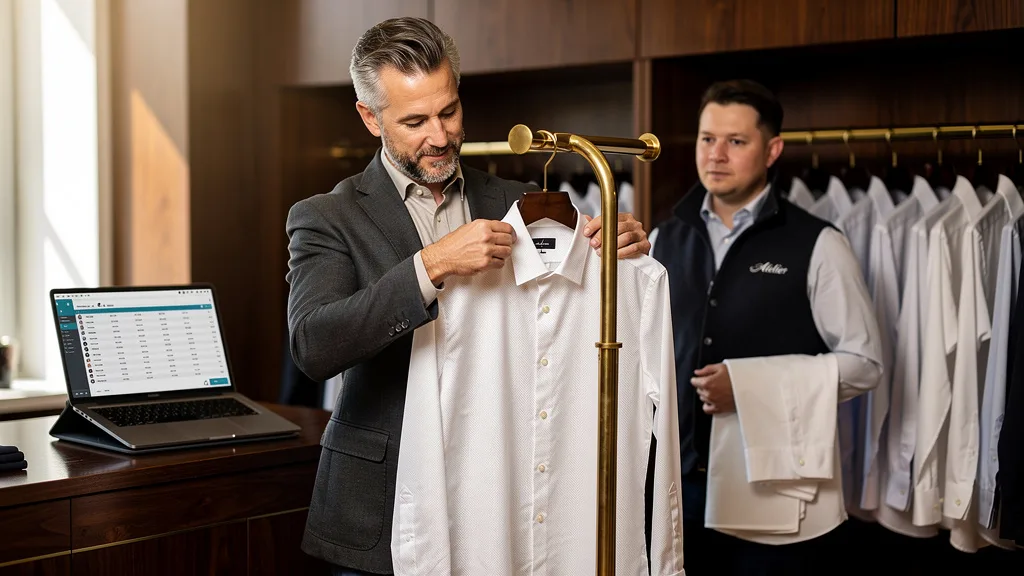
From the structure of the collar to the reinforcement at the seams, these details contribute to the overall experience of wearing the shirt. They provide better comfort, improved fit, and a more polished appearance, elevating the garment from a simple piece of clothing to a refined wardrobe essential.
Which Collar and Cuff Styles Are Considered Premium?
The collar is the most visible part of a shirt when worn with a jacket, and its construction is crucial. Premium shirts often feature a non-fused or lightly fused interlining, which gives the collar a more natural roll and feel. Removable collar stays, which are small plastic or metal strips inserted into the collar points to keep them sharp, are another standard feature.
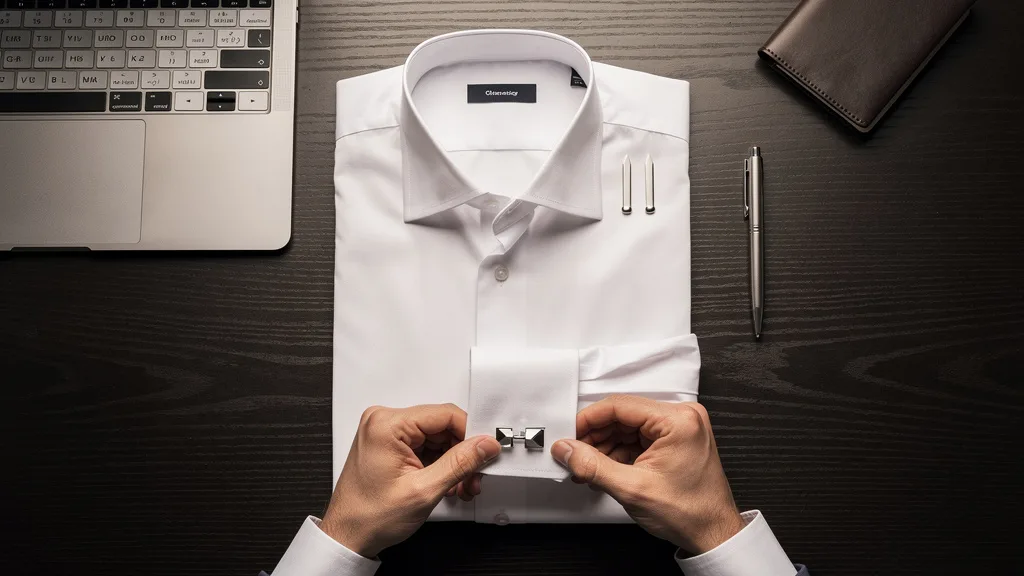
Regarding cuffs, the French cuff is a classic hallmark of a formal, premium shirt, designed to be worn with cufflinks. For standard barrel cuffs, look for multiple buttons that allow for adjustability or a mitered (angled) cuff shape for a more elegant finish. These small touches add to the garment’s sophistication.
The Role of the Yoke, Placket, and Gussets
The yoke is the panel of fabric across the top of the back that connects the sleeves and the shirt body. A split yoke, made of two separate pieces of fabric angled to meet in the middle, is a sign of a high-quality shirt. This construction allows for a better fit across the shoulders and provides more freedom of movement.
The placket is the vertical strip of fabric where the buttonholes are located. While styles vary, a well-constructed placket will be straight and flat. Finally, look for gussets, which are small, triangular pieces of fabric reinforcing the side seams at the bottom of the shirt. This small detail adds strength to a high-stress area, preventing tears and ensuring the shirt lasts longer.
Identifying the Best Premium Shirt Brands in 2026
Navigating the world of premium shirts can be daunting, with countless brands vying for your attention. In 2026, the best brands are those that consistently deliver on the quality markers discussed: superior fabrics, expert construction, and thoughtful design. This holds true whether you are looking at century-old heritage houses or modern direct-to-consumer labels.
The key is to look beyond marketing and focus on the tangible attributes of the garment itself. A brand’s reputation is built on its commitment to quality, and the best ones are transparent about their materials and manufacturing processes. Choosing the best shirt color for men is one thing, but ensuring the shirt itself is high quality is paramount.
Top-Tier Luxury Shirtmakers to Know
For those seeking the absolute pinnacle of shirtmaking, several heritage brands have set the standard for generations. Names like Turnbull & Asser of London, Charvet of Paris, and Luigi Borrelli of Naples are synonymous with luxury. These shirtmakers are known for their use of the world’s finest fabrics, extensive hand-sewn details, and a legacy of dressing royalty, presidents, and style icons.
While their prices reflect this level of craftsmanship and history, owning a shirt from one of these makers is an investment in wearable art. They represent the ultimate expression of sartorial excellence, where every detail is considered and perfectly executed.
“A great shirt is not about the logo on the chest, but the quality of the cotton, the precision of the stitching, and the confidence it gives you. In 2026, true luxury is craftsmanship you can feel.”
Affordable Alternatives to Luxury Shirt Brands
Fortunately, you don’t need to spend a fortune to own a high-quality shirt. The rise of online brands and a greater focus on quality from contemporary labels means there are many excellent, more accessible options. These brands often source their fabrics from the same prestigious mills as luxury houses but offer their products at a more competitive price point.
When evaluating these brands, apply the same criteria: look for two-ply ELS cotton, a high stitch count, mother-of-pearl buttons, and a great fit. Brands that are transparent about these details are confident in their product. At Vastgent, we pride ourselves on offering shirts that embody these principles of quality craftsmanship, providing exceptional value and timeless style.
Key Takeaways
Navigating the world of high-quality shirting is simple once you know what to look for. By focusing on a few key areas, you can confidently identify a garment that is built to last and will provide superior comfort and style. Here are the most important takeaways:
- Fabric is the Foundation: Prioritize shirts made from Extra-Long Staple (ELS) cottons like Egyptian or Supima. Look for two-ply construction for added durability and a luxurious feel.
- Construction is Critical: Examine the details. A high stitch density (18+ SPI), single-needle tailoring, and mother-of-pearl buttons are clear signs of a well-made shirt.
- Fit is Paramount: A shirt should flatter your body and allow for comfortable movement. Choose between bespoke, made-to-measure, or a well-fitting off-the-rack option from a quality brand.
- Details Define Excellence: Look for subtle markers of quality like a split yoke for better shoulder fit, removable collar stays for a sharp look, and gussets for reinforcement.
Frequently Asked Questions
How much should a good quality dress shirt cost?
In 2026, the price of a good quality dress shirt can vary significantly based on the brand, materials, and construction. For a high-quality off-the-rack shirt from a reputable brand using premium fabrics like two-ply Supima cotton, you can expect to pay between $100 and $250. This price range typically ensures you are getting excellent construction and materials.
Made-to-measure shirts often start around $150 and can go up to $400 or more, depending on fabric choice. Fully bespoke shirts are a significant investment, generally starting at $400 and easily exceeding $700, reflecting the complete customization and expert handwork involved in the process.
Are luxury shirt brands like Turnbull & Asser worth the price?
Whether a luxury shirt brand is worth its high price tag is a personal decision based on your priorities and budget. These brands offer more than just a shirt; they provide a piece of sartorial history, unparalleled craftsmanship with extensive handwork, and access to the most exclusive fabrics in the world. The fit and feel are often exceptional.
However, there are diminishing returns at the highest end. You can find a shirt with 95% of the quality for a fraction of the price from a good contemporary premium brand. For many, the value offered by modern direct-to-consumer or high-end ready-to-wear brands provides a more practical balance of quality and cost.
What is the main difference between a premium shirt and a regular one?
The main difference between a premium shirt and a regular one lies in three key areas: fabric, construction, and fit. A premium shirt uses superior raw materials, typically extra-long staple cottons like Supima or Egyptian, which are softer, stronger, and more lustrous. A regular shirt often uses lower-grade, shorter-staple cotton.
In terms of construction, a premium shirt features finer details like a higher stitch density, single-needle tailoring, and mother-of-pearl buttons, all of which enhance durability and appearance. Finally, premium brands invest more in developing refined fits, often offering multiple options to cater to different body types, whereas regular shirts are typically made in a single, less-tailored cut.
How do you properly care for a premium cotton shirt?
Proper care is essential to preserving the life and look of a premium cotton shirt. Always follow the care label, but as a general rule, machine wash on a delicate cycle with cold water to prevent shrinking and fading. Use a mild detergent and avoid fabric softeners, which can break down the natural cotton fibers.
Do not use a machine dryer, as the high heat can damage the fabric and cause shrinkage. Instead, hang the shirt to air dry on a quality hanger. For best results, iron the shirt while it is still slightly damp, using the appropriate heat setting for cotton. If you use a professional laundry service, request a hand press and no starch.
Conclusion
Ultimately, what makes a shirt premium is a dedication to quality that is evident in every thread. From the choice of long-staple cotton and the precision of a high-density stitch to the perfect alignment of a pattern, these markers collectively create a garment that offers superior comfort, style, and longevity. By learning to recognize these signs of craftsmanship, you can make more informed decisions and build a wardrobe of pieces you will truly value for years to come.
Ready to experience the difference for yourself? Explore our collection of premium shirts, kurtas, and suits, where each piece is crafted with an unwavering commitment to these principles of quality. Discover a new standard of style and comfort today. SHOP NOW.