
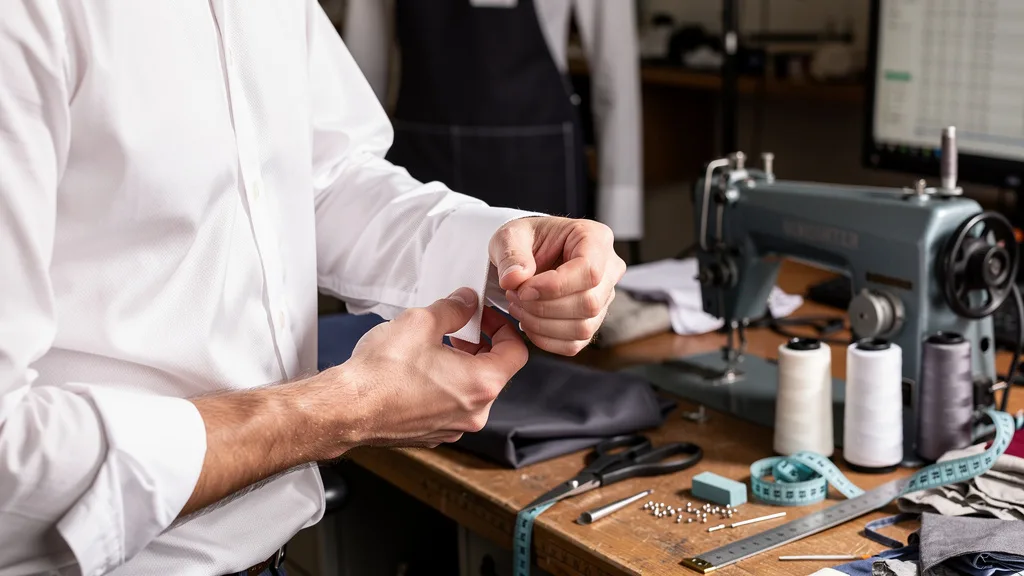
Have you ever invested in a dress shirt that looked great on the rack, only for it to lose its shape, feel scratchy, or pill after just a few washes? The secret to a long-lasting, comfortable, and stylish shirt lies almost entirely in its fabric. Understanding what separates premium material from the mediocre is the key to building a wardrobe that not only looks exceptional but also stands the test of time.
Identifying quality dress shirt fabric involves evaluating its feel, luster, and density, understanding the differences between premium cottons like Egyptian and Supima, and recognizing various weaves such as poplin and twill. Key indicators of superior quality include a smooth hand, a subtle natural sheen, and an opaque, tightly woven structure. For durability and a luxurious feel, look for two-ply construction and fabrics made from long-staple cotton fibers, which are less prone to pilling and breaking.
Key Indicators of a Quality Dress Shirt Fabric
When you’re looking for a new dress shirt, the fabric is the foundation of its overall quality. Before you even consider the fit or style, learning to spot the signs of a superior textile can transform your shopping experience. Three primary indicators: the feel, the luster, and the density, will tell you almost everything you need to know about the material in your hands.
The Feel and Hand of the Material
The first and most intuitive test is touch. A high-quality fabric should feel smooth and soft against your skin, not rough, stiff, or scratchy. The term “hand” refers to the feel and drape of the fabric. A premium shirt material will have a supple hand, meaning it drapes gracefully and moves with you, rather than feeling rigid. This luxurious feel is often the result of using long-staple cotton fibers, which create a finer, stronger, and softer yarn.
Don’t confuse softness with flimsiness. A quality fabric will also have a certain substance and weight to it. It should feel substantial, not thin or weak, indicating that it has been woven with a high density of quality threads. This balance of softness and substance is a hallmark of excellent craftsmanship.
Luster and Sheen
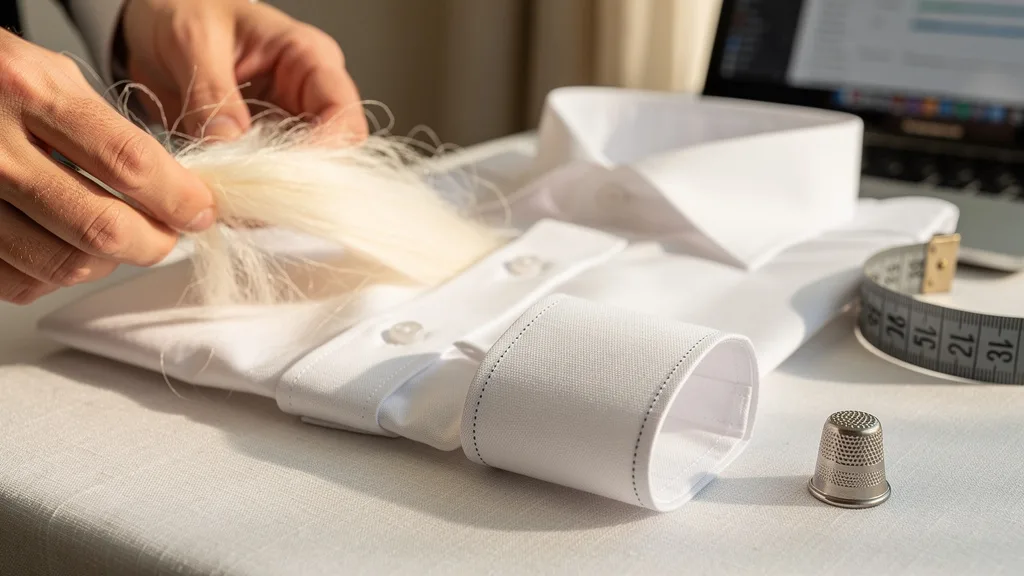
Next, observe how the fabric interacts with light. A premium dress shirt fabric will have a subtle, natural luster, not a cheap, artificial shine. This gentle sheen comes from the long, smooth surfaces of high-quality cotton fibers like Egyptian or Supima, which reflect light more evenly. In contrast, lower-quality, short-staple cottons have fuzzy fibers that protrude from the yarn, creating a dull, flat appearance.
Be cautious of fabrics with an overly glossy finish, as this can sometimes be the result of chemical treatments that will wash out over time, leaving the fabric looking lifeless. A true, lasting luster is woven into the very structure of the material and is a reliable sign of superior raw materials and production.
Fabric Density and Opacity
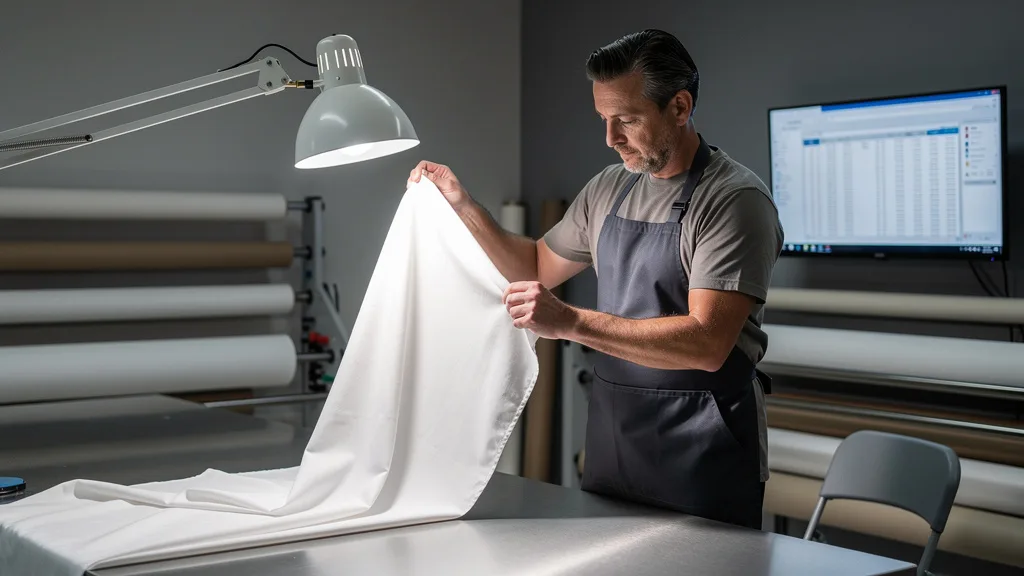
A tightly woven fabric is another critical indicator of quality. Hold the shirt fabric up to a light source to check its opacity. A well-made dress shirt, unless it is intentionally a lightweight summer style like linen, should not be transparent. You shouldn’t be able to clearly see your hand or the details of what’s behind it. High density means more threads are packed into each square inch, resulting in a more durable, opaque, and stable fabric.
This density also contributes to the shirt’s longevity. Tightly woven fabrics are less likely to snag, fray, or develop holes over time. They also hold their shape better after washing and wearing, resisting the stretching and warping that can plague poorly made garments. You can find more detail in our complete guide to dress shirt fabrics.
Premium Cotton Types Compared: Egyptian vs Supima vs Sea Island
Not all cotton is created equal. The length of the cotton fiber, known as the “staple,” is the single most important factor in determining its quality. Extra-long-staple (ELS) cottons produce the softest, strongest, and most luxurious fabrics. Three names stand out in the world of premium cotton: Egyptian, Supima, and Sea Island.
Egyptian Cotton: The Gold Standard
Grown in the Nile River Valley, Egyptian cotton is renowned for its extra-long fibers that create yarns of incredible strength and softness. These long fibers can be spun into very fine threads, resulting in a fabric that is both lightweight and highly durable. Shirts made from genuine Egyptian cotton are exceptionally soft, breathable, and become even softer with each wash. Its ability to absorb liquid means it accepts dyes deeply, leading to richer and more vibrant colors.
Supima Cotton: American-Grown Excellence
Supima cotton is the American-grown equivalent of Egyptian cotton. It is a specific type of Pima cotton that meets rigorous standards set by the Supima Association, ensuring it is 100% pure extra-long-staple cotton. Its fibers are 35% longer than average, which increases its softness and resistance to pilling. Supima is also known for its strength, making it twice as strong as regular cotton, and for its superior color retention, ensuring your shirt looks new for longer.
Sea Island Cotton: The Rarest Luxury
Considered the rarest and most luxurious cotton in the world, Sea Island cotton is the cashmere of cottons. Grown in the Caribbean, it has the longest staple fibers of any cotton type, which results in an impossibly silky and smooth fabric with a beautiful natural luster. Due to its rarity and the delicate process required to cultivate and weave it, Sea Island cotton commands a very high price and is reserved for the most exclusive, high-end dress shirts.
| Cotton Type | Fiber Length | Key Characteristics | Best For |
|---|---|---|---|
| Egyptian Cotton | Extra-Long Staple (ELS) | Exceptional softness, durability, and breathability. Becomes softer over time. | Luxury daily wear and formal shirts. |
| Supima Cotton | Extra-Long Staple (ELS) | High strength, superior color retention, and resistance to pilling. | Durable, high-performance dress shirts. |
| Sea Island Cotton | Superlative ELS | The rarest and softest; silky feel with a unique natural luster. | Ultimate luxury and special occasion shirting. |
Understanding Fabric Weave for Daily Wear
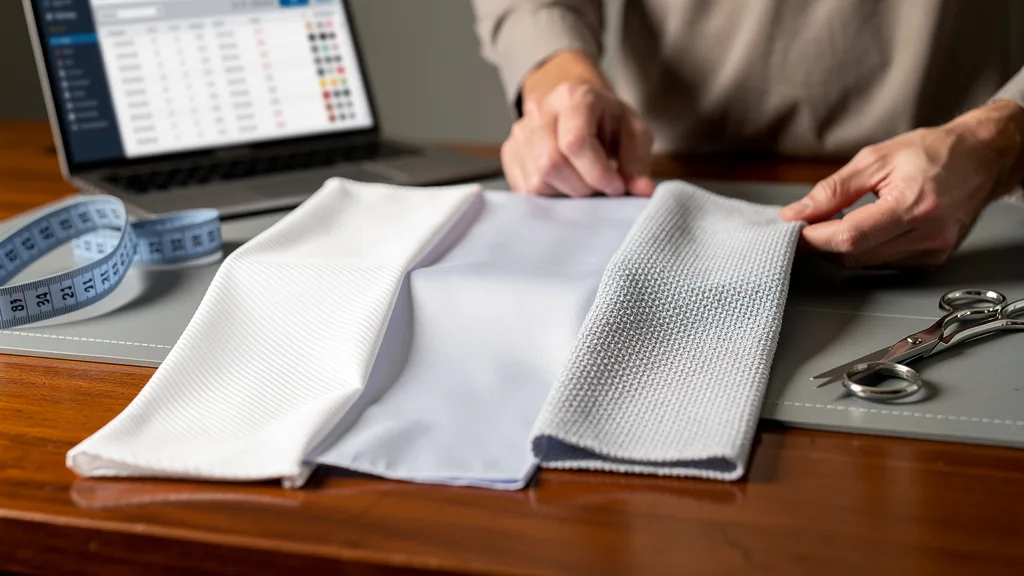
Beyond the type of cotton, the weave of the fabric significantly impacts a shirt’s texture, appearance, and performance. The weave is the pattern in which the horizontal (weft) and vertical (warp) threads are interlaced. Different weaves are suited for different occasions and climates.
Twill: Durable and Wrinkle-Resistant
Twill fabrics are easily identifiable by their distinct diagonal pattern, like that seen on denim jeans. This structure makes twill a very durable and sturdy option. It has a beautiful drape, is softer than poplin, and is naturally wrinkle-resistant, making it an excellent choice for travel and daily workwear. Twill is slightly heavier and less breathable than poplin, so it’s often preferred for cooler months. Understanding the difference between poplin vs twill can help you choose the right shirt for any season.
Poplin: Crisp, Cool, and Lightweight
Poplin, also known as broadcloth, features a simple, tight over-under weave that creates a smooth, crisp, and lightweight fabric. It has a flat surface with very little texture, giving it a sharp and formal appearance. Poplin is highly breathable, making it an ideal choice for warm weather or for wearing under a suit jacket. Its only downside is that it tends to wrinkle more easily than twill or oxford weaves.
Oxford: A Versatile and Casual Staple
Oxford cloth uses a basketweave structure where multiple weft threads cross over an equal number of warp threads. This creates a more textured, substantial fabric that is highly durable yet softens beautifully over time. While traditional Oxford cloth is considered more casual and is the hallmark of the iconic Oxford-cloth button-down shirt, finer variations like Pinpoint Oxford offer a more formal alternative that can be worn with a suit.
How Fabric Ply and Thread Count Affect Quality
When shopping for premium shirts, you’ll often see terms like “thread count” and “ply” mentioned. While they can be indicators of quality, they are also frequently misunderstood. Knowing what these terms really mean can help you make a more informed decision.
Decoding Thread Count Numbers
Thread count refers to the total number of threads woven into one square inch of fabric, counting both warp and weft threads. A higher thread count generally indicates a finer, smoother, and more densely woven fabric. However, this number can be misleading. Exceptionally high thread counts (above 200) are often achieved using thinner, weaker threads that can compromise the fabric’s durability.
Instead of focusing solely on a high number, consider it in conjunction with other factors like the fiber quality and ply. A shirt with a moderate thread count (e.g., 80-140) made from high-quality 2-ply, long-staple cotton will almost always outperform a shirt with a higher thread count made from inferior materials.
The Role of Ply in Durability and Price
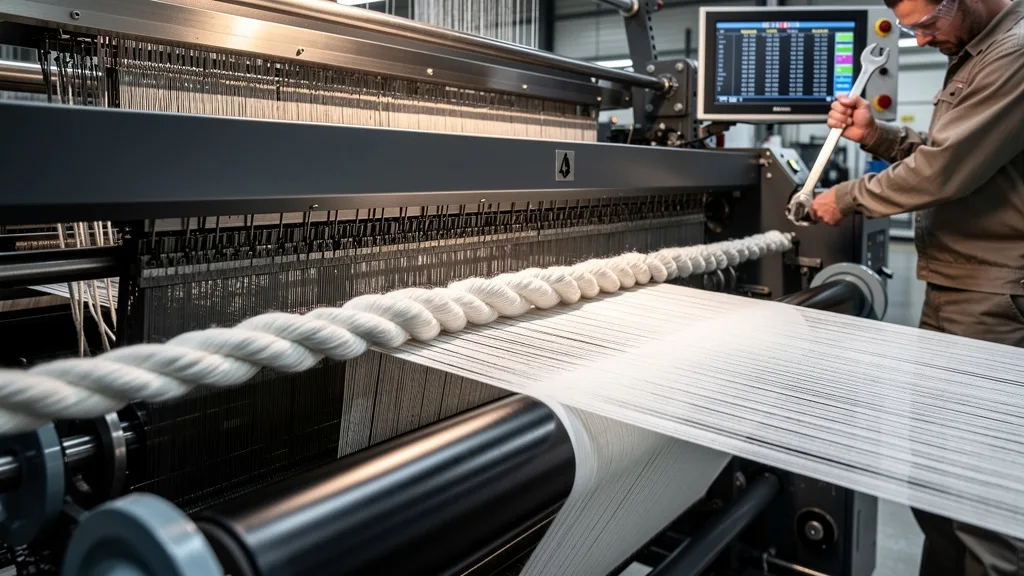
Ply refers to the number of yarns twisted together to make a single thread. A single-ply (or 1-ply) fabric uses a single yarn, while a two-ply (or 2-ply) fabric uses two yarns twisted together. This twisting process creates a stronger, more durable, and more substantial thread. Consequently, 2-ply fabrics are more resistant to wear and tear, have a richer feel, and are less transparent.
While 2-ply construction increases the cost of the fabric, it is a hallmark of high-quality shirting. Most premium dress shirts are made with 2-ply fabric in both the warp and weft for maximum durability and a luxurious hand. Always check the label for 2-ply construction when investing in a quality dress shirt.
Modern Fabric Innovations for 2026
The world of textiles is constantly evolving, and 2026 brings exciting innovations that blend traditional quality with modern performance. Today’s best fabrics offer more than just a good look and feel; they provide convenience, comfort, and sustainability.
The Best Non-Iron Dress Shirt Fabrics
Forget the stiff, chemically treated non-iron shirts of the past. Modern non-iron technology focuses on a fabric’s natural properties and advanced finishing processes. Many of the best non-iron dress shirt fabrics in 2026 are made from high-quality, long-staple cotton that is specially treated to resist wrinkles. These shirts offer excellent wrinkle recovery after washing and wearing, maintaining a crisp look throughout the day without sacrificing breathability or softness.
Performance Fabric Alternatives to Traditional Cotton
For the man on the go, performance fabrics offer a compelling alternative. These are often blends of cotton with advanced synthetic fibers like Tencel™, modal, or a small percentage of elastane. These blends introduce properties like four-way stretch, moisture-wicking capabilities, and enhanced durability. The result is a shirt that looks as sharp as traditional cotton but moves with you and keeps you cool and dry, making it perfect for travel or long days at the office.
Latest Innovations in Sustainable Shirt Fabrics
Sustainability is a major focus in fabric innovation for 2026. Brands are increasingly turning to materials like organic cotton, which is grown without harmful pesticides, and recycled fibers. Another key innovation is the use of closed-loop fibers like Tencel™ Lyocell, which is derived from sustainably sourced wood pulp and produced in a process that recycles over 99% of the water and solvents used. These fabrics offer a silky-smooth feel and excellent breathability while minimizing environmental impact.
How to Physically Test Fabric Quality Before You Buy
While understanding the technical aspects is important, some of the most reliable tests for fabric quality are simple and can be done right in the store. These physical checks help you assess a garment’s real-world performance before you make a purchase.
The Wrinkle Test
One of the easiest tests is the wrinkle test. Grab a small section of the shirt fabric (the tail is a good spot) and clench it tightly in your fist for 30 seconds. When you release it, observe how the fabric responds. High-quality fabrics made from long-staple fibers will spring back with minimal wrinkling. If the fabric remains heavily creased, it’s likely made from lower-quality materials and will require constant ironing to look presentable.
The Light Test for Transparency
As mentioned earlier, the light test is a great way to gauge fabric density. Hold the fabric up to a store light or a window. A quality dress shirt should be relatively opaque. If you can easily see through it, it suggests a low thread count or thin, weak yarns. This not only affects the shirt’s appearance but also its durability over the long term.
Checking for Stitching and Seam Quality
A premium fabric is almost always paired with superior construction. Examine the shirt’s seams and stitching. High-quality shirts feature a high number of stitches per inch (SPI), typically 18-22 SPI. This creates strong, clean, and pucker-free seams. Also, check for single-needle stitching along the side seams, a technique that produces a more refined and durable finish. These are some of the expert tips for choosing the perfect dress shirt that go beyond just the fabric.
Key Takeaways
Navigating the world of dress shirt fabrics can be simple if you know what to look for. To ensure you’re investing in quality that will last, keep these key points in mind on your next shopping trip. Here’s a quick summary of what we’ve covered:
- Trust Your Touch: Quality fabric feels smooth, soft, and substantial. It should have a natural, subtle luster, not a cheap shine.
- Know Your Cottons: Extra-long-staple cottons like Egyptian, Supima, and Sea Island are the gold standard for softness and durability.
- Weave Matters: Choose a weave based on your needs. Poplin is crisp and cool for formal wear, Twill is durable and wrinkle-resistant for daily use, and Oxford is a versatile casual staple.
- Look for 2-Ply: Two-ply construction, where two yarns are twisted into a single thread, creates a stronger, more durable, and more luxurious fabric than single-ply.
- Don’t Obsess Over Thread Count: A very high thread count isn’t always better. A moderate count with high-quality fibers and a 2-ply weave is superior.
- Embrace Modern Fabrics: Consider performance blends for stretch and moisture-wicking benefits, and look for sustainable options like organic cotton or Tencel™ for eco-conscious style.
Frequently Asked Questions
How much should you expect to pay for a shirt made from premium fabric?
The price of a quality dress shirt can vary widely based on the fabric, brand, and construction. For a shirt made from premium 2-ply, long-staple cotton like Supima or high-grade Egyptian, you can generally expect to pay between $80 and $250 in 2026. Shirts made from ultra-rare fabrics like Sea Island cotton can cost significantly more. For more details on costs, especially for specific sizing, our guide on shirt costs provides additional insights.
Is a higher thread count always better for dress shirts?
No, a higher thread count is not always better. While it can indicate a smoother fabric, quality is more dependent on the fiber type (long-staple is best) and the ply (2-ply is more durable). An extremely high thread count can sometimes be achieved with thinner, weaker threads, resulting in a less durable fabric. A thread count between 80 and 140 made from 2-ply, long-staple cotton is often the sweet spot for quality and durability.
How do you properly care for high-quality shirt fabrics?
To preserve the life of your premium dress shirts, wash them in cold water on a gentle cycle with like colors. Avoid using harsh detergents or bleach. It’s best to hang them to air dry or tumble dry on a very low heat setting to prevent shrinkage and damage to the fibers. For best results, iron while the shirt is still slightly damp, and always follow the specific care instructions on the garment’s label.
What is the best all-season dress shirt fabric?
A medium-weight twill or pinpoint oxford is often considered the best all-season choice. Twill drapes well and is wrinkle-resistant, making it great for daily office wear, and it has enough substance for cooler months. Pinpoint is a finer version of oxford cloth that is breathable enough for warmer weather but still substantial enough for year-round comfort, striking a perfect balance between formal and casual.
Are linen or silk good choices for formal dress shirts?
While both are luxurious fabrics, they have drawbacks for formal wear. Linen is incredibly breathable and perfect for hot, casual settings, but it wrinkles very easily, making it less ideal for a sharp, formal look. Silk is smooth and has a beautiful luster, but it can be delicate, show perspiration easily, and is often too shiny for conservative business environments. For formal occasions, high-quality cotton remains the undisputed standard.
Conclusion
Learning how to identify quality dress shirt fabric in 2026 empowers you to build a wardrobe of lasting value and style. By focusing on the tangible qualities of feel, luster, and weave, and understanding the importance of fiber type and ply, you can confidently distinguish a superior garment from a fleeting trend. A well-made shirt is an investment in your comfort and presentation, and choosing the right fabric is the most crucial step in making that investment wisely.
Now that you’re equipped with the knowledge to spot exceptional quality, explore a collection crafted with these principles in mind. Discover shirts made from the world’s finest materials, designed for discerning individuals who appreciate true craftsmanship. SHOP NOW.