


Have you ever wondered why some premium shirts maintain their crisp, new look for years while others fade and lose their shape after just a few washes? The secret lies not in avoiding wear, but in adopting a mindful approach to garment care. Investing in high-quality apparel is only the first step; knowing how to maintain it ensures you can enjoy its superior fit, feel, and style for a long time.
Proper care tips for premium shirts: keep them looking new for years involves a combination of pre-wash preparation, correct washing techniques, gentle drying, precise ironing, and smart storage. By understanding care labels, treating stains promptly, and choosing the right methods for fabrics like fine cotton and lawn, you can significantly extend the life and pristine appearance of your favorite garments.
Pre-Wash Preparation for Premium Shirts
Before your shirt even touches water, a few preparatory steps can make all the difference in preserving its quality. This initial phase sets the stage for a successful wash, preventing damage and ensuring a thorough clean. Taking a moment to unbutton the shirt, including the cuffs and collar, helps reduce stress on the seams and buttonholes during the wash cycle.
Additionally, it’s wise to check all pockets for any forgotten items like pens or receipts that could cause stains or damage. For shirts with removable collar stays, always take them out before washing. This prevents them from getting bent, broken, or lost, and it also protects the collar fabric from unnecessary strain and potential tearing.
How to Read and Understand Care Labels
The small tag sewn into your shirt is the most critical source of information for its care. These labels use a standardized system of symbols to provide clear instructions on washing, bleaching, drying, ironing, and dry cleaning. A washtub symbol indicates the recommended washing method and maximum water temperature, while a triangle provides guidance on using bleach. A square symbol pertains to drying, an iron symbol shows the appropriate heat setting, and a circle gives instructions for professional dry cleaning.
Ignoring these symbols can lead to irreversible damage like shrinkage, color bleeding, or fabric degradation. For example, a shirt made from a delicate cotton-linen blend may require a cold wash and air drying, while a sturdy poplin might tolerate a warmer cycle. Understanding these instructions is fundamental to proper shirt care and ensures you are treating the specific fabric as the manufacturer intended.
Effective Stain Removal Techniques for Dress Shirts
Stains are an unfortunate reality, but addressing them quickly and correctly can prevent them from becoming permanent. The golden rule of stain removal is to act fast. Gently blot the fresh stain with a clean, white cloth to absorb as much of the substance as possible, working from the outside in to prevent it from spreading. Avoid rubbing, as this can push the stain deeper into the fabric fibers.
For common stains like coffee or wine, a pre-treatment with a dedicated stain remover or a simple paste of cold water and baking soda can be effective. Always test any cleaning solution on an inconspicuous area, like the inside of a hem, to ensure it doesn’t cause discoloration. For oil-based stains, a small amount of dish soap can help break down the grease before washing as usual.
Essential Washing Care Tips for Your Best Shirts
The washing process is where many premium shirts suffer the most damage. Using the wrong cycle, temperature, or detergent can quickly diminish the look and feel of high-quality fabric. By adopting a gentler approach, you can effectively clean your shirts while preserving their integrity, color, and shape for many years.

Before placing shirts in the machine, it’s best practice to turn them inside out. This minimizes friction on the outer surface, protecting the color and texture from fading and pilling. It also helps preserve any special details like mother-of-pearl buttons. Separating laundry by color—whites, lights, and darks—is another non-negotiable step to prevent color transfer and keep your whites bright.
Choosing Between Machine Washing and Hand Washing
While many modern washing machines have excellent delicate cycles, hand washing remains the safest method for your most treasured or delicate shirts. Garments made from fine lawn, silk blends, or those with intricate embroidery benefit greatly from the gentle handling of a hand wash. To do this, fill a clean basin with cold water and a small amount of mild detergent, submerge the shirt, and gently agitate it. Let it soak for about 30 minutes before rinsing thoroughly with cool water.
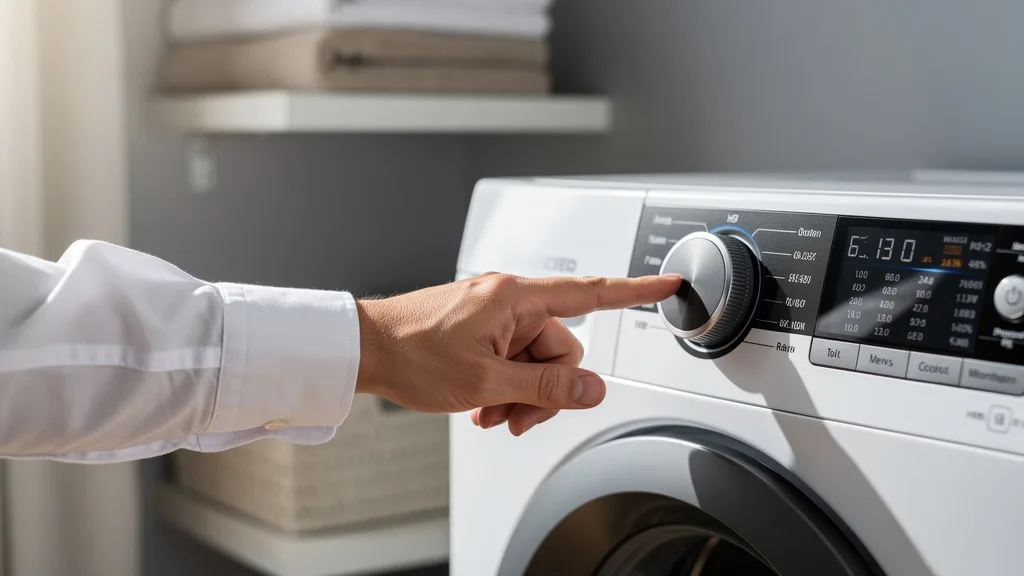
For durable cotton shirts, a machine wash is perfectly acceptable. Use the delicate or permanent press cycle, which uses a slower spin speed and a cool-down period to reduce wrinkling. Avoid overloading the machine, as this prevents proper cleaning and can cause excessive creasing. Washing just a few shirts at a time gives them room to move freely, resulting in a better clean and less stress on the fabric.
“The longevity of a premium shirt is a testament not just to its construction, but to the care it receives. A few extra minutes spent on proper washing and drying can add years to its life.”
Selecting the Correct Detergent and Water Temperature
The type of detergent and water temperature you choose play a significant role in fabric preservation. Opt for a mild, pH-neutral liquid detergent, as powders can sometimes fail to dissolve completely and leave a residue on darker fabrics. Harsh detergents with strong chemicals or excessive brighteners can strip colors and weaken fibers over time.
As a general rule, wash your premium shirts in cold water. Cold water is effective at cleaning, gentler on fibers, and excellent at preventing colors from fading and the garment from shrinking. Warm water can be used for white shirts to help lift stubborn dirt, but hot water should almost always be avoided. Properly caring for the best breathable fabrics for dress shirts ensures they remain comfortable and look great.
Drying and Ironing for a Flawless Finish
How you dry and press your shirt is just as important as how you wash it. This final stage is what creates a crisp, polished appearance and ensures the garment is ready to wear. Improper techniques can introduce new problems, from shrinkage to shine or even burn marks, undoing all the careful work from the washing phase.

The goal is to remove moisture and wrinkles without subjecting the fabric to excessive heat or stress. A little patience and the right tools are all you need to achieve a professional-looking finish at home. This attention to detail will set your shirts apart, keeping them looking sharp and well-maintained every time you wear them.
Why Air Drying Is Often the Best Method
The high heat of a conventional tumble dryer is one of the biggest enemies of premium fabrics. It can cause significant shrinkage, weaken elastic fibers, and fade vibrant colors. For these reasons, air drying is the superior method for all high-quality shirts. After washing, gently shake out the shirt to release major wrinkles and hang it on a wide, sturdy hanger.
Wooden or padded hangers are ideal as they support the shoulder structure and help the shirt maintain its natural shape as it dries. Allow it to air dry indoors or in a shady spot outside, as direct sunlight can cause colors to fade. While it takes longer, this method is the single best way to preserve the fit and integrity of the fabric for the long term.
A Step-by-Step Guide to Ironing a Shirt Perfectly
A perfectly ironed shirt conveys attention to detail. For the best results, iron your shirt while it is still slightly damp. If it’s completely dry, use a spray bottle to lightly mist it with water. Always check the care label for the recommended iron temperature setting.
- Start with the Collar: Iron the underside of the collar first, from the points inward to the center. Then, flip it over and do the same on the top side.
- Move to the Cuffs: Unbutton the cuffs and lay them flat. Iron the inside first, then the outside, carefully maneuvering around the buttons.
- Iron the Sleeves: Lay one sleeve flat on the ironing board and press it smooth. You can create a crisp crease along the top edge if desired.
- Press the Front Panels: Iron one front panel at a time, navigating carefully around the button placket.
- Finish with the Back: Lay the back of the shirt flat, starting with the yoke (the shoulder panel), and iron the remainder of the back panel.
- Hang Immediately: Once finished, immediately place the shirt on a hanger and button the top button to allow it to cool and set without new wrinkles forming.
Proper Storage to Maintain Shirt Shape and Quality
Your shirts spend more time in your closet than they do on your body, making proper storage essential for long-term preservation. Tossing them onto a chair or cramming them into a crowded drawer will quickly lead to wrinkles and can even distort the fabric and collar shape. A well-organized closet is a key component of your garment care routine.

The primary goal of storage is to protect the shirt’s structure, keep it clean, and allow the fabric to breathe. Giving your shirts adequate space prevents them from getting crushed and wrinkled, which means less time spent re-ironing. This simple habit protects your investment and ensures your shirt is always ready to wear when you need it.
Selecting the Right Hangers for Your Shirts
The type of hanger you use matters immensely. Thin wire hangers from the dry cleaner are a shirt’s worst enemy. They offer no shoulder support, causing the fabric to stretch and pucker around the shoulders, creating unsightly bumps. Over time, they can even rust and stain your clothes.
Instead, invest in wide hangers made of wood or molded plastic that mimic the natural slope of your shoulders. A cedar hanger is an excellent choice as it not only provides great support but also helps absorb moisture and repel moths. When hanging, be sure to fasten the top button and perhaps one or two more down the placket to help the collar and front of the shirt keep their shape.
The Importance of a Shirt Rotation System
Just like people, fabric fibers need time to rest and recover between wears. Wearing the same shirt too frequently without allowing it to air out can cause it to lose its shape and develop premature signs of wear, particularly around the collar and cuffs. Implementing a simple shirt rotation system can significantly extend the life of your entire collection.
A straightforward method is to hang freshly laundered shirts on one end of your closet and always select your shirt for the day from the other end. This naturally ensures that each shirt gets an equal amount of wear and rest. This practice is just as important as avoiding the 5 common mistakes when buying premium shirts in the first place, as it protects your investment after the purchase.
When to Use Professional Dry Cleaning Services
While many premium shirts can be cared for at home, there are times when professional dry cleaning is the best or only option. Shirts made from delicate materials like silk, wool, viscose, or certain blends should typically be entrusted to a professional. These fabrics can be easily damaged by water, and the solvents used in dry cleaning are much safer for them.
Dry cleaning is also the best solution for removing stubborn, set-in stains, especially oil-based ones. Furthermore, if you need an exceptionally crisp, professional press for a major event, a good dry cleaner can deliver a finish that is difficult to replicate at home. However, it’s important not to over-rely on dry cleaning for all your shirts, as the chemicals can be harsh on cotton fibers over time. Use it strategically for the right garments and situations.
Key Takeaways
Mastering the art of shirt care is simple when you follow a few core principles. These key takeaways will help you preserve the quality, fit, and appearance of your premium shirts for years to come.
- Always Read the Label: The care tag is your most reliable guide for washing, drying, and ironing instructions tailored to the specific fabric.
- Act on Stains Immediately: Promptly blotting and pre-treating stains before they set is crucial for successful removal.
- Wash Gently: Use cold water and a mild liquid detergent. Choose the delicate cycle on your machine or hand wash for the best results.
- Avoid the Tumble Dryer: Air dry your shirts on wide, supportive hangers to prevent shrinkage, fading, and fabric damage.
- Iron While Damp: For a crisp, professional finish, iron your shirt while it is still slightly damp, following a systematic process from collar to body.
- Store with Care: Use quality wooden or padded hangers and give your shirts space in the closet to breathe and maintain their shape.
- Rotate Your Collection: Allow fabric fibers to rest and recover between wears by rotating through your shirts regularly.
Frequently Asked Questions
Here are answers to some common questions about maintaining the quality and appearance of your apparel.
How can I keep my clothes looking brand new?
To keep your clothes looking new, focus on a few key habits. Wash them less frequently and in cold water with a gentle detergent to prevent fading and fiber breakdown. Always avoid high-heat tumble dryers, opting for air drying instead. Treat stains immediately, store garments properly on quality hangers or folded neatly, and make prompt repairs like sewing on a loose button.
By minimizing exposure to heat, friction, and harsh chemicals, you preserve the fabric’s original color, texture, and shape. A consistent and gentle care routine is the most effective way to maintain that brand-new look and feel for as long as possible.
What is the 3-3-3 rule for clothes?
The 3-3-3 rule is a minimalist wardrobe challenge or concept, often used for travel or simplifying one’s closet. It typically involves choosing three tops, three bottoms, and three pairs of shoes to create a versatile capsule wardrobe for a set period. The idea is to focus on high-quality, interchangeable pieces rather than a large quantity of clothes.
This approach encourages mindful consumption and highlights the value of investing in durable, versatile garments. When you have fewer items, you are often more motivated to care for them properly, aligning perfectly with the principles of extending the life of premium apparel.
How do you make a shirt look more premium?
Making a shirt look more premium often comes down to the details and finish. A flawless, crisp press is the most impactful step; ensure there are no wrinkles, especially on the collar, cuffs, and placket. Replace any cheap-looking plastic buttons with higher-quality options like mother-of-pearl or corozo. Ensure the fit is perfect, as even a high-quality shirt looks poor if it’s ill-fitting; a tailor can make minor adjustments for a custom look.
Finally, always ensure the shirt is impeccably clean, with a bright collar and cuffs. Using collar stays will keep your collar points sharp and prevent them from curling, instantly elevating the shirt’s overall appearance. These small touches signal quality and attention to detail.
Is it possible to make an old shirt look new again?
While you can’t completely reverse years of wear, you can significantly refresh an old shirt to give it a new lease on life. Start with a deep cleaning soak using an oxygen-based brightener to restore whiteness and remove yellowing. Use a fabric shaver to carefully remove any pilling that has built up over time. For shirts that have stretched, a controlled wash in warm water followed by careful air drying can sometimes help restore some shape.
A professional dry cleaner can also work wonders with a professional pressing that re-establishes crisp lines. Finally, replacing worn-out buttons and ensuring the collar is sharp can dramatically improve its appearance, making an old favorite look much closer to new.
Conclusion
Maintaining the impeccable look of your premium shirts doesn’t require complex or expensive treatments. By integrating these simple care tips for premium shirts: keep them looking new for years into your routine, from pre-wash preparation to mindful storage, you protect the craftsmanship and quality of your investment. A little attention to detail ensures every shirt in your collection remains a source of confidence and style for the long haul.
Ready to build a wardrobe worthy of this level of care? Explore our collection of premium shirts, kurtas, and suits, crafted from the finest materials for lasting style and comfort. Find your next favorite piece today.
If you want help turning this into a concrete plan for your site or team, take the next step below to apply Care Tips for Premium Shirts: Keep Them Looking New for Years with confidence.
Ready to act on Care Tips for Premium Shirts: Keep Them Looking New for Years? SHOP NOW — tell us your goal, and we will help you pick the highest-leverage next step so you are not guessing alone.