

Do you ever wonder why your new formal shirts lose their sharp, confident fit after just a few washes? Maintaining that fresh-from-the-store crispness is possible, but it requires more than a simple toss in the laundry. The secret lies in a consistent care routine that protects the fabric’s integrity from pre-wash to storage.
To properly care for formal shirts and keep them crisp, you must follow a methodical process. This involves reading the care label, pre-treating any stains, washing with the correct detergent and temperature, air-drying on a quality hanger, ironing in a specific sequence, and storing it with adequate space in your closet. Each step is crucial for preserving the fabric, color, and structure of your garment for years to come.
Pre-Wash Preparation for Lasting Quality
The longevity and appearance of your formal shirts begin long before they enter the washing machine. Proper preparation is the foundation of effective garment care, ensuring that colors remain vibrant and the fabric stays strong. Taking a few extra moments to sort clothes and address stains can prevent irreversible damage and keep your shirts looking immaculate.
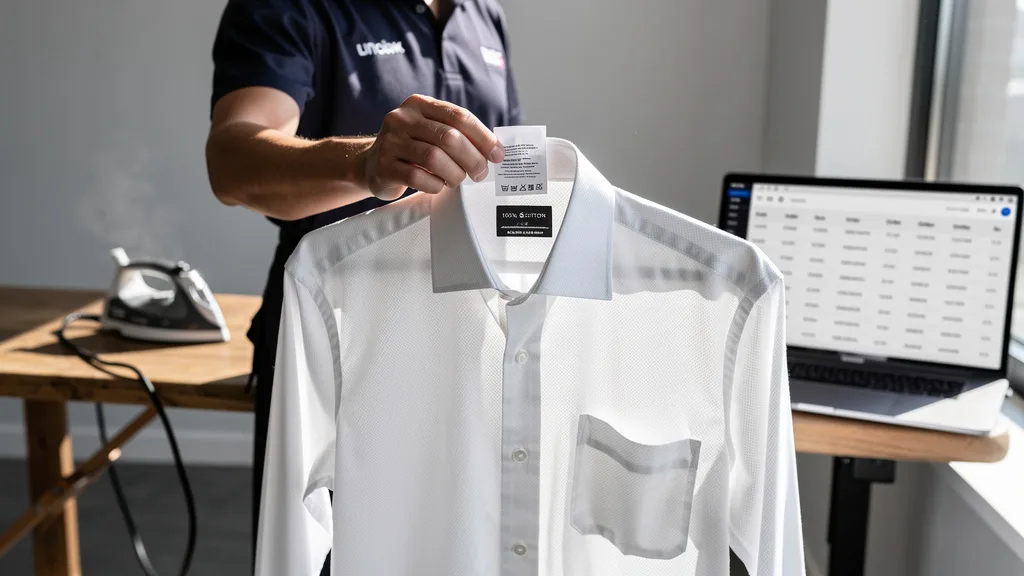
This initial phase involves two critical steps: deciphering the care instructions unique to your shirt’s fabric and pre-treating any spots or stains. Skipping this stage can lead to faded colors, shrunken material, or set-in stains that become permanent. Investing time here ensures a better outcome from your laundry routine.
Reading and Understanding Fabric Care Labels
The small tag inside your shirt is your most reliable guide to proper care. These labels use a universal set of symbols to provide specific instructions on washing, bleaching, drying, and ironing. For example, a tub icon indicates washing instructions, with dots inside representing the maximum water temperature. A triangle symbol pertains to bleaching, a square to drying, and an iron icon to ironing settings.
Understanding these symbols is essential for preserving the lasting quality of your garments. A label might specify a cold wash to protect the color or forbid tumble drying to prevent shrinkage. Ignoring these directives can quickly ruin a high-quality shirt, compromising its fit and feel. Always check the label before proceeding with any cleaning method.
How to Pre-Treat Stains on Cotton Fabric
Stains happen, but they don’t have to be permanent if you act quickly. For common spills like coffee, wine, or oil on soft cotton fabric, it’s best to blot the area immediately with a clean, damp cloth. Avoid rubbing, as this can spread the stain and damage the fabric fibers. For tougher, set-in stains, a dedicated pre-treatment solution is your best ally.
Apply a small amount of stain remover directly to the affected area and let it sit for a few minutes before washing, following the product’s instructions. For a gentler approach, a paste of water and a mild detergent can be applied to the stain. Addressing stains before washing prevents them from setting into the fabric under the heat of the water or dryer.
The Correct Washing Process for Formal Shirts
Once your shirts are prepped, the washing process itself is key to maintaining their structure and color. The goal is to clean the garment thoroughly while minimizing stress on the fabric, seams, and collar. Your choices regarding detergent, water temperature, and washing method will directly impact how crisp and new your shirt looks over time.
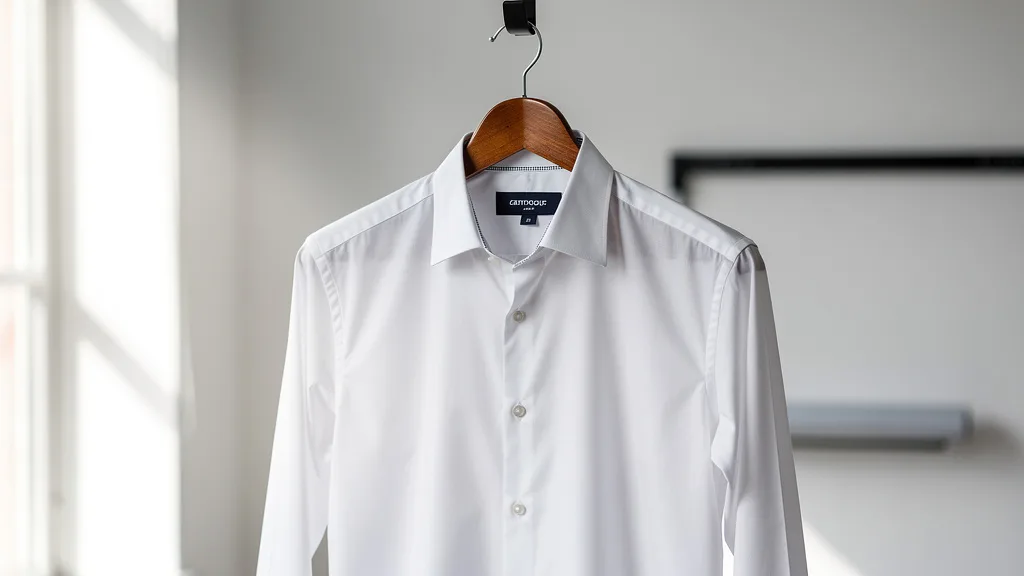
Before washing, always unbutton all buttons, including those on the cuffs and collar. This reduces stress on the buttonholes and thread, preventing them from stretching or breaking. For an extra layer of protection, especially for shirts with delicate details, consider placing them in a mesh laundry bag before putting them in the machine.
Choosing the Right Detergent and Water Temperature
Not all detergents are created equal. For premium formal shirts, opt for a high-quality, mild liquid detergent that rinses clean and doesn’t leave residue, which can stiffen fabric. Powdered detergents can sometimes fail to dissolve completely in cold water, leaving chalky marks on darker fabrics.
Water temperature is equally important. As a general rule, use cold water for dark and brightly colored shirts to prevent fading. For white and light-colored shirts, warm water can help remove body oils and brighten the fabric. Always default to the temperature recommended on the care label to avoid accidental shrinkage or damage.
Machine Washing vs. Hand Washing Your Shirts
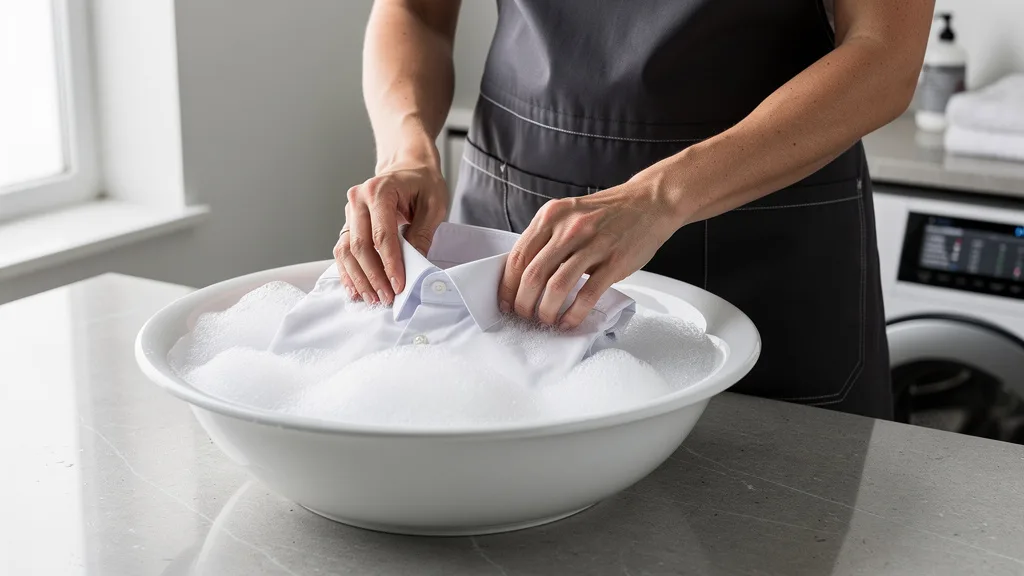
Hand washing is the gentlest method for cleaning formal shirts and is highly recommended for delicate fabrics like silk or fine cotton blends. It gives you complete control over the process, minimizing wear and tear. However, modern washing machines can also be effective if used correctly.
If you choose to machine wash, select the delicate or gentle cycle, which uses a slower spin speed and less agitation. Avoid overloading the machine to ensure each shirt has enough room to be cleaned properly without excessive friction. The following table breaks down the key differences to help you decide which method is best for your garments. 5 Common Mistakes When Buying.
| Feature | Hand Washing | Machine Washing (Delicate Cycle) |
|---|---|---|
| Gentleness on Fabric | Highest | Moderate |
| Stain Removal Power | Good (with targeted treatment) | Very Good |
| Time Commitment | Higher | Lower |
| Best For | Delicate fabrics, high-end shirts | Durable cotton, regular wear |
| Risk of Damage | Low | Low to Moderate (if done correctly) |
Does Vinegar Stop Clothes from Fading?
Yes, distilled white vinegar can be a helpful, natural addition to your laundry routine to help maintain color vibrancy. Adding about a half-cup of vinegar to the final rinse cycle can help set the dye in the fabric, reducing the likelihood of bleeding and fading over time. It acts as a natural fabric softener by dissolving any lingering alkaline soap or detergent residue.
This method is particularly effective for new, brightly colored shirts. The acidic nature of vinegar helps to lock in the colors, keeping them brilliant for longer. Don’t worry about the smell; it dissipates completely as the clothes dry, leaving your shirts feeling soft and looking sharp.
Drying Techniques to Avoid Damage and Wrinkles
How you dry your formal shirts is just as crucial as how you wash them. The high heat of a conventional dryer is one of the biggest culprits behind shrinkage, fabric damage, and stubborn wrinkles. Choosing a gentler drying method will extend the life of your shirt and make the ironing process significantly easier.
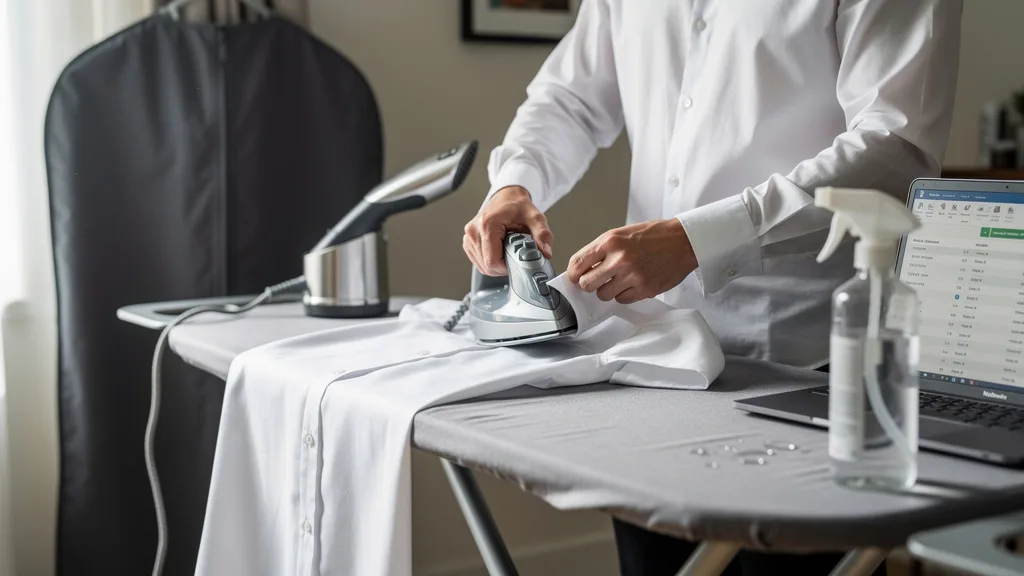
The primary goal is to remove moisture without stressing the fibers or setting in creases. Whether you choose to air dry or use a machine, the right technique will help maintain the shirt’s original size, shape, and smooth finish. A few simple adjustments can make a world of difference in achieving that desired crisp appearance.
Why Air Drying on a Quality Hanger Is Best
Air drying is the gold standard for caring for formal shirts. It is the gentlest method, completely eliminating the risk of heat damage or shrinkage. Immediately after washing, give the shirt a gentle shake to release major wrinkles, then place it on a wide, sturdy hanger, preferably made of wood or padded material.
Fasten the top button and shape the collar and cuffs to ensure they dry in the correct position. This simple step helps the shirt maintain its structure and significantly reduces the amount of ironing required. Allow the shirt to dry completely in a well-ventilated area away from direct sunlight, which can cause colors to fade.
Using a Tumble Dryer on a Low Heat Setting
If you are short on time and must use a tumble dryer, always select the lowest possible heat setting, such as ‘delicate’ or ‘air fluff’. High heat is the enemy of fine fabrics, causing them to shrink and weaken over time. Never dry your formal shirts completely in the machine. Best Shirt Colour for Men.
Instead, remove them while they are still slightly damp. This makes ironing much more effective, as the remaining moisture helps the iron glide smoothly and press out any wrinkles. Once removed from the dryer, immediately place the shirt on a proper hanger to prevent new creases from forming.
A Guide to Ironing for a Perfectly Sharp Fit
A perfectly ironed shirt is the final step in achieving a truly crisp and professional appearance. Ironing not only removes wrinkles but also restores the fabric’s sharp finish, making you look polished and put-together. Mastering the right technique ensures you get a flawless result without scorching or damaging the material.
“A perfectly ironed shirt is the foundation of a sharp, professional look. Taking the time to do it right shows an undeniable attention to detail and respect for your appearance.” – Fashion Expert
With the right tools and a methodical approach, anyone can learn to iron like a professional. The key is to work in a specific sequence, starting with the smaller, more intricate parts of the shirt before moving to the larger panels. This ensures a smooth, wrinkle-free finish across the entire garment.
Preparing Your Iron and Ironing Surface
Before you begin, ensure your iron’s soleplate is clean and free from any residue, which can transfer onto your shirt. If your iron has a steam function, fill it with distilled water to prevent mineral buildup that can clog the steam vents and stain your clothes. Set the iron to the temperature recommended on the shirt’s care label, typically a cotton setting.

Your ironing surface should be a sturdy, flat board with a clean, heat-reflective cover. If your shirt is slightly damp, that’s ideal. If it’s completely dry, use a spray bottle to lightly mist the fabric with water before ironing. This moisture helps to relax the fibers and makes it easier to press out wrinkles for a sharp fit.
The Proper Ironing Sequence: Collar, Cuffs, and Sleeves
A professional finish comes from a consistent, logical sequence. Always start with the collar. Iron the underside first, working from the outer points toward the center. Then, flip it over and repeat on the top side. This prevents creases from forming at the collar points.
Next, move to the cuffs. Unbutton them and lay them flat, ironing the inside first and then the outside. For the sleeves, lay one flat on the board and iron from the shoulder down to the cuff. Flip the sleeve over and iron the other side, being careful not to create a sharp crease down the center unless that is your preferred style. The evolution of formal shirts has led to various styles, but a smooth, uncreased sleeve is a timeless classic.
Finishing the Body for a Flawless Look
With the smaller parts done, you can now focus on the main body of the shirt. Start with the front panel that has the buttons. Carefully iron around the buttons, never over them, as the heat can cause them to crack or melt. Then, iron the rest of the panel, known as the placket.
Next, iron the plain front panel on the other side. Proceed to the back of the shirt, starting with the yoke (the double-layered section across the shoulders). Finally, iron the remaining large back panel. Once finished, immediately place the shirt on a hanger and button the top button to preserve your work.
Proper Storage to Maintain a Crisp Appearance
Your hard work of washing and ironing can be undone in an instant by improper storage. To maintain that crisp, ready-to-wear look, how you hang and store your shirts is critically important. The right hanger and sufficient closet space will protect the shirt’s shape and prevent new wrinkles from forming.
Think of your closet not just as a storage space but as a place to preserve your garments. A few simple adjustments can ensure that when you reach for a shirt, it looks just as good as it did when you finished ironing it. This final step locks in the crispness and ensures a polished appearance every time.
Selecting the Right Hangers to Prevent Stretching
The type of hanger you use matters immensely. Thin wire hangers are a formal shirt’s worst enemy. They provide inadequate support for the shoulders, causing the fabric to pucker and stretch over time, creating unsightly bumps. They can also rust and stain your clothes.
Instead, invest in wide, contoured hangers made from wood or molded plastic. These hangers mimic the natural slope of your shoulders, providing even support across the garment and preserving its intended shape. For delicate or slippery fabrics, padded or velvet-flocked hangers offer extra grip and protection.
Giving Your Shirts Adequate Space in the Closet
A crowded closet is a recipe for wrinkles. When shirts are packed too tightly together, the fabric becomes compressed and creased, undoing all your careful ironing. To prevent this, ensure there is at least an inch of space between each hanger.
This breathing room allows air to circulate, which helps keep fabrics fresh and prevents any residual moisture from causing mustiness. It also allows you to easily see and access your shirts without disturbing the ones next to them. An organized, well-spaced closet is the final touch in a perfect shirt care routine.
Solving Common Formal Shirt Care Problems
Even with the best care routine, you may occasionally encounter common issues like a cracking collar, pilling fabric, or an overly stiff shirt. Fortunately, most of these problems are preventable and fixable with the right knowledge. Understanding the cause is the first step to finding an effective solution.
These issues often stem from product buildup, excessive friction, or incorrect washing techniques. By making small adjustments to your process, you can address these problems and restore your shirt to its former glory, ensuring it remains a staple in your wardrobe for years to come. Red Shirts for Men.
How to Stop a Shirt Collar from Cracking
A cracked or frayed collar is often caused by a buildup of body oils, sweat, and hair products, which can weaken the fabric over time. Aggressive scrubbing or improper ironing can also contribute to the problem. To prevent this, pay special attention to the collar during pre-treatment.
Gently apply a stain remover or a small amount of liquid detergent to the inside of the collar before each wash. When ironing, press the collar flat, working from the tips inward, and avoid folding it along the seam while it’s still hot. This allows the fibers to cool in a neutral position, reducing stress on the fold line.
How to Stop a Shirt from Getting Fuzzy or Pilling
Pilling, the formation of small fuzzy balls on the fabric surface, occurs when fibers break and tangle due to friction. While lower-quality fabrics are more prone to pilling, it can happen to any shirt if not cared for properly. The key to prevention is minimizing abrasion during the washing and wearing process.
Always wash your men’s shirts inside out on a gentle cycle. Avoid washing them with heavy, abrasive items like jeans or towels. Using a mesh laundry bag provides an extra layer of protection. Air drying is also preferable to tumble drying, as it reduces friction. Choosing shirts made from high-quality, long-staple cotton, like many of the best breathable fabrics for dress shirts, can also significantly reduce the likelihood of pilling.
How to Soften a Stiff or Overly Crisp Shirt
A shirt can feel stiff or scratchy due to detergent residue, mineral buildup from hard water, or excessive use of starch. If your shirt feels uncomfortably crisp, the solution is often a simple rinse and repeat, but with a few adjustments.
Re-wash the shirt on its own without any detergent, adding a half-cup of distilled white vinegar to the rinse cycle. The vinegar will help break down and strip away the residue that’s causing the stiffness. For future washes, ensure you are using the correct amount of detergent and consider using a water softener if your area has hard water.
Key Takeaways
Knowing how to care for formal shirts to keep them crisp is a skill that elevates your entire wardrobe. By integrating a few key practices into your routine, you can dramatically extend the life and look of your favorite shirts. Here are the most important points to remember:
- Always Read the Label: The care tag is your most reliable source of information for washing, drying, and ironing temperatures.
- Prepare Before Washing: Always unbutton the shirt, pre-treat any stains, and pay special attention to the collar and cuffs.
- Wash Gently: Use a mild detergent, choose the correct water temperature (usually cold for colors), and select a delicate cycle or hand wash for best results.
- Air Dry Whenever Possible: Avoid the high heat of a tumble dryer. Hang your shirts on wide, supportive hangers to dry naturally, which prevents shrinkage and reduces wrinkles.
- Iron with a System: Iron while the shirt is slightly damp, starting with the collar, then cuffs, sleeves, and finally the body for a flawless, sharp fit.
- Store Properly: Use quality wooden or padded hangers and give your shirts enough space in the closet to prevent wrinkling and maintain their shape.
Frequently Asked Questions
How often should you wash a formal shirt?
Ideally, a formal shirt should be washed after every single wear. Even if it doesn’t look visibly dirty, the fabric absorbs body oils, sweat, and deodorant, which can build up over time. This buildup can lead to discoloration, particularly around the collar and underarms, and can weaken the fabric fibers.
Can you use starch on all formal shirts?
Washing your shirt promptly after wearing it prevents these substances from setting into the fabric, making them much easier to remove. This practice not only keeps your shirts hygienic and fresh but also contributes significantly to their long-term preservation and crisp appearance.
Is it better to dry clean or wash formal shirts at home?
While spray starch can help achieve an extra-crisp finish, it is not suitable for all fabrics. It works best on 100% cotton or cotton-blend shirts. However, you should avoid using starch on non-iron shirts, as it can interfere with the chemical finish that gives them their wrinkle-resistant properties. Starch can also build up over time, making fabrics stiff and potentially attracting pests.
What is the best way to pack a formal shirt for travel?
If you choose to use starch, apply it lightly and evenly from a distance of about 6-10 inches before ironing. For a more subtle stiffness, you can opt for a liquid starch solution added to the final rinse cycle of your wash. Always start with a small amount to see how the fabric reacts.
For most high-quality cotton and cotton-blend formal shirts, washing at home is not only safe but often preferable. Home washing gives you more control over the process, allowing you to use gentle detergents and avoid the harsh chemicals sometimes used in dry cleaning, which can wear down fabric over time. A well-executed home laundry routine can keep your shirts in excellent condition.
However, dry cleaning is recommended for shirts made from delicate materials like silk, wool, or certain synthetic blends that may not tolerate water well. Always defer to the care label. If it says “Dry Clean Only,” it is best to entrust it to a professional cleaner.
To minimize wrinkles when packing, lay the ironed and buttoned shirt face down on a flat surface. Fold the sleeves toward the center, then fold the sides in toward the middle. Finally, fold the bottom half of the shirt up to meet the collar. This creates a neat, compact rectangle that is less likely to crease.
For even better results, you can place a piece of tissue paper on the shirt before folding to reduce friction. Alternatively, some travelers prefer to roll their shirts tightly instead of folding them. Upon arrival, unpack your shirts immediately and hang them up. Any minor wrinkles can often be steamed out by hanging the shirt in the bathroom during a hot shower.
Conclusion
Mastering how to care for formal shirts to keep them crisp is an investment in your personal presentation and the longevity of your wardrobe. By following a consistent routine of proper washing, drying, ironing, and storage, you protect the fabric’s integrity and ensure your shirts maintain their sharp fit and vibrant color. These simple, deliberate steps transform garment care from a chore into a craft, preserving the quality of your premium apparel for years of confident wear.
Now that you understand the techniques to maintain your collection, perhaps it’s time to add a new staple piece. Explore our curated selection of premium men’s shirts, crafted from the finest fabrics and designed for a perfect fit. Discover the difference that quality makes and apply your new skills to a shirt built to last. Take the next step in elevating your style by browsing our latest arrivals.