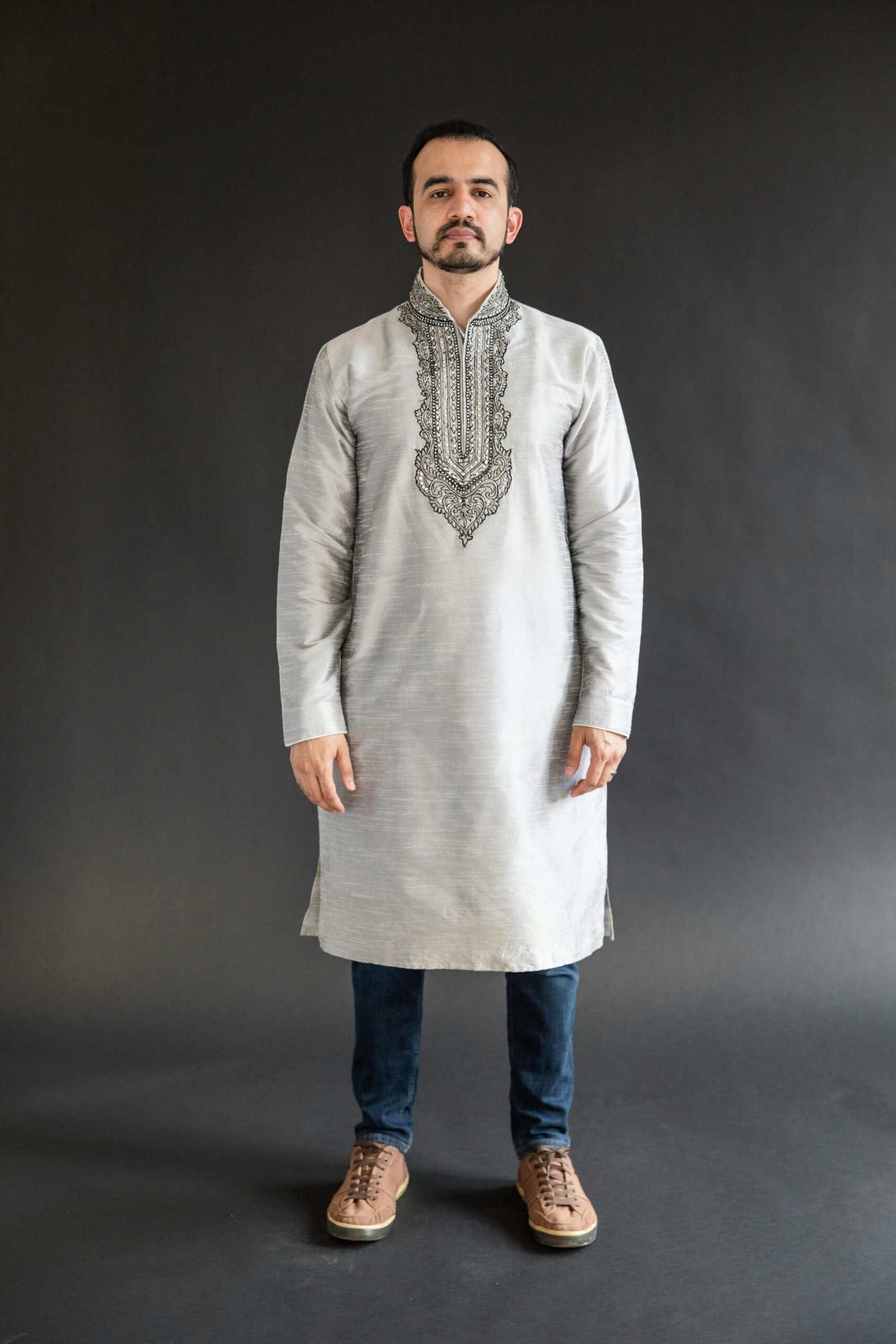


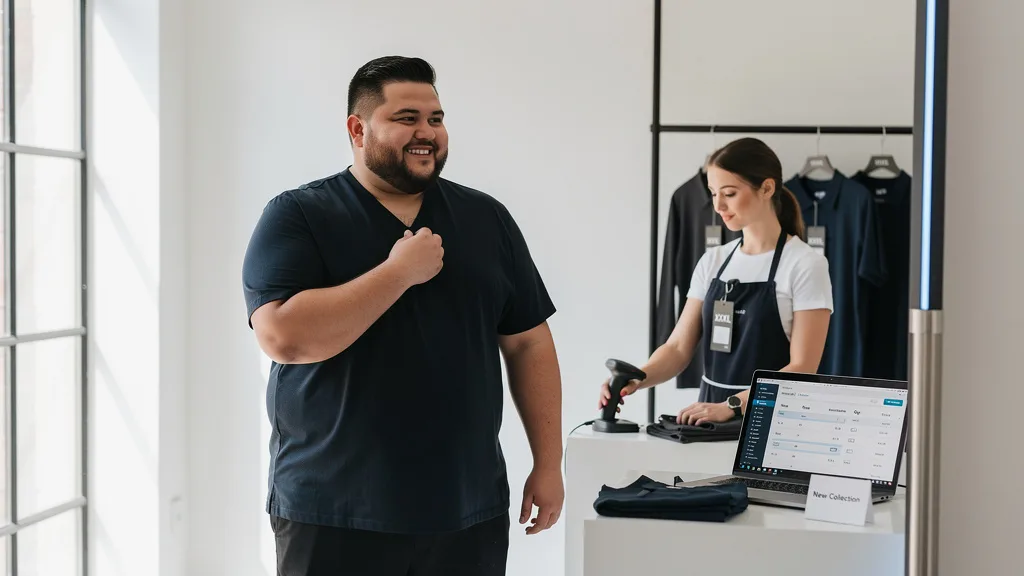
Tired of the guessing game when shopping for shirts online? Finding a premium shirt that fits just right shouldn’t be a matter of luck. Learning how to measure for a perfect XXXL shirt fit every time is the single most important step you can take to ensure comfort, style, and confidence in your wardrobe. It empowers you to shop online with certainty, knowing your new garment will look and feel like it was made for you.
To get a perfect XXXL shirt fit, use a soft measuring tape to find your chest, waist, and ideal shirt length. Measure your chest at its fullest point, your waist at your natural crease, and length from your shoulder to where you want the hem. Compare these numbers to the brand’s specific XXXL size chart to ensure a comfortable and flattering fit that avoids common issues like pulling at the chest or excessive bagginess.
Why a Perfect Fit Matters for XXXL Shirts
A perfect fit is more than just a size on a tag; it’s the foundation of great style and all-day comfort. For XXXL shirts, getting the fit right is crucial. A shirt that’s too tight can feel restrictive, pull at the buttons, and accentuate areas you’d rather not highlight. Conversely, a shirt that’s too baggy can look sloppy and hide your frame, defeating the purpose of wearing a premium, well-constructed garment.
When your shirt fits correctly, it drapes smoothly over your body without clinging or billowing. This not only boosts your confidence but also ensures the longevity of the clothing. Fabric that is constantly strained at the seams or buttons is more likely to wear out prematurely. Investing a few minutes in measuring guarantees that your apparel looks sharp, feels great, and lasts longer.
Essential Tools for Accurate Body Measurements
Gathering the right tools is the first step toward getting precise measurements. You don’t need a professional setup, just a few simple items that you likely already have at home. Having these ready will make the process quick, easy, and accurate.
For the most reliable results, you will need the following:
- A Soft Measuring Tape: This is the most critical tool. A flexible tailor’s tape will conform to your body’s curves, providing accuracy that a rigid metal measuring tape cannot.
- Pen and Paper (or a Notes App): You’ll want to jot down your measurements as you take them so you can easily refer to them while shopping.
- A Full-Length Mirror: This helps you ensure the tape is level and not twisted as you measure, especially when measuring your chest and waist.
- A Well-Fitting Shirt (Optional): If you have a shirt that you love the fit of, you can measure it directly as a point of comparison.
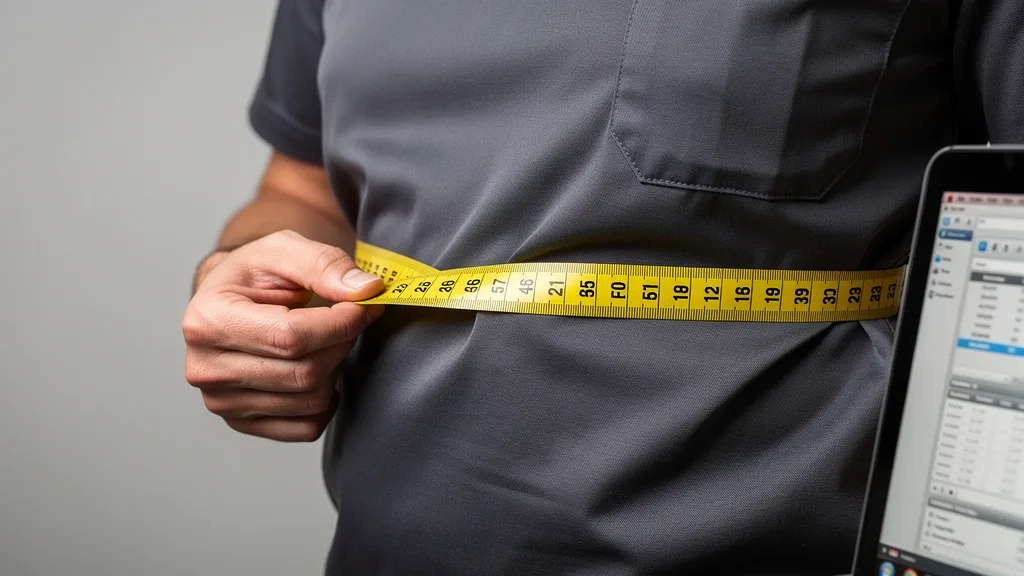
Taking your own measurements is a straightforward process. For the best accuracy, wear a thin t-shirt or be shirtless. Stand in a relaxed, natural posture and don’t pull the tape too tight. It should be snug against your body but not constricting—you should be able to fit one finger underneath it.
Step 1: Measuring Your Chest
The chest measurement is often the most important number for determining your shirt size. A correct chest fit prevents pulling across the front and ensures comfortable arm movement. To measure your chest, stand up straight and relax your shoulders.
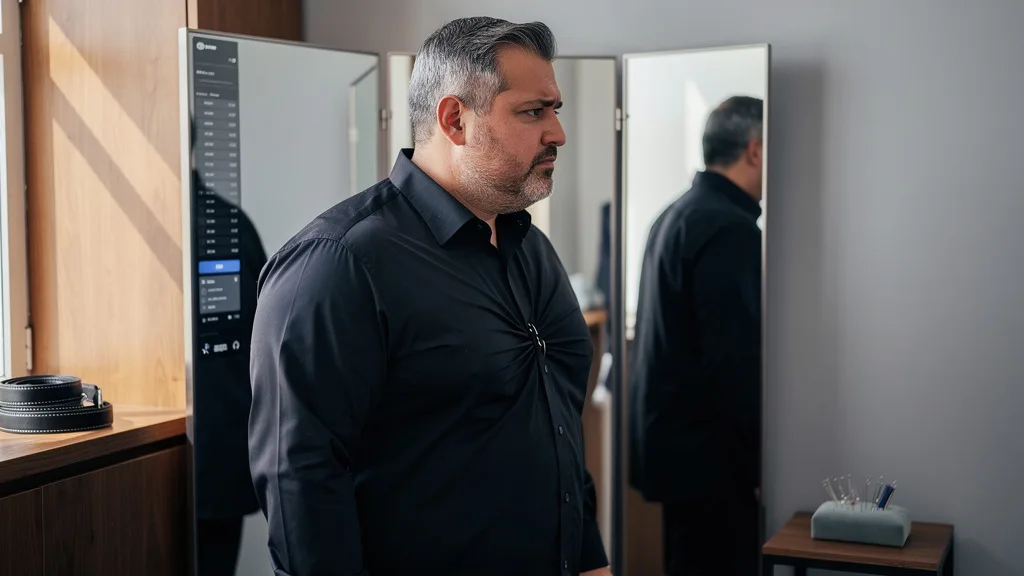
Wrap the soft measuring tape around the fullest part of your chest, typically just under your armpits and across your shoulder blades. Make sure the tape is parallel to the floor all the way around your body. Take a normal breath in and out, and record the measurement on the exhale. This number is your core chest measurement.
Step 2: Measuring Your Waist and Hips
Your waist measurement helps ensure the shirt doesn’t fit too tightly around your midsection, while the hip measurement is key for longer shirts, such as kurtas or untucked button-downs. To find your natural waist, bend to one side; the crease that forms is your waistline. It’s usually located just above your belly button.
Wrap the tape measure around your natural waistline, keeping it level with the floor. Don’t suck in your stomach. For the hip measurement, stand with your feet together and measure around the fullest part of your hips and buttocks. Recording both numbers will help you find a shirt that drapes well from top to bottom.
Step 3: Measuring Your Ideal Shirt Length
Shirt length is a matter of personal preference but is crucial for a polished look. A shirt that’s too short can ride up when you move, while one that’s too long can look untidy. To find your ideal length, place the end of the measuring tape at the top of your shoulder, where the shoulder seam of a shirt would typically sit.
Let the tape hang down your front and decide where you want the hem to fall. For a standard t-shirt or casual shirt meant to be worn untucked, this is often around the mid-zipper area of your pants. For a formal dress shirt you plan to tuck in, you’ll need a longer length. Note this measurement to ensure your shirts are never awkwardly short or excessively long.
Decoding the XXXL Shirt Size Chart
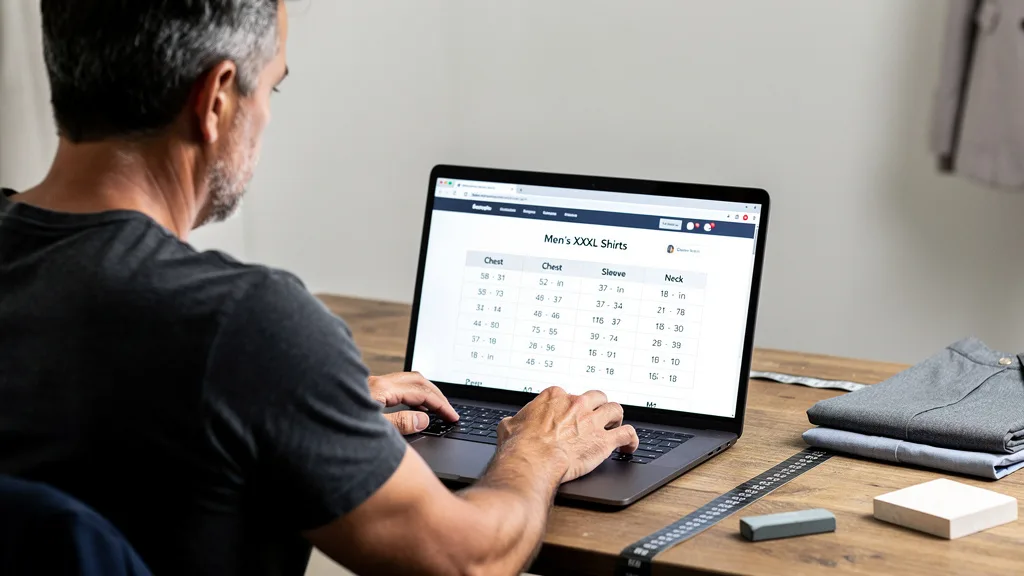
Once you have your measurements, the next step is to compare them to a brand’s size chart. It’s vital to remember that there is no universal standard for sizing. A 3XL from one brand may have different dimensions than a 3XL from another. Always refer to the specific shirt size chart on the product page you are considering.
“Always trust the brand’s size chart over generic sizing standards. A premium garment is cut with specific proportions in mind, and the chart is your guide to their vision of the perfect fit.”
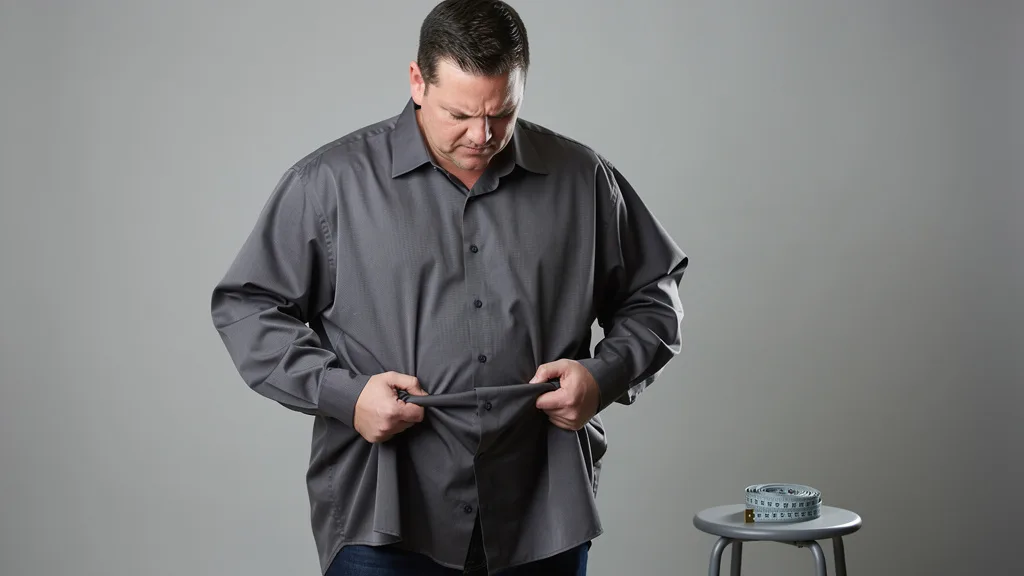
When looking at the chart, find the row for size XXXL and compare your chest, waist, and sometimes length measurements to the numbers provided. If your measurements fall between two sizes, consider the advice in the following sections to make the best choice.
Standard Measurements for a 3XL Shirt
While sizes vary, most brands follow a general range for their XXXL sizing. This table provides a typical baseline for a men’s 3XL shirt in the US market. Use this as a starting point, but always prioritize the brand’s specific chart for the most accurate fit.
| Measurement | Typical Range (Inches) | Typical Range (Centimeters) |
|---|---|---|
| Chest | 50″ – 52″ | 127 – 132 cm |
| Waist | 44″ – 46″ | 112 – 117 cm |
| Neck | 18″ – 18.5″ | 46 – 47 cm |
| Shirt Length | 32″ – 34″ | 81 – 86 cm |
Comparing US, UK, and International Sizing
Shopping globally opens up a world of style, but it also introduces different sizing conventions. A US XXXL is not the same as a UK XXXL or a European size. For example, a US 3XL often corresponds to a UK 2XL and a European size of 58 or 60. Many brands, especially those with a global customer base like ours, provide a comprehensive Men’s Shirts Size Chart & conversion guide to help you find your equivalent size.
Pay close attention to regional variations, such as Indian sizing, which may use different measurements or fit models. Always look for an international sizing converter on the retailer’s website. If one isn’t available, comparing your body measurements in inches or centimeters to the chart is the most reliable method for finding your size, no matter where the shirt is from.
Common Fit Issues and How to Solve Them
Even with careful measuring, you might encounter fit issues. Understanding why they happen and how to solve them is key to perfecting your wardrobe. Most problems relate to the shirt’s cut not matching your body shape, even if the base measurements seem correct. common issues like pulling.
If the Shirt Is Too Tight in the Chest or Shoulders
This is the most common fit problem and indicates that your chest measurement requires a larger size. If a shirt is pulling at the buttons or feels tight when you lift your arms, you should size up. If sizing up makes the rest of the shirt too baggy, look for a different cut.
Consider a “Classic Fit” or “Regular Fit,” which offers more room in the chest and shoulders compared to a “Slim Fit.” For extra comfort, you might explore our classic fit men’s 4XL cotton t-shirt options, which provide generous room. Fabrics with a bit of stretch, like a cotton-elastane blend, can also provide the extra give you need.
If the Shirt Is Too Loose Around the Midsection
If the shirt fits well in the chest and shoulders but is too billowy around your waist, you likely have a V-shaped torso. The solution is to look for a “Slim Fit” or “Tapered Fit” shirt. These cuts are designed to narrow from the chest to the waist, eliminating excess fabric for a cleaner silhouette.
Don’t be afraid to try a slim fit even in larger sizes; modern brands design them proportionally. Alternatively, a good tailor can easily take in the sides of a shirt for a custom-fit feel. This is a simple alteration that can make a world of difference in how a shirt looks and feels.
If the Shirt Length Is Too Short or Too Long
Shirt length issues directly relate to your torso length. If you find standard XXXL shirts are consistently too short, especially if you are over 6’2″, you should look for “Tall” sizes, often denoted as 3XLT. A tall size adds about two inches to the torso and often an inch to the sleeves without increasing the width.
If a shirt is too long, the fix is usually simple. A tailor can hem it to your desired length for a small fee. When shopping, compare your ideal length measurement to the product’s size chart to avoid this issue from the start. Knowing your ideal length helps you choose the men’s t-shirt comfort and style that works best for you.
Tips for Choosing the Right Shirt Beyond Measurements
Your measurements are the starting point, but fabric and cut are what truly define the final fit and feel of a shirt. Understanding these elements will elevate you from someone who simply buys clothes to someone who builds a wardrobe.
Consider the Fabric Type and Stretch
The material of a shirt plays a huge role in its fit. Woven fabrics, like the poplin or oxford cloth used in dress shirts, have very little natural stretch. For these, it’s crucial that your measurements align closely with the size chart. A little extra room is often necessary for comfort and movement.
Knit fabrics, such as the jersey used for t-shirts or pique for polo shirts, have natural stretch. This makes them more forgiving. If you are between sizes, you might be able to choose the smaller size in a knit fabric for a closer fit. Fabrics blended with a small percentage of elastane or spandex offer even more flexibility and are an excellent choice for ultimate comfort.
Understand Different Shirt Cuts and Styles
Beyond fabric, the cut of the shirt dictates its shape. Familiarize yourself with the common types to find the one that best suits your body type and style preference. You can learn how to measure a t-shirt you already own to understand its cut.
- Classic Fit (or Regular Fit): This is the most traditional cut, offering generous room through the chest, shoulders, and waist. It prioritizes comfort and freedom of movement.
- Slim Fit (or Modern Fit): This cut is tapered through the body, with a narrower chest and waist. It provides a more contoured, modern silhouette without being tight.
- Relaxed or Oversized Fit: This style is intentionally designed to be baggy and loose for a contemporary, fashion-forward look. The shoulders are often dropped, and the body is wide.
Key Takeaways
Mastering your measurements is the secret to unlocking a perfectly fitting wardrobe. By applying these principles, you can shop for XXXL shirts with confidence. Here are the most important points to remember:
- Measure First: Never guess your size. Use a soft tape measure to get accurate numbers for your chest, waist, and desired shirt length.
- Consult the Chart: Always check the specific brand’s XXXL size chart before purchasing. Do not assume one brand’s 3XL is the same as another’s.
- Diagnose Fit Issues: A tight chest means you need a larger size or a different cut. A loose waist might call for a slimmer fit or tailoring.
- Fabric is Key: Stretchy knit fabrics are more forgiving, while structured woven fabrics require a more precise fit.
- Know Your Cuts: Understand the difference between classic, slim, and relaxed fits to choose the style that best flatters your body and meets your comfort needs.
Frequently Asked Questions
What is 3XL in normal number sizes?
A 3XL shirt size typically corresponds to a numerical chest size of 50-52 inches. For dress shirts that use neck measurements, a 3XL is usually equivalent to a neck size of 18 to 18.5 inches. However, these are general guidelines, and it is always best to check the brand’s specific size chart for the most accurate information.
How big should a design be on a 3XL shirt?
The size of a graphic or design should be scaled proportionally to the size of the shirt. For a standard L or XL shirt, a design might be 10-12 inches wide. For a 3XL shirt, the design should ideally be scaled up to 12-14 inches wide to maintain the same visual impact and avoid looking too small on the larger canvas of the shirt.
Should I size up or down if I am between sizes?
If you find yourself between sizes, the best decision often depends on the fabric and the desired fit. For woven, non-stretch fabrics like those in formal shirts, it’s almost always safer to size up to ensure comfort and avoid pulling. For knit fabrics with stretch, like t-shirts, you may be able to opt for the smaller size if you prefer a closer, more athletic fit.
How do I measure a shirt I already own for comparison?
Measuring a shirt that fits you well is an excellent reference. Lay the shirt flat on a smooth surface. Measure from one armpit seam to the other to get the chest width; double this number for the chest circumference. Measure across the narrowest part of the torso for the waist. Finally, measure from the top of the shoulder seam down to the bottom hem to find the length.
What is the difference between a 3XL and a 3XLT shirt?
The ‘T’ in 3XLT stands for “Tall.” A 3XLT shirt is designed for individuals with a longer torso. It has the same width in the chest and waist as a standard 3XL shirt, but it typically adds about two inches to the body length and one to two inches to the sleeve length. This prevents the shirt from riding up and ensures proper sleeve coverage.
Conclusion
Taking a few minutes to learn how to measure for a perfect XXXL shirt fit every time transforms the way you shop for clothes. It moves you from a world of uncertainty and disappointing returns to one of confidence and satisfaction. With your precise chest, waist, and length measurements in hand, you are equipped to decode any size chart and select garments that are not just your size, but truly your fit.
Now that you have the knowledge to find your perfect size, explore our collection of premium apparel. From sharp shirts to comfortable kurtas, our garments are designed for an impeccable fit. Discover the difference that quality craftsmanship and a focus on fit can make in your wardrobe. SHOP NOW.