


Have you ever stood in front of your closet, wondering if you can wear your suit jacket with jeans? The confusion surrounding the suit vs blazer: what is the difference for your wardrobe debate is common, but understanding it is key to building a versatile and stylish collection of clothes. Knowing when to choose each garment can elevate your look from appropriate to exceptional, ensuring you are perfectly dressed for any occasion.
The primary distinction is that a suit jacket is sold with matching trousers made from the exact same fabric, intended to be worn as a single, cohesive unit. A blazer, conversely, is a standalone jacket designed to be worn with contrasting pants, such as chinos, dress trousers, or even jeans. This fundamental difference in purpose dictates their construction, fabric, and formality, making them distinct tools in your fashion arsenal.
What Is a Suit Jacket vs. a Blazer?
At its core, a suit jacket is one half of a whole. It is cut from the same bolt of fabric as a specific pair of trousers, creating a single garment known as a suit. The fabric is typically smoother and more refined, like worsted wool, to create a sleek and formal silhouette. The styling is conservative, with notch or peak lapels, flap pockets, and buttons that usually match the fabric’s color. Its entire design philosophy is based on being part of a set, a formal uniform for business or special events.
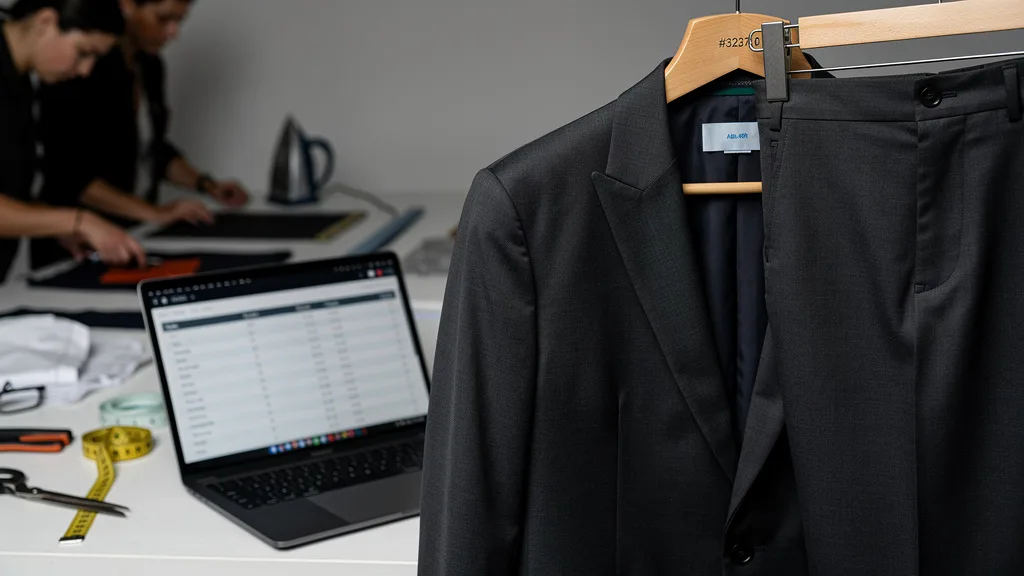
A blazer, on the other hand, is a statement piece designed to stand on its own. Its history is rooted in British naval uniforms and rowing club attire, giving it a slightly more rugged and versatile character. Blazers often feature more textured fabrics like serge, hopsack, or flannel and can come in a wider range of colors and patterns. A classic design element is the use of contrasting buttons, often in metal like brass or silver, which adds a decorative flair. The primary goal of a blazer is to add a sophisticated layer to a more casual or mixed-and-matched outfit.
The construction itself also reveals key differences. A Blazer vs Suit Jacket vs sports coat debate often comes down to fabric and structure. Suit jackets typically have more structured shoulders with more padding to create a sharp, formal line. Blazers can range from highly structured to completely unstructured, offering a softer and more relaxed fit that drapes more naturally over the body. This makes them one of the most versatile items you can own.
Why Understanding the Difference Matters in 2026
Knowing the distinction between these two garments is more than just fashion trivia; it’s about sartorial intelligence and making your wardrobe work for you. In 2026, with dress codes becoming more fluid, the ability to navigate the spectrum from formal to smart casual is a valuable skill. Misusing these garments, for instance by wearing a pinstripe suit jacket with chinos, can signal a lack of attention to detail and disrupt the intended harmony of your outfit.

Making informed fashion choices allows you to build a more functional and cost-effective wardrobe. Instead of buying redundant pieces, you can invest in a high-quality suit for formal needs and a versatile blazer that can be dressed up or down for dozens of other scenarios. This versatility is paramount. A good blazer can take you from a business casual office setting to after-work drinks or a weekend brunch without missing a beat, offering a far greater return on investment for daily wear.
Ultimately, confidently selecting the right jacket for the event is key. It shows respect for the occasion and a mastery of personal style. Whether you are aiming for the timeless elegance of a tuxedo dinner suit or the relaxed sophistication of a blazer and trousers, getting it right empowers you to present the best version of yourself. This knowledge ensures you are never over or underdressed, but perfectly attuned to your environment.
How to Choose Between a Suit and a Blazer
When starting to build or refine your tailored wardrobe, the choice between a suit and a blazer depends entirely on your lifestyle and immediate needs. If your professional life or social calendar frequently includes formal events like weddings, important business meetings, or upscale dinners, a suit is your non-negotiable starting point. A classic suit in navy or charcoal grey offers maximum formality and versatility within that context. These are foundational pieces that form the bedrock of a formal wardrobe.
Conversely, if your daily environment is business casual or you simply want to elevate your everyday style, a blazer is the more practical first purchase. A navy blazer is the quintessential choice, as it pairs effortlessly with everything from grey flannel trousers to khaki chinos and even dark-wash jeans. It provides a structured, polished look without the full formality of a suit. For those looking to explore more relaxed styles, a casual suit can also bridge this gap, but a blazer offers more mix-and-match possibilities.
To help you decide, consider the next three to five events on your calendar that require more than a simple shirt. If they are predominantly formal (weddings, galas, corporate boardrooms), invest in a well-fitting suit. If they are mostly smart casual (dates, networking events, creative workplaces), a blazer will serve you better and more frequently. A good wardrobe has both, but prioritizing based on your actual life is the smartest approach to getting started.
Best Practices for Styling Suits and Blazers
Mastering the styling of suits and blazers unlocks their full potential. For a suit, the rules are straightforward: the jacket and trousers are a matched set and should always be worn together. The focus then shifts to the supporting elements. Pair your suit with a crisp dress shirt, a silk tie, and leather dress shoes like oxfords or derbies. The goal is to create a harmonious and elegant ensemble where the suit is the star.
Styling a blazer is an exercise in creative pairing. The key is contrast. Since the blazer is a standalone piece, it should be paired with trousers of a different color and fabric. Classic combinations include a navy blazer with grey trousers or khaki chinos. For a more modern look, you can pair a textured blazer with dark-wash jeans and a quality t-shirt or a fine-gauge sweater. The shoes can also be more relaxed, ranging from loafers and brogues to clean, minimalist sneakers.
“The primary distinction lies in purpose: a suit jacket is a component of a formal uniform, while a blazer is a standalone piece designed for versatility. Understanding this is the first step to confident styling.”
Here is a quick reference table to summarize the key differences:
| Feature | Suit Jacket | Blazer |
|---|---|---|
| Fabric | Smooth, fine fabrics (e.g., worsted wool, flannel) | More textured fabrics (e.g., serge, hopsack, tweed, linen) |
| Trousers | Sold and worn with matching trousers | A standalone garment worn with contrasting trousers |
| Buttons | Usually made from plastic or horn, matching the fabric | Often contrasting metal buttons (e.g., brass, silver) or bold colors |
| Formality | Formal (Business, weddings, special events) | Versatile (Smart casual, business casual, social events) |
| Structure | Typically more structured with padded shoulders | Can be structured or unstructured for a softer silhouette |
Common Mistakes to Avoid
One of the most frequent errors is wearing a suit jacket as a blazer. While it might seem like a minor substitution, it rarely works. The smooth, often slightly shiny fabric of a suit jacket clashes with the casual texture of jeans or chinos. This creates a disjointed look, as if you’ve spilled something on your suit trousers and had to make an emergency swap. This is often referred to as creating a wardrobe orphan, and it undermines the elegance of the jacket.
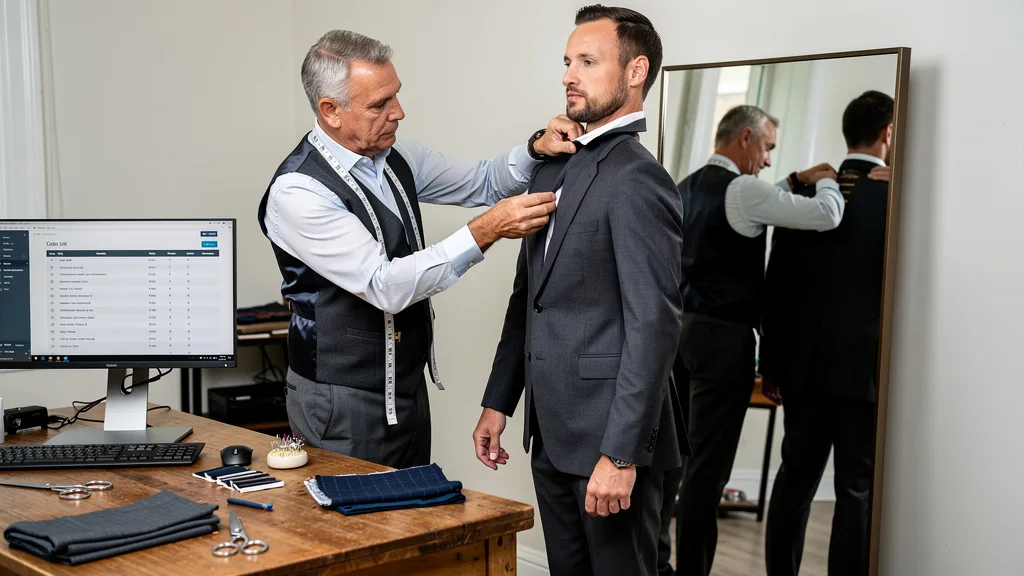
Another common mistake is ignoring the fit. Whether it’s a suit or a blazer, a poor fit will ruin the look. A jacket that is too tight across the chest, too long in the sleeves, or too boxy in the torso looks sloppy and unflattering. Investing a small amount in tailoring to get a well-fitting jacket is the single best thing you can do to improve your appearance. The shoulder seams should end where your shoulders do, and you should be able to comfortably button the jacket without it pulling.
Finally, avoid improper pairings. This goes beyond just the jacket and trousers. Wearing overly casual shoes with a formal suit or a loud, patterned shirt that competes with a patterned blazer can throw off the entire outfit. The goal is balance. When wearing a bold blazer, keep the rest of your outfit subdued. When wearing a classic suit, you can introduce personality with a tie or pocket square, but the core elements should remain classic and complementary. Knowing how to pair items, like finding the best dark green shirt combination, is a skill that elevates your entire wardrobe.
Key Takeaways
Navigating the world of men’s tailoring can be simple once you grasp the fundamental concepts. Understanding the core differences between a suit jacket and a blazer is essential for building a functional and stylish wardrobe. This knowledge prevents fashion mistakes and empowers you to make smart, versatile purchasing decisions.
- A Suit Jacket Belongs to a Set: It is made from the same fabric as a matching pair of trousers and should always be worn with them for formal occasions.
- A Blazer is a Standalone Piece: It is designed to be worn with contrasting trousers (like chinos, jeans, or flannel pants) and offers much greater versatility for smart casual settings.
- Fabric and Details are Key Indicators: Suit jackets typically have smoother fabric and matching buttons, while blazers often have more texture and contrasting, decorative buttons.
- Fit is Paramount: Regardless of your choice, ensuring your jacket fits perfectly is the most important step. A tailor can make a good jacket look great.
- Choose Based on Your Lifestyle: Assess your needs. If you require formal attire regularly, start with a suit. If your life is more casual, a blazer is the more practical initial investment.
FAQs on Suits vs. Blazers
Which is better, a blazer or a suit?
Neither is inherently “better”; they simply serve different purposes. A suit is better for formal occasions like weddings, funerals, and corporate business environments where a high degree of formality is required. It presents a complete, unified look.
A blazer is better for versatility and a wider range of smart casual events. It can be dressed up with wool trousers or dressed down with jeans, making it a more flexible and frequently used item for most people’s daily lives.
The easiest way to tell the difference is to look for matching pants. If the jacket was sold with a pair of trousers made from the exact same fabric, it’s a suit jacket. If it’s sold by itself, it’s a blazer or a sport coat. Other clues include the buttons (blazers often have metal or contrasting buttons) and the fabric (blazers tend to be more textured).
You can find a more detailed breakdown of the differences in fabric and construction online. Essentially, a suit jacket is part of a uniform, while a blazer is an independent piece.
You can wear a blazer instead of a suit for many occasions, but not all. For events with a “business professional” or “cocktail attire” dress code, a blazer with dress trousers is often acceptable. However, for the most formal events like a black-tie optional wedding or a critical board meeting, a full suit is the only appropriate choice.
If the invitation says “formal,” stick with a suit. If the setting is business casual, social, or creative, a blazer is an excellent and stylish choice that shows you made an effort without being overdressed.
What do Americans call a blazer?
In the United States, a blazer is simply called a blazer. The term is used interchangeably with its British English meaning. Sometimes, confusion arises between a blazer and a “sport coat” or “sport jacket.” Historically, sport coats were even more casual and made of rugged fabrics like tweed for outdoor activities.
However, in modern American usage, the lines have blurred considerably. Most people use “blazer” and “sport coat” to refer to any standalone jacket that isn’t part of a suit, with “blazer” often implying a slightly more classic or dressy style, especially if it’s a solid navy with metal buttons.
Choose a suit jacket (with its matching pants) for high-stakes formal and professional events. This includes job interviews for corporate roles, weddings, formal dinners, court appearances, and any situation where you need to project maximum authority and respect for tradition.
Choose a blazer for everything else on the smart-casual spectrum. This includes most office environments today, dates, networking events, holiday parties, weekend gatherings, and travel. A blazer adds a layer of polish and intention to an outfit without the full commitment and formality of a suit.
Conclusion
Ultimately, the suit vs blazer: what is the difference for your wardrobe question is about having the right tool for the job. A suit is your go-to for formality and tradition, presenting a powerful, unified statement. A blazer is your versatile workhorse, offering endless combinations for expressing personal style in a smart, relaxed way. By understanding their distinct roles and mastering how to wear each, you can navigate any dress code with confidence and build a truly functional and stylish wardrobe for 2026 and beyond.
Now that you can confidently tell these essential garments apart, you are ready to make a smart addition to your collection. Explore our curated selection to find the perfect piece that matches your style and needs.
If you want help turning this into a concrete plan for your site or team, take the next step below to apply Suit vs Blazer: What Is the Difference for Your Wardrobe with confidence.
Ready to act on Suit vs Blazer: What Is the Difference for Your Wardrobe? SHOP NOW — tell us your goal, and we will help you pick the highest-leverage next step so you are not guessing alone.