
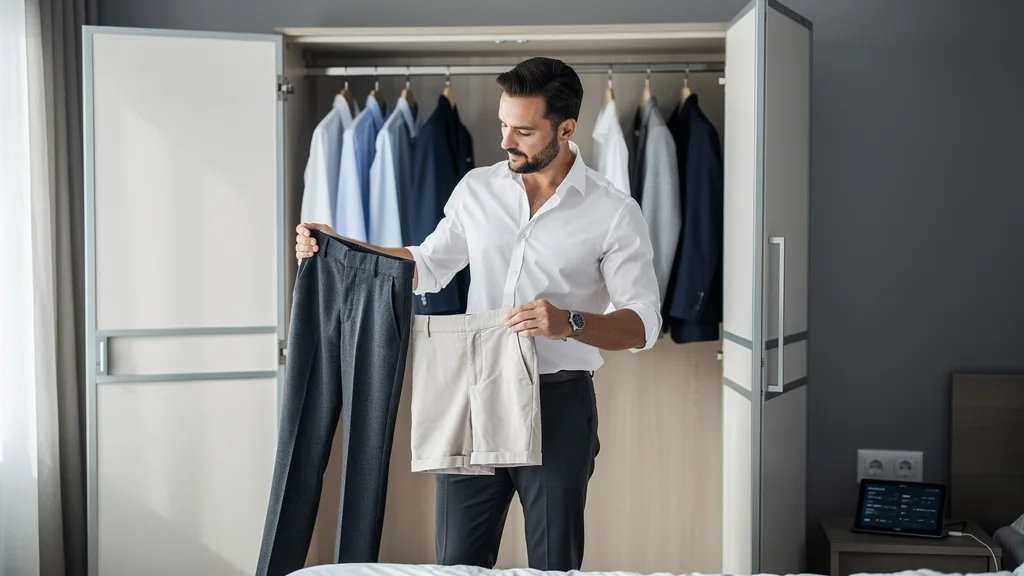
Ever stood in your closet, staring at a row of pants and wondering if they are formal enough for a wedding or too stuffy for a casual brunch? Understanding the nuances between dress pants, trousers, and slacks is crucial for building a versatile and appropriate wardrobe. While often used interchangeably, these terms describe distinct garments with specific purposes, fabrics, and levels of formality.
The core difference between dress pants, trousers, and slacks lies in their formality. Dress pants are the most formal, designed to be worn with a matching suit jacket. Trousers are a broad category of tailored pants that bridge the gap between formal and casual, while slacks are the most casual of the three, prioritizing comfort and a relaxed fit. Knowing which to choose ensures you are perfectly dressed for any occasion in 2026.
Dress pants represent the pinnacle of formal legwear for men, short of tuxedo trousers. They are specifically constructed to be worn as part of a suit, crafted from the same fabric as a matching suit jacket. The material is typically a fine woven wool, such as worsted wool, flannel, or gabardine, which provides an elegant drape and smooth finish. This construction is what separates them from other types of pants.
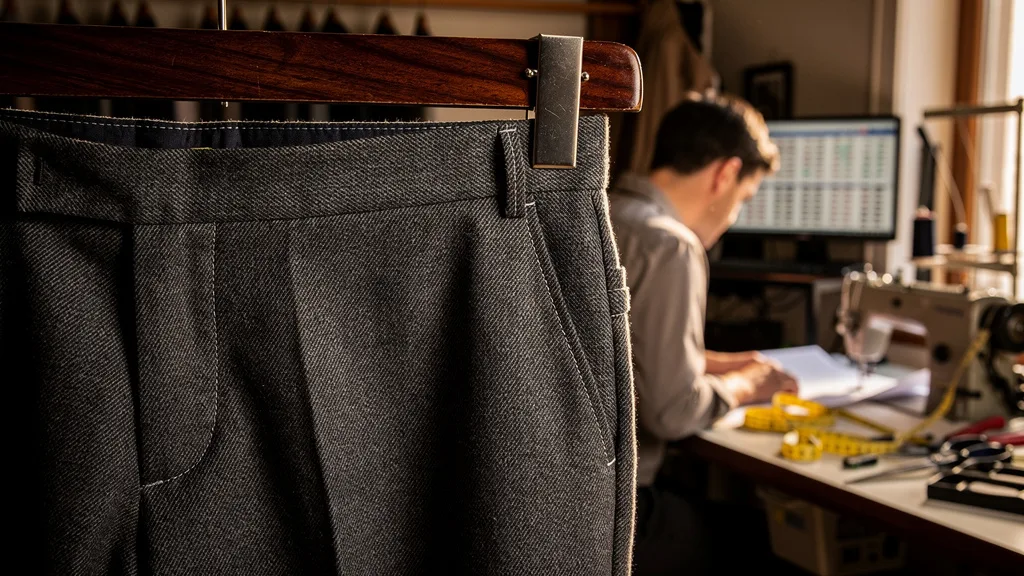
The defining feature of dress pants is their formal detailing. They almost always feature a sharp, pressed crease down the center of each leg, a structured waistband, and are often sold unhemmed to allow for custom tailoring to the perfect length. They are intended for the most formal events on your calendar, including business meetings, weddings, and upscale social functions. When you wear dress pants without their matching jacket, you are technically wearing them as separates, but their origin is as one half of a complete suit.
What Are Trousers?
The term ‘trousers‘ is a broader, more encompassing category that essentially refers to any tailored pants that are not jeans or part of a suit. In this context, all dress pants are a type of trouser, but not all trousers are dress pants. Trousers are the versatile workhorse of a modern wardrobe, skillfully bridging the gap between the formality of a suit and the casual nature of jeans or slacks. They are designed to be worn as standalone items, often paired with a contrasting sport coat, blazer, or simply a dress shirt.

Trousers come in a wide variety of fabrics, including cotton, linen, corduroy, tweed, and various wool blends. This variety allows them to be suitable for everything from a business casual office environment to a smart weekend outing. For example, a pair of crisp cotton chinos is a classic trouser style perfect for smart casual wear, while wool flannel trousers offer more warmth and formality for cooler months. The key is that they are sold separately and intended to be mixed and matched with other items in your wardrobe.
What Are Slacks and How Do They Differ?
Slacks are the most casual and relaxed of these three types of pants. The term itself, derived from an old Saxon word meaning “loose,” points to their primary characteristic: comfort and a less structured fit. Unlike the sharp tailoring of dress pants or the smart cut of trousers, slacks are made from softer, lighter-weight materials and have a looser drape. They rarely feature a pressed crease and are designed for casual, everyday wear.

Common fabrics for slacks include cotton, synthetic blends, and polyester, which offer ease of care and a comfortable feel. Think of the pants you would wear for a relaxed weekend, a casual get-together with friends, or on a casual Friday at a laid-back office. While they are a step up from jeans or sweatpants, they do not carry the sartorial weight of trousers or dress pants. The debate of Slacks vs Dress Pants ultimately comes down to this fundamental difference in formality and construction.
Dress Pants vs Trousers vs Slacks: A Side-by-Side Comparison
To simplify the differences, it helps to see the characteristics of each pant style laid out directly. The primary distinctions in the dress pants vs trousers debate, with slacks included, revolve around formality, fabric, fit, and how they are paired with other clothing. This comparison clarifies which pant is appropriate for which setting. grey shirt matching pant combinations.
| Feature | Dress Pants | Trousers | Slacks |
|---|---|---|---|
| Formality | Most Formal (Part of a suit) | Smart Casual to Business | Casual |
| Fabric | Wool (Worsted, Flannel) | Cotton, Wool Blends, Linen, Corduroy | Cotton, Polyester, Synthetic Blends |
| Fit & Cut | Structured, Sharp Crease, Tailored | Tailored but Versatile, Flat Front or Pleated | Relaxed, Unstructured, No Crease |
| Occasion | Weddings, Board Meetings, Formal Events | Office, Dinners, Smart Casual Events | Weekends, Errands, Relaxed Gatherings |
Formality and Occasion
The most significant differentiator is the occasion. Dress pants are reserved for your most formal non-black-tie events. They are the default choice when a suit is required. Trousers offer a much wider range of use. A well-chosen pair of wool or cotton trousers can take you from the office to an evening dinner without missing a beat. They project an image of being put-together and professional without the full formality of a suit.
Slacks, on the other hand, live firmly in the casual realm. They are your go-to for situations where you want to be comfortable but still look more polished than you would in jeans or athletic wear. Think of a family barbecue, a trip to the park, or a casual coffee date. Wearing slacks to a formal event would be a significant style misstep, just as wearing dress pants to a casual hangout would feel overly stiff and out of place.
Fabric and Material
Fabric is a direct indicator of a pant’s formality. Dress pants rely on premium materials like wool because it holds a crease well, drapes elegantly, and has a natural luster. These properties are essential for the sharp, formal look of a suit. Trousers embrace a broader palette of materials. Cotton trousers, like chinos, are a staple of preppy and business casual style, while linen trousers are perfect for warm-weather sophistication. Corduroy and tweed trousers provide texture and warmth for autumn and winter.
Slacks prioritize comfort and ease of care, which is why they are often made from cotton twill or synthetic blends. These fabrics are typically lighter, more breathable in a casual way, and less structured than the wools used for dress pants. The material in slacks is designed to move with you and provide a relaxed feel throughout the day.
Fit, Cut, and Construction
The construction of the pants reveals their intended purpose. Dress pants are built with structure. They have a defined waistband, often with interior details like a curtain lining, and are cut to hang cleanly with a sharp crease. This tailoring is essential to create a smooth silhouette under a suit jacket. Trousers are also tailored but offer more variety in fit, from slim and modern to more classic, relaxed cuts. They can be found in both flat-front and pleated styles to suit different body types and preferences.
Slacks are defined by their lack of structure. The fit is intentionally more relaxed, and the construction is simpler. You won’t find the sharp pressed crease or complex waistband construction of dress pants. The focus is on a comfortable, easy-to-wear garment that doesn’t feel restrictive, making them excellent for more active or relaxed settings.
Typical Pairings
What you wear with your pants is the final piece of the puzzle. Dress pants should, by definition, be paired with their matching suit jacket, a crisp dress shirt, and formal leather shoes. Trousers, being separates, invite creativity. They pair beautifully with sport coats, blazers, a wide range of shirts from formal button-downs to fine-knit sweaters, and versatile footwear like loafers or brogues. This is where you can truly express your personal style.
Slacks are best matched with casual tops. A high-quality polo shirt, a casual button-down, a comfortable t-shirt, or a lightweight sweater are all excellent choices. For footwear, clean sneakers, boat shoes, or desert boots complete the relaxed and approachable look. Trying to pair slacks with a formal dress shirt and tie would create a jarring mismatch in formality.
When to Wear Each Style of Pant
Navigating your wardrobe becomes much simpler once you assign each type of pant to its ideal environment. Choosing correctly ensures you always look appropriate, confident, and stylish.
Reserve your dress pants for occasions that demand the highest level of formality. This includes corporate boardrooms, important client presentations, weddings (unless the dress code specifies otherwise), funerals, and other formal ceremonies. The rule is simple: if the event calls for a suit, you should be wearing dress pants with their matching jacket. This ensures a cohesive and impeccably polished appearance.
Selecting Trousers for Business and Smart Casual
Trousers are your most versatile option, perfect for the vast space between formal and casual. They are the standard for most modern offices with a business casual dress code. Wear them for daily work, client meetings, networking events, and after-work dinners. A good rotation of trousers in neutral colors like grey, navy, and khaki will form the foundation of a powerful and flexible wardrobe. Our guide to formal vs casual trousers can help you explore this versatility further.
Wearing Slacks for Casual and Relaxed Settings
Slacks are made for your downtime. Choose them for weekend activities, casual family gatherings, running errands, or enjoying a relaxed vacation. They provide a comfortable yet put-together alternative to jeans, shorts, or athletic wear. If the dress code is ‘casual’ and you want to look neat without feeling overdressed, slacks are the perfect solution.
Professional Styling Tips for Men’s Pants
Mastering the art of wearing dress pants, trousers, and slacks involves more than just picking the right pair. How you style them with other garments is what truly elevates your look.
“The foundation of any great outfit is a pair of well-fitting pants. Understanding the difference in the dress pants vs trousers discussion is about more than just rules; it’s about using fabric and fit to tell a story about who you are in that moment—be it a boardroom leader or a relaxed weekend connoisseur.”
Pairing with Jackets and Blazers
The most important rule is that dress pants should only be paired with their matching suit jacket. Attempting to wear them as separates with a different blazer often results in a noticeable mismatch in fabric texture and color. Trousers, however, are designed to be paired with contrasting jackets. A pair of grey wool trousers looks sharp with a navy blazer, and khaki chinos are classic with a tweed sport coat. Slacks can be worn with an unstructured, casual blazer made from a similar material like cotton or linen for a smart, relaxed look.
Choosing the Right Shoes and Socks
Footwear completes the outfit and must align with the formality of your pants. For dress pants worn as part of a suit, stick to formal leather dress shoes like Oxfords or Derbies. Trousers offer more flexibility; leather loafers, brogues, monk straps, and even clean leather Chelsea boots are all excellent choices. With slacks, your options open up to include minimalist sneakers, boat shoes, and chukka boots. As a general rule for socks, aim to match them to the color of your pants to create a seamless, elongated leg line.
Selecting Shirts and Accessories
The shirt you choose should also match the pants’ level of formality. Dress pants demand a formal dress shirt, often with a tie. Trousers can be paired with everything from a dress shirt to a more casual button-down or a fine-gauge merino wool sweater. For a more relaxed but still polished look, you might even consider how different shirt fits, like a drop shoulder t-shirt vs a regular one, can change the vibe, though a classic button-down is a safer bet. Slacks work best with casual shirts like polos, henleys, and high-quality crewneck tees. Belts should also match the occasion: a fine leather belt for dress pants and trousers, and a woven or canvas belt for slacks.
Key Takeaways
Navigating the world of men’s pants doesn’t have to be complicated. By keeping these key distinctions in mind, you can build a functional and stylish wardrobe for 2026.
- Dress Pants: The most formal option, made from premium wool and designed to be worn with a matching suit jacket for formal events.
- Trousers: A versatile category of tailored pants sold as separates. They bridge smart casual and business wear and come in various fabrics like cotton, wool, and linen.
- Slacks: The most casual style, characterized by a relaxed fit and comfortable fabrics like cotton or synthetic blends. Ideal for informal, everyday settings.
- The Core Difference: Formality is the main distinction, driven by the fabric, cut, and intended occasion for each type of pant.
- Styling is Key: Always match the formality of your pants with your jacket, shirt, and shoes to create a cohesive and appropriate outfit.
Frequently Asked Questions
Is it okay to wear dress pants casually?
It is generally not recommended to wear dress pants casually. Because they are made from suit fabric, they can look out of place when paired with casual items like t-shirts or sneakers. This can also cause the pants to wear out unevenly compared to the matching jacket. It’s better to choose a pair of smart trousers or chinos for a polished yet casual look.
What is the difference between ‘trousers’ and ‘pants’?
The difference between ‘trousers‘ and ‘pants’ is largely regional. In American English, ‘pants’ is the common, all-encompassing term for garments worn on the lower half of the body. In British English, ‘trousers’ is the standard term, while ‘pants’ refers to underwear. For a global audience, ‘trousers’ is often used to specify a more tailored or formal style than ‘pants’.
Can you wear a blazer with slacks?
Yes, you can wear a blazer with slacks, but it should be a casual, unstructured blazer. A formal, structured blazer would clash with the relaxed nature of the slacks. A blazer made from a similar casual material, like cotton, linen, or corduroy, creates a cohesive and stylish smart-casual look perfect for a weekend brunch or a creative workplace.
What is the main difference between chinos and dress pants?
The main difference between chinos and dress pants is fabric and formality. Chinos are a type of casual trouser made from a lightweight cotton twill, making them durable and comfortable for everyday wear. Dress pants are made from more formal fabrics, typically wool, and are designed with a more structured fit to be worn with a suit. You can explore a deeper dive into Chinos vs Dress Pants to understand the styling nuances.
Do you need to wear a belt with trousers?
If the trousers have belt loops, it is almost always best to wear a belt. Going without can look unfinished. The exception is for trousers specifically designed without belt loops, such as those with side-adjusters or a ‘Gurkha’ style waistband. In those cases, a belt is not necessary and should not be worn.
Conclusion
Mastering the distinctions between dress pants, trousers, and slacks empowers you to build a wardrobe that is both functional and endlessly stylish. By understanding that formality, fabric, and fit are the key differentiators, you can confidently select the right pair of pants for any setting, from the boardroom to a casual weekend. This knowledge ensures you will always present the best version of yourself, no matter the occasion.
Now that you can tell your trousers from your slacks, it’s time to find the perfect pairs to elevate your style. Our curated collection features premium fabrics and impeccable fits for every event on your calendar. Explore our selection of men’s wear to discover your next wardrobe essential. SHOP NOW.