

Ever stand in front of your closet and feel like you have nothing suitable to wear, despite a rail full of options? Understanding the fundamentals of men’s shirts can transform your wardrobe from a random collection into a functional and stylish system. This Complete Guide to Shirts for Men: Types, Fabrics, and Fits is your definitive resource for mastering this essential garment. By exploring the key differences in shirt types, the feel and function of various fabrics, and the nuances of a perfect fit, you can build a collection that ensures you’re impeccably dressed for any occasion.
This guide provides everything you need to know in 2026 to navigate the world of men’s shirts. We’ll cover the spectrum from formal dress shirts to casual weekend wear, explain how to identify quality materials like cotton and linen, and demystify sizing and fit. With these insights, you’ll be able to select shirts that not only look great but also offer superior comfort and longevity, creating a polished foundation for your personal style.
An Overview of Men’s Shirt Types
The first step in building a functional wardrobe is understanding the primary categories of shirts available. Each type is designed with a specific purpose and aesthetic in mind, from the boardroom to the boardwalk. Knowing the distinctions will help you make appropriate choices for any event or setting.
Formal Dress Shirts
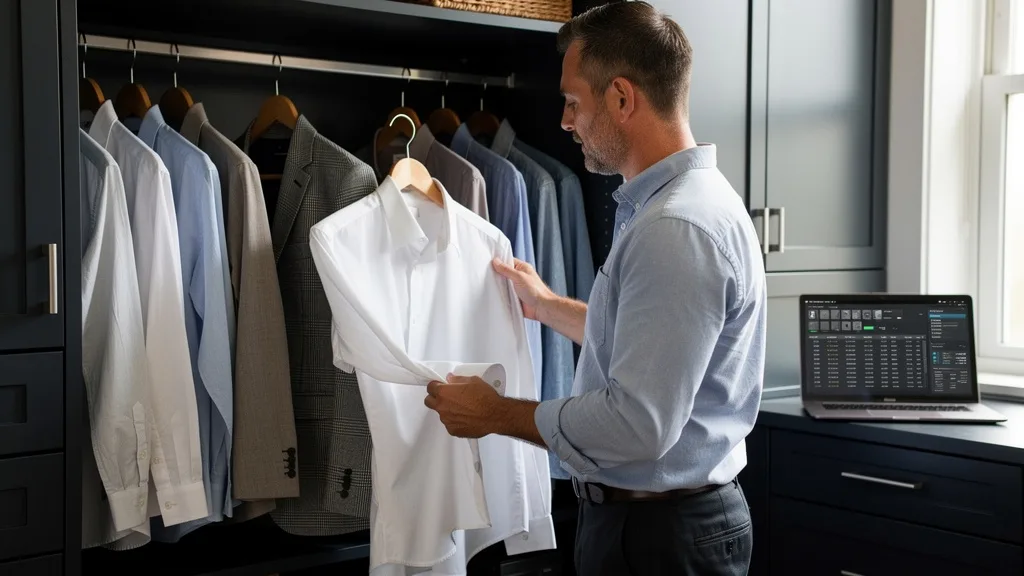
Formal dress shirts are the cornerstone of any professional or ceremonial wardrobe. Characterized by a stiff collar designed to be worn with a tie, barrel or French cuffs, and a long tail, these shirts are made to be tucked in. They are typically crafted from smooth, tightly woven fabrics like poplin or twill and come in solid colors like white and light blue or subtle patterns like pinstripes.
A high-quality dress shirt provides a clean, sharp silhouette under a suit jacket or blazer. It is the default choice for business meetings, weddings, and any event with a formal dress code. The structure and simplicity of a dress shirt create a polished, authoritative look.
Versatile Casual Shirts
Casual shirts offer significantly more variety in terms of color, pattern, and fabric. Unlike their formal counterparts, they often feature softer collars, may have details like buttoned chest pockets, and frequently have a shorter, curved hemline that looks good both tucked and untucked. Common styles include the Oxford cloth button-down (OCBD), chambray shirts, and flannel shirts.
These shirts are the workhorses of a smart-casual wardrobe. They bridge the gap between a simple T-shirt and a formal dress shirt, making them perfect for dates, weekend outings, or a relaxed office environment. You can explore a wide range of options, from classic plaids and checks to unique prints, to express your personal style. For example, our guide to western shirts for men shows how a specific casual style can define a look.
Polo Shirts for Smart-Casual Style
The polo shirt occupies a unique space between a T-shirt and a button-up. Made from a knitted fabric, typically piqué cotton, it features a soft, turnover collar and a two or three-button placket. It’s a staple for activities like golf or tennis but has evolved into a versatile smart-casual essential.
A well-fitting polo shirt can be paired with chinos for a relaxed yet put-together look, or even worn under a casual blazer. It offers more structure than a T-shirt while providing superior comfort and breathability, making it an excellent choice for warm weather and active days.
Linen and Summer Shirts
When temperatures rise, linen shirts become an indispensable part of a stylish man’s wardrobe. Linen is a fabric prized for its exceptional breathability and lightweight feel, which helps keep you cool in the heat. Though it wrinkles easily, this is often considered part of its charm, lending a relaxed, lived-in elegance.
Summer shirts, whether made from linen, lightweight cotton, or blends, often come in brighter colors and more relaxed fits. They are perfect for vacations, beach parties, and any casual summer gathering. A crisp white linen shirt paired with tailored shorts or light trousers is a timeless warm-weather combination.
How a Men’s Shirt Should Fit: Finding Your Perfect Size
Even the most expensive shirt will look poor if it doesn’t fit correctly. A proper fit not only enhances your physique but also ensures comfort throughout the day. Understanding the key elements of a good fit is crucial for looking your best.
Understanding Classic, Slim, and Modern Fits
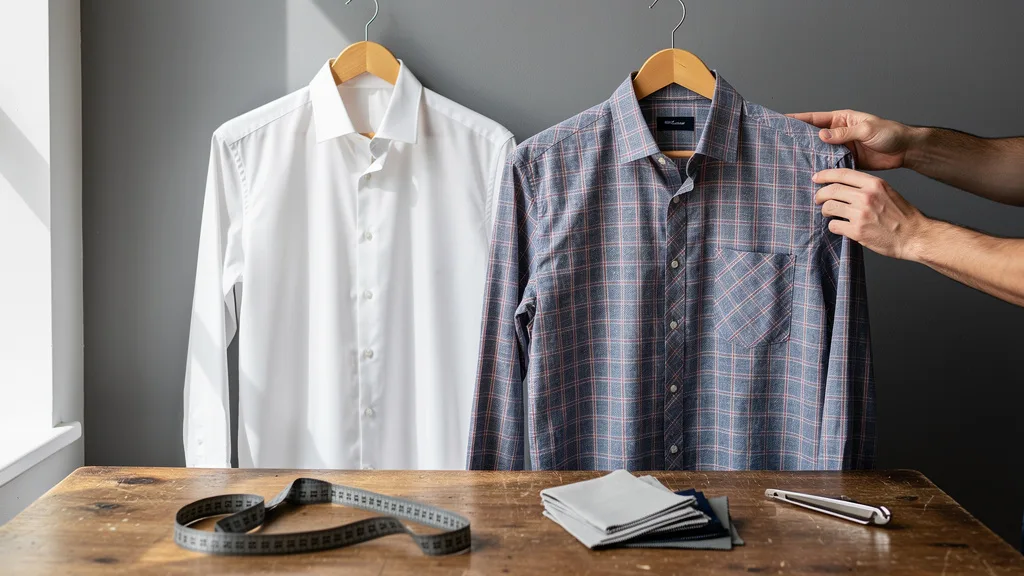
Most brands offer several distinct fits to cater to different body types and style preferences. The classic or regular fit is the most traditional, offering ample room through the chest and waist for maximum comfort and movement. It’s a great choice for those with a broader build.
The slim fit is tapered through the body and sleeves, creating a sharp, contemporary silhouette. It eliminates excess fabric for a cleaner look, making it ideal for slender body types. The modern or tailored fit strikes a balance between the two, offering a shaped waist like a slim fit but with more room in the chest and shoulders than a classic cut, providing a flattering look for a wide range of men. You can explore options like the best regular fit shirts for reliable everyday comfort.
Key Measurement Points: Collar, Shoulders, and Chest
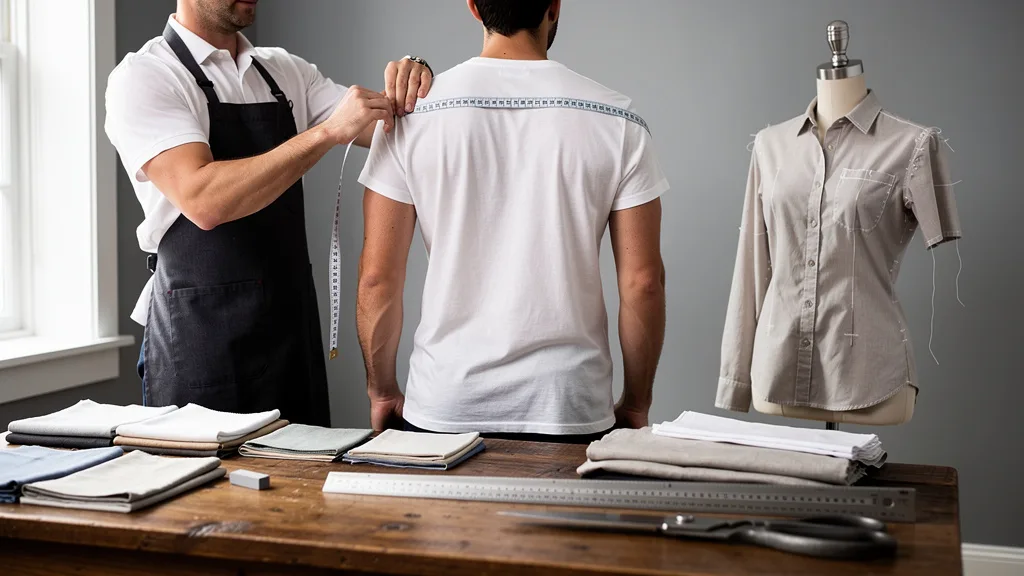
Three areas are critical for a proper shirt fit. For the collar, you should be able to comfortably fit two fingers between the fastened collar and your neck. Any more space means it’s too loose; any less, and it’s too tight. The shoulder seams should sit precisely at the edge of your shoulder bone, where your shoulder meets your arm.
Across the chest, the shirt should lie flat against your body without pulling at the buttons. When you move your arms, you should feel comfortable, not restricted. Conversely, there shouldn’t be more than a few inches of excess fabric when you pinch it at your side.
Checking Sleeve and Body Length
Sleeve length is a detail that can make or break a look. The cuffs should end right at the base of your thumb, where your wrist and hand meet. This allows about half an inch of shirt cuff to show beyond the sleeve of a suit jacket. If the cuffs are too long, they will bunch up; if too short, they will disappear under your jacket.
The body length depends on whether the shirt is designed to be tucked in or worn out. Dress shirts have a longer front and back tail to ensure they stay tucked into your trousers. A casual shirt meant to be worn untucked should end around mid-zipper, long enough to cover your belt but not so long that it looks sloppy.
Choosing the Best Fabric for Men’s Shirts
The fabric of a shirt determines its texture, breathability, durability, and appearance. Understanding different shirt fabrics is key to selecting the right shirt for the season and occasion. From everyday cotton to luxurious blends, the material is just as important as the fit.
Cotton: The All-Around Standard
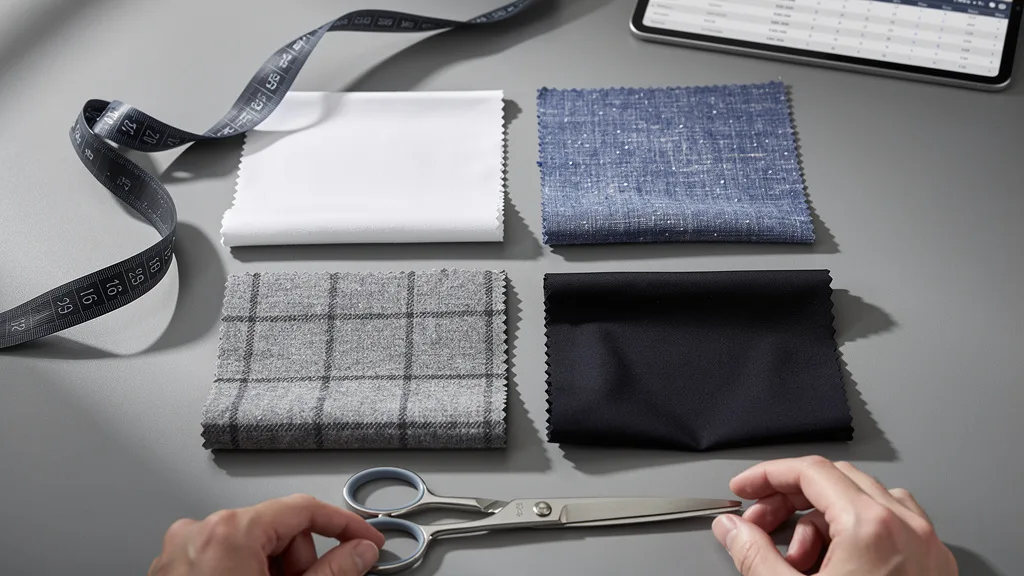
Cotton is the most common and versatile shirt fabric for good reason. It is soft, breathable, and relatively affordable. However, not all cotton is the same. The fabric’s properties are determined by its weave. Poplin is a lightweight, smooth weave perfect for formal dress shirts. Oxford cloth is a bit heavier and has a basket-weave texture, making it a durable choice for casual button-downs.
Other popular cotton weaves include twill, which is recognizable by its diagonal pattern and is soft, durable, and drapes well. Herringbone is a variation of twill with a V-shaped pattern. Knowing these differences helps you choose a shirt with the right weight and texture for your needs.
Linen: The Ultimate Breathable Choice
Linen is a natural fiber made from the flax plant, renowned for its exceptional coolness and absorbency in hot weather. It is one of the strongest natural fibers, making it very durable. The fabric’s open weave allows air to circulate freely, making it the ultimate choice for summer shirts.
The main characteristic of linen is its tendency to wrinkle. While some see this as a drawback, many embrace the relaxed, effortless elegance it provides. A linen shirt is a must-have for any warm-climate wardrobe, perfect for vacations and casual summer events.
Performance Fabrics and Blends
In recent years, modern technology has introduced performance fabrics into the world of shirting. These are often synthetic materials like polyester or nylon, or blends of cotton with spandex or elastane. They are engineered to offer benefits like stretch for enhanced comfort, moisture-wicking properties to keep you dry, and wrinkle resistance for easy care.
While traditionalists may prefer 100% natural fibers, performance shirts are incredibly practical for travel or for those with an active lifestyle. They combine the classic appearance of a button-up shirt with the functional benefits of athletic wear, offering the best of both worlds.
Heavier Weaves for Cooler Weather
As the weather turns colder, your shirting choices should adapt. Heavier weaves provide insulation and texture, making them ideal for fall and winter. Flannel is a classic example, a soft, woven fabric, typically made of cotton, known for its warmth and comfort. It’s the go-to for casual, rugged style.
Other excellent cool-weather options include corduroy, with its distinct ridged pattern (known as ‘wales’), and heavier twills like cavalry twill. These fabrics not only keep you warm but also add visual interest and a sense of season-appropriate style to your outfits.
Key Shirt Style Distinctions
Beyond the broad categories, several key details distinguish one shirt from another. Understanding these finer points, like the difference between a dress shirt and a casual shirt or the types of collars, empowers you to build a more intentional and stylish wardrobe. shirt size chart guide.
Dress Shirts vs. Casual Shirts: What’s the Difference?
While the lines can sometimes blur, there are clear distinctions between dress shirts and casual shirts. Dress shirts are designed for formality, featuring stiffer collars and cuffs, no pockets (or a single, simple one), and a longer hem. Casual shirts, on the other hand, embrace variety with softer collars, more patterns and textures, and details like epaulets or multiple pockets.

Perhaps the most telling difference is the hemline. A dress shirt has a long, uneven ‘U’ shaped tail designed to stay tucked in. A casual shirt often has a shorter, more even hem that can be worn untucked without looking sloppy. This is a crucial element to consider when deciding how to wear a shirt. For a deeper dive, a Complete Guide to Shirt Types can offer further insights.
| Feature | Dress Shirt | Casual Shirt |
|---|---|---|
| Collar | Stiff, structured (e.g., spread, point) | Soft, relaxed (e.g., button-down, camp) |
| Fabric | Smooth, fine weaves (poplin, twill) | Varied textures (Oxford, flannel, chambray, linen) |
| Hemline | Longer, curved tail for tucking | Shorter, often straighter for wearing untucked |
| Pockets | Usually none, or one simple chest pocket | Often one or two, can have flaps or buttons |
| Patterns | Solid colors, subtle stripes or checks | Wide variety: plaids, florals, prints, etc. |
Button-Up vs. Button-Down Collars Explained
This is a common point of confusion, but the distinction is simple. A “button-up” shirt refers to any shirt that fastens up the front with buttons. Therefore, almost all the shirts we discuss, from formal to casual, are button-ups.
“The button-down collar was originally invented for polo players to keep their collars from flapping in their faces. Today, it’s a hallmark of American casual style, perfectly straddling the line between dressed-up and relaxed.”
A “button-down” refers specifically to the collar style. A button-down collar has small buttons on each point that fasten it to the shirt’s front. This detail makes the collar inherently more casual than its unbuttoned counterparts, like the point or spread collar found on dress shirts. An Oxford cloth button-down (OCBD) is the quintessential example of this style.
The Right Shirt for Every Occasion
With a clear understanding of types, fits, and fabrics, you can now confidently select the perfect shirt for any event on your calendar. Matching your shirt to the occasion demonstrates social awareness and a respect for the event and its host.
Best Shirts for Work and Professional Settings
For most corporate environments, a formal dress shirt is non-negotiable. Stick to classic colors like white and light blue, as they are the most versatile and professional. A blue shirt for men is a workhorse that pairs well with nearly any suit or tie combination. Fabrics like smooth poplin or fine twill project a sharp, clean image. Ensure the fit is impeccable, especially if you are removing your jacket during the day.
In a business-casual office, you have more flexibility. Oxford cloth button-downs, micro-check patterns, and even high-quality knit polos can be appropriate. The key is to maintain a polished appearance, ensuring your shirt is clean, well-pressed, and fits correctly.
Essential Shirts for a Formal Wedding
A wedding is a celebration, and your attire should reflect that. For a formal wedding, a pristine white dress shirt is the safest and most elegant choice. It creates the perfect canvas for your suit and tie. A spread collar works beautifully with a wider tie knot, like a Windsor, creating a balanced and sophisticated look.
Consider a shirt with French cuffs if the dress code is black-tie or very formal. This allows you to wear cufflinks, adding a touch of personal flair and refinement to your wedding outfit. Always opt for a high-quality cotton fabric to ensure you stay comfortable throughout the ceremony and reception.
Go-To Shirts for a Casual Weekend
The weekend is your time to relax and let your personal style shine. Your shirt choices should be comfortable, versatile, and expressive. Classic options include a rugged flannel shirt for cooler days, a soft chambray shirt that pairs perfectly with chinos or jeans, or a breezy linen shirt for a summer barbecue.
Polo shirts are another excellent weekend choice, offering a step up from a T-shirt without being restrictive. Don’t be afraid to experiment with patterns and colors. A well-chosen casual shirt can be the centerpiece of your weekend look, whether you’re running errands, meeting friends for brunch, or heading out for a casual evening.
Building a Versatile Shirt Wardrobe
Creating a functional wardrobe isn’t about having an endless number of shirts; it’s about having the right ones. By focusing on quality, fit, and versatility, you can build a core collection that covers all your bases with style and ease.
Core Essentials Every Man Should Own
A well-rounded wardrobe is built on a foundation of essential, versatile pieces. For shirts, this means having a few key styles that can be dressed up or down as needed. Here are the core shirts every man should consider owning:
- The White Dress Shirt: The most formal and versatile shirt. Essential for interviews, weddings, and formal events.
- The Light Blue Dress Shirt: A close second to white in formality, it adds a touch of color and is a staple of business wear.
- The Oxford Cloth Button-Down (OCBD): The ultimate smart-casual shirt. Perfect with chinos, jeans, or under a blazer.
- A Patterned Casual Shirt: A check, plaid, or striped shirt in a fabric like poplin or chambray for relaxed weekends.
- The Polo Shirt: A comfortable and stylish option for warm weather and smart-casual settings.
- A Dark Solid Casual Shirt: A shirt in navy, charcoal, or olive that can be dressed up for an evening out.
How to Care for Your Shirts to Extend Their Life
Investing in quality shirts is only half the battle; proper care is essential to keep them looking their best for years to come. Always check the care label first. For dress shirts, unbutton all buttons, including cuffs and collar, before washing to reduce stress on the seams. Using cold water can help prevent shrinking and fading.
Avoid overloading the washing machine and try to wash shirts with similar items. When it comes to drying, hanging them to air dry is the gentlest method. If you must use a dryer, use a low heat setting and remove them while still slightly damp to make ironing easier. A quality iron and ironing board are essential for achieving a crisp, professional finish on your dress shirts.
Key Takeaways
Navigating the world of men’s shirts can be simple when you master the fundamentals. This guide has equipped you with the knowledge to build a stylish and functional wardrobe. Here are the most important points to remember:
- Fit is King: A shirt that fits you perfectly is the single most important factor. Pay close attention to the collar, shoulders, chest, and length.
- Fabric Dictates Function: Choose your fabric based on the occasion and season. Cotton is the versatile standard, linen is for heat, and flannel is for cold.
- Know Your Formality Levels: Understand the clear differences between a formal dress shirt and a casual shirt to always be appropriately dressed.
- Build a Core Collection: Start with a few essential shirts—like a white dress shirt and an Oxford cloth button-down—to create a versatile foundation for any outfit.
- Proper Care is Crucial: Extend the life of your investment by following proper washing, drying, and ironing procedures.
Frequently Asked Questions
Here are answers to some of the most common questions men have about shirts.
What shirts never go out of style?
Certain shirts are timeless classics that form the bedrock of men’s style. The crisp white dress shirt is arguably the most essential, appropriate for the most formal events. The Oxford cloth button-down (OCBD) in light blue or white is another perennial favorite, defining smart-casual for generations. A classic chambray or denim shirt also has enduring appeal for its rugged versatility.
These styles have remained popular because they are incredibly versatile, flattering on most body types, and can be adapted to changing trends while retaining their core identity. Investing in high-quality versions of these shirts is always a wise decision for your wardrobe.
Can you wear a dress shirt with jeans?
Yes, you can absolutely wear a dress shirt with jeans, but it needs to be done thoughtfully to look stylish rather than mismatched. The key is to choose a less formal dress shirt, perhaps one with a subtle pattern or a slightly softer fabric than a stiff poplin. Ensure the fit is slim and modern, as a billowy dress shirt will look sloppy with casual denim.
Generally, this look works best with the shirt untucked, so you’ll need a shirt with a hem that isn’t too long. Pair it with dark, well-fitting denim for a sharp, smart-casual outfit. You can learn more about finding the right denim in our guide to the best types of jeans for men & women.
What is the difference between a poplin and twill weave?
Poplin and twill are two of the most common weaves for cotton dress shirts. The main difference lies in their texture and appearance. Poplin is a plain weave, meaning the threads go over and under in a simple grid pattern. This creates a very smooth, lightweight, and crisp fabric, making it a popular choice for formal shirts.
Twill, on the other hand, has a diagonal pattern in the weave. This makes the fabric slightly heavier, softer, and more wrinkle-resistant than poplin. It has a subtle sheen and drapes beautifully, making it another excellent choice for high-quality business shirts.
How do I know if a shirt is high quality?
Several indicators can help you spot a high-quality shirt. First, feel the fabric; it should feel substantial and smooth, not thin or scratchy. Check the stitching, particularly along the collar, cuffs, and placket. High-quality shirts will have a high stitch density (more stitches per inch), which makes the seams stronger and cleaner.
Examine the buttons; mother-of-pearl buttons are a sign of luxury, while thick, sturdy plastic buttons are a good sign on a more accessible shirt. Finally, on patterned shirts, check if the pattern lines up at the seams, like where the sleeve meets the shoulder. This pattern matching requires more fabric and skill, and is a hallmark of superior craftsmanship.
Should I tuck in a polo shirt?
Whether to tuck in a polo shirt depends on the occasion and the rest of your outfit. For a more formal or preppy look, such as wearing a polo with tailored trousers or chinos for a smart-casual event, tucking it in is the correct choice. It creates a cleaner, more put-together silhouette.
For a more relaxed, casual look, especially when wearing a polo with shorts or jeans, leaving it untucked is perfectly acceptable. This is particularly true if the polo has an even hem. If the back is significantly longer than the front (a ‘tennis tail’), it’s designed to be tucked in.
Conclusion
Mastering the world of men’s shirts is a rewarding journey that elevates your entire personal style. By understanding the core principles of fit, fabric, and function, you’re now empowered to build a versatile and timeless wardrobe for 2026 and beyond. Remember that a great shirt is more than just clothing; it’s a tool that helps you present your best self with confidence, whether you’re in a crucial meeting, celebrating a milestone, or simply enjoying a casual weekend.
Now that you have the knowledge, the next step is to explore and find the pieces that resonate with your style. Our curated collection of premium shirts is crafted to meet the highest standards of quality and design. Explore our selection to find the perfect additions to your wardrobe. SHOP NOW.