


Have you ever stood before your closet, a tuxedo in one hand and a business suit in the other, wondering if the shirt you have will work for both? Navigating the nuances of men’s shirting can be complex, but understanding the distinction between different garments is the hallmark of a truly well-dressed individual. Knowing when to wear a dress shirt versus a formal shirt ensures you always meet the dress code with confidence and style.
The primary difference in the Dress Shirt vs Formal: Key Differences Explained debate lies in their intended occasion and specific design features. A dress shirt is a versatile staple for business and smart-casual settings, featuring standard collars and buttoned cuffs. A formal shirt, in contrast, is reserved for black-tie or white-tie events and is defined by specialized features like a wingtip collar, a pleated or bib front, and French cuffs that require cufflinks.
What Is a Modern Dress Shirt?
A modern dress shirt is a cornerstone of a man’s wardrobe, designed to be worn with a suit and tie or in more relaxed, smart-casual settings. It is characterized by its button-front placket, a turndown collar, and long sleeves with cuffs. This category of shirt serves as the default for most professional environments and a wide array of social functions, from business meetings to weddings.
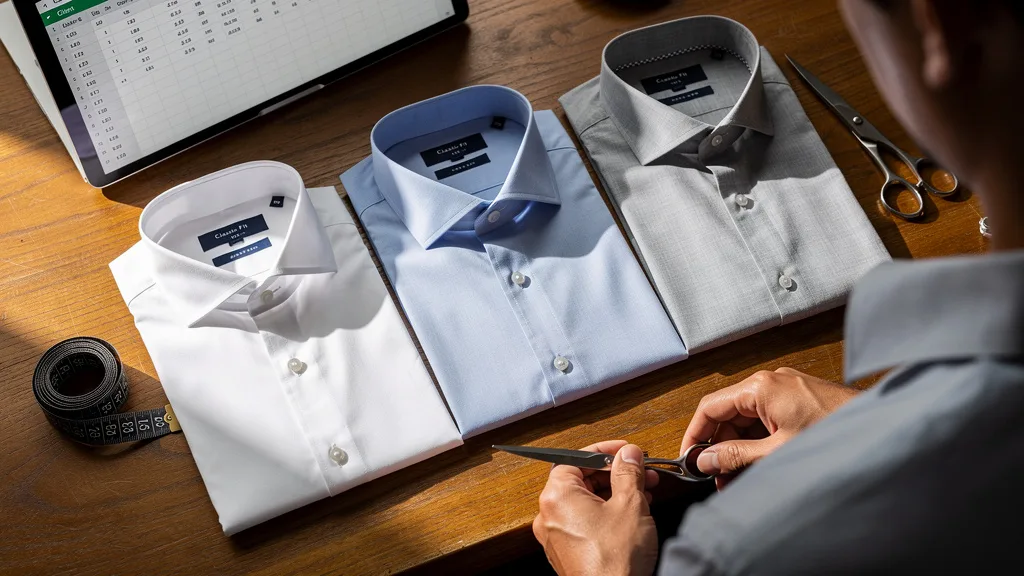
The versatility of the dress shirt is its greatest strength. While it forms the foundation of traditional business attire, contemporary styling also sees it worn without a tie, under a blazer, or even with premium chinos for a polished yet approachable look. The key is in the fabric, fit, and how you accessorize it, making it an indispensable garment for the modern man. You can learn more about what constitutes a Dress shirt from authoritative sources.
Defining Characteristics of a Dress Shirt
The defining characteristics of a dress shirt are rooted in its classic construction. It always features a full-length opening at the front, fastened with buttons. The collar is typically a point or spread style, designed to frame a tie knot neatly. Sleeves are long and finish in cuffs, most commonly barrel cuffs that fasten with one or two buttons.
Unlike their more formal or casual counterparts, dress shirts strike a balance between structure and comfort. They are cut to be worn tucked in, with enough length to stay securely in place throughout the day. The fit can range from a classic, fuller cut to a modern slim fit, allowing you to choose a silhouette that best complements your body type and personal style.
Common Fabrics and Weaves
Dress shirts are crafted from a variety of high-quality cotton weaves, each offering a different texture and level of formality. Poplin, also known as broadcloth, is a lightweight, smooth, and tightly woven fabric that provides a crisp, professional appearance. Twill is another popular choice, easily identifiable by its diagonal rib pattern. It’s slightly heavier than poplin, drapes well, and is less prone to wrinkling.
Another common fabric is Oxford cloth, which has a distinct basket-weave texture that makes it more durable and slightly more casual than poplin or twill. Pinpoint Oxford offers a finer, tighter weave for a more formal look. These different types of shirts for men ensure that you can find a dress shirt suitable for any climate and occasion, prioritizing both style and breathability.
What Constitutes a Formal Shirt?
A formal shirt is a highly specialized garment reserved for the most elevated dress codes, specifically black-tie and white-tie events. It is designed exclusively to be worn with a tuxedo or tailcoat. Unlike a standard dress shirt, its features are not built for versatility but for adhering to the strict conventions of formalwear. Every element, from the collar to the cuffs, is crafted to create an appearance of ultimate elegance and sophistication.
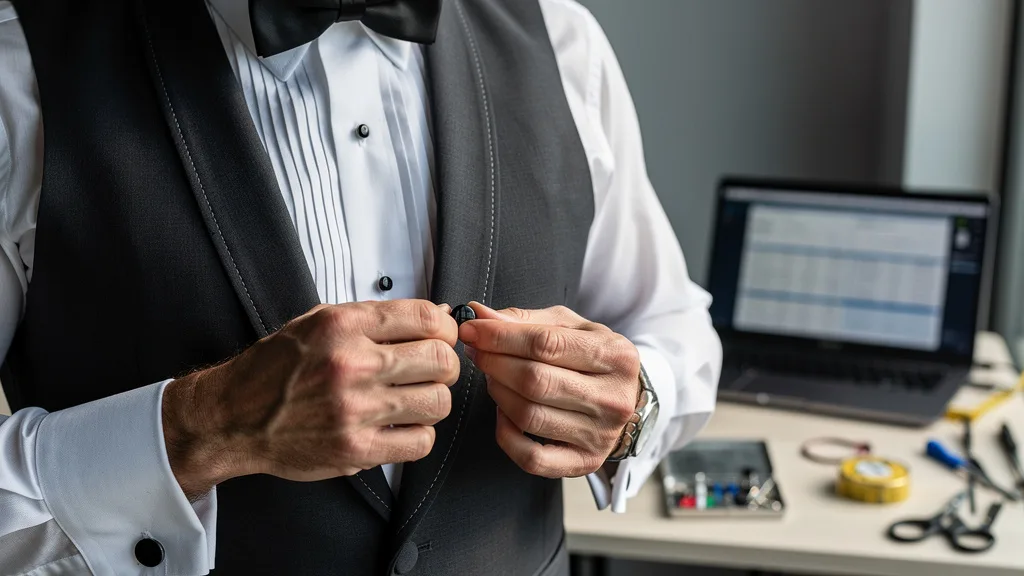
These formal types of shirts are less about personal expression and more about respecting a time-honored tradition of dressing. They are almost always white and made from premium fabrics that provide a pristine backdrop for a bow tie and tuxedo jacket. The structure is often stiffer and more pronounced than that of a regular dress shirt, contributing to a sharp and distinguished silhouette.
The most recognizable characteristics of a formal shirt are its unique collar and cuffs. The standard collar is a wingtip, featuring small, stiff points that stand up and point horizontally, designed specifically to be worn with a bow tie. While some modern interpretations allow for a clean spread collar, the wingtip remains the traditional choice for peak formality.
Furthermore, formal shirts exclusively feature French cuffs. These are double-length cuffs that are folded back and fastened with cufflinks, adding a touch of personal flair and luxury. The placket, or the front opening of the shirt, is also distinct. It may be a covered placket (a fly front) that hides the buttons for a seamless look, or it may have holes for decorative studs instead of standard buttons.
The Role of Bibs, Pleats, and Studs
Many formal shirts feature a decorative panel on the front known as a bib. This bib can be made of a piqué fabric, which has a stiff, woven texture that holds its shape and won’t wrinkle under a jacket, or it can feature fine, vertical pleats. These details add texture and visual interest to the shirt front, which is one of the few areas visible when wearing a tuxedo jacket.
Studs are another key element. Instead of a standard button placket, a formal shirt often has reinforced buttonholes that accommodate decorative studs, which typically match the cufflinks. These studs are removable and serve as jewelry for the shirt, often made from materials like onyx, mother-of-pearl, or polished metal. They are a non-negotiable part of the most traditional formal ensembles.
Dress Shirt vs. Formal Shirt: A Head-to-Head Comparison
While both are button-front shirts, the differences between a dress shirt and a formal shirt become clear when examined side-by-side. The choice between them is dictated entirely by the formality of the event and the suit or tuxedo you plan to wear. Understanding these distinctions is crucial for building a functional and appropriate wardrobe for 2026 and beyond.
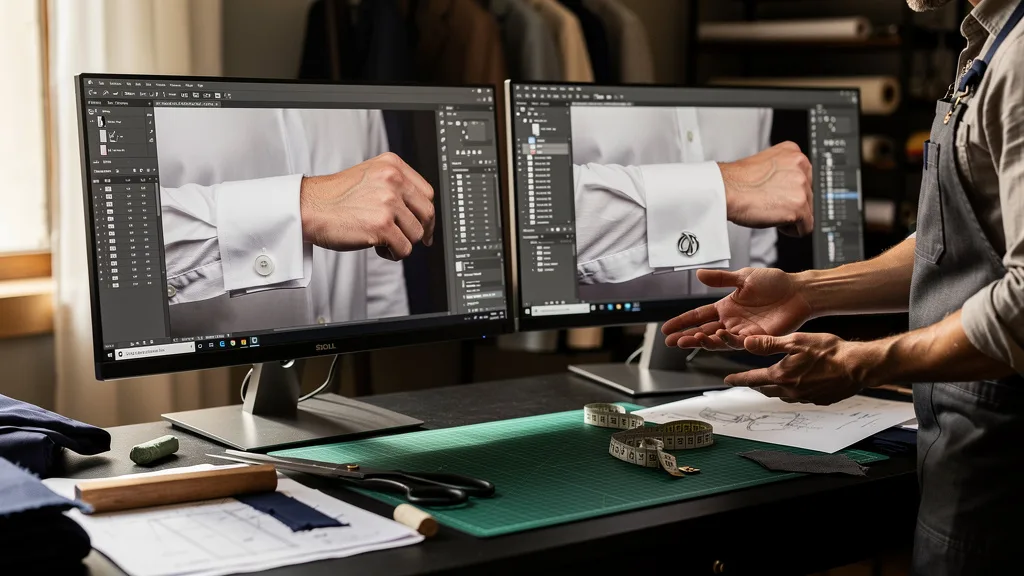
This comparison highlights how every component of a shirt is designed with a specific purpose and level of formality in mind. From the way the collar frames your face to the style of the cuff at your wrist, each detail contributes to the overall message your outfit conveys. Making the right choice demonstrates a sophisticated understanding of style etiquette.
| Feature | Dress Shirt | Formal Shirt |
|---|---|---|
| Occasion | Business, smart-casual, weddings, daily wear | Black-tie, white-tie, galas, formal weddings |
| Collar Style | Point, spread, button-down | Wingtip or, occasionally, a very wide spread |
| Cuff Style | Barrel cuffs (buttoned) | French cuffs (requiring cufflinks) |
| Placket | Standard button placket | Covered placket (fly front) or placket for studs |
| Front Detailing | Plain front | Pleated or piqué bib front |
| Color | Wide range of colors and patterns | Almost exclusively white |
| Fabric | Poplin, twill, Oxford, pinpoint | Piqué, high-thread-count poplin, jacquard |
Collar Styles: Point and Spread vs. Wingtip
The collar is one of the most immediate visual indicators of a shirt’s formality. Dress shirts offer a variety of styles, with the point collar being the most traditional, featuring narrow spacing between the collar points. The spread collar, with its wider spacing, is a more modern and assertive choice that accommodates larger tie knots. These collars are designed to be worn with a necktie but can also be worn open in casual settings.
In contrast, the wingtip collar is exclusively for formalwear. Its small, starched points stand up and angle away from the neck, perfectly framing a bow tie. This design leaves the front of the tie’s band exposed, a classic look for black-tie and white-tie affairs. Attempting to wear a wingtip collar with a standard necktie or in a business setting would be a significant style misstep.
Cuff Differences: Barrel Cuffs vs. French Cuffs
Cuffs provide another clear point of distinction. The vast majority of dress shirts come with barrel cuffs, which wrap around the wrist and fasten with one or two buttons. They are simple, functional, and appropriate for any professional or smart-casual occasion. Some dress shirts may offer convertible cuffs, which can be fastened with a button or with cufflinks.
Formal shirts, however, demand French cuffs. These longer cuffs are folded back on themselves to create a double layer of fabric, which is then secured with cufflinks. This style is inherently more elegant and decorative, offering an opportunity to introduce a metallic or colored accent to your ensemble. While some high-end dress shirts also feature French cuffs, they are a mandatory component of a true formal shirt.
Placket Design: Standard vs. Covered Plackets
The placket is the strip of fabric down the front of the shirt where the buttonholes are located. On a typical dress shirt, this is a standard placket where the buttons are visible. It’s a straightforward and functional design that has been the default for decades. Some dress shirts may have a French placket, which has no visible stitching for a cleaner, though still button-exposed, look.
Formal shirts take this clean aesthetic a step further. A covered placket, or fly front, features an extra layer of fabric that completely hides the buttons, creating an uninterrupted plane of white down the front of the shirt. Alternatively, the placket will be designed to be fastened with studs, which replace the top several buttons and serve as a decorative element in their own right.
Fabric and Formality Level
While both shirt types often use cotton, the specific weave and finish signal their formality. A dress shirt made from a textured Oxford cloth is considered more casual than one made from a smooth, high-thread-count poplin or twill. Patterns like stripes or checks immediately place a shirt in the dress or casual category, as formal shirts are almost never patterned. You can explore a variety of stylish options in our guide to the best shirt colour for men.
For formal shirts, the fabric is chosen for its luxurious feel and pristine appearance. Marcella or piqué cotton is a popular choice for the bib, collar, and cuffs due to its stiff, waffle-like texture that holds starch well and resists creasing. The body of the shirt might be a fine poplin or voile. The goal is a crisp, bright white that stands in sharp contrast to the black of a tuxedo.
How to Identify a Formal Shirt
Spotting a formal shirt is easy once you know the key markers. Unlike the wide variety of casual and formal types of shirts, a true formal shirt has a very specific set of features. If you’re ever unsure, use this simple checklist to determine if a shirt is meant for a black-tie event or the boardroom.
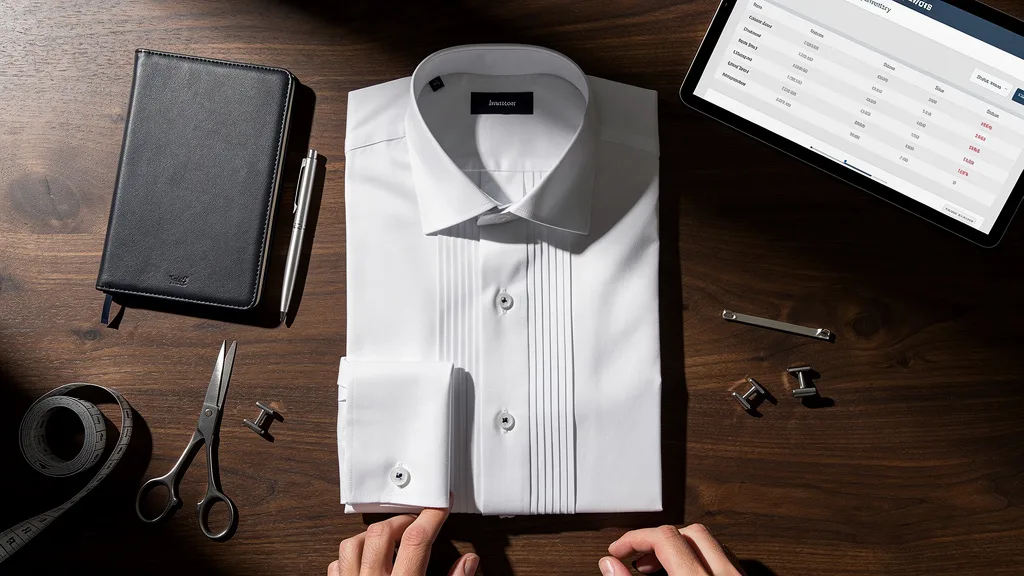
Think of these features as a uniform for elegance. The absence of any one of these elements typically means the shirt is a standard dress shirt, not a formal one. This knowledge empowers you to confidently select the right garment and avoid any dress code mistakes at your next high-profile event.
- The Collar: Look for a wingtip collar. If it has standard points or button-downs, it’s a dress shirt.
- The Cuffs: Check for French cuffs. If it has buttoned barrel cuffs, it’s a dress shirt.
- The Front: Examine the placket. Does it have a pleated or piqué bib? Does it have holes for studs instead of sewn-on buttons? If not, it’s a dress shirt.
- The Color: Is it a crisp, solid white? While dress shirts come in many colors, formal shirts are almost exclusively white.
When to Wear Each Type of Shirt
The most important rule in the dress shirt vs. formal shirt debate is context. Wearing the right shirt for the occasion is a sign of respect and social awareness. A formal shirt at the office would look out of place, just as a standard dress shirt would diminish the elegance of a black-tie ensemble.
Think of your shirt as a key that unlocks the appropriate level of style for an event. A dress shirt is your master key for daily professional and social life, while a formal shirt is a specialty key for accessing the highest echelons of sartorial tradition. Knowing when to use each is the mark of a well-informed gentleman.
Appropriate Occasions for a Dress Shirt
A dress shirt is your go-to for a vast range of events. Its primary home is in the professional world, worn with a suit and tie for business meetings, presentations, and daily office life. It is also the perfect choice for events with a smart-casual or cocktail attire dress code, such as networking events, dinner dates, and most weddings where you are a guest.
You can adjust the formality of a dress shirt through color, pattern, and accessories. A white or light blue poplin shirt is highly formal and professional. A patterned shirt in a bolder color, perhaps paired with a smart blazer, fits perfectly in a more relaxed setting. For more inspiration on pairing, our Grey Shirt Combination Guide offers excellent tips for transitioning from casual to formal looks.
Events Requiring a Formal Shirt
A formal shirt is reserved for occasions with a strict and traditional dress code. These are events designated as “black tie” or “white tie.” This includes charity galas, opera or ballet premieres, formal balls, state dinners, and certain weddings where the invitation explicitly states a black-tie dress code. At these events, wearing anything less than a proper formal shirt with a tuxedo is considered underdressed.
The goal of black-tie attire is to create a uniform look of classic elegance, and the formal shirt is an integral part of that uniform. Its specific design elements are not optional but required components of the ensemble. For a deeper dive into these codes, you can explore The Differences between Formal, Dress, Sport, and Casual shirts to ensure you are always perfectly attired.
Expanding Your Options: Formal vs. Casual Shirts
To fully understand the spectrum of shirting, it’s helpful to see where casual shirts fit in. While dress shirts are for professional settings and formal shirts are for black-tie events, casual shirts are designed for comfort and personal expression in your off-duty hours. The difference between formal casual shirts is stark and immediately noticeable.
Casual shirts often feature softer, non-fused collars (like the button-down), are made from relaxed fabrics like flannel, chambray, or linen, and frequently come in bold patterns like plaid or floral prints. They are typically cut shorter to be worn untucked and may have details like chest pockets or epaulets. Understanding this third category helps clarify why a dress shirt, with its structured collar and longer hem, is a distinct step up in formality, even when worn without a tie. It creates a complete wardrobe hierarchy, from the most relaxed T-shirt, which has its own style rules like in our drop shoulder vs regular T-shirt guide, to the pinnacle of elegance in a formal tuxedo shirt.
Key Takeaways
Navigating the world of men’s shirting is simple once you grasp the fundamental distinctions. This summary recaps the essential points to remember when choosing between a dress shirt and a formal shirt for any occasion in 2026.
- Purpose Defines the Shirt: The core difference between a dress shirt and a formal shirt is the occasion. Dress shirts are versatile for business and social events, while formal shirts are exclusively for black-tie and white-tie affairs.
- Look at the Details: Key identifiers for a formal shirt are a wingtip collar, French cuffs requiring cufflinks, and a pleated or piqué bib front, often with studs instead of buttons.
- Fabric and Color Matter: Dress shirts come in a wide array of colors, patterns, and weaves like poplin and Oxford. Formal shirts are almost always crisp white and made from premium fabrics like piqué to maintain a pristine look.
- Don’t Interchange Them: Wearing a formal shirt to the office is as inappropriate as wearing a standard dress shirt to a black-tie gala. Respecting the dress code is a sign of sartorial intelligence.
“The mark of a truly stylish man in 2026 isn’t just owning beautiful clothes; it’s understanding the context and tradition behind them. Knowing the ‘why’ behind the dress shirt vs formal shirt choice is what separates good dressers from great ones.”
Frequently Asked Questions
What are the key differences between an Oxford and a regular dress shirt?
An Oxford shirt is a type of dress shirt distinguished by its fabric. Oxford cloth uses a basket-weave pattern that makes it thicker, more durable, and more textured than the smooth, fine weaves of a typical dress shirt like poplin or twill. This texture gives Oxford shirts a more casual feel.
While a white or blue Oxford can be worn in many business-casual offices, it’s generally considered less formal than a crisp poplin or twill shirt. It’s an excellent, versatile option but wouldn’t be the first choice for a highly conservative corporate environment or to be paired with a fine worsted wool suit.
Can a dress shirt be worn without a tie?
Absolutely. Wearing a dress shirt without a tie has become a modern staple for smart-casual and business-casual attire. To do this successfully, ensure the shirt has a collar with enough structure to stand up on its own without looking sloppy. A spread collar often works well for this.
When going tieless, it’s common to leave the top one or two buttons undone. The key is to maintain a polished look, so make sure the shirt is well-fitted, ironed, and paired with appropriate trousers and a blazer or sport coat to elevate the ensemble.
Is a tuxedo shirt a type of formal shirt?
Yes, a tuxedo shirt is the quintessential example of a formal shirt. The terms are often used interchangeably. It is specifically designed to be worn with a tuxedo and features all the key characteristics of a formal shirt: a wingtip or spread collar, a pleated or piqué bib, and French cuffs for cufflinks.
Any shirt intended for a black-tie event falls under the category of a formal shirt. So, when an invitation calls for a tuxedo, the shirt you need is, by definition, a formal tuxedo shirt.
What color shirt is appropriate for a black-tie event?
For a traditional black-tie event, the only appropriate color for a formal shirt is white. A crisp, immaculate white shirt provides the perfect contrast against a black or midnight blue tuxedo, creating the clean, timeless, and elegant look that defines formalwear.
While some fashion-forward events might see variations, adhering to the classic white shirt is the most respectful and stylish choice. It ensures you meet the dress code’s expectations and maintain a sophisticated appearance throughout the evening.
How should a formal shirt fit compared to a dress shirt?
Both a formal shirt and a dress shirt should fit you well across the shoulders, chest, and waist, without excessive fabric. However, the ideal fit has subtle differences. A dress shirt should allow for comfortable movement throughout a workday, whether you’re at a desk or in a meeting.
A formal shirt is typically worn more closely to the body, as it serves as a canvas under a well-tailored tuxedo jacket. Since you are less likely to remove your jacket at a black-tie event, the fit can be slightly trimmer to ensure a clean, smooth line under the jacket, with no bunching or billowing fabric.
Conclusion
Mastering the distinction between a dress shirt and a formal shirt elevates your wardrobe from functional to exceptional. The key takeaway is that a dress shirt is your versatile workhorse for professional and smart social settings, while a formal shirt is a specialized garment reserved for the most elegant black-tie and white-tie events. By paying attention to the specific details of the collar, cuffs, and front placket, you can confidently choose the right shirt for any occasion in 2026, ensuring you always look polished and appropriate.
Now that you can distinguish between these essential garments, you are equipped to build a wardrobe that is both stylish and correct. Explore our curated collections to find the perfect premium shirts for your next business meeting or formal gala. Our commitment to quality fabrics and impeccable craftsmanship ensures you’ll find the ideal piece for every moment.
If you want help turning this into a concrete plan for your site or team, take the next step below to apply Dress Shirt vs Formal: Key Differences Explained with confidence.
Ready to act on Dress Shirt vs Formal: Key Differences Explained? SHOP NOW — tell us your goal, and we will help you pick the highest-leverage next step so you are not guessing alone.