

Deciding on the perfect traditional attire can be a challenge, especially when faced with two iconic choices. Are you deliberating between the classic elegance of a kurta and the structured authority of a Pathani suit? This choice often comes down to the occasion, your personal style, and the statement you wish to make. Understanding the fundamental differences is the first step to making a confident decision.
The core dilemma in the Kurta vs Pathani Suit: Which One Should You Choose? debate boils down to silhouette and formality. A kurta offers a versatile, straight-cut, and relaxed fit, perfect for a wide range of events from casual to semi-formal. In contrast, a Pathani suit provides a more structured, masculine look with its distinct shirt-like collar and broad shoulder construction, making it ideal for occasions where you want to project confidence and make a memorable impression.
The Kurta: An Overview of Classic Comfort
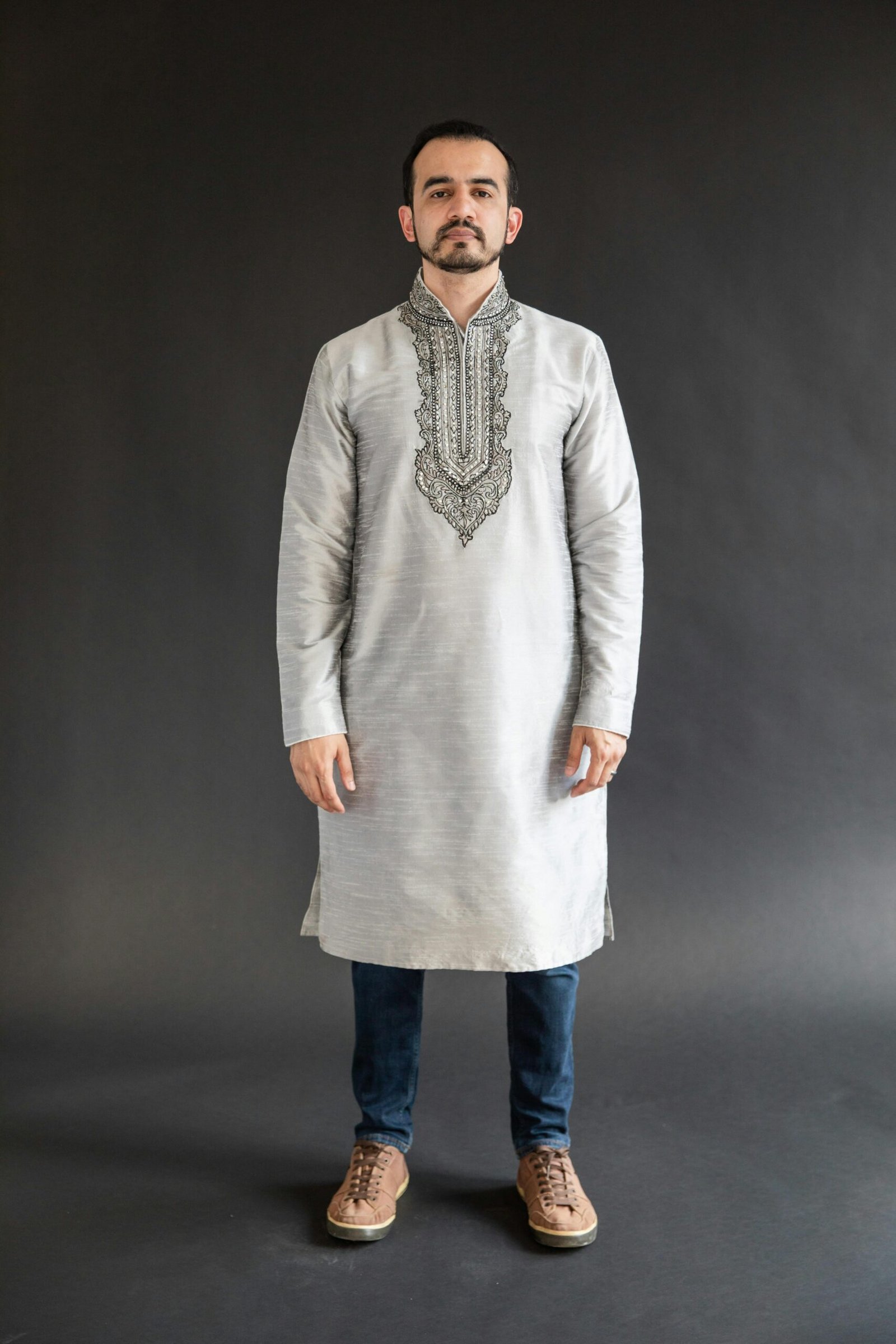
The kurta is a quintessential piece in South Asian wardrobes, celebrated for its comfort, versatility, and timeless appeal. It is essentially a long, loose-fitting shirt that typically falls to the knees or slightly below. The design is characterized by its clean lines, straight cut, and side slits that allow for ease of movement. This simplicity makes it an incredibly adaptable garment that can be dressed up or down with ease.
Traditionally, kurtas are crafted from breathable fabrics like cotton, linen, and silk, making them ideal for warm climates and all-day wear. The neckline can vary significantly, from a simple round or V-neck to a more formal band collar, also known as a Mandarin collar. Whether you’re attending a religious ceremony, a casual family get-together, or a festive celebration, a well-chosen kurta for men provides a look that is both elegant and understated.
The Pathani Suit: A Profile of Structured Style
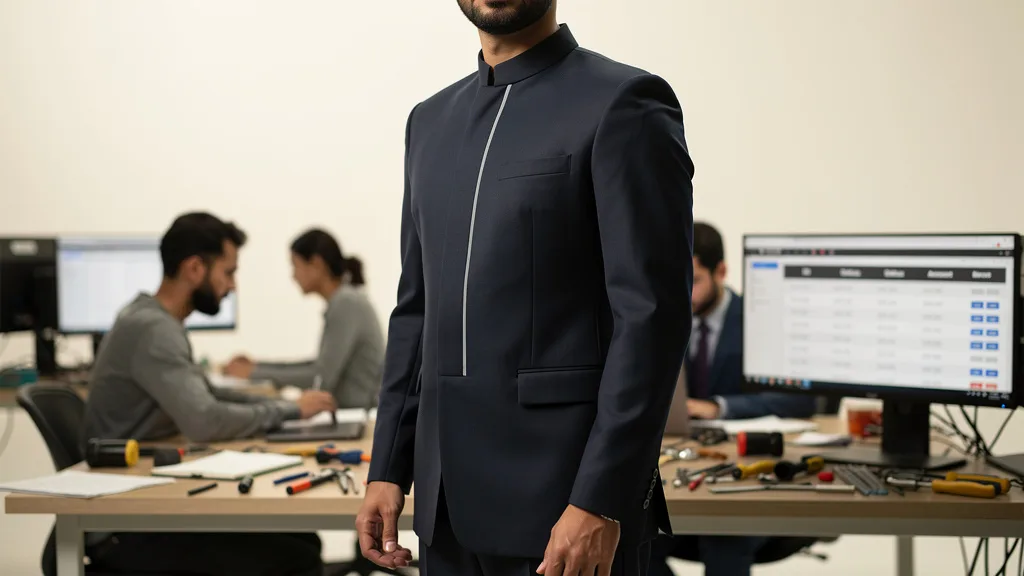
The Pathani suit commands attention with its distinct and powerful silhouette. Originating from the Pashtun regions of Afghanistan and Pakistan, this garment is inherently masculine and structured. Unlike the kurta, the Pathani suit features a stiff, shirt-style collar and often includes shoulder tabs (epaulets), which contribute to its broad-shouldered, commanding appearance. The fit is more tailored around the chest and shoulders, creating a more defined shape than the flowing kurta.
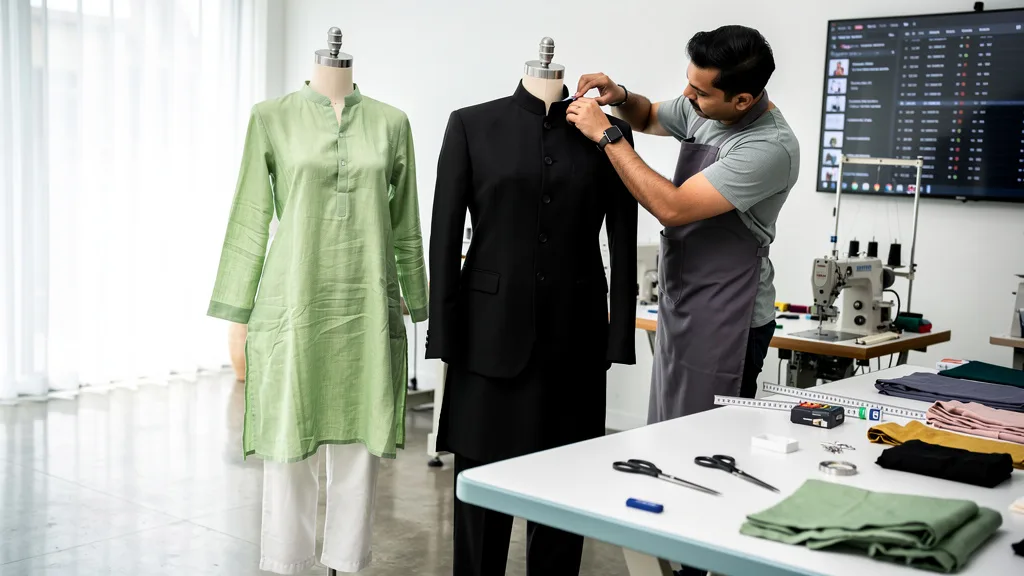
A complete Pathani suit consists of the top and a matching salwar, a loose-fitting trouser that is pleated at the waist and tapers towards the ankles. This combination creates a cohesive and impactful look. While it can be made from cotton or linen, Pathani suits are also crafted from heavier fabrics like khaddar to enhance their structure. It’s a statement piece, conveying a sense of heritage, strength, and formal style.
Kurta vs Pathani Suit: The Main Differences
While both garments are pillars of traditional menswear, their distinctions are clear once you know what to look for. The primary differences lie in the collar design, overall silhouette, fabric choice, and the type of trousers they are paired with. Understanding these nuances will help you select the right outfit for your needs.
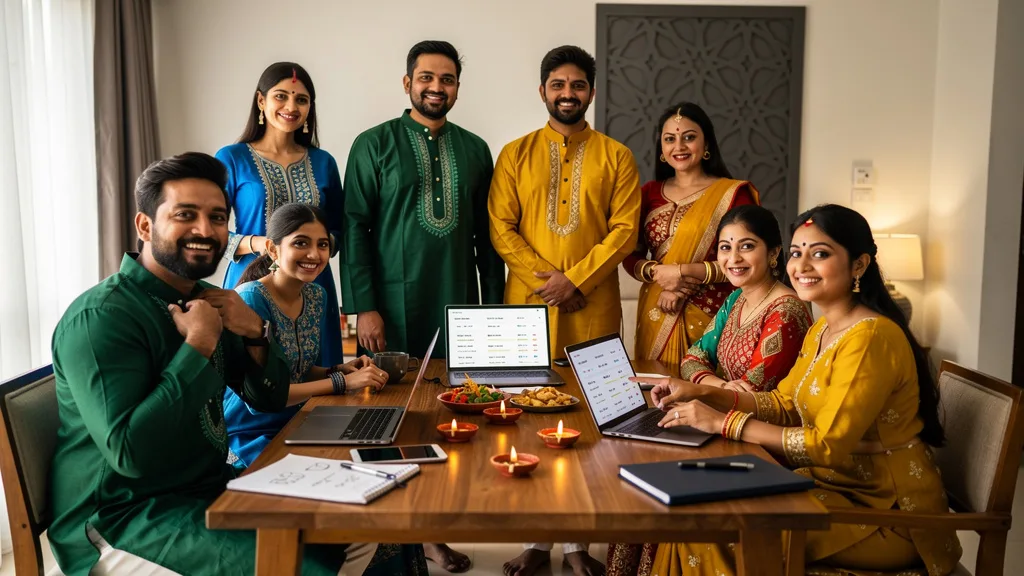
Here is a table summarizing the key distinctions between a kurta pyjama and a Pathani suit, helping you visualize the choice at a glance.
| Feature | Kurta | Pathani Suit |
|---|---|---|
| Collar | Typically features a band collar (Mandarin), round neck, or is collarless. | Features a stiff, turn-down shirt-style collar, often with stays. |
| Silhouette | Straight, relaxed, and flowing cut for comfort and ease of movement. | Structured and tailored with broad shoulders and a defined chest. |
| Paired Bottoms | Paired with a straight-cut pajama, churidar, or even jeans for a modern look. | Traditionally paired with a loose, pleated salwar. |
| Overall Vibe | Versatile, elegant, comfortable, and understated. | Bold, masculine, authoritative, and formal. |
| Common Occasions | Festivals, religious ceremonies, family gatherings, casual wear. | Weddings, formal receptions, cultural events, and statement appearances. |
Collar and Placket Design
The most immediate visual difference is the collar. A kurta is known for its softer collar styles. The most common is the band or Mandarin collar, a short, stand-up collar that does not have points or a turndown. Many casual kurtas are even collarless, featuring a simple round or V-neck with a placket (the opening for the buttons).
In contrast, the Pathani suit is defined by its crisp, shirt-style collar. This collar is constructed just like one on a Western dress shirt, with points and the ability to be starched for a stiff, formal appearance. This feature alone elevates the garment’s formality and contributes to its structured, authoritative look.
Overall Fit and Silhouette
The silhouette of each garment creates a very different impression. A kurta is designed for comfort and has a straight, flowing cut from the shoulders down. It drapes loosely over the body, making it forgiving for various body types and exceptionally comfortable for long hours of wear. The side slits are crucial for ensuring you can move freely.
A Pathani suit, however, is all about structure. It is tailored to broaden the shoulders and create a V-shaped torso. The fit is closer to the body around the chest and shoulders, often with distinctive shoulder tabs that enhance this effect. The result is a powerful and imposing silhouette that looks sharp and intentional.
Typical Fabric Choices
Fabric plays a significant role in the drape and feel of both outfits. Kurtas are most popular in lightweight, breathable fabrics. Cotton, silk blends, linen, and viscose are common choices, as they enhance the garment’s comfortable, easy-wearing nature. For festive occasions, kurtas in richer fabrics like jacquard or raw silk offer more sheen and formality.
While Pathani suits can also be made from cotton and linen for summer wear, they are often crafted from slightly heavier or denser fabrics to support their structured shape. Materials like khaddar, poplin, and thicker cotton weaves help the collar stay crisp and the shoulders maintain their form. The fabric choice is integral to achieving the suit’s characteristic sharp look.
Paired Bottoms: Pajama vs Salwar
The traditional pairing for each top also differs. A kurta is most commonly worn with a pajama, which is a simple, straight-cut trouser secured with a drawstring. This combination is known as a kurta pyjama. For a more formal or fashionable look, a kurta can also be paired with a churidar (a tight-fitting trouser that gathers at the ankle) or even jeans for a fusion style.
The Pathani suit is almost exclusively paired with a salwar. A salwar is a very loose trouser, pleated at the waist, which allows for maximum comfort and freedom of movement. It tapers down to a cuffed ankle. The generous volume of the salwar balances the structured top, creating the complete, traditional Pathani suit ensemble. Patiala suit.
A Guide to Occasions: When to Wear Each Garment
Choosing between a kurta and a Pathani suit often comes down to the specific event you are attending. While personal style is always a factor, certain occasions lend themselves better to one style over the other. Thinking about the event’s formality, time of day, and expected activities will guide you to the perfect choice.
“Your choice in the Kurta vs Pathani Suit debate sets the tone for your entire presence. The kurta whispers elegance, while the Pathani suit announces authority. For 2026, the trend is about choosing the right voice for the right moment.”
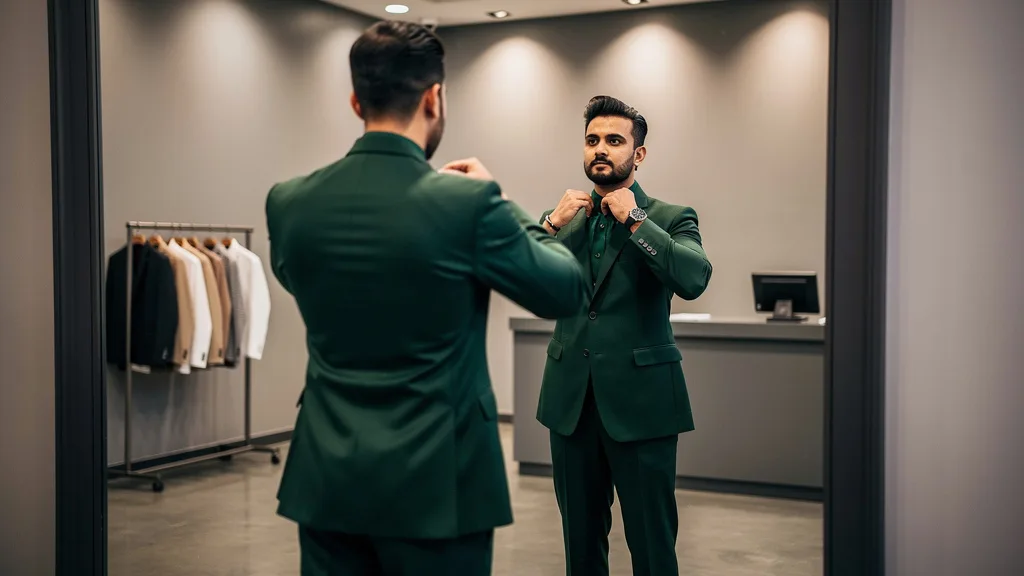
Best Events for a Kurta Pyjama
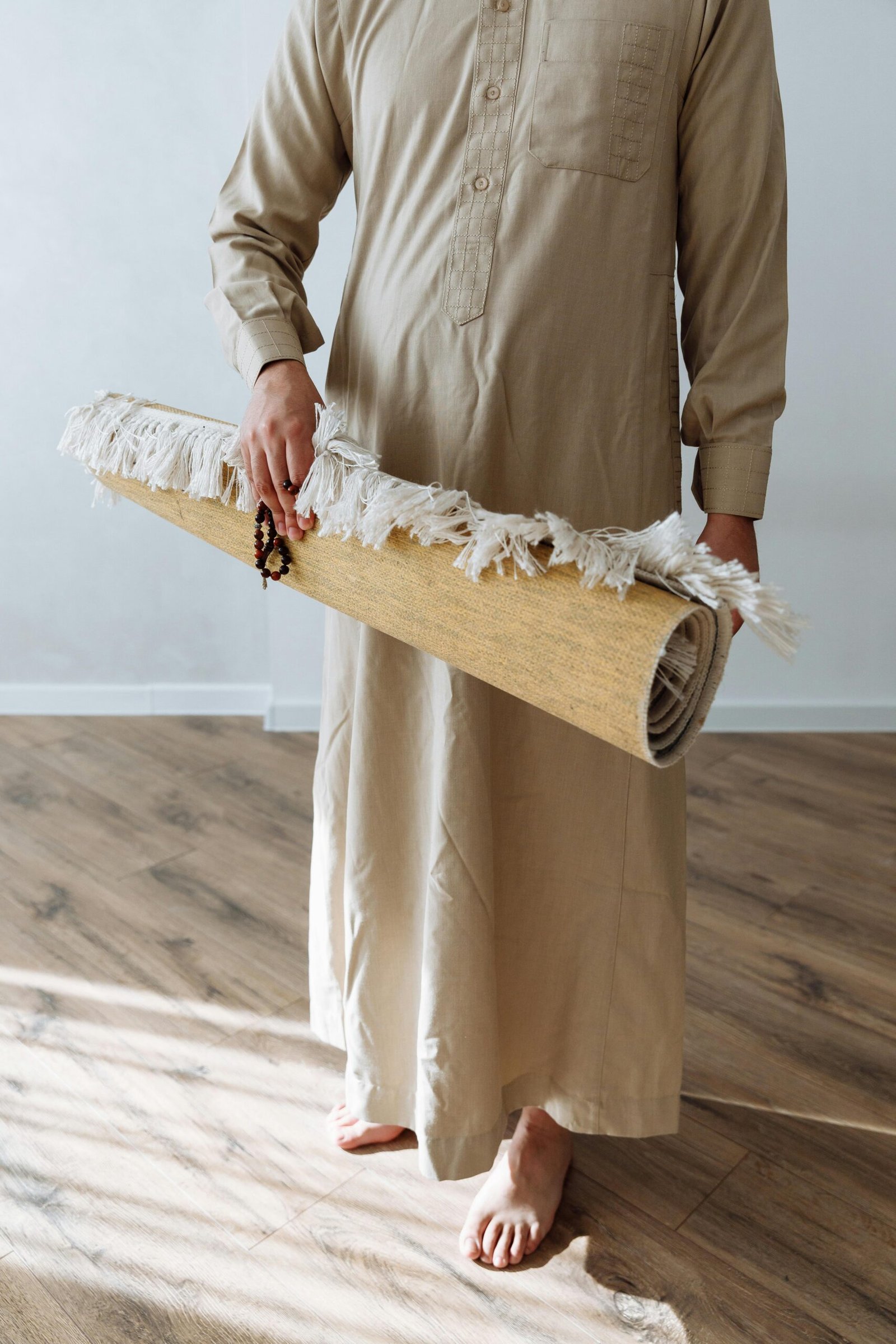
A kurta pyjama is the epitome of versatile elegance, making it a go-to for a multitude of events. Its comfort and understated style are perfect for long functions. Consider wearing a kurta for daytime religious ceremonies, such as a visit to the Gurdwara for Vaisakhi prayers or morning Eid prayers, where simplicity and respect are key. Breathable cotton or linen kurtas are ideal for these moments.
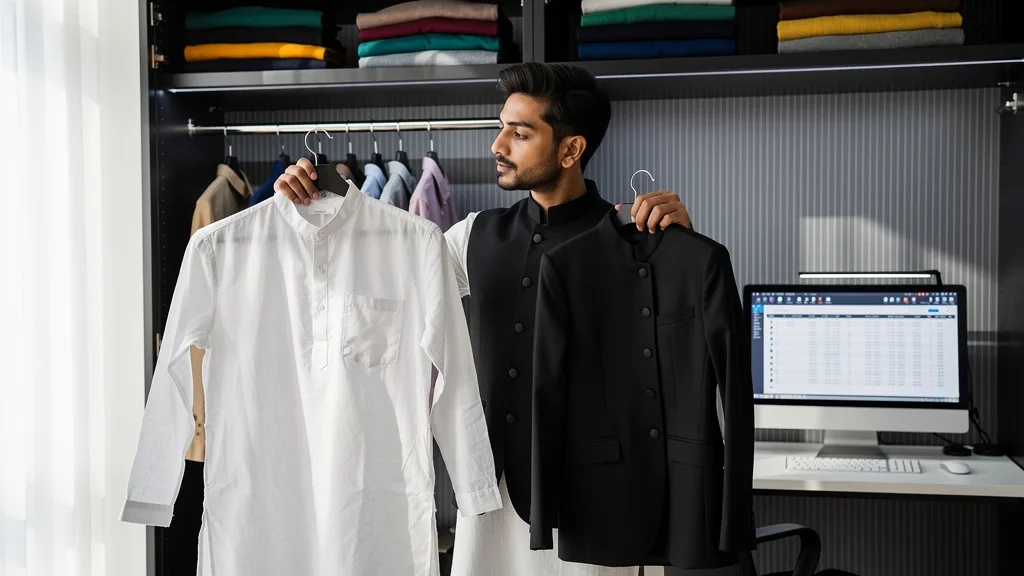
It is also the perfect choice for semi-formal family gatherings, pre-wedding functions like a Sangeet or Mehndi, and festive celebrations at home. For evening events or weddings, you can elevate the look by choosing a kurta in a richer fabric like silk or jacquard and pairing it with a Nehru jacket. If you are a guest at a wedding, learning how to choose the perfect kurta for weddings can help you strike the right balance between festive and respectful.
When a Pathani Suit Is the Right Choice
A Pathani suit is your ally when you want to make a strong, confident statement. Its structured form makes it inherently more formal and impactful than a kurta. This makes it an excellent choice for being a key participant in a wedding, such as a groom’s brother or close friend, or for attending a formal reception.
The garment’s cultural roots also make it particularly fitting for specific celebrations like Vaisakhi, where it honors Punjabi and Pashtun heritage. As the harvest festival approaches, the bold silhouette of a Pathani suit stands out during an Nagar Kirtan or an evening filled with gidda and bhangra. It’s an outfit that conveys pride and a connection to one’s identity and roots. For a formal evening event, a crisp black or navy Pathani suit is a classic choice that exudes sophistication.
How to Choose the Right Attire for You
Ultimately, the best choice between a kurta and a Pathani suit depends on your personal taste, the look you want to achieve, and what makes you feel most confident. Consider the overall aesthetic you’re aiming for, whether it’s understated tradition or bold authority, and how each garment complements your physique.
For a Traditional and Understated Look
If your style leans towards classic, timeless, and understated elegance, the kurta is your ideal companion. Its clean lines and simple silhouette offer a sophisticated look without being overly assertive. It serves as a perfect canvas for subtle accessorizing, such as with a classic watch or a pair of traditional footwear like juttis.
A well-fitting kurta in a high-quality fabric like silk, linen, or fine cotton speaks volumes through its simplicity. It’s a choice that reflects quiet confidence and refined taste, suitable for a gentleman who appreciates tradition but prefers a minimalist approach to style.
For a Bold and Statement-Making Appearance
When the goal is to stand out and project a sense of strength and confidence, the Pathani suit is the clear winner. Its structured shoulders and sharp collar create an undeniably powerful presence. This is the outfit you choose when you want to be noticed and remembered at a formal event or important celebration.
The authoritative vibe of a Pathani suit makes it a favorite for leaders and men who aren’t afraid to embrace a bold style. Paired with polished leather sandals or loafers, it creates a look that is both traditional and commanding. For more inspiration, you can find Tips To Choose Best Pathani from authoritative guides to ensure you select a style that truly makes an impact.
Considering Your Body Type and Comfort
Comfort and fit are paramount. The loose, straight cut of a kurta is universally flattering and offers unmatched comfort, making it an excellent choice for all body types, including those with a heavier build. It drapes gracefully and allows for plenty of room to move, which is ideal for long events.
The Pathani suit, with its tailored fit, is particularly flattering for men with broader shoulders or those who want to create the illusion of a more athletic frame. However, getting the fit right is crucial; a poorly fitted Pathani suit can look bulky. Always refer to a kurta size guide online or get measured to ensure the shoulders and chest fit perfectly. You can also explore A Complete Guide To Pathani to understand the nuances of its fit.
Key Takeaways
Navigating the choice between a kurta and a Pathani suit is simpler when you understand their core characteristics. Here are the essential points to remember as you make your decision for 2026:
- Define Your Occasion: Kurtas are versatile and ideal for a wide range of events, from casual to semi-formal. Pathani suits are best reserved for formal, celebratory, or statement-making occasions.
- Consider Your Desired Silhouette: Choose a kurta for a relaxed, flowing, and understated look. Opt for a Pathani suit if you want a structured, broad-shouldered, and authoritative appearance.
- Prioritize Fabric and Comfort: For hot weather and long events, the lightweight fabrics of a kurta are often more comfortable. The structured fabrics of a Pathani suit offer a sharper look but may be less breathable.
- Mind the Details: The collar is a key differentiator. A soft, band collar signifies a kurta, while a stiff, shirt-style collar defines the Pathani suit.
- The Bottoms Matter: A kurta is typically paired with a straight pajama, while a Pathani suit is traditionally worn with a loose salwar. This completes the authentic look for each style.
Frequently Asked Questions
What is the main difference between a kurta pyjama and a Pathani suit?
The main difference lies in three areas: the collar, the fit, and the trousers. A kurta has a soft band collar or is collarless, a straight and relaxed fit, and is paired with a pajama. A Pathani suit has a stiff, shirt-style collar, a structured fit that broadens the shoulders, and is paired with a loose salwar.
Which colors are best for a Pathani suit in 2026?
For 2026, classic colors like crisp white, black, and navy blue remain timelessly elegant for Pathani suits. However, modern trends also embrace deep jewel tones like emerald green and sapphire blue, as well as earthy shades like olive and beige for a contemporary yet sophisticated look at formal events.
Who traditionally wears a Pathani suit?
Traditionally, the Pathani suit is worn by Pashtun men in Afghanistan and Pakistan. Its name is derived from ‘Pathan,’ an older term for Pashtun people. However, its powerful and stylish silhouette has led to its widespread popularity across South Asia and among the global diaspora, where it is worn by men from various cultural backgrounds.
Can a Pathani suit be worn for formal business events?
Generally, a Pathani suit is not appropriate for formal corporate or business settings in a Western context, where a suit and tie is the standard. It is considered cultural and ceremonial wear. For business-casual environments with a more relaxed dress code, a simple, solid-colored kurta might be acceptable, but a casual suit would be a safer choice.
Are Pathani suits generally more expensive than kurtas?
Often, yes. Pathani suits typically involve more complex tailoring, especially in the collar and shoulder construction, which can increase labor costs. They may also use more fabric, particularly in the salwar. While a high-end designer kurta made from pure silk can be expensive, on average, a complete Pathani suit tends to have a higher price point than a standard kurta pyjama set due to its structure.
Conclusion
The choice in the Kurta vs Pathani Suit: Which One Should You Choose? debate is a personal one that reflects your style and the context of the event. The kurta offers unparalleled versatility and comfort, making it a reliable and elegant choice for countless occasions. Its understated grace allows you to blend in beautifully while still looking impeccably dressed. The Pathani suit, on the other hand, is a tool for making a bold, confident statement with its structured tailoring and authoritative presence.
Your final decision should be guided by a few key takeaways. First, assess the formality of the event. Second, consider the silhouette you wish to project: relaxed elegance or structured power. Finally, choose the garment that makes you feel the most comfortable and confident, as that is the true key to great style. Whether you select the classic kurta or the commanding Pathani suit, embracing traditional wear is a powerful way to connect with culture and express your personal identity.
Ready to find your perfect traditional attire? Explore our curated collections of premium kurtas and suits to discover a style that speaks to you and prepares you for any occasion. Find the perfect fit and fabric that will make you look and feel your best. SHOP NOW
If you want help turning this into a concrete plan for your site or team, take the next step below — it is the fastest way to move from reading about Kurta vs Pathani Suit: Which One Should You Choose? to applying it with confidence.
Ready to act on Kurta vs Pathani Suit: Which One Should You Choose?? SHOP NOW — tell us your goal, and we will help you pick the highest-leverage next step so you are not guessing alone.