

Have you ever wondered what separates a crisp, breathable golf polo from a soft, casual one? The secret lies in the fabric. Choosing the right material is crucial for comfort, style, and longevity, but navigating the differences between knit types can be confusing. Understanding the unique properties of each fabric ensures you select a polo shirt that not only looks great but also performs exactly how you need it to.
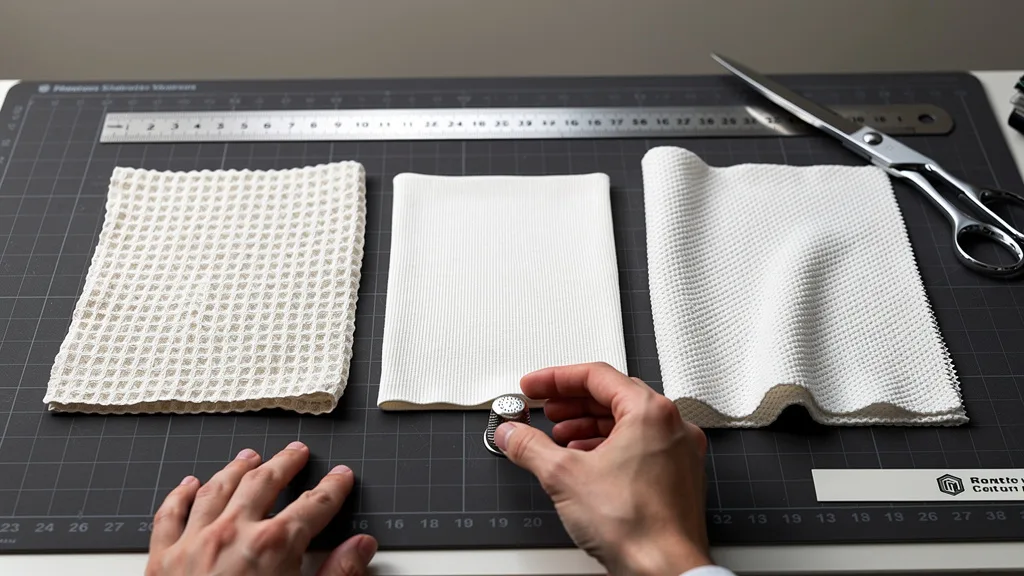
When comparing pique vs interlock: best fabrics for polo shirts, the primary differences are texture and structure. Pique fabric has a textured, waffle-like weave that is highly breathable, making it ideal for activewear and warm climates. Interlock is a double-knit fabric that is exceptionally smooth, soft, and stable, lending it a more premium and formal appearance. A third common option, jersey, is a lightweight single-knit fabric prized for its softness and casual comfort, similar to a standard t-shirt.
Understanding the Top 3 Polo Shirt Fabrics
The polo shirt is a timeless wardrobe staple, but not all polos are created equal. The fabric knit is the single most important factor determining its feel, performance, and ideal use. While many materials can be used, most high-quality polos are made from one of three primary knit types: pique, interlock, or jersey. Each offers a distinct combination of texture, weight, and breathability.
Grasping the fundamentals of these knits will transform how you shop for apparel. You’ll be able to identify which shirt will keep you cool on the golf course, which will look sharpest for a business-casual meeting, and which will provide the most comfort for a relaxed weekend. Let’s explore the characteristics that define each of these popular polo shirt fabrics.
Pique: The Classic Textured Knit
Pique (pronounced pee-kay) is the original and most traditional fabric for polo shirts. Its defining feature is a textured, three-dimensional pattern, often resembling a waffle, honeycomb, or birdseye weave. This structure is created during the knitting process, where some threads are raised to form the distinct pattern. This texture creates small pockets that lift the fabric slightly off the skin, which significantly enhances air circulation.
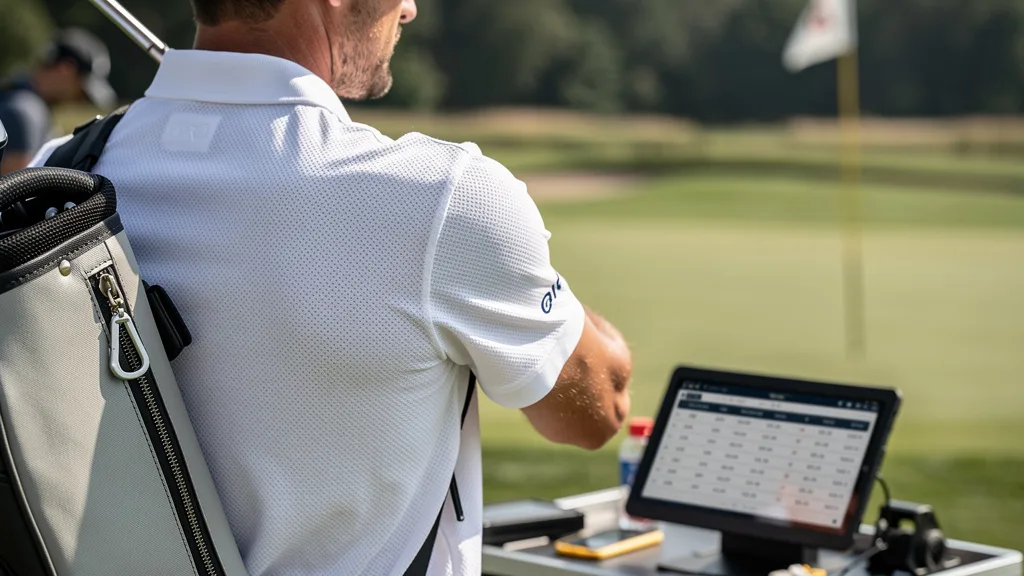
This breathability makes cotton pique the go-to choice for sportswear, especially for golf and tennis polos. The fabric is typically medium-weight, durable, and does an excellent job of hiding perspiration. Its structured nature gives the shirt a classic, sporty look that holds its shape well throughout the day, resisting wrinkles better than smoother knits.
Interlock: The Smooth and Stable Knit
Interlock is a type of double-knit fabric, meaning two layers of jersey fabric are knitted together, one on top of the other. This construction method creates a material that is identical on both sides, exceptionally smooth, and very stable. Unlike single-knit fabrics, interlock does not curl at the edges when cut, which is a sign of its high-quality structure.
The resulting interlock fabric is denser and heavier than a single jersey knit, giving it a more substantial and luxurious feel. It has a natural stretch and drapes beautifully, making it an excellent choice for more formal or premium polo shirts. While not as breathable as pique due to its tighter knit, its incredible softness and smooth surface make it extremely comfortable against the skin and provide a perfect canvas for printing and embroidery.
Jersey: The Lightweight T-Shirt Knit
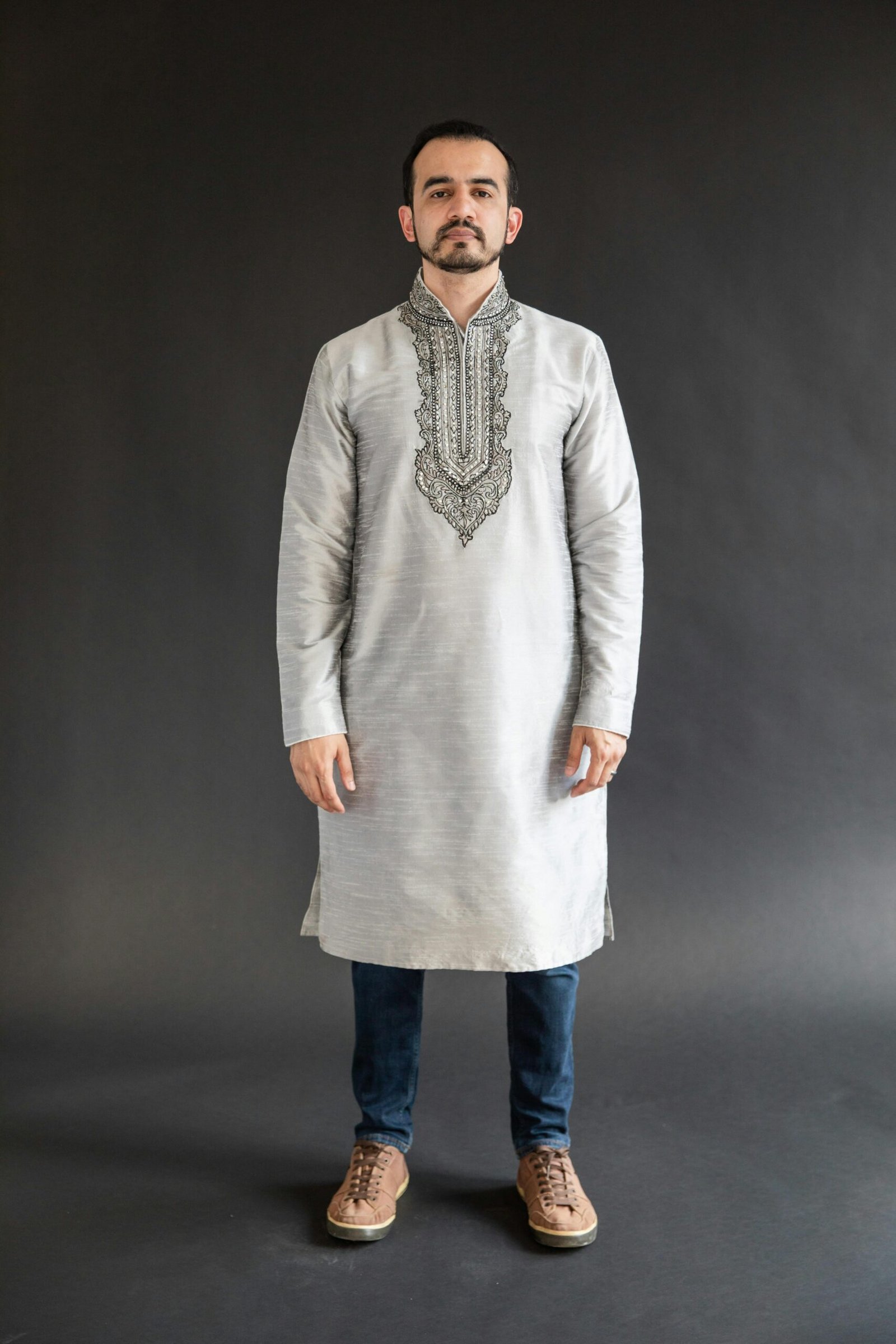
If you’ve ever worn a soft, comfortable t-shirt, you’re already familiar with jersey fabric. This single-knit material is lightweight, breathable, and has a significant amount of stretch, especially if it contains elastane. It’s known for its soft feel and casual drape, which conforms to the body more than the structured fit of a pique polo. XXXXL Shirts 2024 Full Body.
Jersey polos are often seen as a more relaxed, modern alternative to the classic pique style. They offer supreme comfort for everyday wear and are typically more budget-friendly than interlock or pique options. While they are very comfortable, they are also less durable and more prone to losing their shape or showing wear over time compared to the more robust double-knit interlock or textured pique. For a comfortable and casual option, explore some of the best regular fit shirts for everyday comfort.
Pique vs Interlock vs Jersey: Key Differences at a Glance
Choosing between these three popular fabrics comes down to your priorities. Are you looking for maximum breathability for an active day, a smooth and professional finish for the office, or casual comfort for the weekend? The right choice depends entirely on the occasion and your personal preference for texture and fit. This table breaks down the core differences to help you decide at a glance.
| Feature | Pique | Interlock | Jersey |
|---|---|---|---|
| Texture | Textured, waffle or honeycomb pattern | Very smooth on both sides | Soft and smooth, slight texture |
| Breathability | Excellent, due to open weave | Moderate, due to dense knit | Good, due to light weight |
| Durability | Very durable, holds shape well | Excellent, very stable and resists pilling | Moderate, can stretch or lose shape over time |
| Appearance & Drape | Structured, sporty, and classic | Smooth, fluid drape, looks premium | Casual, relaxed drape, like a T-shirt |
| Best For | Golf, tennis, warm weather, classic look | Corporate wear, premium casual, formal events | Everyday casual wear, promotional items |
Texture and Feel
The most immediate difference you’ll notice between these fabrics is how they feel. Pique has a distinctively bumpy and textured hand-feel due to its raised knit structure. This texture is part of its classic appeal and is what makes it feel substantial and sporty. It is less likely to cling to the skin, which is a significant advantage in hot or humid conditions. Best Shirt Colour for Men.

In contrast, cotton interlock is prized for its exceptionally smooth and soft surface. Because it’s a double-knit, it feels thicker and more plush than jersey, with a silk-like feel that gives it a luxurious quality. Jersey fabric is also soft, but it’s much lighter and thinner, feeling more like a high-quality t-shirt than a structured polo.
Breathability and Comfort
For warm weather and physical activity, breathability is paramount. Pique‘s open, geometric weave is specifically designed to promote airflow, allowing heat and moisture to escape from the body. This makes it the undisputed champion for staying cool and dry during a round of golf or a summer barbecue. Many of the best premium shirts for summer 2026 utilize this breathable construction.
Interlock, with its tighter and denser construction, is less breathable than pique. However, its softness often translates to a different kind of comfort, especially in climate-controlled environments. Jersey‘s breathability comes from its light weight; while the knit itself isn’t as open as pique, the thinness of the fabric allows for decent air exchange, making it comfortable for casual, low-intensity activities.
Durability and Shape Retention
When investing in quality apparel, you want it to last. Interlock fabric is the most durable and stable of the three. Its double-knit construction makes it resistant to runs, pilling, and curling at the edges, and it holds its shape exceptionally well after repeated washes. This makes it an excellent investment for a long-lasting, premium garment.
Pique is also highly durable. Its structured weave is robust and can withstand significant wear and tear, which is why it has been a sportswear staple for decades. Jersey is the least durable of the trio. As a single-knit fabric, it is more susceptible to stretching, twisting, and developing holes over time, particularly in lower-weight versions.
Appearance and Drape
How a shirt hangs on your body, or its drape, dramatically affects its style. Pique fabric offers a structured drape, meaning it holds its own shape rather than clinging to the body. This creates a sharp, clean silhouette that is flattering for many body types and is synonymous with the classic polo look. You can find excellent examples of this in various black polo t shirt outfit ideas.
Interlock has a more fluid and graceful drape. Its weight and smoothness allow it to hang cleanly, creating a sophisticated and polished appearance that elevates it above a standard polo. Jersey has the most relaxed drape, closely following the contours of the body for a casual, comfortable fit that is less formal than either pique or interlock.
How to Choose the Right Polo Shirt Fabric for You
With a clear understanding of each fabric’s properties, you can now make an informed decision based on your specific needs and lifestyle. The best fabric for you is the one that aligns with the climate you live in, the occasions you’ll be wearing the shirt for, and your personal style preferences. Think about where and when you’ll wear your polo most often.
“Choosing the right polo shirt fabric is a game-changer. For a client seeking a breathable, classic look for a corporate golf outing, I always recommend pique. For a premium, elegant feel suitable for business-casual settings, nothing beats the smooth drape of an interlock knit. The decision in the pique vs interlock debate truly hinges on the desired function and aesthetic.” Red Shirts for Men.

Best for Hot Weather and Activewear
If you need a shirt that will keep you cool and comfortable in the heat or during physical activity, pique is the undisputed winner. Its three-dimensional weave maximizes airflow, wicking moisture away from the skin and allowing it to evaporate quickly. This makes it the ideal choice for golf, tennis, boating, or simply navigating a hot summer day in style.
While 100% cotton pique is a classic, modern performance blends often incorporate polyester or other synthetic fibers to enhance moisture-wicking properties and add stretch. For pure comfort in the heat without high activity, a lightweight jersey polo can also be a good, breathable option.
Best for a Premium, Formal Look
When you want your polo to look more like a dress shirt than a sports shirt, interlock is the superior choice. Its incredibly smooth surface, subtle sheen, and fluid drape create a polished and sophisticated appearance. An interlock polo pairs effortlessly with chinos or even a casual blazer for a smart, business-casual ensemble.
The stability and weight of the fabric give it a structured yet soft look that resists wrinkling and looks sharp all day long. Because its surface is so smooth, it also takes embroidery and fine detailing exceptionally well, further enhancing its premium aesthetic.
Best for Durability and Longevity
For a polo shirt that will stand the test of time and countless wash cycles, look to interlock and high-quality, heavyweight pique. Interlock’s double-knit construction makes it inherently strong and resistant to pilling and shape distortion. It’s a true workhorse fabric that maintains its premium look and feel over the long haul.
Heavyweight pique is also incredibly durable, built to withstand the rigors of sport and frequent laundering. While lighter pique knits are still strong, a higher GSM (Grams per Square Meter) version will offer the best longevity. Jersey, particularly lightweight jersey, is the least durable and should be chosen primarily for comfort over long-term resilience.
Best for Budget-Friendly Options
When cost is a primary factor, jersey fabric is generally the most economical choice. The single-knit construction requires less yarn and a simpler manufacturing process, which translates to a lower price point. This makes jersey polos a popular option for promotional giveaways, large group uniforms, or for anyone looking to build a collection of casual shirts without a significant investment.
While pique can sometimes be found at a similar price point, interlock is almost always the most expensive of the three due to its more complex double-knit process and higher yarn consumption. However, it’s important to remember that with fabrics, price often correlates with durability and the overall quality of the finish.
What Is GSM and Why Does It Matter for Polo Shirts?
GSM, which stands for Grams per Square Meter, is a standard measurement of fabric weight and density. A higher GSM indicates a heavier, thicker, and more densely knit fabric, while a lower GSM signifies a lighter, thinner material. This metric is crucial because it directly impacts a polo shirt’s durability, opacity, feel, and ideal seasonal use, regardless of whether it’s pique, interlock, or jersey.
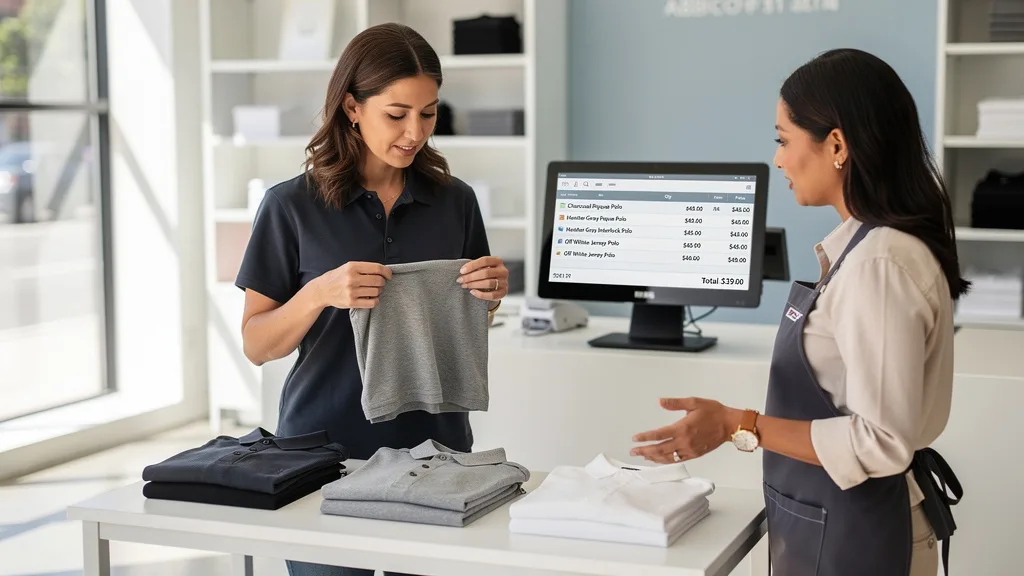
For example, a pique polo with a low GSM (around 170-180) will be very light and airy, perfect for the hottest days, but may be less durable. A pique polo with a high GSM (220-240) will feel much more substantial, hold its shape better, and last longer. Similarly, a high-GSM jersey can feel surprisingly premium and durable, blurring the lines between it and a lightweight interlock. When comparing shirts, always consider the GSM as it provides a tangible measure of the fabric’s quality and substance. XXXXL Shirts 2025.
Key Takeaways
Navigating the world of polo shirt fabrics becomes simple when you remember the core strengths of each type. This summary provides a quick reference to help solidify your understanding and guide your next purchase.
- Choose Pique for Breathability and Sport: Its textured, open weave is unmatched for airflow, making it the top choice for warm climates, golf, tennis, and achieving a classic, sporty look.
- Choose Interlock for a Premium, Smooth Finish: Its double-knit construction creates a dense, incredibly smooth, and durable fabric that drapes beautifully, perfect for business-casual and formal settings.
- Choose Jersey for Casual Comfort and Value: As the same fabric used in T-shirts, it offers a soft, lightweight, and stretchy feel ideal for relaxed, everyday wear at an affordable price point.
- Don’t Forget GSM: Grams per Square Meter (GSM) is a critical measure of fabric weight and quality. A higher GSM generally means a more durable and substantial shirt, regardless of the knit type.
Frequently Asked Questions
Even with a clear understanding of the main fabric types, you might have some specific questions. Here are answers to some of the most common inquiries about polo shirt materials.
Which is better for polos: interlock or mesh?
The term “mesh” in the context of polos usually refers to a type of pique knit with a more open, net-like structure designed for maximum ventilation. Therefore, comparing interlock and mesh is essentially another way of comparing interlock and a very breathable form of pique. The choice depends entirely on the intended use.
Mesh (pique) is superior for high-intensity sports or very hot, humid weather due to its exceptional airflow. Interlock is better for situations where a premium look, smooth feel, and professional appearance are more important than athletic performance. For a business meeting, choose interlock; for a tennis match, choose mesh.
Does interlock fabric shrink more than pique?
Generally, interlock fabric is less prone to shrinking and twisting than pique fabric. This is due to its stable double-knit construction, where two layers of fabric are interlocked, balancing out the tension in the yarn. This structure makes it inherently more stable during washing and drying. Stylish XXXXL .
Pique, being a single-knit construction (albeit a complex one), can be more susceptible to shrinkage, especially if it’s a lower-quality or non-preshrunk cotton. However, most reputable manufacturers pre-shrink both fabric types to minimize this issue. Always follow the care label instructions to ensure the longevity of any garment.
Is jersey fabric generally cheaper than pique or interlock?
Yes, jersey is typically the most budget-friendly of the three fabrics. The manufacturing process for a single-knit jersey is simpler, faster, and requires less yarn than the more complex structures of pique or interlock. This efficiency in production leads to a lower cost for the final garment.
Interlock is usually the most expensive due to its double-knit process, which consumes more yarn and time. Pique falls in the middle, but its price can vary widely based on the complexity of the weave and the weight (GSM) of the fabric. The value of each depends on balancing cost with desired durability and appearance.
Can you screen print effectively on pique’s textured surface?
Screen printing on pique fabric can be challenging. The textured, uneven surface of the waffle or honeycomb weave can prevent the ink from laying down in a smooth, solid layer. This can result in a print that looks broken or faded, as the ink doesn’t fully penetrate the valleys of the texture. While it is possible with specialized techniques, it’s not ideal for designs with fine detail.
For decorating pique polos, embroidery is often the preferred method as it works well with the fabric’s sturdy, textured nature. For screen printing, the ultra-smooth surfaces of interlock and jersey fabrics are far superior, providing a perfect canvas for crisp, vibrant, and detailed designs.
What is mercerized cotton and is it a premium option?
Mercerized cotton is a type of cotton that has undergone a finishing treatment called mercerization. In this process, the cotton fibers are treated with a caustic soda solution under tension. This causes the fibers to swell, making them rounder, smoother, and more uniform. The treatment significantly increases the cotton’s luster, strength, and affinity for dye.
Yes, mercerized cotton is absolutely a premium option. It results in a fabric that is stronger, has a silk-like sheen, and produces richer, deeper colors that are less likely to fade. When you see a polo shirt made from mercerized cotton pique or interlock, you can expect a higher-end garment with enhanced durability and a more luxurious appearance.
Conclusion
Choosing the perfect polo shirt goes far beyond color and fit; it begins with the fabric. As we’ve explored the world of pique vs interlock: best fabrics for polo shirts, it’s clear that each knit offers a unique set of benefits. Pique stands as the timeless, breathable champion for sport and classic style. Interlock provides an unmatched smoothness and premium drape for more formal or business-casual occasions. Jersey offers the soft, lightweight comfort of your favorite t-shirt in a more polished silhouette.
Your final decision should be guided by function and feel. For active days and warm climates, the airy texture of pique is your best ally. To make a sophisticated impression, the luxurious weight and smooth finish of interlock are ideal. For ultimate relaxation and casual wear, the softness of jersey is unbeatable. By paying attention to the fabric type and its GSM, you empower yourself to build a versatile and long-lasting wardrobe where every polo serves its purpose perfectly.
Now that you can distinguish between these core fabric types, you are equipped to select garments that truly meet your standards for comfort, durability, and style. This knowledge transforms shopping from a guessing game into a confident selection process.
Ready to find the perfect polo crafted from the finest fabrics? Explore our curated collection of premium shirts designed for every occasion and preference. Find the ideal blend of style and comfort for your wardrobe today. SHOP NOW.