

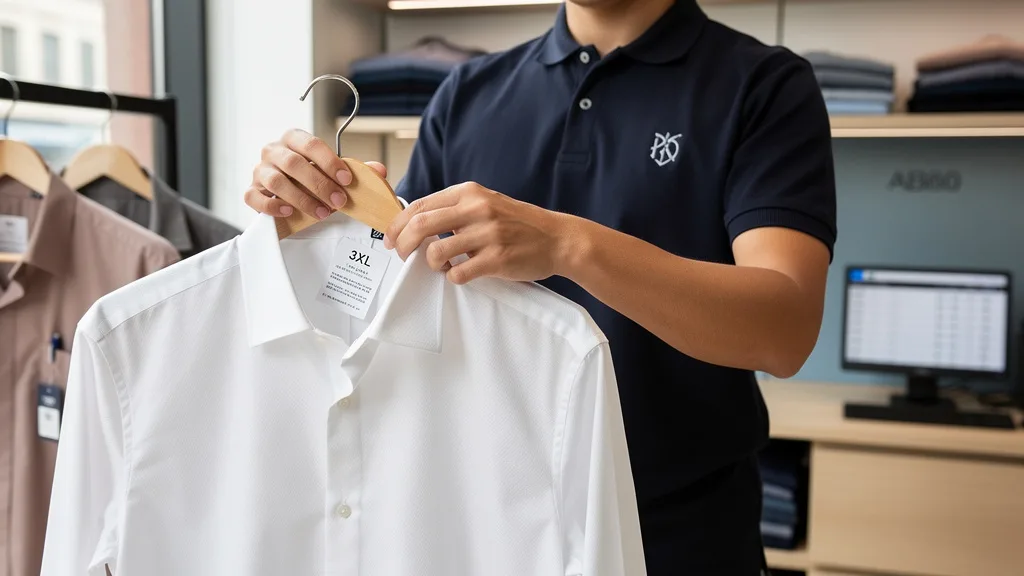
Have you ever stared at a size tag, debating between XXXL and 3XL and wondering if you’re about to make a costly mistake? You’re not alone. This common point of confusion can make online shopping for apparel feel like a gamble, especially when you’re investing in premium quality garments.
When it comes to the question of XXXL vs 3XL: Are they the same size for shirts?, the simple answer is yes. The two labels are generally used interchangeably by clothing brands to refer to the same size category: Triple Extra Large. However, the critical detail is that the actual physical measurements of a 3XL shirt can vary dramatically from one brand to another. Relying on the label alone without consulting a brand’s specific measurements is the most common path to a poor fit.
XXXL vs 3XL: The Simple Answer and Important Details
Fundamentally, XXXL and 3XL represent the exact same size. The notation “XXXL” uses Roman numerals as a prefix (Triple X), while “3XL” uses an Arabic numeral. Both are shorthand for “Triple Extra Large.” This convention is standard across the apparel industry, so you can treat the labels as identical when browsing. There is no hidden difference where one is inherently larger or smaller than the other.
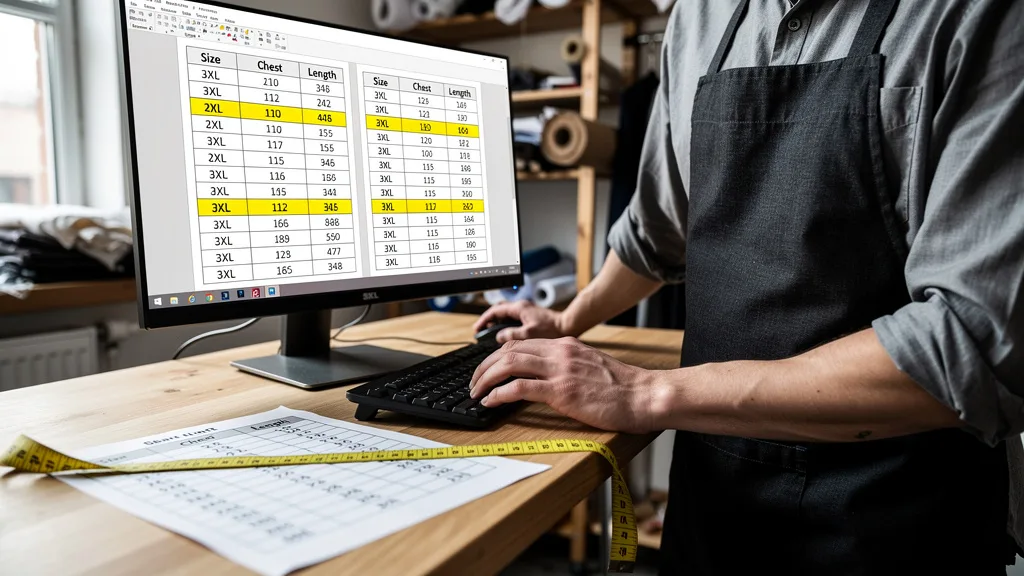
The important detail, however, lies in the lack of universal sizing standards. One brand’s 3XL might be designed with a 50-inch chest, while another’s could measure 54 inches. This discrepancy is why the conversation must shift from the label to the measurements. Factors like the target customer, country of origin, and intended fit (e.g., slim vs. relaxed) all influence a brand’s final specifications. This makes understanding size charts an essential skill for any savvy shopper in 2026.
Decoding the 3XL Shirt Size in Numbers
To truly understand what 3XL means, you must look at the numbers. While these can fluctuate, industry standards provide a general baseline for what you can expect. A 3XL shirt is designed for individuals with a larger frame, but the specific dimensions for chest, waist, and length are what determine a perfect fit. Always remember that these are starting points, not universal rules.
The most crucial measurement for shirts is the chest. Below is a table that gives an approximate idea of what a 3XL or XXXL size corresponds to in common measurement systems. Use this as a guide, but always defer to the specific chart provided by the brand you are purchasing from.
| Region | Chest (Inches) | Chest (CM) | Neck (Inches) |
|---|---|---|---|
| US / UK | 50″ – 52″ | 127 – 132 cm | 18.5″ – 19″ |
| Europe | 48″ – 50″ | 122 – 127 cm | 18″ – 18.5″ |
Standard US and UK Chest Measurements
In the United States and the United Kingdom, a standard men’s 3XL shirt typically accommodates a chest measurement between 50 and 52 inches (127-132 cm). This measurement is taken around the fullest part of your chest. For many brands, this size also corresponds to a waist of a similar dimension and a neck size of around 18.5 to 19 inches, ensuring the collar fits comfortably when buttoned.
“For a comfortable fit in 2026, knowing your chest measurement is more important than relying on the XXXL vs 3XL label alone. A tape measure is your most reliable tool for online shopping.”
These measurements provide a generous, comfortable fit for a larger build without being excessively baggy. However, with the rise of different cuts like athletic or modern fit, even brands following US standards can have variations. Always double-check if the shirt is labeled as a different fit type, as that will alter these classic proportions.
How International Sizing and Brands Can Differ
Sizing can become even more complex when you shop from international brands. European and Asian brands often have a slimmer cut compared to their American counterparts. A 3XL from a brand based in Pakistan or Italy might fit more like a US 2XL. This is not an error but a reflection of different body-type standards and style preferences in their primary markets.
Furthermore, the phenomenon known as “vanity sizing” can affect measurements, where brands intentionally label larger clothes with smaller sizes to appeal to shoppers. This makes it impossible to rely on your “usual” size across different companies. To navigate these differences, a shirt size chart guide that includes conversions between inches and centimeters is incredibly helpful for global shoppers.
Why Brand-Specific Size Charts Are Your Most Important Tool
The single most effective way to guarantee a shirt fits is to ignore the XXXL label initially and go straight to the brand-specific size chart. This chart is the company’s promise to you about the exact dimensions of their garments. At Vastgent, we provide a detailed XXXL size chart for each product, ensuring you can match your measurements to our clothing with complete confidence.
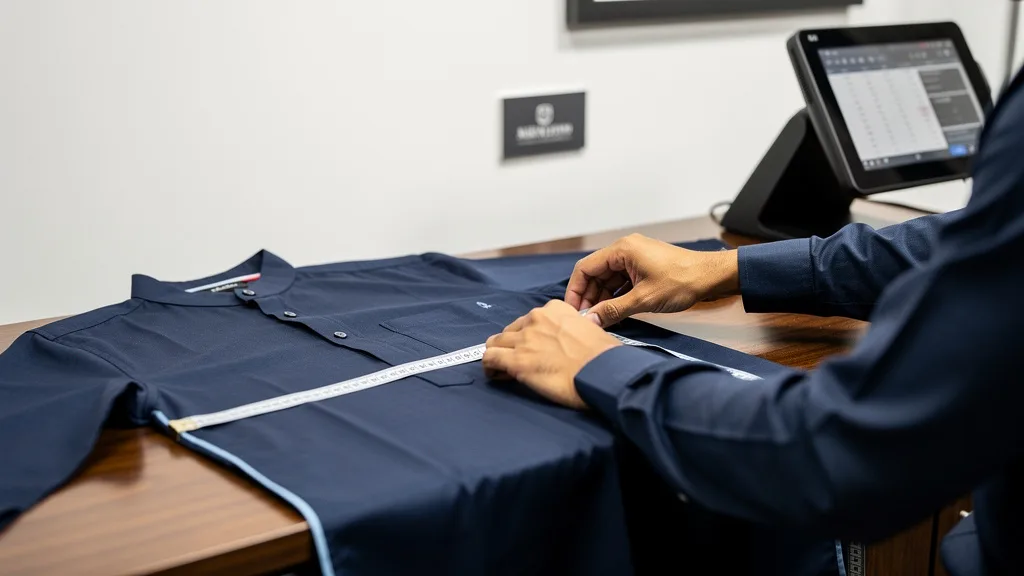
A good size chart will provide more than just a chest measurement. Look for details on shoulder width, sleeve length, and total garment length. Comparing these numbers to a shirt you already own and love is a pro tip for ensuring a great fit. Lay your existing shirt flat, measure it, and compare those numbers to the chart on the product page. This removes all guesswork from the process and helps you find your perfect fit every time.
How to Measure for the Perfect Shirt Fit
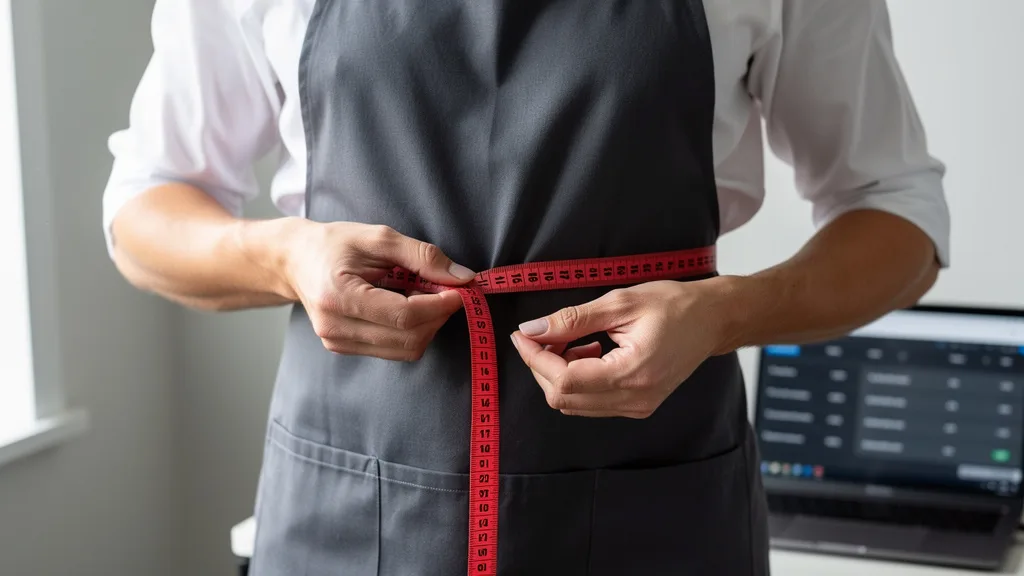
Taking accurate body measurements is a simple, five-minute task that will save you the frustration and cost of returns. All you need is a soft, flexible measuring tape. For the best results, have someone help you, but you can also do it yourself in front of a mirror.
Taking Your Chest Measurement Correctly
Your chest measurement is the most critical data point for a shirt’s fit. To measure it correctly, stand up straight in a relaxed posture. Wrap the measuring tape around the fullest part of your chest, typically just under your armpits and across your shoulder blades. The tape should be snug but not tight enough to compress your chest. Ensure the tape is parallel to the floor all the way around. The number you see is your chest size. in need of shirt advice.
Considering Shoulder and Length Measurements
While the chest measurement determines if a shirt will button up, shoulder and length measurements dictate how it will look and feel. A shirt that is too tight in the shoulders will restrict movement and look strained, while one that is too short will come untucked easily. Measure your shoulder width from seam to seam on a shirt that fits you well. For length, measure from the base of the collar down to the hem to determine your ideal shirt length, which is especially important for best premium shirts for summer that you might wear untucked.
Understanding Different Shirt Cuts and Styles
A 3XL label doesn’t exist in a vacuum; it is always attached to a specific cut. A “Slim Fit” 3XL will be tapered at the waist and narrower in the chest and arms, designed to fit closer to the body. In contrast, a “Classic Fit” or “Regular Fit” 3XL will offer more room throughout the torso and arms for maximum comfort and movement. Knowing which cut you prefer is just as important as knowing your measurements. If you prefer more room, you may want to stick with the best regular fit shirts for everyday comfort.
Common Mistakes to Avoid When Shopping for Larger Sizes
Shopping for larger sizes can be straightforward if you avoid a few common pitfalls. Being mindful of these mistakes will lead to a much more successful and satisfying shopping experience. Many shoppers find community forums helpful when they are in need of shirt advice, as they share tips on what to avoid.
- Assuming Universal Sizing: The biggest mistake is assuming a 3XL from one brand will fit the same as a 3XL from another. Always abandon this assumption and check the chart.
- Ignoring the Fabric: A 100% cotton shirt may shrink after washing, while a polyester blend will not. Check the product description for fabric content and washing instructions. Some brands even provide post-wash measurements.
- Only Measuring Your Chest: A shirt is more than its chest size. A perfect chest fit means little if the shoulders are too tight, the sleeves are too short, or the length is awkward.
- Buying a Size Up “Just in Case”: Without consulting the size chart, ordering a 4XL instead of a 3XL can result in a shirt that looks sloppy and ill-fitting. It’s better to buy the size that matches your measurements.
Key Takeaways
Navigating shirt sizes can be simple when you are equipped with the right information. As you shop for your next premium shirt, keep these key points in mind to ensure you get the best fit possible in 2026.
- XXXL and 3XL Are the Same: These two labels are interchangeable and refer to the same size category.
- Trust Measurements, Not Labels: The actual dimensions of a shirt are far more important than the size written on the tag.
- Every Brand is Different: There is no universal standard for sizing, so you must check the size chart for every single purchase.
- Measure More Than Your Chest: For a truly great fit, you need to know your chest, shoulder, and ideal length measurements.
- Cut Matters: The style of the shirt (e.g., slim, regular, classic) dramatically affects how a particular size will fit your body.
Frequently Asked Questions
Is 3XL considered a very big size?
A 3XL size is generally considered to be at the upper end of standard sizing and is often the entry point for plus-size or big and tall collections. However, it is a very common size, and many brands offer a wide range of stylish options in 3XL. It simply indicates a larger body frame, and with the right fit, it can look exceptionally sharp and well-put-together.
What is the typical chest size for a 3XL shirt?
While it varies by brand, a typical chest size for a men’s 3XL shirt in the US and UK is between 50 and 52 inches (approximately 127-132 cm). European and Asian brands may size this slightly smaller. This is only a general guideline, and it is crucial to consult the specific brand’s size chart for accurate measurements before purchasing.
Do XXXL and 3XL mean the same thing for all clothing types?
Yes, the XXXL and 3XL naming convention is consistent across most clothing types, including t-shirts, formal shirts, jackets, and kurtas. The labels mean the same thing, but the actual measurements will change based on the garment. For example, a 3XL winter jacket will have larger measurements than a 3XL t-shirt to accommodate layering. The same principle applies to our clothing for ladies.
What is the difference between 3XL and 3XLT (Tall) sizes?
The “T” in 3XLT stands for “Tall.” A 3XLT shirt has the same chest and waist width as a standard 3XL shirt. The difference is in the length. Tall sizes are designed for individuals over a certain height (usually 6’2″ or taller) and feature extra length in the torso and sleeves to ensure proper coverage and a comfortable fit.
If a shirt is 100% cotton, should I size up from 3XL?
This depends on whether the cotton is pre-shrunk. Most high-quality brands use pre-shrunk cotton, which will experience minimal shrinkage (typically 2-3%) if washed correctly in cold water. If a garment is not pre-shrunk, it could shrink up to 20%. Always check the product description for care instructions. If significant shrinkage is expected and you are between sizes, you might consider sizing up, but the safest bet is to buy from brands that use pre-shrunk fabrics.
Conclusion
In the debate of XXXL vs 3XL, the clear conclusion is that the labels are identical, but the fit is not. The key to successful online clothes shopping in 2026 is to move beyond the tag and focus on the tape measure. By understanding your own measurements and diligently checking each brand’s unique size chart, you can eliminate the guesswork and finally purchase clothing with confidence.
Remember the most important takeaways: trust the brand’s size chart as the ultimate source of truth, measure more than just your chest by including shoulders and length, and always consider the shirt’s cut. A slim fit 3XL and a classic fit 3XL are two entirely different experiences. Applying these simple principles will transform your shopping process from a game of chance into a strategy for success.
Finding premium apparel that fits perfectly shouldn’t be a frustrating ordeal. Our collections are designed with a focus on both style and precise sizing, ensuring you receive a garment that feels custom-made. Explore our extensive range of shirts, kurtas, and suits, all accompanied by detailed size charts to help you look and feel your absolute best.
If you want help turning this into a concrete plan for your site or team, take the next step below — it is the fastest way to move from reading about XXXL vs 3XL: Are They the Same Size for Shirts? to applying it with confidence.
Ready to act on XXXL vs 3XL: Are They the Same Size for Shirts?? SHOP NOW — tell us your goal, and we will help you pick the highest-leverage next step so you are not guessing alone.