
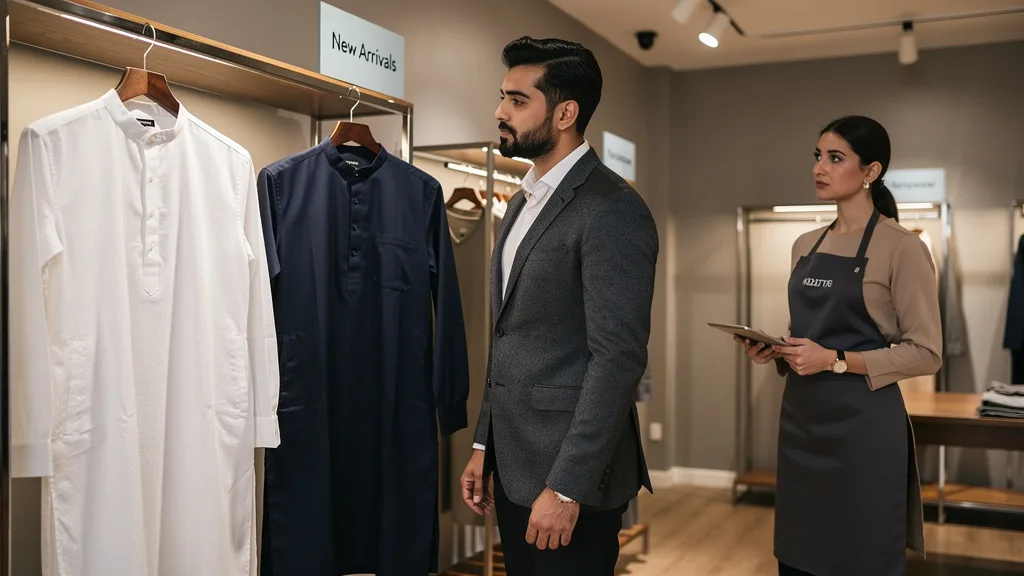
When a wedding invitation arrives or a family function is on the horizon, the question of what to wear inevitably hits. For men’s ethnic wear, the choice often comes down to two great options: the Pathani suit and the straight cut kurta. The core difference lies in their silhouette and origin. The Pathani suit features a distinct shirt-like kurta with a collar and is paired with a loose, pleated salwar, projecting a bold, traditional, and masculine aesthetic. In contrast, the straight cut kurta is a versatile, simpler garment with clean lines and a straight hem, typically worn with pajamas or churidars for a more modern and adaptable look.
Choosing between these two iconic styles can define your entire look for an event. One offers a powerful, heritage-rich statement, while the other provides understated elegance and endless styling possibilities. Understanding their unique characteristics is the first step to deciding which one aligns with your personal style, body type, and the occasion you’re dressing for. This guide will walk you through everything you need to know to make the perfect choice in 2026.
To simplify your decision, it helps to see the defining characteristics of each style side-by-side. The primary distinctions are found in the cut of the kurta, the type of bottom wear, and the overall silhouette they create. While both are pillars of South Asian men’s fashion, they serve different purposes and convey different moods.
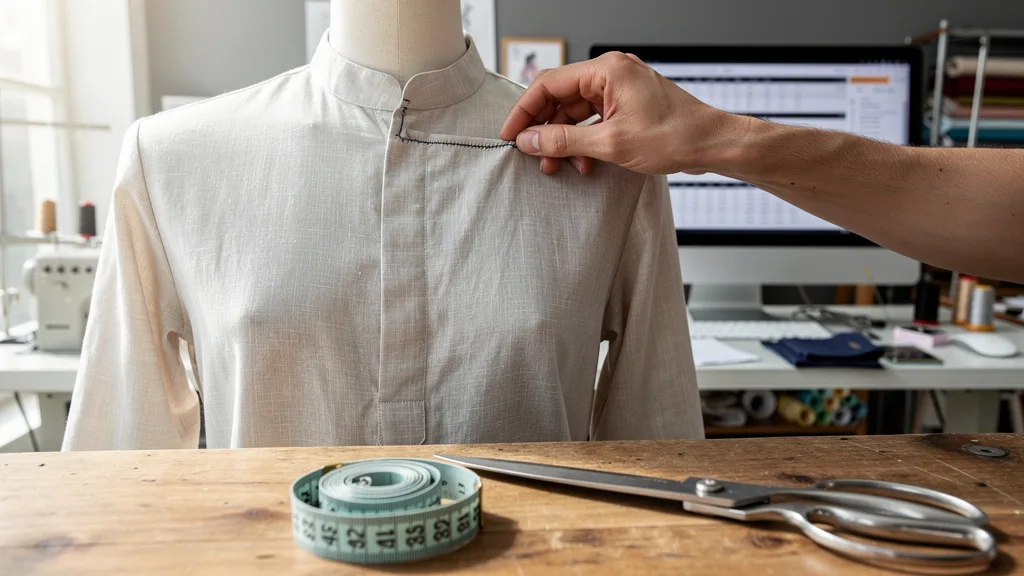
The Pathani suit is a coordinated set with a very specific structure, rooted in the traditions of the Pashtun regions. The straight cut kurta, on the other hand, is a more flexible separate that can be mixed and matched with various bottoms. This table breaks down the most important points of comparison to help you quickly understand which style is right for you.
| Feature | Pathani Suit | Straight Cut Kurta |
|---|---|---|
| Kurta Style | Shirt-style collar, front placket, often with chest pockets and shoulder tabs. | Typically a Mandarin collar (bandhgala) or round neck; simple, clean front. |
| Kurta Hem | Rounded or curved hemline (apple cut). | Straight hemline with side slits. |
| Silhouette | Loose, relaxed, and traditionally masculine. | Clean, tailored, and versatile; can be slim or regular fit. |
| Bottom Wear | Pathani Salwar: very loose and pleated. | Pajama (straight-leg), Churidar (fitted), or even trousers/jeans. |
| Typical Occasions | Cultural festivals (Eid), semi-formal events, traditional gatherings. | Casual wear, formal events, office ethnic days, religious ceremonies. |
| Overall Vibe | Rugged, traditional, and commanding. | Elegant, modern, and adaptable. |
Understanding the Pathani Suit
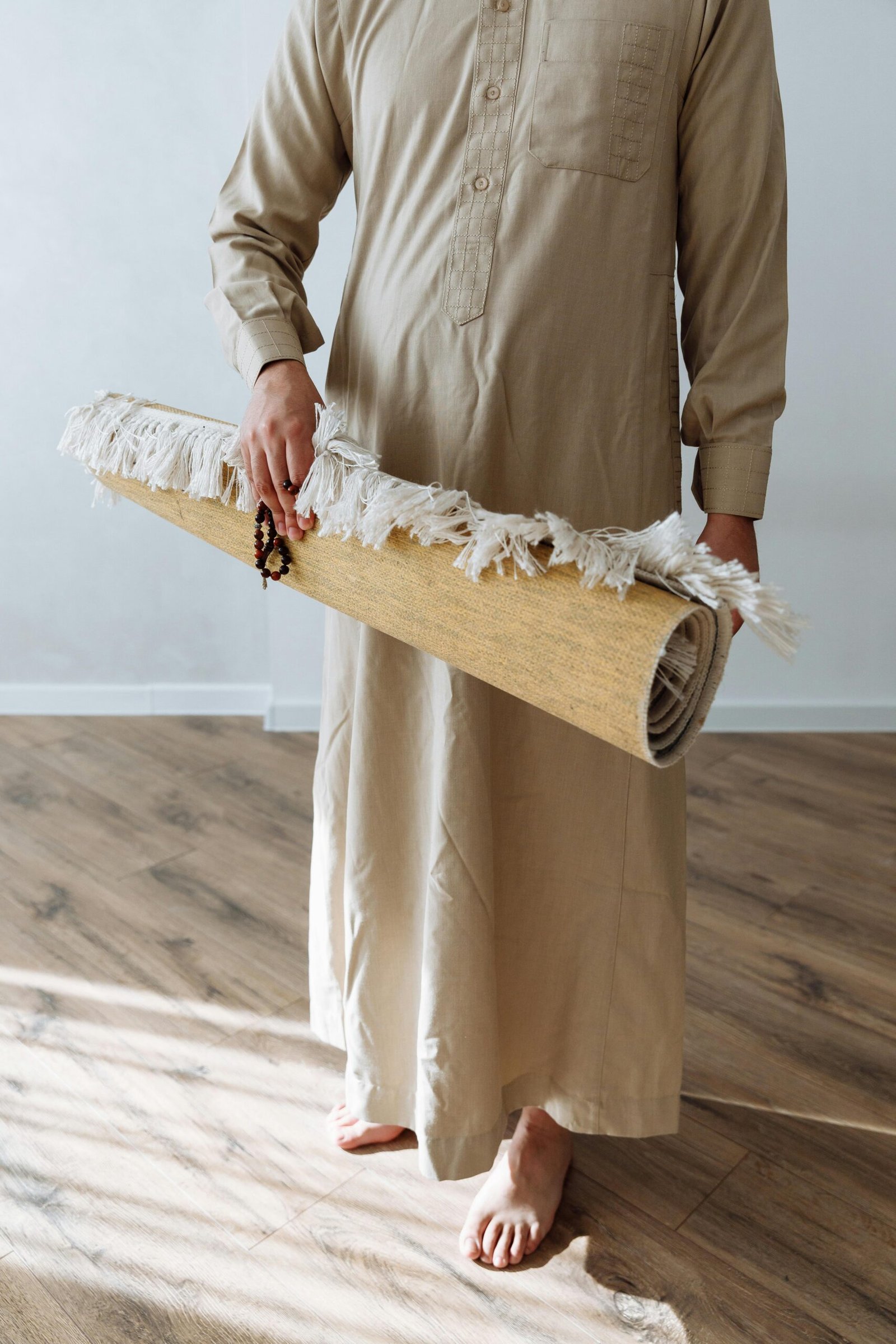
The Pathani suit is an iconic ensemble that exudes a sense of heritage and confident masculinity. Originating from the Khyber Pakhtunkhwa region of Pakistan and Afghanistan, this outfit is instantly recognizable and carries a strong cultural identity. It is more than just clothing; it’s a statement of tradition and strength, designed for both comfort and a commanding presence.
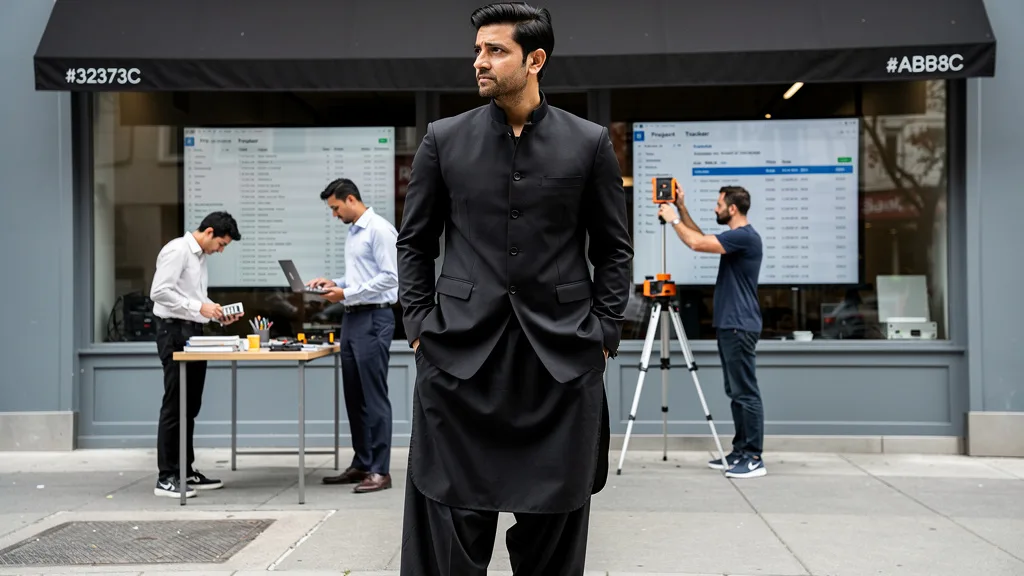
Unlike a standard kurta pajama, the Pathani suit is a complete, two-piece set where both the top and bottom have a specific, non-negotiable design. The structure is built around a loose, comfortable fit that allows for easy movement, making it historically practical for daily life. Today, it remains a popular choice for men who want to make a bold, traditional statement at cultural events and celebrations.
Defining Features of the Pathani Kurta
The kurta of a Pathani suit is what truly sets it apart from other styles. It is designed with features borrowed from a classic shirt, which gives it a more structured and rugged appearance compared to the softer lines of other kurtas. This unique construction contributes to its distinctive and powerful aesthetic.
Key features make it instantly identifiable:
- Shirt-Style Collar: It has a classic spread collar with a stand, just like a formal or casual shirt.
- Front Placket: A visible placket runs down the chest, fastened with buttons.
- Chest Pockets: Many Pathani kurtas feature one or two flap pockets on the chest, enhancing their utilitarian look.
- Shoulder Tabs: Often called epaulets, these tabs on the shoulders add to the structured, masculine silhouette.
- Curved Hem: The bottom hem is typically rounded, similar to a modern casual shirt, rather than being straight.
The Traditional Pathani Salwar
The bottom wear paired with a Pathani kurta is a salwar, but it’s a very specific kind. The Pathani salwar is known for its extremely loose and baggy fit, with numerous pleats gathered at the waist. This design provides maximum comfort and freedom of movement, which was essential for the active lifestyle of the people in the regions where it originated.
This roominess is a key part of the overall silhouette. The salwar drapes and falls in a way that balances the structured top, creating a look that is both relaxed and imposing. It narrows down towards the ankles but remains significantly wider throughout the leg than a standard pajama or a fitted churidar, making it a defining element of the authentic Pathani suit.
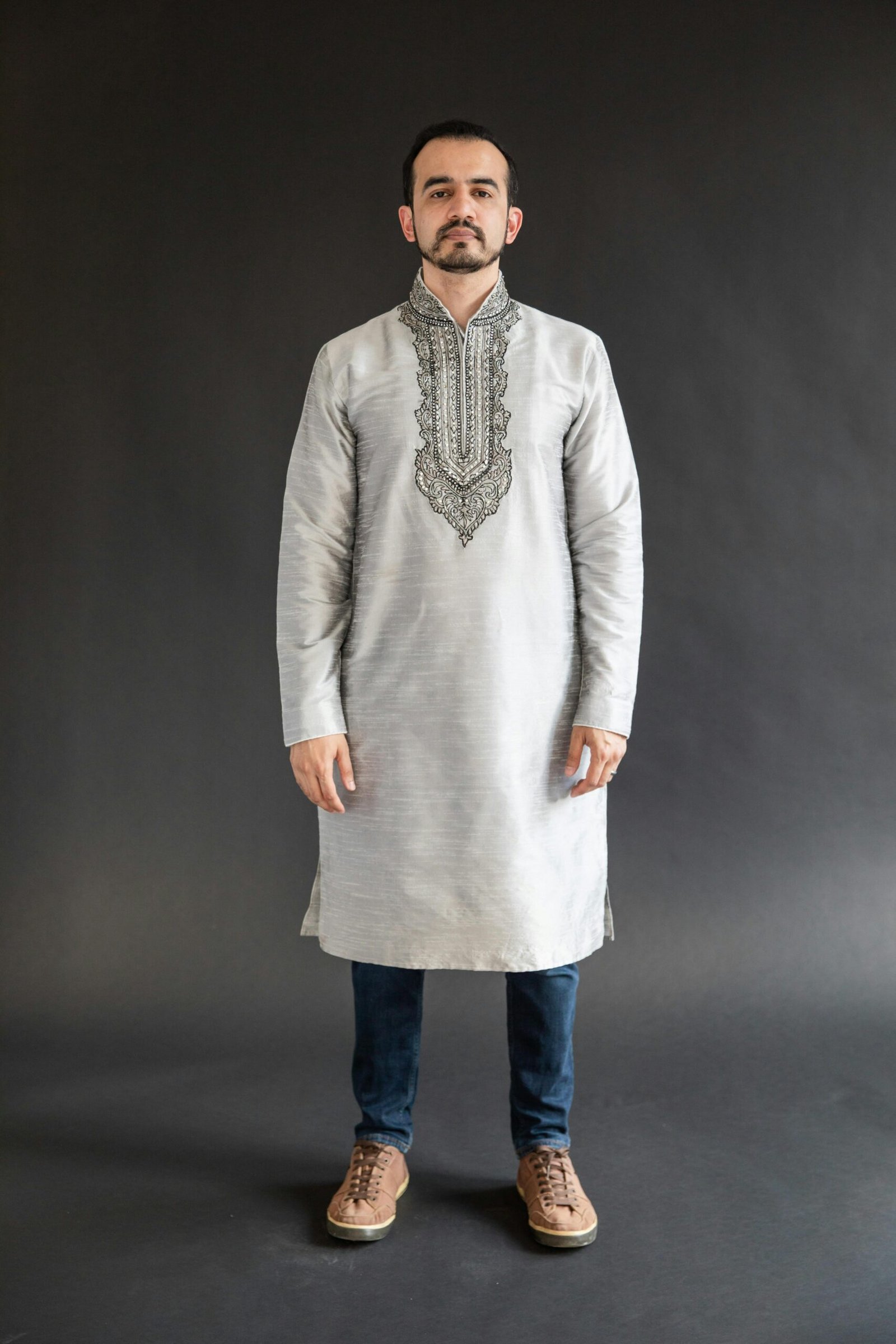
The straight cut kurta is arguably the most popular and versatile piece in men’s ethnic fashion today. Its defining characteristic is its simplicity: a straight silhouette from the shoulders down to the hem, with straight slits on the sides for ease of movement. This clean, uncluttered design makes it a perfect canvas for various fabrics, colors, and embellishments.
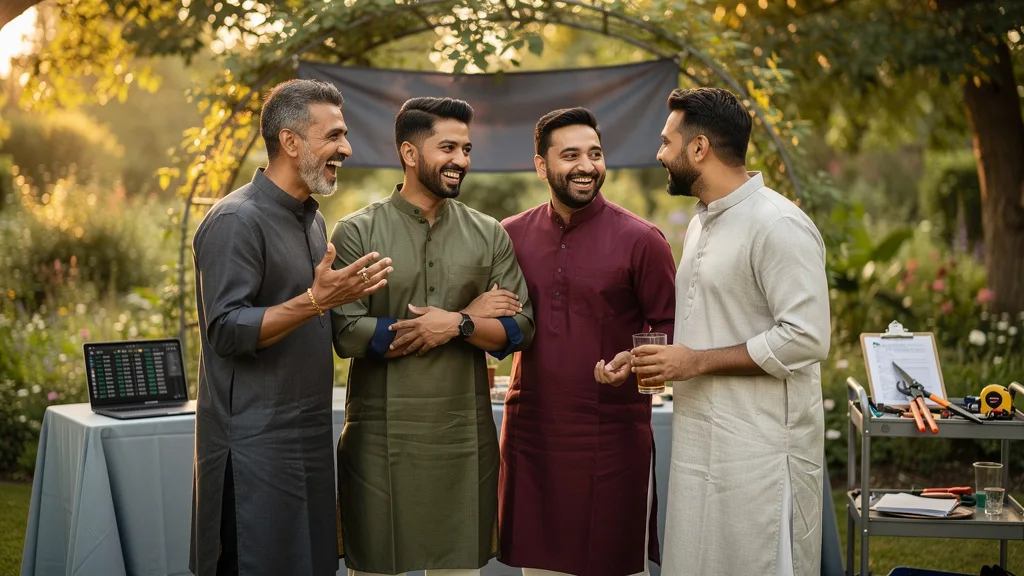
Unlike the Pathani suit, which is a fixed ensemble, the straight cut kurta is a standalone garment. This gives you the freedom to pair it with different types of bottom wear, allowing you to create looks that range from highly formal to completely casual. Its universal appeal and adaptability have made it a staple in wardrobes across the globe.
The beauty of the straight cut kurta lies in its minimalist construction. It avoids the structured elements of the Pathani style, opting instead for a fluid and straightforward design. This simplicity is what makes it so incredibly adaptable for different occasions and personal tastes.
Its primary features include:
- Straight Hemline: The bottom of the kurta is cut straight across, which contributes to its clean, modern look.
- Side Slits: It features long slits on both sides, starting from the hip area, which allow for comfortable walking and sitting.
- Simple Necklines: The most common neckline is the Mandarin collar (or bandhgala), but it also comes in round neck, V-neck, and other simple styles.
- Minimalist Front: It typically has a hidden placket or a very subtle button placket, maintaining a sleek and uncluttered front profile.
Common Bottoms: Pajama and Churidar
The versatility of the straight cut kurta is amplified by the variety of bottoms it can be paired with. The two most traditional choices are the pajama and the churidar. A kurta pajama set features a straight-legged trouser that is comfortable and has a relaxed fit, making it ideal for casual or semi-formal wear.
For a more formal and structured look, the churidar is the preferred option. Churidars are tight-fitting trousers that are long and gather at the ankles, creating distinctive horizontal folds or ‘churis’. This fitted style provides a sharp contrast to the straight lines of the kurta, resulting in a sophisticated and elegant silhouette perfect for weddings and formal celebrations.
Fit and Silhouette: How Each Style Drapes
The way an outfit drapes on your body determines its overall impact. The fit and silhouette of a Pathani suit and a straight cut kurta are fundamentally different, each creating a distinct impression. The Pathani suit offers a broad, commanding presence, while the straight cut kurta provides a sleek, elongated frame.
Your choice between the two will depend on the look you want to achieve. Are you aiming for a powerful, traditional aesthetic, or do you prefer a modern, refined, and versatile appearance? Understanding how each style is constructed to fit the body is key to making a decision you’ll be happy with.
The Relaxed and Masculine Fit of a Pathani
A Pathani suit is designed to be worn loose. The kurta is cut to be roomy around the chest and waist, and the shoulders are often slightly extended to create a broader frame. This, combined with the voluminous salwar, results in a silhouette that is relaxed, comfortable, and undeniably masculine. The fabric drapes away from the body, suggesting strength and presence.
This relaxed fit does not mean it’s sloppy. A well-tailored Pathani suit has structure where it counts, particularly in the collar and shoulders, while allowing for maximum airflow and movement. It is the ideal choice for someone who wants to feel comfortable without sacrificing a strong sartorial statement. Explore our collection of kurtas for men to see a variety of fits and styles.
The Clean and Versatile Lines of a Straight Kurta
In contrast, the straight cut kurta offers a more streamlined and contemporary silhouette. Its lines are clean and linear, following the natural shape of the body without being restrictive. It can be tailored for a slim fit that accentuates the physique or a regular fit for more comfort, but it never has the voluminous quality of a Pathani suit.
This clean drape makes the straight kurta incredibly versatile. The straight hem and side slits create a vertical line that can make the wearer appear taller and leaner. It’s a polished and sophisticated look that can easily be dressed up with a sharp churidar and a Nehru jacket or dressed down with a simple pajama for a relaxed day out.
Choosing the Right Outfit for Your Body Type
While fashion is about personal expression, knowing what flatters your body type can help you look and feel your best. Both the Pathani suit and the straight cut kurta work for various body shapes, but each has strengths that can be used to highlight your best features. Getting the right fit is crucial, and a helpful kurta size guide can make all the difference.
The core difference in silhouette means one style might enhance your frame more effectively than the other. Whether you want to add volume, create a slimming effect, or balance your proportions, choosing the right ethnic wear can help you achieve your desired look with confidence.
Which Body Types Best Suit a Pathani Suit?
The Pathani suit, with its broad shoulders and loose fit, is particularly flattering for men with a taller and broader build. The structured shoulders can enhance an athletic frame, while the voluminous salwar balances a wider upper body. This style adds substance and creates a powerful, well-proportioned silhouette.
However, it can also work well for leaner body types. The loose fit of both the kurta and salwar can add visual bulk, helping a slim man appear more filled out. Men with a rectangular or inverted triangle body shape often find that the Pathani suit adds welcome structure and a commanding presence to their look.
What Body Type Suits a Straight Kurta?
The straight cut kurta is universally flattering, making it a safe and stylish choice for almost any body type. Its clean, vertical lines have an elongating effect, which is beneficial for shorter men or those with a heavier midsection. The straight silhouette skims over the body without clinging, creating a slimming and sophisticated look.
For men with an oval or round body shape, a well-fitted straight kurta can provide structure without adding bulk. For those with a slimmer or athletic build, it offers a sharp, tailored appearance. Its versatility means you can choose a fit—from slim to regular—that best complements your specific frame, making it a go-to for effortless style.
Matching the Outfit to the Occasion
The final piece of the puzzle is the event itself. While personal style is paramount, the context of the occasion often dictates the most appropriate attire. The Pathani vs Straight Cut Kurta: Which Style Suits You Best debate is often settled by considering the formality and nature of the gathering you are attending.
A Pathani suit makes a strong, culturally specific statement, making it perfect for certain events but perhaps too bold for others. The straight cut kurta, with its chameleon-like adaptability, can be styled to fit nearly any occasion, from a casual brunch to a black-tie wedding.
When to Wear a Pathani Suit for Maximum Impact
The Pathani suit is at its best during cultural and religious festivals like Eid, where its traditional roots are celebrated. Its commanding presence also makes it an excellent choice for semi-formal family gatherings, Mehendi ceremonies, or any event where you want to stand out with a distinctly masculine and traditional look.
Because of its rugged heritage, it’s generally considered less formal than a sherwani but more impactful than a simple kurta pajama. Wearing a Pathani suit shows an appreciation for heritage and a confident sense of style. Choose it when the dress code calls for traditional or festive attire and you want to make a memorable impression.
When to Choose a Versatile Straight Cut Kurta
The straight cut kurta is the ultimate all-rounder. For a casual day out, a simple cotton or linen kurta paired with a pajama is perfect. For a day at the office that allows ethnic wear, a crisp straight kurta with trousers creates a smart, professional look. You can even adapt it for Western contexts, similar to how one might style a casual suit for effortless sophistication.
For formal events like weddings, sangeets, or Diwali parties, a straight cut kurta made from silk, brocade, or jacquard, paired with a churidar and a Nehru jacket, is a timelessly elegant choice. Its ability to be dressed up or down makes it the most versatile piece of ethnic wear a man can own, ensuring you are appropriately dressed for any event.
Fabric and Comfort Considerations for All-Day Wear
The fabric of your outfit directly impacts your comfort, especially during long events. Both Pathani suits and straight cut kurtas are available in a variety of materials, but certain fabrics are more traditionally associated with each style. Your choice of fabric will affect the drape, breathability, and formality of your look.
For all-day wear, particularly in warmer climates, breathable fabrics are essential. For evening events or cooler weather, richer and heavier fabrics can add a touch of luxury and warmth. Considering the material is just as important as considering the cut and style.
Common Fabrics for Pathani Suits
Traditionally, Pathani suits are crafted from sturdy, breathable fabrics that hold their shape well. Cotton is the most common choice, prized for its comfort and durability. It’s perfect for everyday wear and semi-formal occasions, keeping you cool throughout the day.
Linen is another popular option, offering a slightly more textured and luxurious feel while remaining highly breathable. For a more traditional and rustic look, khaddar (a hand-spun and hand-woven cotton fabric) is often used. These fabrics enhance the rugged, authentic appeal of the Pathani suit and ensure comfort during long hours of wear. You can learn more about the nuances in this excellent Pathani Suit vs. Kurta Pajama comparison.
Popular Fabric Choices for Straight Kurtas
The straight cut kurta‘s versatility extends to its fabric choices. The options are nearly limitless, allowing it to be adapted for any season or level of formality. For casual and daily wear, cotton, linen, and various cotton blends are ideal for their softness and breathability.
For formal occasions, the straight kurta shines in luxurious materials. Raw silk, tussar silk, and silk blends offer a rich sheen and elegant drape. Brocade and jacquard fabrics, with their woven patterns, add texture and opulence, making them perfect for wedding guest attire. This wide range of fabric choices is a key reason for the straight kurta’s enduring popularity.
How to Style a Pathani vs a Straight Cut Kurta
Once you’ve chosen your outfit, the right accessories can elevate your look from good to great. Styling for a Pathani suit and a straight cut kurta follows different principles, each aimed at complementing the inherent character of the ensemble. The key is to enhance the outfit without overwhelming it.
From footwear to layering pieces, a few thoughtful additions can personalize your style and ensure you look polished and put-together. Whether you’re aiming for traditional authenticity or contemporary flair, these styling tips will help you complete your look.
Accessorizing Your Pathani Suit Ensemble
Styling a Pathani suit is about embracing its rugged, masculine charm. The accessories should be simple and classic. The most traditional footwear choice is a pair of Peshawari chappals, which perfectly complements the outfit’s origins. Leather sandals or kohlapuri chappals are also excellent options.
For layering, a simple waistcoat (sadri) in a contrasting color can add a touch of formality. However, avoid pairing it with a Nehru jacket, as the stand collar of the jacket will clash with the shirt-style collar of the Pathani kurta. A classic wristwatch is often the only other accessory needed to complete this powerful and timeless look. For more details, explore this A Complete Guide To Pathani Kurta Pajama.
The straight cut kurta is a blank canvas for accessories. For a formal look, a Nehru jacket in a complementary or contrasting fabric is a classic choice. It adds a layer of sophistication and structure. You can also add a stole or a dupatta draped over one shoulder for a touch of regal elegance.
Footwear options are broad. Traditional mojaris or juttis are perfect for weddings and festive occasions. For a more modern, semi-formal look, leather loafers or even clean, minimalist sneakers can work surprisingly well. A pocket square in your Nehru jacket or a stylish brooch on your kurta can add a final, personalized touch.
The Verdict: Which Ethnic Wear Should You Choose in 2026?
Ultimately, the choice between a Pathani suit and a straight cut kurta comes down to the message you want your style to convey. There is no single right answer, as both hold a significant and stylish place in men’s ethnic wear. Your decision should be guided by the occasion, your personal comfort, and the silhouette that makes you feel most confident.
In 2026, the trend continues to lean towards versatility and personal expression. While the Pathani suit remains a powerful and respected choice for specific traditional events, the straight cut kurta‘s unparalleled adaptability makes it the more dominant force in everyday and formal fashion. Its ability to be styled in countless ways ensures it will remain a wardrobe staple for years to come.
“The best ethnic wear choice for men is not about following a fleeting trend, but about understanding the language of different silhouettes. A Pathani suit speaks of tradition and strength, while a straight cut kurta speaks of elegance and versatility. The modern man should have both in his arsenal.”
Key Takeaways
Navigating the world of men’s ethnic wear can be simple when you understand the fundamentals. When considering the Pathani vs Straight Cut Kurta: Which Style Suits You Best, keep these key points in mind:
- Core Difference: A Pathani suit is a traditional two-piece ensemble with a shirt-collar kurta and a loose salwar. A straight cut kurta is a versatile top with a straight hem, paired with various bottoms like pajamas or churidars.
- Silhouette and Fit: The Pathani suit offers a relaxed, broad, and masculine fit. The straight cut kurta provides a cleaner, more streamlined, and versatile silhouette that can be tailored to your body.
- Formality and Occasion: Pathani suits are ideal for cultural festivals and semi-formal traditional events. Straight cut kurtas can be adapted for everything from casual outings to the most formal weddings.
- Styling: Style a Pathani suit with traditional footwear and minimal accessories. A straight cut kurta is a blank canvas that pairs well with Nehru jackets, stoles, and a wide range of footwear.
Frequently Asked Questions
What is the main difference between a Pathani suit and a regular kurta?
The main difference lies in the cut and the accompanying bottom wear. A Pathani suit features a kurta with a shirt-style collar, shoulder tabs, and a curved hem, and it is always paired with a very loose salwar. A regular straight cut kurta has a simpler design, usually with a Mandarin collar and a straight hem, and can be worn with various bottoms like pajamas, churidars, or even jeans.
Which type of men’s kurta is trending in 2026?
In 2026, the straight cut kurta continues to be the most prominent trend due to its immense versatility. Men are gravitating towards minimalist designs in high-quality fabrics like linen and silk that can be dressed up or down. Asymmetrical cuts and unique textures are also gaining popularity, but the classic straight kurta remains the foundational piece for modern ethnic wear.
Can you wear a Nehru jacket with a Pathani suit?
It is generally not recommended to wear a Nehru jacket with a Pathani suit. The stand-up collar of the Nehru jacket clashes with the traditional shirt-style collar of the Pathani kurta, creating a cluttered and awkward neckline. A simple waistcoat (sadri) is a much better layering option for a Pathani suit.
Who traditionally wears a Pathani suit?
The Pathani suit, also known as the Pashtun suit, traditionally originates from the Pashtun people in Afghanistan and the Khyber Pakhtunkhwa province of Pakistan. Historically, it was worn as everyday attire. Today, its popularity has spread across South Asia, where it is worn by men of various backgrounds for a bold, traditional look at festive and cultural occasions.
Is a Pathani suit considered formal wear?
A Pathani suit typically falls into the category of semi-formal wear. It is more formal than a casual kurta pajama but less formal than a sherwani or a bandhgala suit. However, when crafted from luxurious fabrics and paired with the right accessories, it can be appropriate for more formal cultural events and wedding-related functions, excluding the main ceremony itself.
Conclusion
Choosing between a Pathani suit and a straight cut kurta is a decision rooted in personal style, occasion, and the statement you wish to make. The Pathani suit offers a powerful connection to tradition with its bold, masculine silhouette. It’s the perfect choice when you want to stand out with confidence at cultural celebrations. In contrast, the straight cut kurta is the epitome of modern versatility, a wardrobe essential that can be adapted to fit any event, from casual to the most formal.
By considering the fit, fabric, and styling opportunities of each, you can confidently select the ensemble that not only looks best on you but also feels right for the moment. Both styles are timeless classics in their own right, and having an understanding of their unique strengths empowers you to build a versatile and sophisticated ethnic wear wardrobe.
Now that you know the difference, you can make an informed choice for your next event. Whether you’re drawn to the rugged charm of the Pathani or the sleek elegance of the straight cut, the perfect outfit is waiting for you. Explore our curated collections of premium ethnic wear to find high-quality pieces that blend timeless tradition with modern style.
Ready to find your perfect fit? Browse our collection of premium kurtas and suits. SHOP NOW
If you want help turning this into a concrete plan for your site or team, take the next step below — it is the fastest way to move from reading about Pathani vs Straight Cut Kurta: Which Style Suits You Best to applying it with confidence.
Ready to act on Pathani vs Straight Cut Kurta: Which Style Suits You Best? SHOP NOW — tell us your goal, and we will help you pick the highest-leverage next step so you are not guessing alone.