

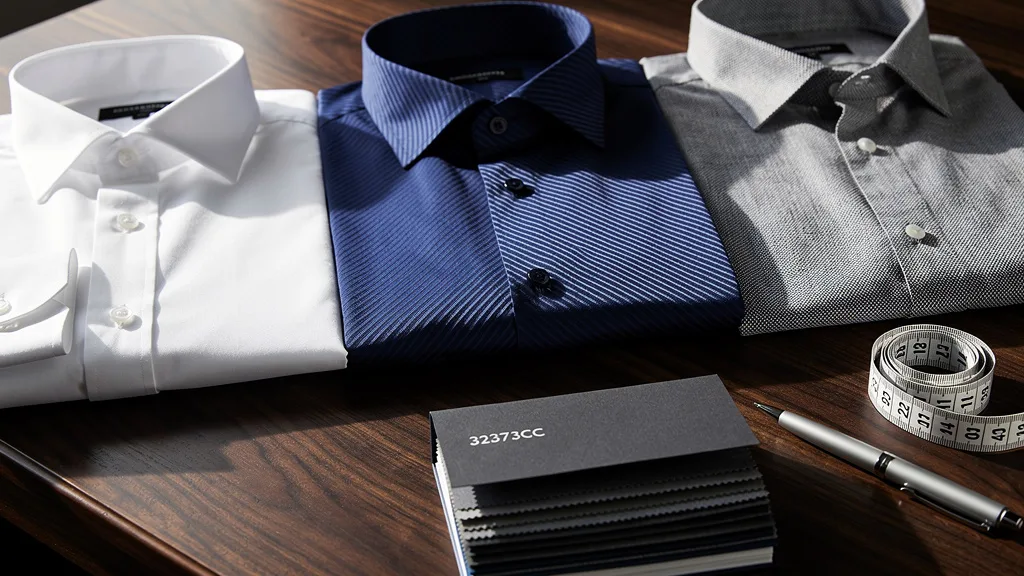
Have you ever stood in front of your wardrobe wondering which dress shirt is right for the occasion? The secret often lies in the fabric’s weave. Understanding the difference between poplin, twill, and oxford can completely transform your style, ensuring you look sharp and feel comfortable whether you’re in the boardroom or at a weekend brunch.
The primary difference between poplin and twill dress shirts comes down to their weave. Poplin uses a simple, tight plain weave, creating a crisp, smooth, and lightweight fabric ideal for formal settings. Twill features a diagonal weave pattern, which makes it heavier, softer, and more resistant to wrinkles, offering excellent drape and durability. Oxford cloth, another popular choice, has a basketweave structure, giving it a more textured, casual feel while remaining highly breathable.
Understanding the Weave: What Are Poplin, Twill, and Oxford Fabrics?
The foundation of any great dress shirt is its fabric, and the weave is what gives each fabric its unique character. While most quality shirts are made from cotton, the way those cotton threads are interlaced creates vastly different results. This affects everything from the shirt’s appearance and feel to its durability and how it performs in different climates.
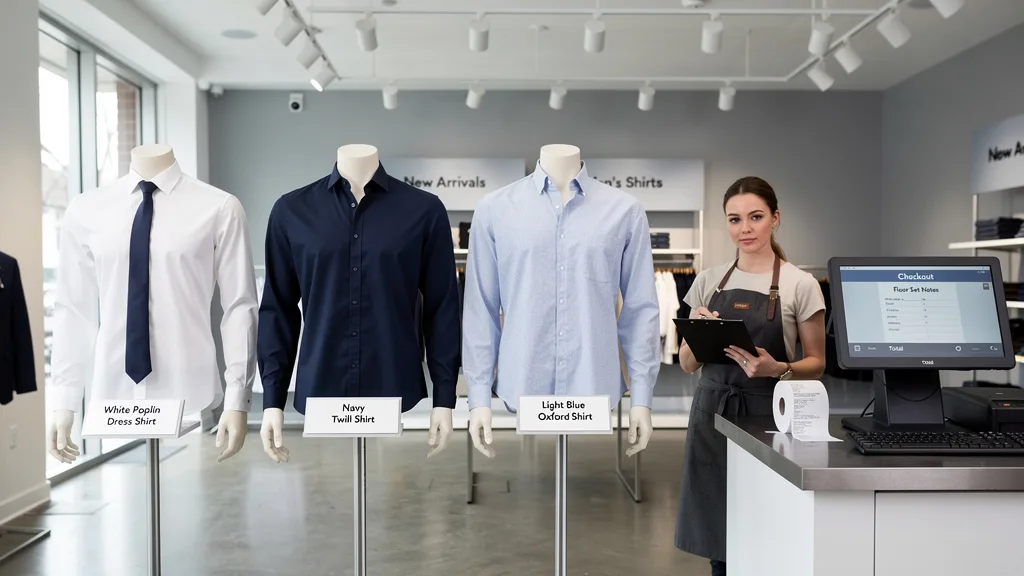
Learning to distinguish between these core weaves is the first step toward building a versatile and functional wardrobe. Once you can identify them by sight and touch, you’ll be able to select the perfect shirt for any event, season, or personal style preference with confidence. Let’s explore the three most common weaves for men’s and women’s dress shirts.
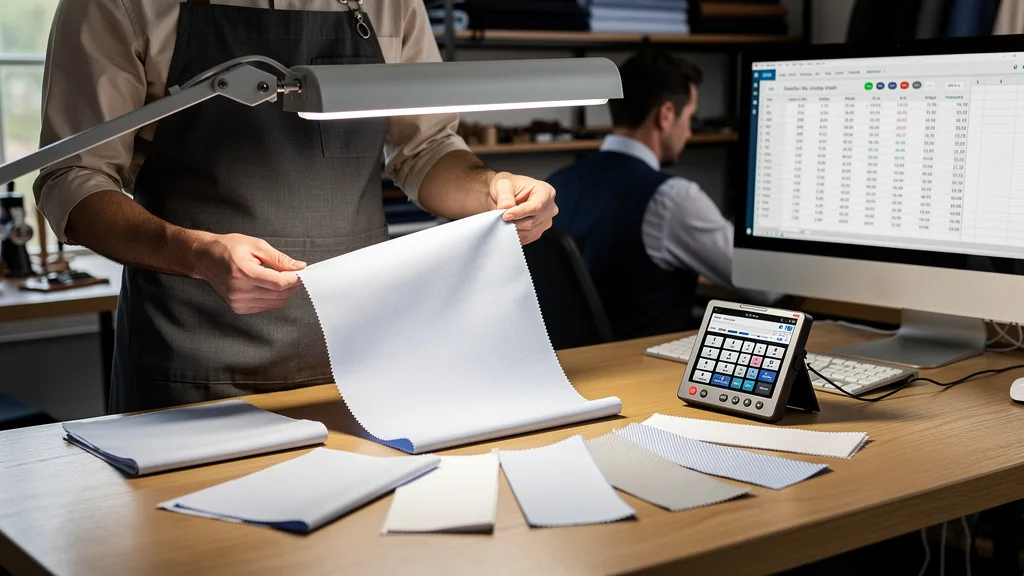
Poplin: The Crisp and Lightweight Classic
Poplin, sometimes called broadcloth, is known for its classic, sharp appearance. It is constructed using a simple over-under plain weave with fine warp yarns and thicker weft yarns. This construction results in a fabric that is smooth to the touch, lightweight, and very breathable, making it an excellent choice for warm weather and formal occasions.
The tight weave gives poplin a crisp finish that looks exceptionally smart under a suit jacket or on its own. It takes color and patterns very well, offering a clean canvas for both solid colors and intricate designs. While it provides a superior level of elegance, its one downside is a tendency to wrinkle more easily than other weaves.
Twill: The Durable and Textured Workhorse
Twill fabric is easily identifiable by its distinct diagonal pattern, such as that seen on denim jeans. This weave is created by passing the weft thread over one or more warp threads and then under two or more warp threads, with an offset between rows. This technique produces a fabric that is generally heavier, softer, and more durable than poplin.
The diagonal texture of twill gives it a beautiful drape and a subtle sheen, adding a touch of visual interest. It is also naturally resistant to wrinkles, making it a fantastic option for travel and long workdays. Its durability and opacity make it a reliable choice for everyday business wear that needs to withstand frequent use and washing.
Oxford: The Versatile and Breathable Staple
Oxford cloth features a symmetrical basketweave structure where multiple weft threads cross an equal number of warp threads. Often, the warp threads are colored while the weft threads are white, creating the characteristic textured, slightly heathered appearance. This weave makes the fabric durable and breathable but also gives it a softer, more substantial feel than poplin.
Originally developed for sportswear, oxford fabric strikes a perfect balance between casual and formal. It is less formal than poplin or twill, making it the go-to choice for business-casual settings, like those found at many modern offices. Its breathability and comfort also make it a year-round staple that only gets softer with each wash.
Poplin vs. Twill vs. Oxford: A Head-to-Head Comparison
Choosing the right shirt becomes much simpler when you directly compare the key attributes of poplin, twill, and oxford fabrics. Each one excels in different areas, and understanding these strengths and weaknesses will help you match the shirt to the context. From the way it feels against your skin to its performance throughout the day, the weave makes all the difference.

Below, we break down how these three popular weaves stack up against each other in terms of texture, durability, formality, and seasonality. This comparison will serve as a practical guide for your next shopping trip or when you’re getting dressed in the morning.
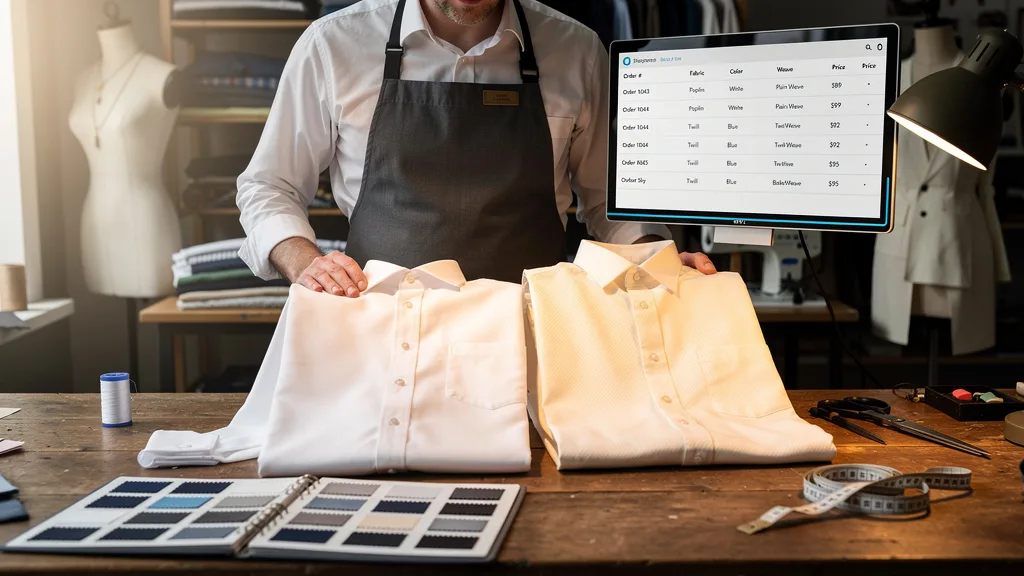
| Feature | Poplin | Twill | Oxford |
|---|---|---|---|
| Weave | Simple plain weave | Diagonal weave | Symmetrical basketweave |
| Texture & Feel | Smooth, crisp, and thin | Soft, smooth with a diagonal texture | Slightly rough, textured, and soft |
| Durability | Moderate | High | Very High |
| Wrinkle Resistance | Low | High | Moderate |
| Formality | Very Formal (Business, Black Tie) | Formal to Versatile (Business, Smart-Casual) | Casual to Business-Casual |
| Breathability | High | Low to Moderate | High |
| Ideal Season | Spring, Summer | Autumn, Winter | All Seasons |
Texture and Feel
The tactile experience of a shirt is one of its most important qualities. Poplin is the smoothest of the three, offering a flat, crisp surface with no discernible texture. This makes it feel light and cool against the skin. If you run your hand over it, it feels sleek and uniform.
Twill, by contrast, has a noticeably softer hand-feel and a subtle texture from its diagonal ribs. This structure gives it more body and a fluid drape that follows the wearer’s shape. Oxford cloth is the most textured of the group, with a slightly rougher feel that softens significantly over time, becoming a comfortable and familiar favorite.
Durability and Wrinkle Resistance
When it comes to longevity, twill and oxford fabrics are clear winners. The diagonal weave of twill makes it exceptionally strong and resistant to tearing, while its inherent structure helps it shed wrinkles easily. This makes a twill shirt a low-maintenance option for those with a busy lifestyle.
Oxford cloth is also famously durable due to its basketweave construction, which is why it has been a long-standing choice for daily wear. Poplin is more delicate in comparison. Its fine, tight weave is more prone to wrinkling and requires regular ironing to maintain its crisp appearance, making it less ideal for travel or long days without a touch-up.
Formality and Appropriate Occasions
The level of formality is a key differentiator. Poplin is the undisputed champion of formal wear. Its smooth, clean finish provides the perfect backdrop for a sharp suit and tie, making it ideal for business meetings, weddings, and other formal events. Some of the best premium shirts for summer are made from poplin due to this combination of elegance and breathability.
Twill sits comfortably in the middle. A high-quality twill shirt can be formal enough for most business settings but also works well in a smart-casual context. Oxford cloth is the most casual of the three. Its textured appearance and sporting heritage make it perfect for a relaxed office environment, weekend outings, or any situation where a tie is optional. It’s the foundation of many of the best regular fit shirts for everyday comfort.
Breathability and Ideal Seasons
Your comfort throughout the day often depends on your shirt’s ability to breathe. Poplin is extremely lightweight and airy, allowing heat and moisture to escape easily. This makes it the superior choice for hot and humid climates or the summer months.
Oxford cloth is also highly breathable, thanks to its slightly looser basketweave structure, making it a comfortable option for year-round wear. Twill, being a denser and heavier fabric, is the least breathable. While this makes it less suitable for summer heat, it provides welcome insulation during the cooler autumn and winter months.
Which Dress Shirt Fabric Should You Choose?
Ultimately, the best dress shirt fabric depends entirely on your needs, the occasion, and the climate. A well-rounded wardrobe will likely include all three weaves, allowing you to be perfectly dressed for any situation. By understanding the specific benefits of each, you can make an informed choice every time you get dressed.
Think about your daily routine, the events on your calendar, and your personal comfort priorities. Are you looking for a shirt to wear with your most formal suit, or do you need a reliable option for casual Fridays? The answer to what is the difference between poplin and twill dress shirts and oxford shirts lies in how you plan to use them.

“Choosing the right fabric is like choosing the right tool for the job. A poplin shirt offers unmatched crispness for the boardroom, while a twill provides durable elegance that travels well. Knowing the difference between poplin, twill, and oxford shirts is key to building a functional wardrobe that truly serves you.”
When to Choose a Poplin Shirt
Opt for a poplin shirt when you need to make the sharpest impression. Its crisp, smooth finish is ideal for formal business environments, black-tie events, and important presentations. If you’re wearing a fine suit or a tuxedo, a poplin shirt is almost always the correct choice. It’s also the best option for staying cool during a summer wedding or an outdoor formal event.
Because it is lightweight, it is exceptionally comfortable in warm weather. Just be prepared to give it a good press before wearing, as it does wrinkle. A white or light blue poplin shirt is a timeless and indispensable piece in any professional’s wardrobe.
When to Choose a Twill Shirt
A twill shirt is your go-to for versatility and durability. Its natural wrinkle resistance makes it perfect for a long day that transitions from the office to an evening out, and it’s an excellent choice for business travel. The subtle diagonal texture and slight sheen add a layer of visual sophistication that looks great with or without a tie.
Choose twill when you want a shirt that is both elegant and practical. It pairs well with blazers, sport coats, and suits alike. Its heavier weight also makes it a great choice for the cooler months of the year, providing a bit more insulation than poplin without sacrificing style.
When to Choose an Oxford Shirt
Reach for an Oxford shirt for your business-casual and weekend needs. Its durable yet soft texture makes it incredibly comfortable for all-day wear. An Oxford Cloth Button-Down (OCBD) is a classic menswear staple that looks just as good with chinos or jeans as it does under a casual blazer.
This is the shirt you wear when you want to look put-together but not overly formal. It’s perfect for creative offices, casual Fridays, or a weekend brunch. Thanks to its breathability and durability, an oxford shirt is a true workhorse that will only improve with age, becoming softer and more comfortable with every wash. For more style inspiration, consider how different colors can impact your look with our guide on red shirts for men.
Pros and Cons of Each Shirt Fabric
Every fabric has its trade-offs. While poplin offers unparalleled formality, it demands more care. Twill is durable but can be warm. Understanding these pros and cons helps you manage expectations and care for your garments properly, ensuring they last for years to come.
Evaluating these factors will help you build a collection of shirts that not only look great but also fit your lifestyle. Here is a quick breakdown of the advantages and disadvantages of each weave.
Advantages and Disadvantages of Poplin
Poplin‘s strengths lie in its appearance and comfort in heat, but this comes at the cost of maintenance.
- Pros: Exceptionally smooth and crisp, very lightweight and breathable, looks highly professional and formal, takes dyes and prints very well.
- Cons: Wrinkles very easily and requires ironing, can be somewhat transparent in lighter colors, less durable than twill or oxford.
Advantages and Disadvantages of Twill
Twill is a practical and stylish choice, though it may not be ideal for the hottest summer days.
- Pros: Highly durable and resistant to tearing, naturally wrinkle-resistant, drapes beautifully on the body, has an attractive subtle sheen and texture.
- Cons: Heavier and less breathable than poplin, can be too warm for hot weather, the diagonal texture may be less formal than a smooth poplin.
Advantages and Disadvantages of Oxford
Oxford cloth is a beloved staple for its comfort and durability, though it’s not suited for formal occasions.
- Pros: Extremely durable and long-lasting, very breathable and comfortable, gets softer with each wash, perfect for casual and business-casual settings.
- Cons: Rougher texture than poplin or twill, generally considered too informal for suits and formal events, can look rumpled if not cared for.
Key Takeaways
Navigating the world of dress shirt fabrics can be simple if you remember a few key points. This summary will help you recall the most important differences at a glance, making your next purchase or outfit choice an easy one. As of 2026, these classic weaves remain the cornerstones of a sophisticated wardrobe.
- Choose Poplin for Formality: Its smooth, crisp finish makes it the top choice for business suits, tuxedos, and any occasion demanding a sharp, elegant look, especially in warm weather.
- Choose Twill for Versatility: With its excellent drape, durability, and wrinkle resistance, twill is a reliable workhorse for everyday business wear and travel, transitioning easily from day to night.
- Choose Oxford for Casual Comfort: For business-casual offices and relaxed weekend style, the breathable, durable, and soft-wearing nature of oxford cloth is unbeatable.
- Weave Determines Performance: The fundamental difference lies in the weave, which dictates texture, breathability, durability, and formality. Understanding this is key to smart dressing.
Frequently Asked Questions
Is poplin or twill generally more expensive?
The price of a dress shirt is determined more by the quality of the cotton and the brand’s craftsmanship than by the weave itself. You can find both poplin and twill shirts at various price points, from affordable to luxury. Generally, there is no significant, consistent price difference between poplin and twill based on the weave alone.
Factors like the yarn’s ply (single vs. two-ply), the fineness of the cotton (thread count), and the finishing process have a much greater impact on cost. High-quality, long-staple cotton like Egyptian or Supima will increase the price of any shirt, regardless of whether it’s a poplin or twill weave.
How do you properly care for these different shirt fabrics?
For all three fabrics, it’s best to follow the care label instructions. Generally, machine wash on a gentle cycle with cold or lukewarm water to prevent shrinking and fading. Avoid using a hot dryer; instead, hang them to air dry or tumble dry on a low setting and remove them while slightly damp to make ironing easier.
Poplin shirts will almost always require a thorough ironing to look their best. Twill shirts are more wrinkle-resistant but will benefit from a quick press. Oxford shirts are the most low-maintenance; many people appreciate their slightly rumpled look, but they can also be ironed for a neater appearance.
Are poplin dress shirts see-through?
Poplin‘s lightweight nature means it can sometimes be slightly transparent, especially in white or very light pastel colors. The sheerness depends on the quality and density of the weave. Higher-quality poplins with a higher thread count will be more opaque.
If you are concerned about transparency, you can opt for a darker color, a poplin with a subtle pattern, or wear a simple white undershirt. A high-quality fabric from a reputable brand is less likely to have this issue.
Can you wear a twill shirt in the summer?
While twill is generally heavier and less breathable than poplin, you can still wear it in the summer. Look for shirts made from a lightweight twill, as manufacturers produce it in various weights. A lighter twill will offer more comfort in warmer temperatures than a standard or heavy version.
However, if you are facing a particularly hot and humid day, a poplin or oxford shirt would be a more comfortable choice. For indoor, air-conditioned environments, a twill shirt is perfectly suitable year-round.
What is the difference between a twill and a herringbone weave?
Herringbone is a specific type of twill weave. While a standard twill has continuous diagonal lines running in one direction, a herringbone weave features columns of slanted lines that are reversed at regular intervals. This creates a distinctive V-shaped or “broken twill” pattern that resembles the skeleton of a herring fish.
Both have the same core characteristics of twill, such as good drape and durability. The difference is purely aesthetic. Herringbone offers a more pronounced texture and visual interest, making it a popular choice for sport coats and more distinctive dress shirts.
Conclusion
Choosing the perfect dress shirt is an art, but it’s one grounded in the science of textiles. By understanding the core differences between poplin, twill, and oxford, you are now equipped to build a wardrobe that is not only stylish but also practical and comfortable. The right fabric choice ensures you present yourself appropriately for any occasion, from the most formal business meeting to a relaxed weekend gathering.
To recap, poplin is your go-to for crisp, formal elegance, especially in warmer weather. Twill offers a durable, wrinkle-resistant solution with a sophisticated drape, making it a versatile choice for year-round business wear. Oxford provides unmatched comfort and durability for more casual settings, becoming a soft, reliable favorite over time. Mastering this knowledge empowers you to invest in quality pieces that truly meet your needs.
Now that you know how to distinguish these essential fabrics, you can curate your collection with intention. Explore our premium shirts to find the perfect weave, fit, and style that expresses your personality and meets the demands of your lifestyle. Elevate your wardrobe with pieces crafted for both elegance and comfort.
Ready to find your perfect fit? Explore our curated collection of premium dress shirts in poplin, twill, and more. SHOP NOW.